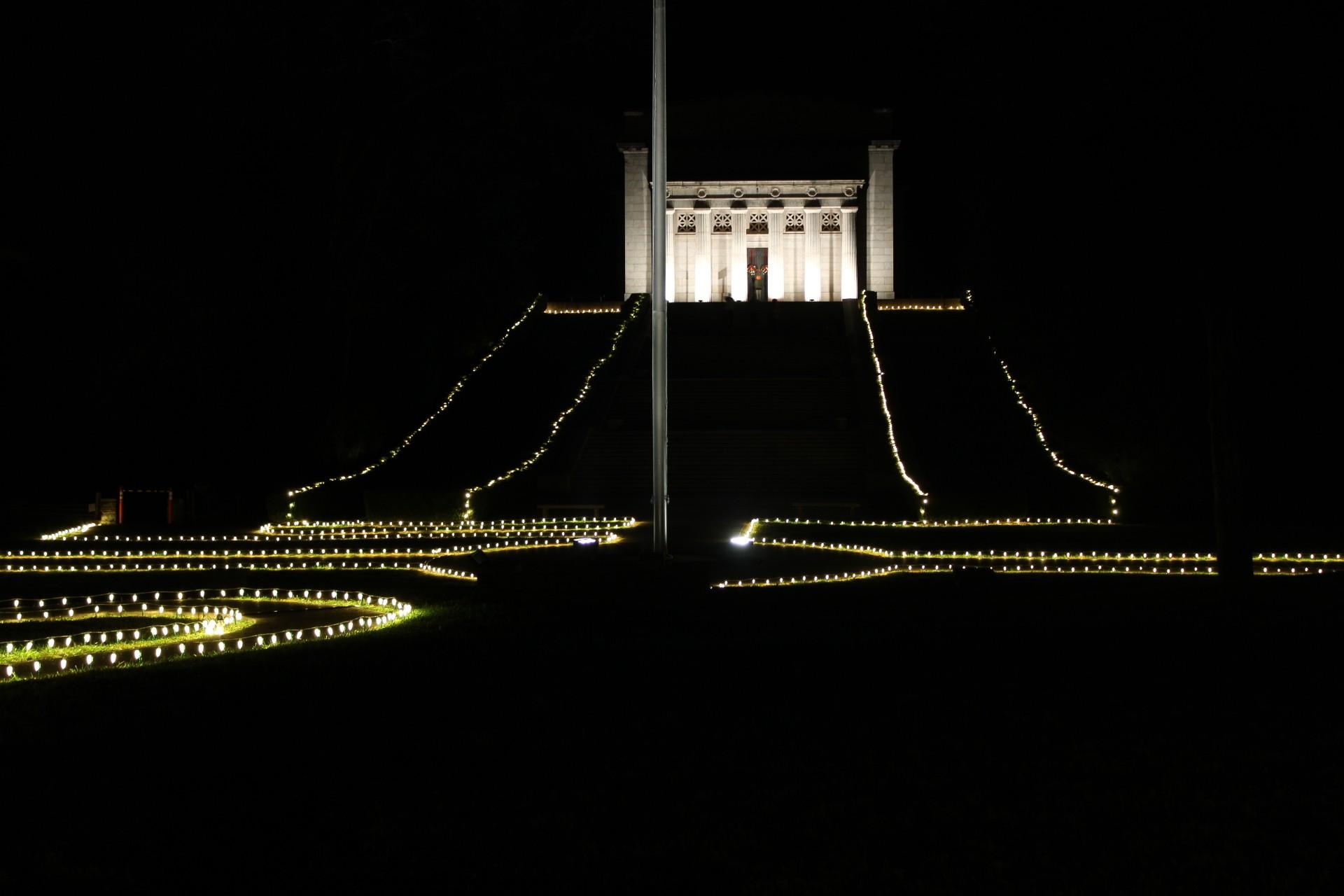
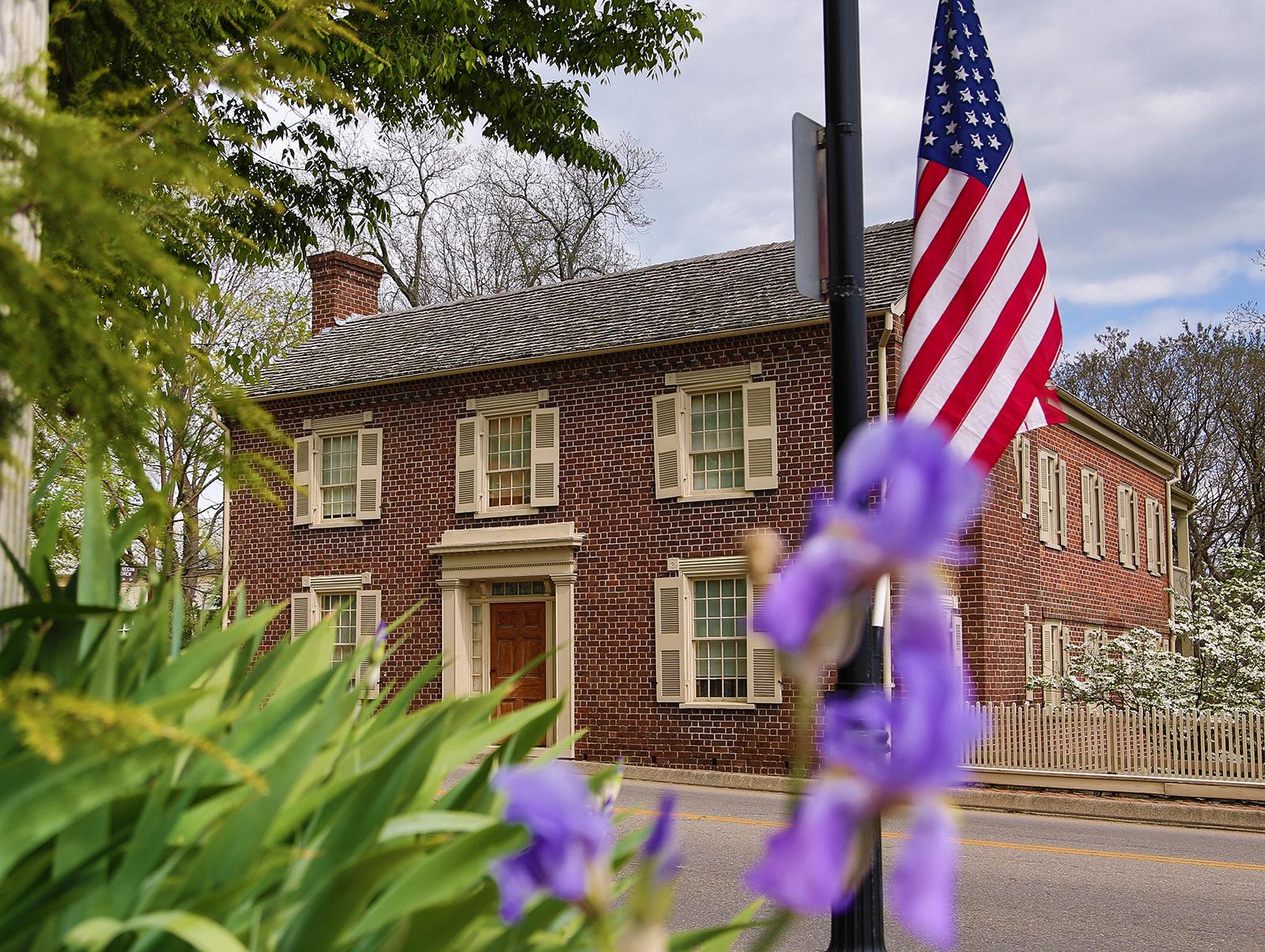
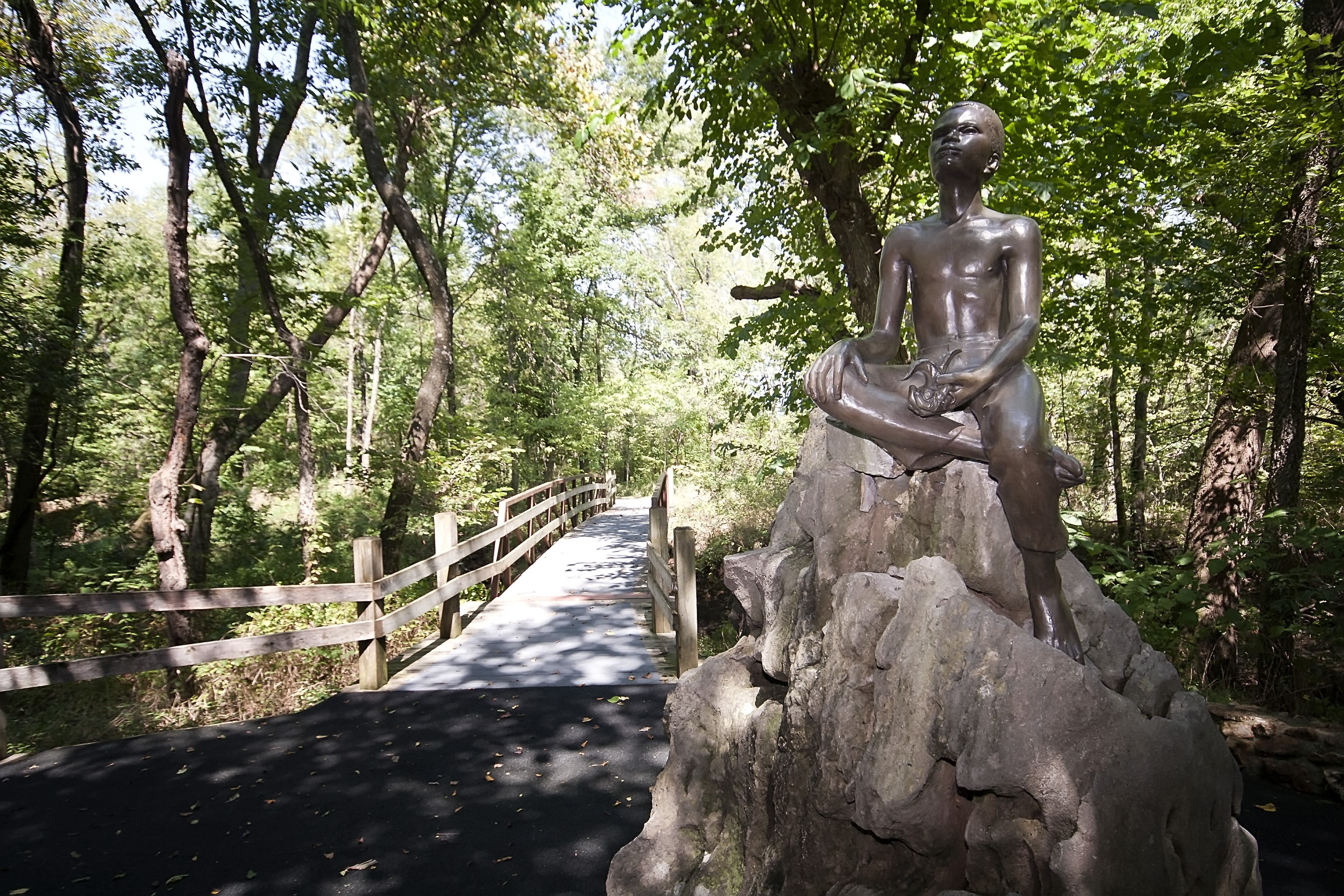
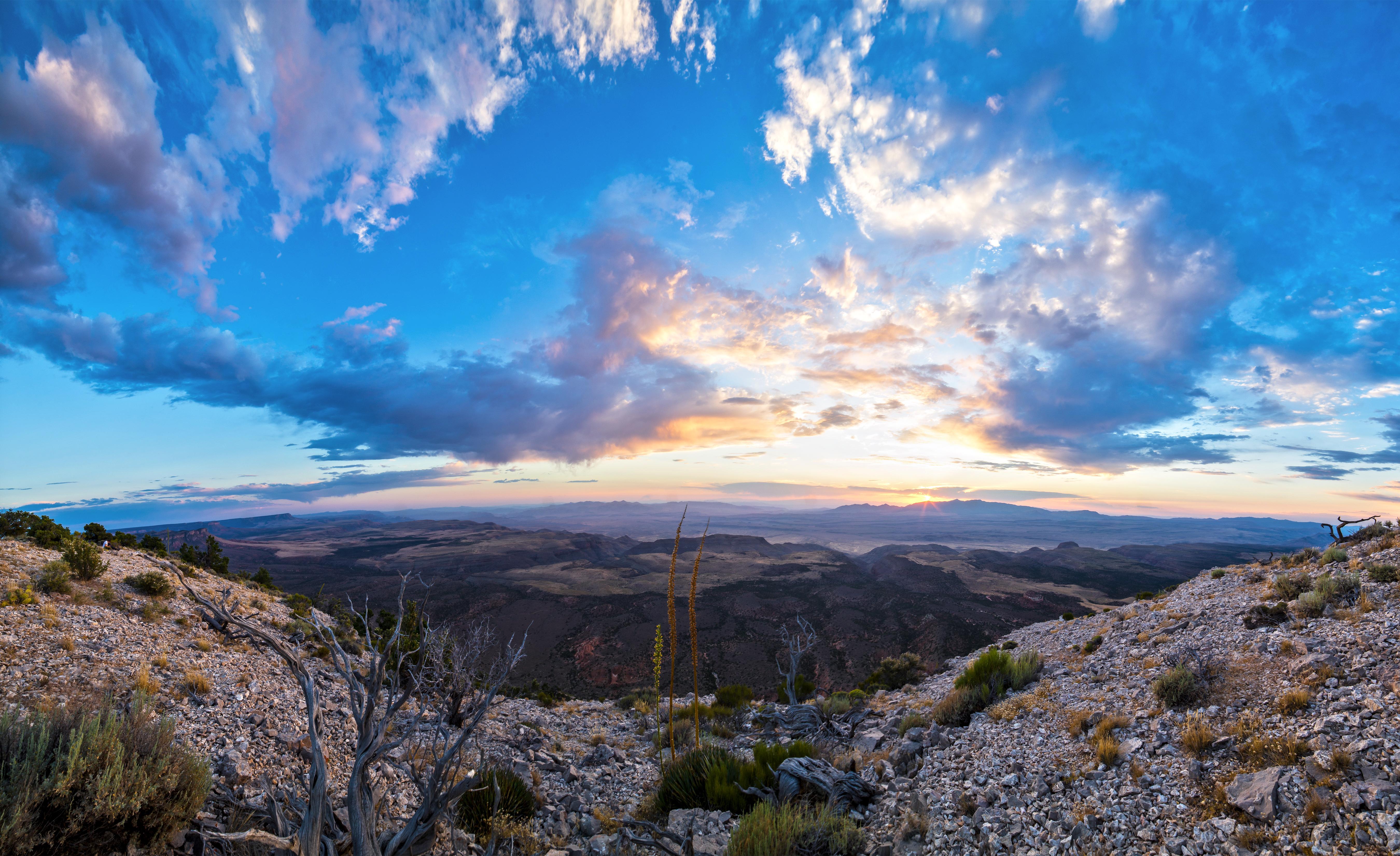
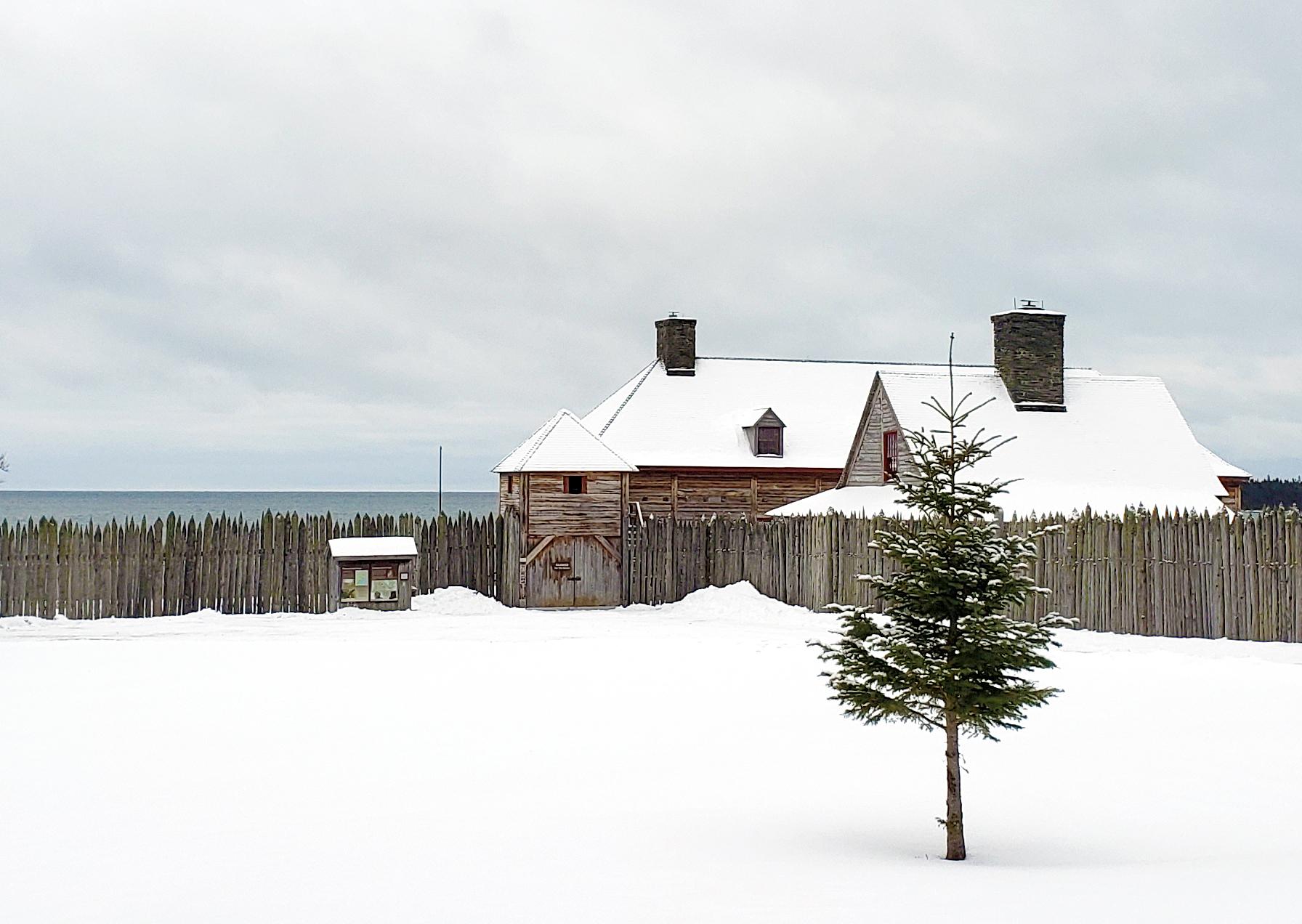
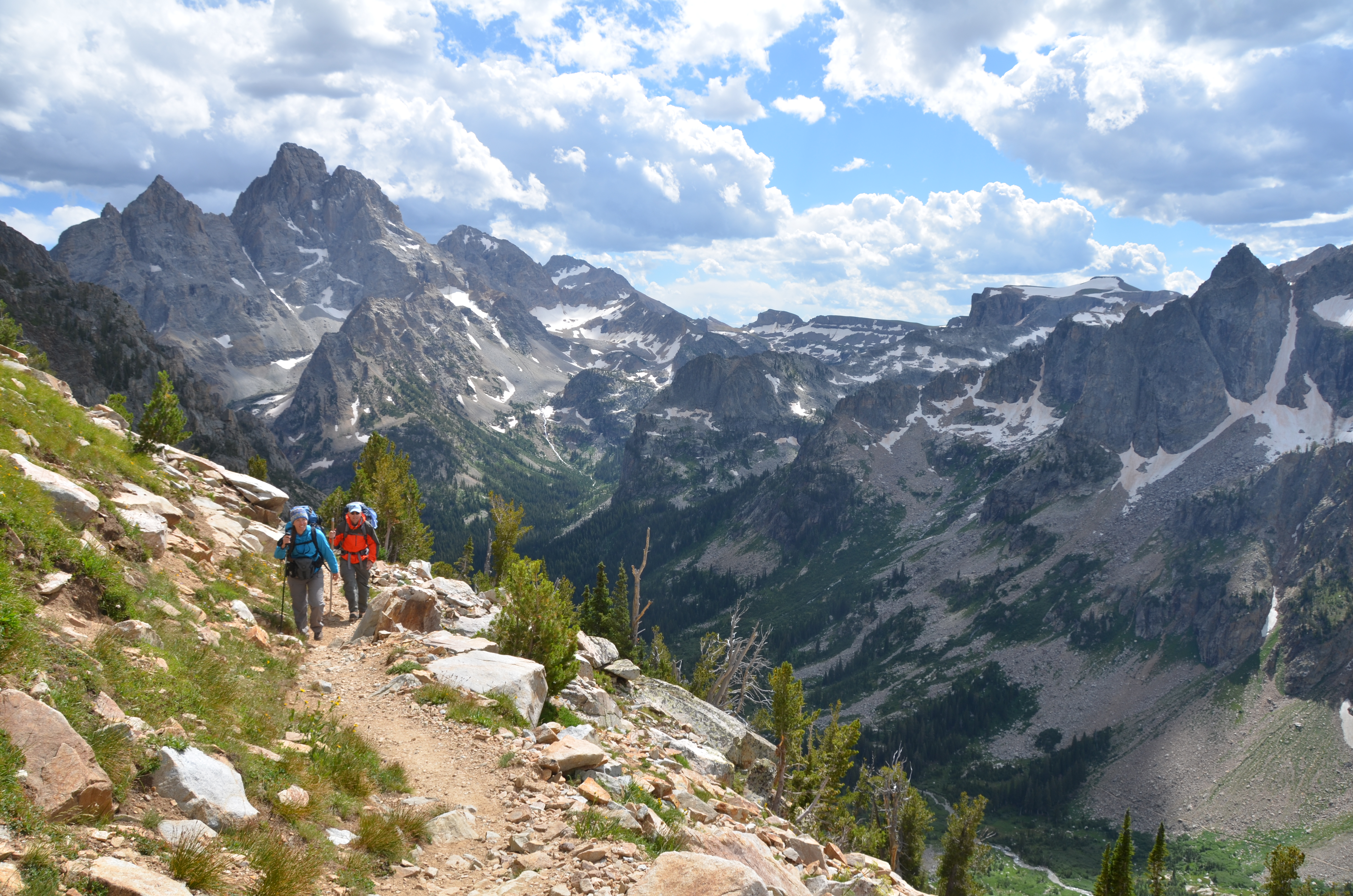
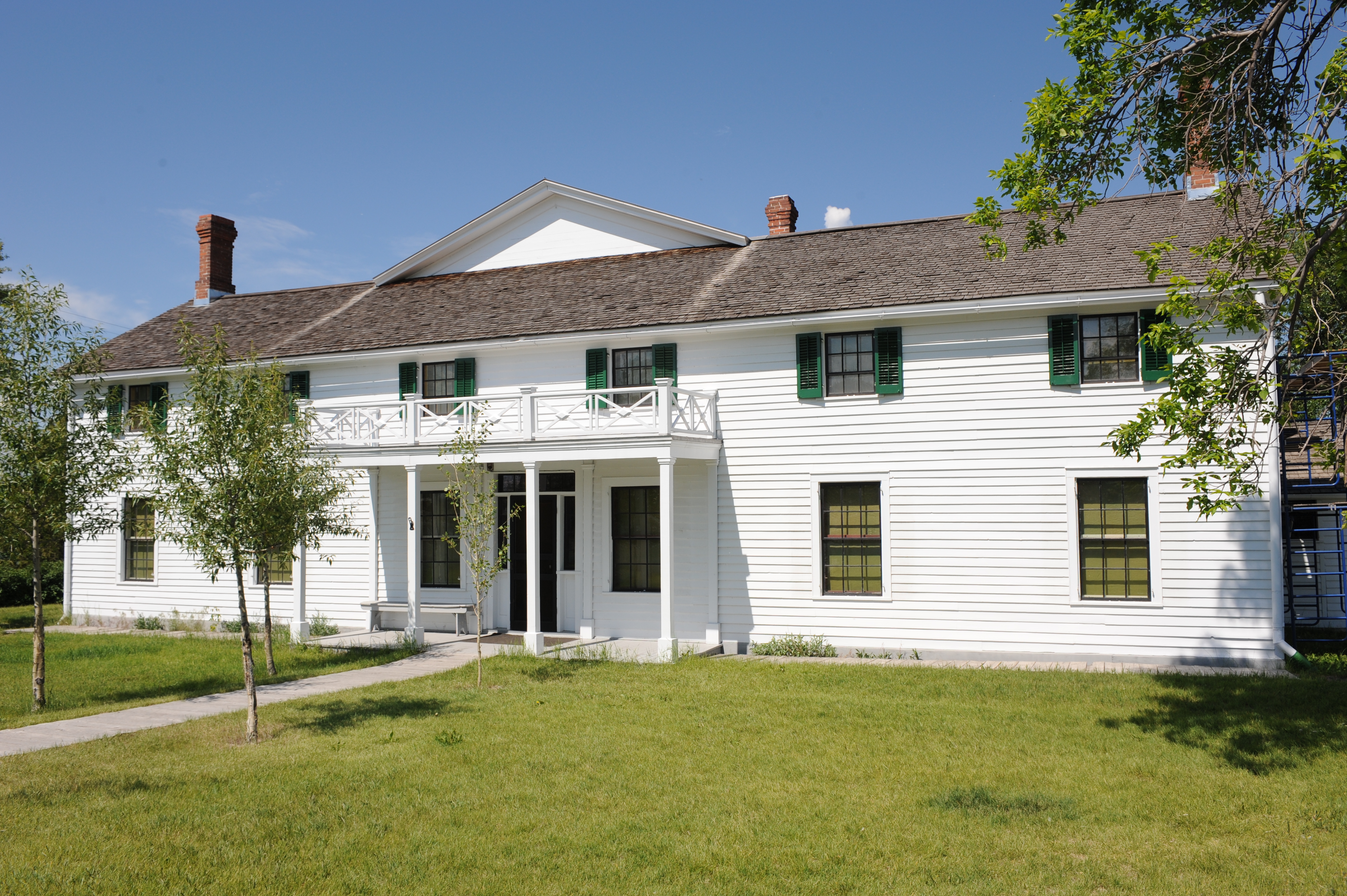
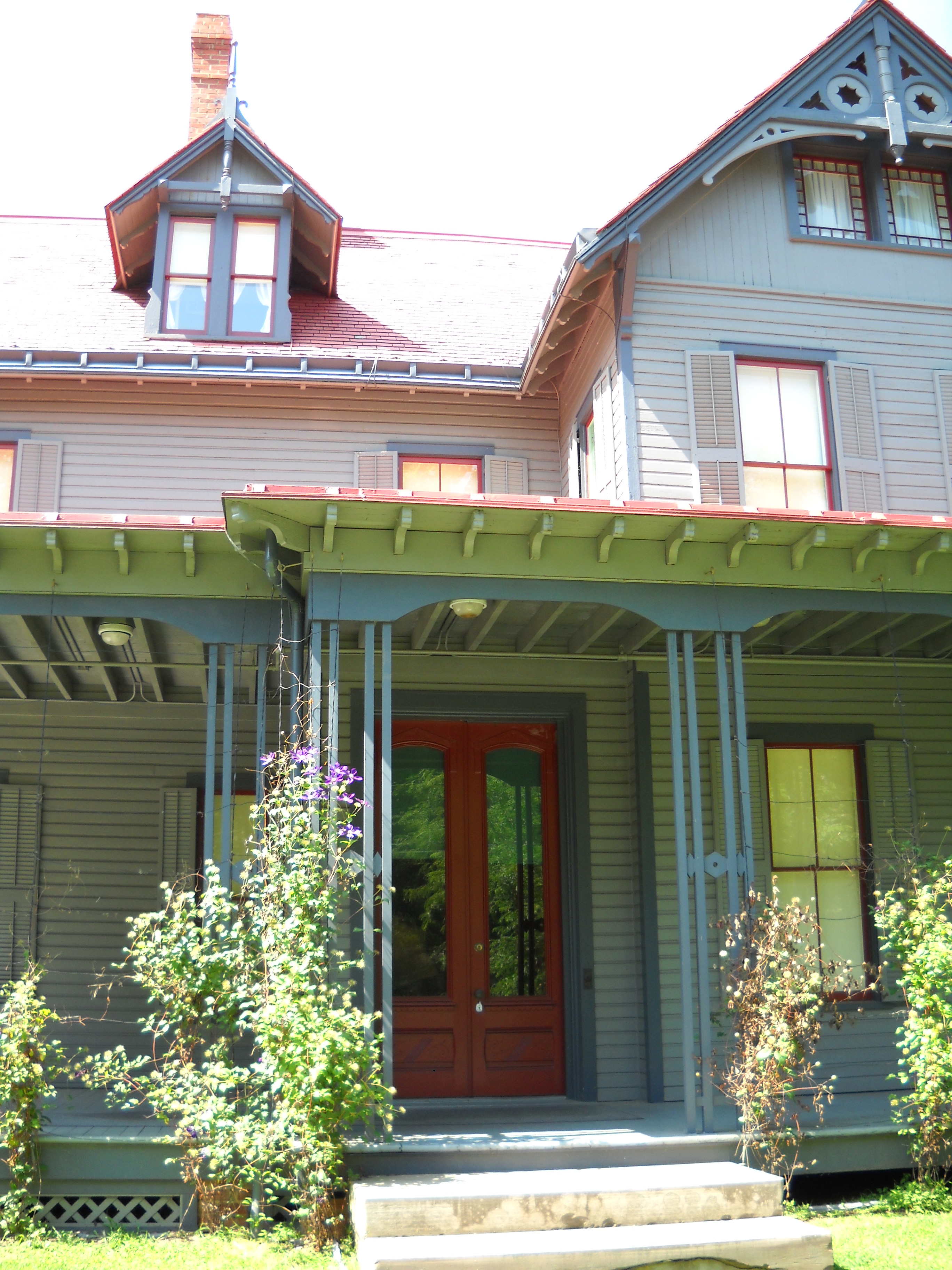
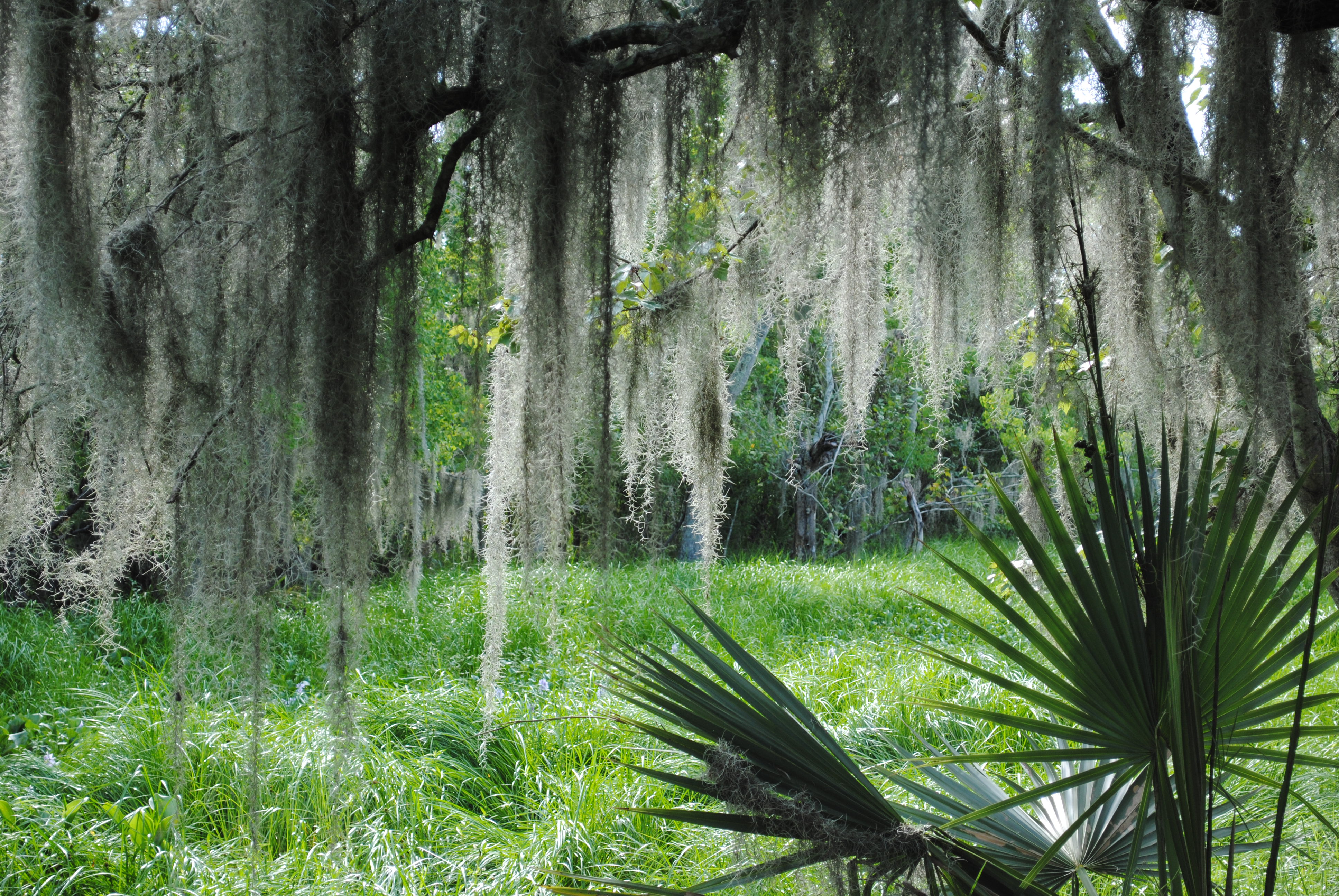
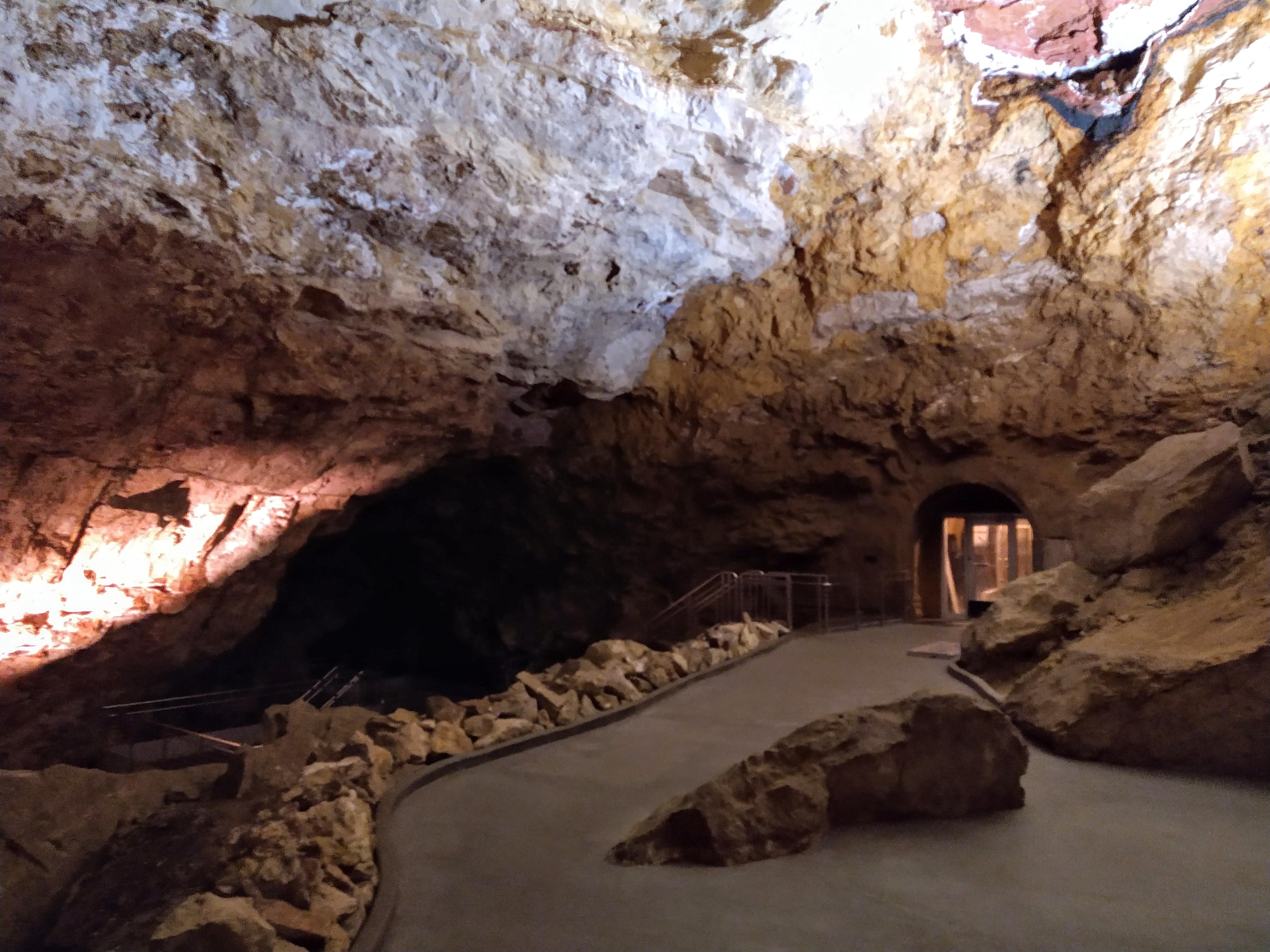
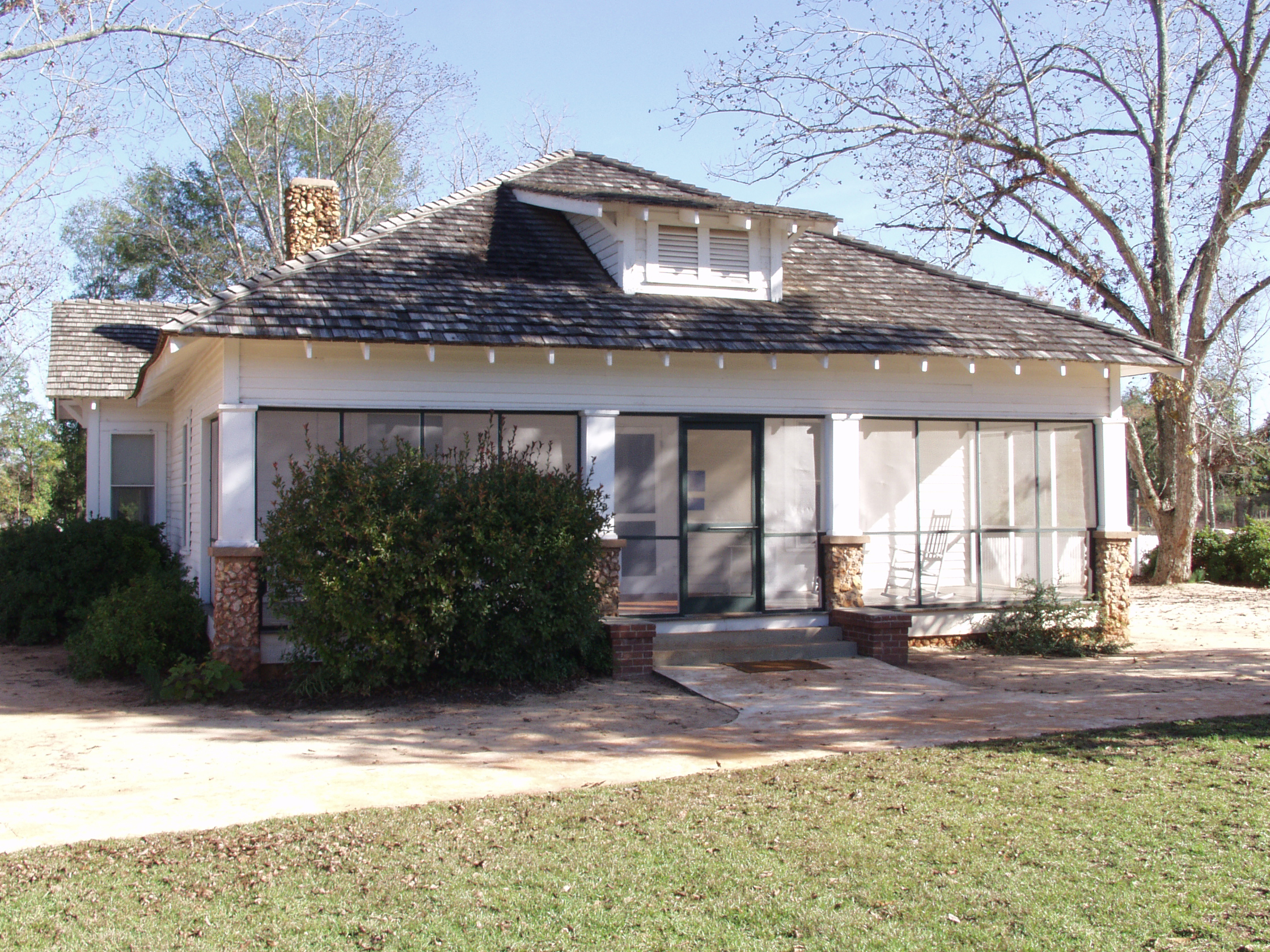
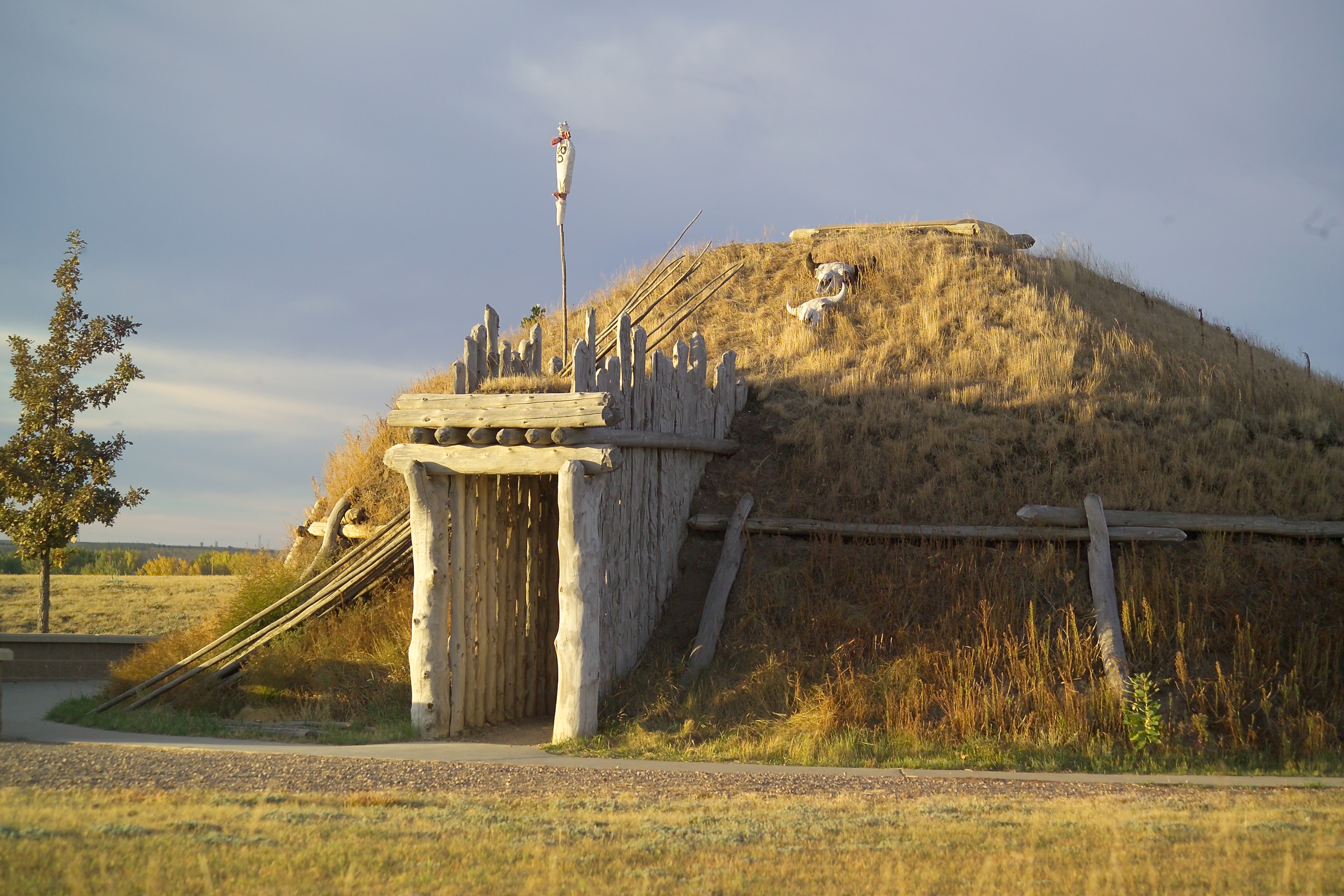
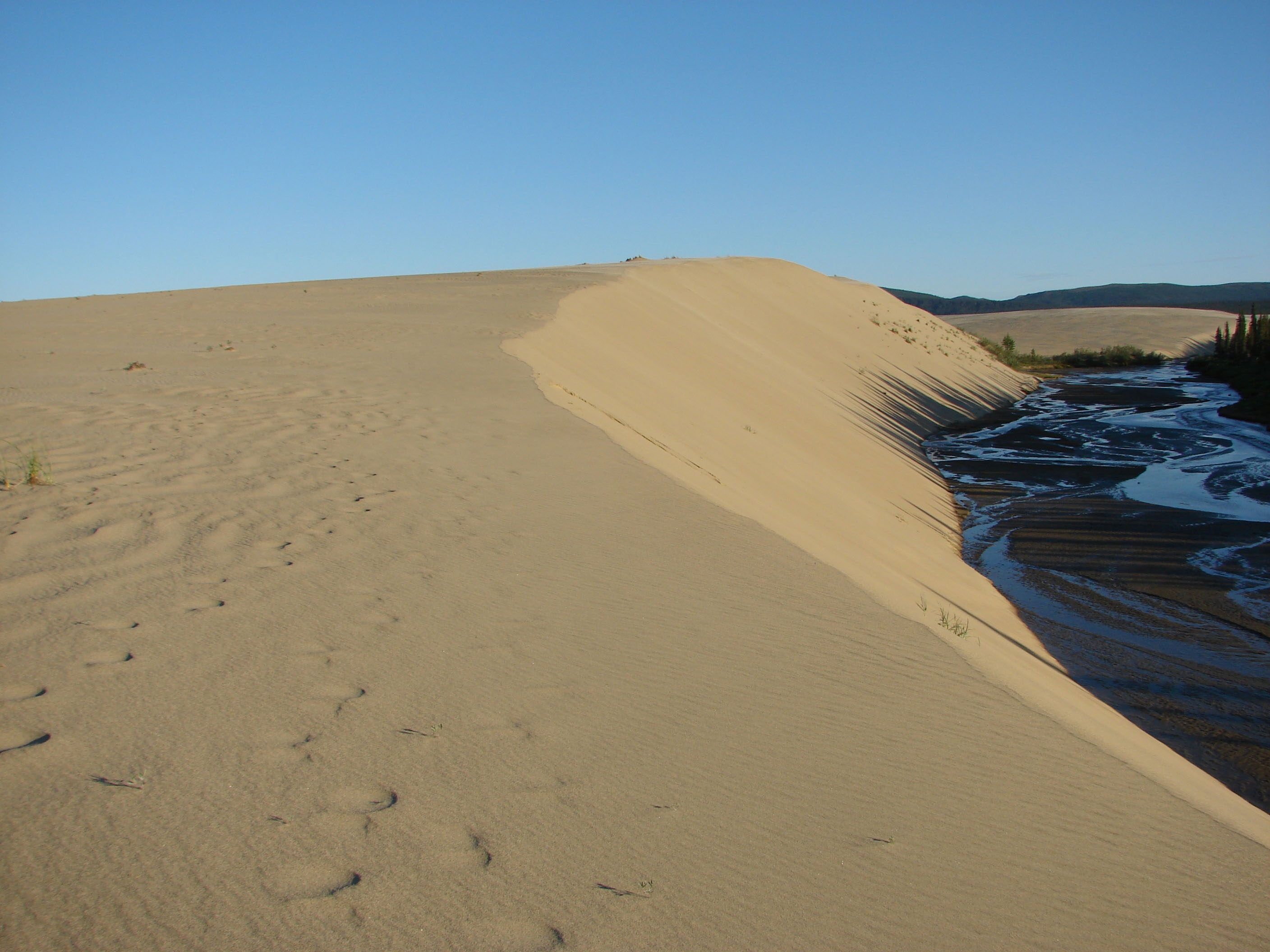
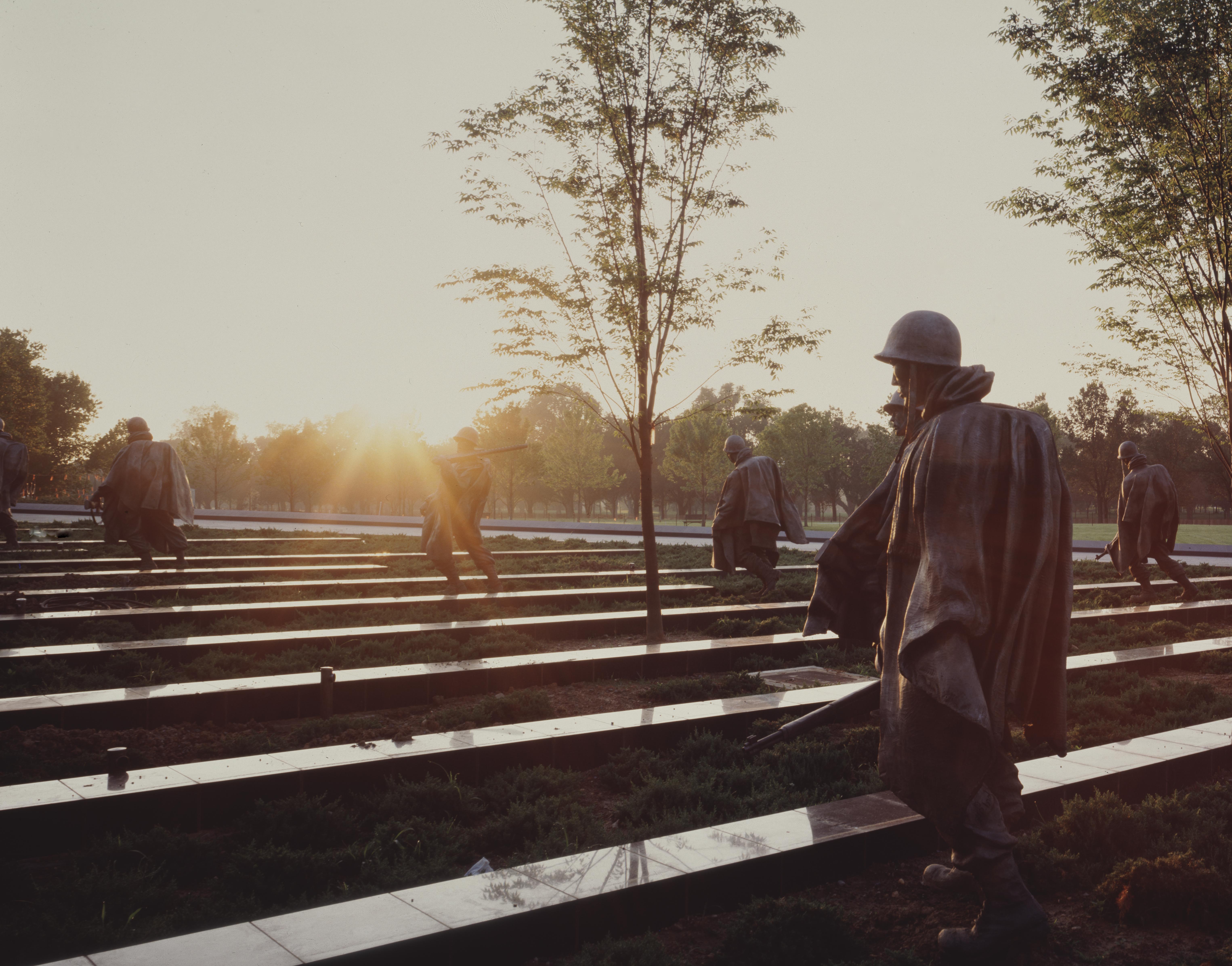
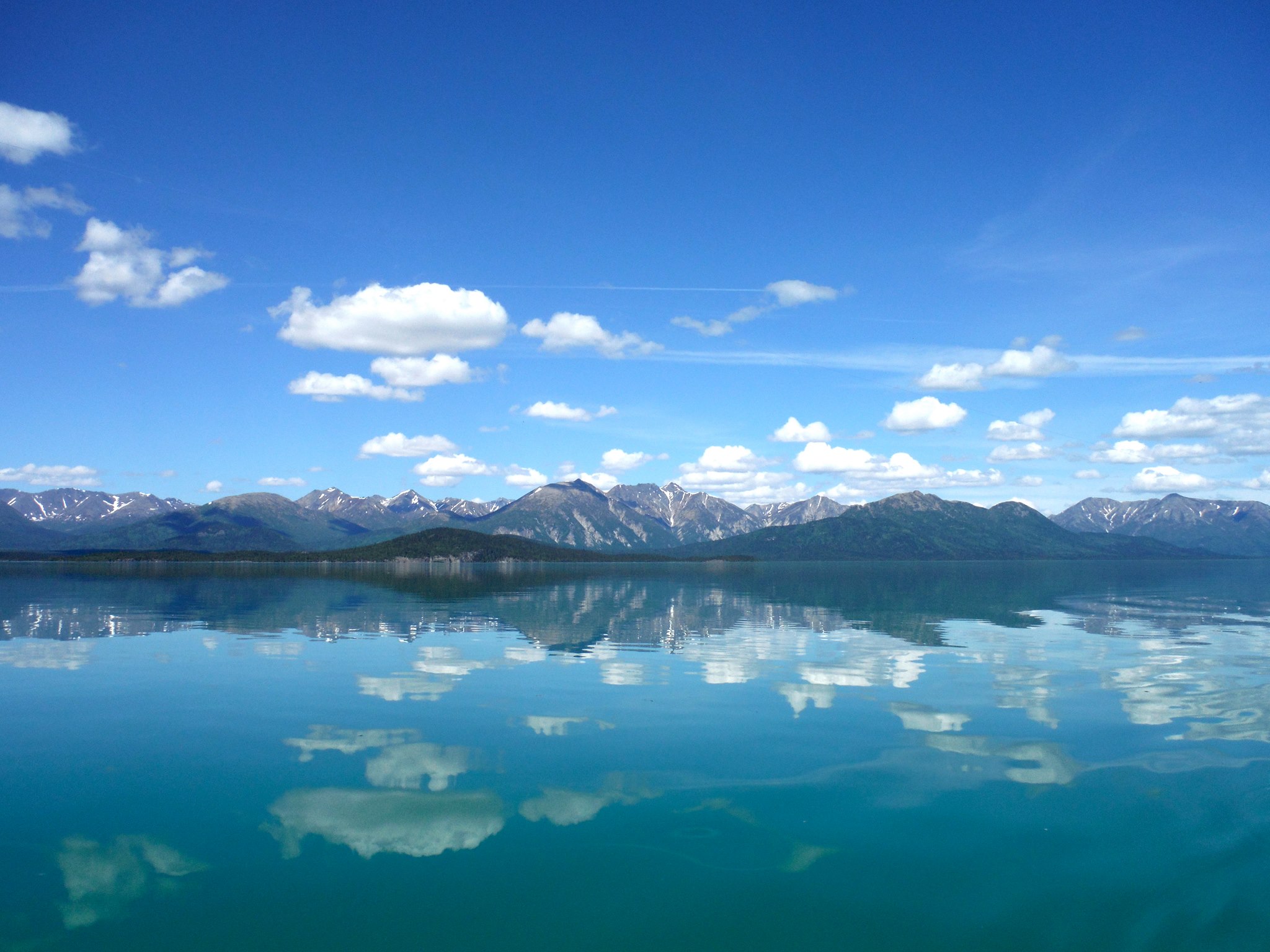
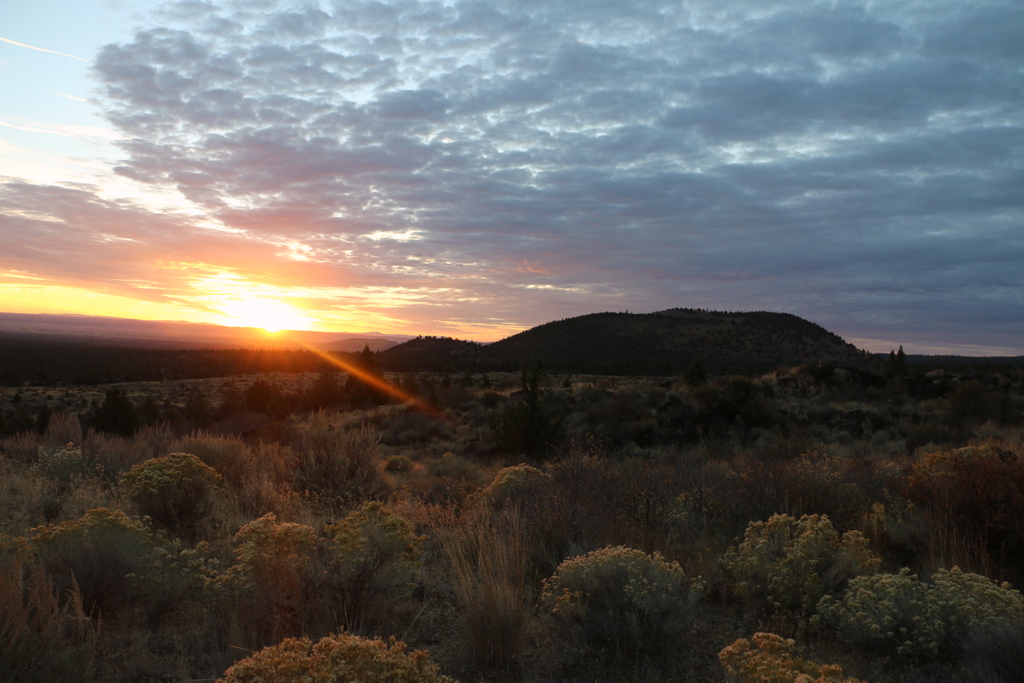
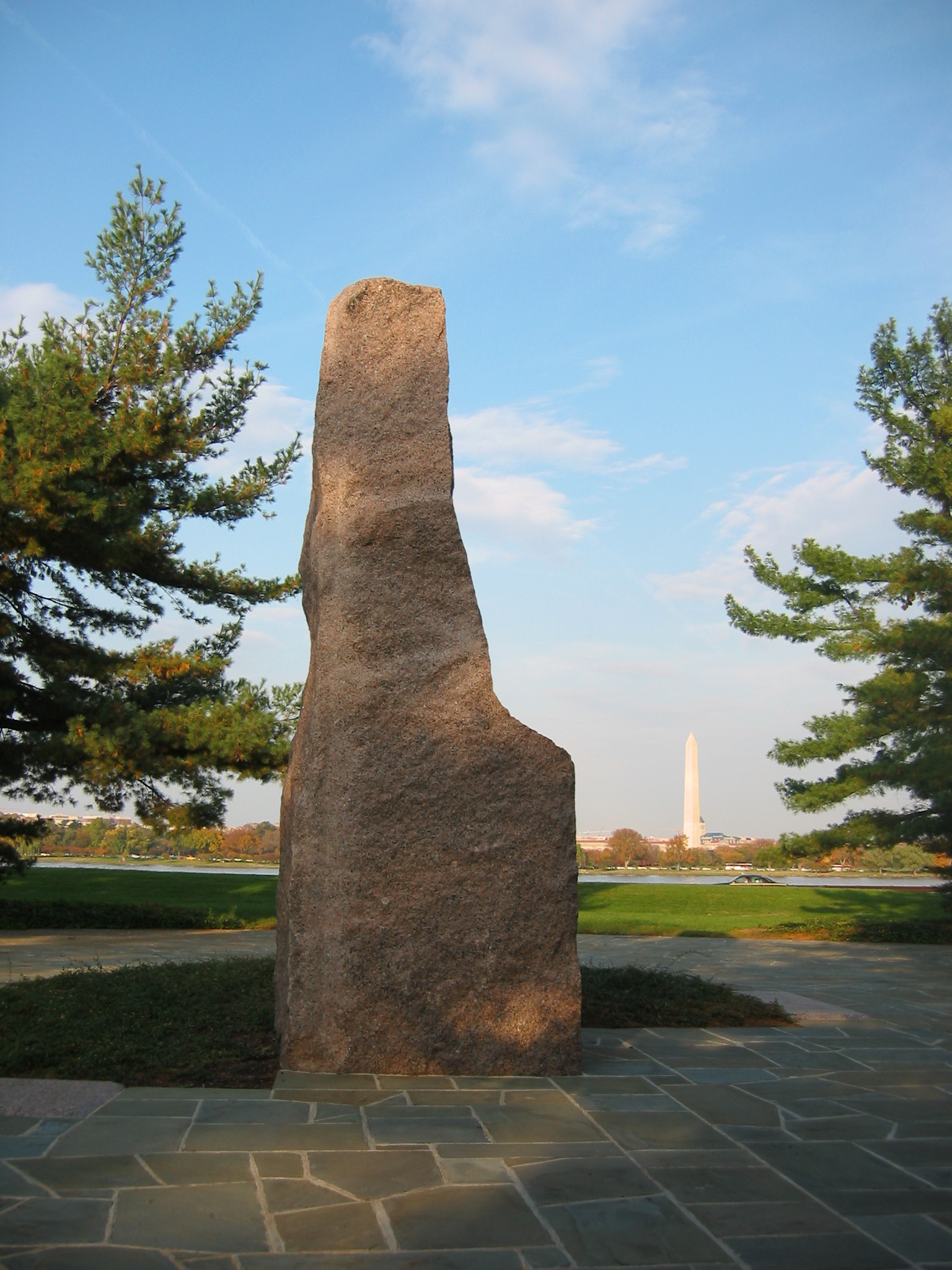
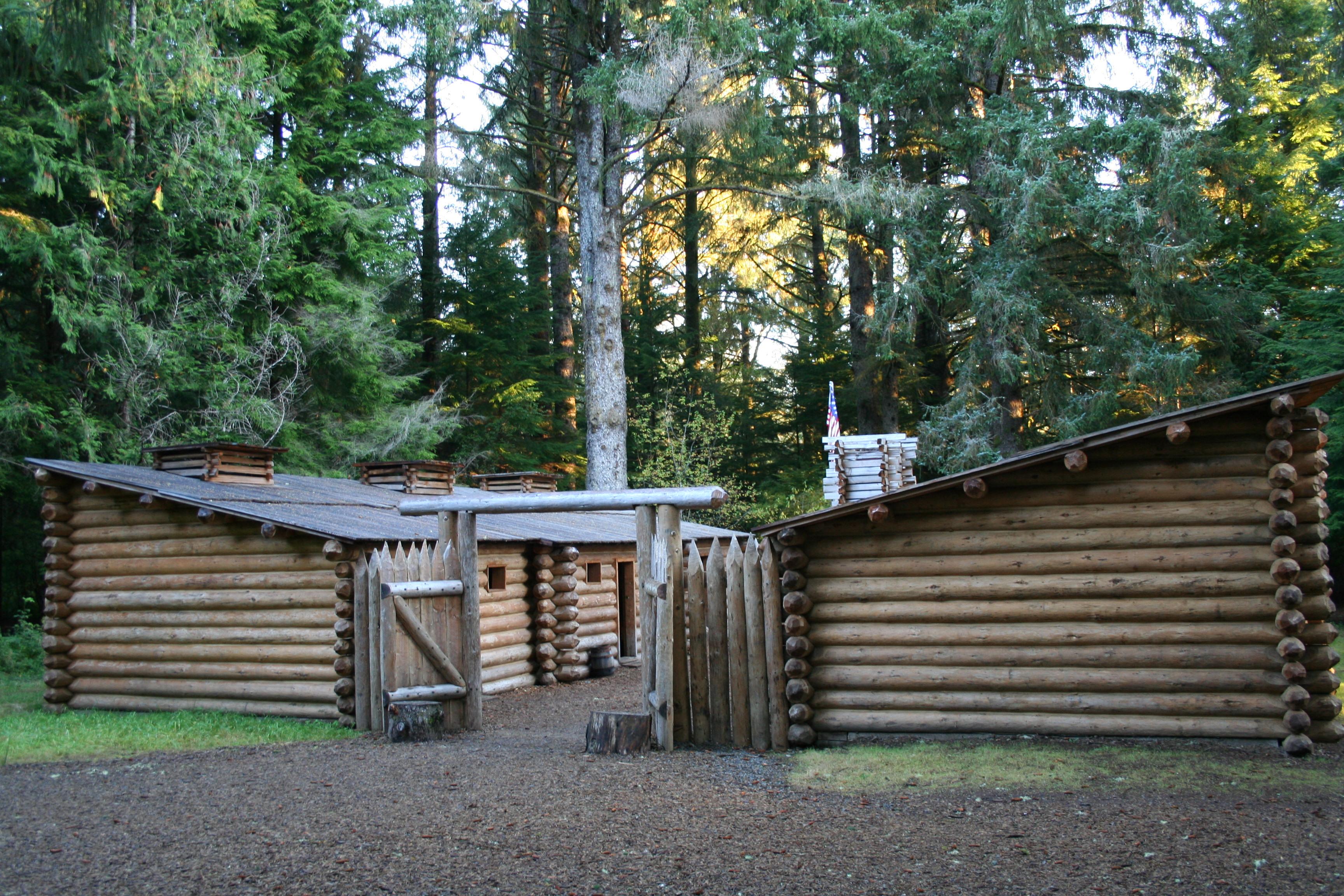
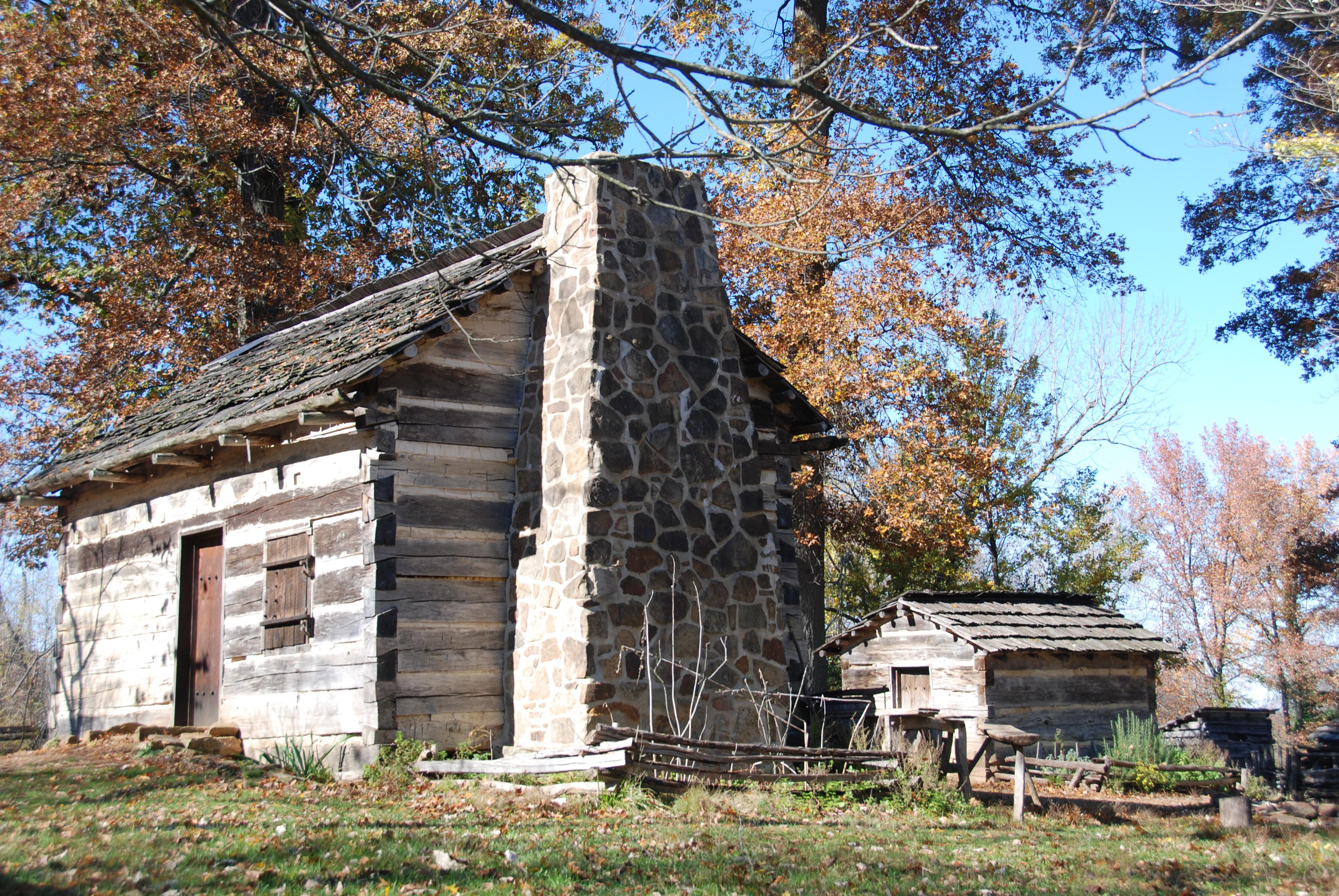
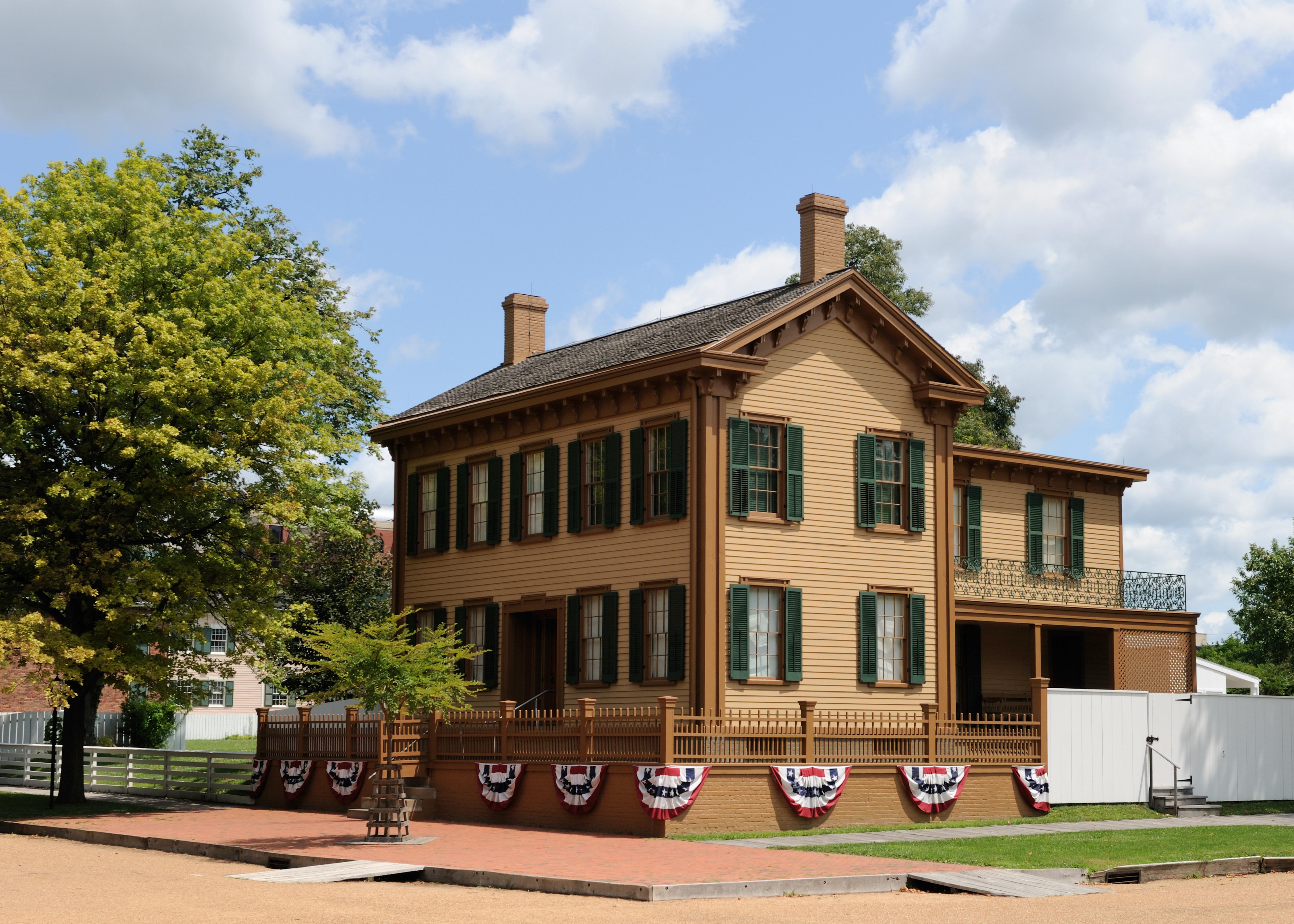
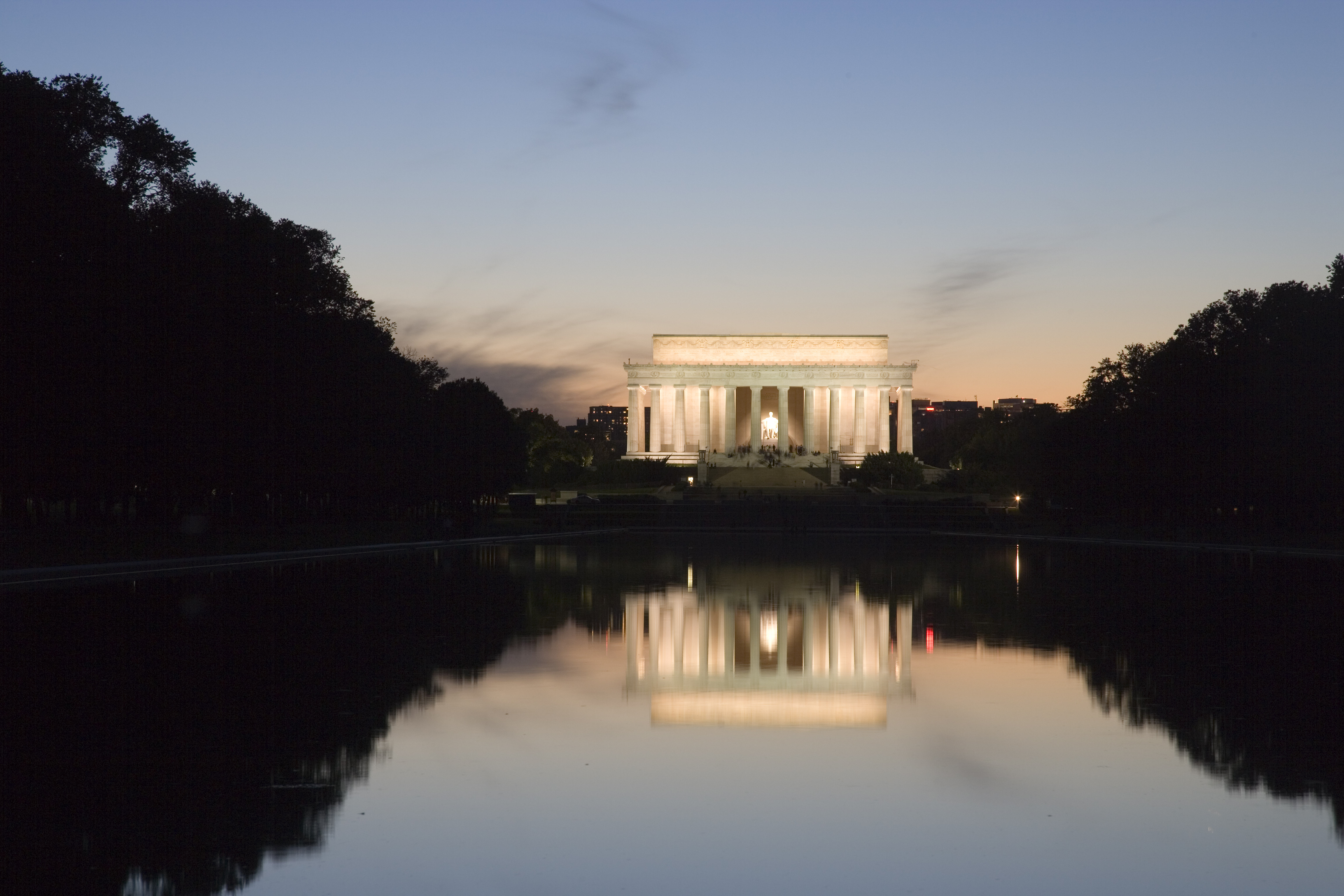
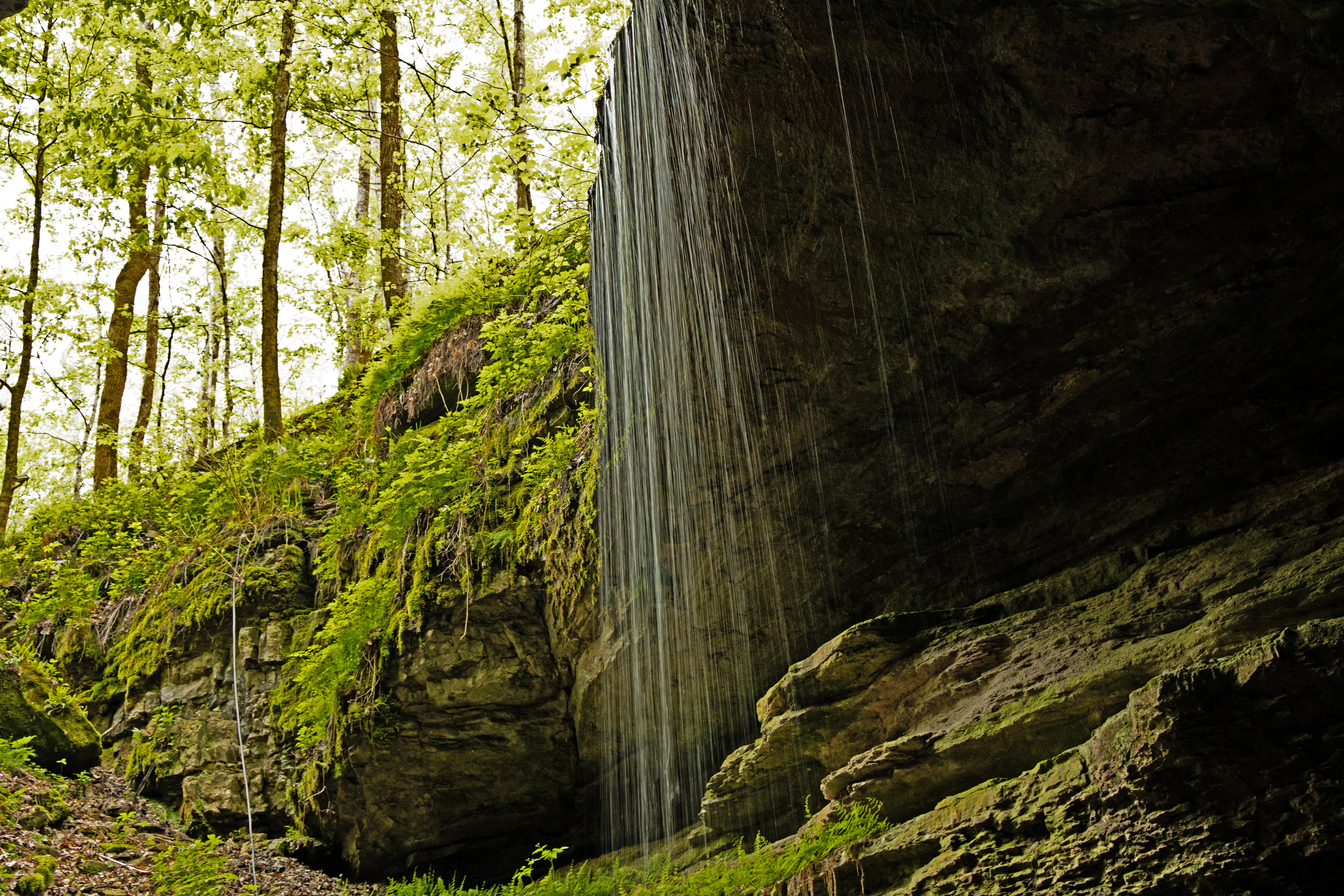
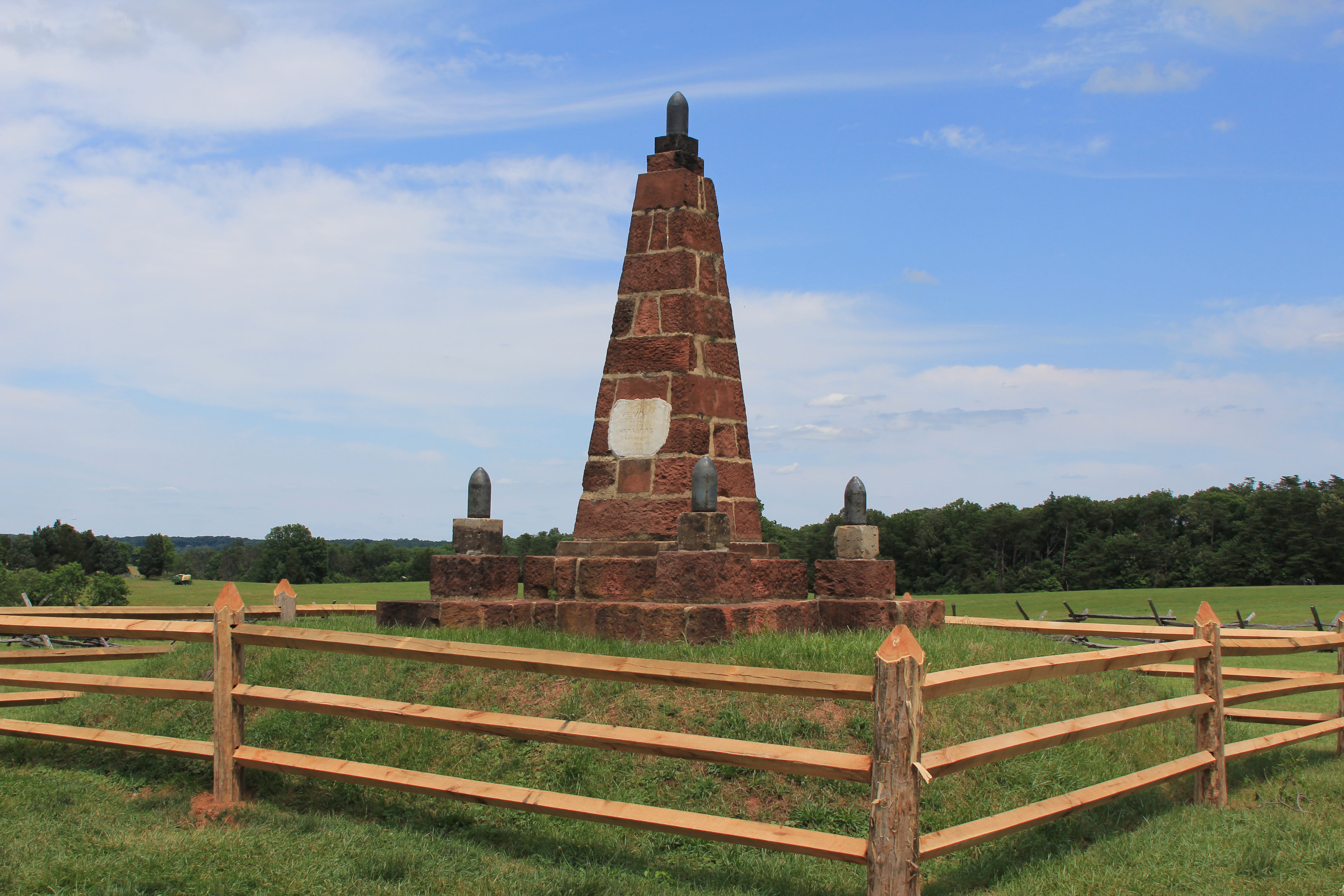
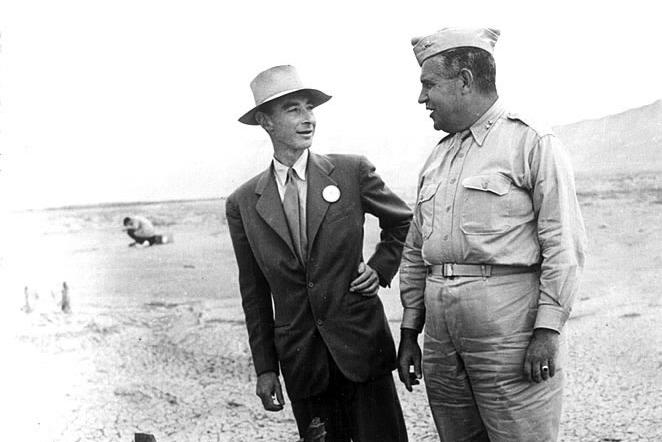
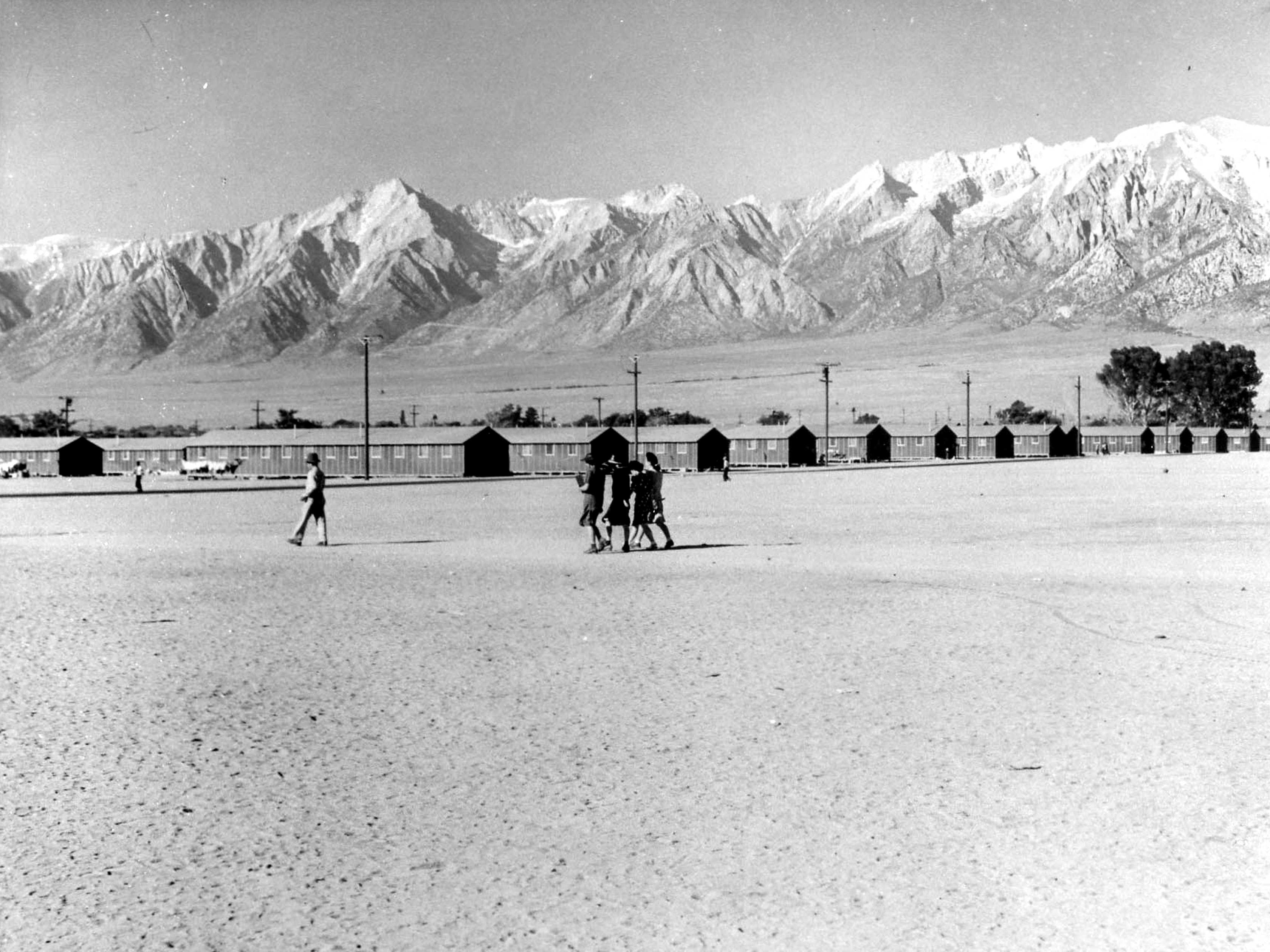
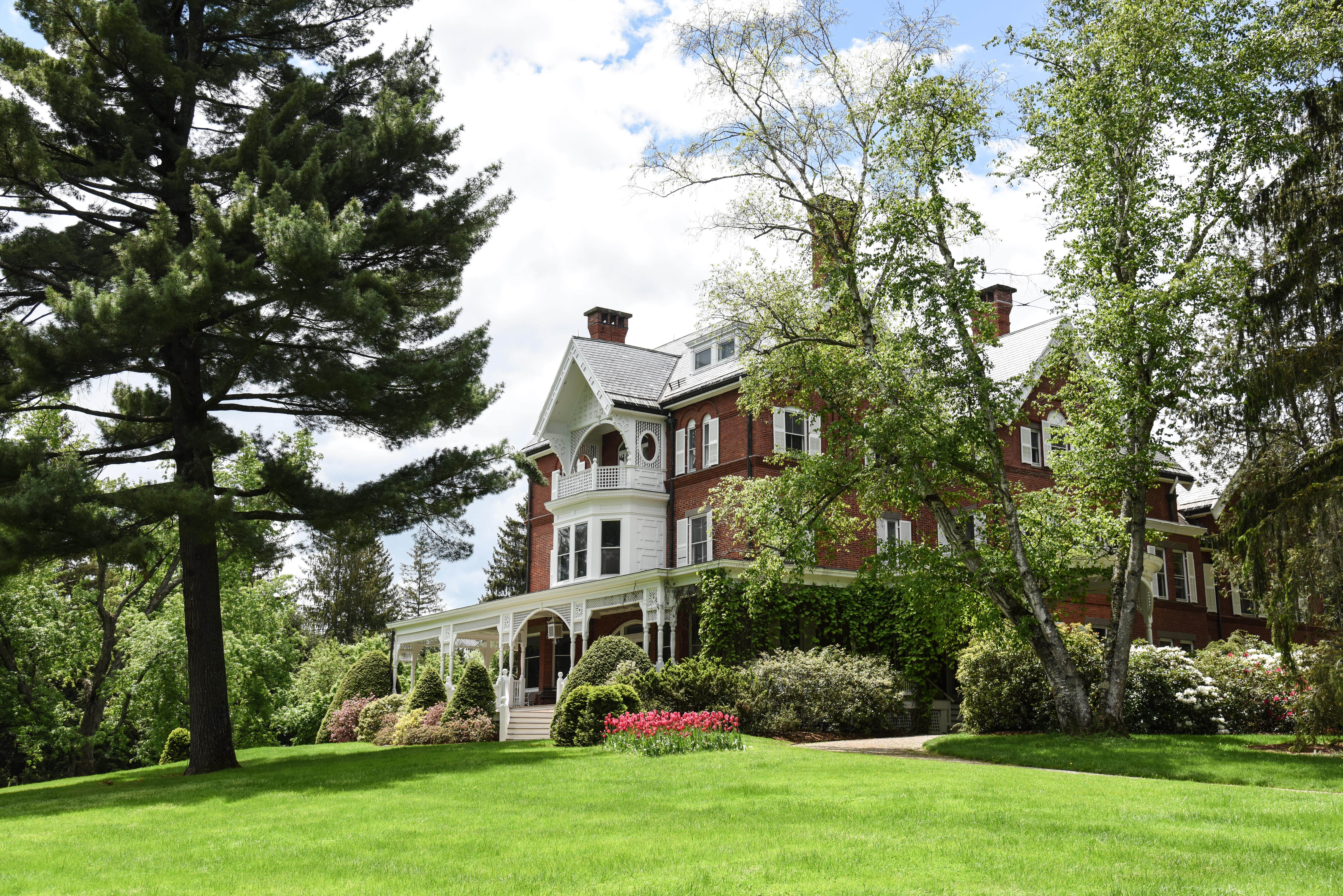
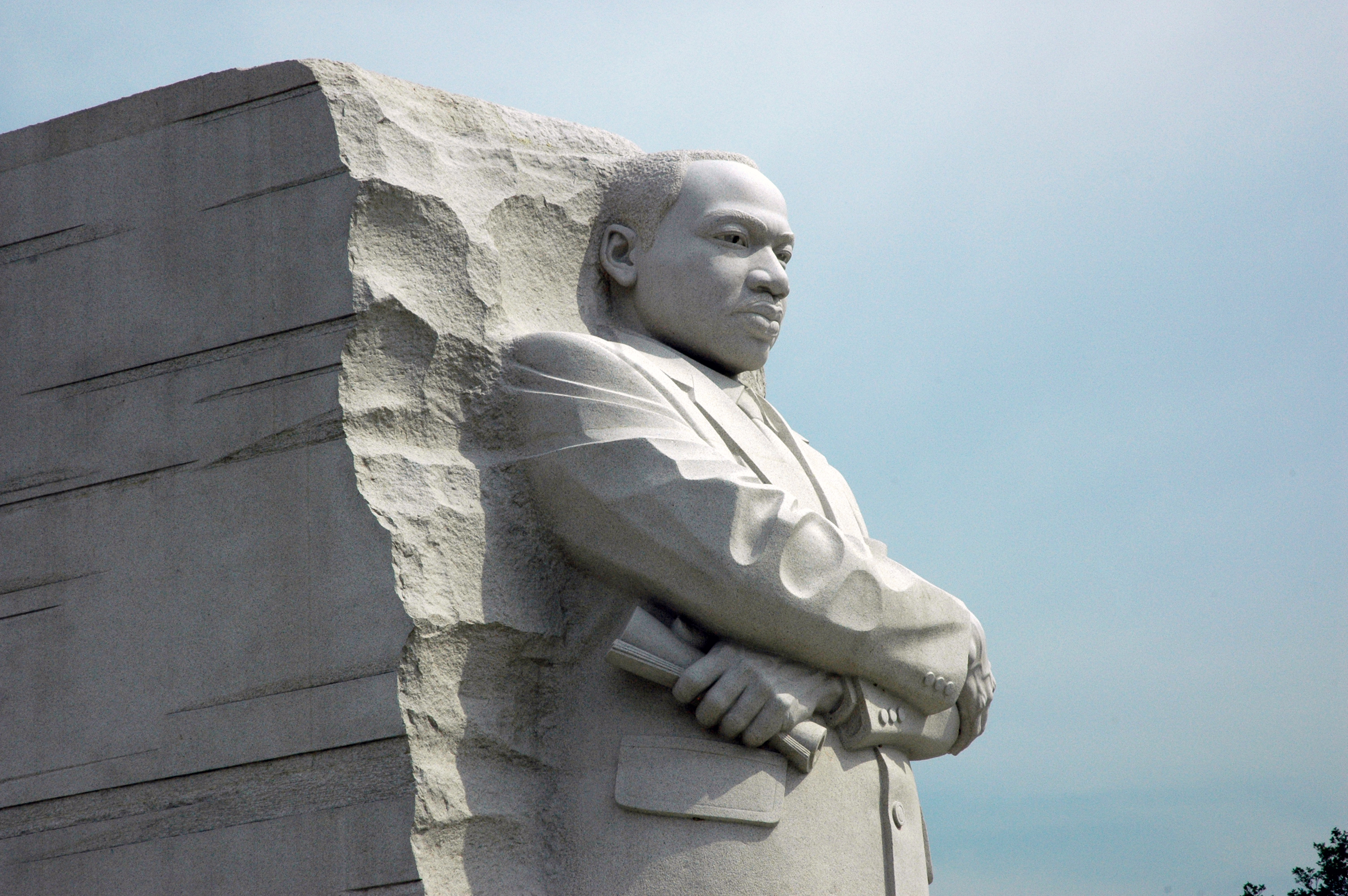
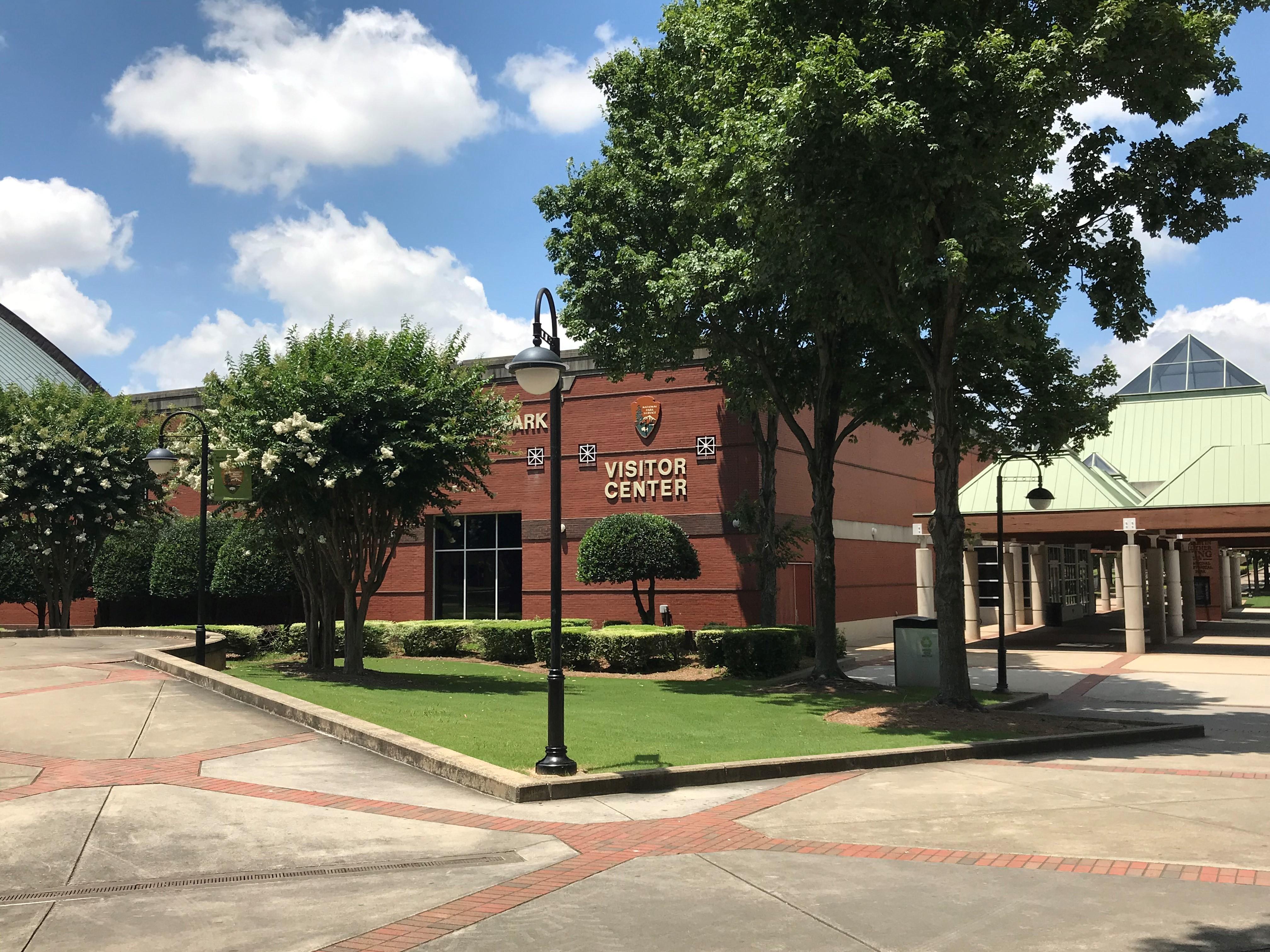
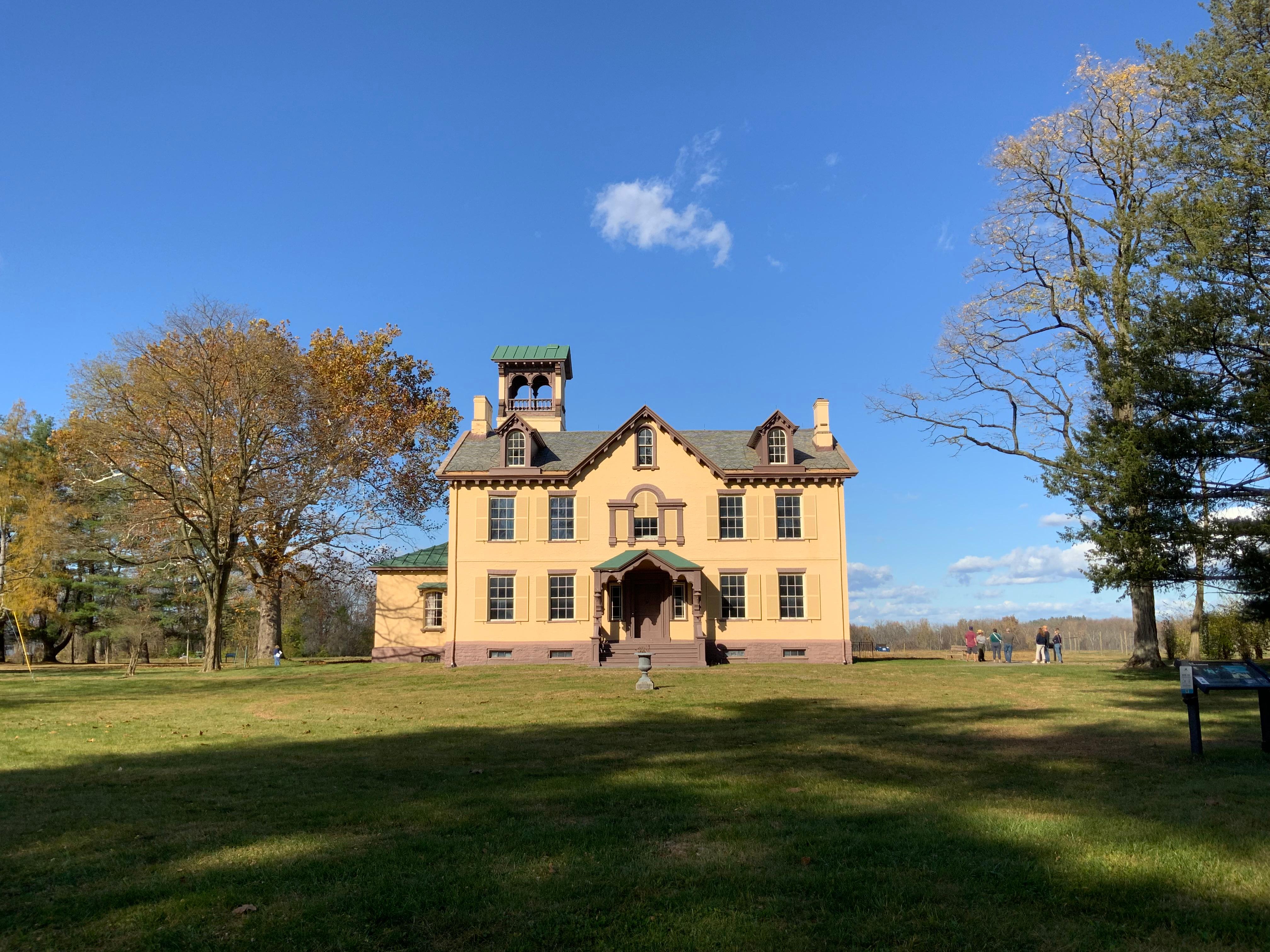
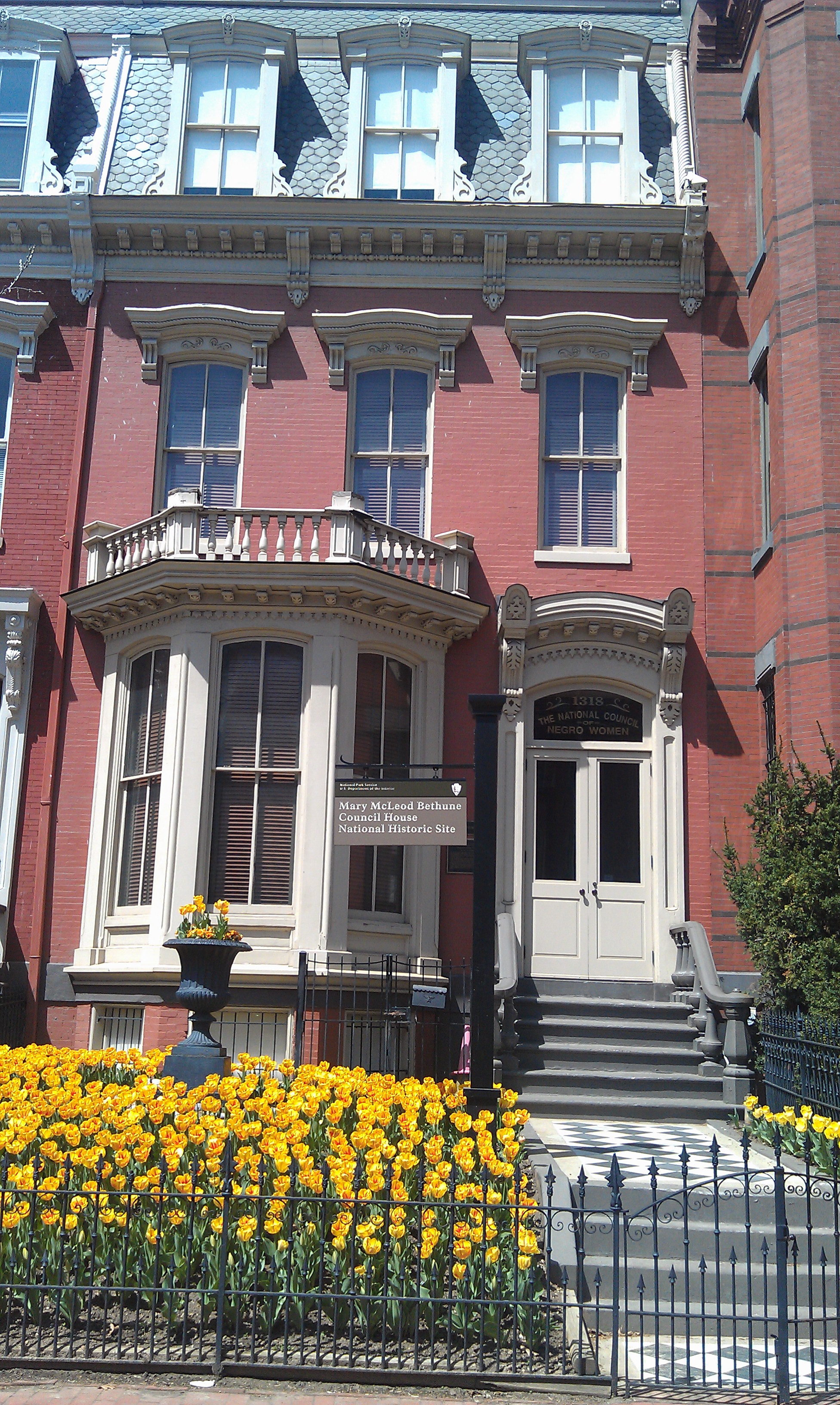
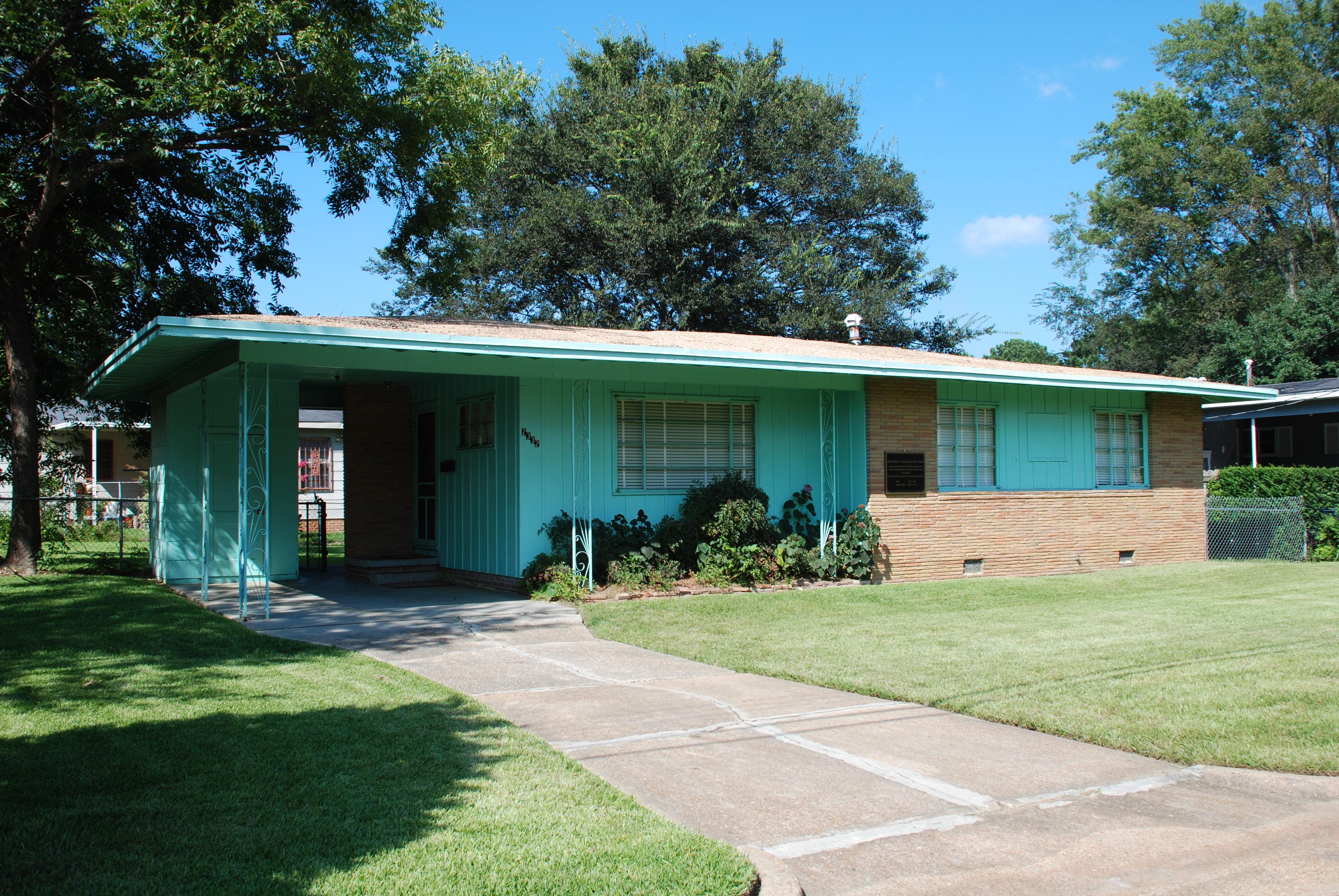
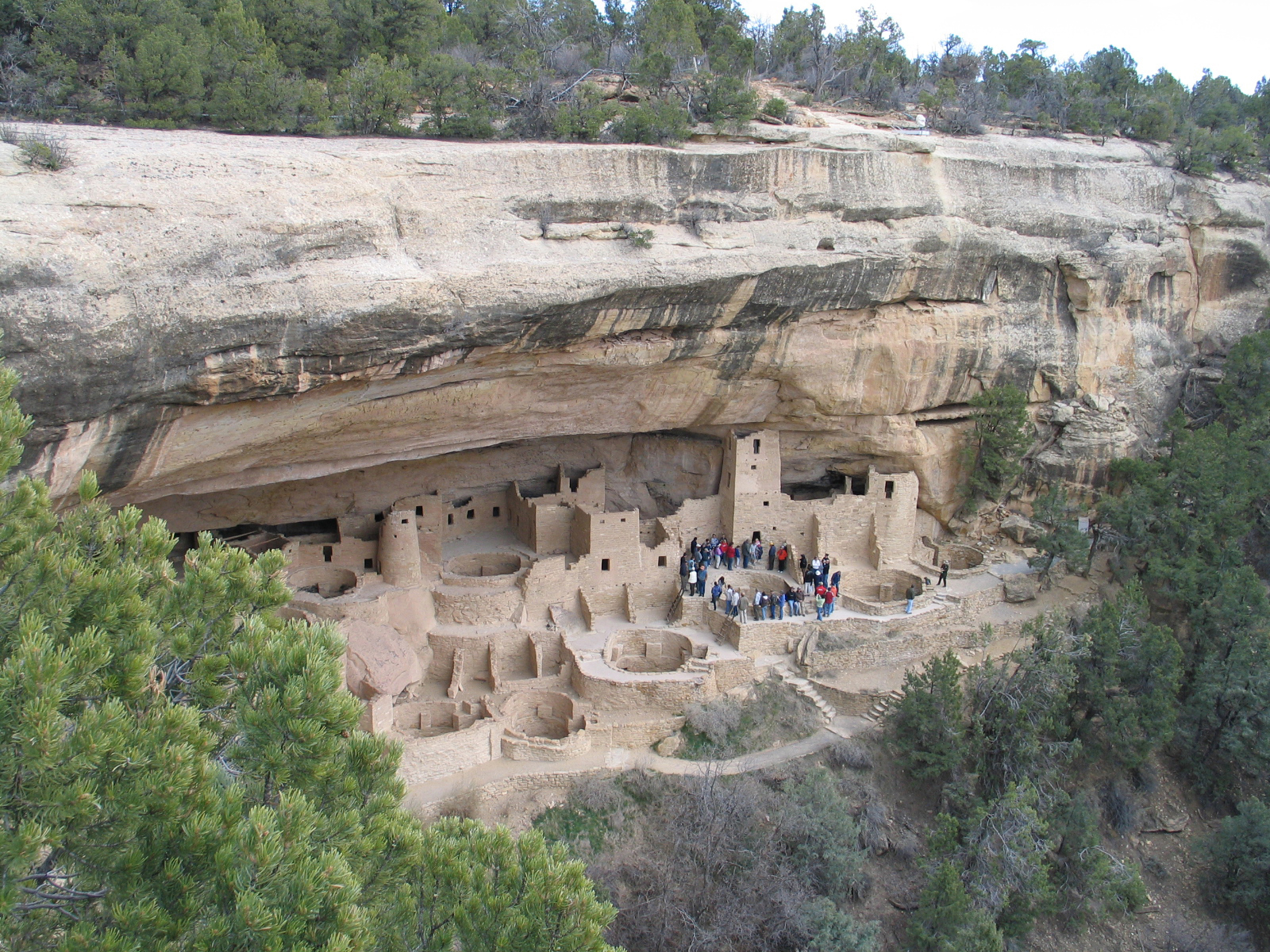
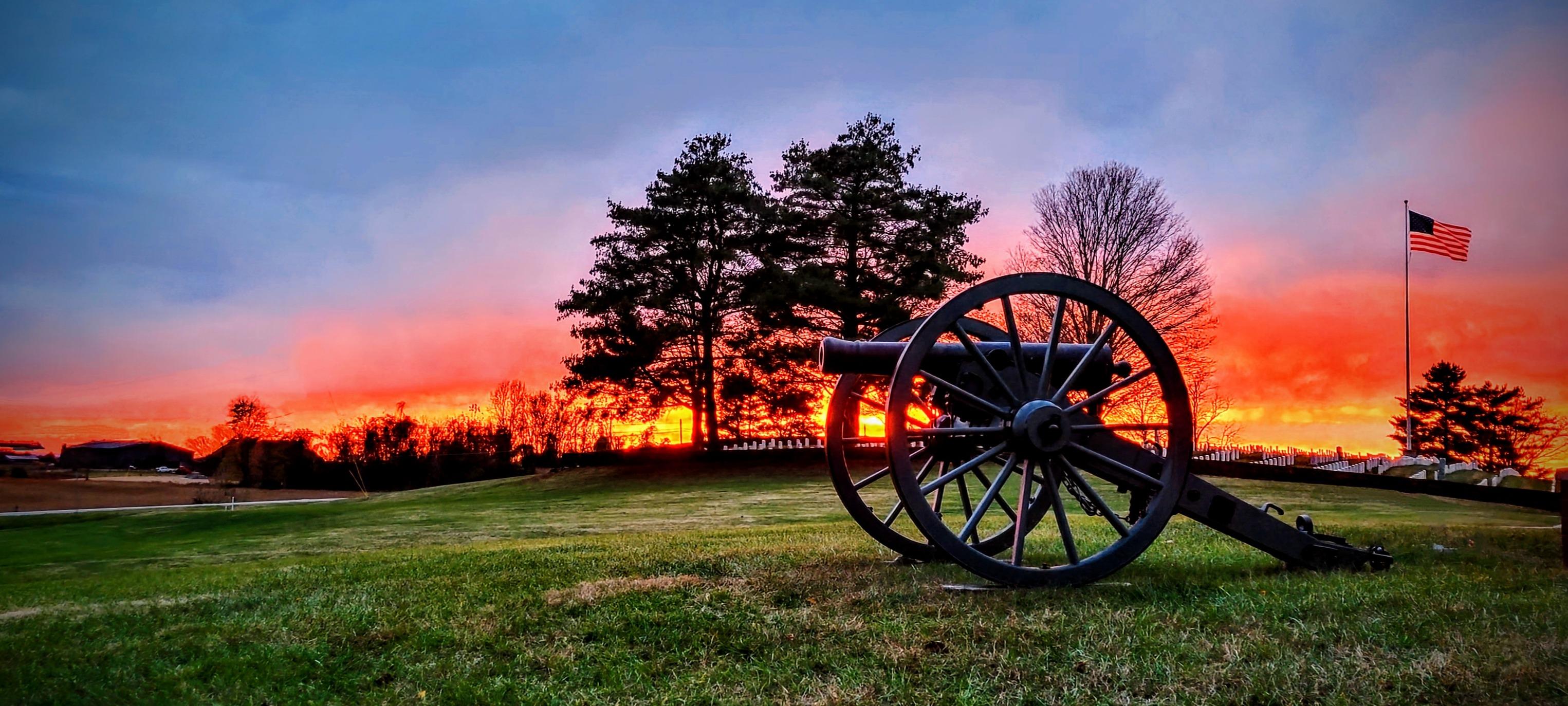
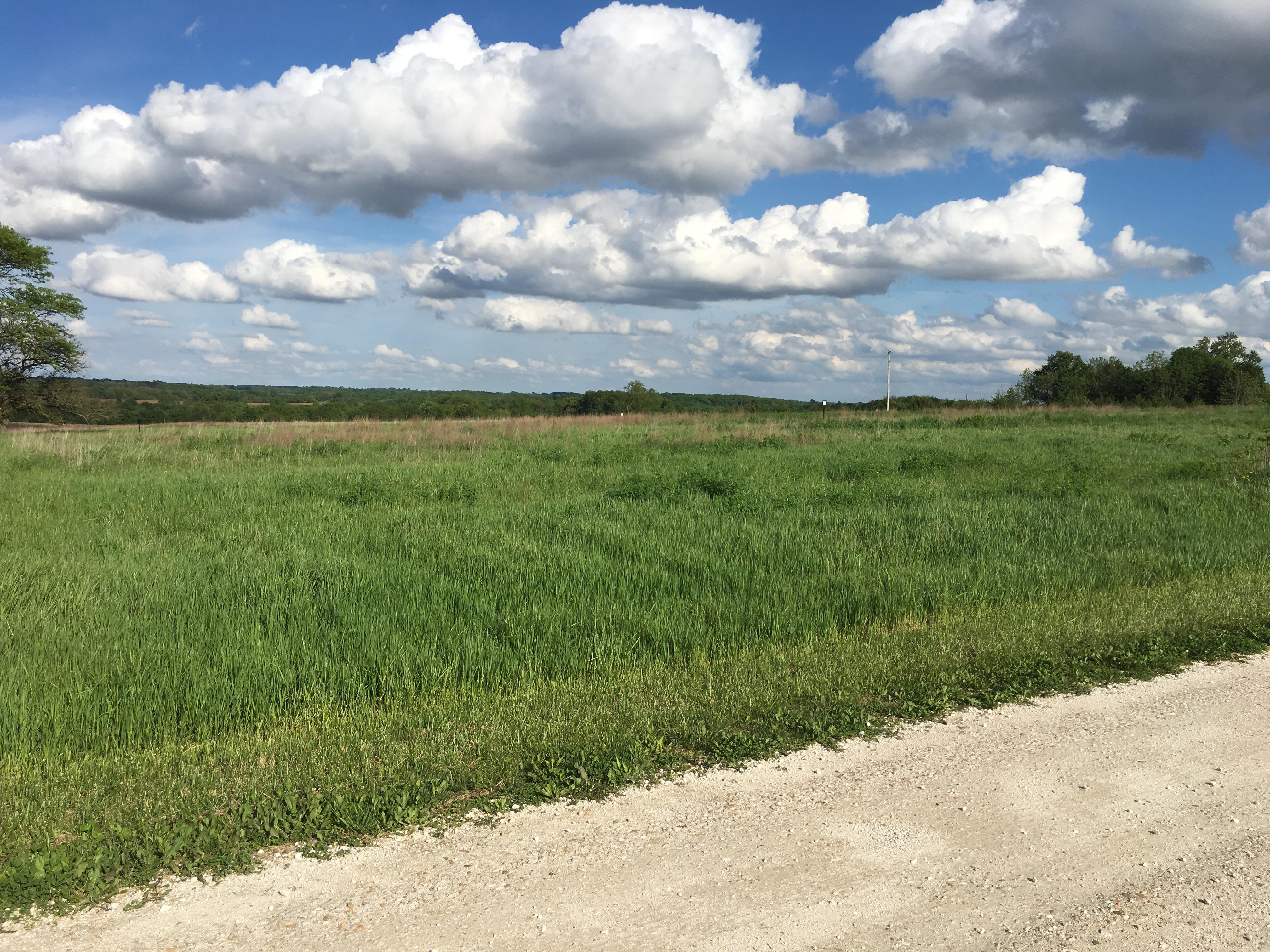
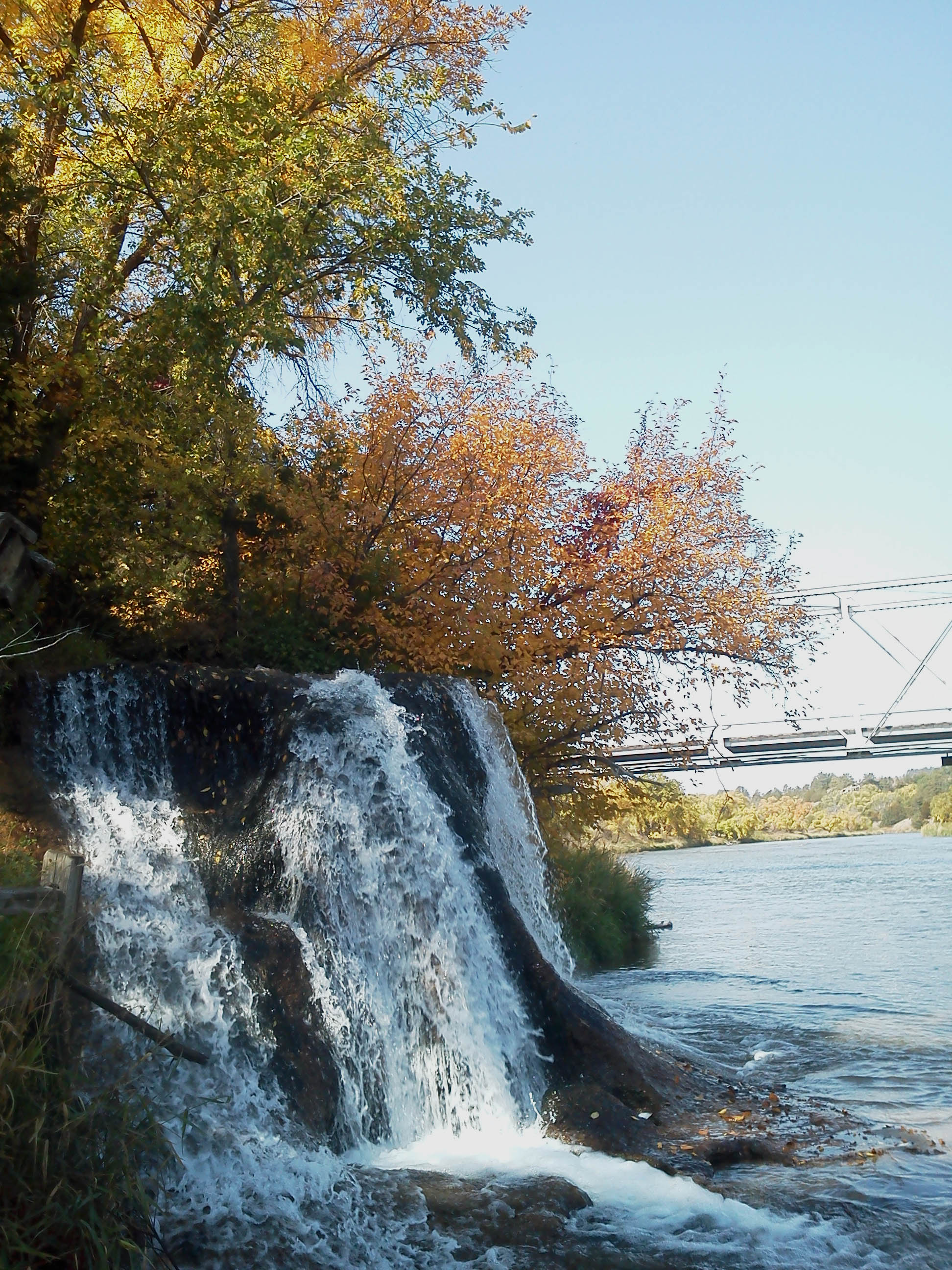
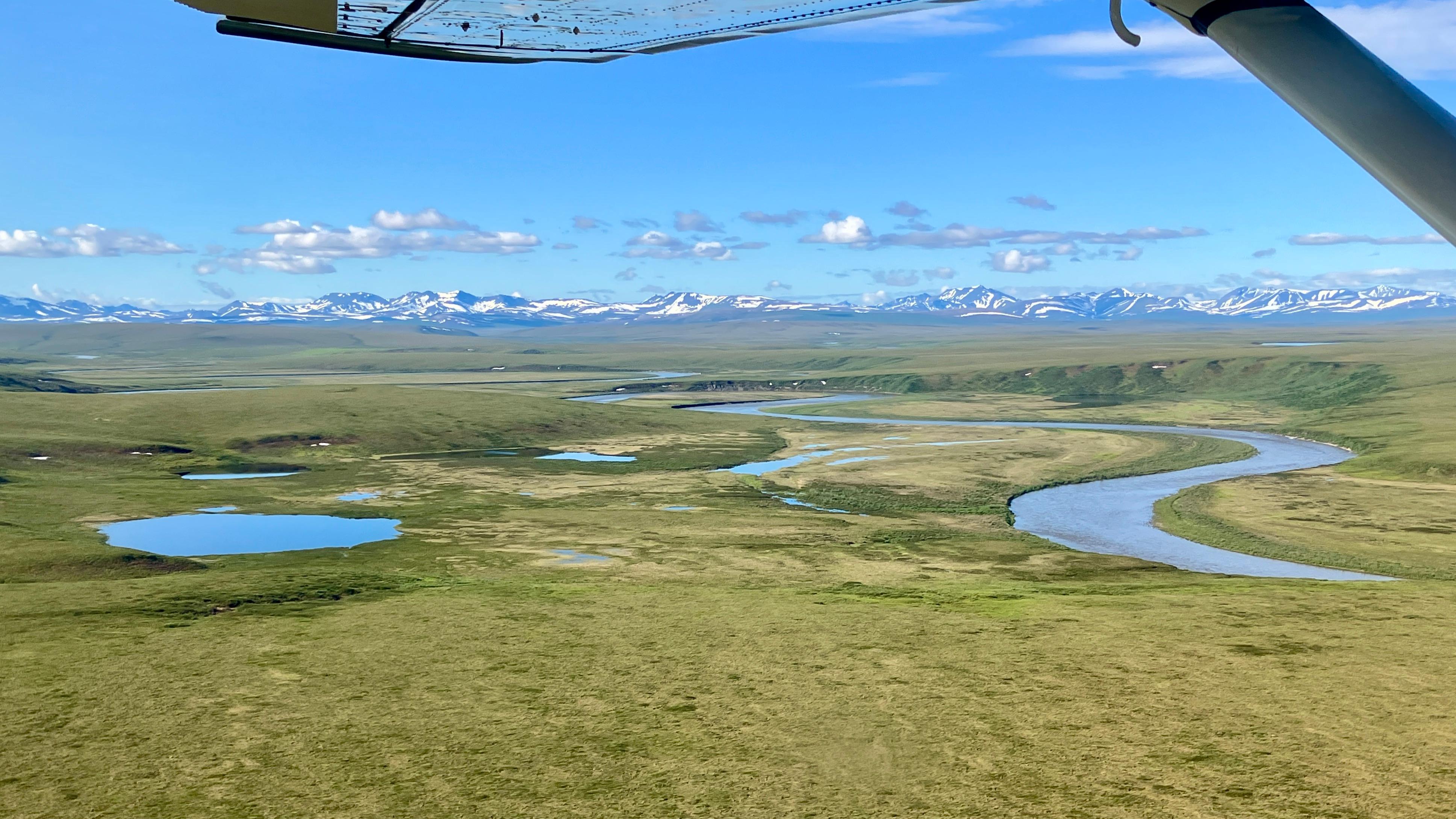
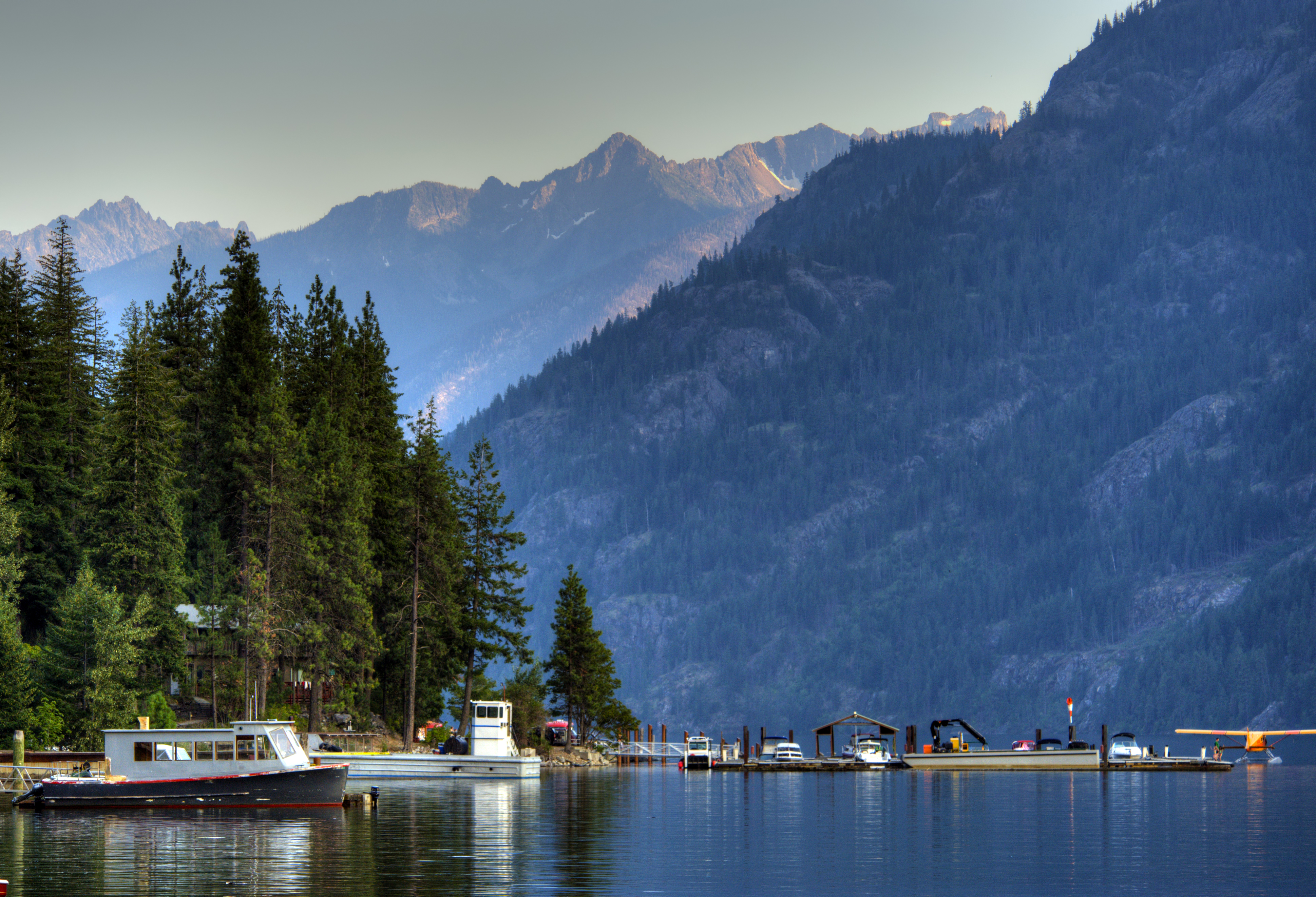
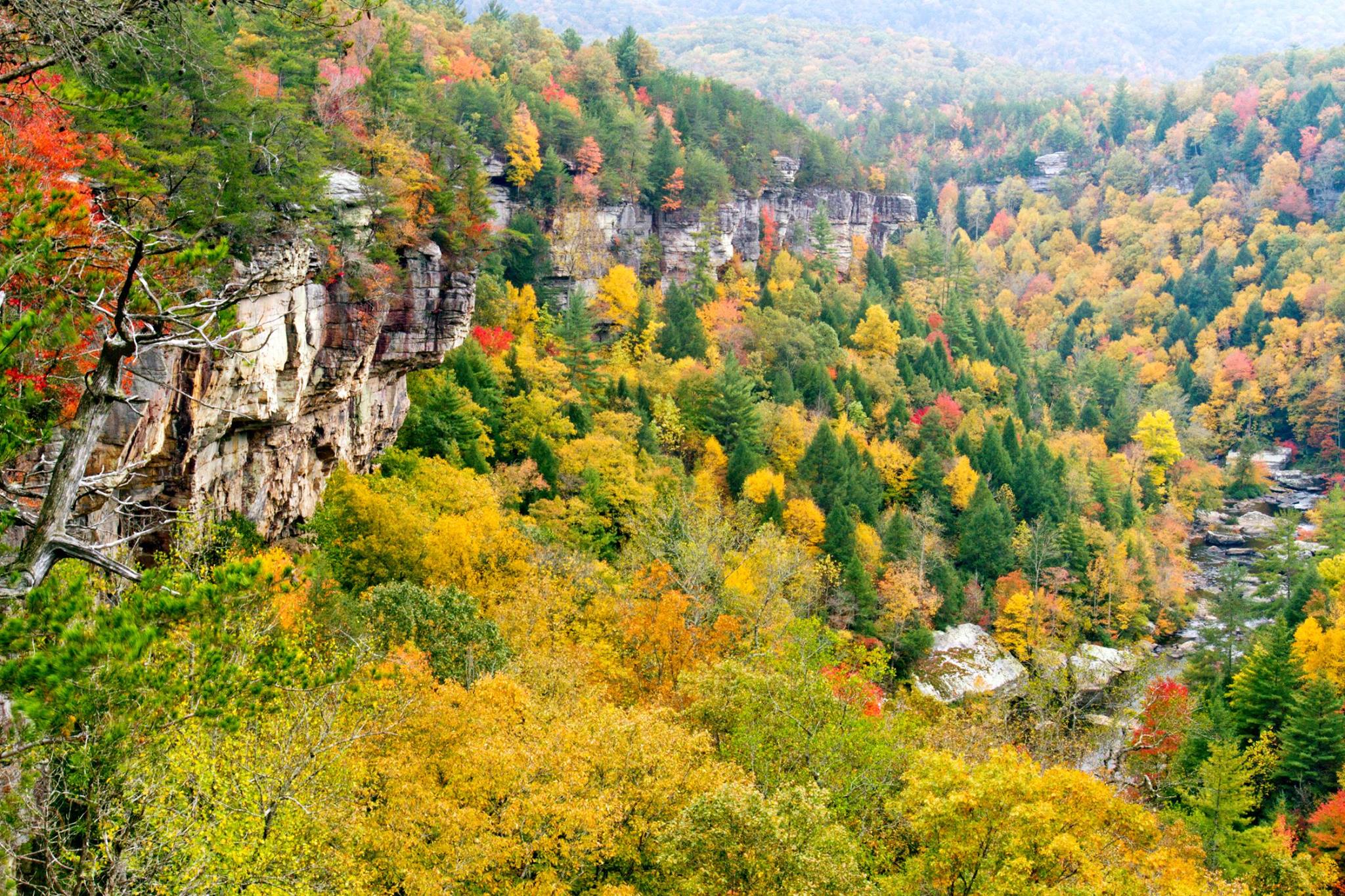
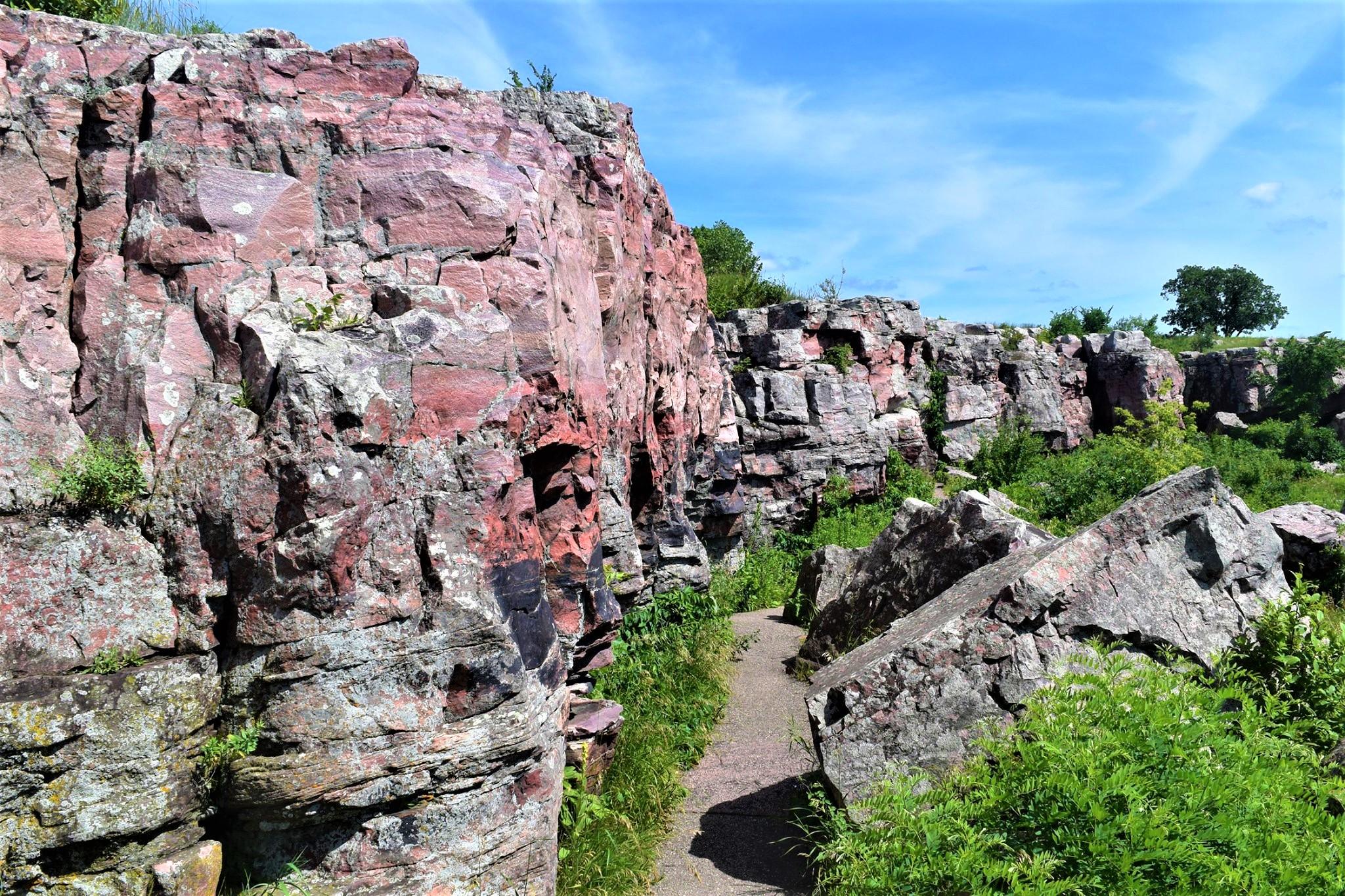
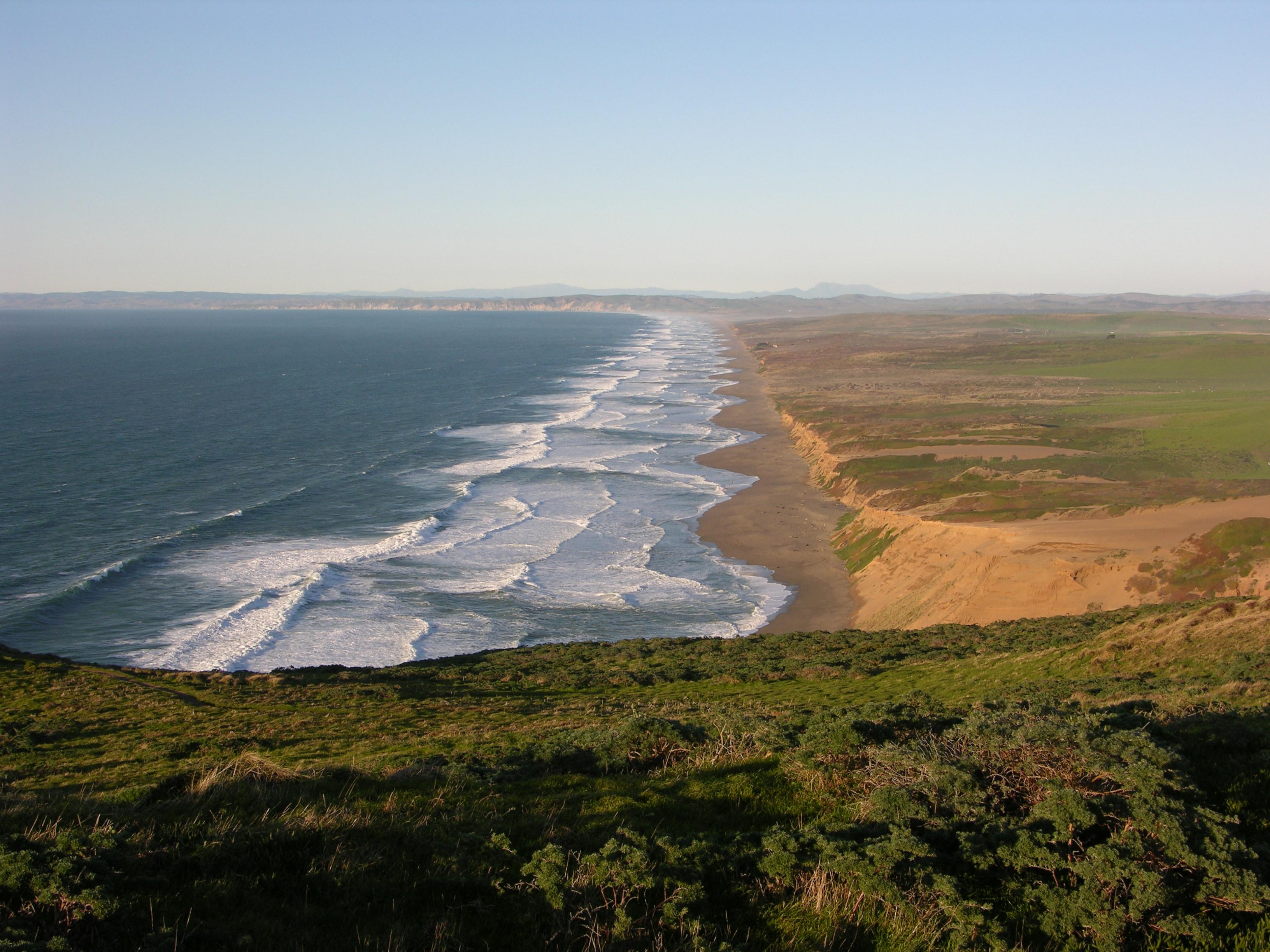
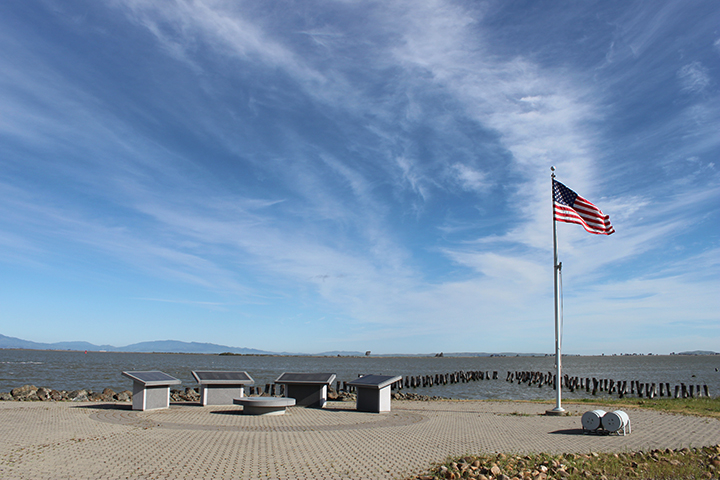
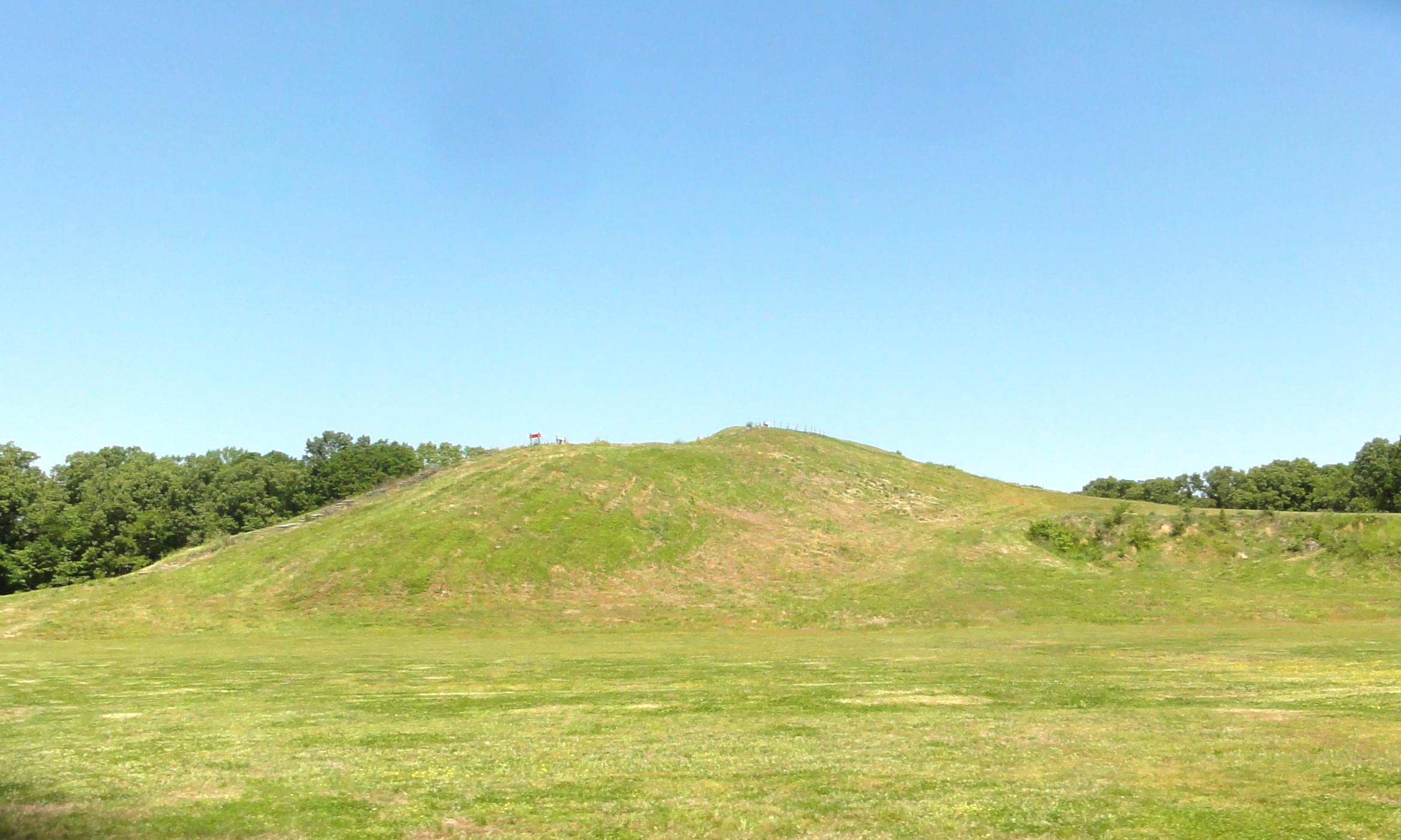
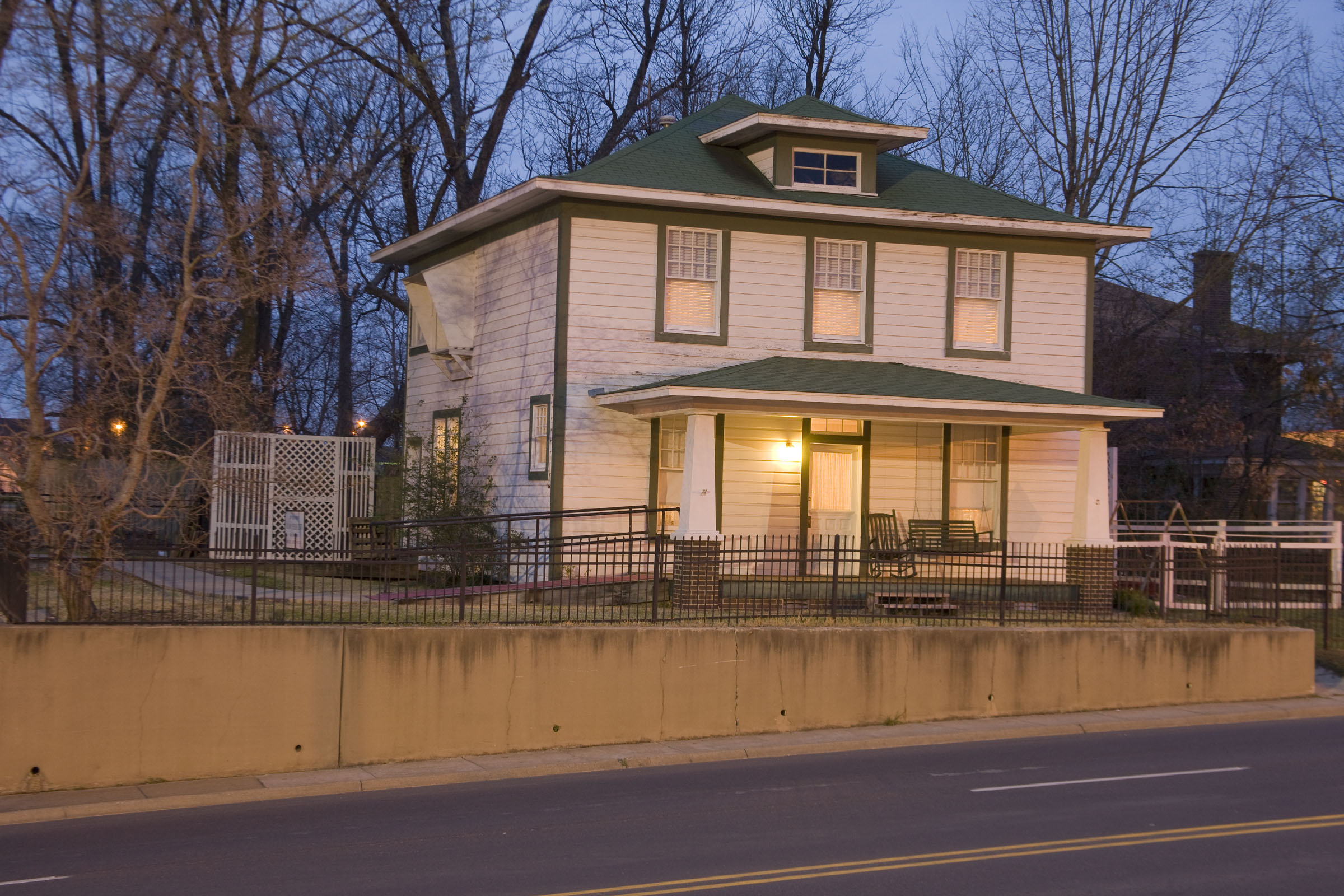
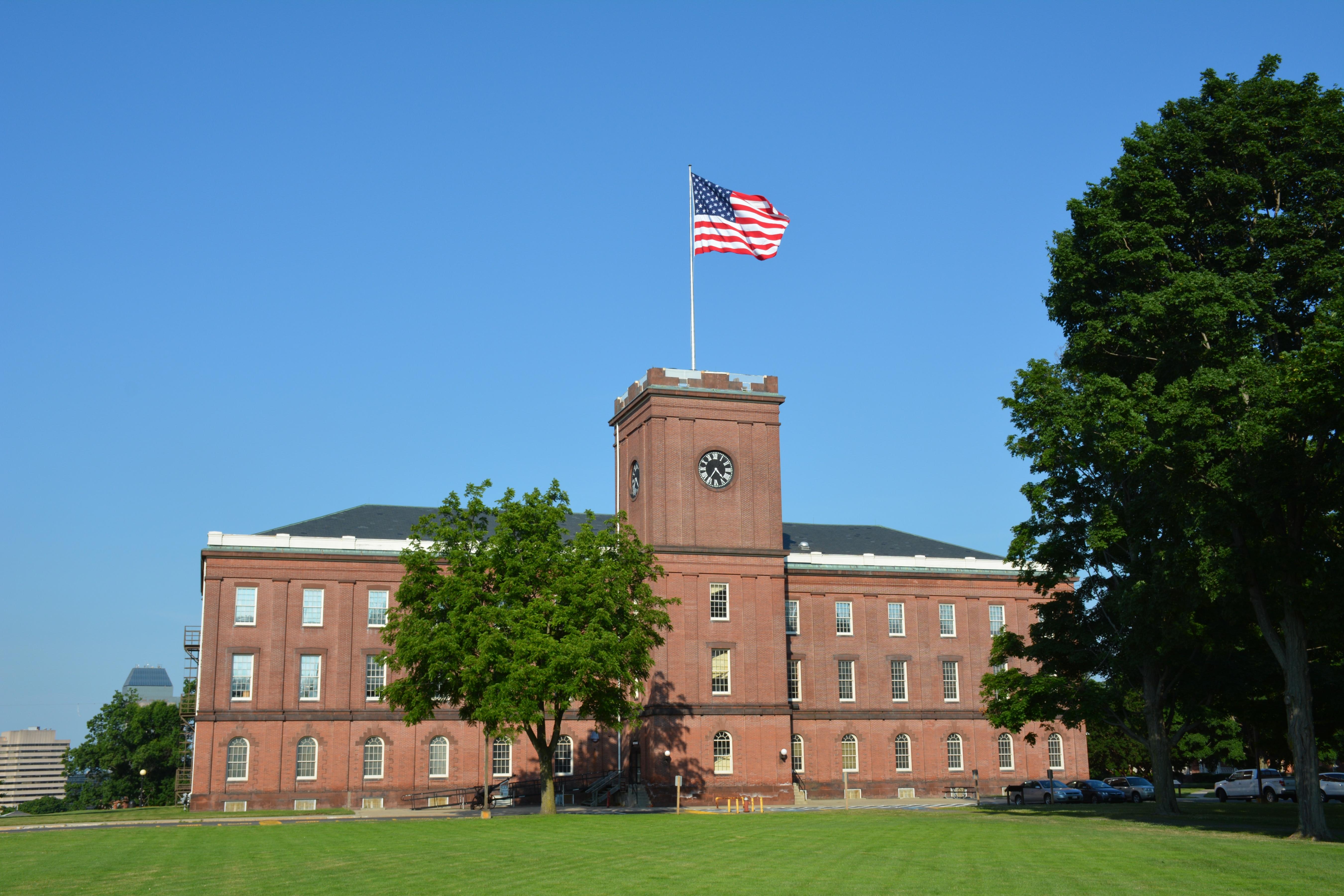
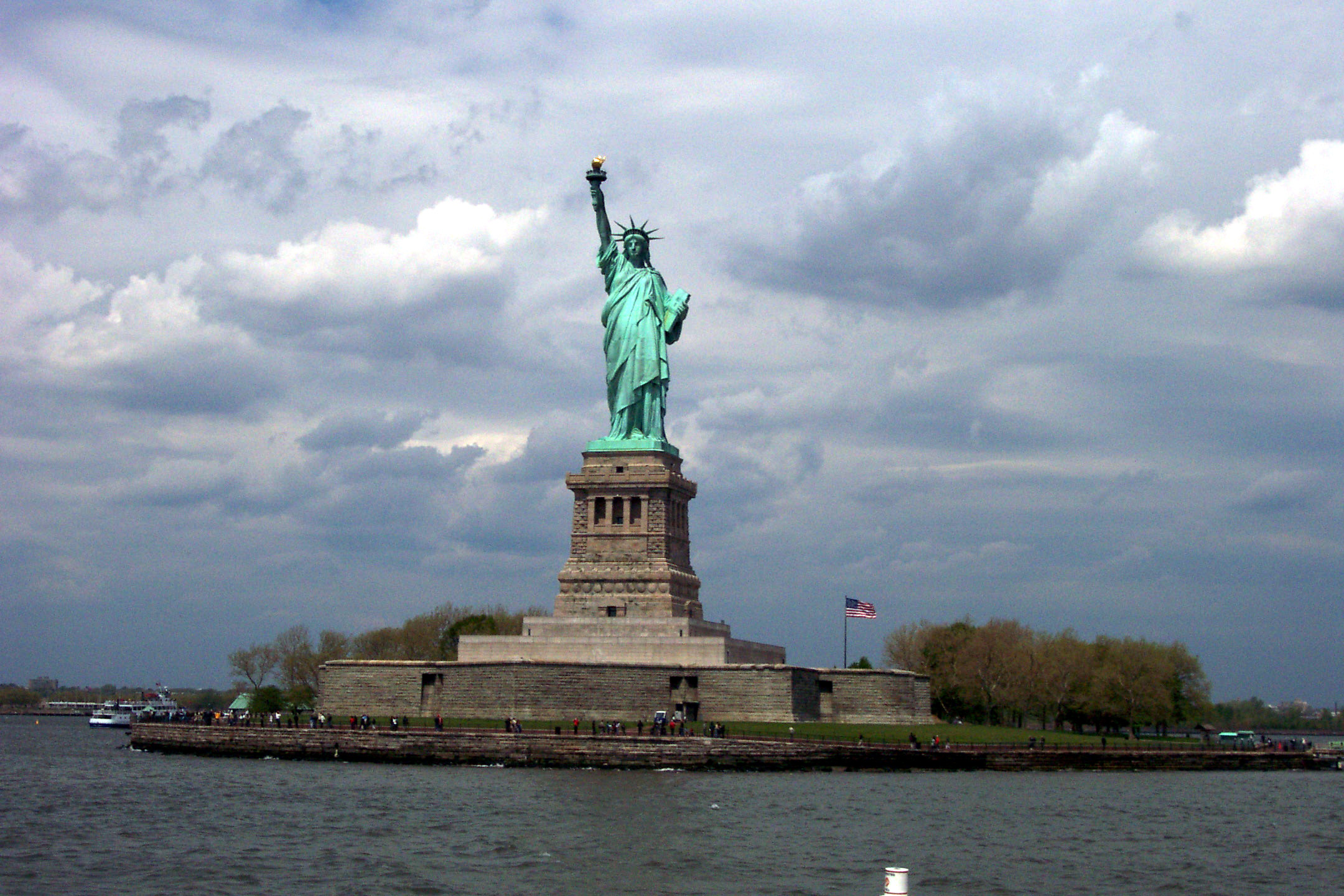
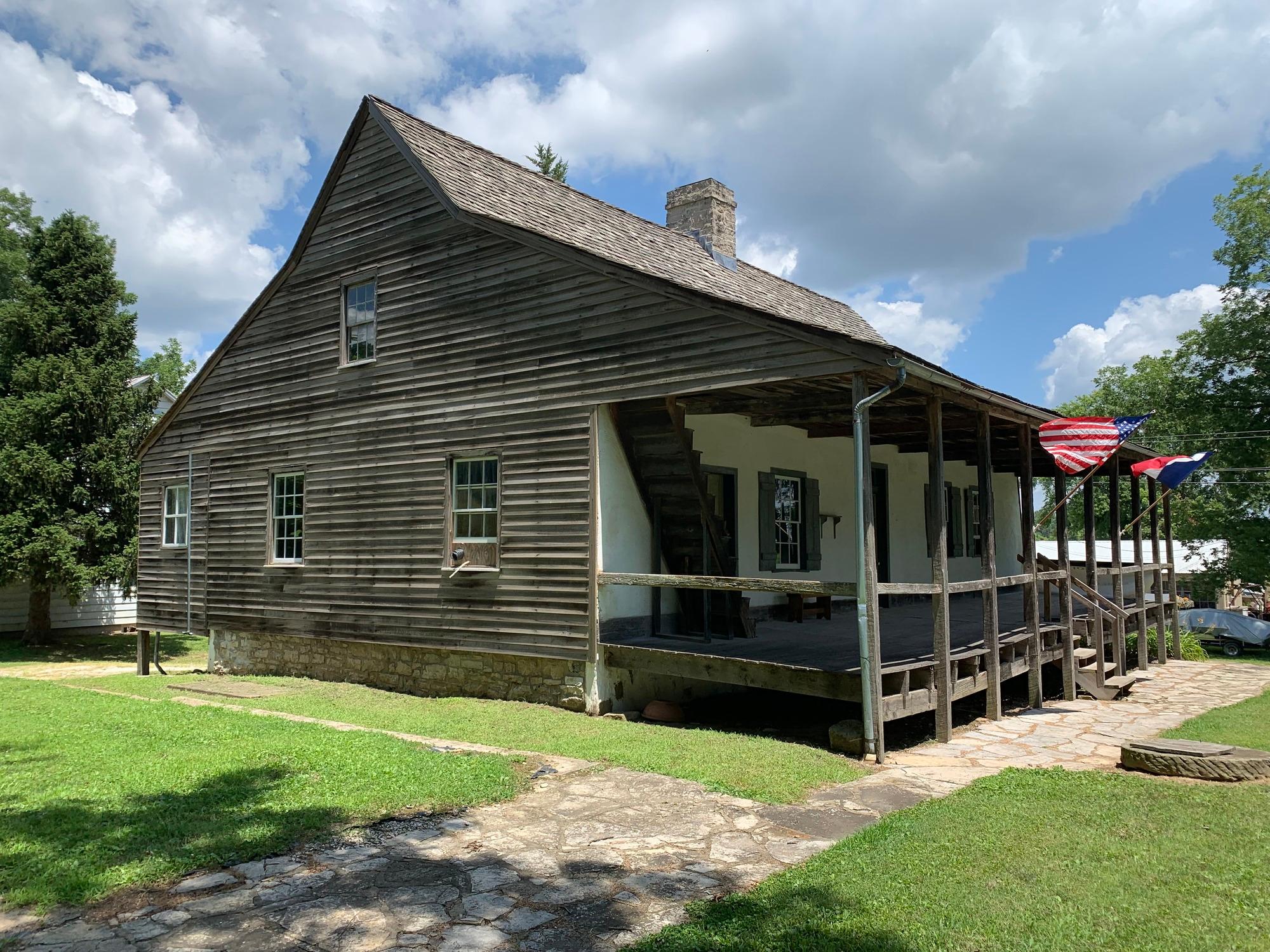
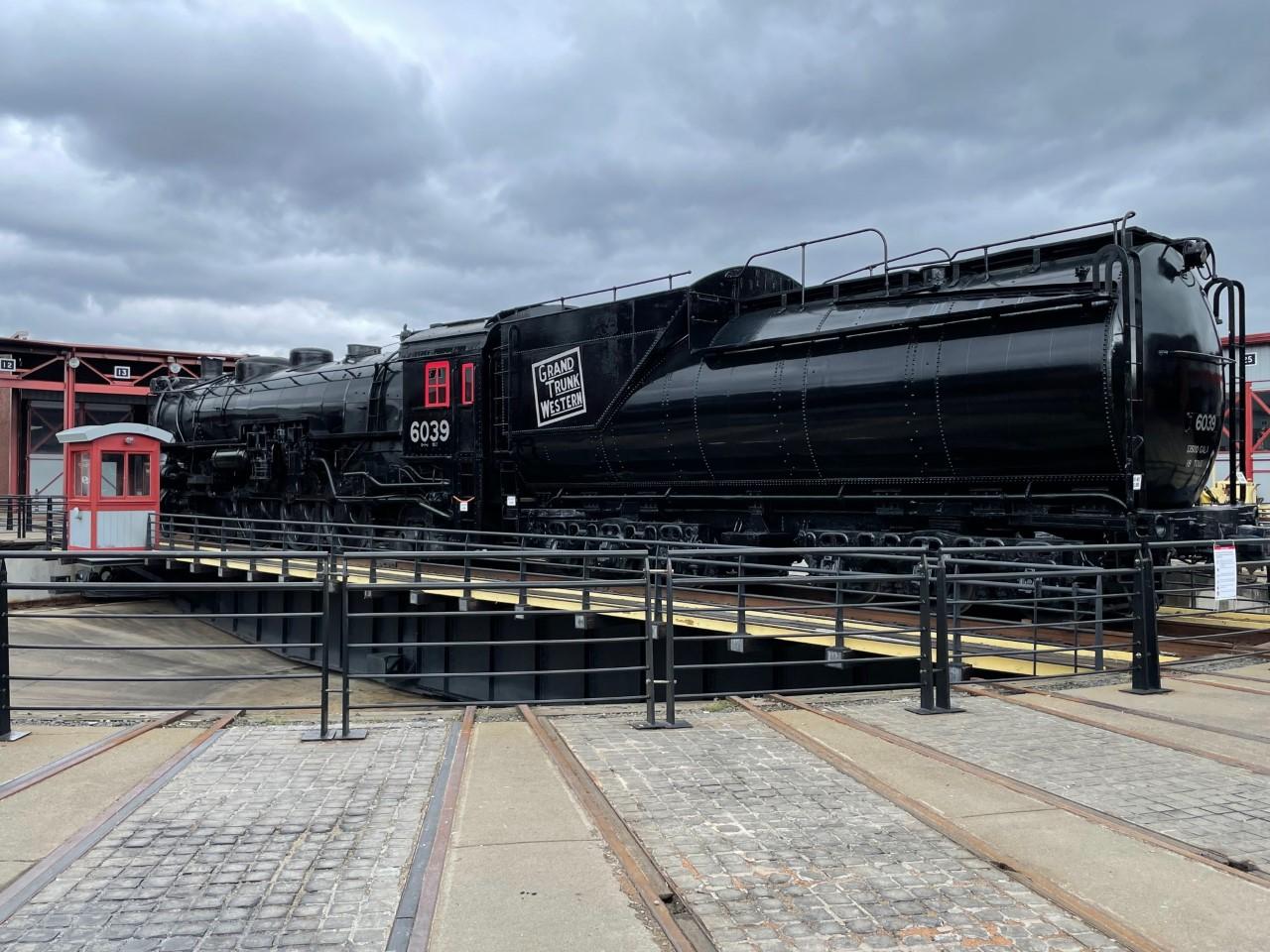
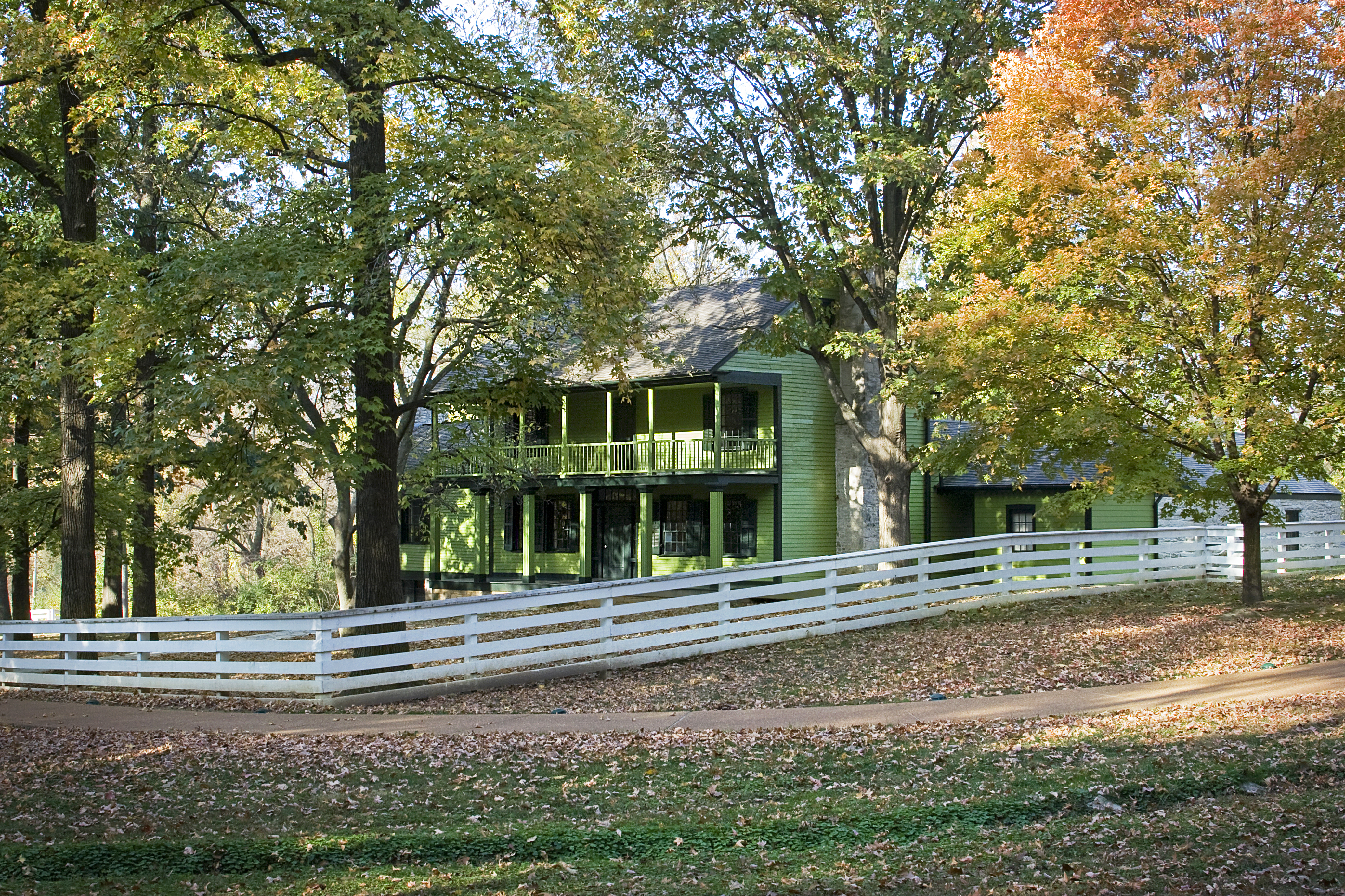
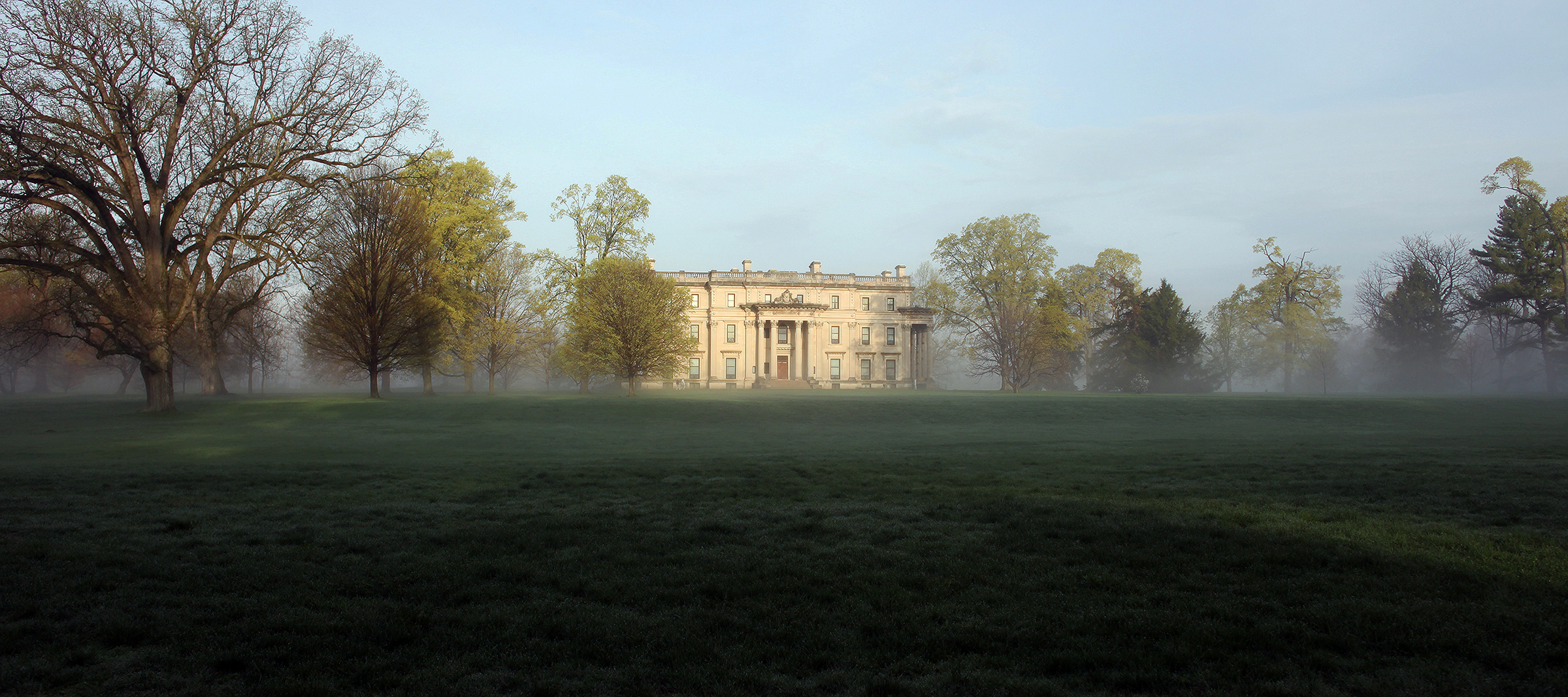
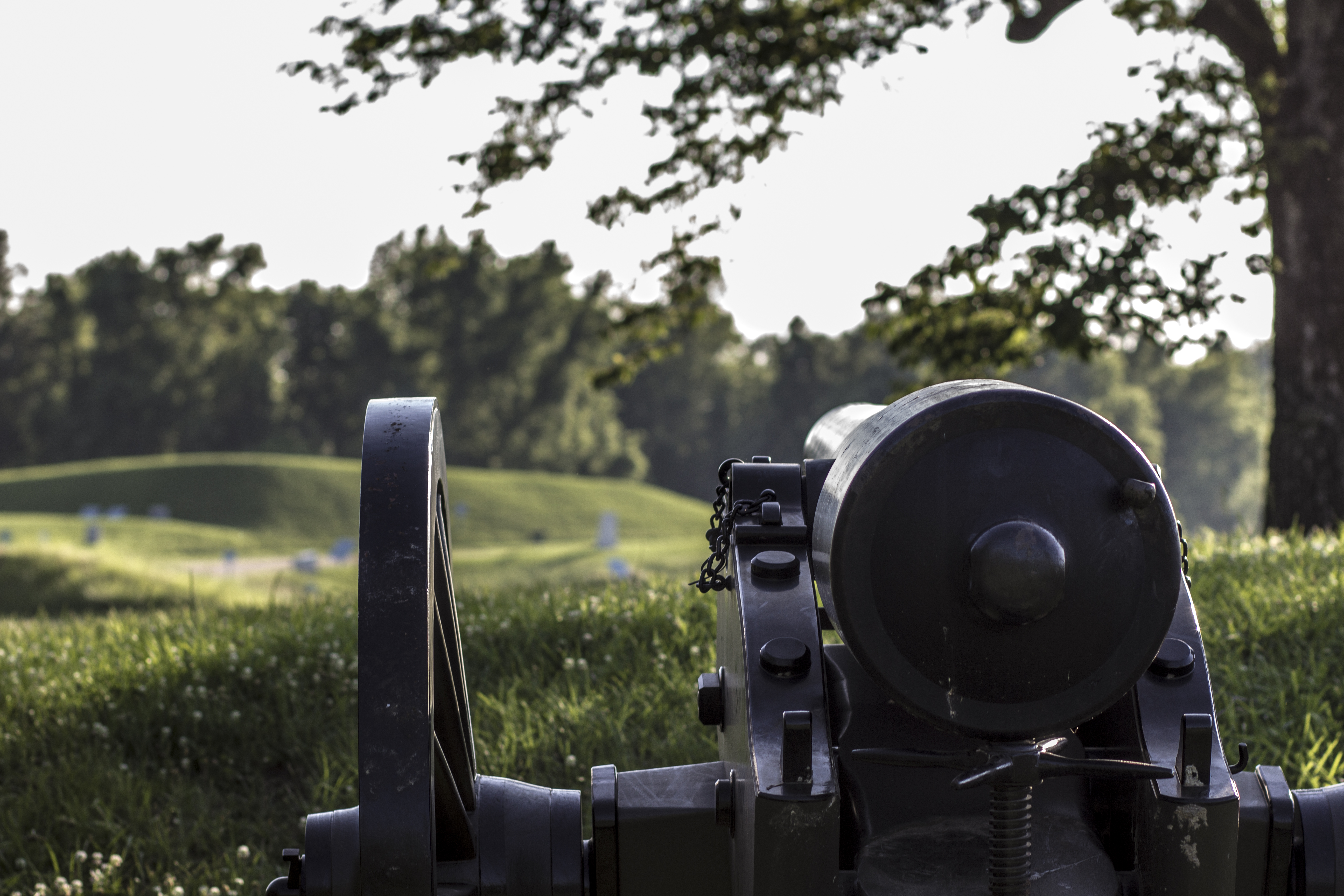
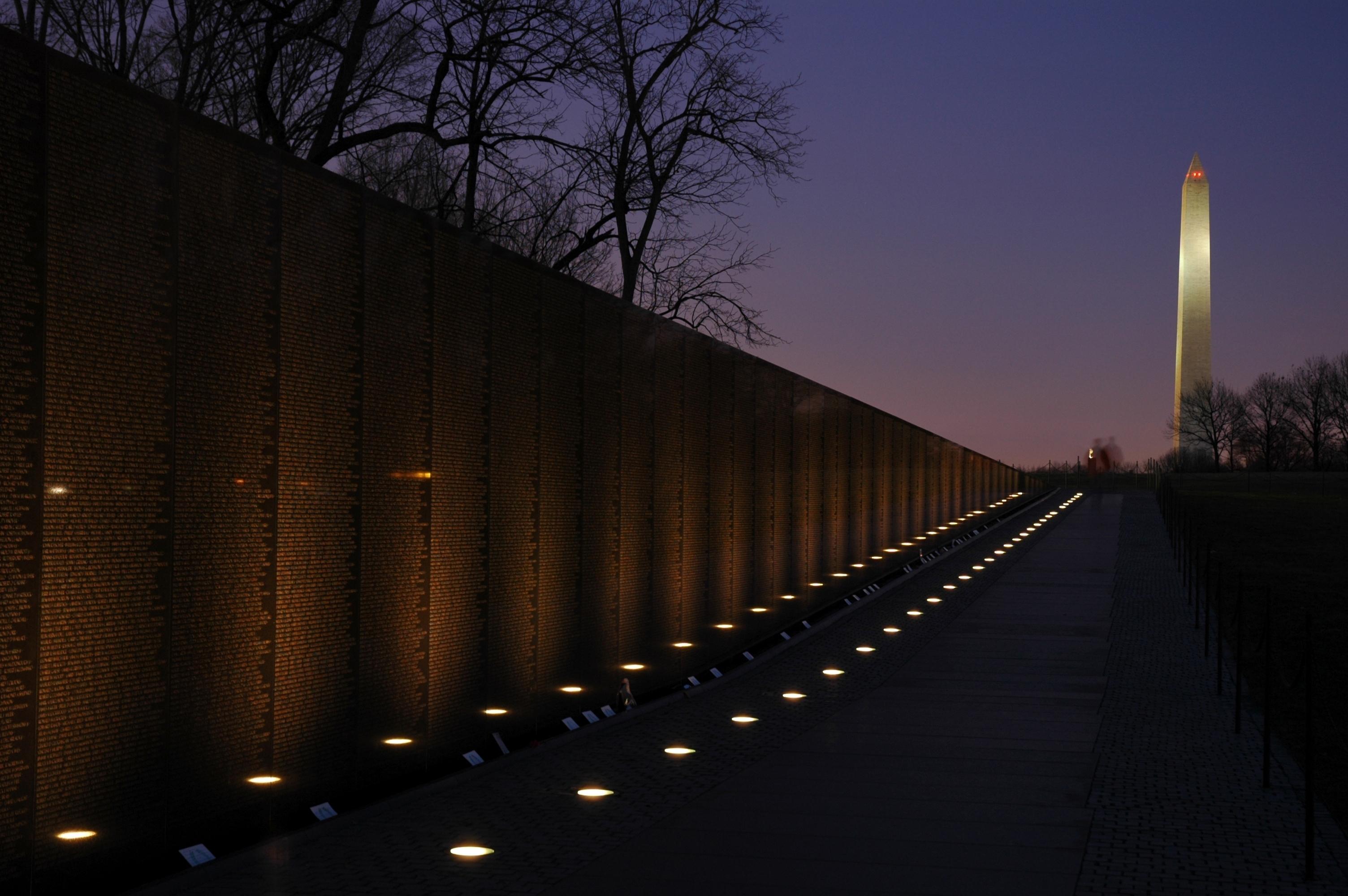
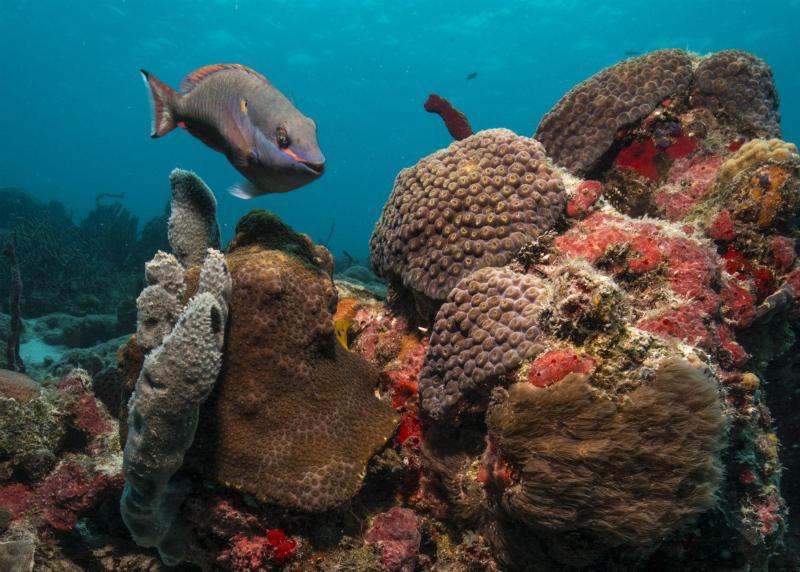
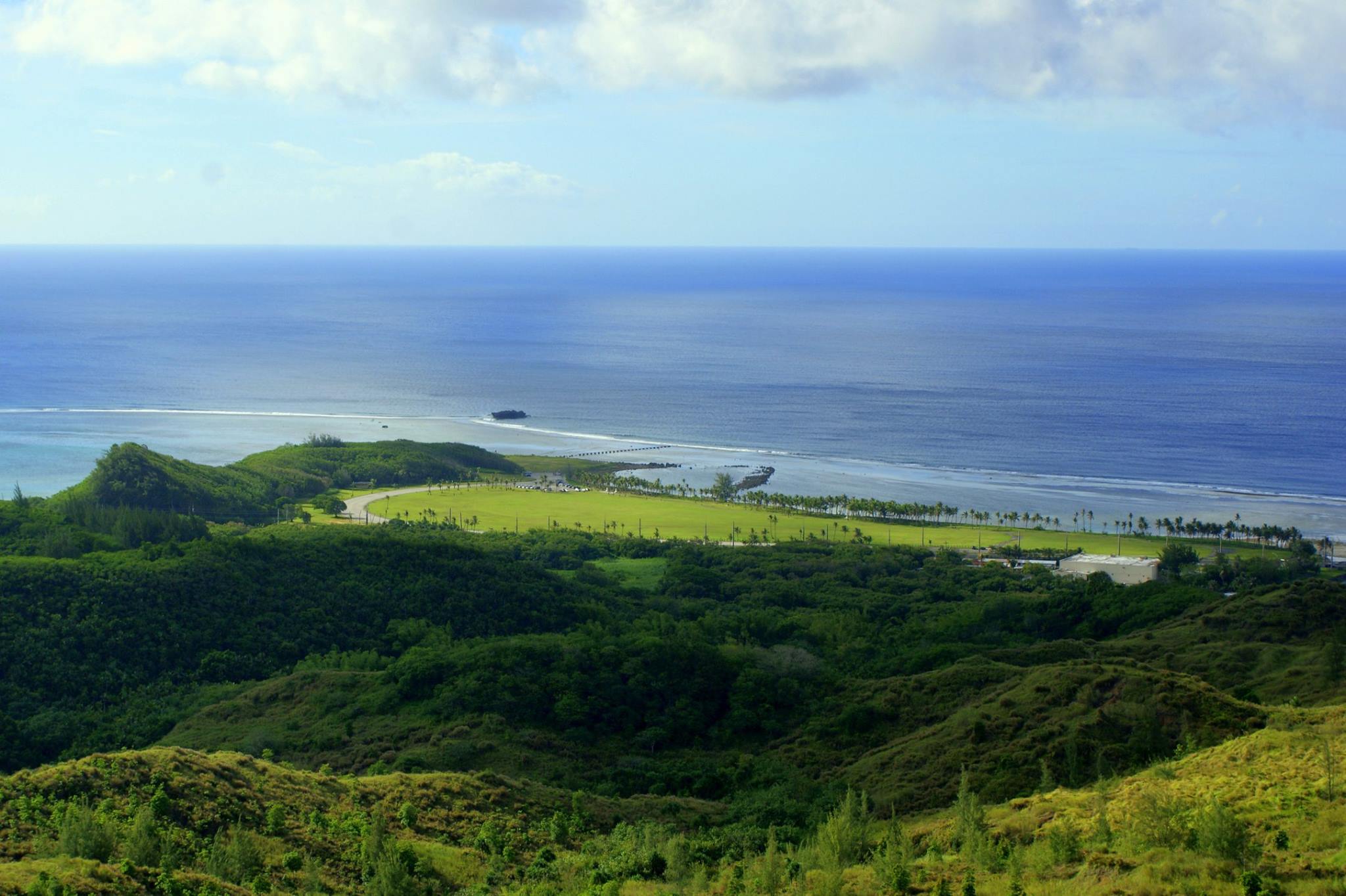
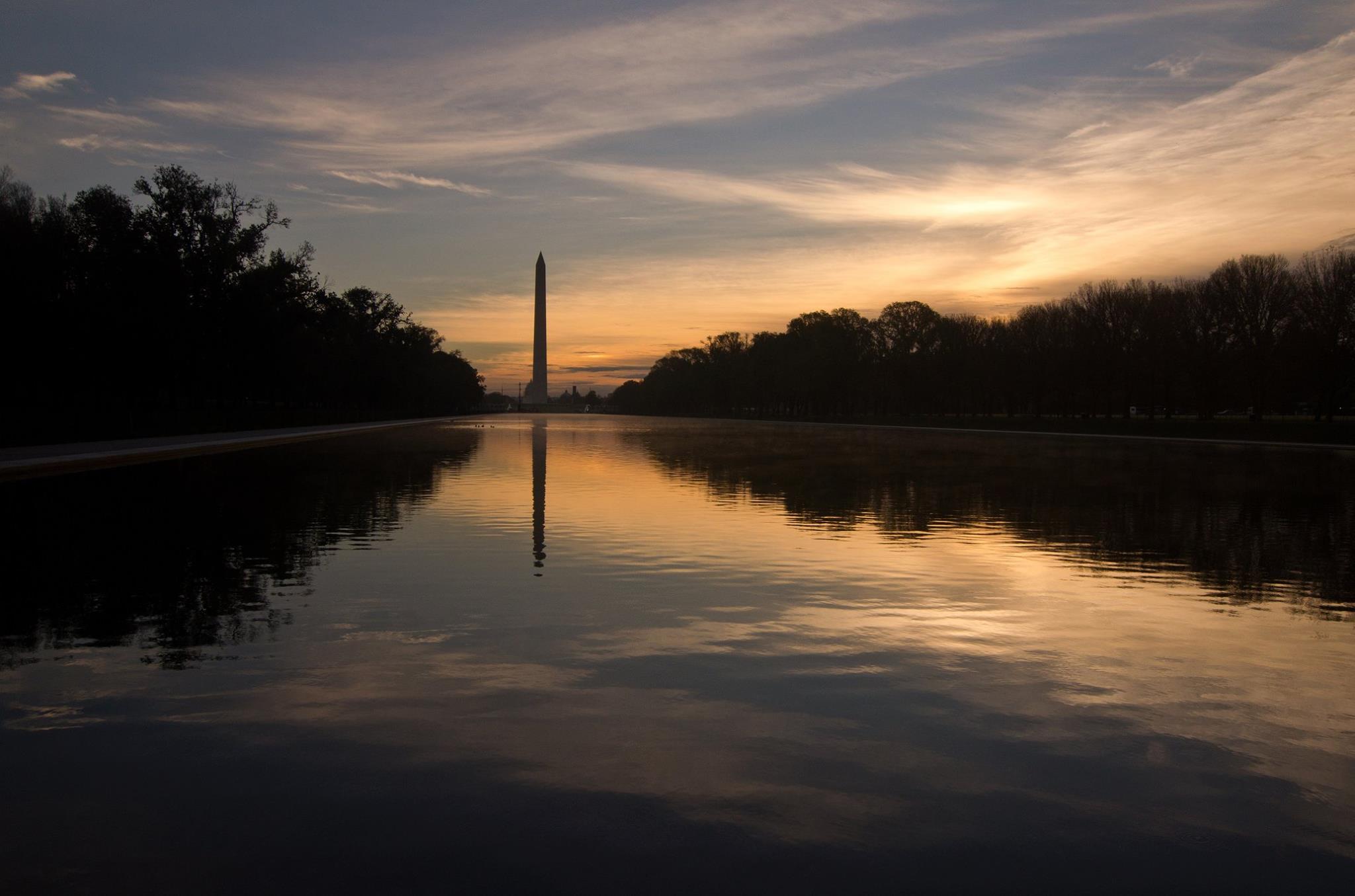
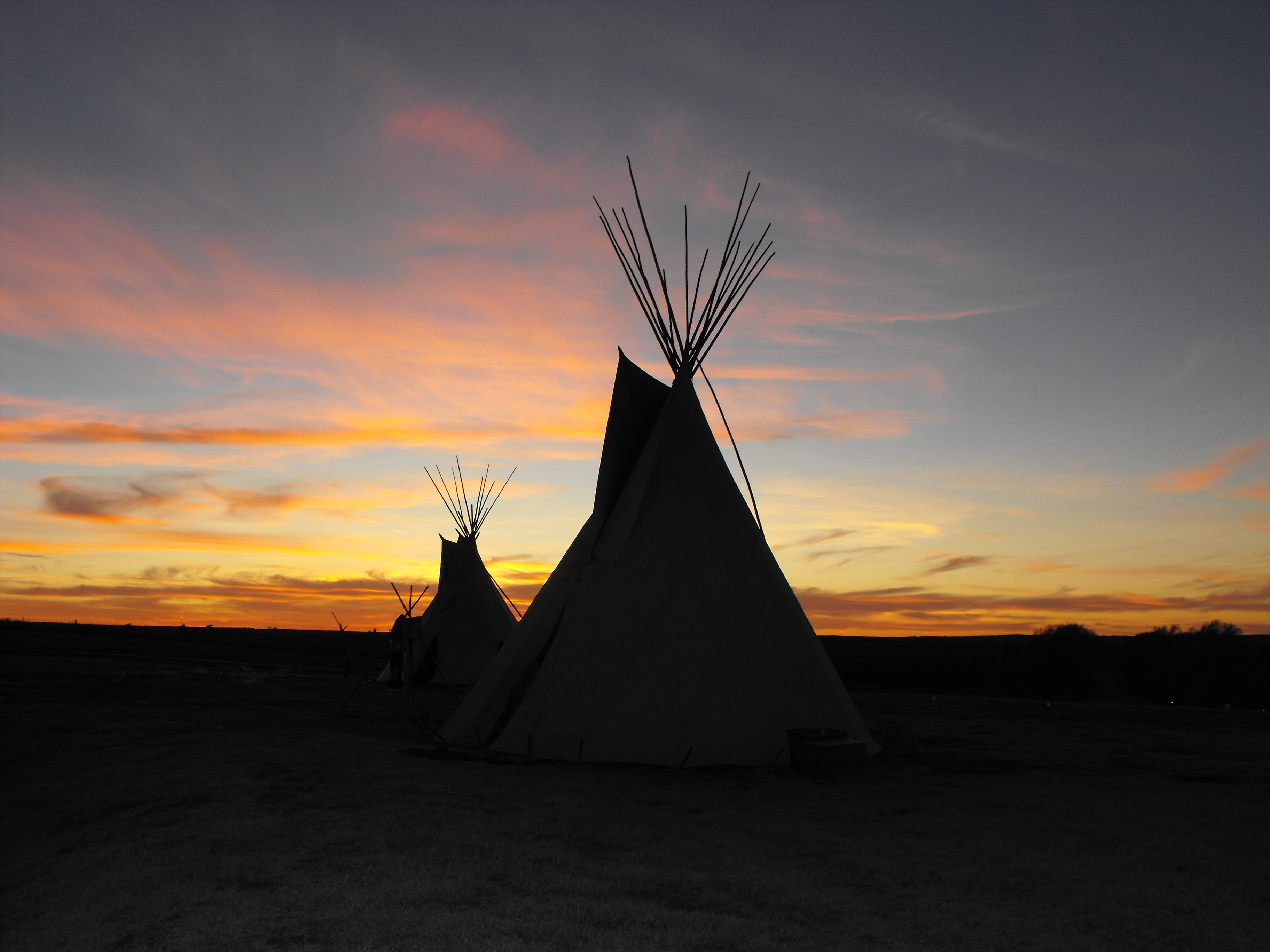
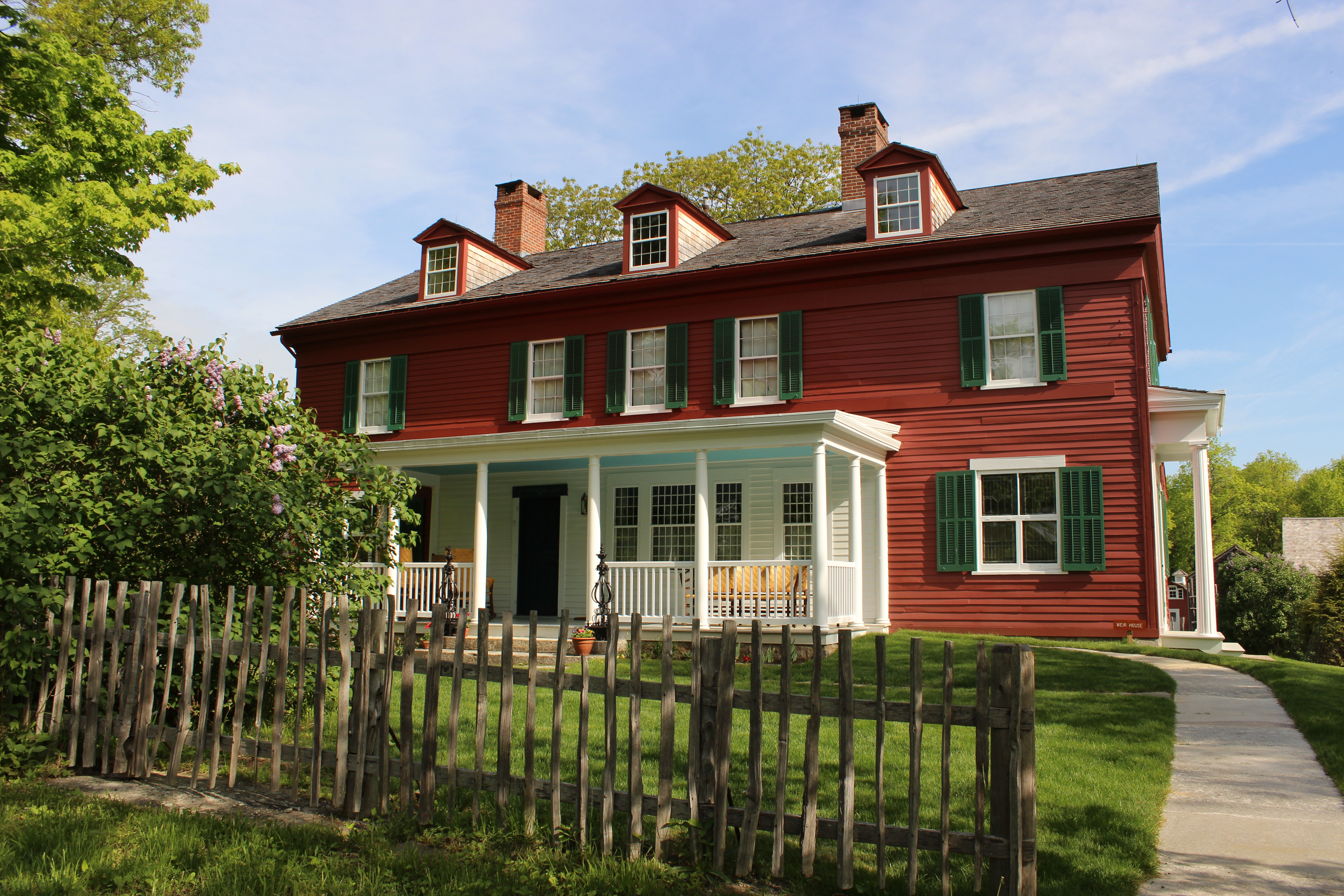
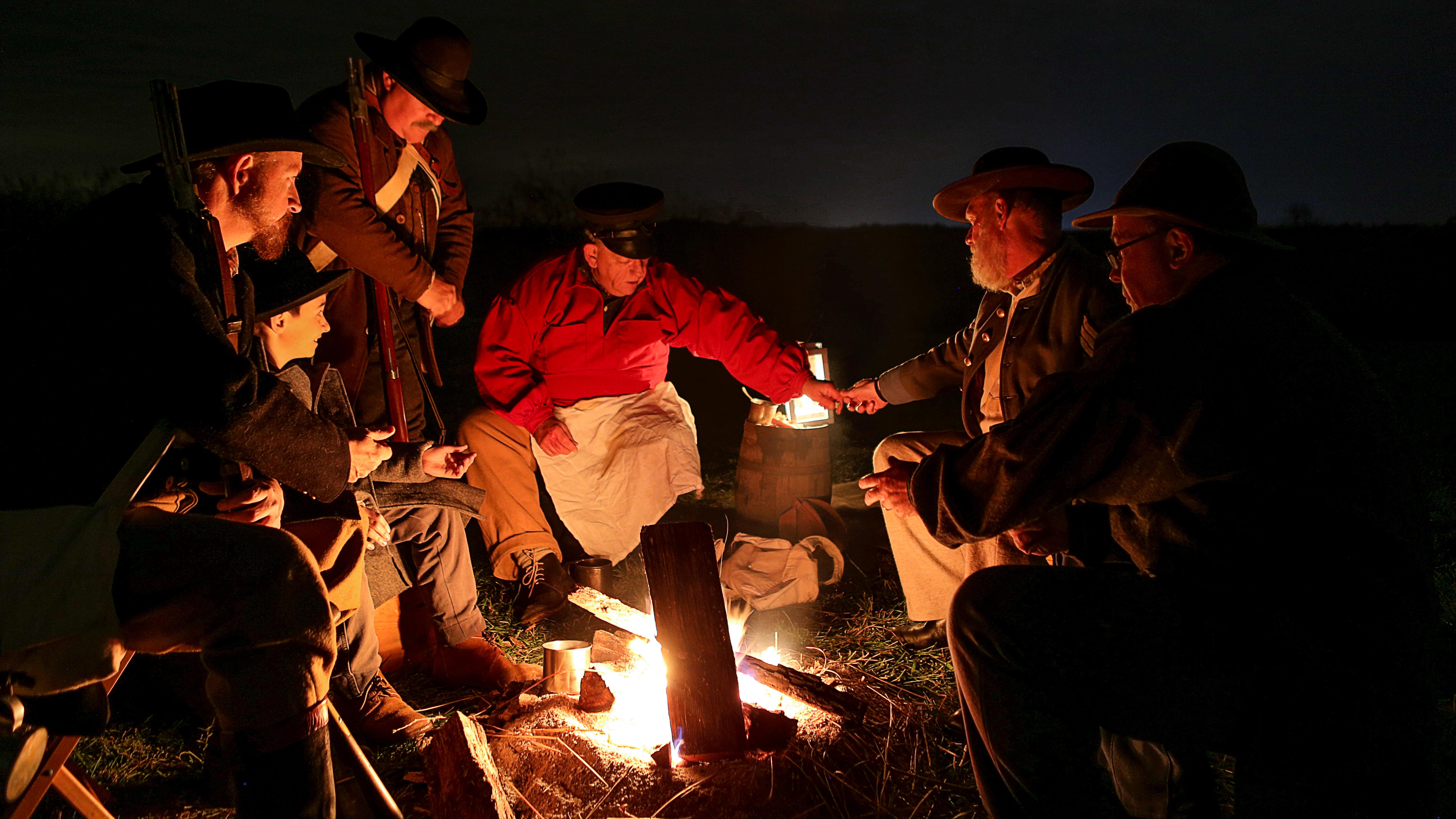
For over a century people from around the world have come to rural Central Kentucky to honor the humble beginnings of our 16th president, Abraham Lincoln. His early life on Kentucky's frontier shaped his character and prepared him to lead the nation through Civil War. Visit our country's first memorial to Lincoln, built with donations from young and old, and the site of his childhood home.
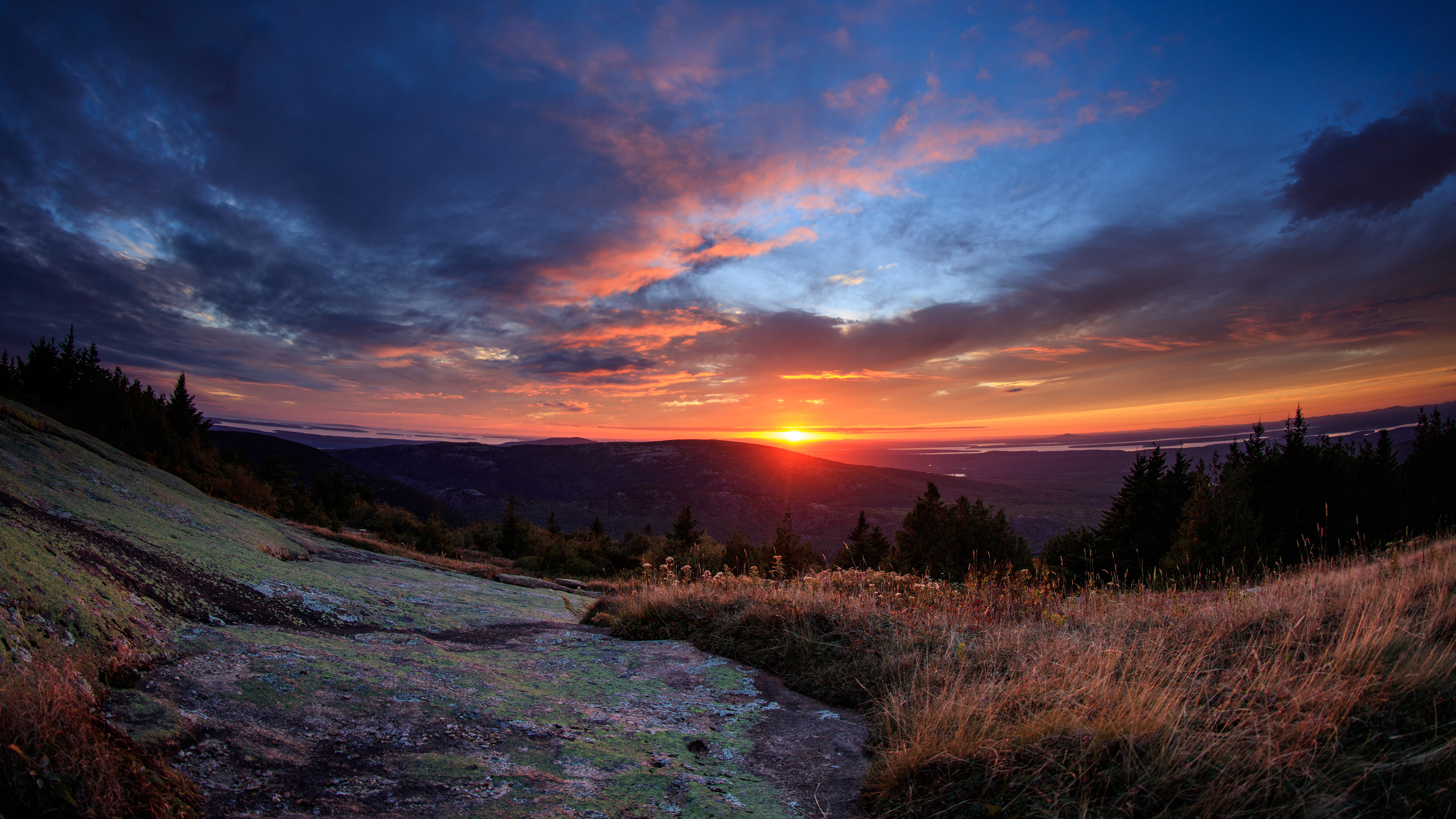
Acadia National Park protects the natural beauty of the highest rocky headlands along the Atlantic coastline of the United States, an abundance of habitats, and a rich cultural heritage. At 4 million visits a year, it's one of the top 10 most-visited national parks in the United States. Visitors enjoy 27 miles of historic motor roads, 158 miles of hiking trails, and 45 miles of carriage roads.
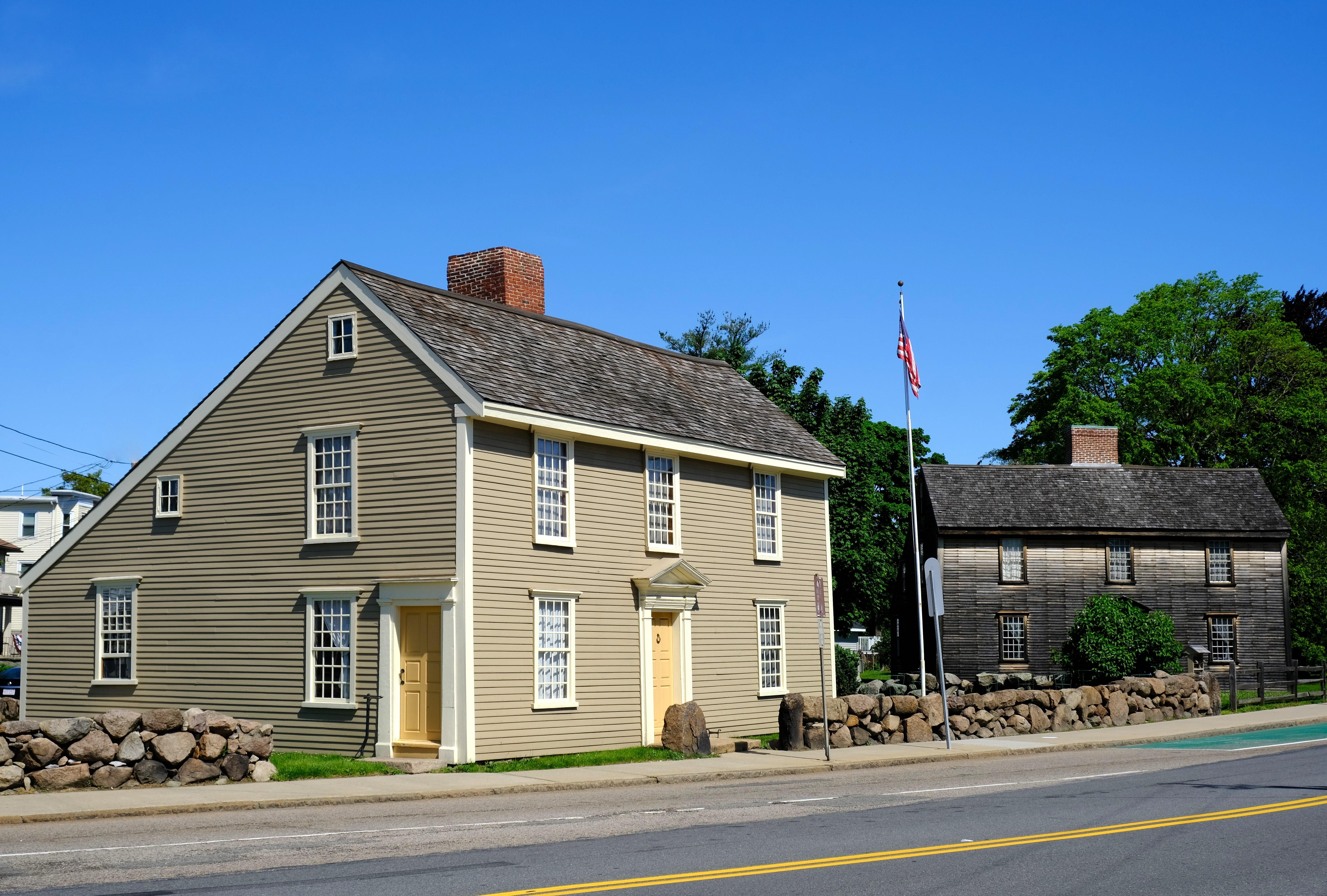
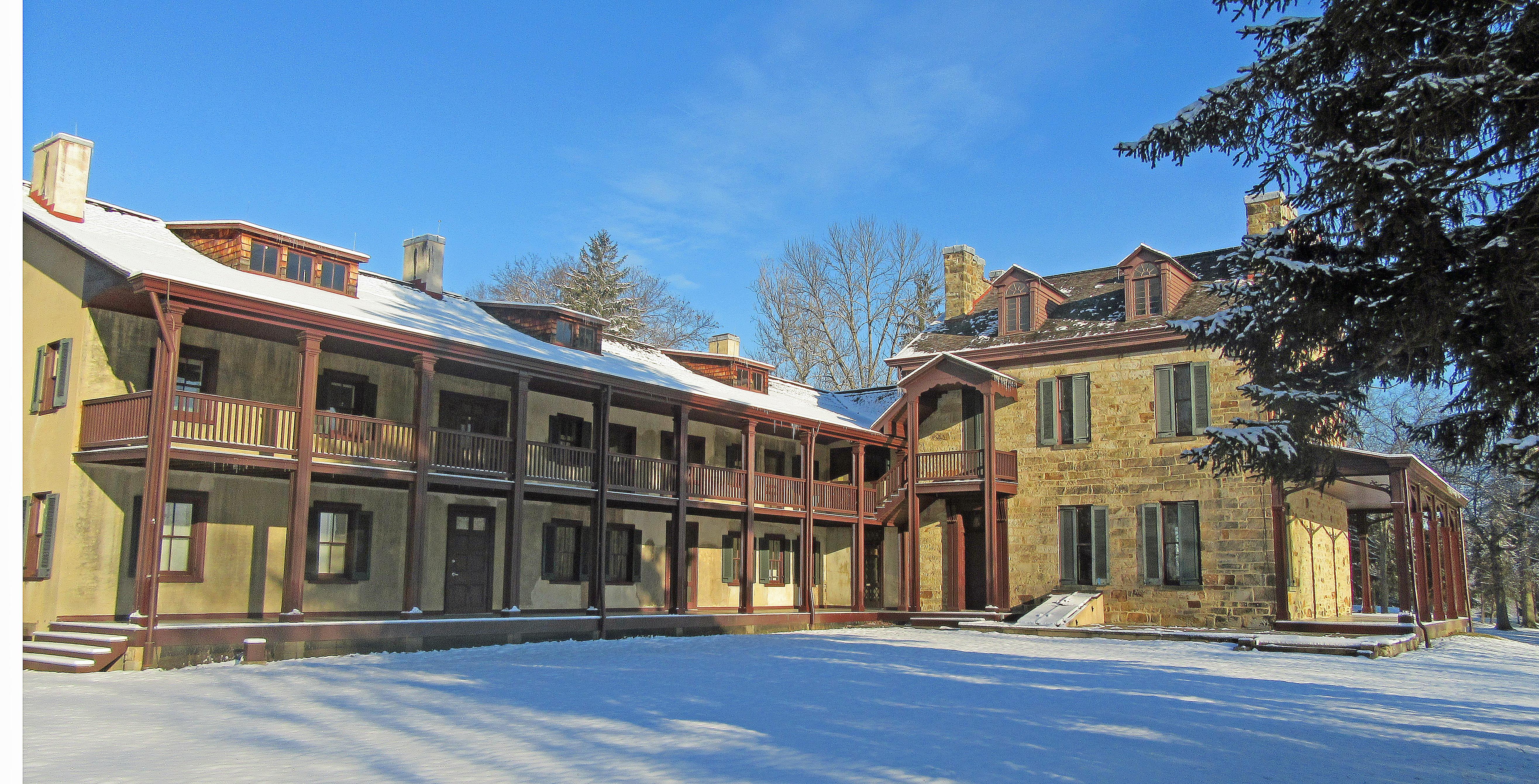
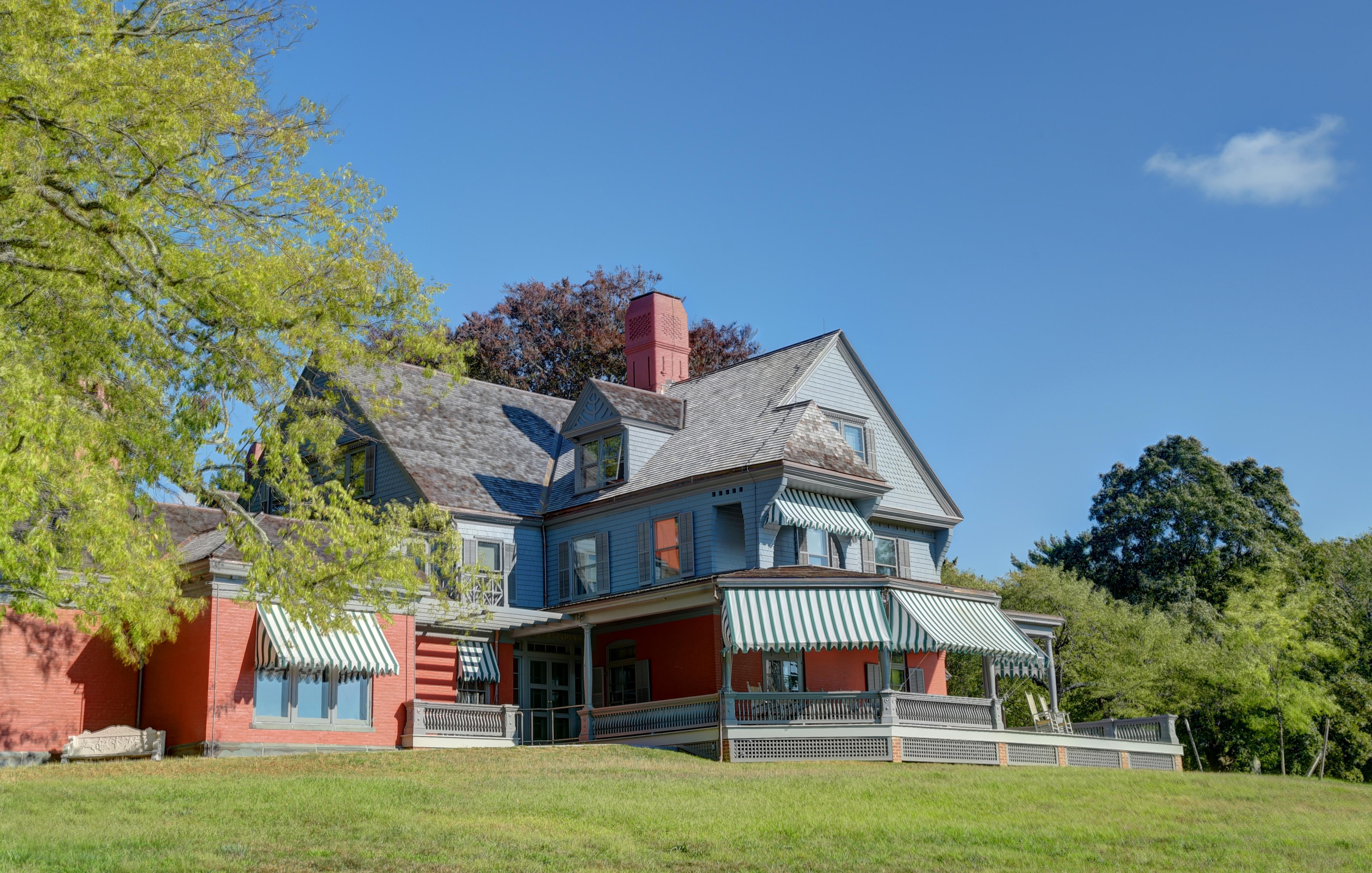
From the sweet little farm at the foot of Penn’s Hill to the gentleman’s country estate at Peace field, Adams National Historical Park is the story of “heroes, statesmen, philosophers…and learned women” whose ideas and actions helped to transform thirteen disparate colonies into one united nation.
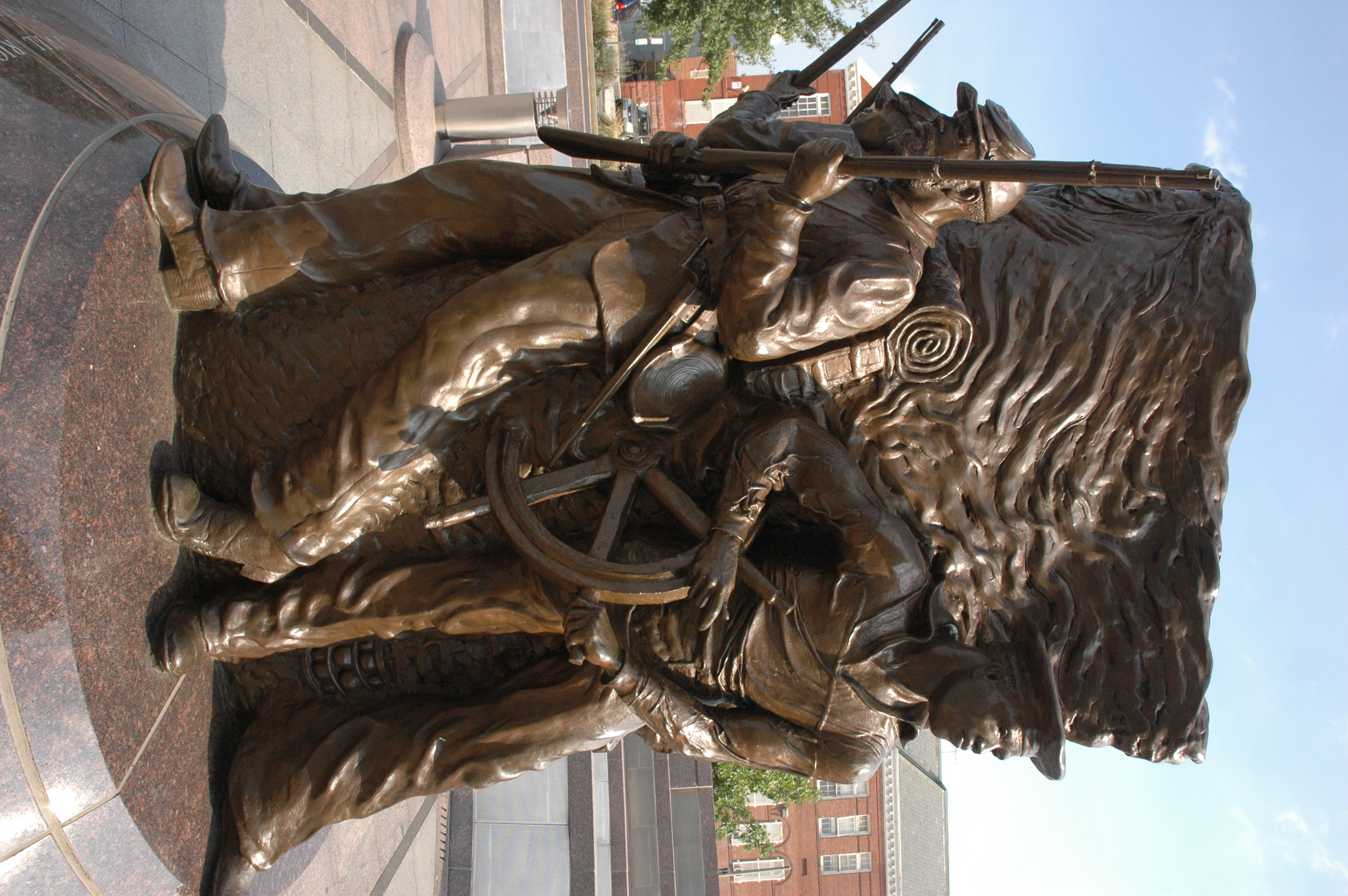
Over 200,000 African-American soldiers and sailors served in the U.S. Army and Navy during the Civil War. Their service helped to end the war and free over four million slaves. The African American Civil War Memorial honors their service and sacrifice.
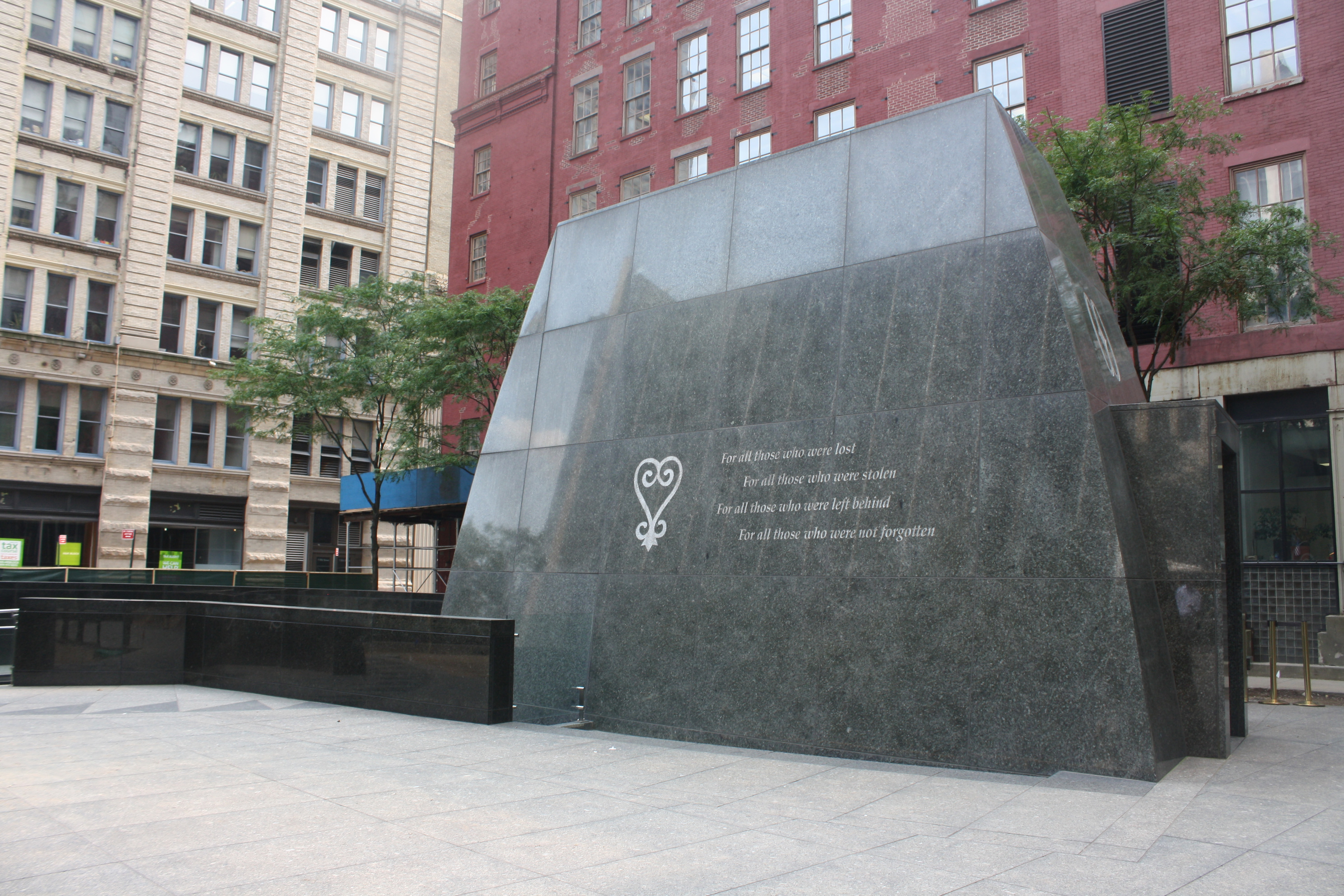
The African Burial Ground stands as the oldest and largest known excavated burial site in North America for both free and enslaved Africans. It offers a profound testament to the enduring legacy of African communities whose labor, resilience, and cultural contributions were fundamental in shaping the development of New York.
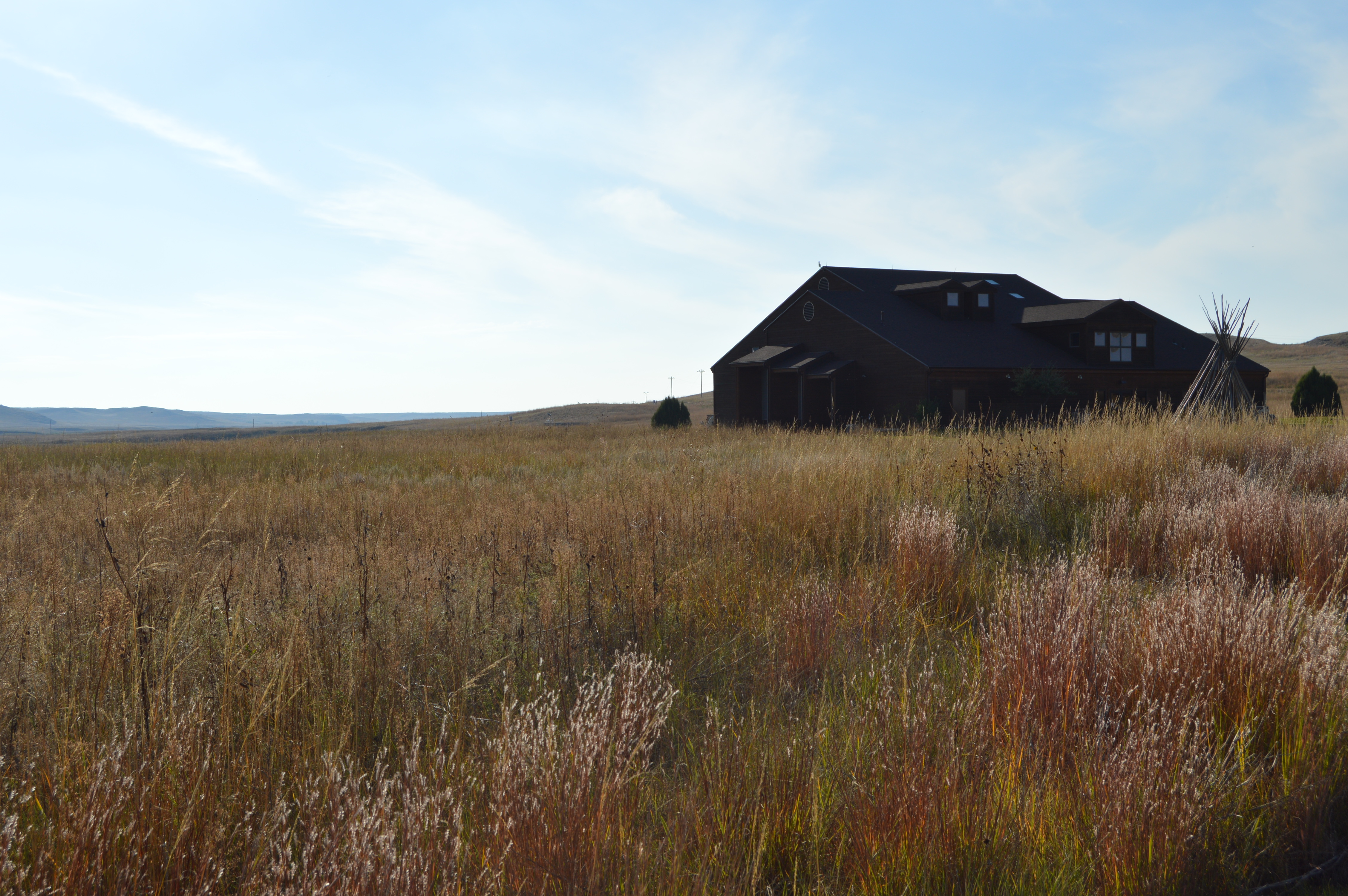
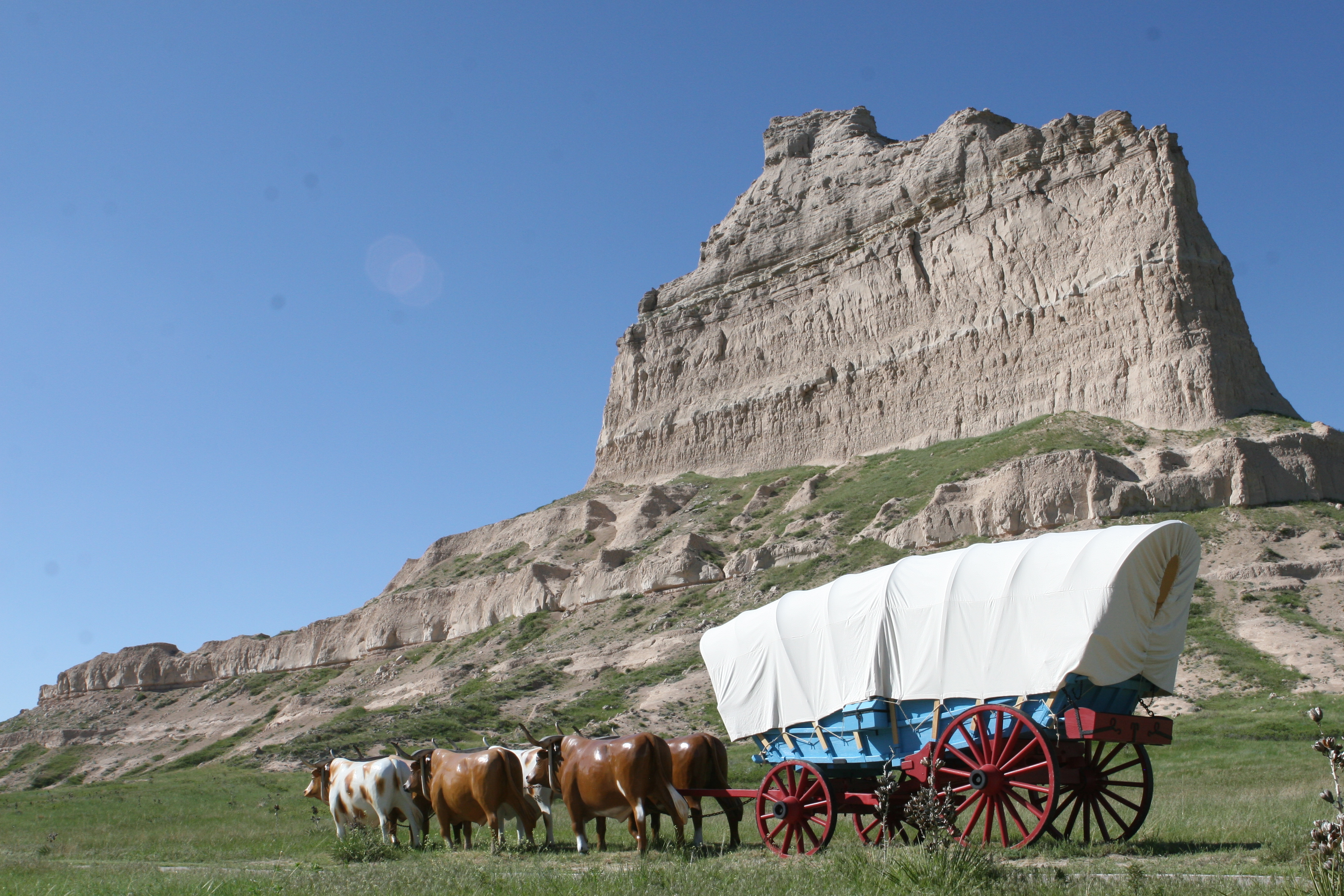
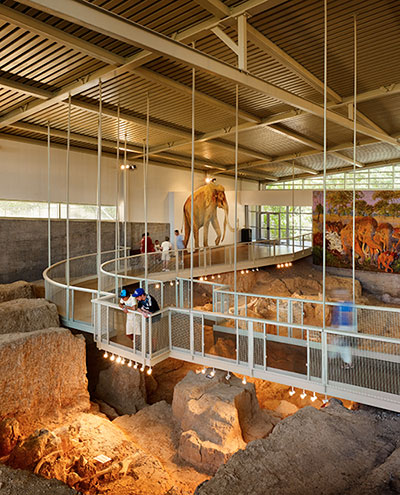
In the early 1900s, paleontologists unearthed the Age of Mammals when they found full skeletons of extinct Miocene mammals in the hills of Nebraska -- species previously only known through fragments. At the same time, an age of friendship began between rancher James Cook and Chief Red Cloud of the Lakota. These two unprecedented events are preserved and protected here... at Agate Fossil Beds.
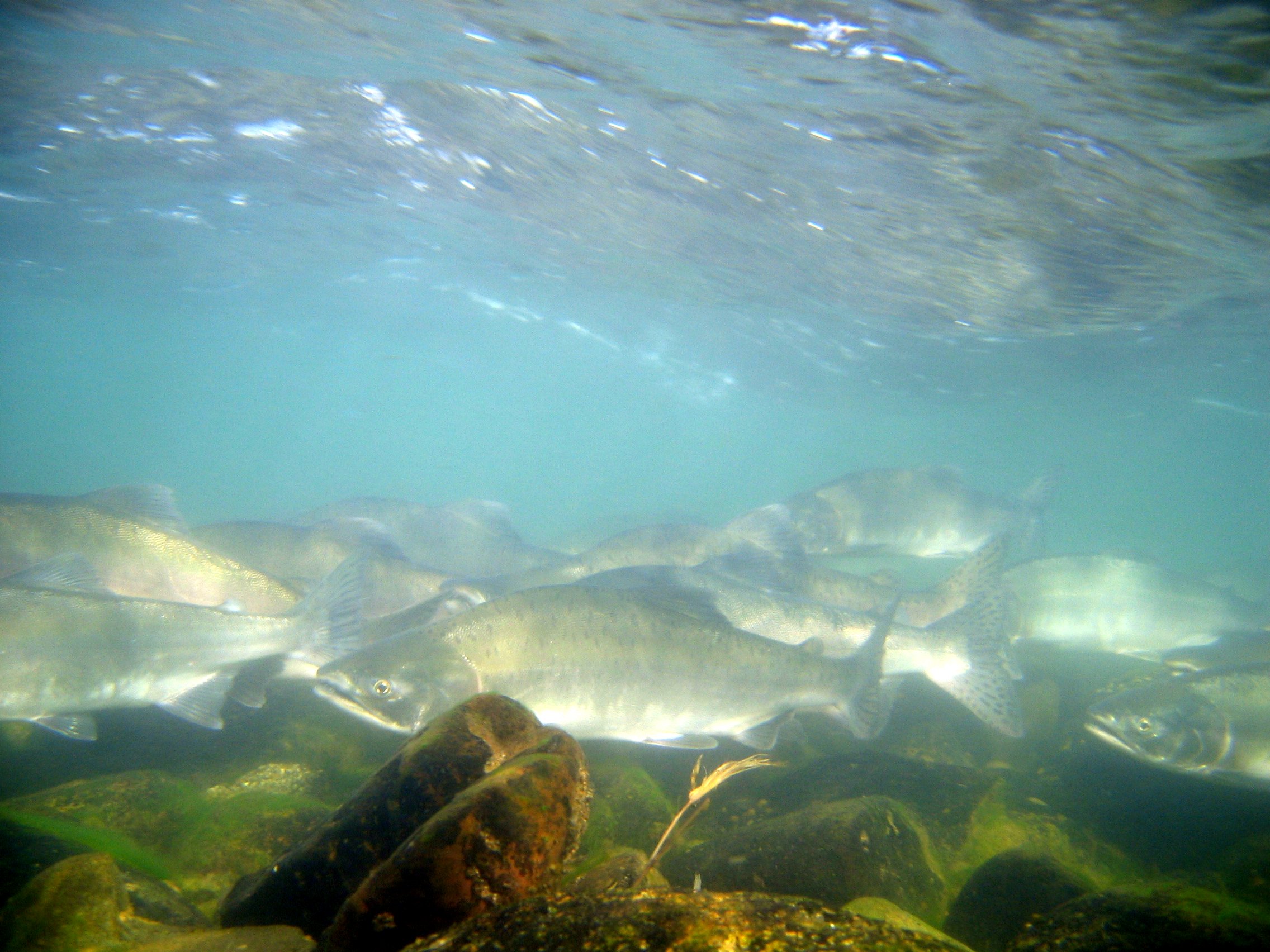
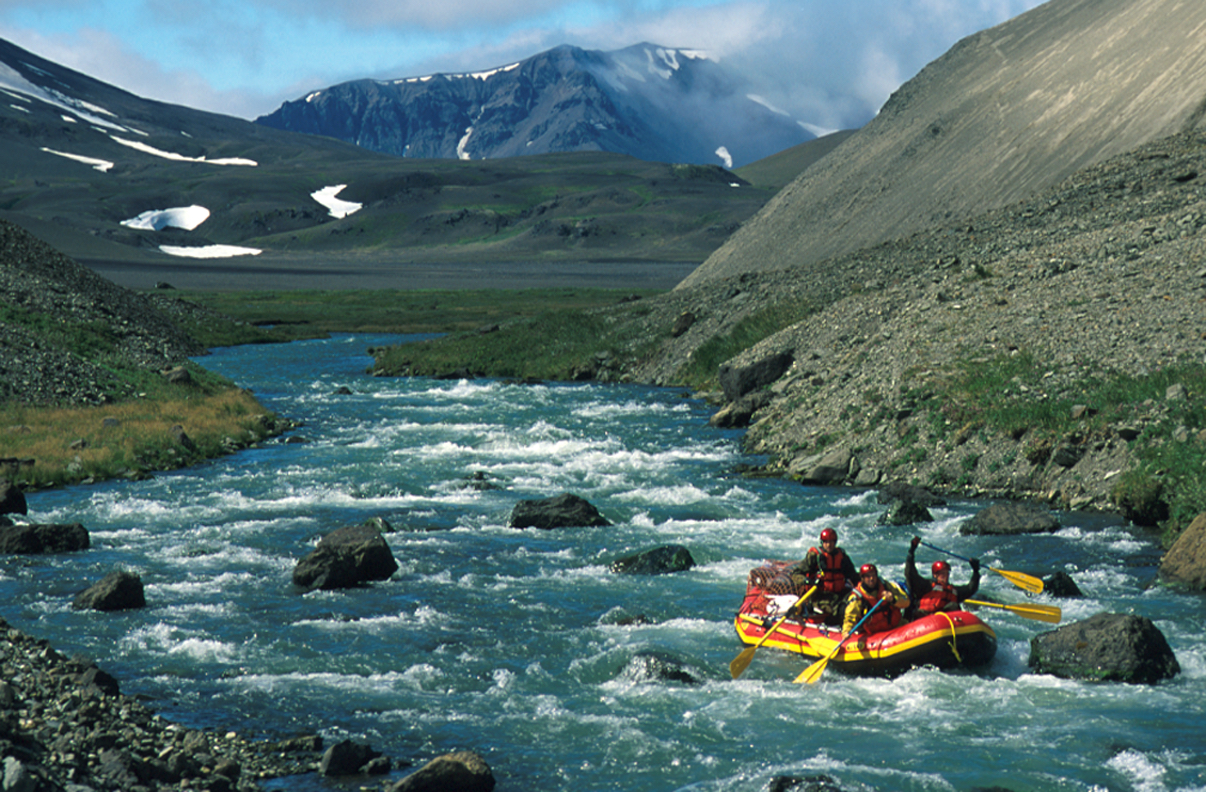
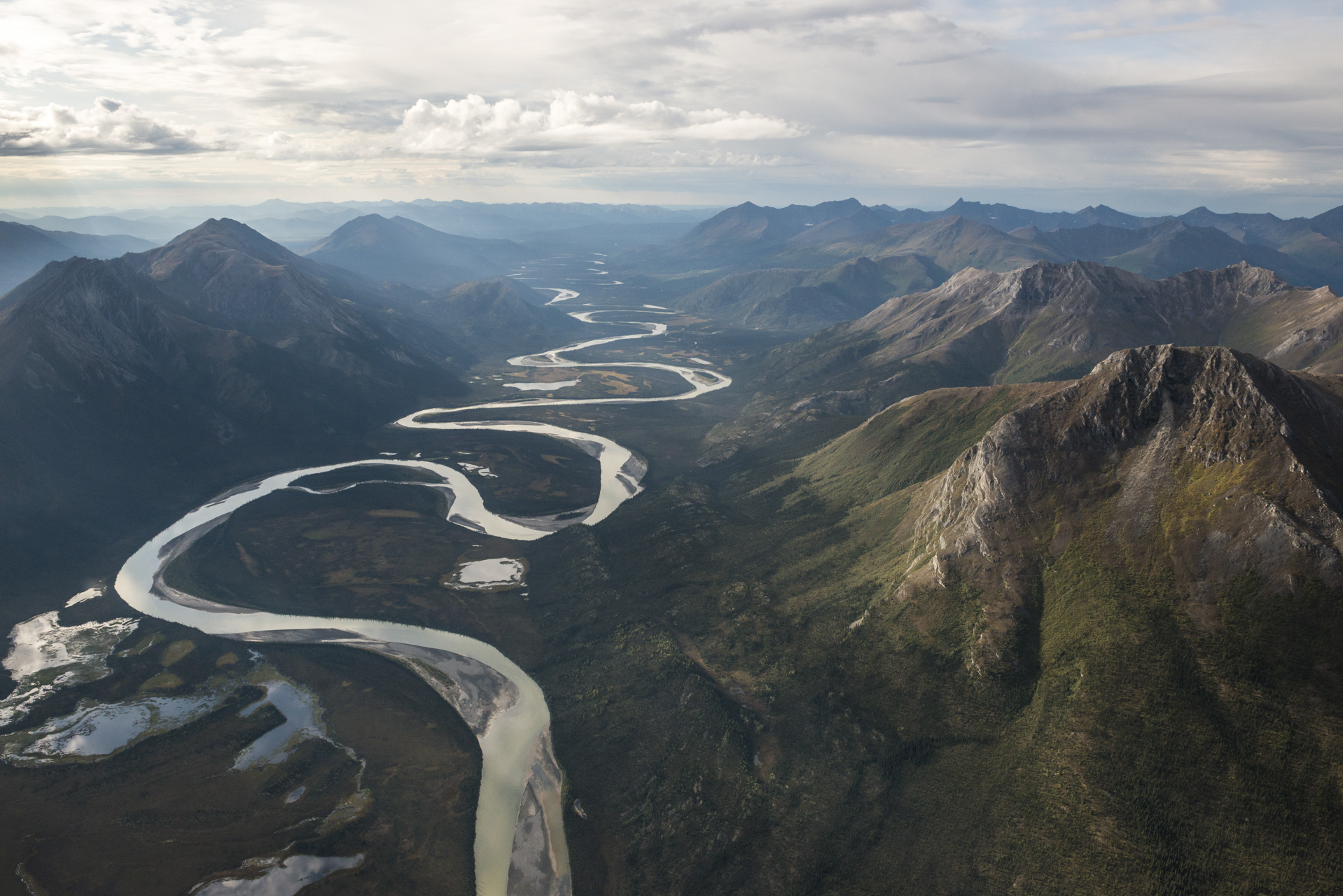
The headwaters of Alagnak Wild River lie within the rugged Aleutian Range of neighboring Katmai National Park and Preserve. Meandering west towards Bristol Bay and the Bering Sea, the Alagnak traverses the beautiful Alaska Peninsula, providing an unparalleled opportunity to experience the unique wilderness, wildlife, and cultural heritage of southwest Alaska.
Alaska’s parks, forests, and refuges are rich and varied. The Alaska Public Lands Information Centers help visitors and residents to have meaningful, safe, enjoyable experiences on public lands, and encourages them to sustain the natural and cultural resources of Alaska. These centers provide trip-planning, interpretation, and education for all ages.
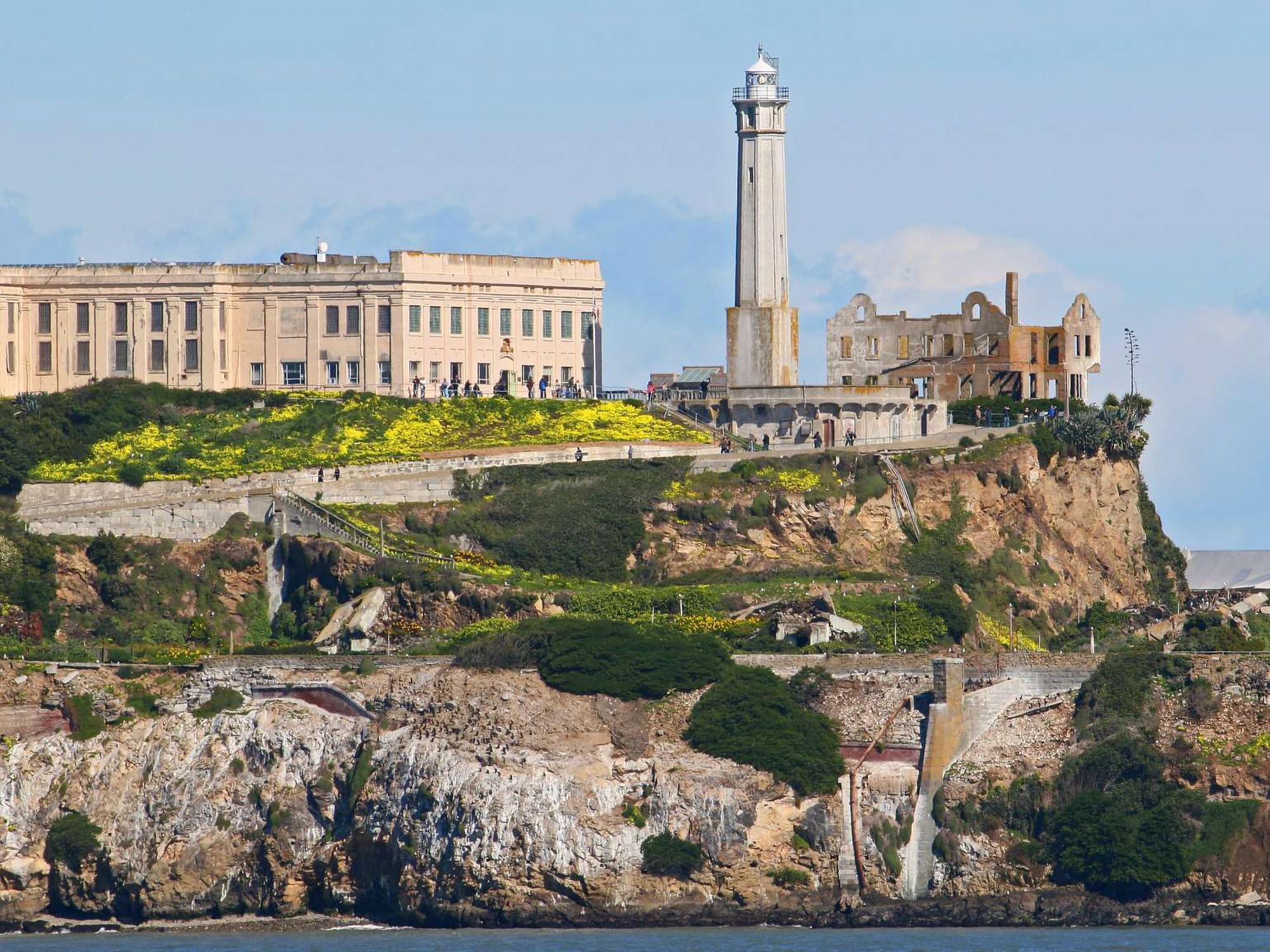
Alcatraz reveals stories of American incarceration, justice, and our common humanity. This small island was once a fort, a military prison, and a maximum security federal penitentiary. In 1969, the Indians of All Tribes occupied Alcatraz for 19 months in the name of freedom and Native American civil rights. We invite you to explore Alcatraz's complex history and natural beauty.
The remote Aleutian Islands, home to the Unangax̂ (Aleut) people for over 8,000 years, became a fiercely contested Pacific battleground in World War II. Some Unangax̂ were taken from their homelands as Japanese prisoners of war while the others were evacuated from the islands by the government. Both groups suffered greatly during the war, and some would never return to their villages.
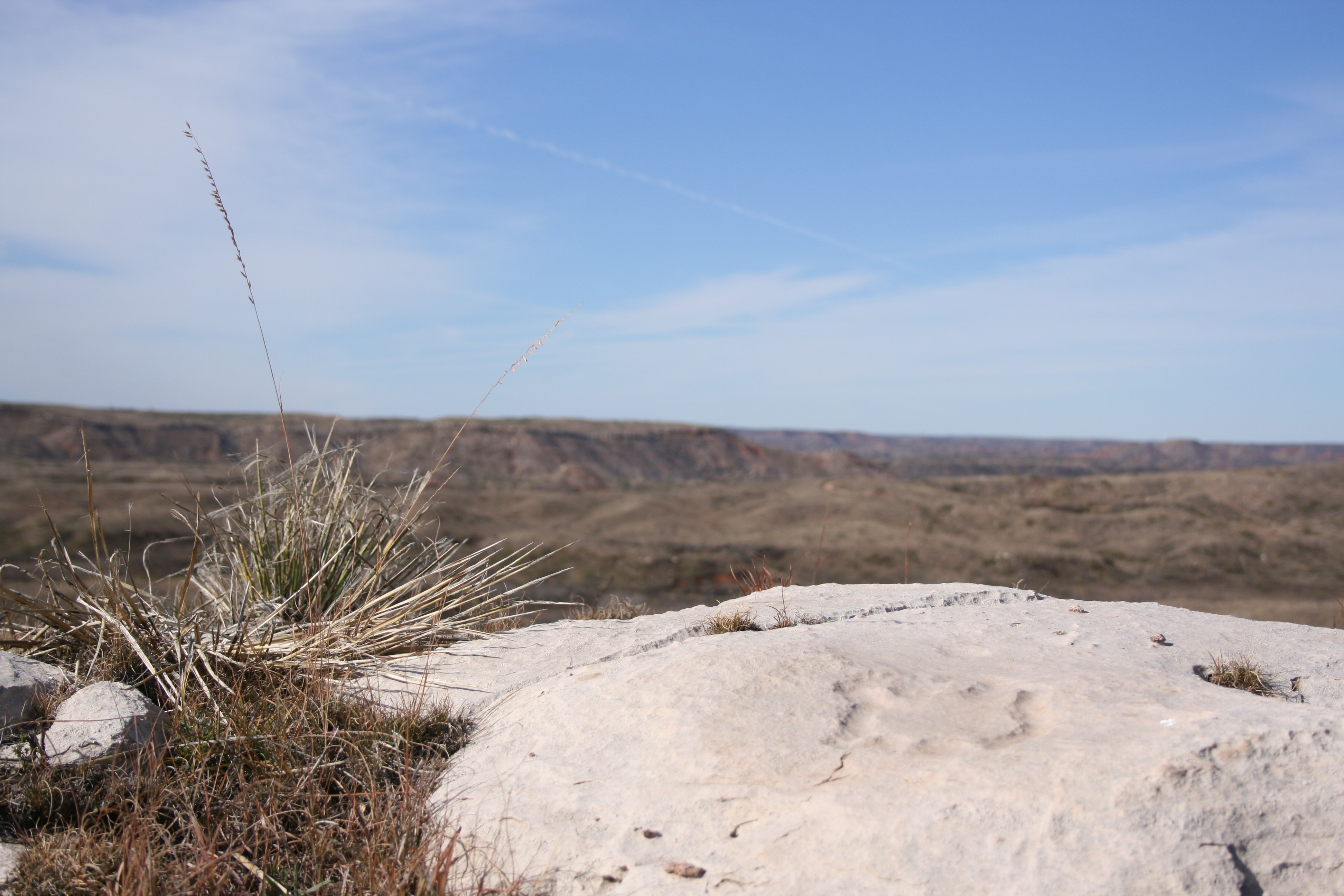
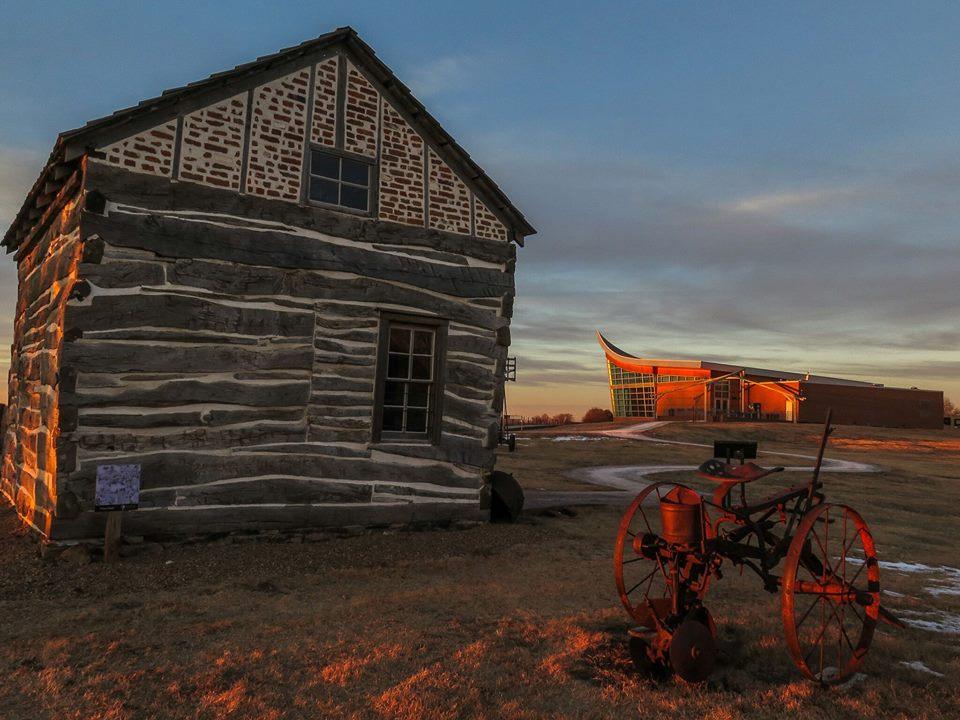
13,000 years ago, Alibates Flint was used by mammoth hunters as a source of flint for tools. Learn how important this site was to the survival, commerce, and culture of the people of the High Plains.
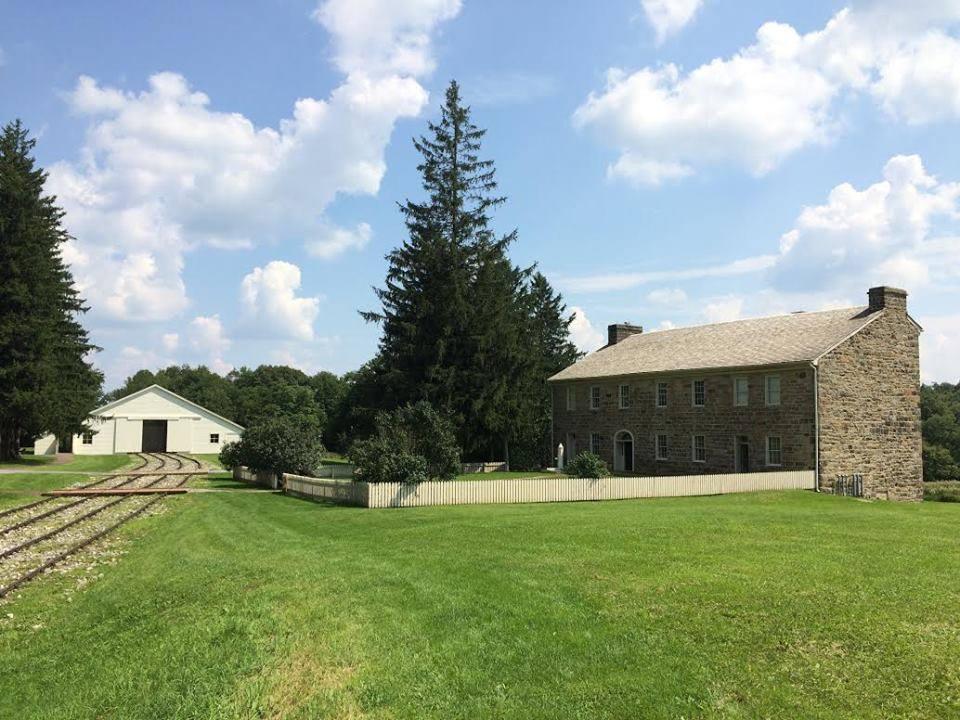
The first railroad to cross the Allegheny Mountains, the Allegheny Portage Railroad was the final piece of the Pennsylvania Main Line Canal. "The Portage" opened in 1834, marking the first time that there was one, direct route between Philadelphia and Pittsburgh. All things to all people, it served merchants, passengers, slaves in pursuit of freedom, and soldiers from the Mexican War.
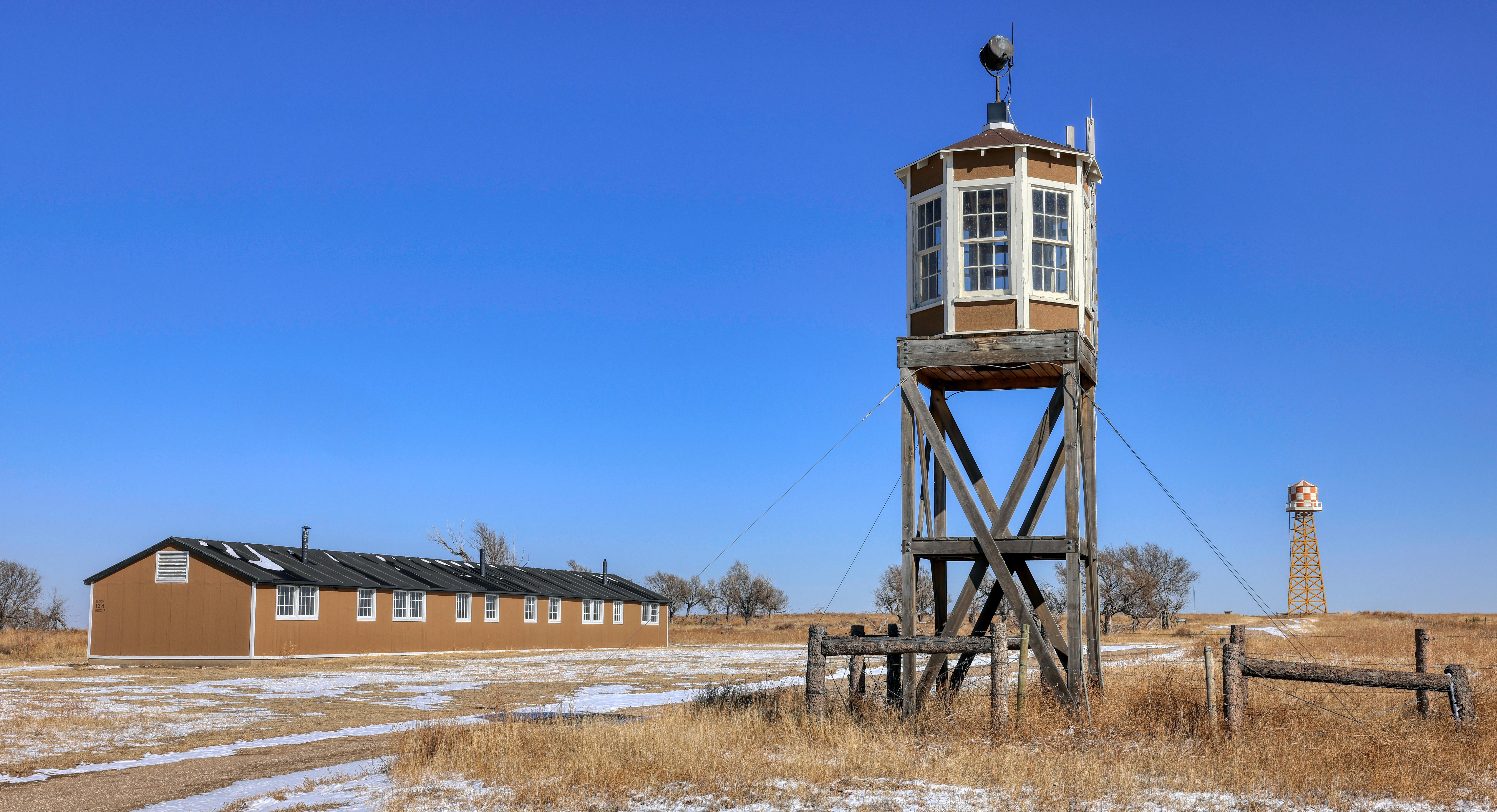
Amache, also known as the Granada Relocation Center, near Granada, Colorado was one of ten incarceration sites established by the War Relocation Authority during World War II to unjustly incarcerate Japanese Americans. Over 10,000 people, most American citizens, were incarcerated at Amache from 1942 to 1945.
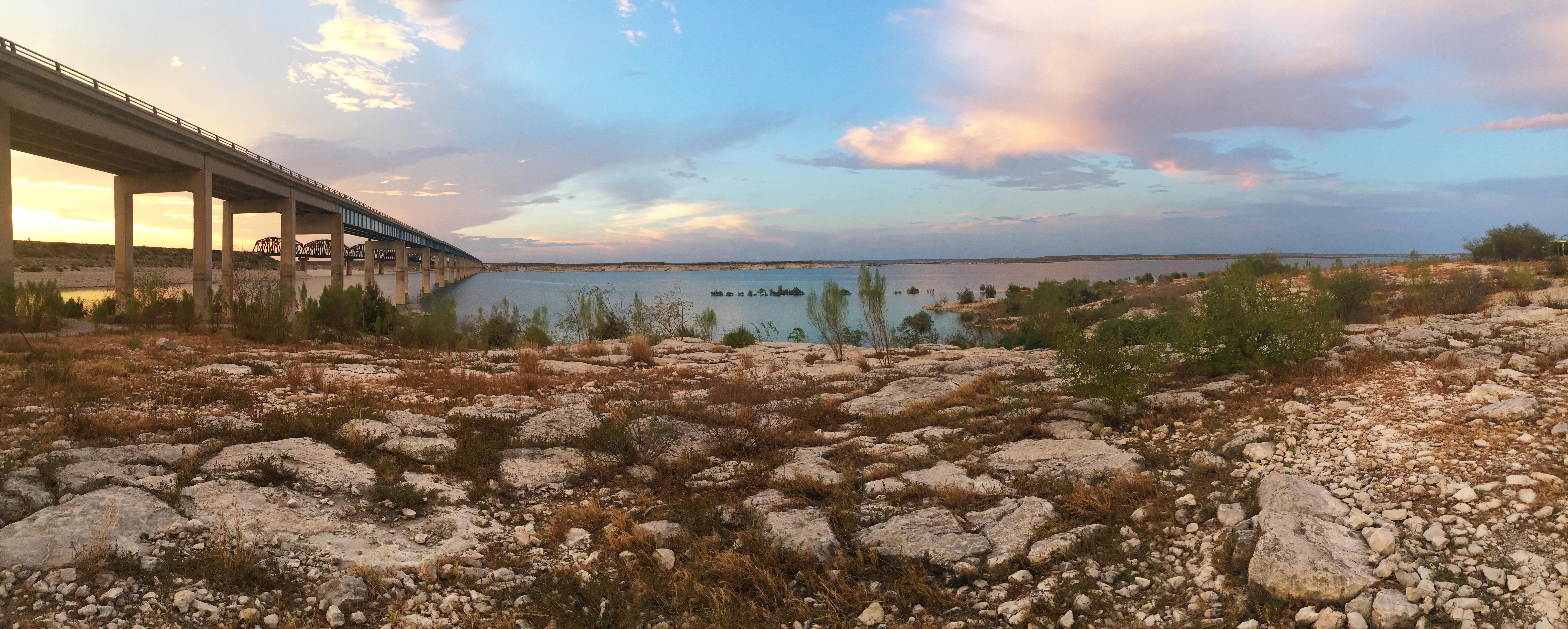
An oasis in the desert, Amistad National Recreation Area consists of the US portion of the International Amistad Reservoir. Amistad, a Spanish word meaning "friendship," is known for excellent water-based recreation, camping, hiking, and rich cultural history dating back nearly 5,000 years. Amistad is also home to a wide variety of plant and animal life both above and below the water.
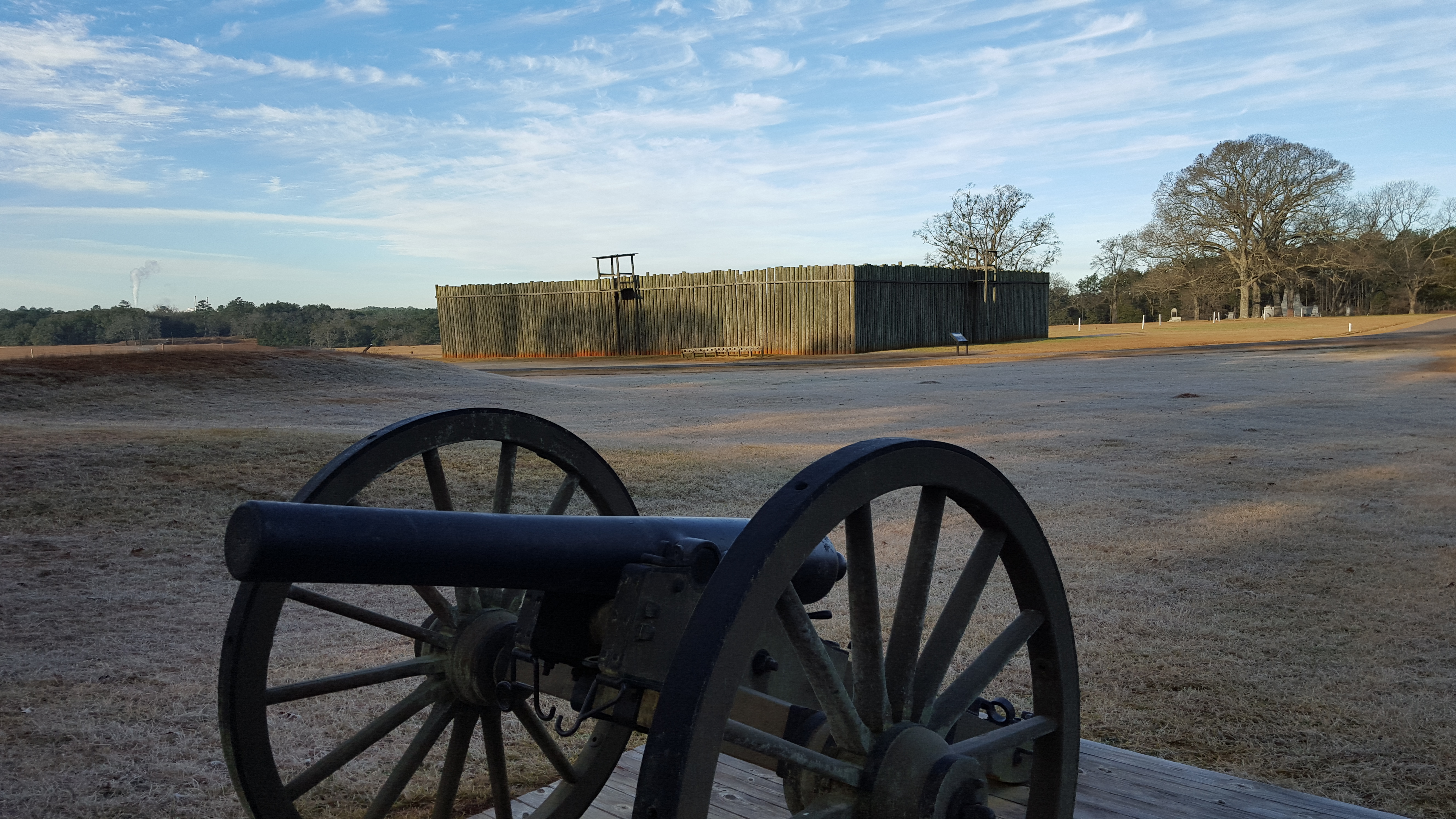
Nearly 13,000 men died on these grounds, a site that became infamous even before the Civil War ended. Their burial grounds became Andersonville National Cemetery, where veterans continue to be buried today. This place, where tens of thousands suffered captivity so others could be free, is also home to the National Prisoner of War Museum and serves as a memorial to all American prisoners of war.
Andrew Johnson's complex presidency (1865-69) illustrates the Constitution at work following the Civil War. As the President and Congress disagreed on Reconstruction methods, the Constitution served as their guide on balance of powers, vetoes, and impeachment. In the end, it evolved as a living document with pivotal amendments on freedom, citizenship, and voting rights - topics still vital today.
Given its remote location and challenging weather conditions, Aniakchak is one of the most wild and least visited places in the National Park System. This landscape is a vibrant reminder of Alaska's location in the volcanically active "Ring of Fire," as it is home to an impressive six mile (10 km) wide, 2,500 ft (762 m) deep caldera formed during a massive volcanic eruption 3,500 years ago.
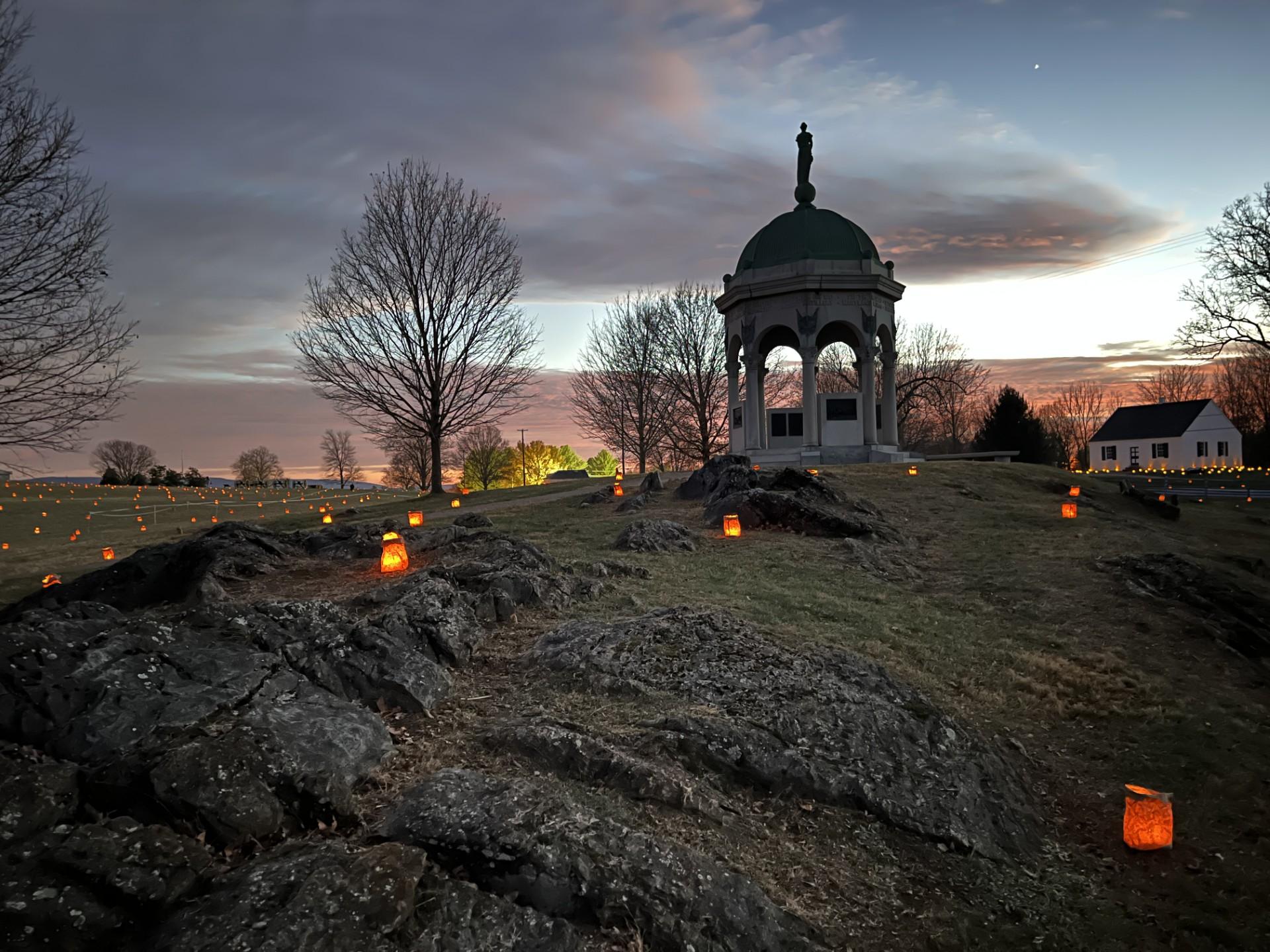
23,000 soldiers were killed, wounded or missing after twelve hours of savage combat on September 17, 1862. The Battle of Antietam ended the Confederate Army of Northern Virginia's first invasion into the North and led Abraham Lincoln to issue the preliminary Emancipation Proclamation.
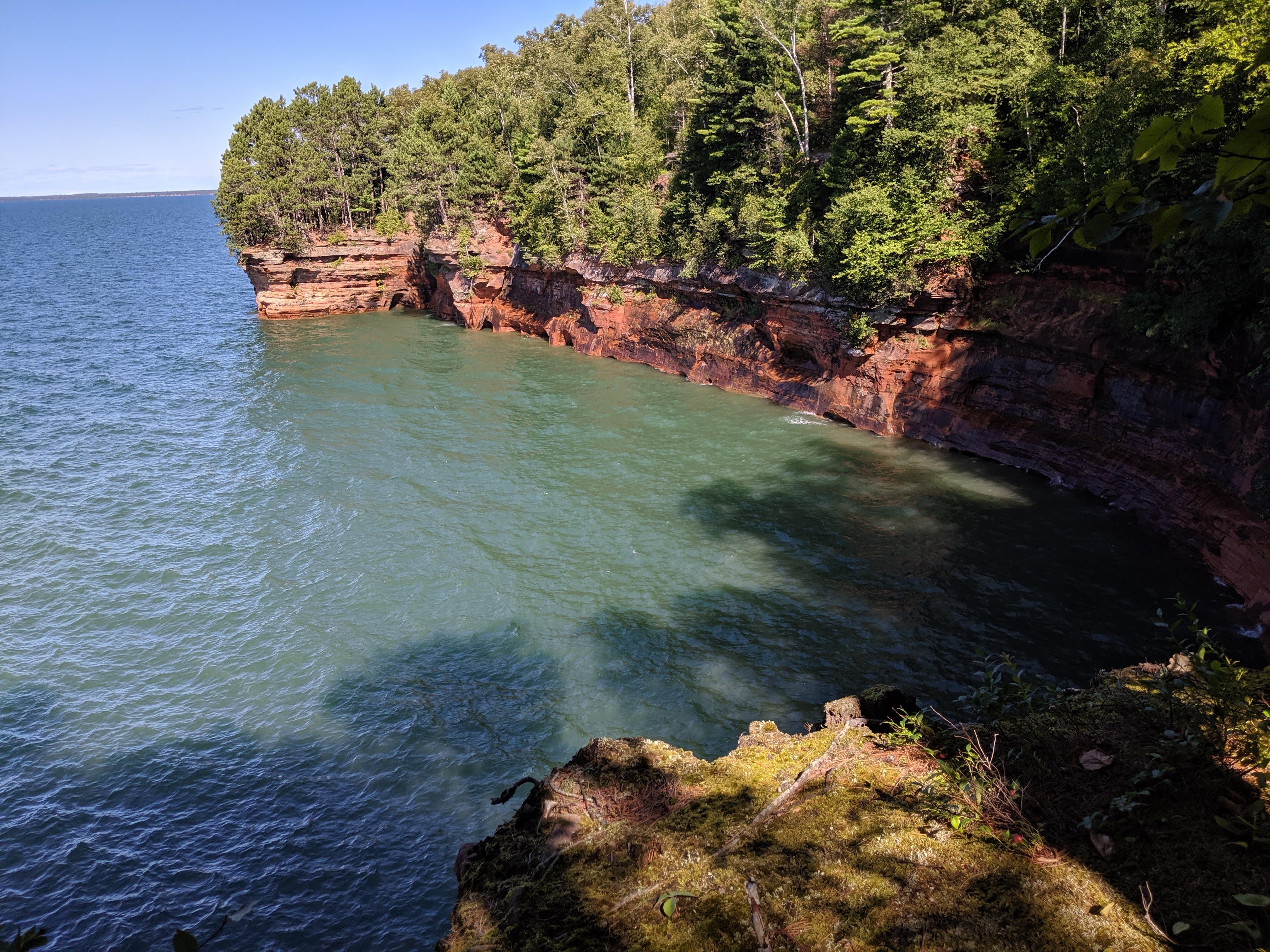
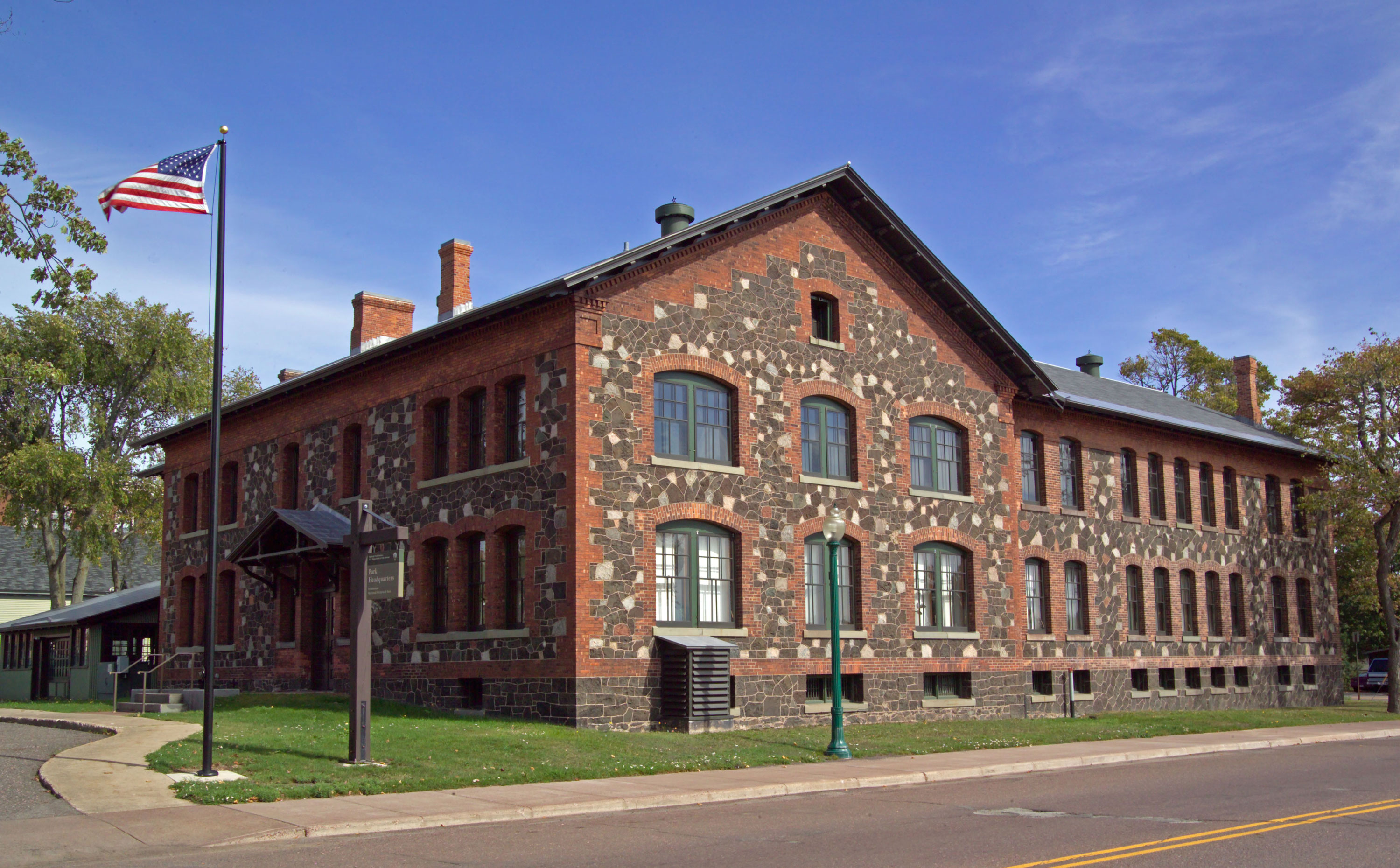
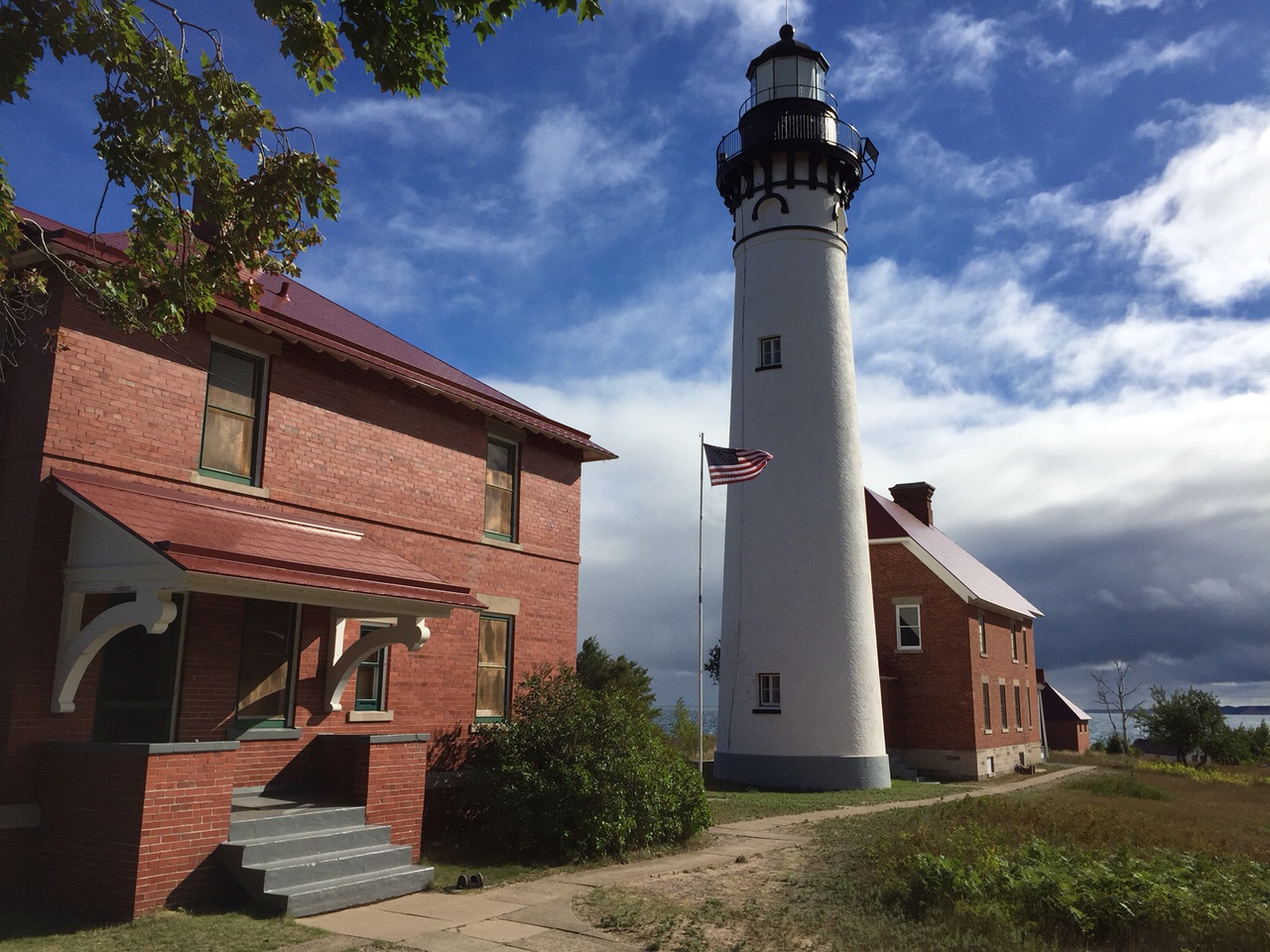
Apostle Islands National Lakeshore, located at the northern tip of Wisconsin's Bayfield Peninsula, features 21 stunning islands, a scenic 12-mile shoreline along Lake Superior, and is located within the ancestral homeland of the Ojibwe people. Established in 1970, the park showcases picturesque sea caves, sandy beaches, and the largest collection of lighthouses in the National Park system.
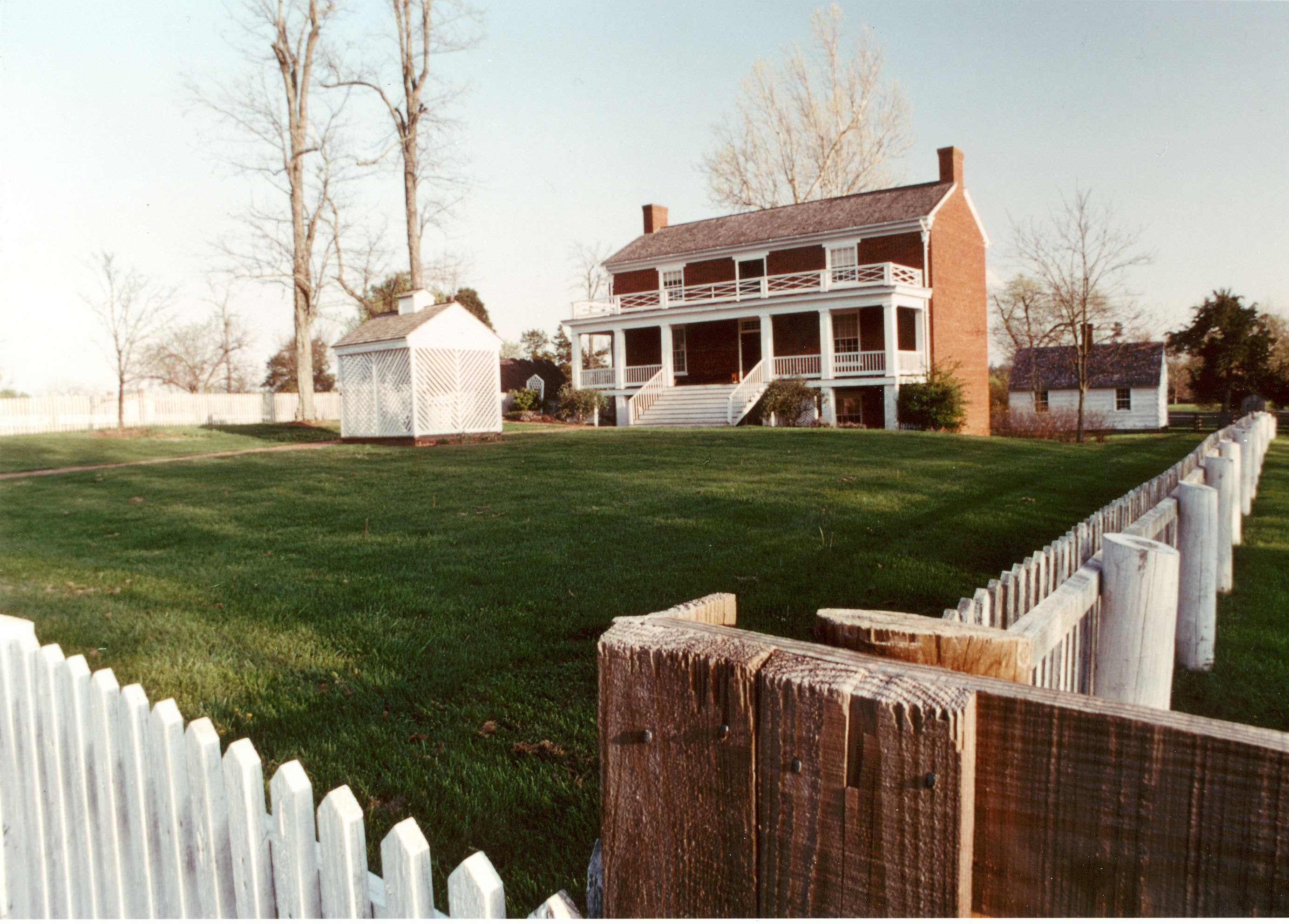
On April 9, 1865, the surrender of the Army of Northern Virginia in the McLean House in the village of Appomattox Court House, Virginia signaled the effective end of the nation's largest war. Questions remained: could the nation reunite as one? How would emancipation be realized?
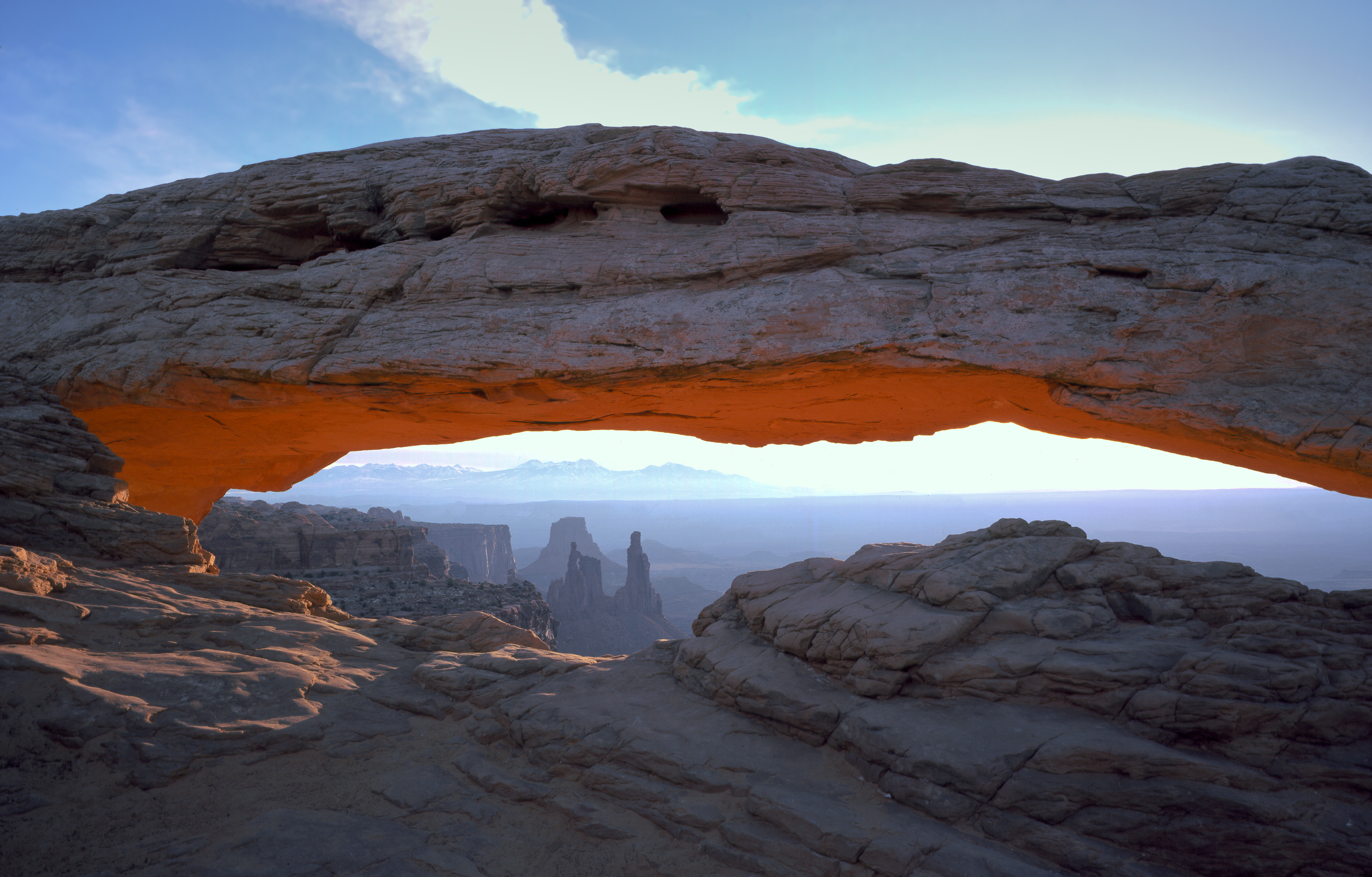
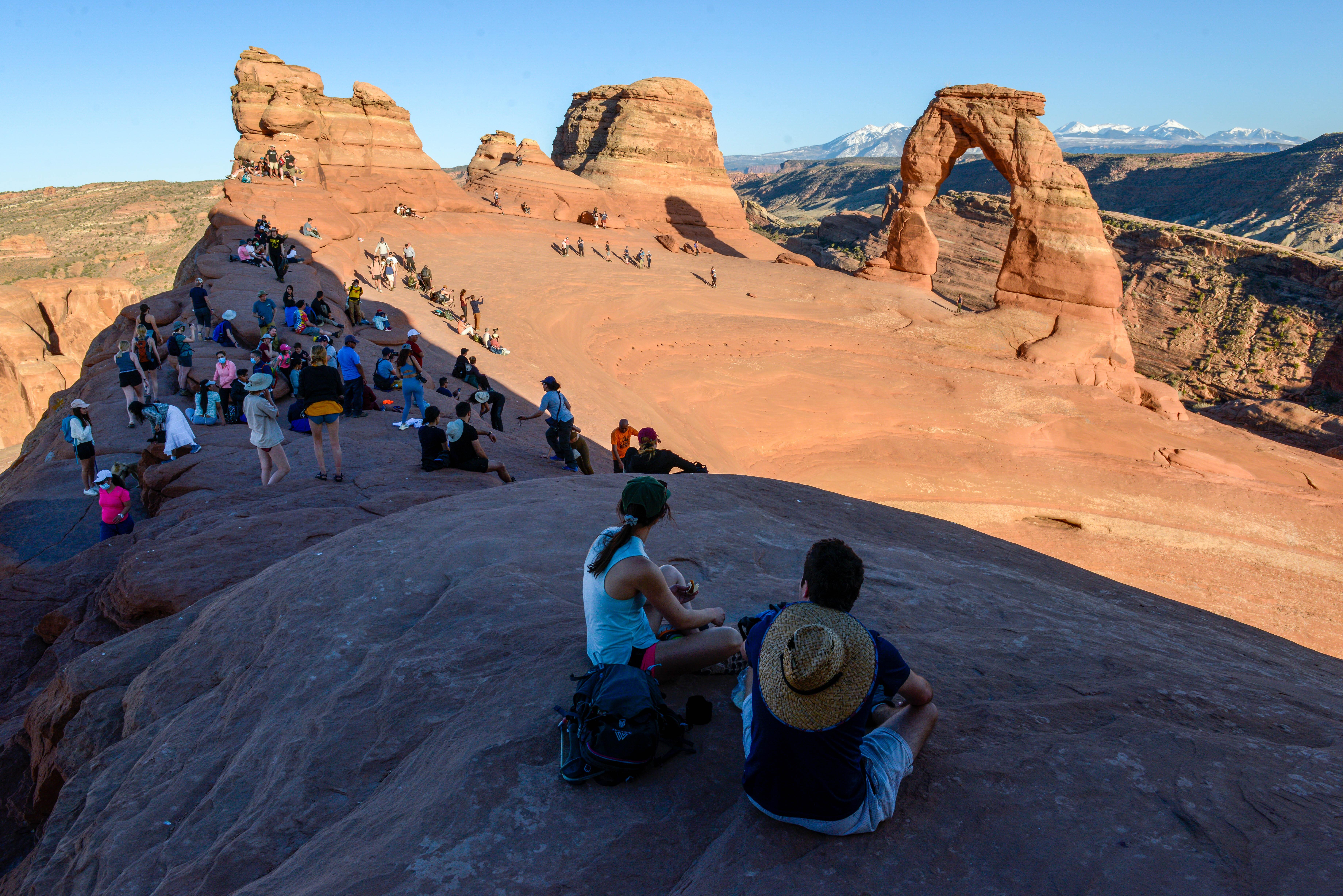
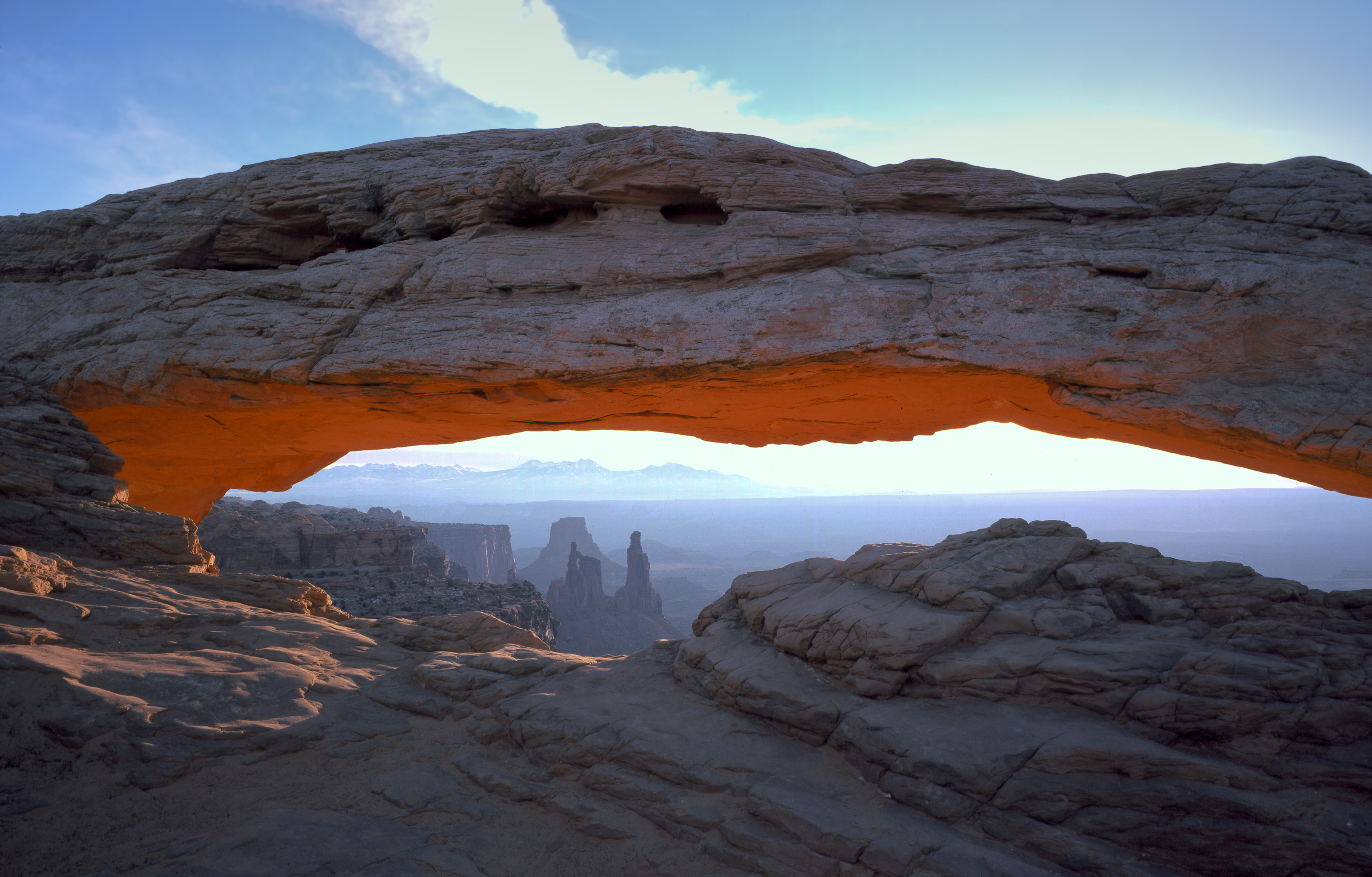
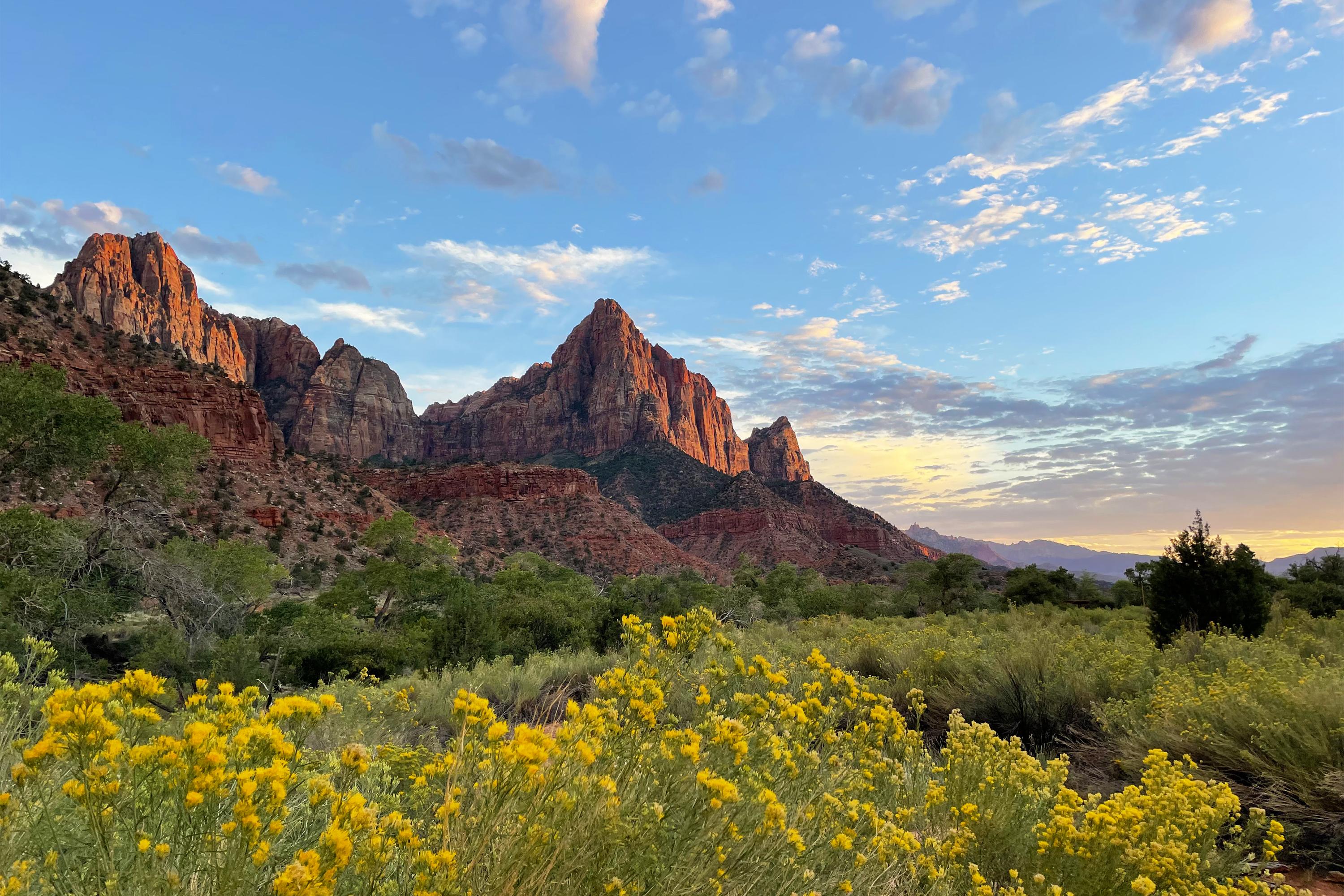
Discover a landscape of contrasting colors, land forms, and textures unlike any other. The park has over 2,000 natural stone arches, hundreds of soaring pinnacles, massive rock fins, and giant balanced rocks. This red-rock wonderland will amaze you with its formations, refresh you with its trails, and inspire you with its sunsets.
Located at the confluence of two rivers, Arkansas Post has served as a gathering place for many cultures throughout human history - it represents cultural cooperation, conflict, synthesis, and diversity.
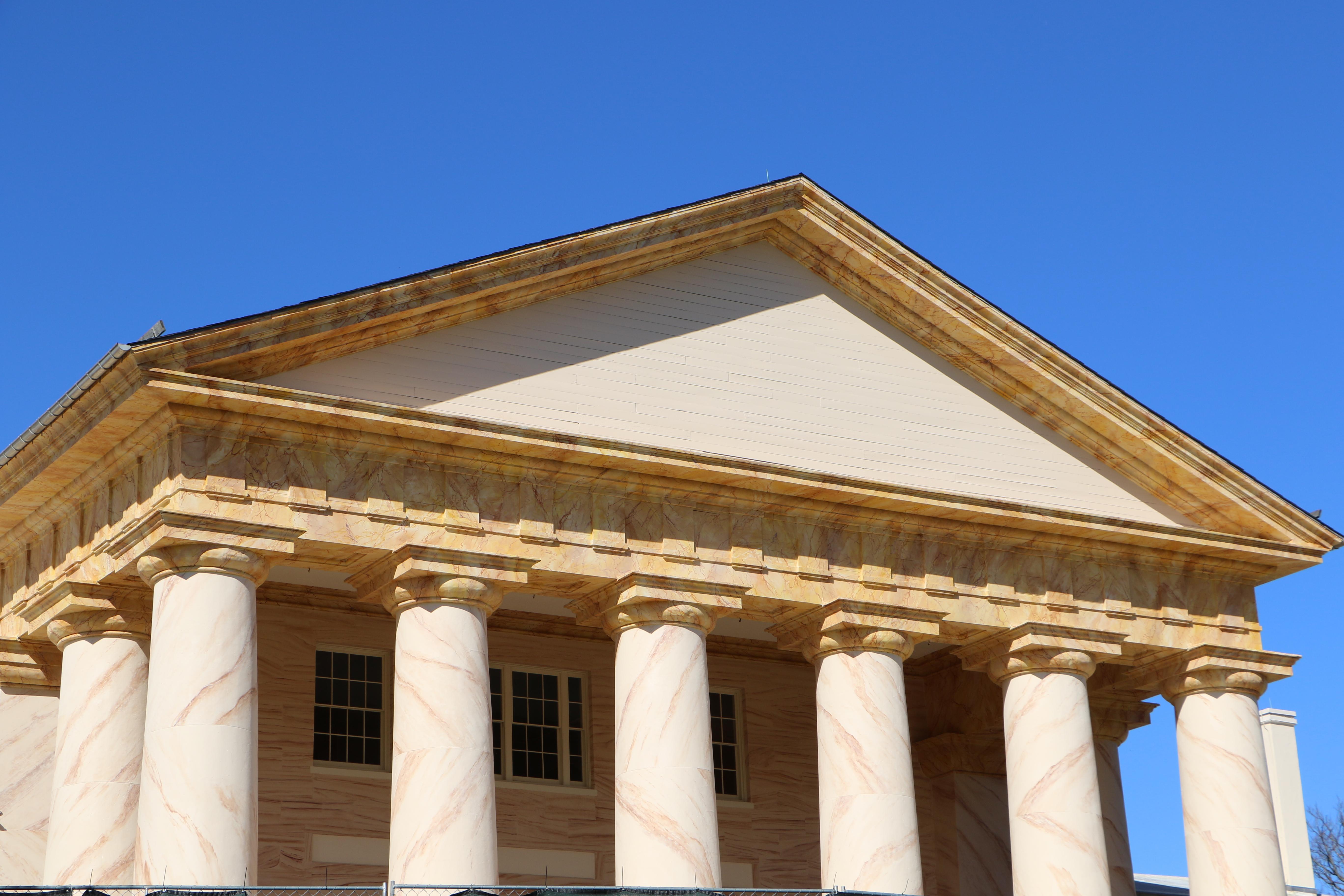
Arlington House is the nation’s memorial to Robert E. Lee. It honors him for specific reasons, including his role in promoting peace and reunion after the Civil War. In a larger sense it exists as a place of study and contemplation of the meaning of some of the most difficult aspects of American history: military service; sacrifice; citizenship; duty; loyalty; slavery and freedom.
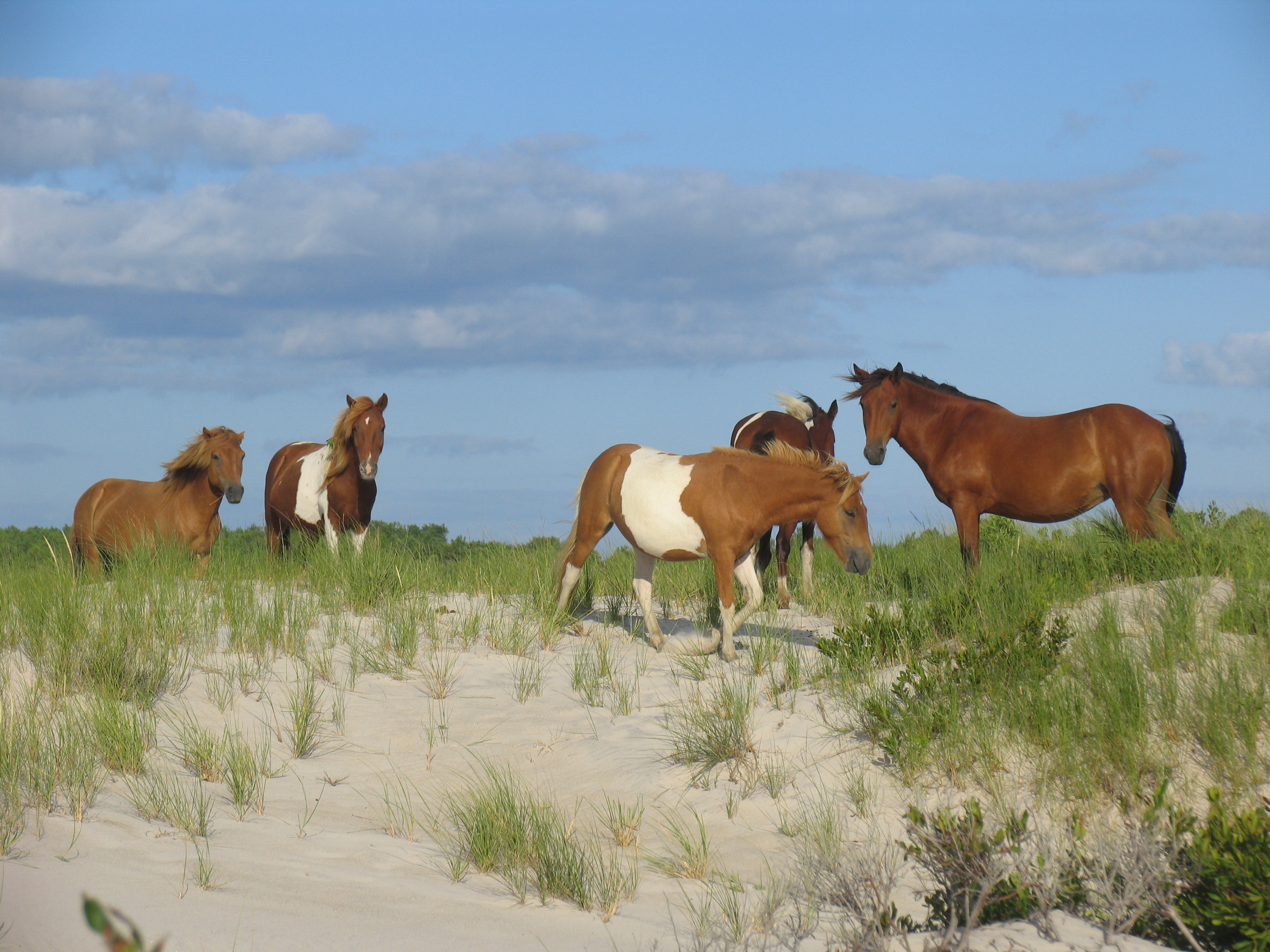
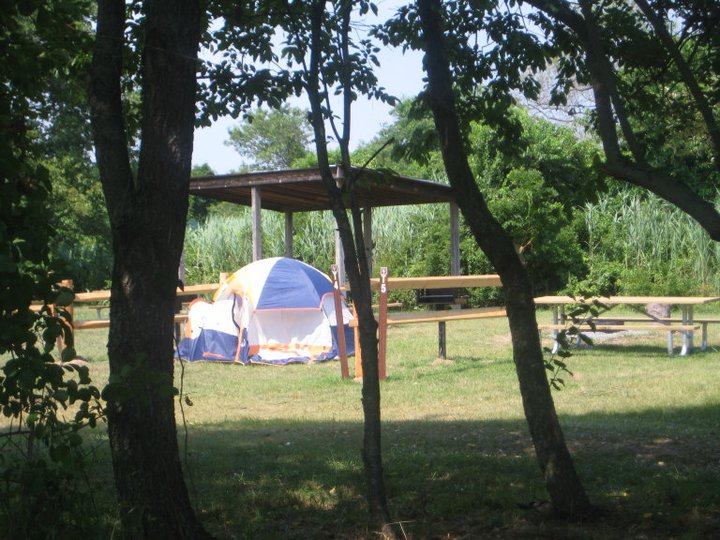
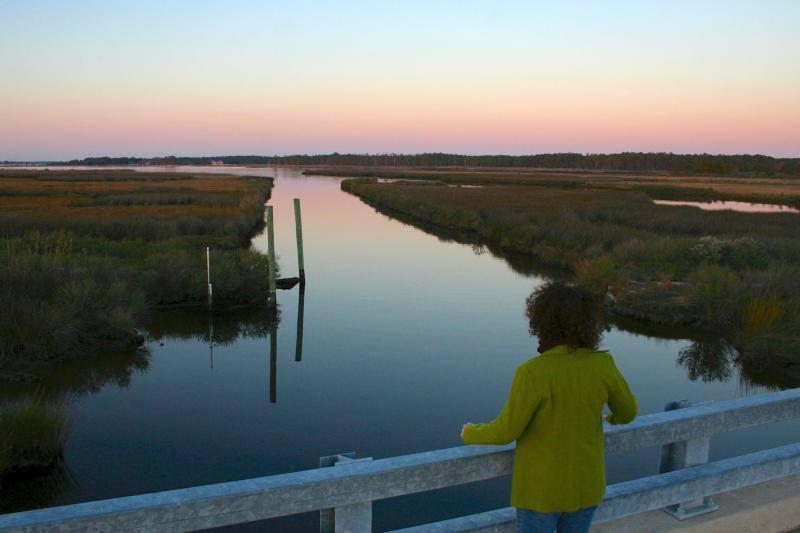
Want to live on the edge? Visit a place recreated each day by ocean wind and waves. Life on Assateague Island has adapted to an existence on the move. Explore sandy beaches, salt marshes, maritime forests and coastal bays. Rest, relax, recreate and enjoy some time on the edge of the continent.
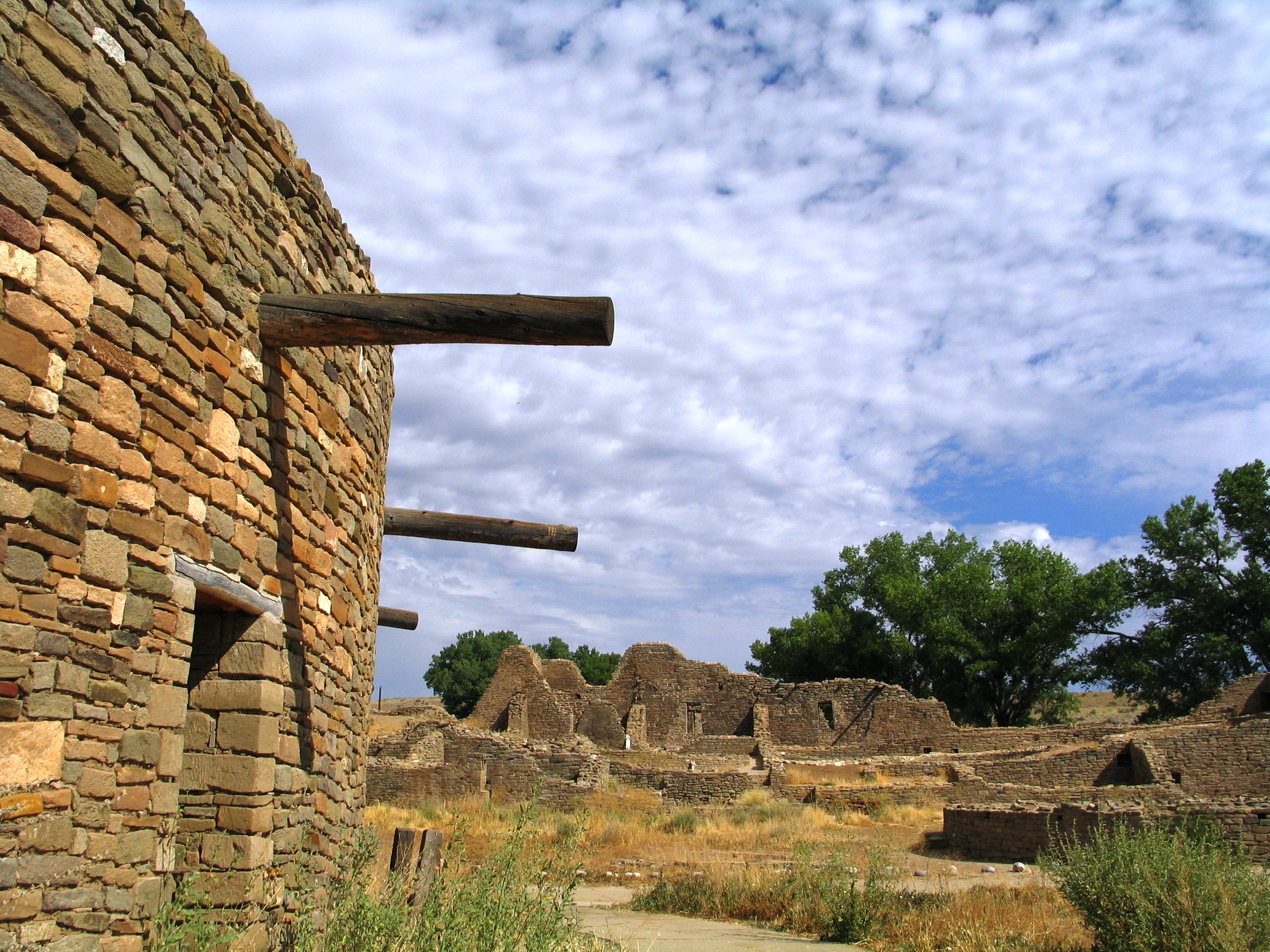
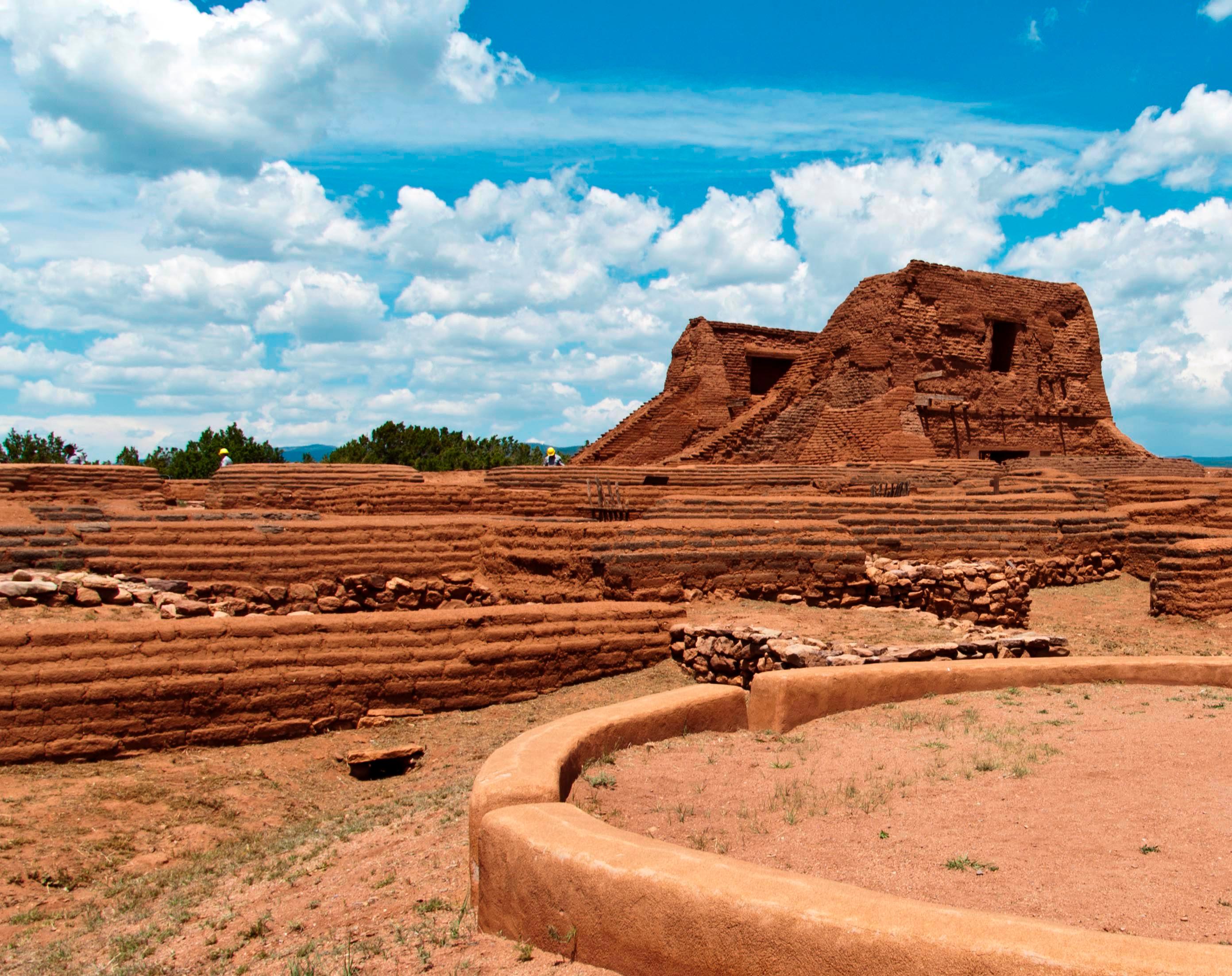
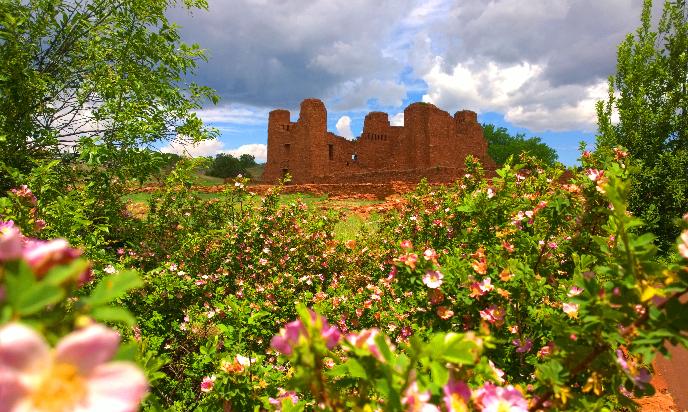
Aztec Ruins has some of the best-preserved Chacoan structures of its kind. Learn more about the ancestral Pueblo people in the park's museum and explore the Aztec West great house to see exceptionally advanced architecture, original wooden beams, and a restored Great Kiva. Aztec Ruins is a deeply sacred place to many Indigenous peoples across the American Southwest. Please visit with respect.
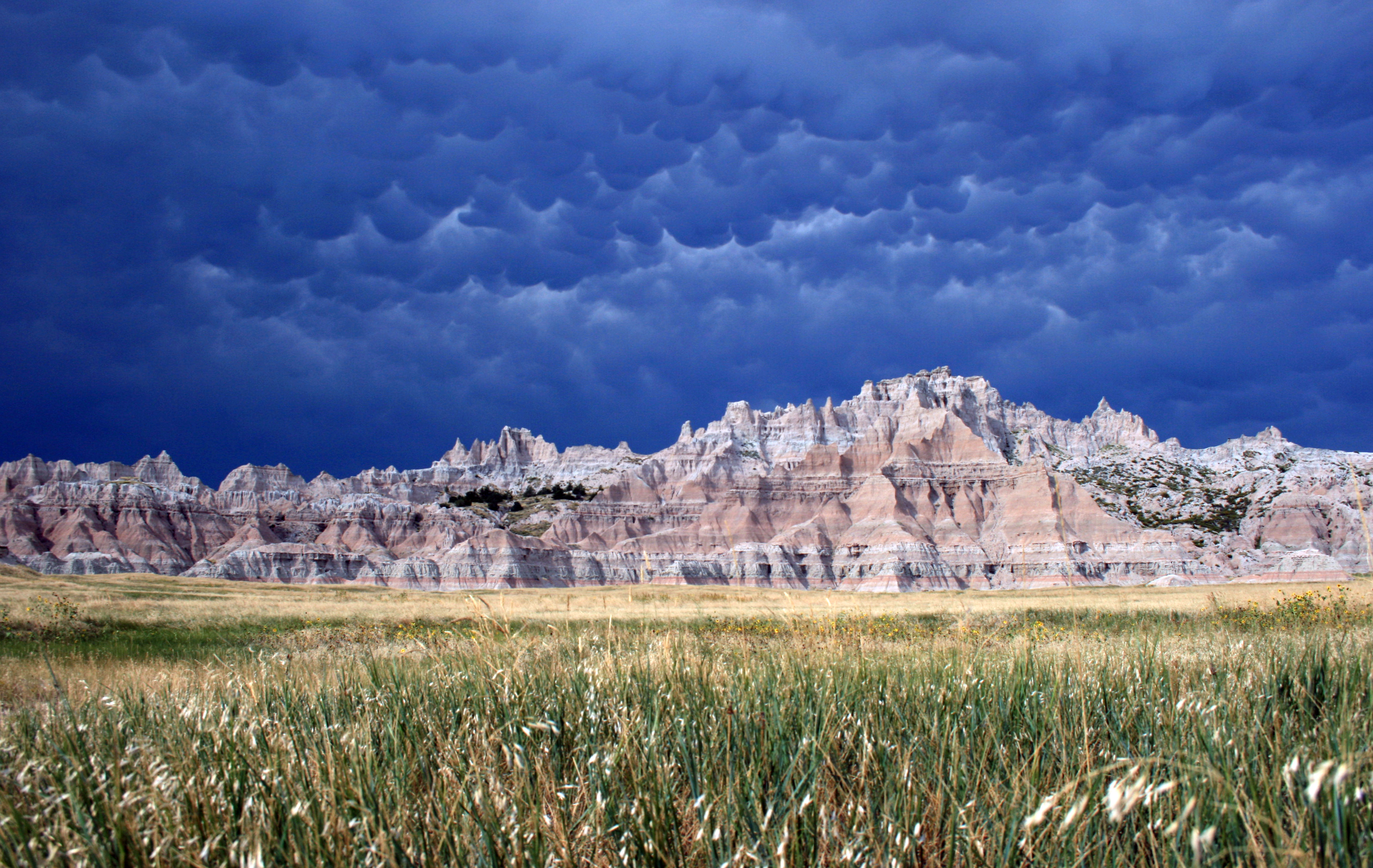
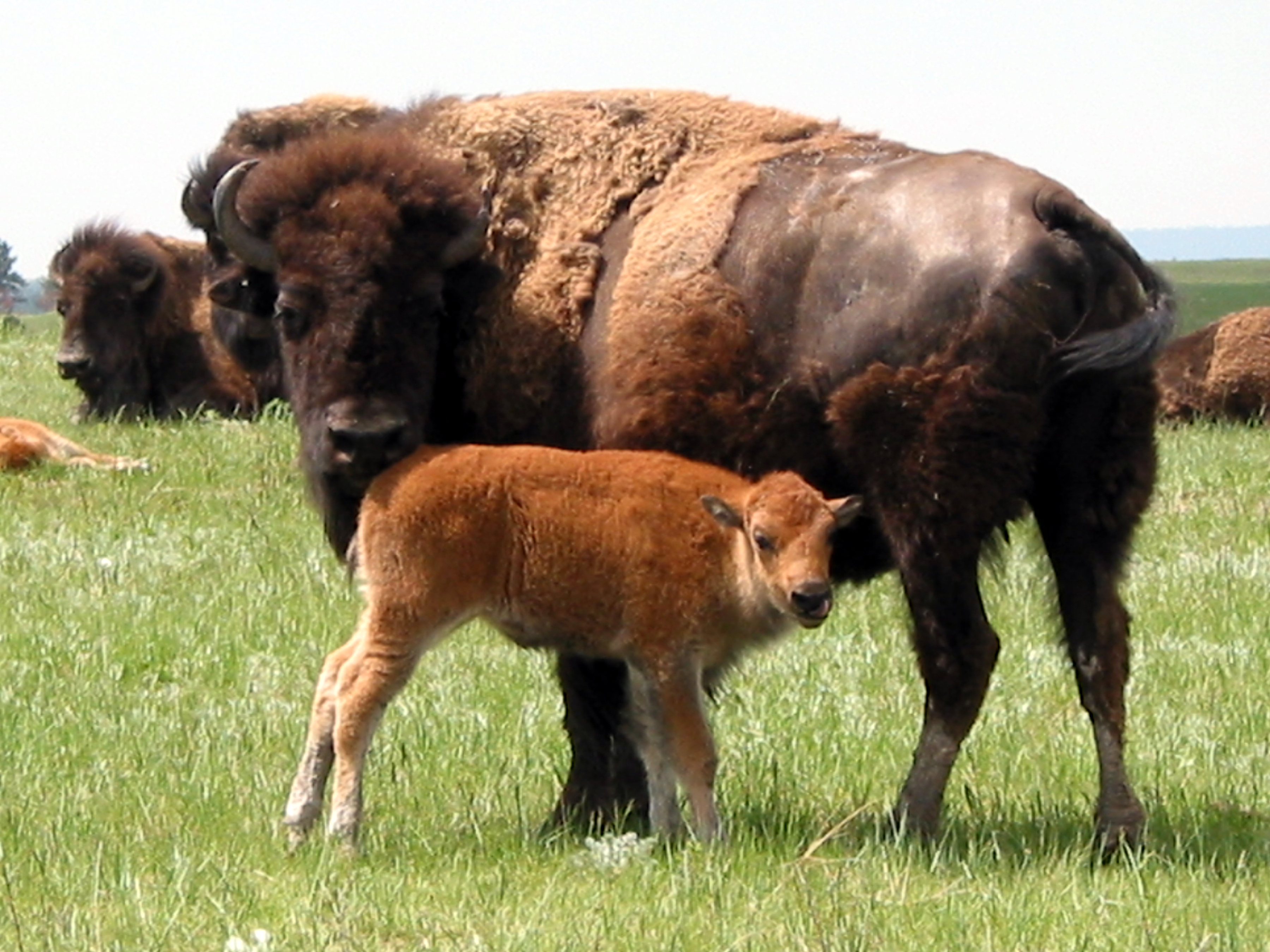
The rugged beauty of the Badlands draws visitors from around the world. These striking geologic deposits contain one of the world’s richest fossil beds. Ancient horses and rhinos once roamed here. The park’s 244,000 acres protect an expanse of mixed-grass prairie where bison, bighorn sheep, prairie dogs, and black-footed ferrets live today.
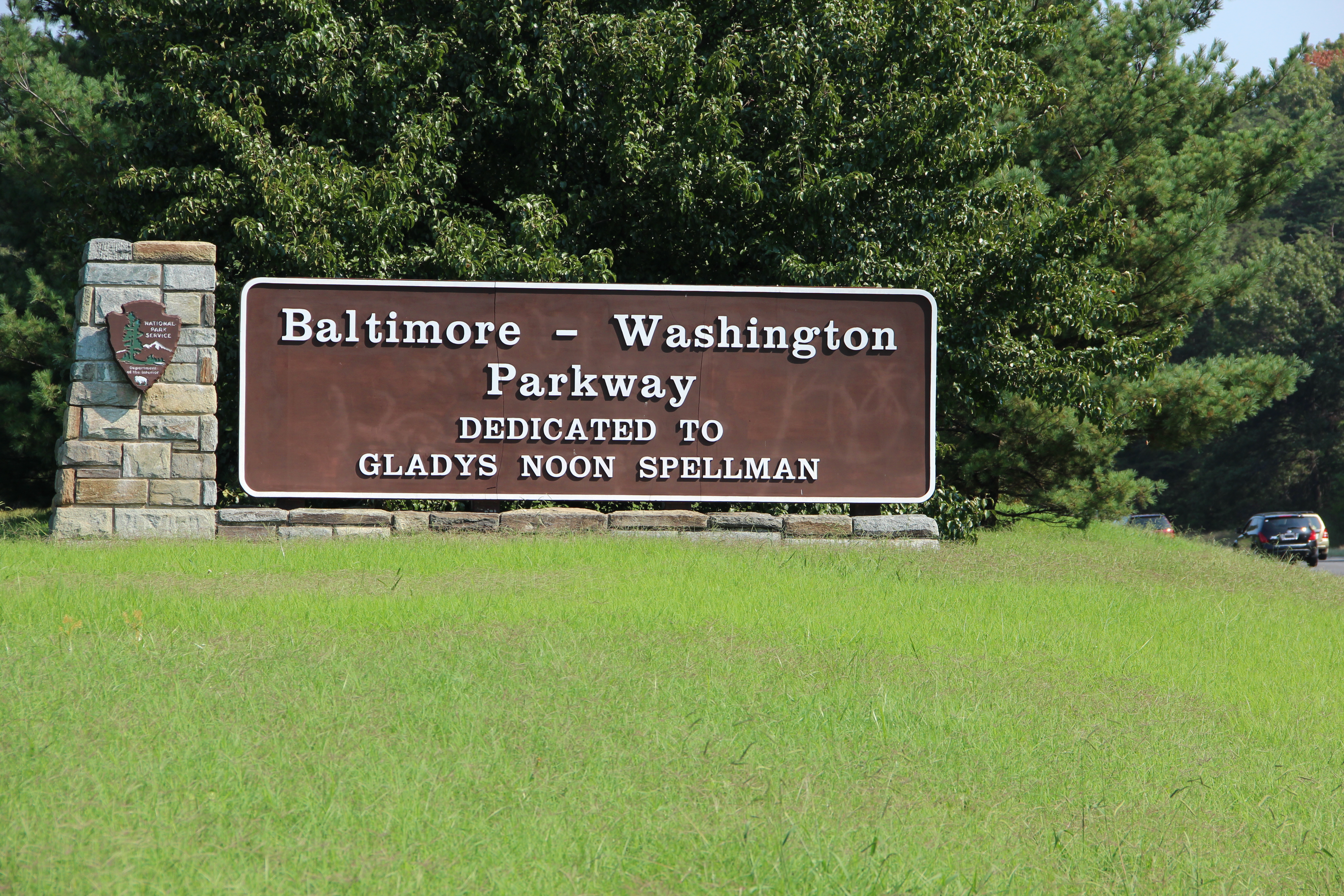
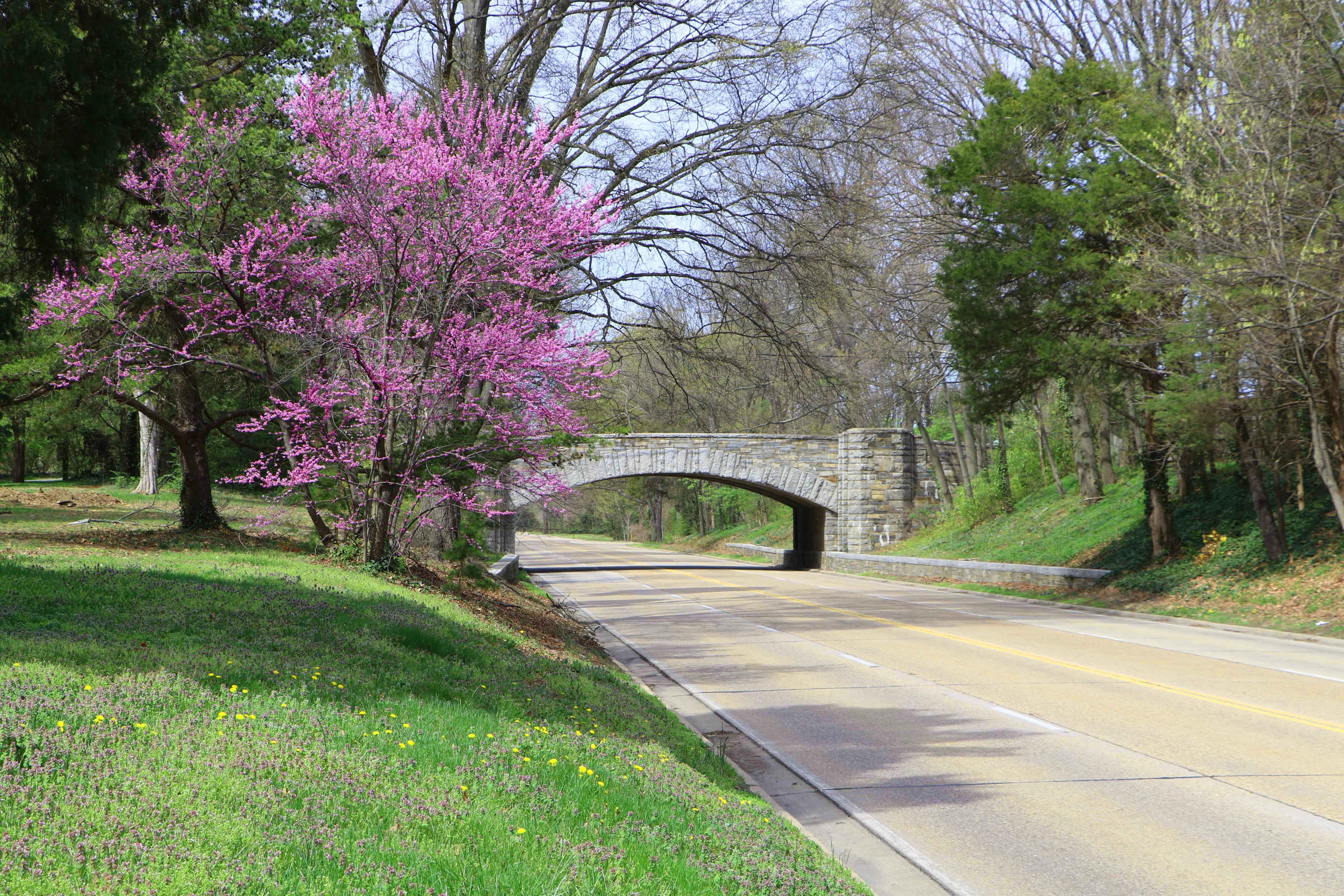
This 29-mile highway connects Baltimore, MD and Washington, D.C. The parkway has carried visitors to and from the capital city since 1954.
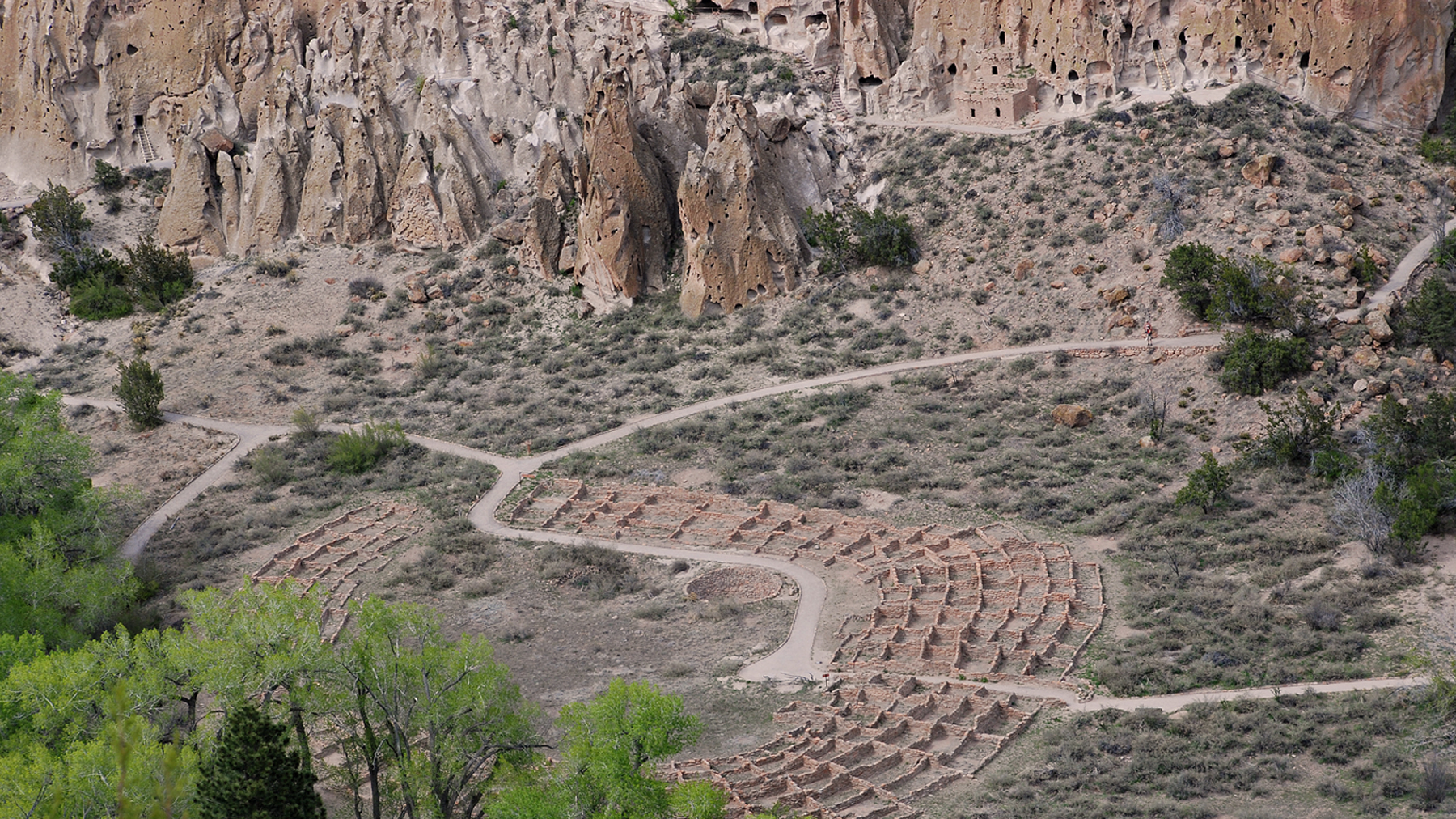
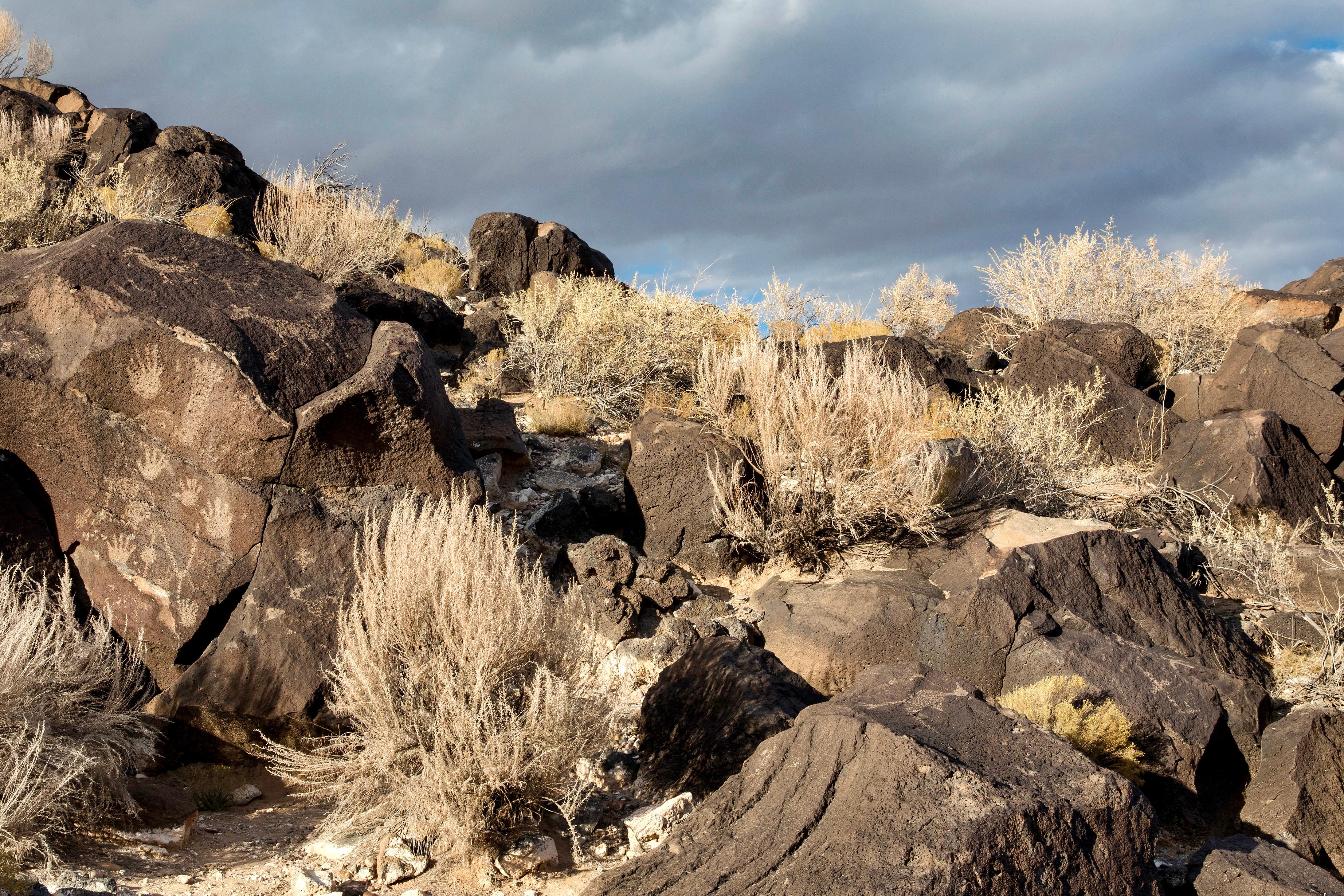
Bandelier National Monument protects over 33,000 acres of ruggedly beautiful canyon and mesa country. Petroglyphs, dwellings carved into the soft rock cliffs, and standing masonry walls pay tribute to the early days of a culture that still survives in the surrounding communities.
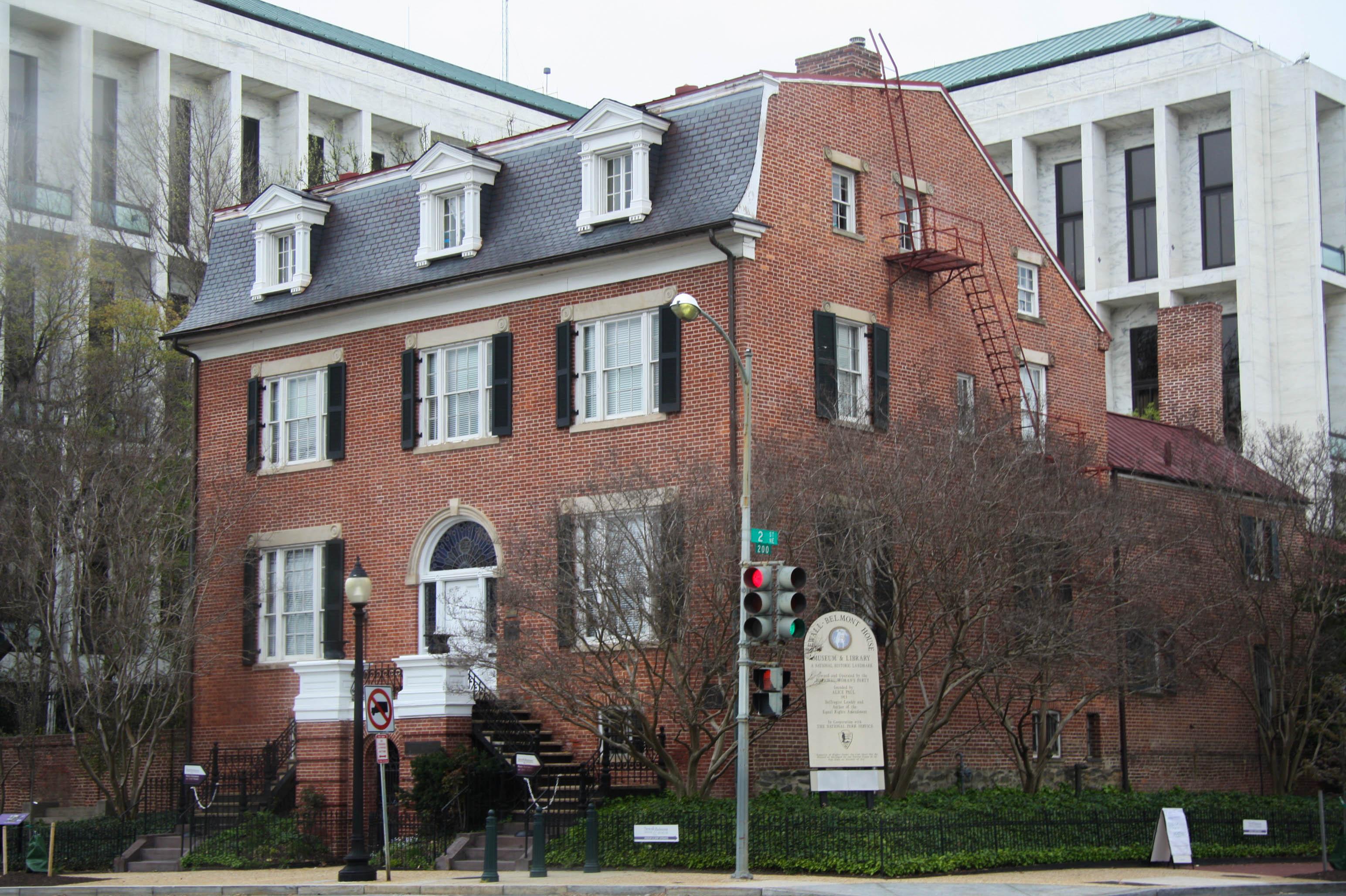
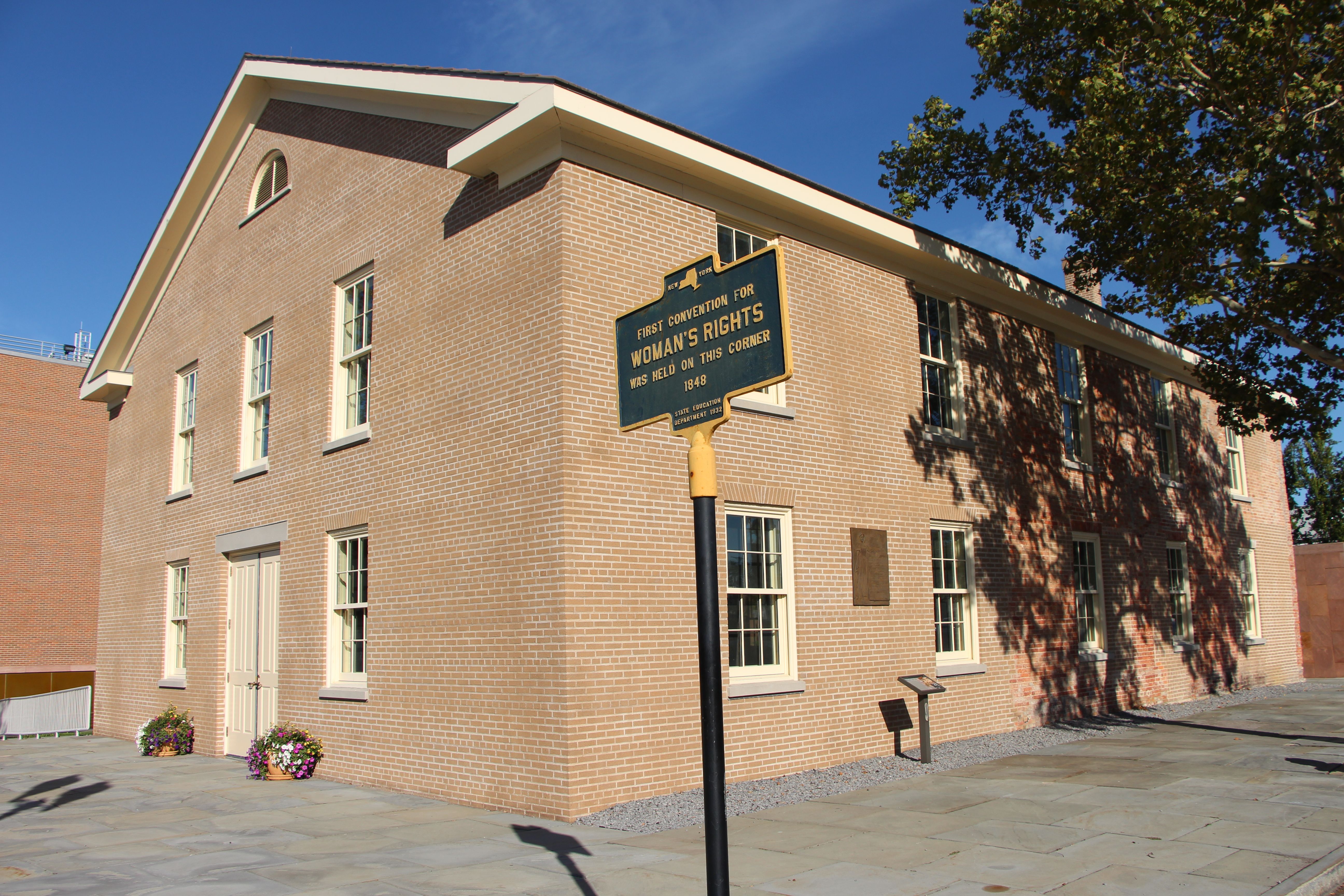
Home to the National Woman's Party for more than 90 years, this was the epicenter of the struggle for women's rights. From this house in the shadow of the U.S. Capitol and Supreme Court, Alice Paul and the NWP developed innovative strategies and tactics to advocate for the Equal Rights Amendment and equality for women. President Barack Obama designated the national monument on April 12, 2016.
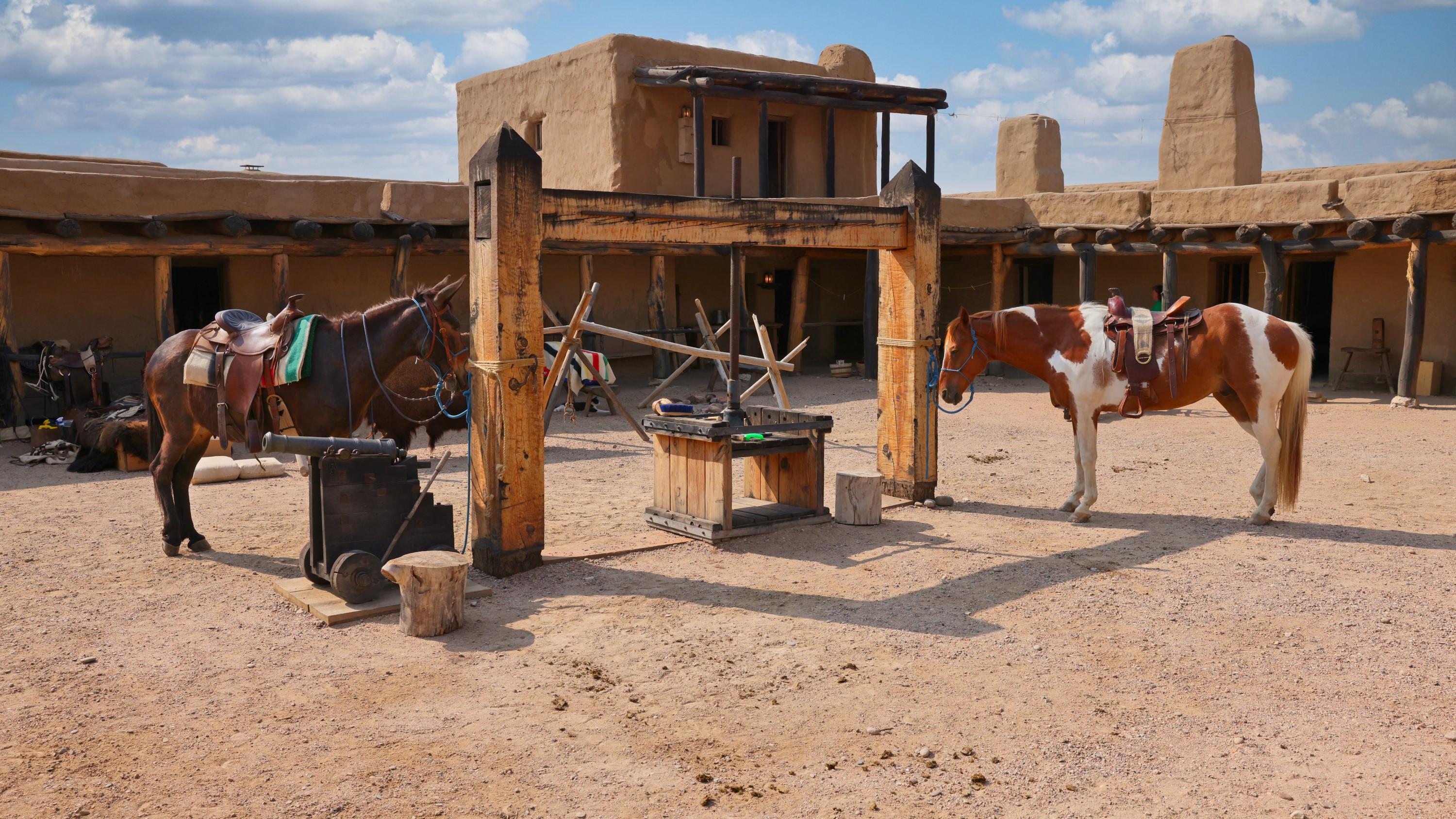
In the 1840s the Arkansas River was the border between territory claimed by the United States and Mexico. Located along the river, Bent's Fort was an adobe trading post on the Santa Fe Trail, where traders, trappers, travelers, and the Cheyenne and Arapaho tribes came together in peaceful terms for trade. Today, a reconstructed fort allows visitors to explore the front line of Westward Expansion.
Bering Land Bridge National Preserve lies at the continental crossroad that greatly influenced the distribution of life in the Western Hemisphere during the Pleistocene Epoch. It is a vital landscape for Indigenous communities who depend on the land just as their ancestors did for many generations. It is a wild and ecologically healthy landscape unlike any other.
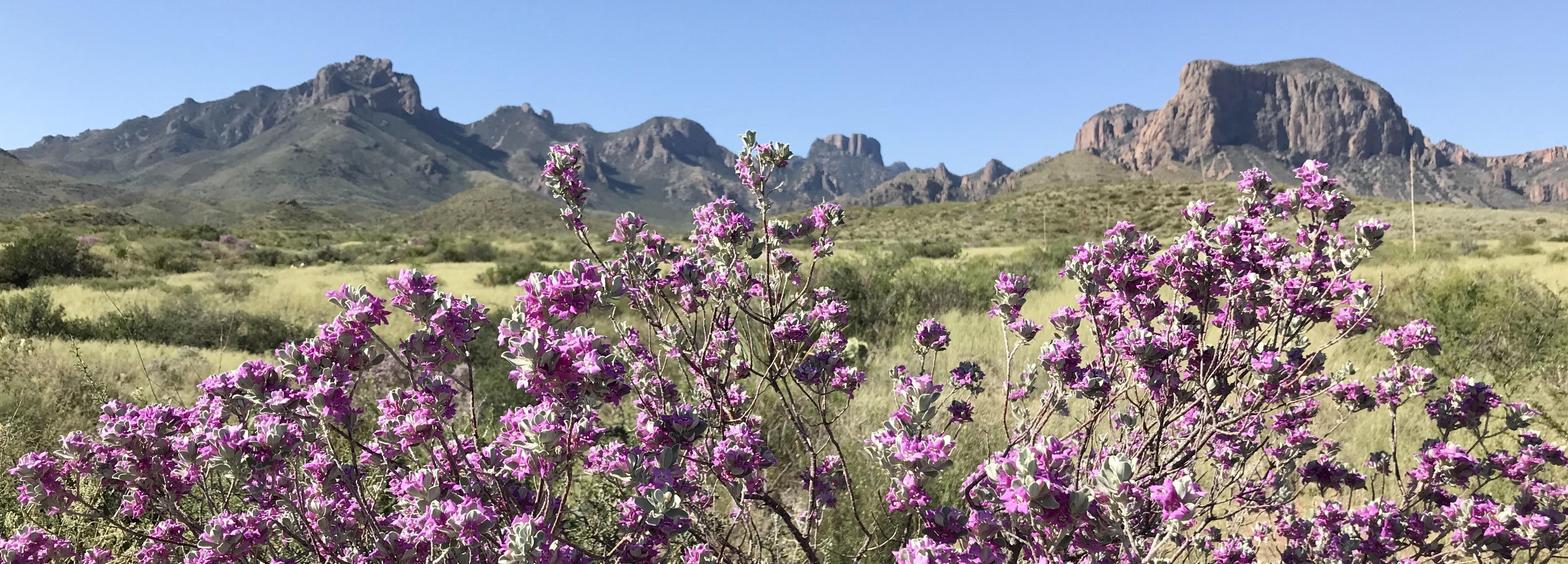
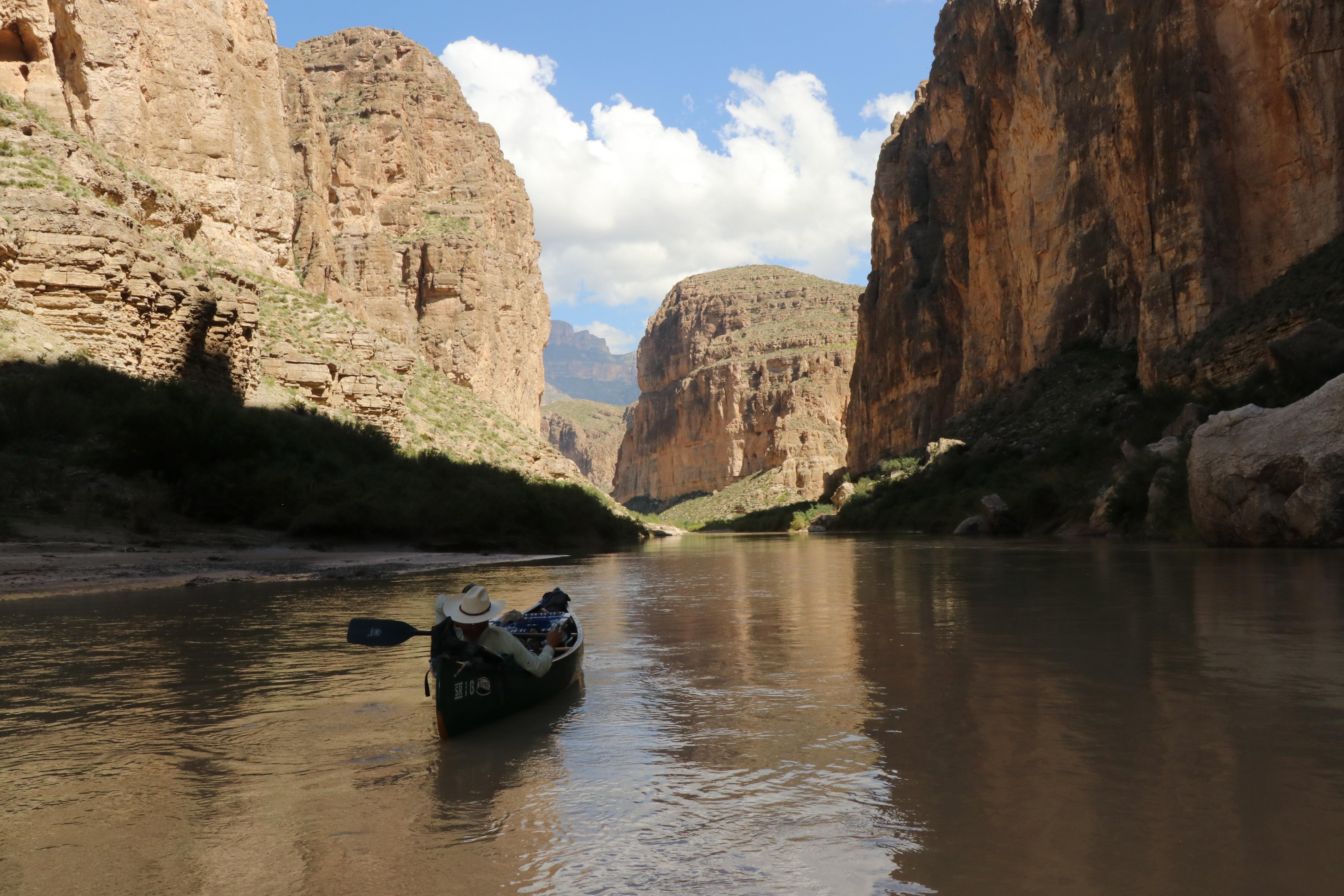
There is a place in Far West Texas where night skies are dark as coal and rivers carve temple-like canyons in ancient limestone. Here, at the end of the road, hundreds of bird species take refuge in a solitary mountain range surrounded by weather-beaten desert. Tenacious cactus bloom in sublime southwestern sun, and species diversity is the best in the country. This magical place is Big Bend...
The freshwaters of the Big Cypress Swamp, essential to the health of the neighboring Everglades, support the rich marine estuaries along Florida's southwest coast. Conserving over 729,000 acres of this vast swamp, Big Cypress National Preserve contains a mixture of tropical and temperate plant communities that are home to diverse wildlife, including the Endangered Florida panther.
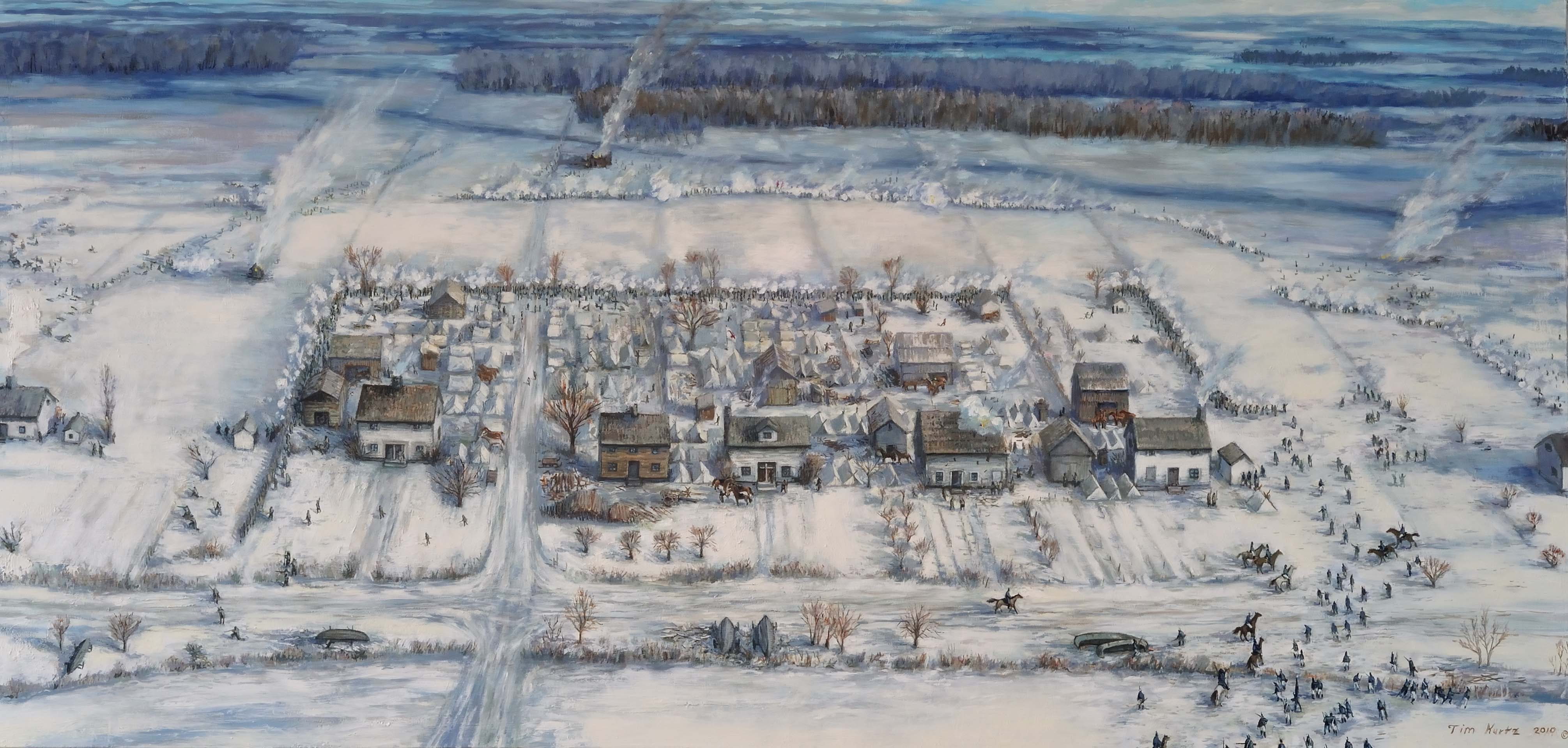
On August 9, 1877, gunshots shattered a chilly dawn on a sleeping camp of nımí·pu· (Nez Perce). By the time the smoke cleared on August 10, almost 90 nımí·pu· were dead, along with 31 soldiers and volunteers. Big Hole National Battlefield was created to honor all who were there.
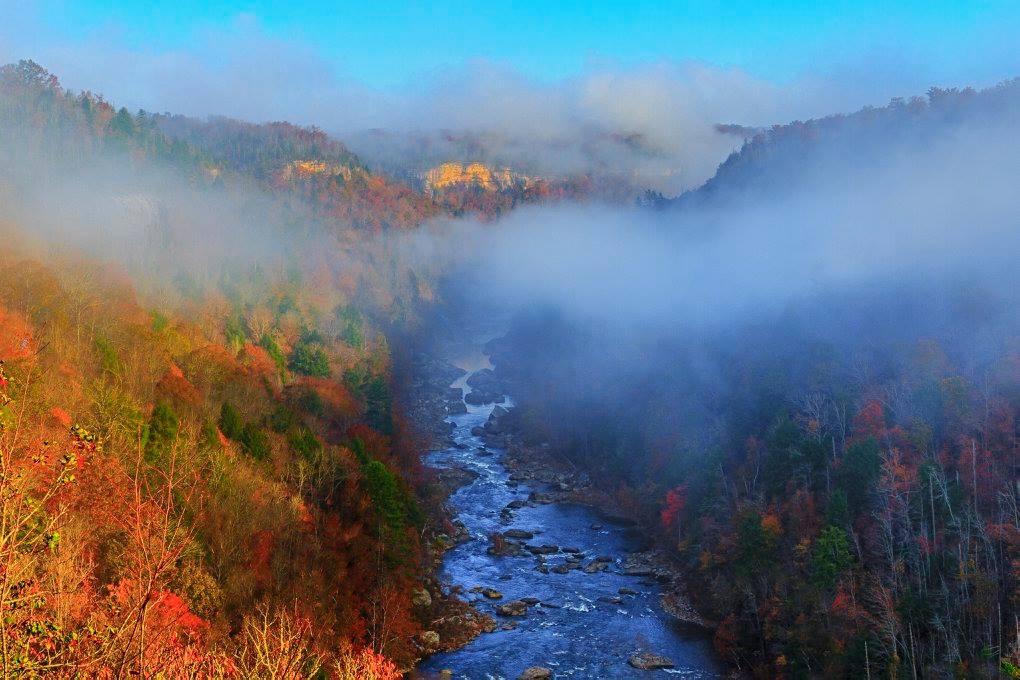
Encompassing 125,000 acres of the Cumberland Plateau, Big South Fork National River and Recreation Area protects the free-flowing Big South Fork of the Cumberland River and its tributaries. The area boasts miles of scenic gorges and sandstone bluffs, is rich with natural and historic features and has been developed to provide visitors with a wide range of outdoor recreational activities.
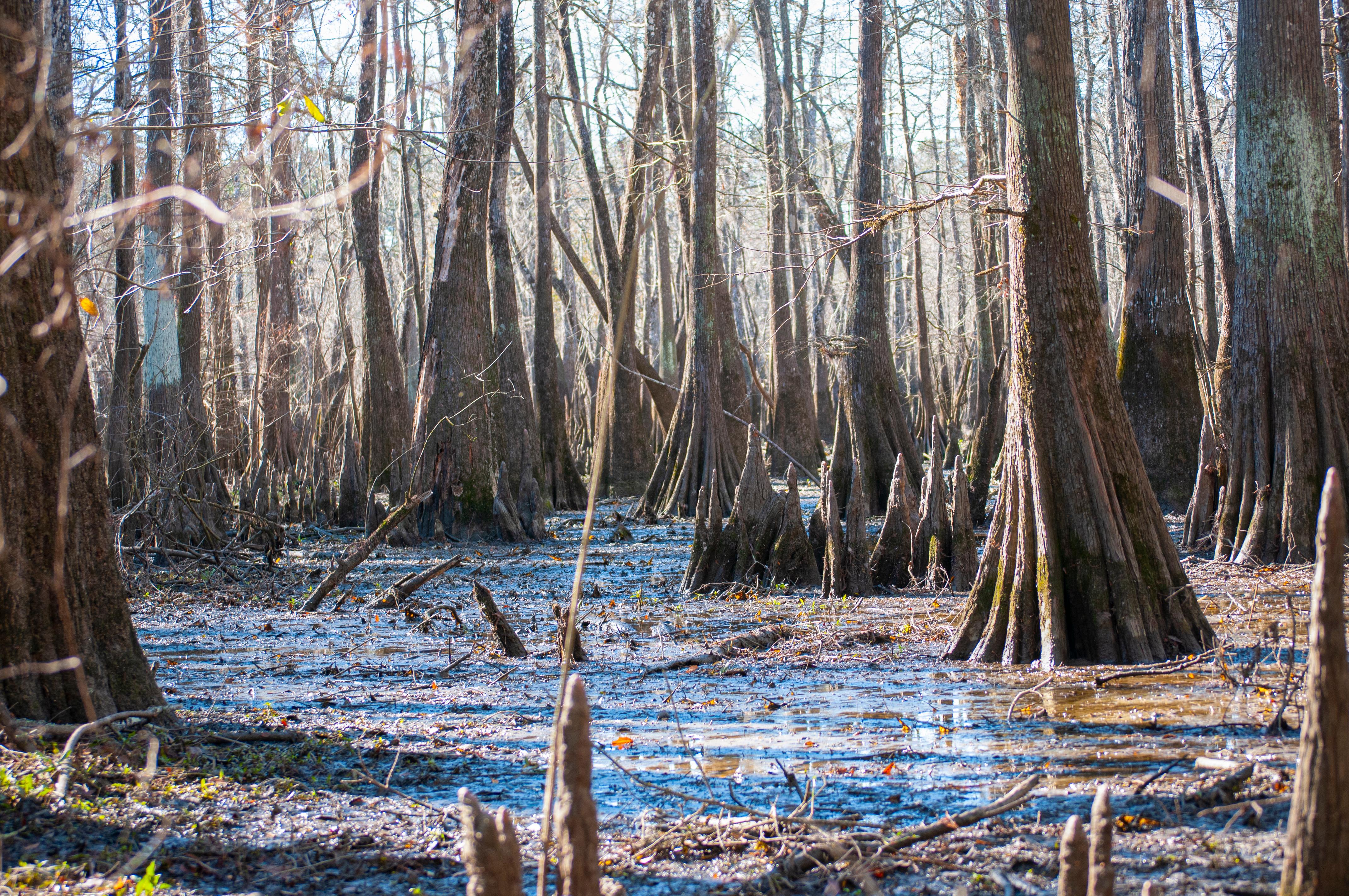
Life of all types abounds in the Big Thicket. This national preserve protects the incredible diversity of life found where multiple habitats meet in southeast Texas. Hiking trails and waterways meander through nine different ecosystems, from longleaf pine forests to cypress-lined bayous. It is a place of discovery, a place to wander and explore, a place to marvel at the richness of nature.
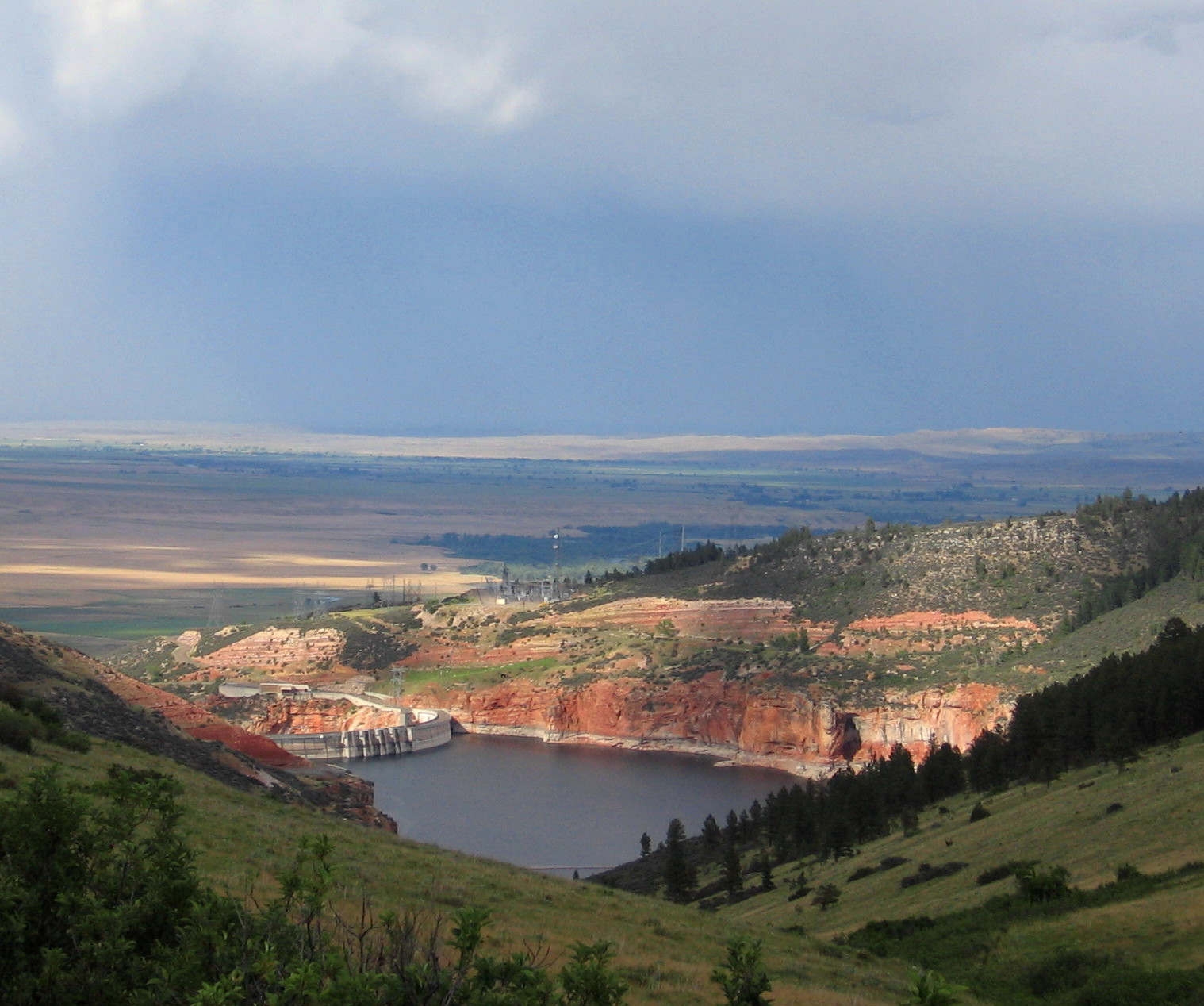
The vast, wild landscape of Bighorn Canyon National Recreation Area offers visitors unparalleled opportunities to immerse themselves in the natural world, and experience the wonders of this extraordinary place. With over 120,000 acres, one can find an astounding diversity in ecosystems, wildlife, and more than 10,000 years of human history to explore.
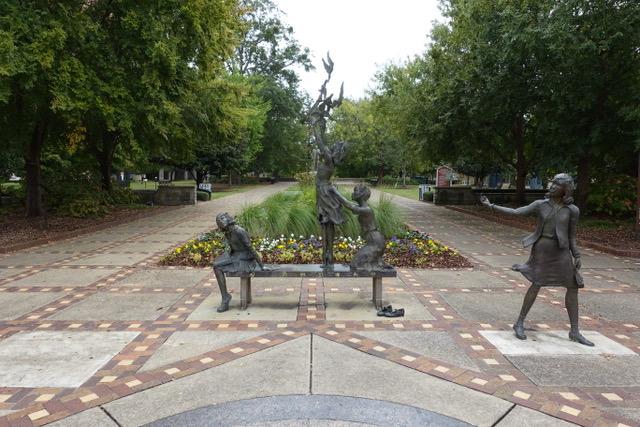
In 1963, images of snarling police dogs unleashed against non-violent protesters and of children being sprayed with high-pressure hoses appeared in print and television news around the world. These dramatic scenes of violent police aggression against civil rights protesters in Birmingham, Alabama were vivid examples of segregation and racial injustice in America.
Within sight of Miami, yet worlds away, Biscayne protects a rare combination of aquamarine waters, emerald islands, and fish-bejeweled coral reefs. Evidence of 10,000 years of human history is here too; from prehistoric tribes to shipwrecks, and pineapple farmers to presidents. For many, the park is a boating, fishing, and diving destination, while others enjoy a warm breeze and peaceful scenery.
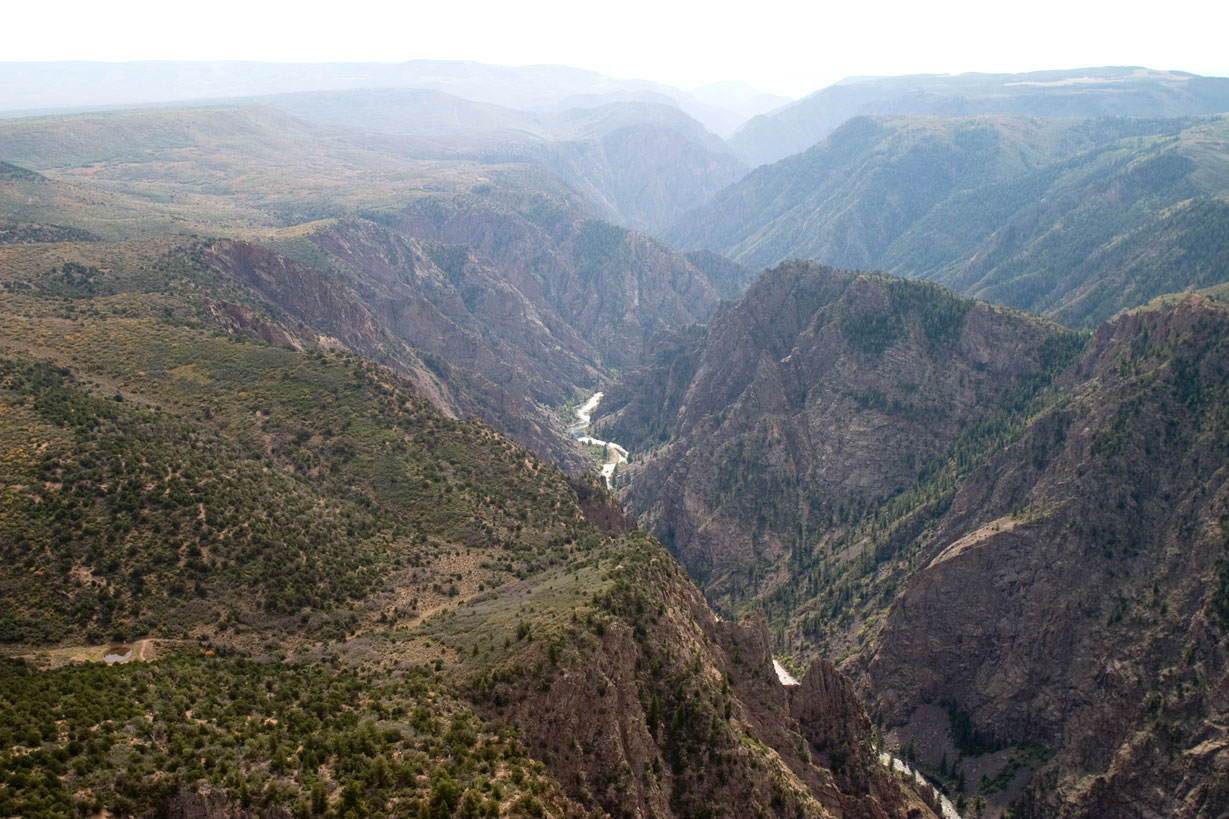
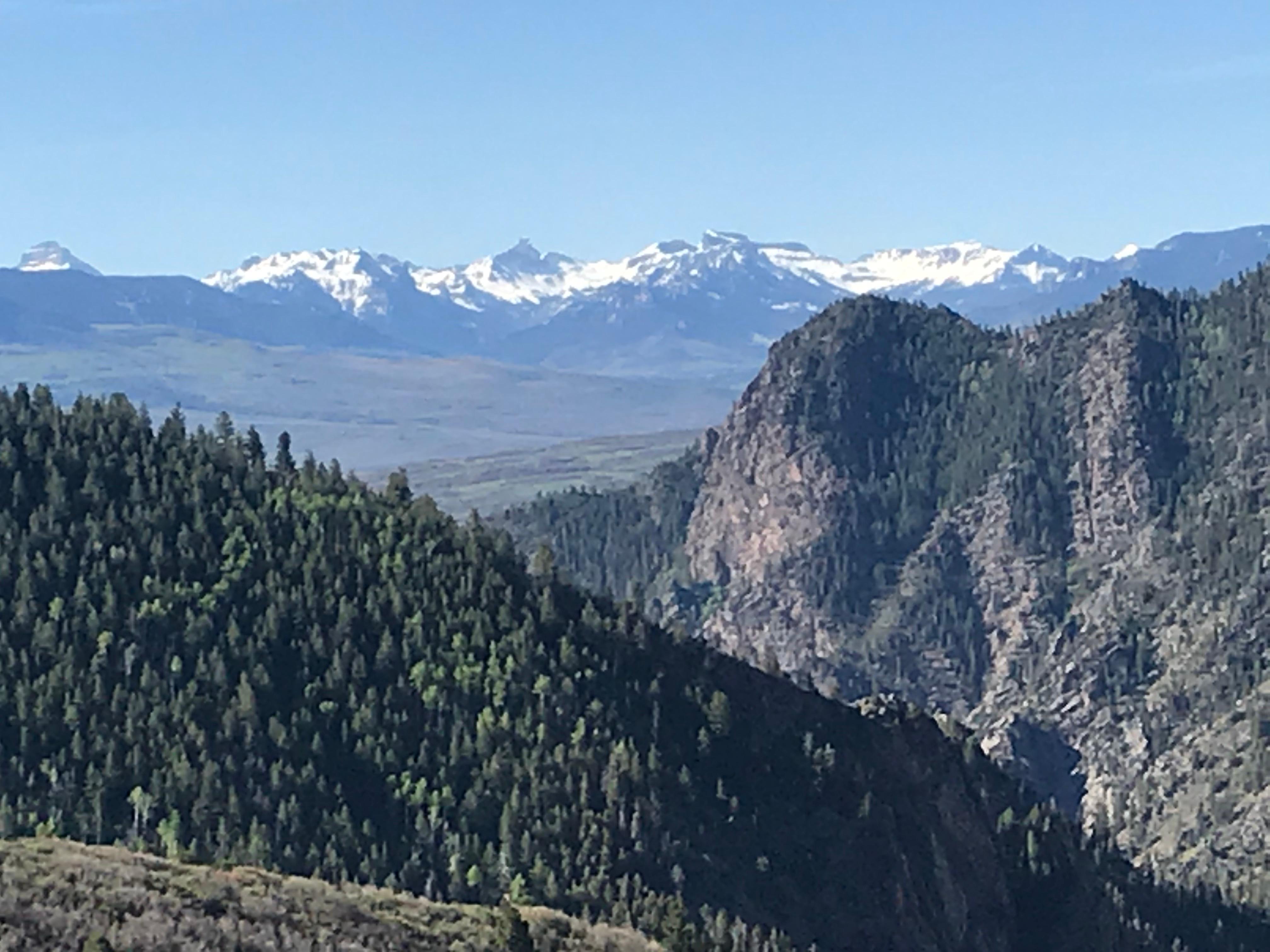
Big enough to be overwhelming, yet still intimate enough to feel the pulse of time. Come see some of the steepest cliffs, oldest rock, and craggiest spires in North America. Forces of nature and the Gunnison River sculpted this canyon over two million years. The result is a vertical wilderness of rock, water, and sky.
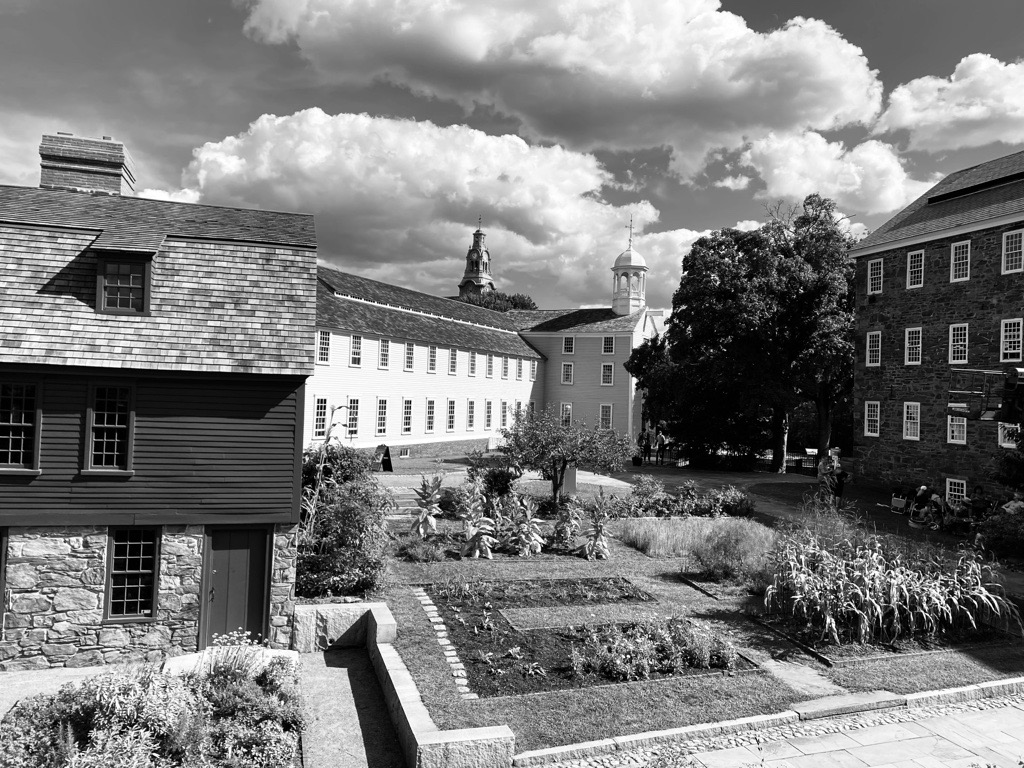
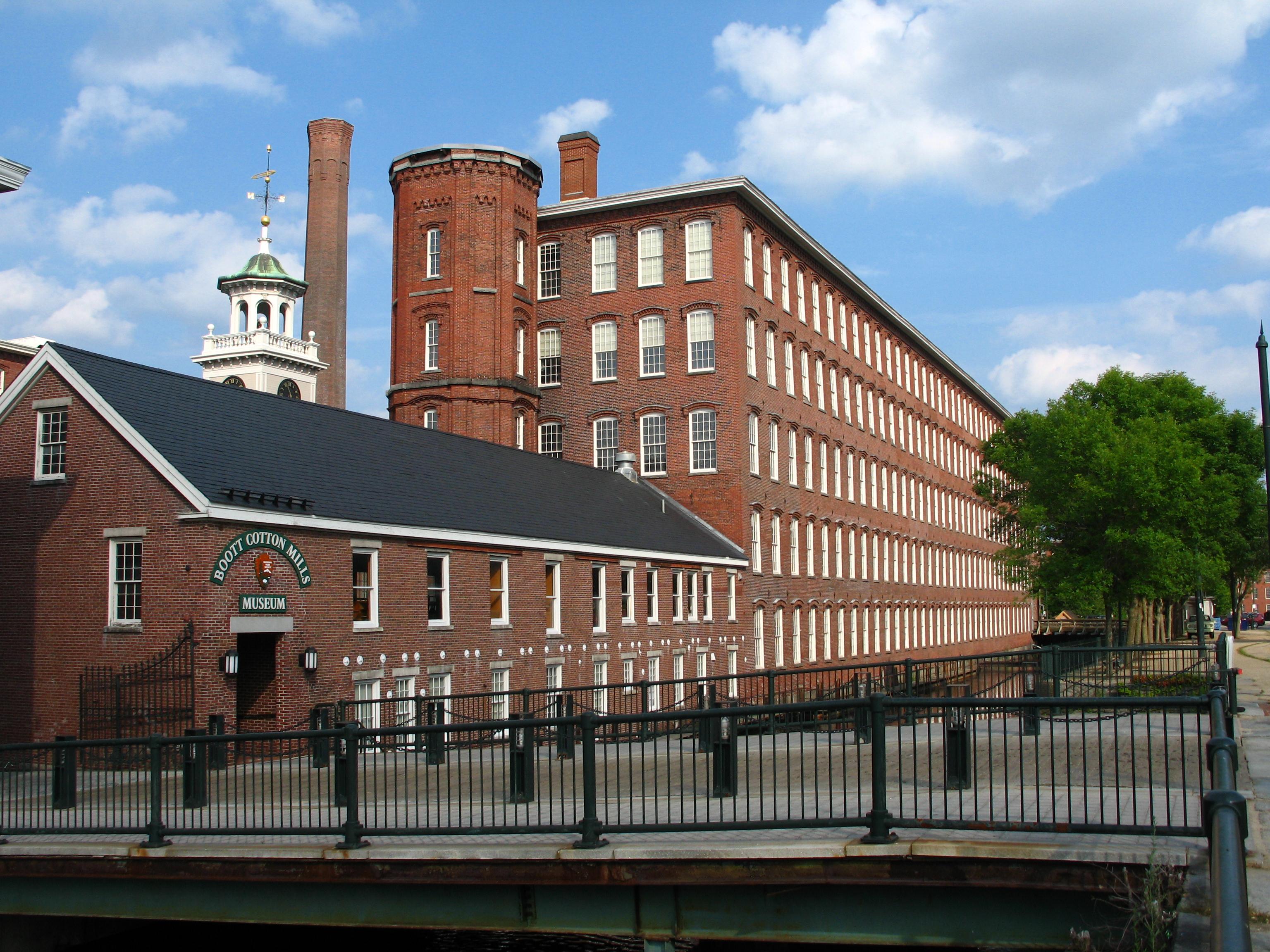
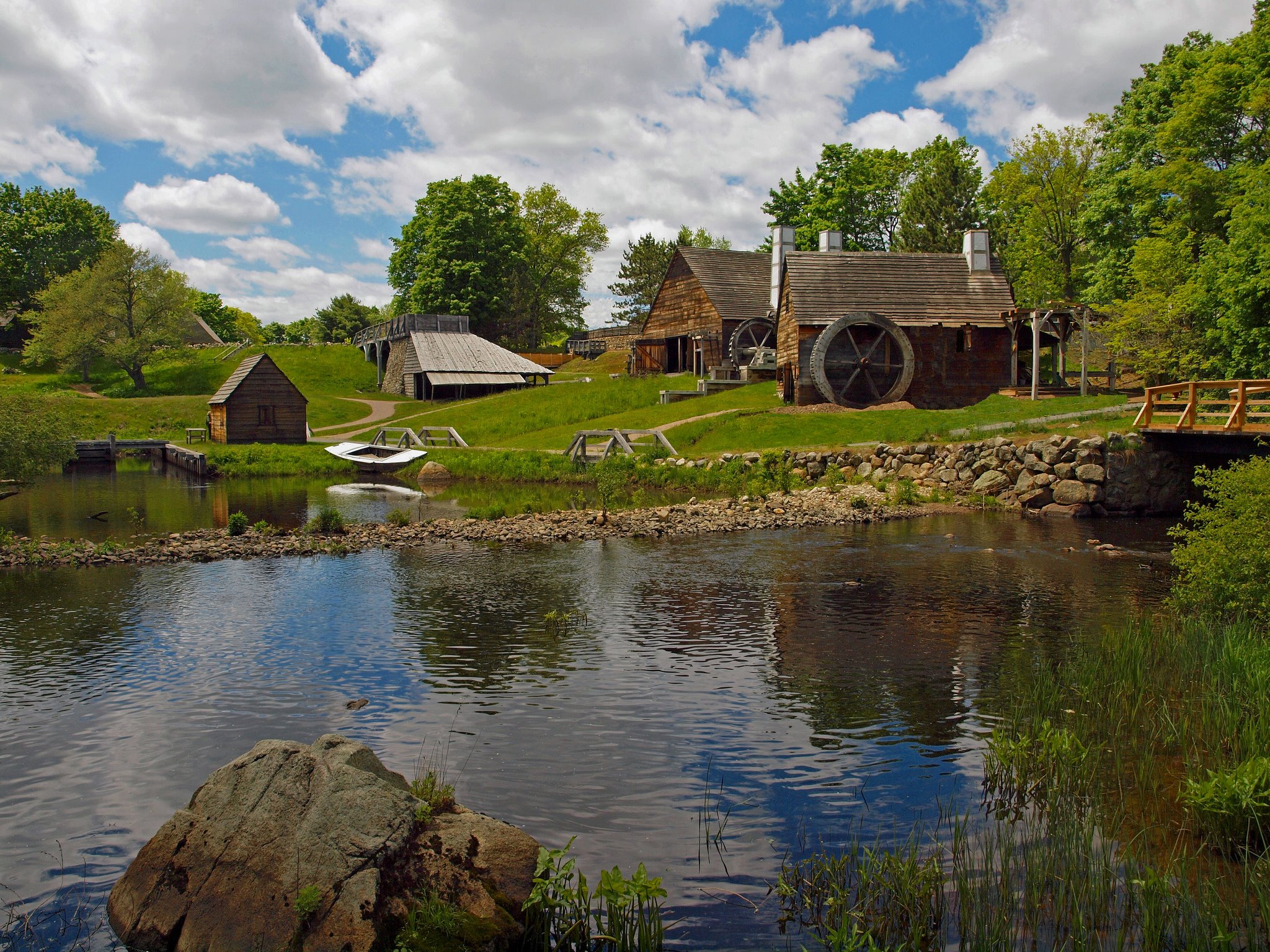
The Blackstone River powered America's entry into the Age of Industry. The success of Samuel Slater's cotton spinning mill in Pawtucket, RI touched off a chain reaction that changed how people worked and where they lived. Learn how this revolution transformed the landscape of the Blackstone Valley and the United States. The Visitor Center at Old Slater Mill is closed for the winter season.
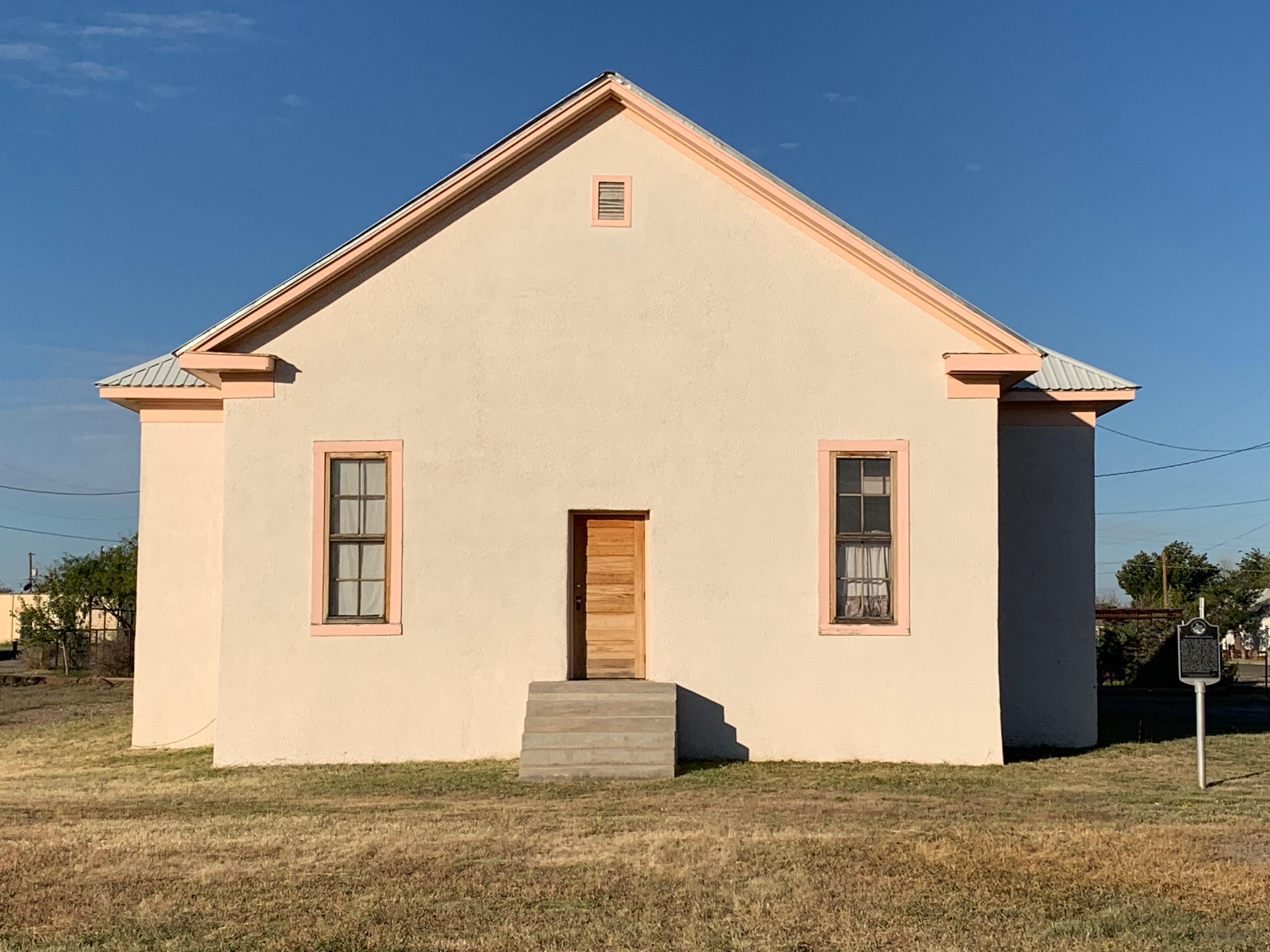
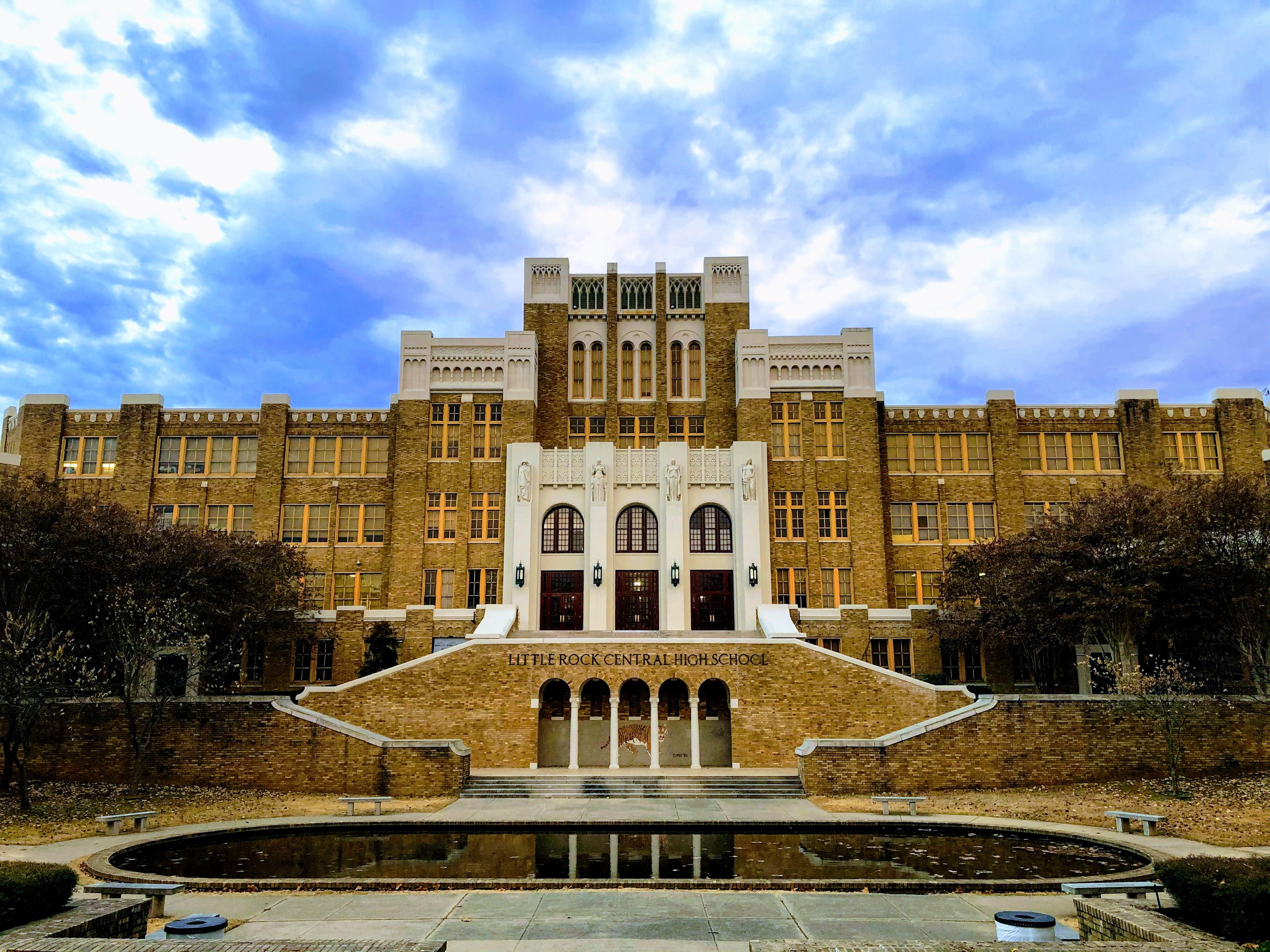
Written by prejudice rather than law, the story of the Blackwell School is one of “separate but equal” education for Mexican and Mexican American citizens of Marfa, Texas. Built in 1909, the school serves as a significant example of how racism and cultural disparity dominated education and social systems in the United States during this period of de facto segregation from 1889-1965.
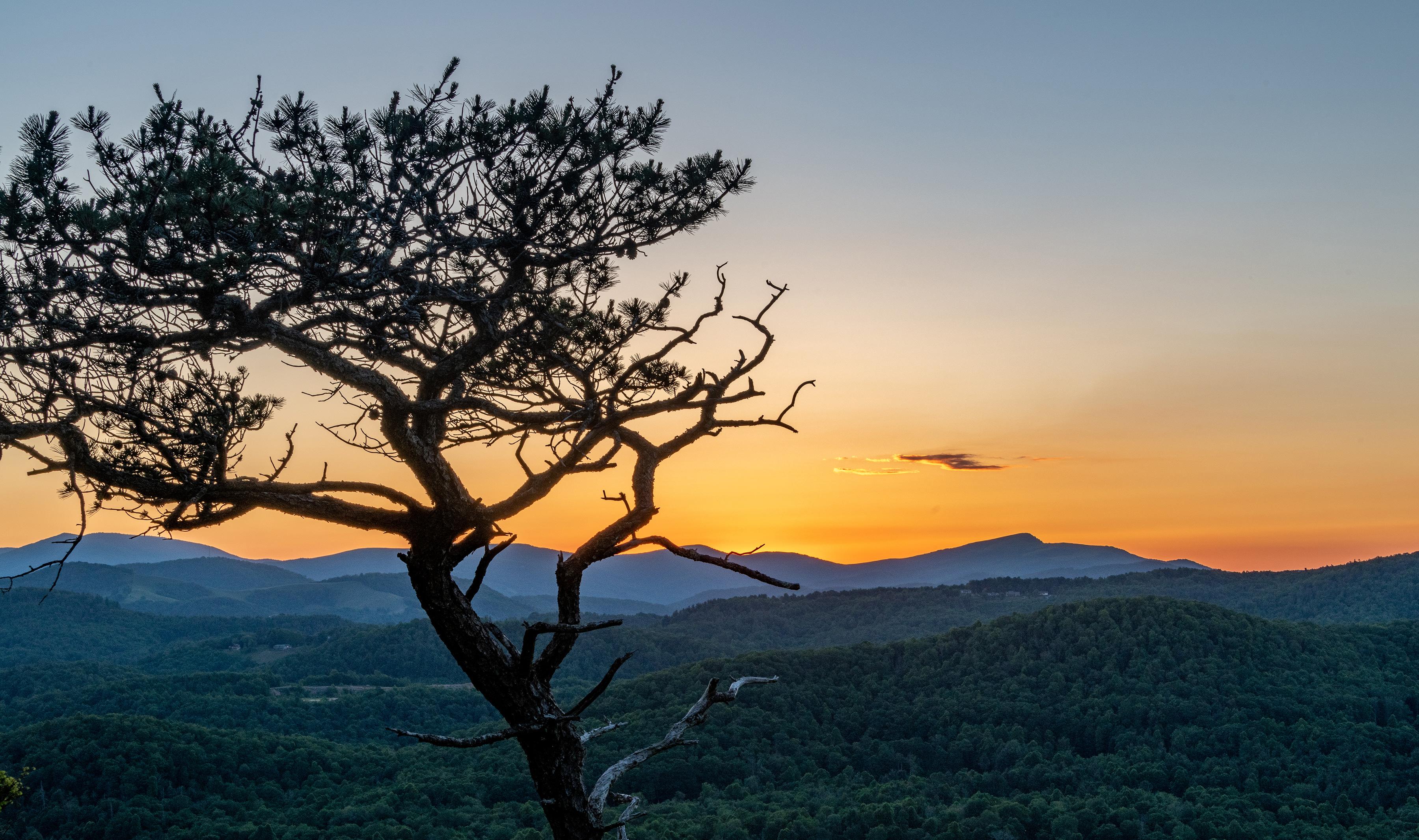
A Blue Ridge Parkway experience is unlike any other: a slow-paced and relaxing drive revealing stunning long-range vistas and close-up views of the rugged mountains and pastoral landscapes of the Appalachian Highlands. The Parkway meanders for 469 miles, protecting a diversity of plants and animals, and providing opportunities for enjoying all that makes this region of the country so special.
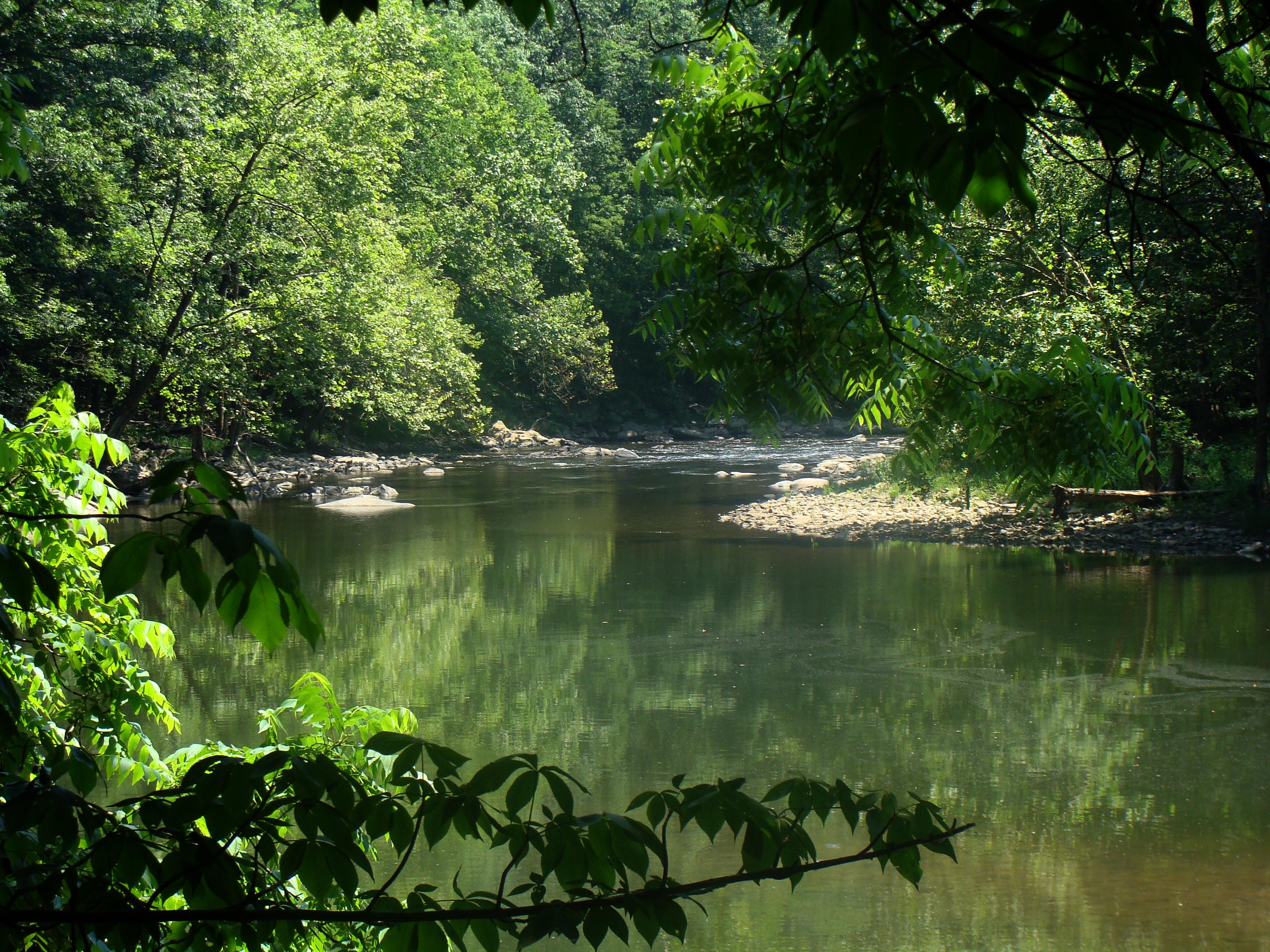
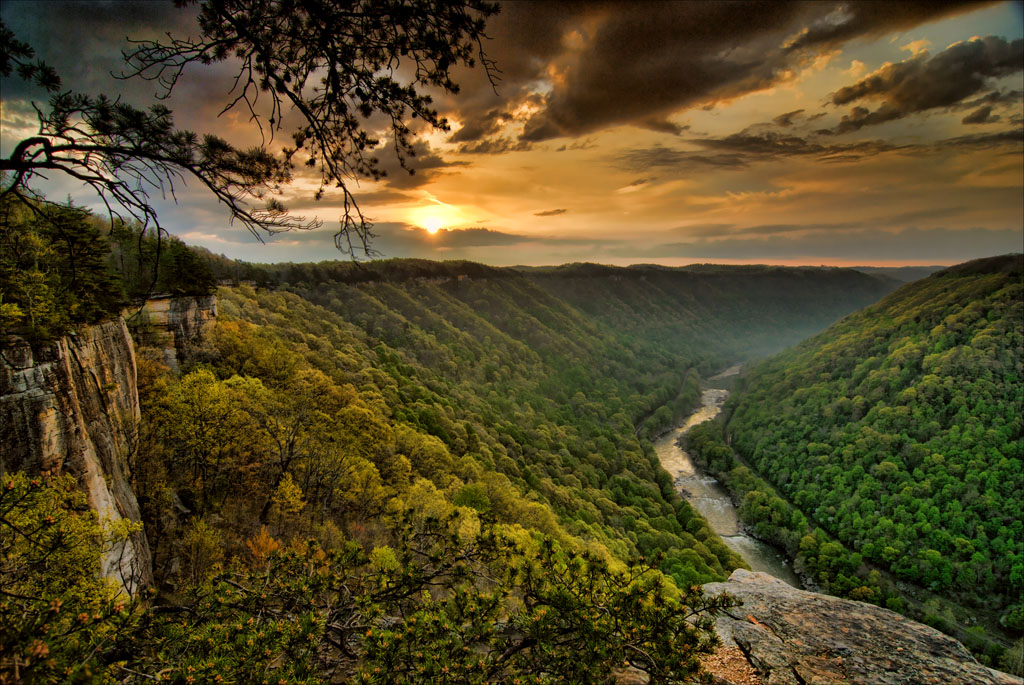
The Bluestone River and the rugged and ancient gorge it has carved is a richly diverse and scenic area of the southern Appalachians. Bluestone National Scenic River is preserved as a living landscape that provides an unspoiled experience for visitors and a haven for a variety of plants and animals. The park protects a 10.5-mile section of the Bluestone River in southern West Virginia.
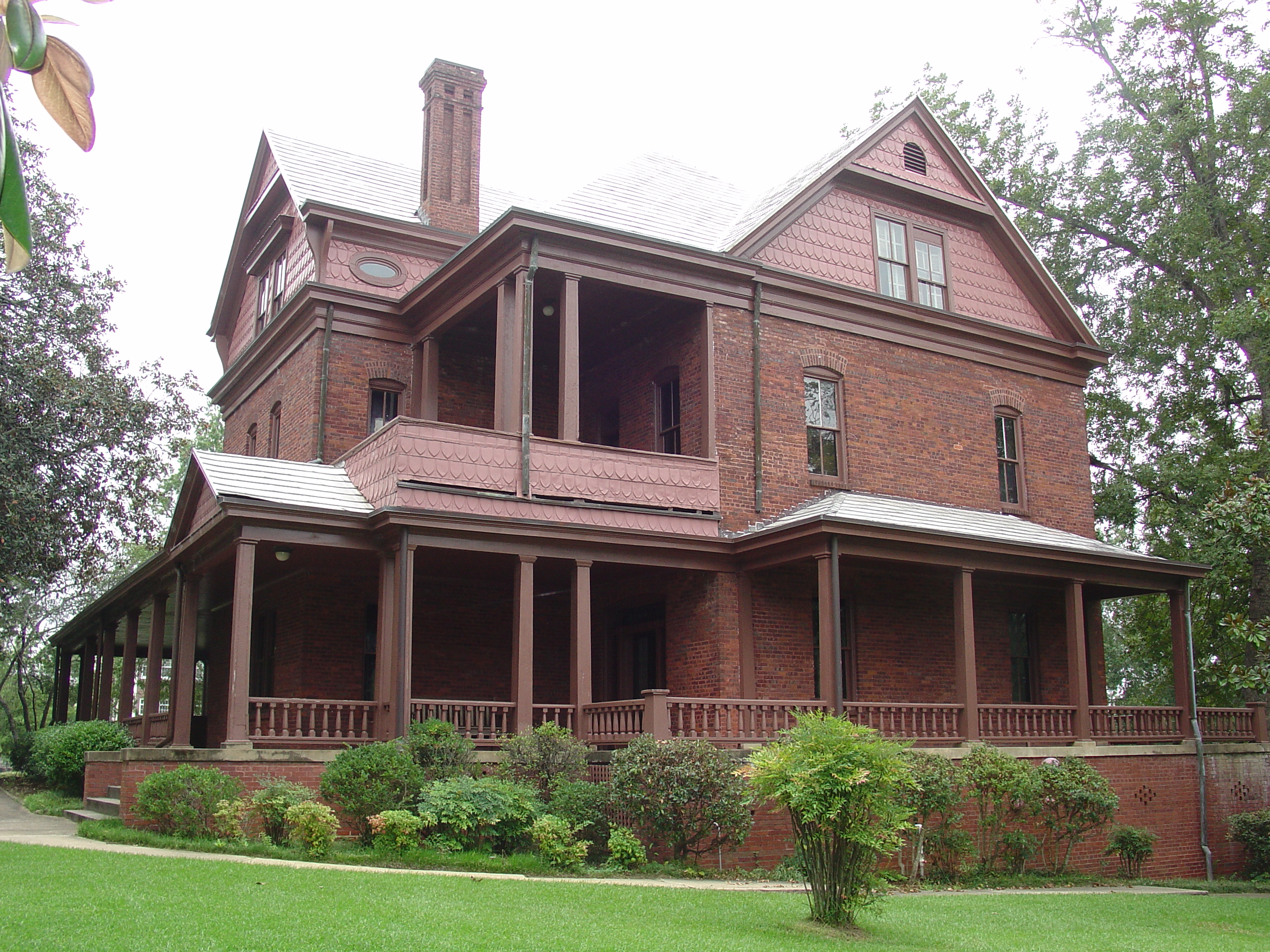
Booker T. Washington was born a slave in April 1856 on the 207-acre farm of James Burroughs. After the Civil War, Washington became the first principal of Tuskegee Normal and Industrial School. Later as an adviser, author and orator, his past would influence his philosophies as the most influential African American of his era. Come explore his birthplace.
Centered on the north slope of Beacon Hill, the African American community of 1800s Boston led the city and the nation in the fight against slavery and injustice. These remarkable men and women, together with their allies, were leaders in the Abolition Movement, the Underground Railroad, the Civil War, and the early struggle for equal rights and education.
. . . where you can walk a Civil War-era fort, view historic lighthouses, explore tide pools, hike lush trails, camp under the stars, or relax while fishing, picnicking, or swimming—all within reach of downtown Boston. Youth programs, visitor services, research, wildlife management, and more are coordinated on the park's 34 islands and peninsulas by the Boston Harbor Islands Partnership.
Discover how one city could be the Cradle of Liberty, site of the first major battle of American Revolution, and home to many who espoused that freedom can be extended to all.
The Confederate victory at Brices Cross Roads was a significant victory for Major General Nathan Bedford Forrest, but its long-term effect on the war proved costly for the Confederates.
The path to equality has been anything but smooth. It's taken courage and dedication by everyday people coming together for a common goal to carry the country toward true equality. Parents, teachers, secretaries, welders, ministers, and students drove their communities, and the country along with them, toward justice in a series of often unsteady turns leading to the Brown v. Board decision.
Hoodoos (irregular columns of rock) exist on every continent, but here is the largest concentration found anywhere on Earth. Situated along a high plateau at the top of the Grand Staircase, the park's high elevations include numerous life communities, fantastic dark skies, and geological wonders that defy description.
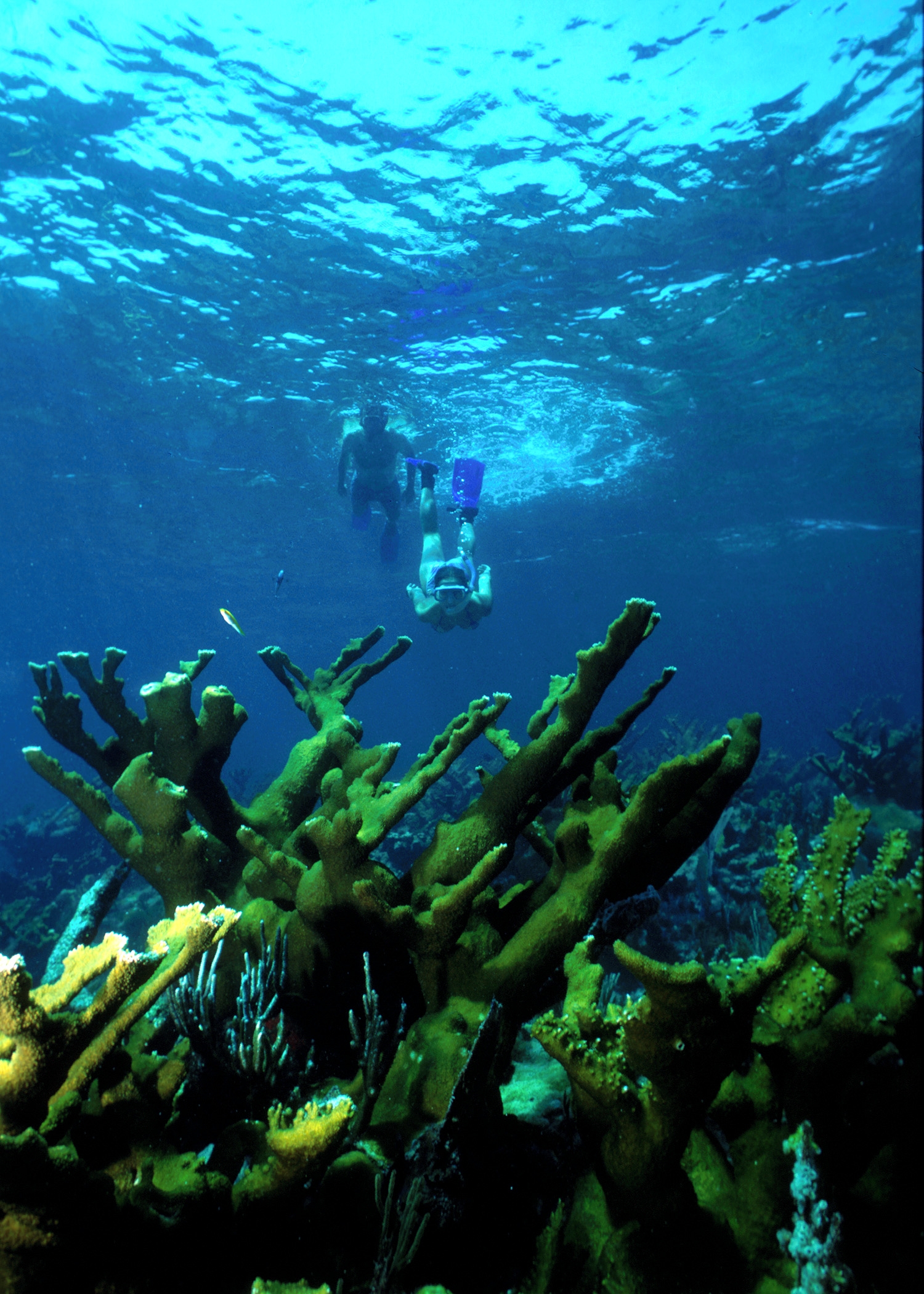
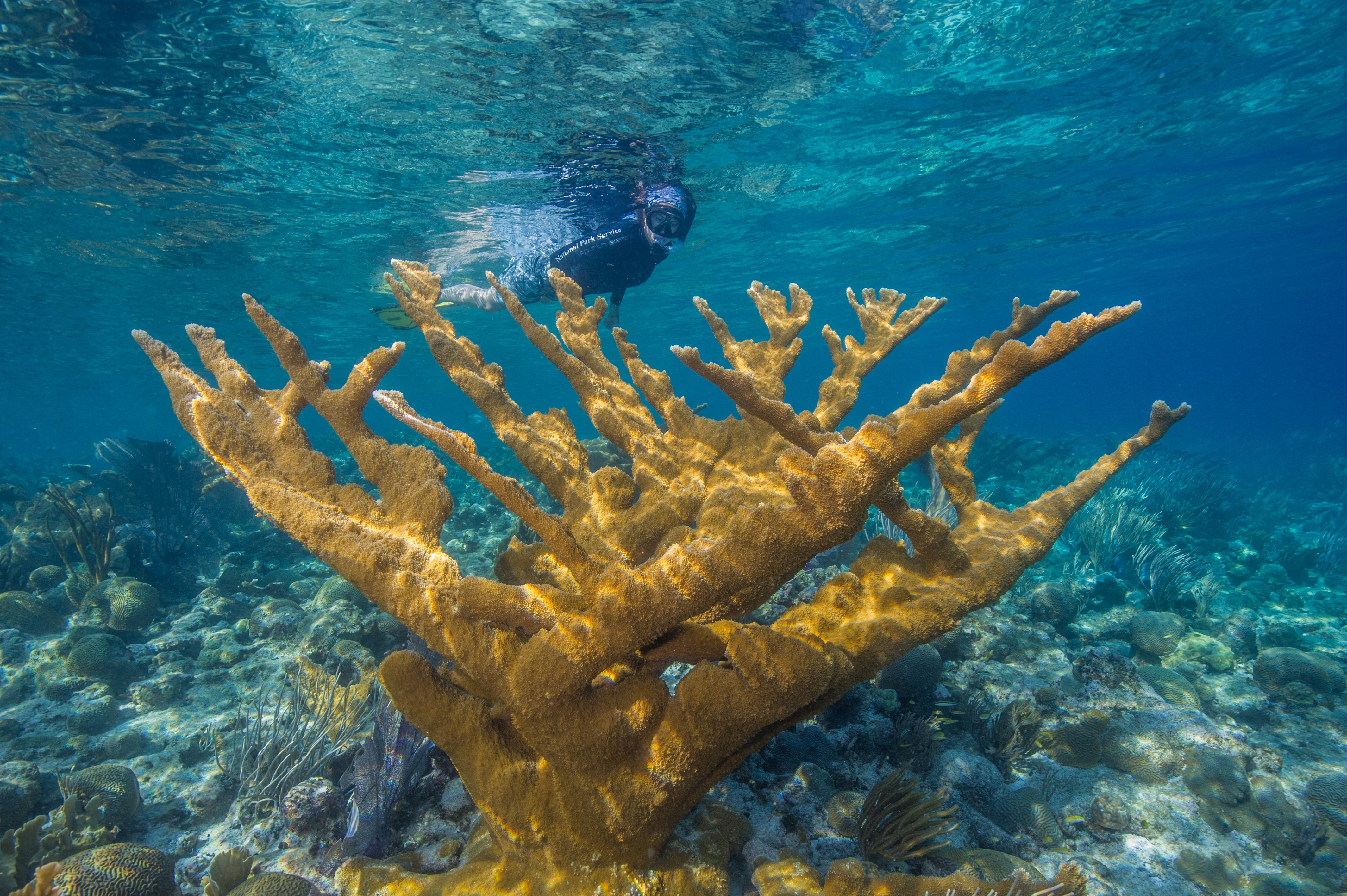
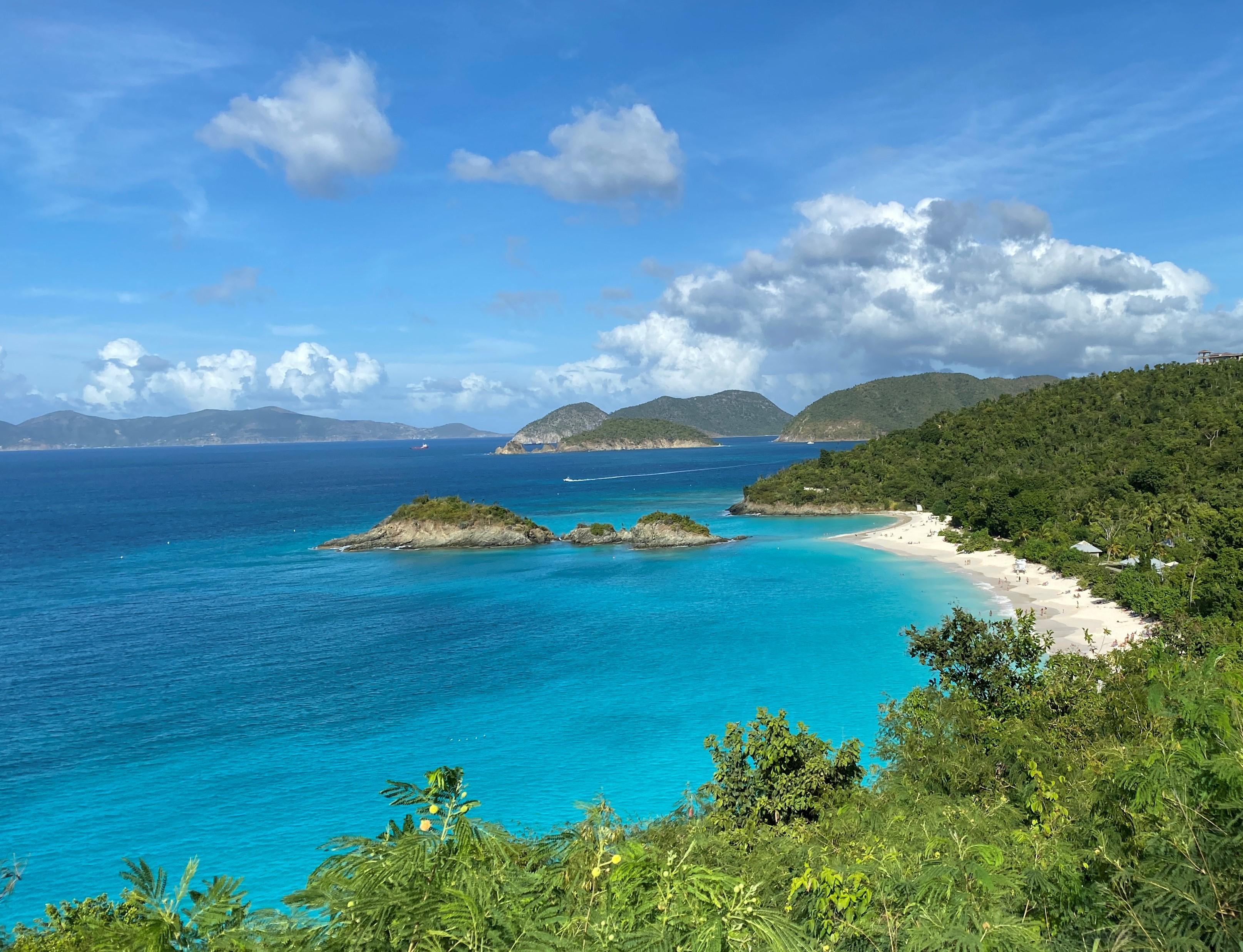
Welcome to Buck Island Reef National Monument, called “the finest marine garden in the Caribbean Sea” by President John F. Kennedy. Snorkel the famous underwater trail, explore endangered elkhorn coral reefs. Hike the trails on the 176-acre island to the observation platform for an unparallel view. Discover a vibrant world above and beneath the waves in this Caribbean paradise.
Established in 1972, Buffalo National River flows freely for 135 miles and is one of the few remaining undammed rivers in the lower 48 states. Once you arrive, prepare to journey from running rapids to quiet pools while surrounded by massive bluffs as you cruise through the Ozark Mountains down to the White River.
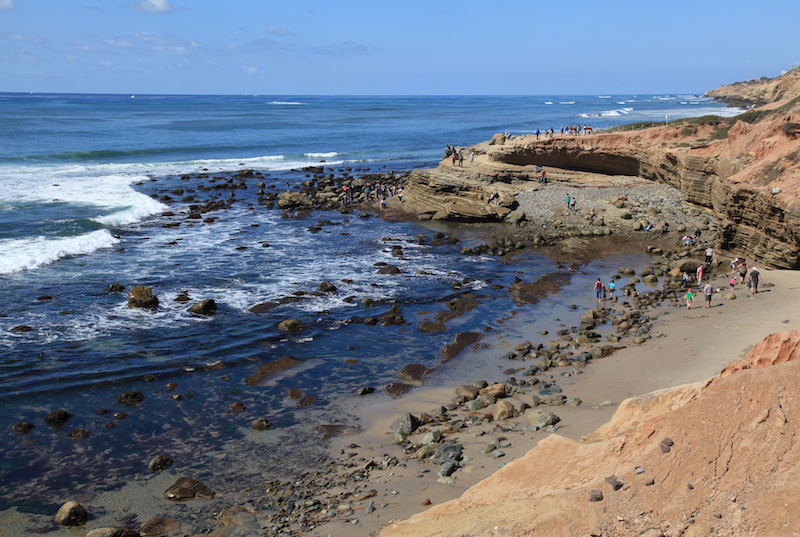
In 1542, Juan Rodriguez Cabrillo climbed out of his boat and onto shore, becoming the first European to set foot on what is now the West Coast of the United States. Cabrillo National Monument not only tells the story of this 16th-century exploration but also houses a wealth of cultural and natural resources. Join us and embark on your own Voyage of Exploration.
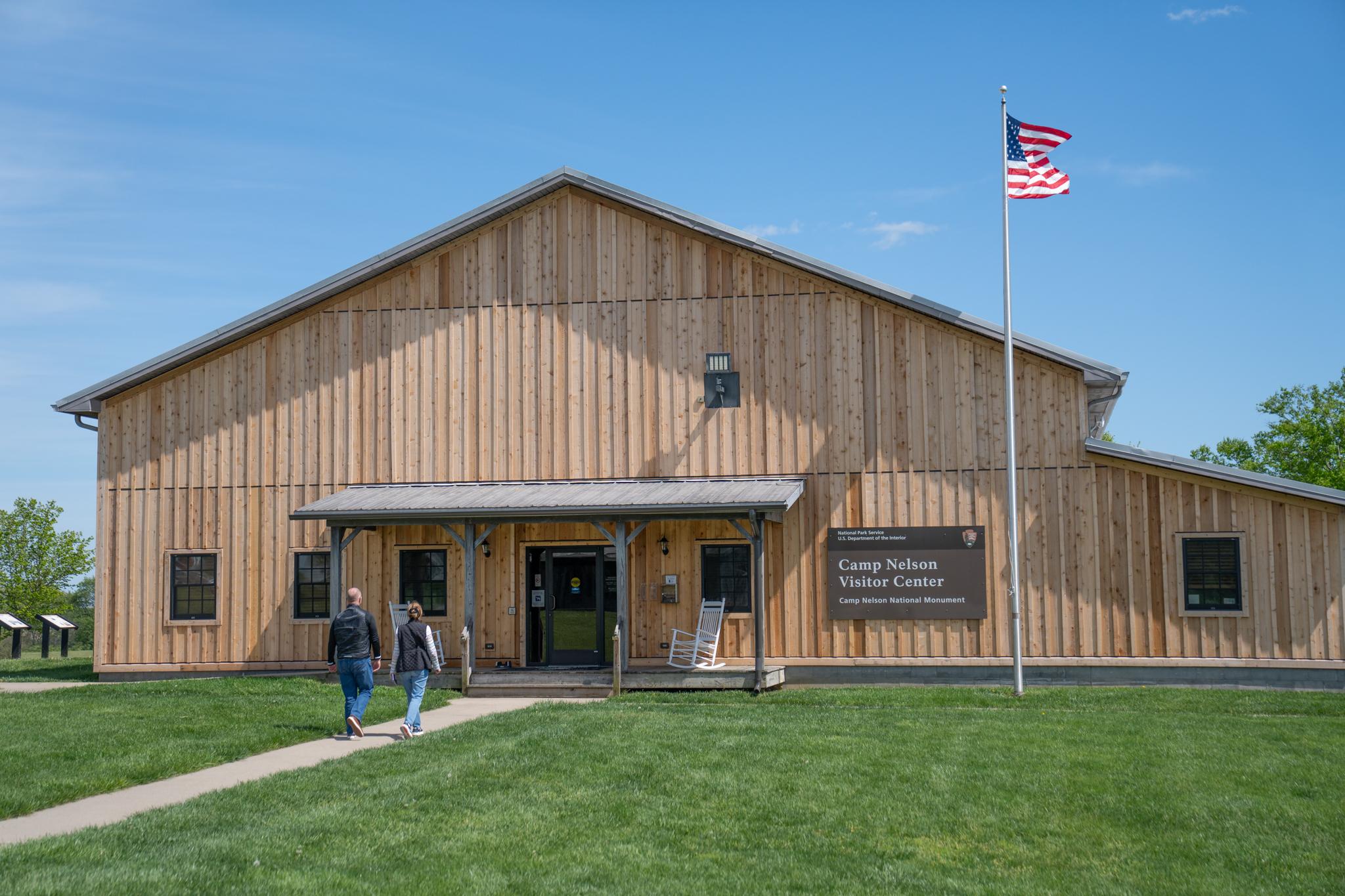
The US Army established Camp Nelson as a fortified supply depot in April 1863. Over the next 3 years, the site evolved into a massive recruitment and training center for United States Colored Troops and a refugee camp for their families. It served as a shelter for civilians fleeing war and for enslaved people hoping to secure their freedom and aid in the destruction of slavery.
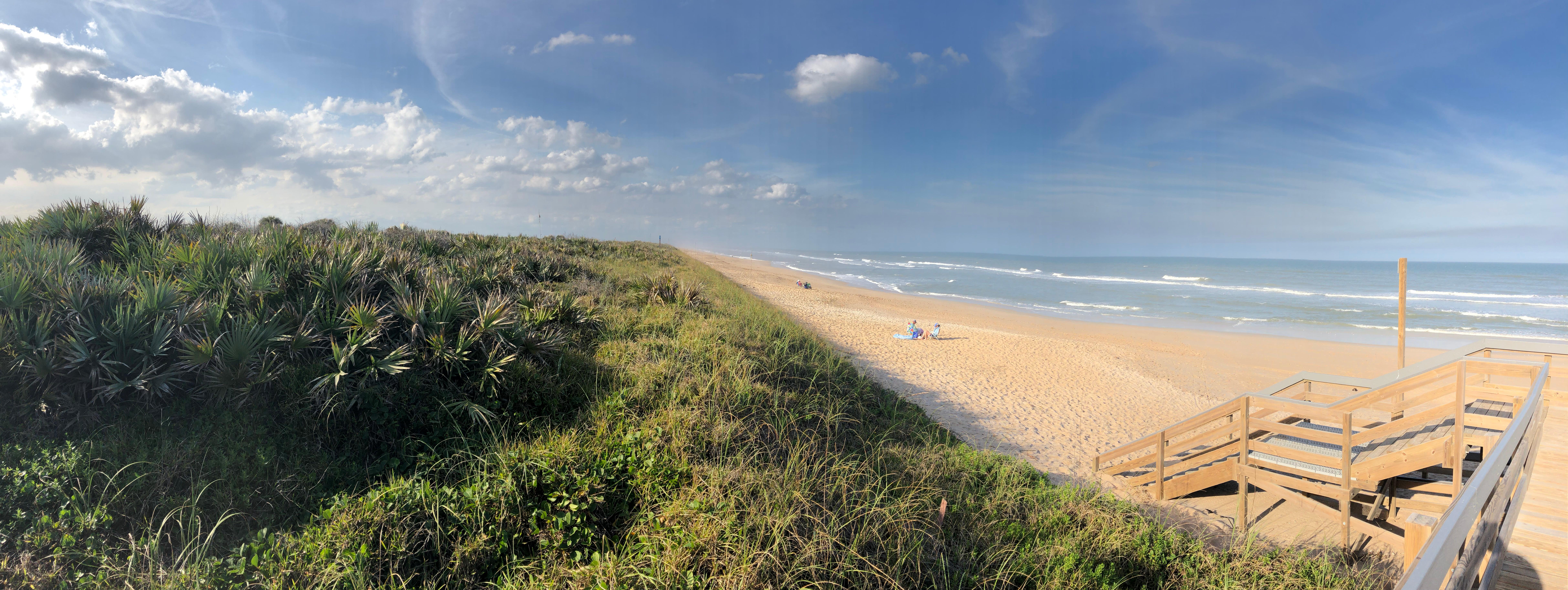
Discover a dynamic barrier island shaped by dunes, coastal hammocks, and Mosquito Lagoon. Walk among ancient Timucua shell mounds and connect with thousands of years of human history. Immerse yourself in a protected sanctuary where diverse plants and wildlife thrive—making Canaveral National Seashore a place where nature, history, and discovery come together.
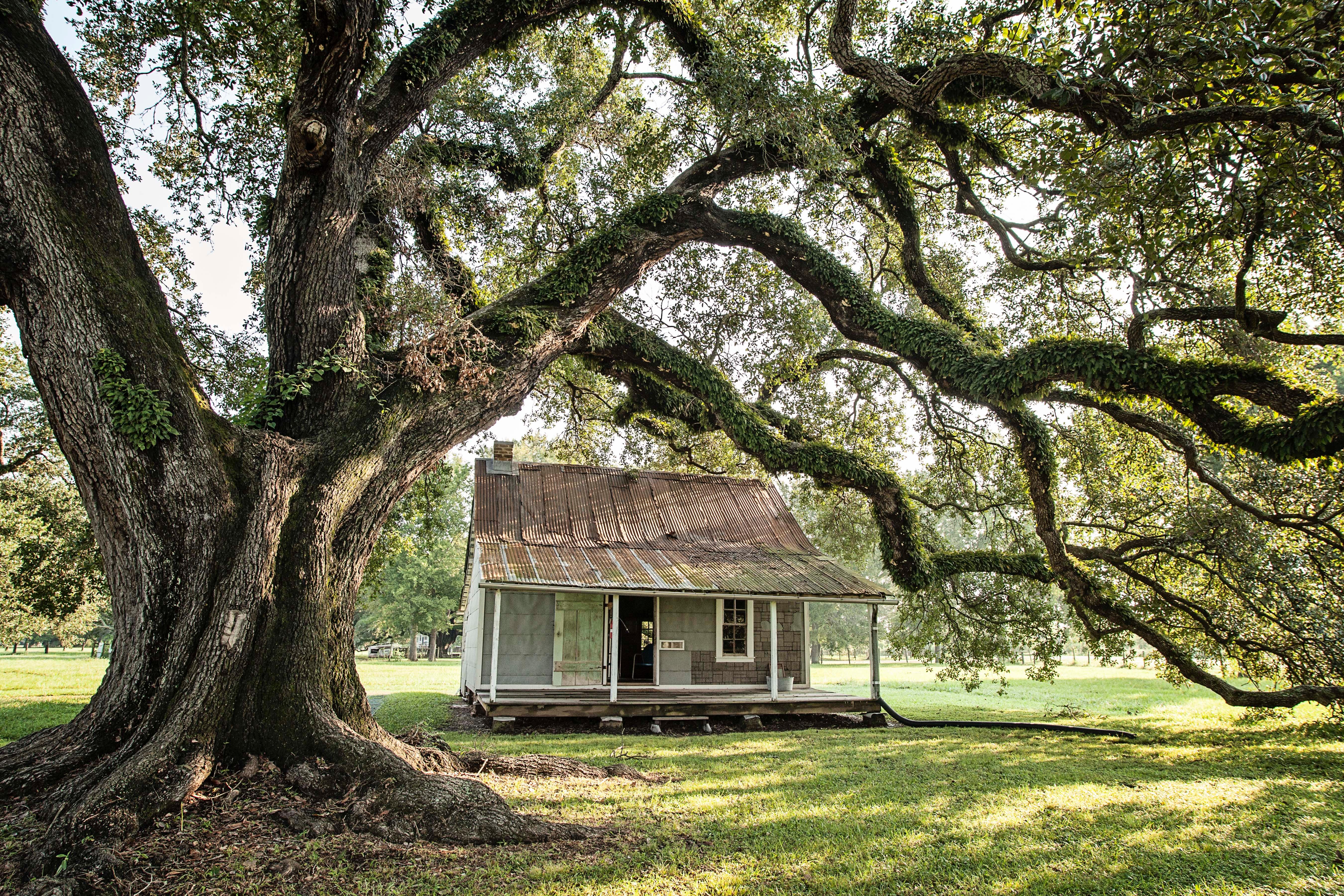
The Cane River region is home to a unique culture; the Creoles. Generations of the same families of workers, enslaved and tenant, and owners lived on these lands for over 200 years. The park tells their stories and preserves the cultural landscape of Oakland and Magnolia Plantations, two of the most intact Creole cotton plantations in the United States.
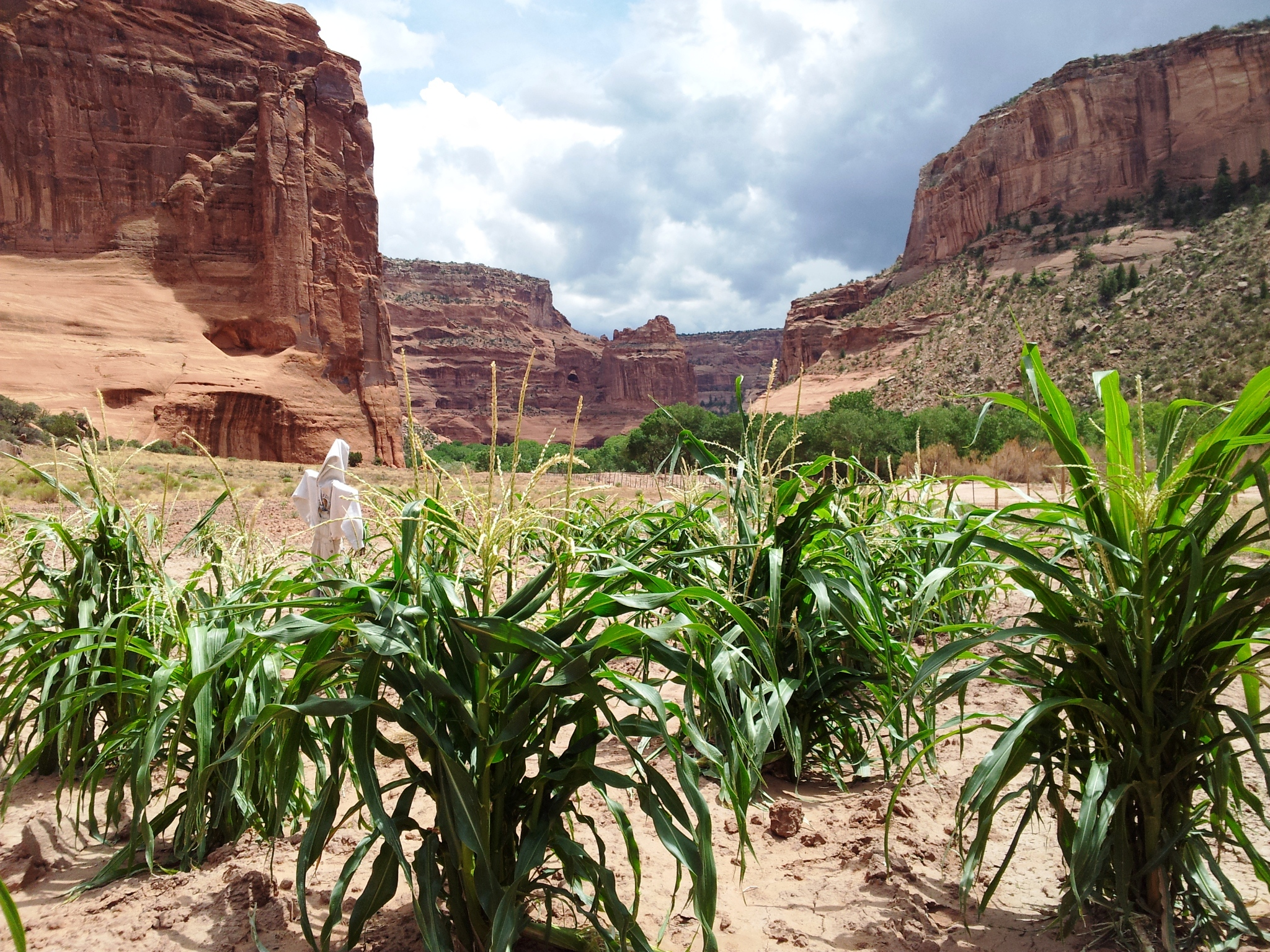
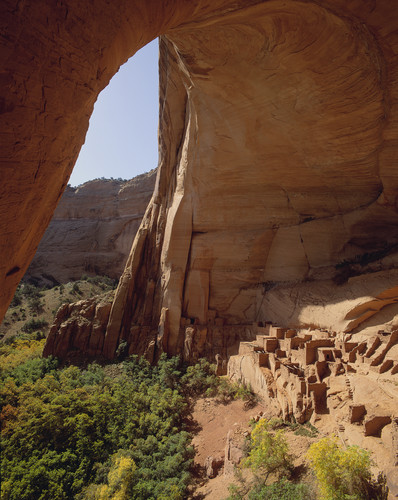
This canyon is home to Diné families who raise livestock, grow crops and live here. People have lived in these canyons for nearly 5,000 years, which is longer than anyone has lived continuously on the Colorado Plateau. In this place called Tsegi, their homes and images tell us their stories. Today, the park and Navajo Nation work together to manage the rich cultural and natural resources.
Canyonlands is a wilderness of canyons, buttes, and spires carved by the Colorado River and Green River. The park is divided into four distinct districts; no roads join them together. The districts share similar desert ecosystems, but each one provides unique opportunities for adventure and discovery.
The great Outer Beach described by Thoreau in the 1800s is protected within the national seashore. Forty miles of pristine sandy beach, marshes, ponds, and uplands support diverse species. Lighthouses, cultural landscapes, and wild cranberry bogs offer a glimpse of Cape Cod's past and continuing ways of life. Swimming beaches and walking and biking trails beckon today's visitors.
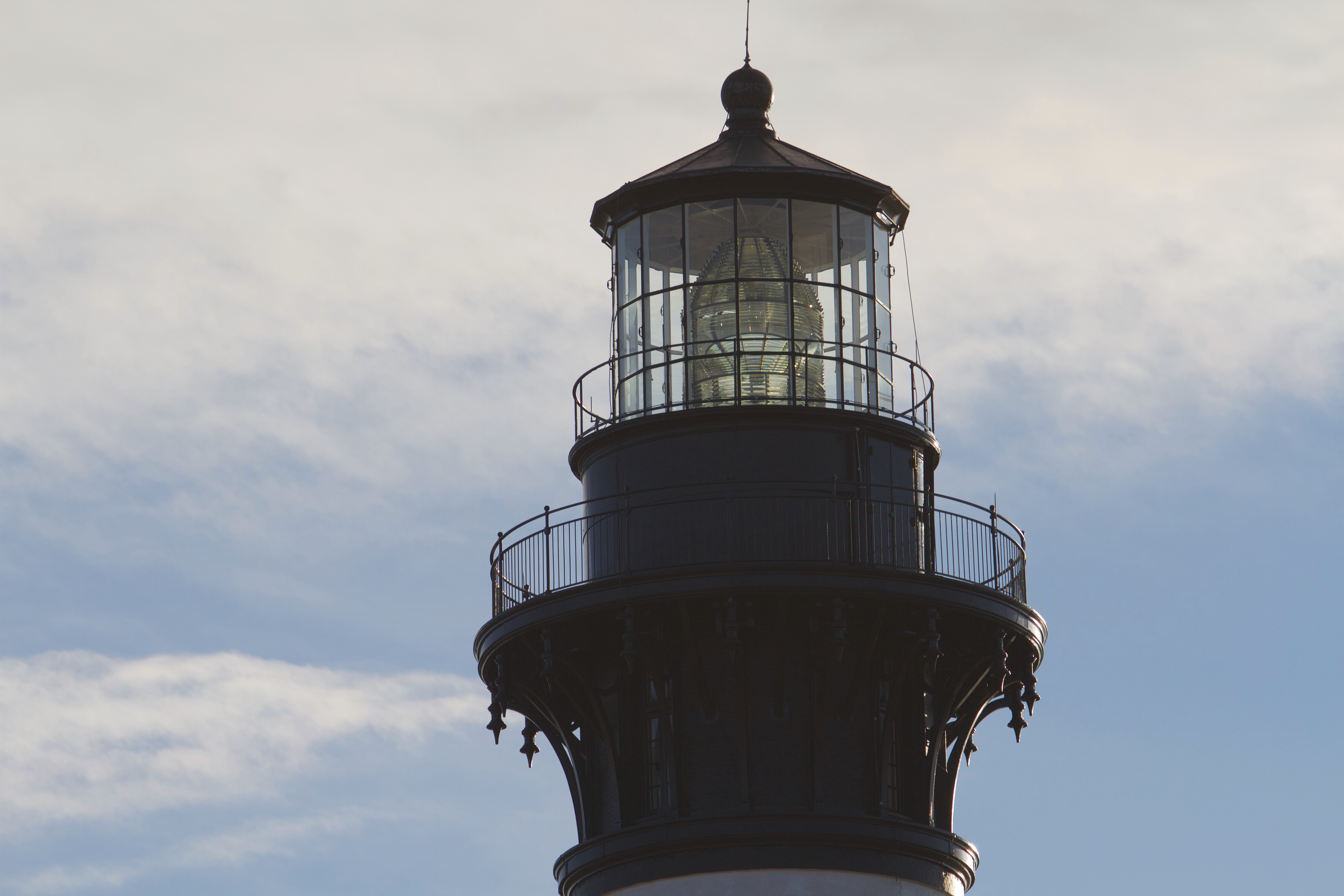
The sound of ocean waves, the starry night sky, or the calm of the salt marshes, you can experience it all. Shaped by the forces of water, wind, and storms these islands are ever changing. The plants, wildlife, and people who live here adapt continually. Whether you are enjoying the beach, kayaking the sound, or climbing the Cape Hatteras Lighthouse there is something for everyone to explore!
A bridge to the past and a land for the future, Cape Krusenstern National Monument protects approximately 560,000 acres of diverse Arctic coastal, and upland ecosystems. Inhabited by the Iñupiaq people since time-immemorial, over 5,000 years of sequential human use is documented in the 114 successive beach ridges. Rich connections to the land and waters are preserved through subsistence practices.
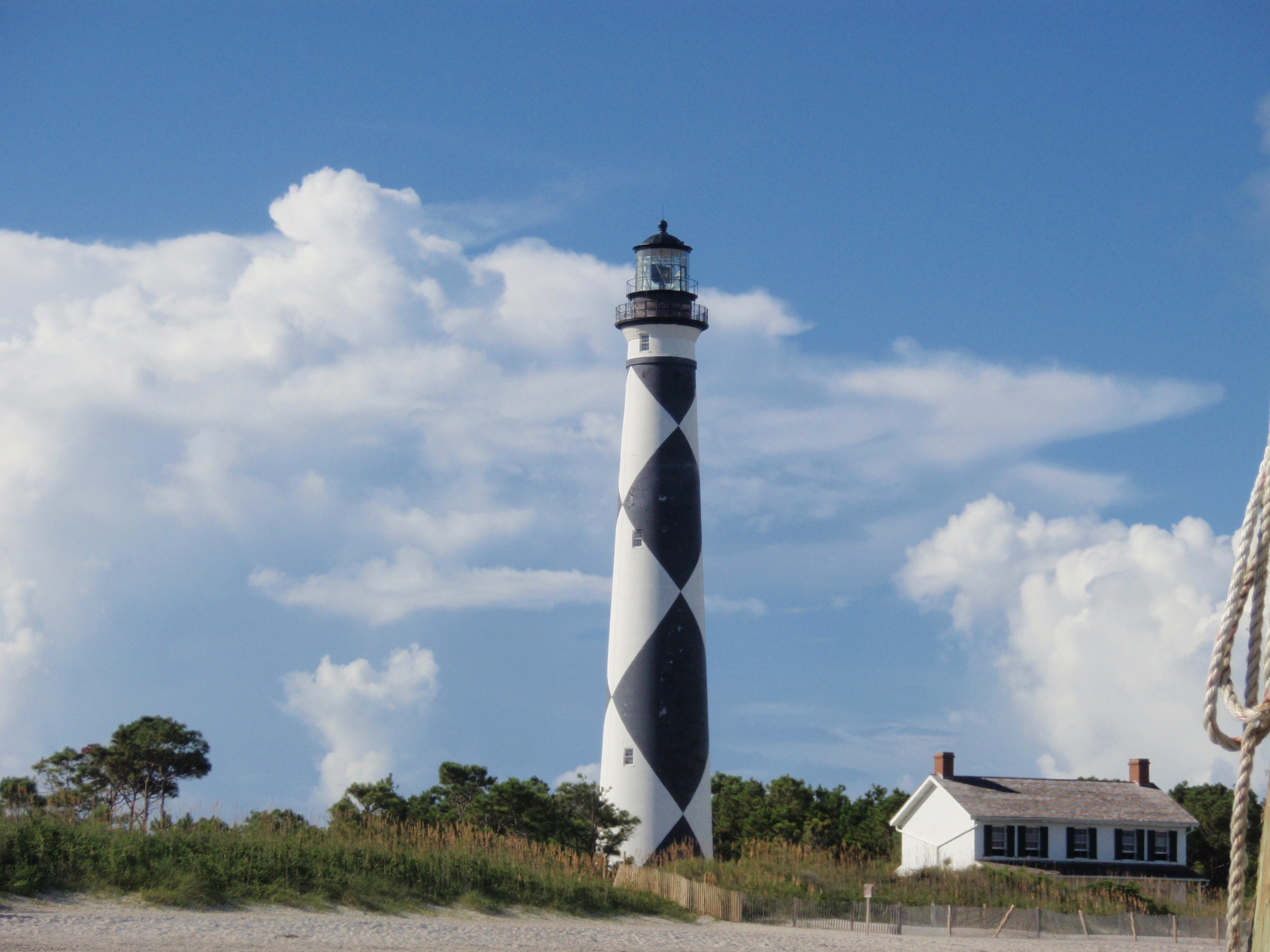
A boat ride three miles off-shore brings you to the barrier islands of Cape Lookout National Seashore. Horse watching, shelling, fishing, birding, camping, lighthouse climbing, and touring historic villages--there’s something for everyone at Cape Lookout. Be sure to bring all the food, water, and supplies you need (and carry your trash out of the park) when visiting these remote beaches.
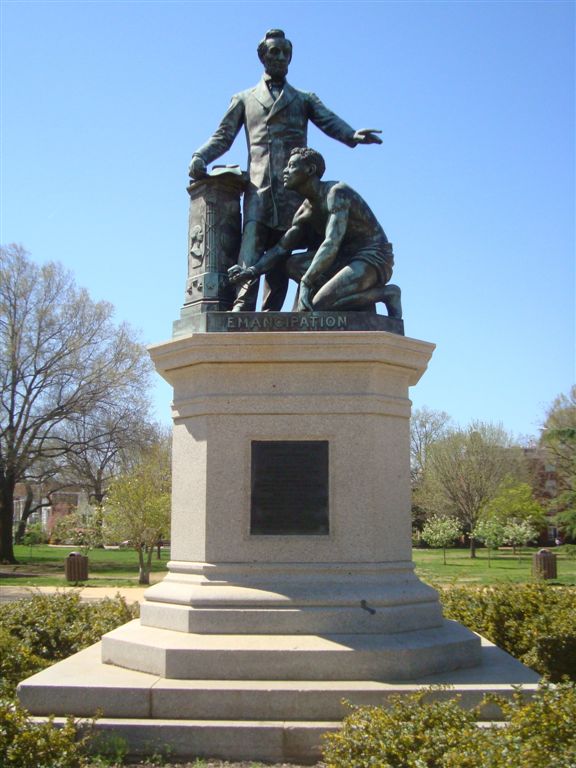
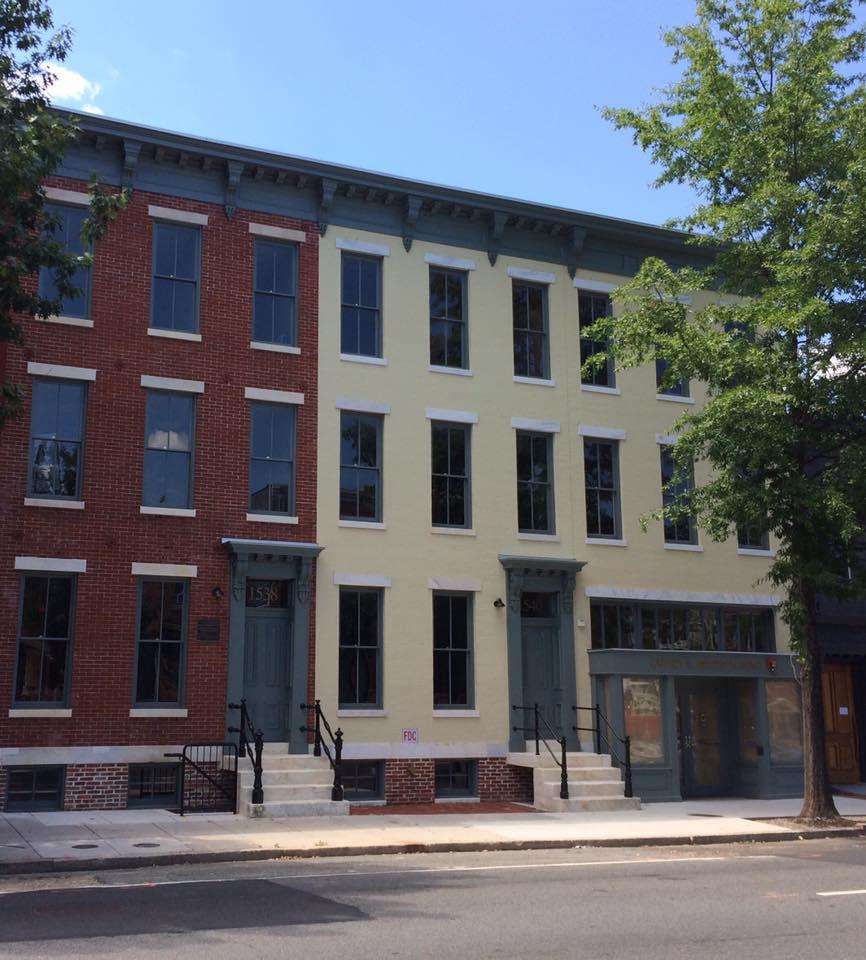
The Capitol Hill Parks include several park areas east of the U.S. Capitol. Included in this group are Folger, Lincoln, Stanton, and Marion Parks, the Eastern Market and Potomac Avenue Metro stations, and several smaller land parcels such as Seward Square, Twining Square, the Maryland Avenue Triangles, the Pennsylvania Avenue Medians, and 59 inner-city triangles and squares.
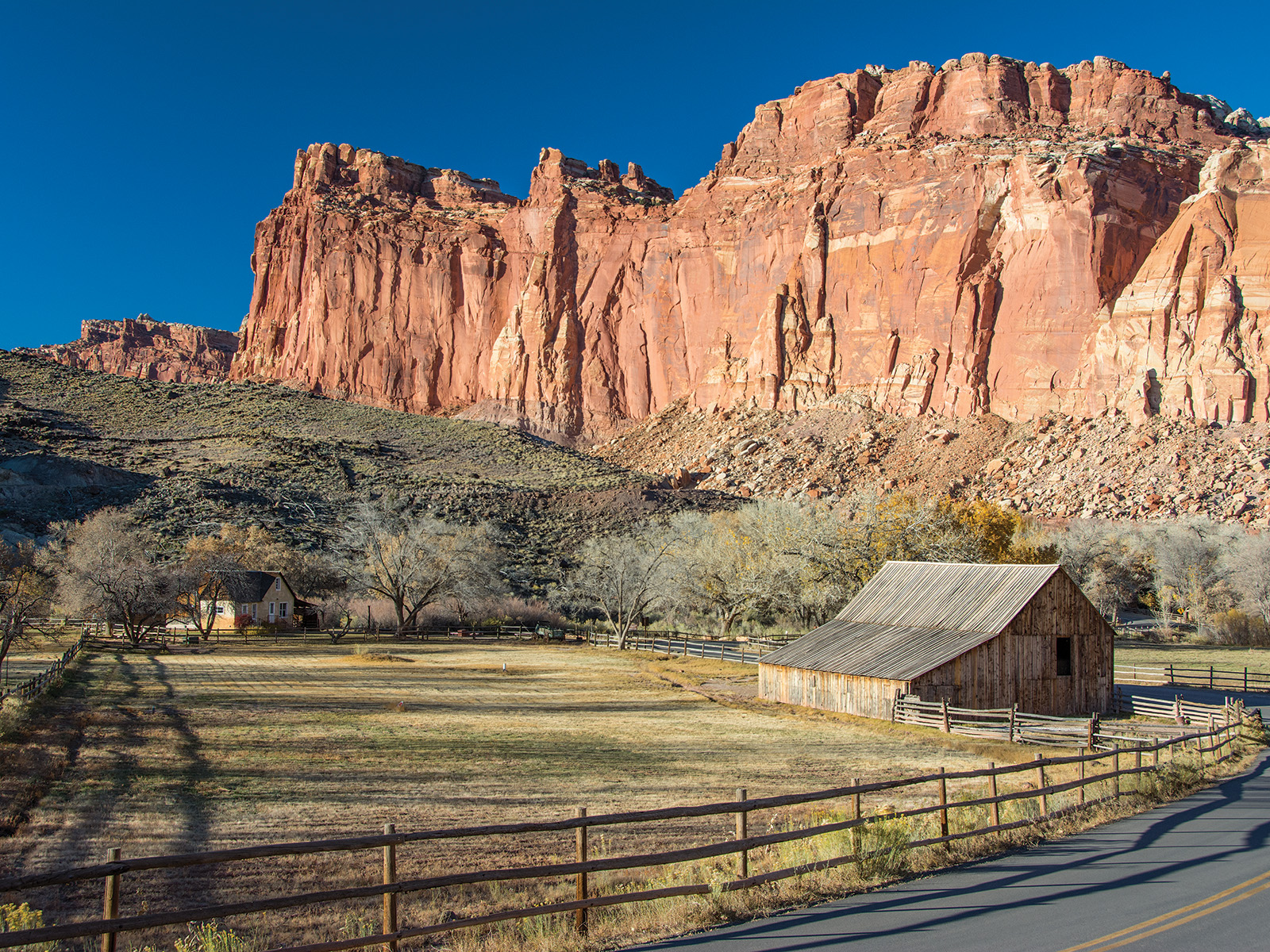
Located in south-central Utah in the heart of red rock country, Capitol Reef National Park is a hidden treasure filled with cliffs, canyons, domes, and bridges in the Waterpocket Fold, a geologic monocline (a wrinkle on the earth) extending almost 100 miles.
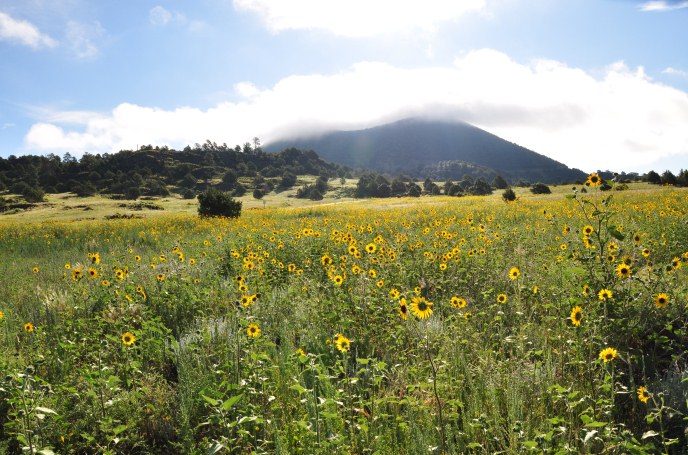
Part of the 8,000 square mile Raton-Clayton Volcanic Field, Capulin Volcano showcases the volcanic geology of northeastern New Mexico. The views are spectacular day or night, with views of 4 different states from the volcanic rim and one of the darkest night skies in the country. Whether it's a quick stop or a day's trip, enjoy exploring the landscape of this unique volcano!
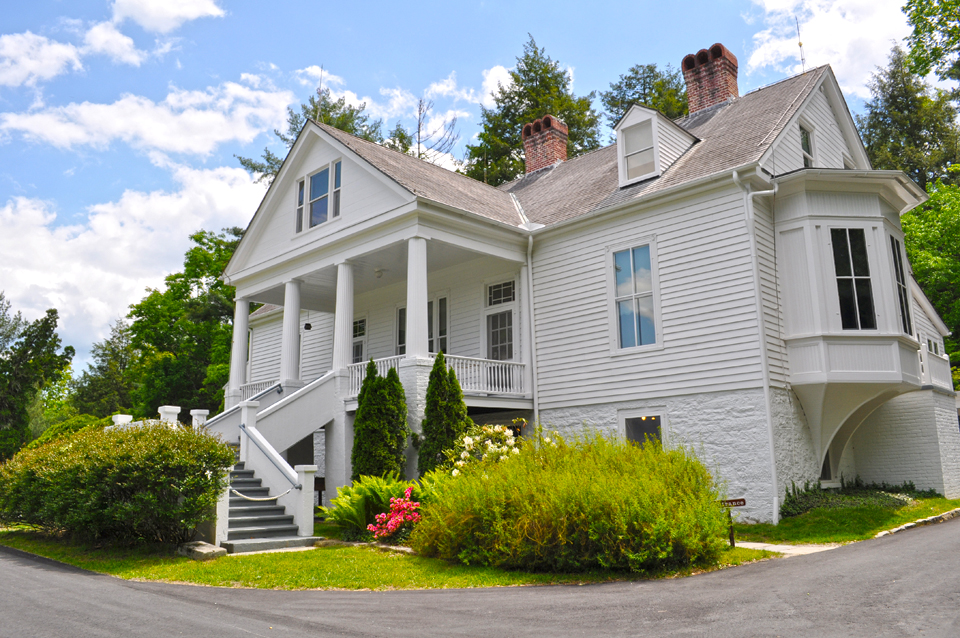
Post Helene Status: Pedestrian detour in place from main parking lot. Grounds / trails open dawn till dusk 7 days a week. Barn open 7 days a week 10-4. Bookstore / Visitor Center open Wed, Thurs, Fri, Sat and Sun 10-4. Interagency passes can be purchased at Visitor Center.
More than 7,800 children from 140 Tribes went to the Carlisle School from 1879 to 1918. The National Park Service will collaborate with families, affiliated Tribal Nations, the US Army, historians, and partners to develop resources and share the story of the children, families, and communities impacted by Carlisle Federal Indian Boarding School.
High ancient sea ledges, deep rocky canyons, flowering cactus, and desert wildlife—treasures above the ground in the Chihuahuan Desert. Hidden beneath the surface are more than 119 caves—formed when sulfuric acid dissolved limestone leaving behind caverns of all sizes.
Before Dr. Carter G. Woodson, there was very little accurate written history about the lives and experiences of Americans of African descent. Today a National Historic Site, Dr. Woodson’s home served as the headquarters for the Association for the Study of African American Life and History. Dr. Woodson established Negro History Week here in 1926, which we celebrate today as Black History Month.
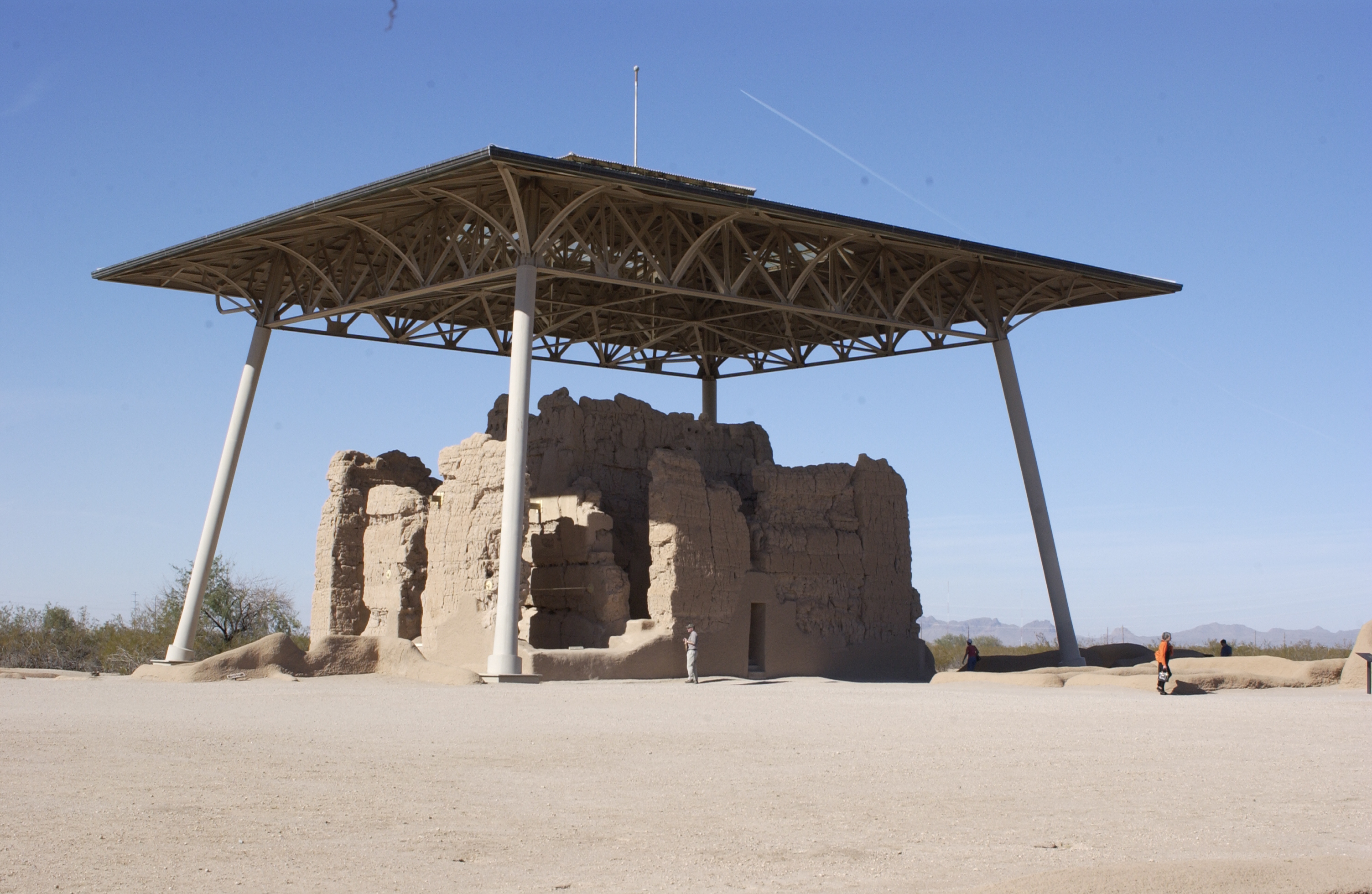
An Ancestral Sonoran Desert People's farming community and "Great House" are preserved at Casa Grande Ruins. Whether a gathering place for people or simply a waypoint marker in an extensive system of canals and trading partners, the structures are a large part of the story of this site. Explore the history and stories of an extended network of communities and irrigation canals.
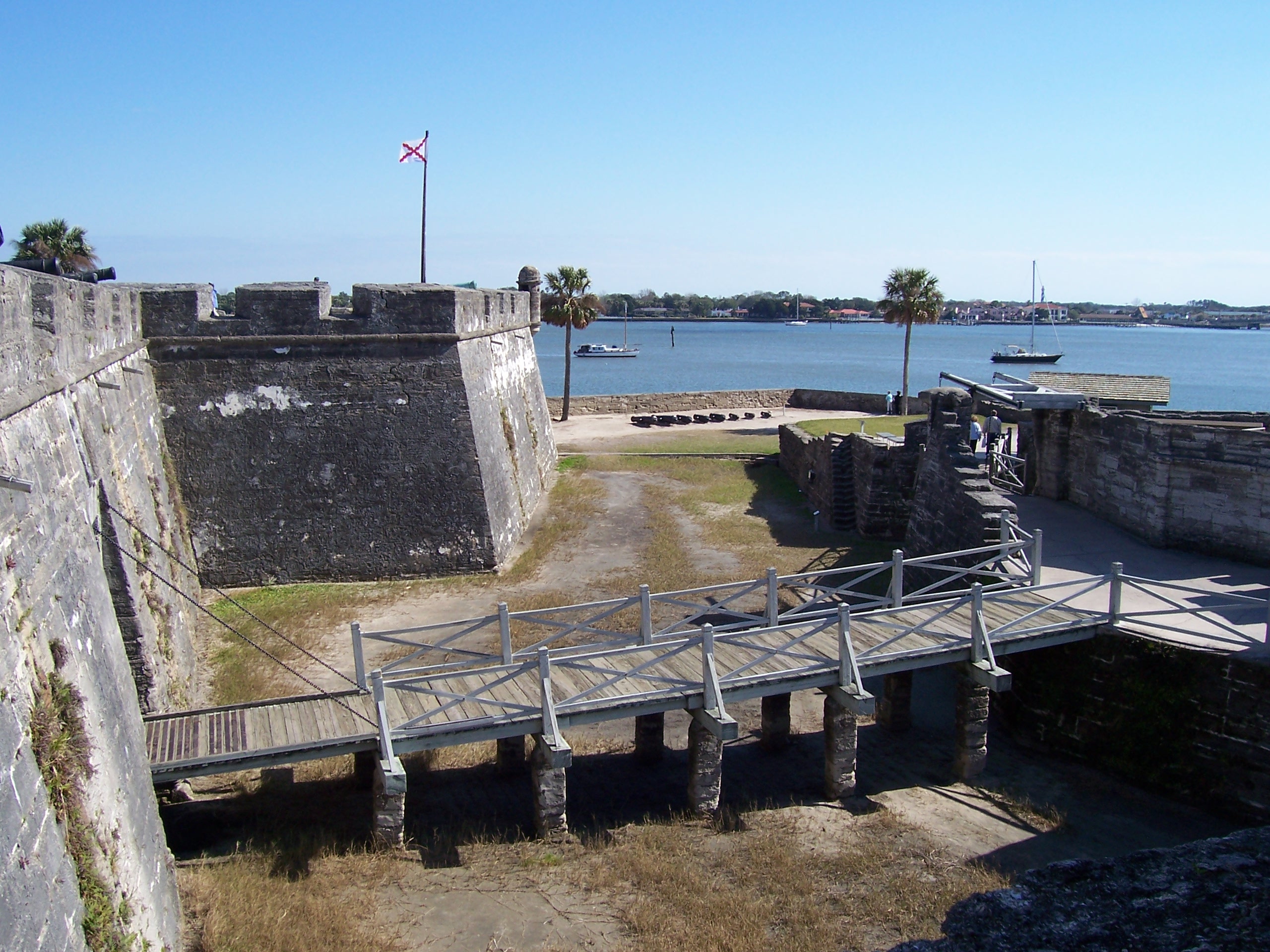
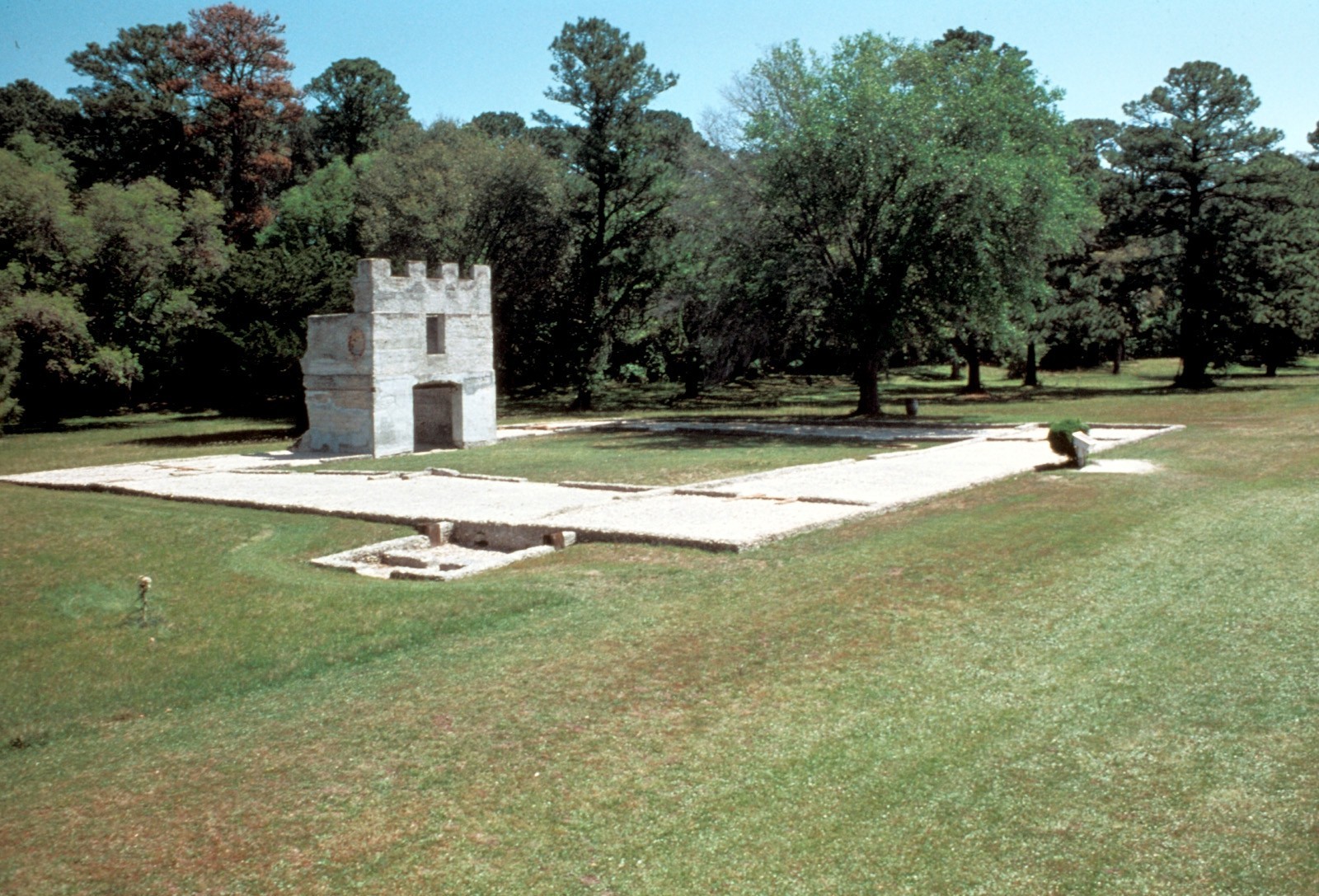
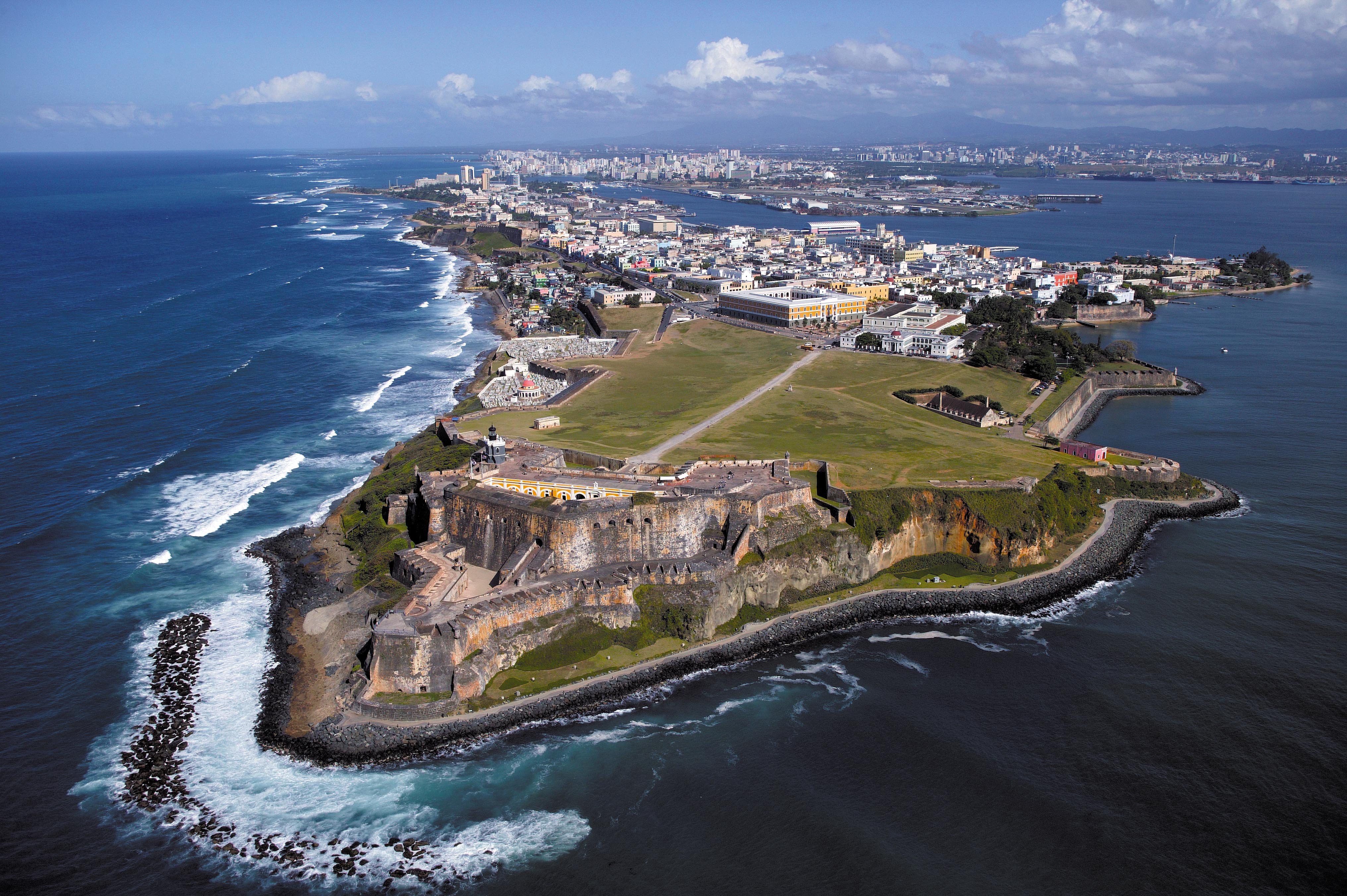
Built by the Spanish in St. Augustine to defend Florida and the Atlantic trade route, Castillo de San Marcos National Monument preserves the oldest masonry fortification in the continental United States and interprets more than 450 years of cultural intersections.
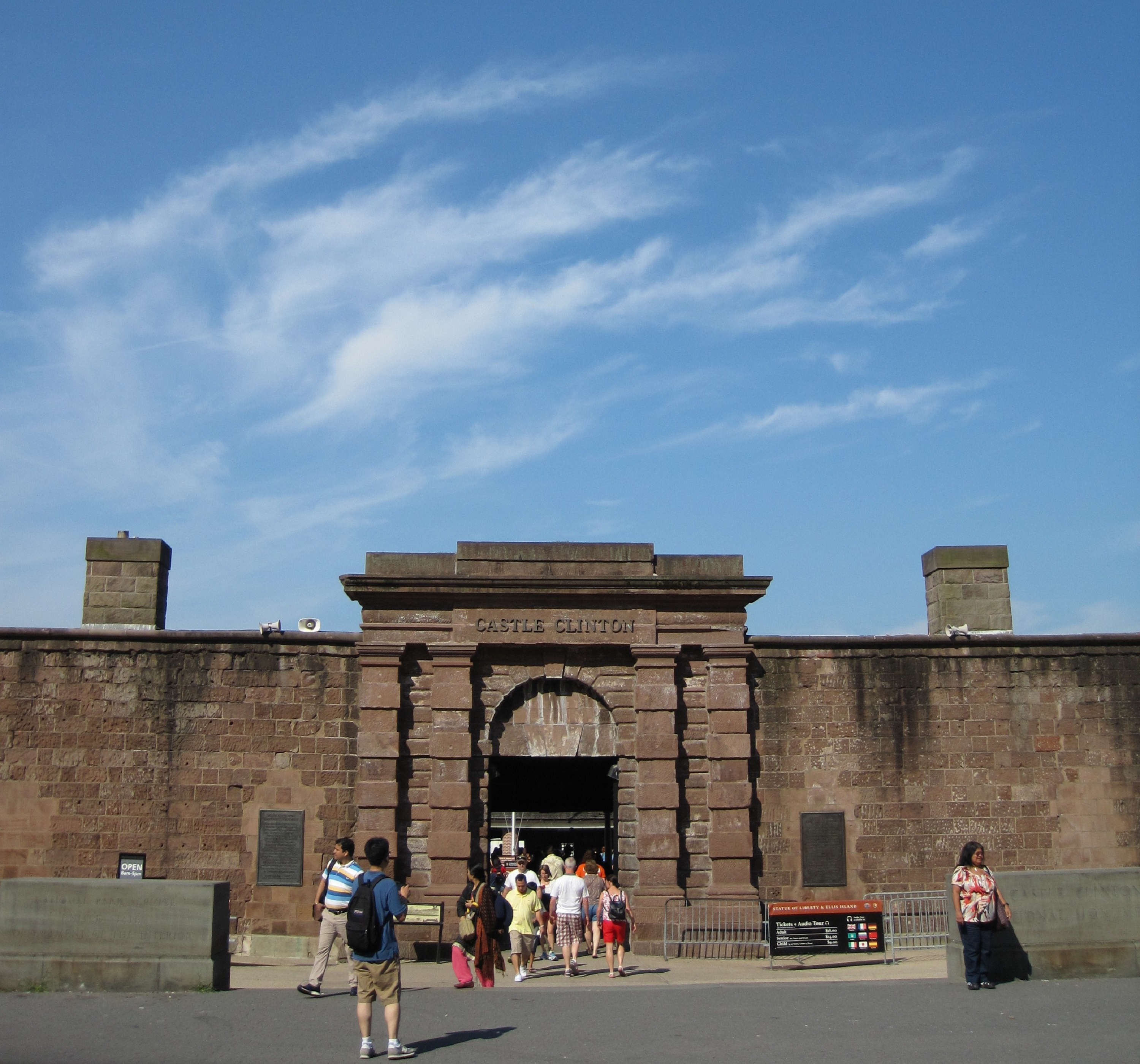
Located at the southern tip of Manhattan, Castle Clinton marks the place where New York City began and reflects the growth of both the city and the nation. Built to defend the harbor during the War of 1812, it has since welcomed theatergoers, immigrants, and sightseers—and today continues to greet millions of visitors to New York Harbor.
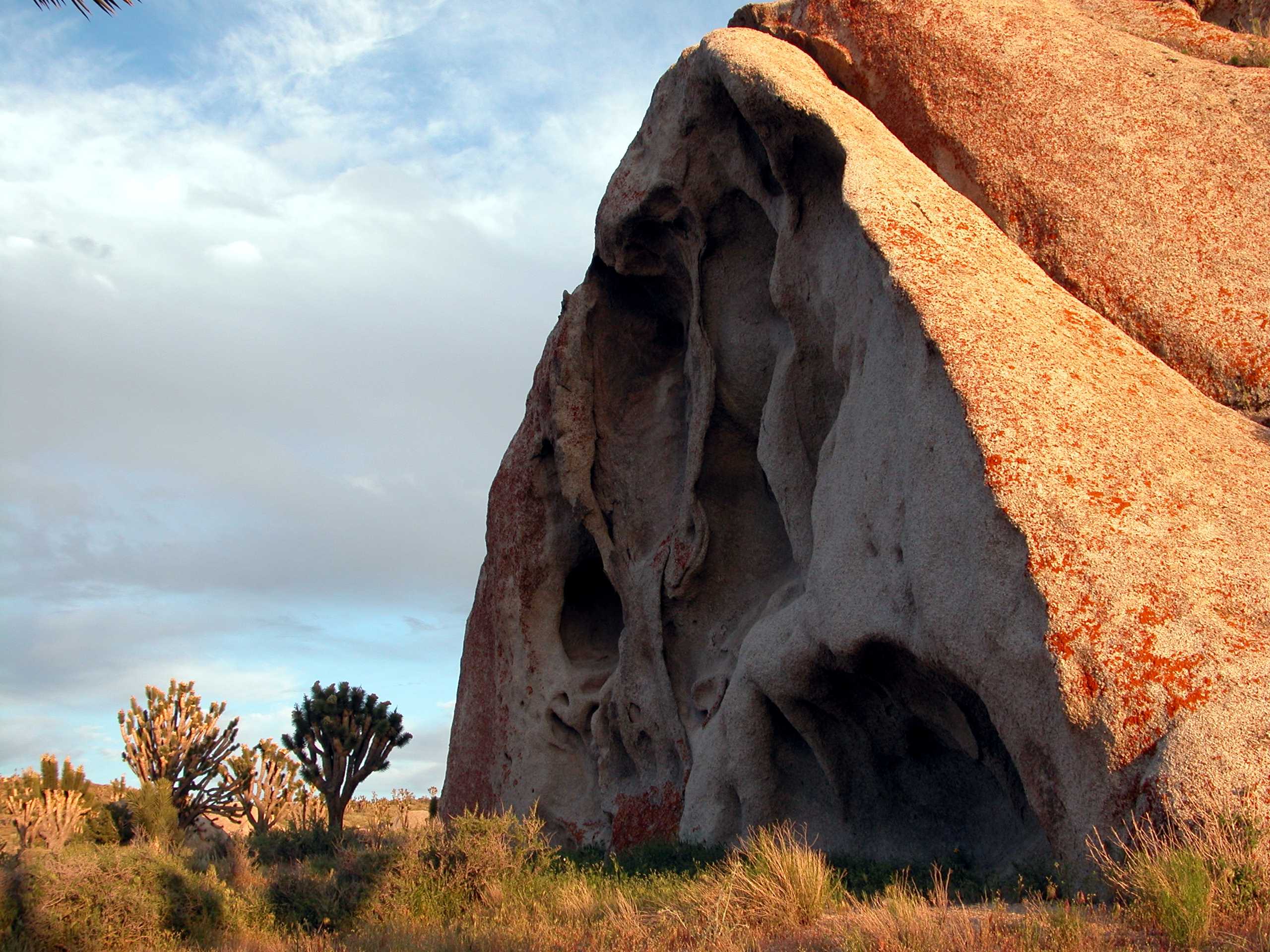
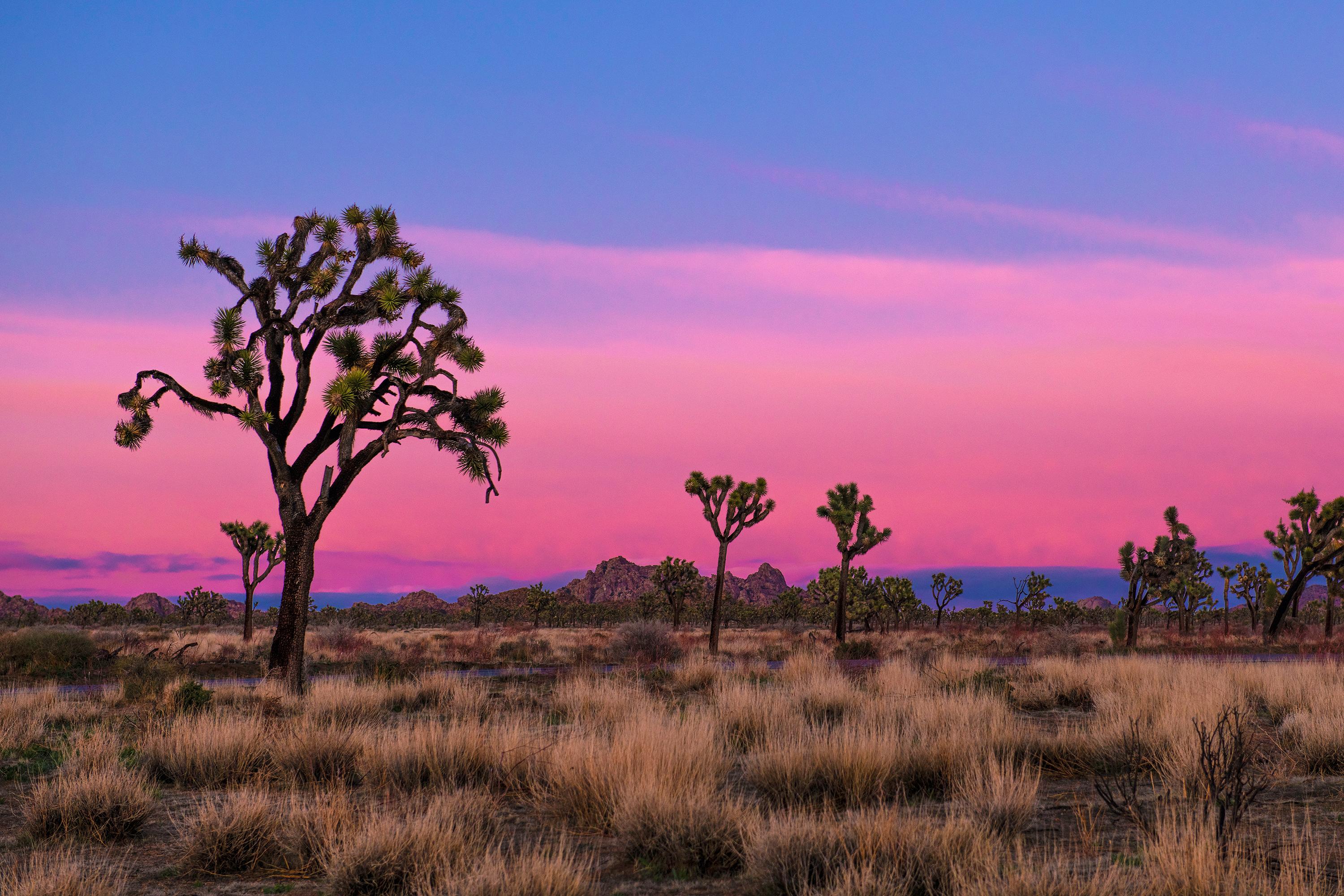
Castle Mountains represents some of the most unique elements of the Mojave Desert. Nestled between the Nevada state line and Mojave National Preserve, the nearly 21,000 acres of Castle Mountains boasts Joshua tree forests, unbroken natural landscapes, rare desert grasslands, and rich human history. This intriguing area provides serenity and solitude from nearby metropolitan areas.
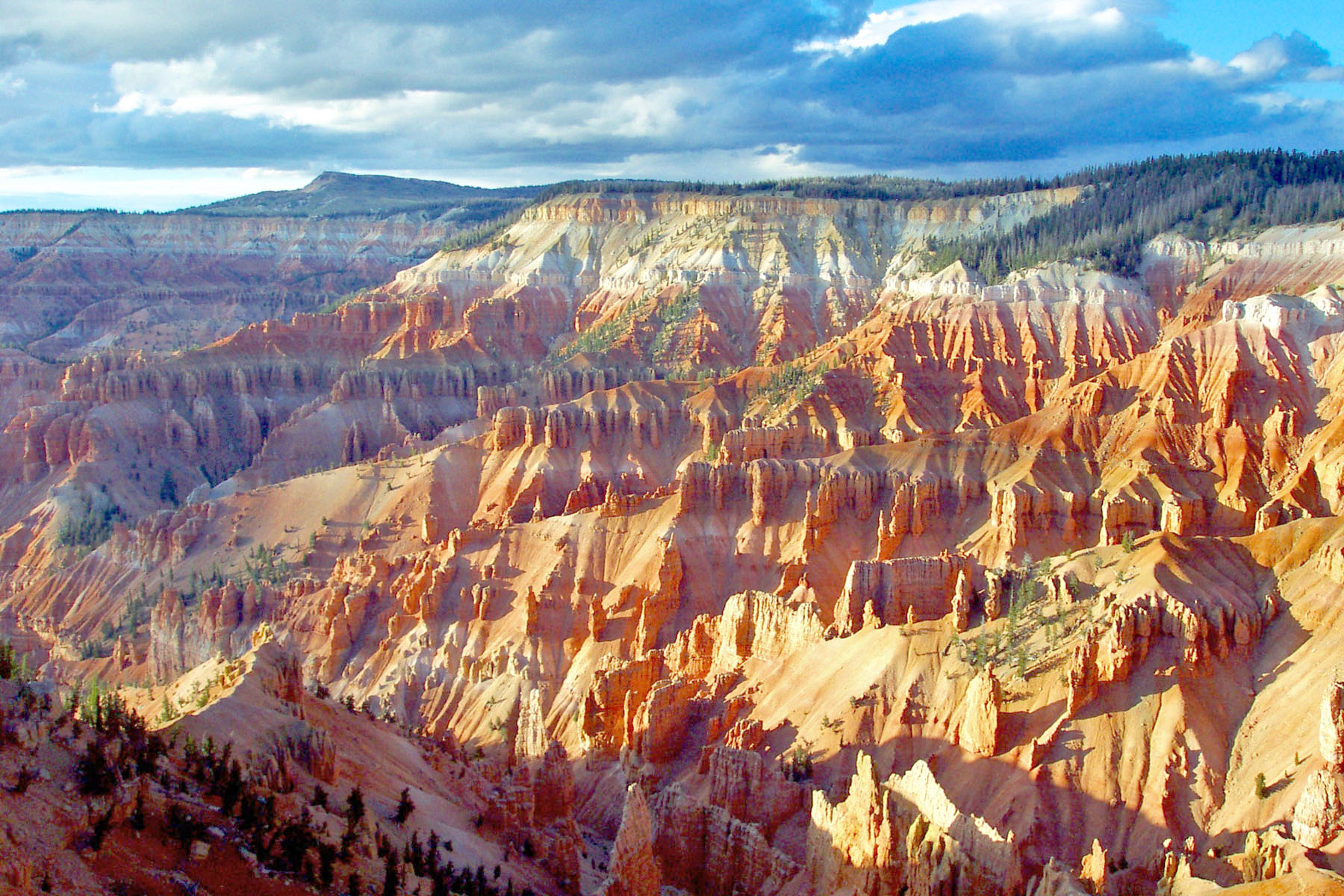
Crowning the Grand Staircase, Cedar Breaks sits at over 10,000 feet and looks down into a half-mile deep geologic amphitheater. Come wander among timeless bristlecone pines, stand in lush meadows of wildflowers, ponder crystal-clear night skies and experience the richness of our subalpine forest.
Virginia’s Shenandoah Valley has a long and rich heritage that still inspires today. Native Americans first shaped the land, followed by colonists and settlers. The fertile valley became an important wheat-growing region in the 1800s. It also witnessed dramatic Civil War campaigns, including the Battle of Cedar Creek, a decisive Federal victory that helped bring the war to an end.
Yes, we can! Widely recognized as the most important Latino leader in the United States during the twentieth century, Cesar Chavez led farm workers and supporters in the establishment of the country's first permanent agricultural union. His leadership brought sustained international attention to the plight of U.S. farm workers, and secured for them higher wages and safer working conditions.
Explore the monumental structures and breathtaking landscape at Chaco, a thriving regional center for the ancestral Pueblo people from 850 to 1250 CE (Common Era), through hiking & biking trails, ranger guided tours & programs, and more. Chaco Canyon is a sacred and deeply personal place for many Indigenous peoples throughout the Southwest. Please visit with respect.
Chamizal is more than just an urban park to recreate or enjoy a quiet afternoon. These grounds are a reminder of the harmonious settlement of a 100-year boundary dispute between the United States and Mexico. We celebrate the cultures of the borderlands to promote the same mutual respect that helped to diplomatically resolve an international disagreement.
Channel Islands National Park encompasses five remarkable islands and their ocean environment, preserving and protecting a wealth of natural and cultural resources. Isolation over thousands of years has created unique animals, plants, and archeological resources found nowhere else on Earth and helped preserve a place where visitors can experience coastal southern California as it once was.
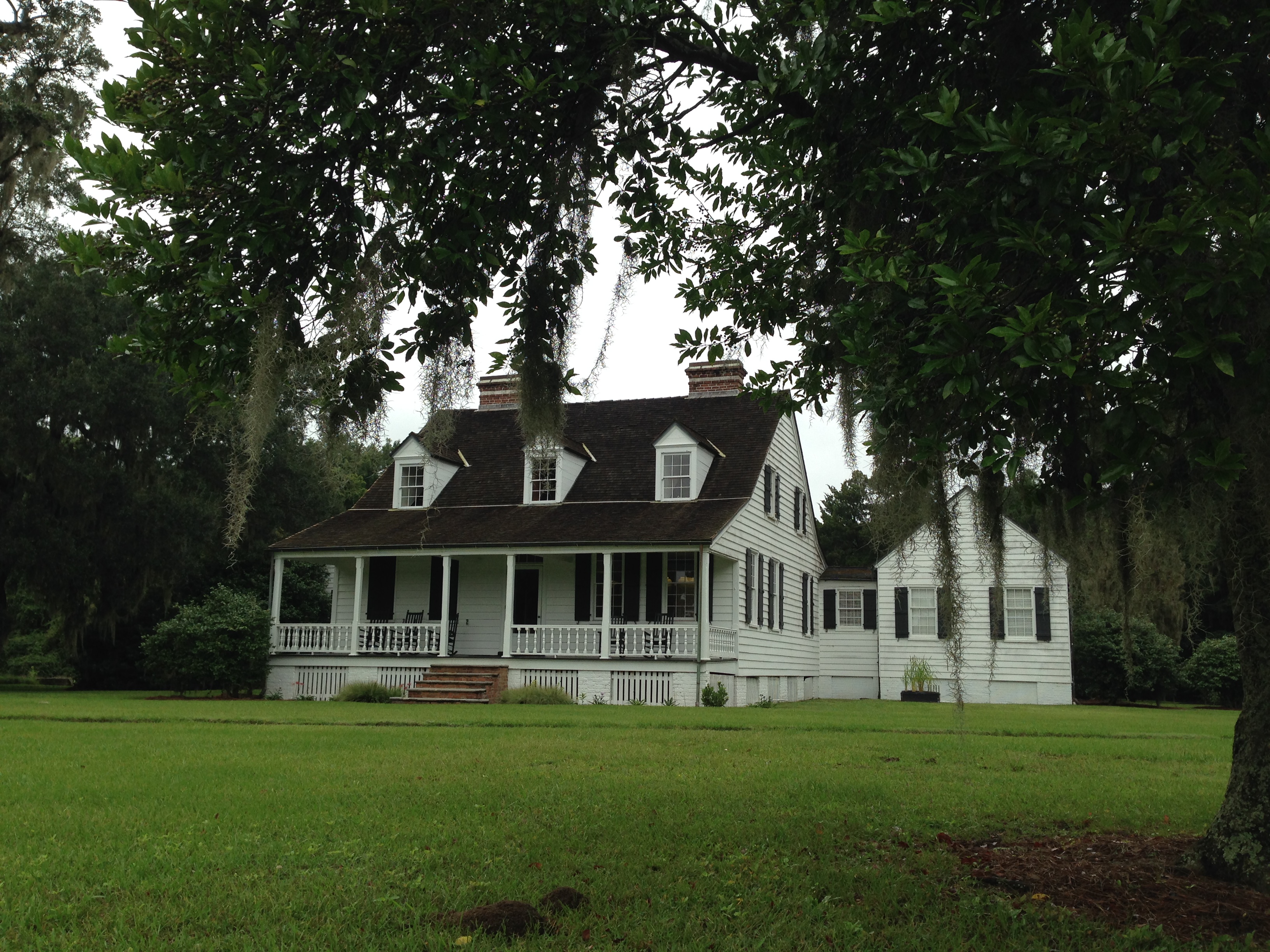
Charles Pinckney was a principal author and signer of the United States Constitution and went on to be a political leader in South Carolina for over 40 years. The park preserves Snee Farm, one of his plantation properties, where visitors can learn about the politician's influences on Charleston, the African people he enslaved, plantation operations, and the legacy of Pinckney's life.
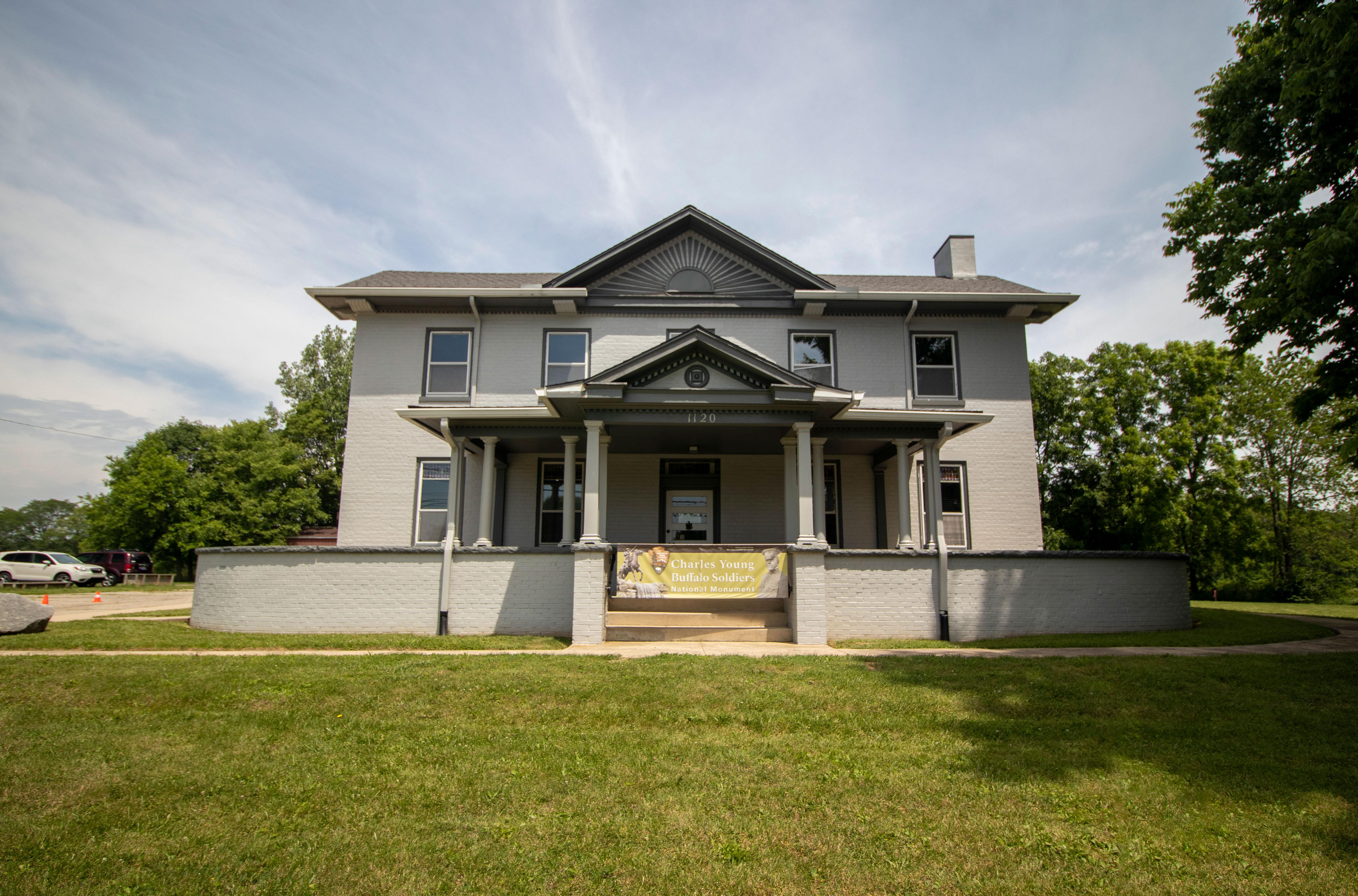
Throughout his life, Charles Young overcame countless obstacles in his ascent to prominence. In spite of overt racism and stifling inequality, Young rose through the military ranks to become one of the most respected leaders of his time. A well-rounded man with a steadfast devotion to duty, Young led by example and inspired a generation of new leaders.
Today the river valley attracts us for so many reasons. Take a solitary walk to enjoy nature’s display, raft leisurely through the rocky shoals with friends, fish the misty waters as the sun comes up, or have a picnic on a Sunday afternoon. Get Outdoors and experience your Chattahoochee River National Recreation Area as you have never done before.
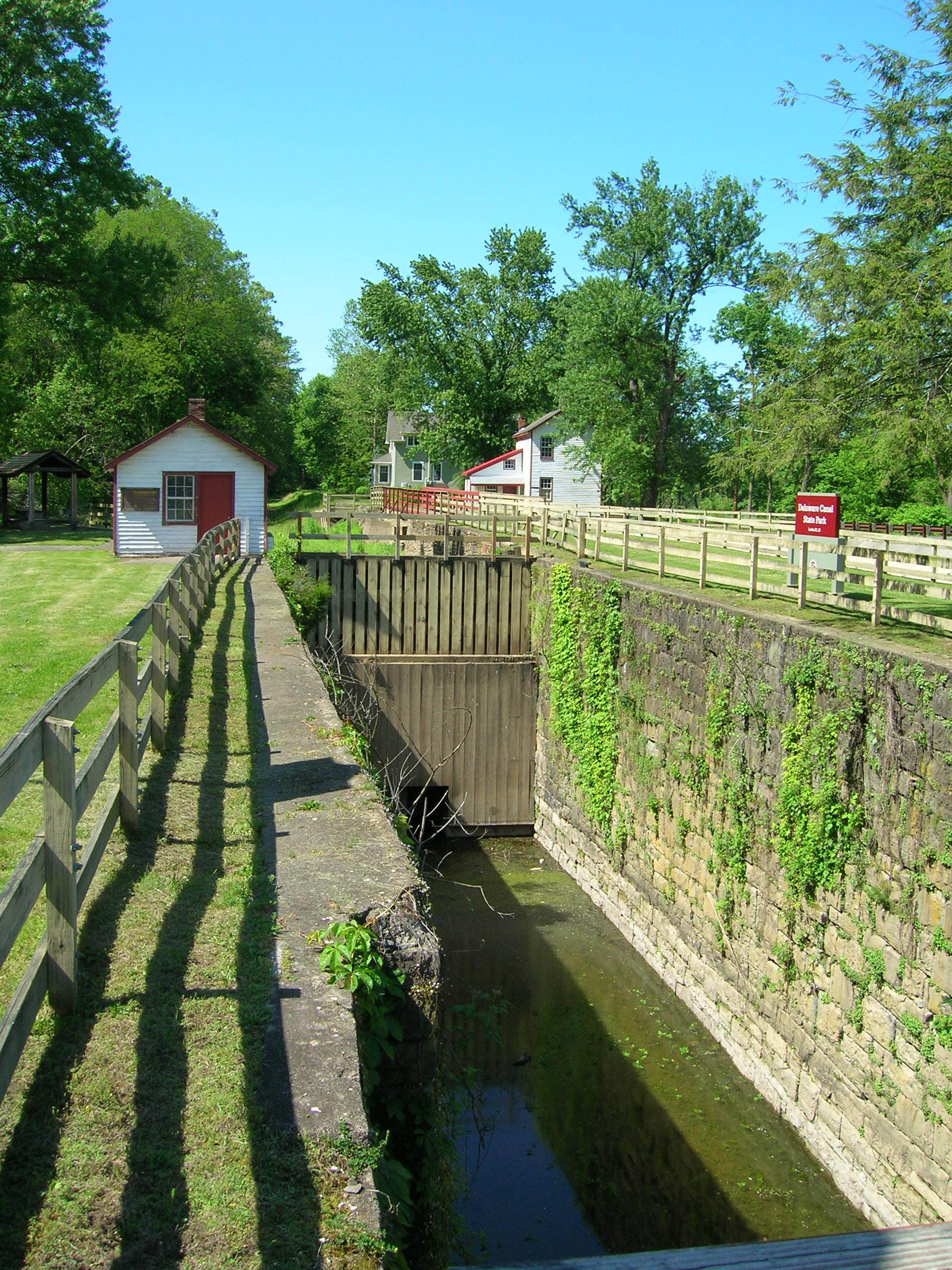
Preserving America's early transportation history, the C&O Canal began as a dream of passage to Western wealth. Operating for nearly 100 years the canal was a lifeline for communities along the Potomac River as coal, lumber, and agricultural products floated down the waterway to market. Today it endures as a pathway for discovering historical, natural, and recreational treasures.
Over 41 million acres are connected through the waters that flow to and through Chesapeake Bay. The National Park Service strives to connect people to the opportunities and adventures throughout the watershed. Inspiring stewardship across this vast region supports recreation, business, tourism, learning, and a thriving natural resource for all to enjoy.
In 1863, Union and Confederate forces fought for control of Chattanooga, known as the "Gateway to the Deep South." The Confederates were victorious at nearby Chickamauga in September. However, renewed fighting in Chattanooga that November provided Union troops victory and control of the city. After the fighting, a Confederate soldier ominously wrote, "This...is the death-knell of the Confederacy."
Springs, streams, lakes - whatever its form, water is the attraction at Chickasaw National Recreation Area.
Explore rhyolite pinnacles and balanced rocks on foot or by car. Relax at the campground under star-filled, dark skies. See how a mountain range rising between two deserts creates a home for diverse wildlife. Imagine history here. Prehistoric peoples, Apaches, Buffalo Soldiers, Civilian Conservation Corps, ranchers, and homesteaders inhabited Chiricahua.
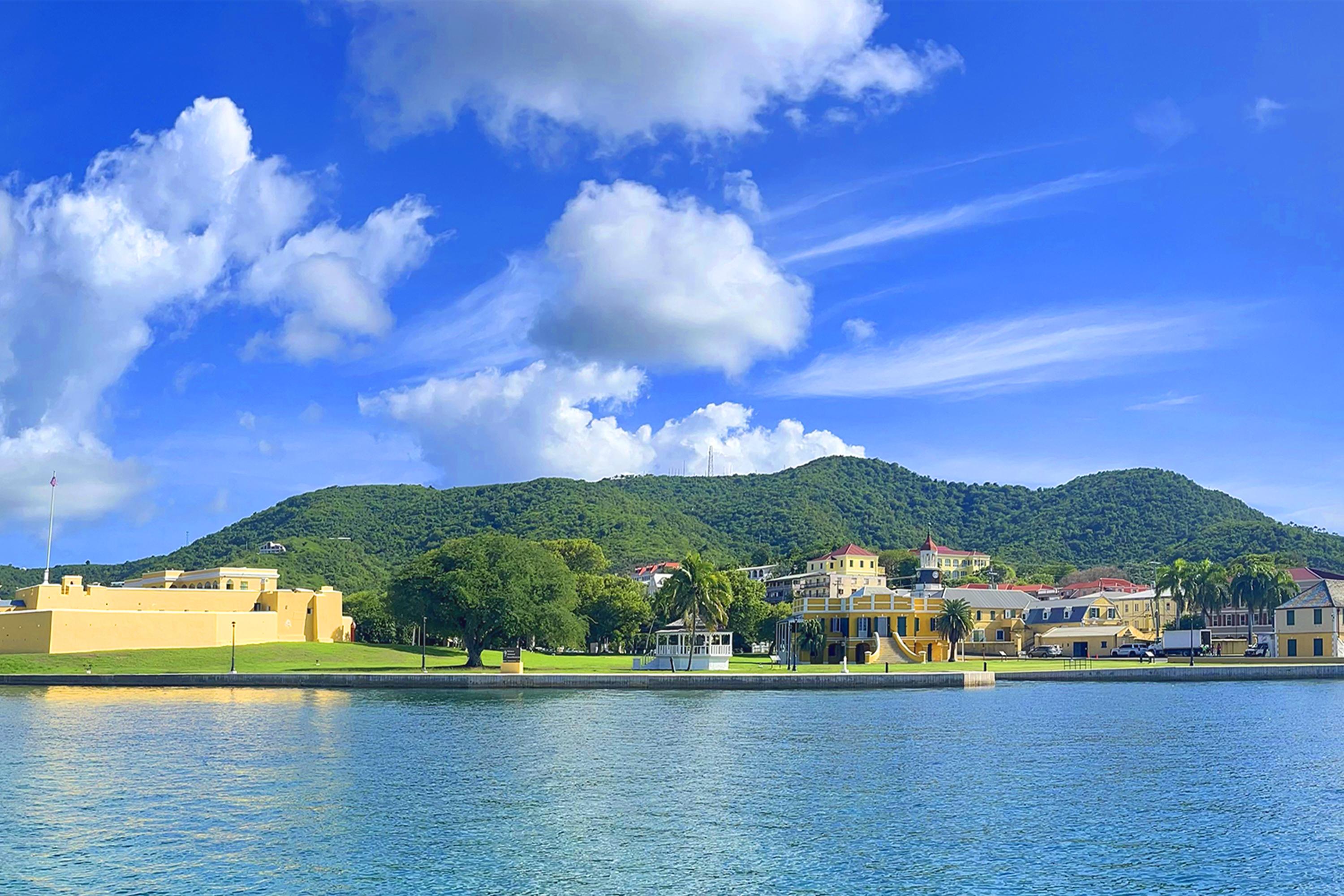
Christiansted National Historic Site was established in 1952 as the first unit of the National Park Service in the Virgin Islands of the United States. Covering over seven acres the park tells the stories about Danish economy and ways of life, and the interactions of people in Europe, Africa, West Indies, and North America during the Danish era of occupation of the Virgin Islands (1734-1917).
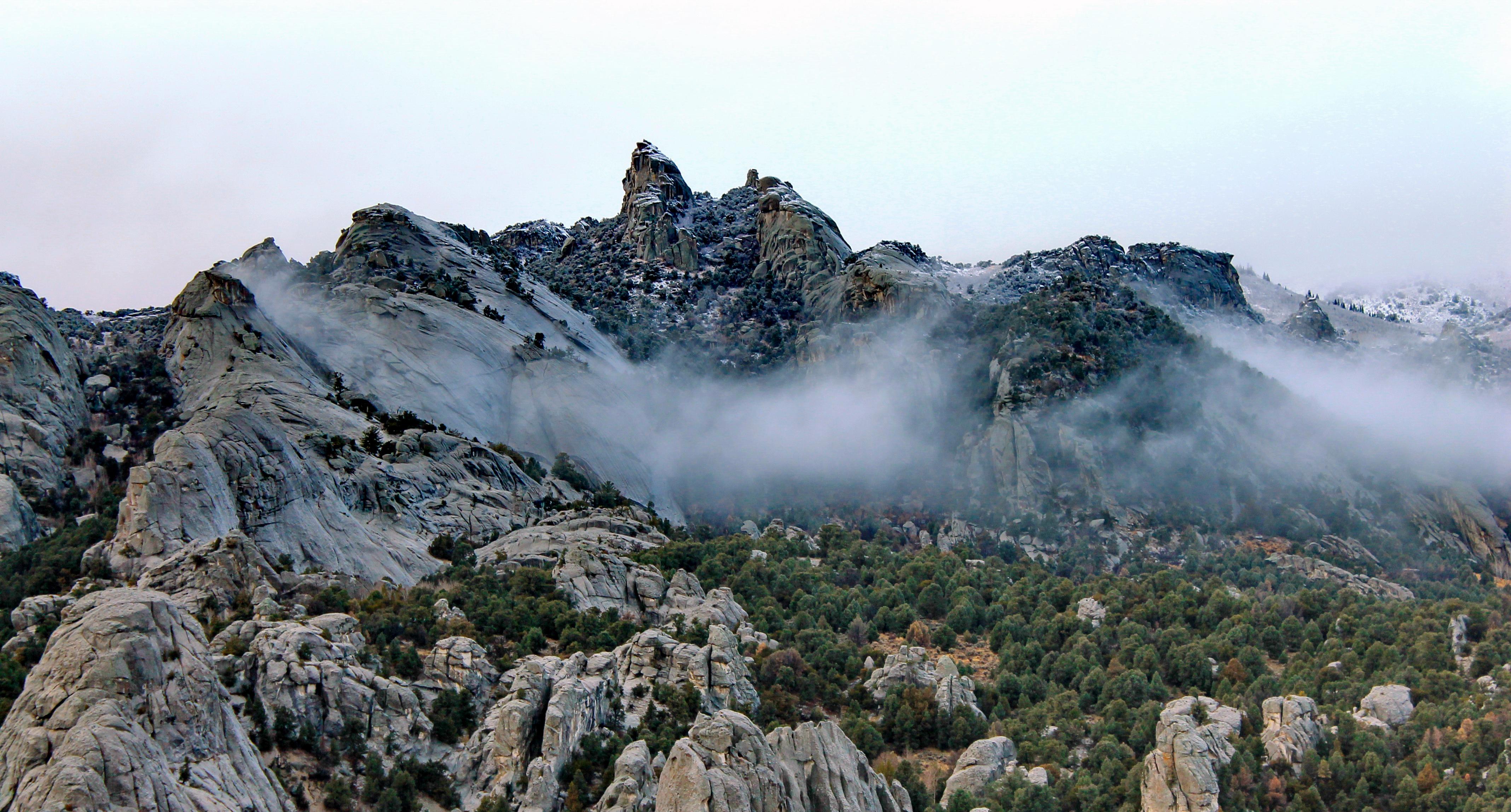
Described by California Trail emigrants as “a city of tall spires,” “steeple rocks,” and “the silent city,” this awe-inspiring landscape continues to captivate. Today, it beckons rock climbers, hikers, campers, hunters, and adventurers with its dramatic scenery, fascinating geology, and echoes of the Old West. The Silent City is ready for you to explore.
On forested hills surrounding the nation's capital are the remnants of a complex system of Civil War fortifications. These strategic buttresses transformed the young capital into one of the world's most fortified cities. By 1865, 68 forts and 93 batteries armed with over 800 cannons encircled Washington, DC. Today, you can visit 18 of the original sites now managed by the National Park Service.
Clara Barton dedicated her life and energies to help others in times of need - both home and abroad, in peacetime as well as during military emergencies. Glen Echo was her home the last 15 years of her life, and the structure illustrates her dedication and concern for those less fortunate than herself.
On May 13, 1607, Jamestown was established as the first permanent English settlement in North America. Three cultures came together – European, Virginia Indian and African–to create a new society that would eventually seek independence from Great Britain. On October 19, 1781, American and French troops defeated the British at Yorktown in the last major battle of the American Revolutionary War.
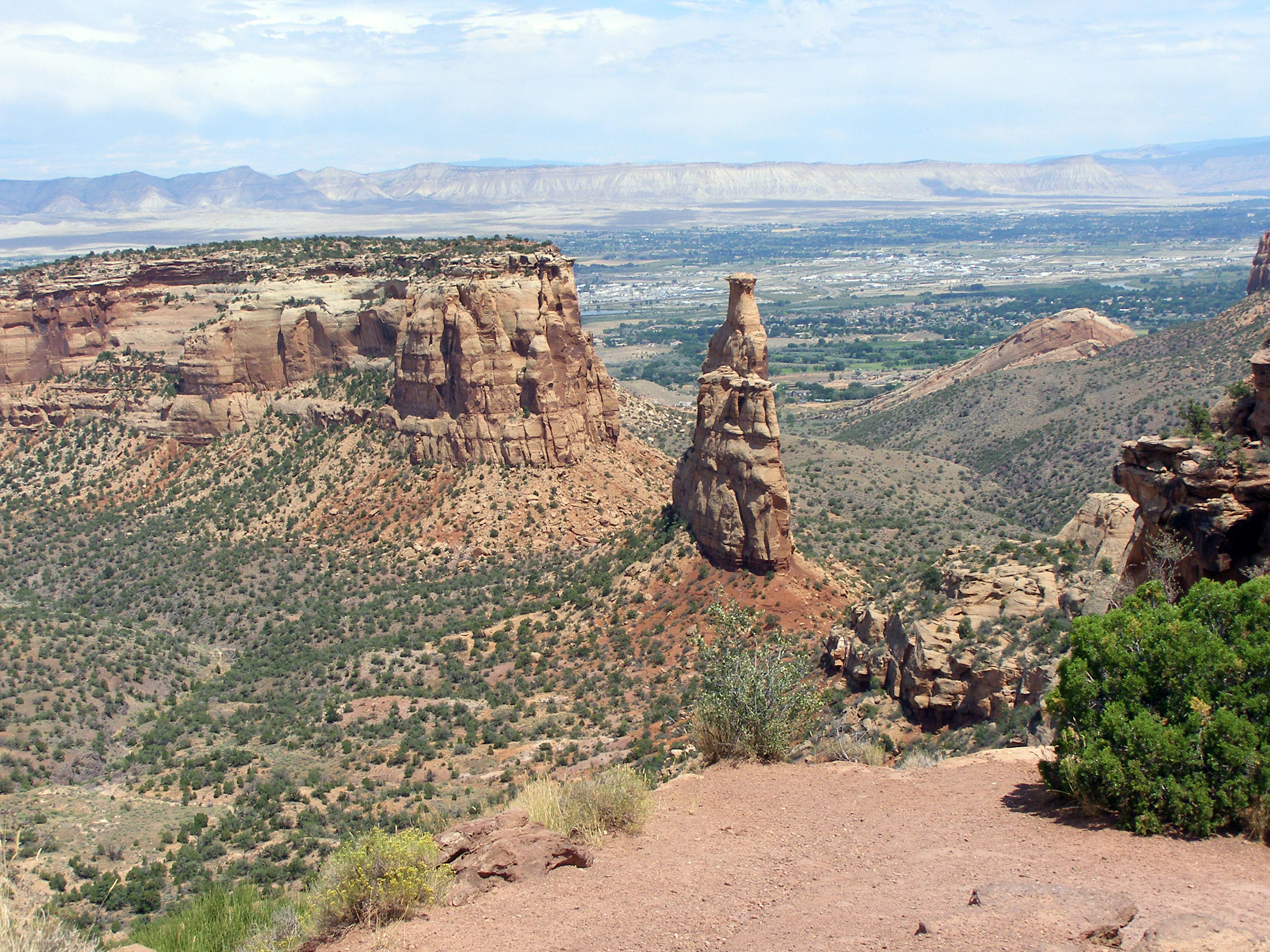
Colorado National Monument preserves one of the grand landscapes of the American West. But this treasure is much more than a monument. Towering monoliths exist within a vast plateau and canyon panorama. You can experience sheer-walled, red rock canyons along the twists and turns of Rim Rock Drive, where you may spy bighorn sheep and soaring eagles.
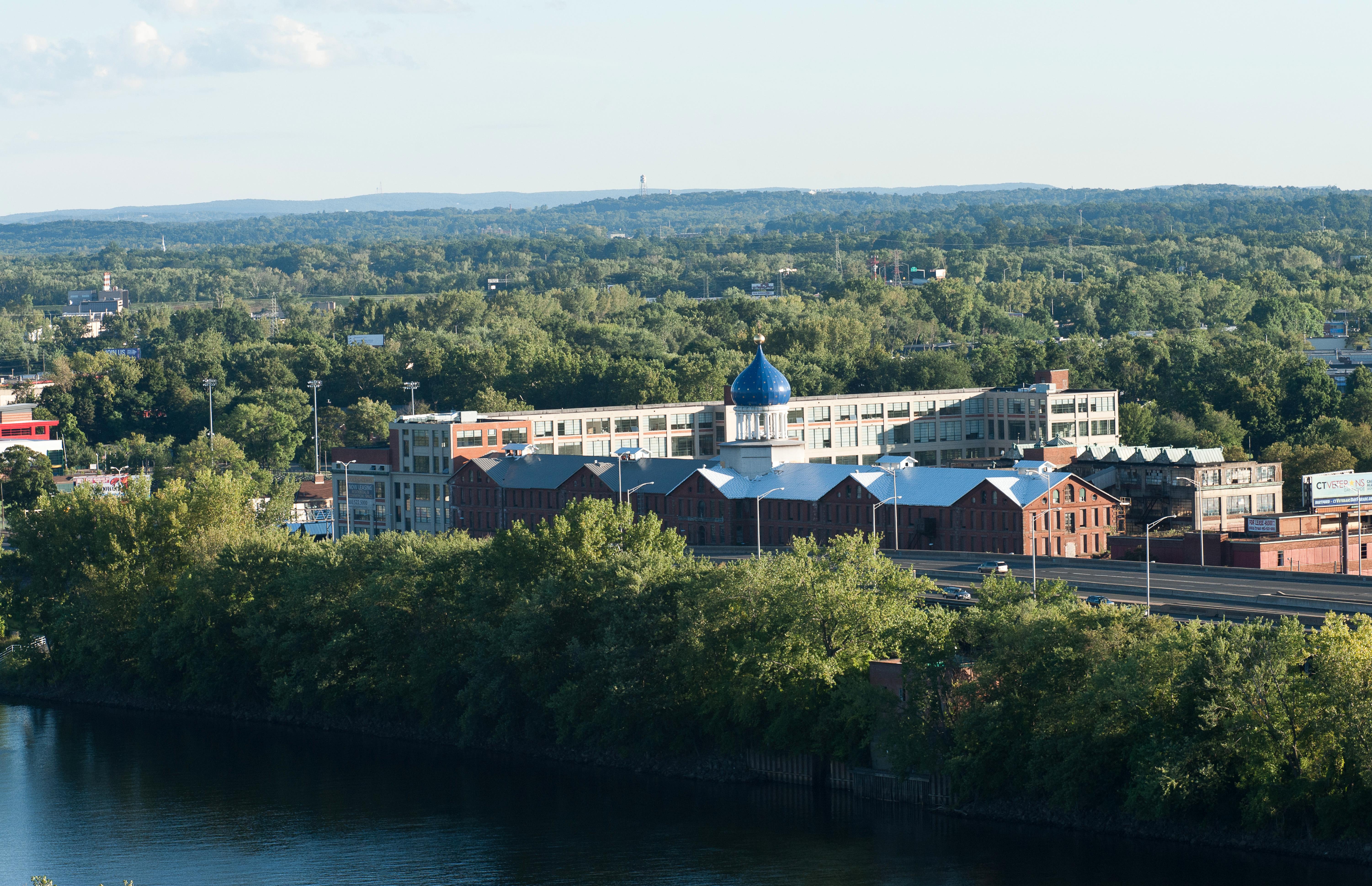
When Samuel Colt started his Hartford factory on the banks of the Connecticut River in 1847, it followed years of mismanagement and failure. Soon, demand for Colt's revolver would change his fortunes and the Colt empire was born. Following Colt's untimely death in 1862, his wife, Elizabeth Colt, would lead the company to its legendary status, and influence Hartford for over 40 years.
Astonishing biodiversity exists in Congaree National Park, the largest intact expanse of old growth bottomland hardwood forest remaining in the southeastern United States. Waters from the Congaree and Wateree Rivers sweep through the floodplain, carrying nutrients and sediments that nourish and rejuvenate this ecosystem and support the growth of national and state champion trees.
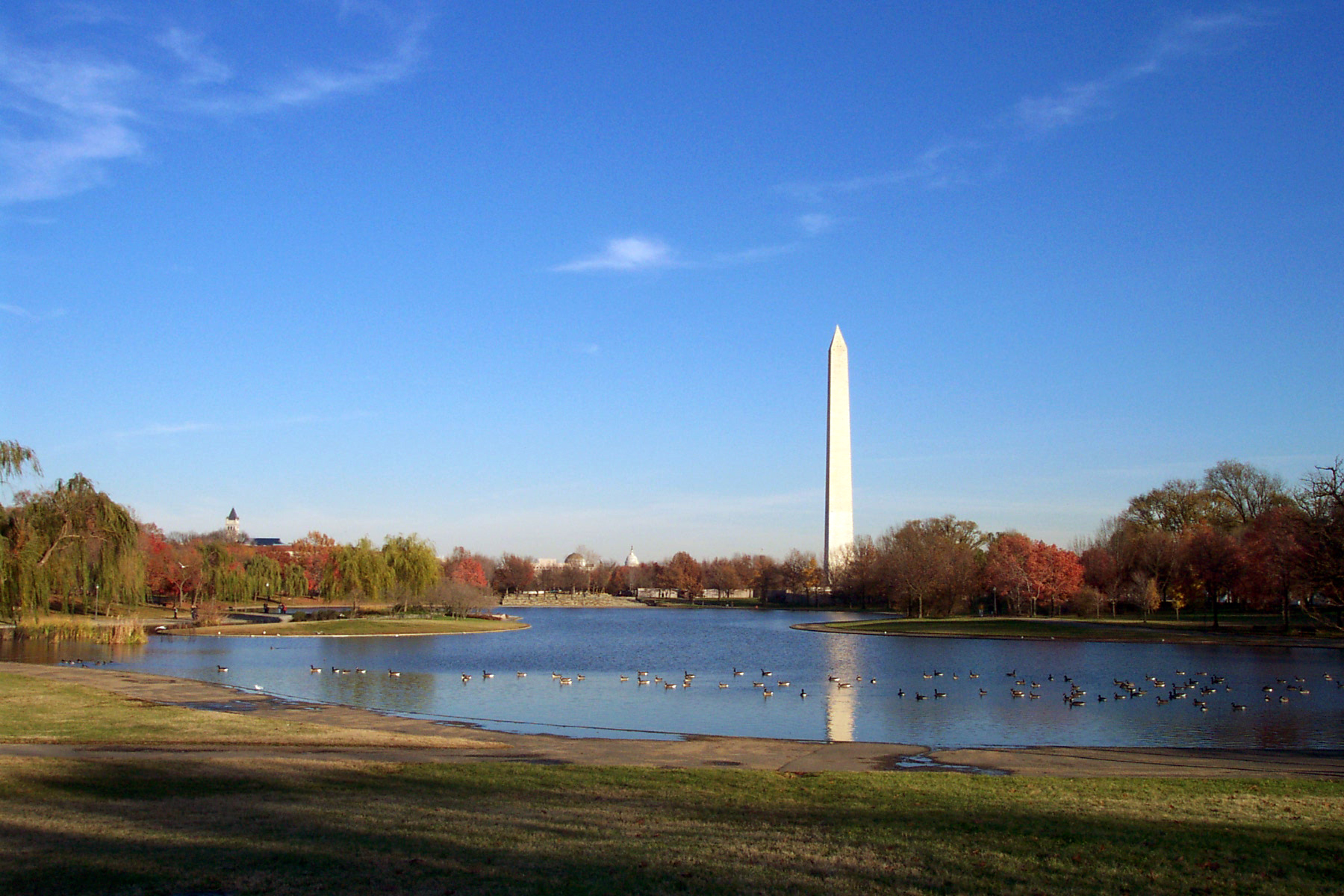
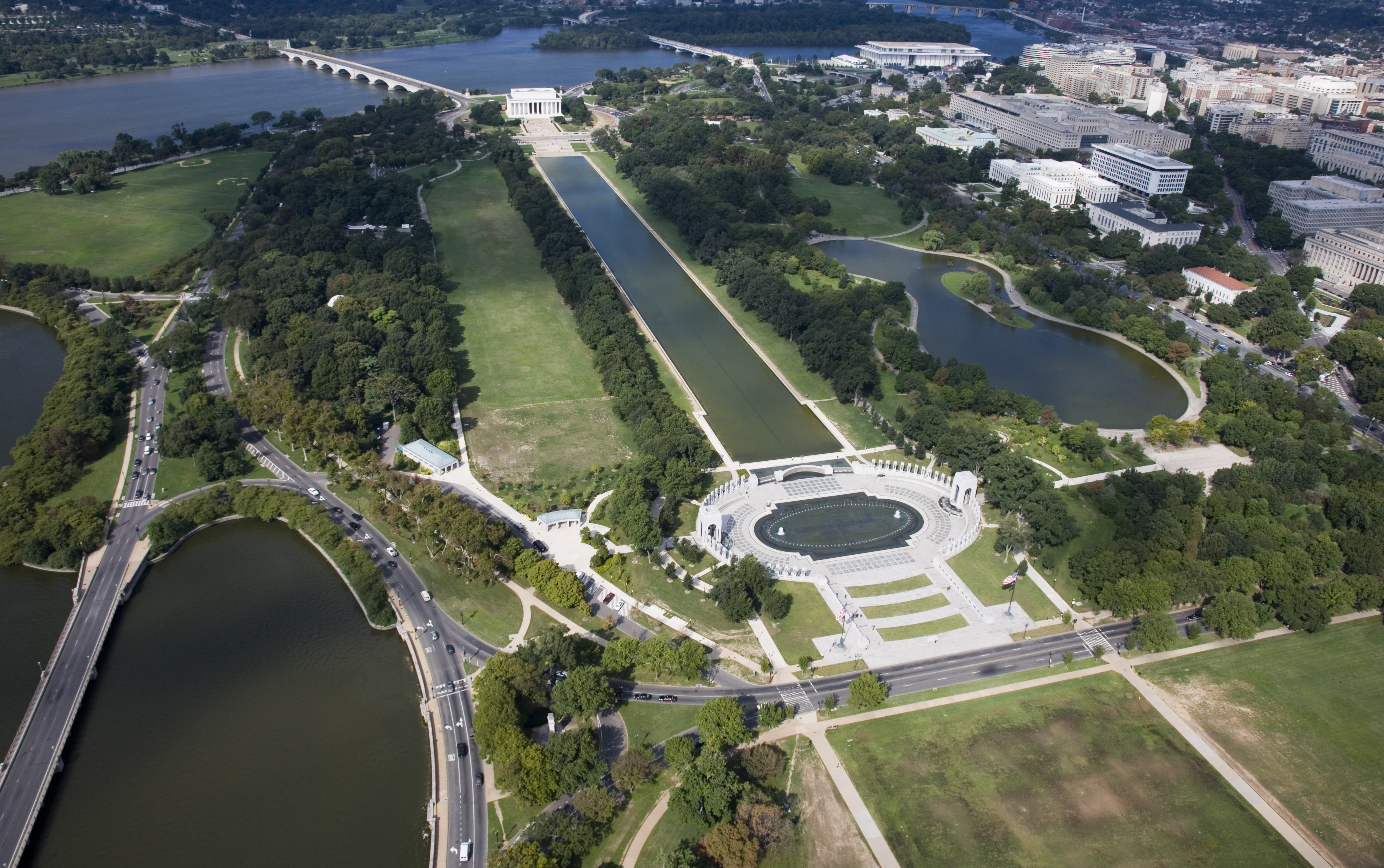
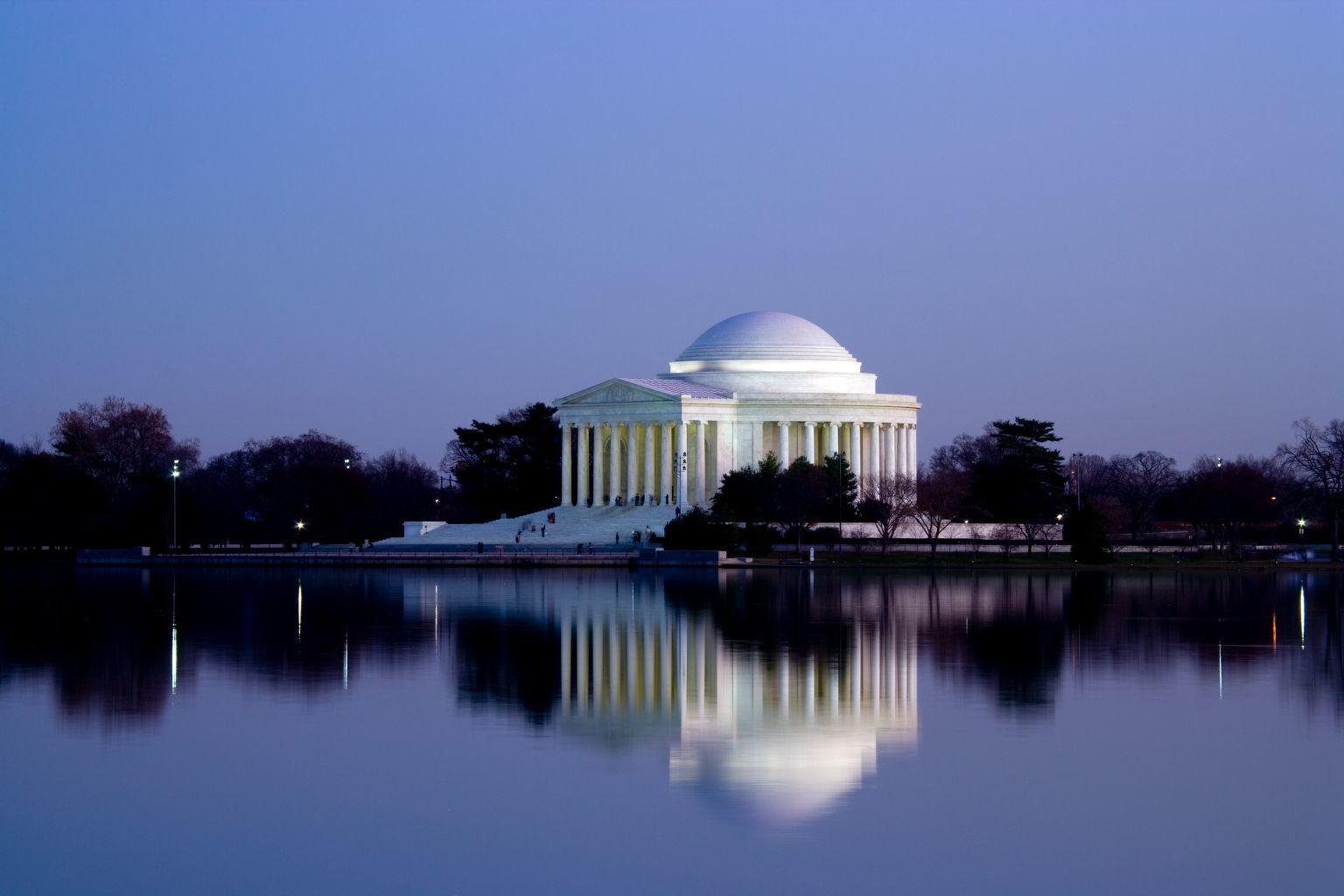
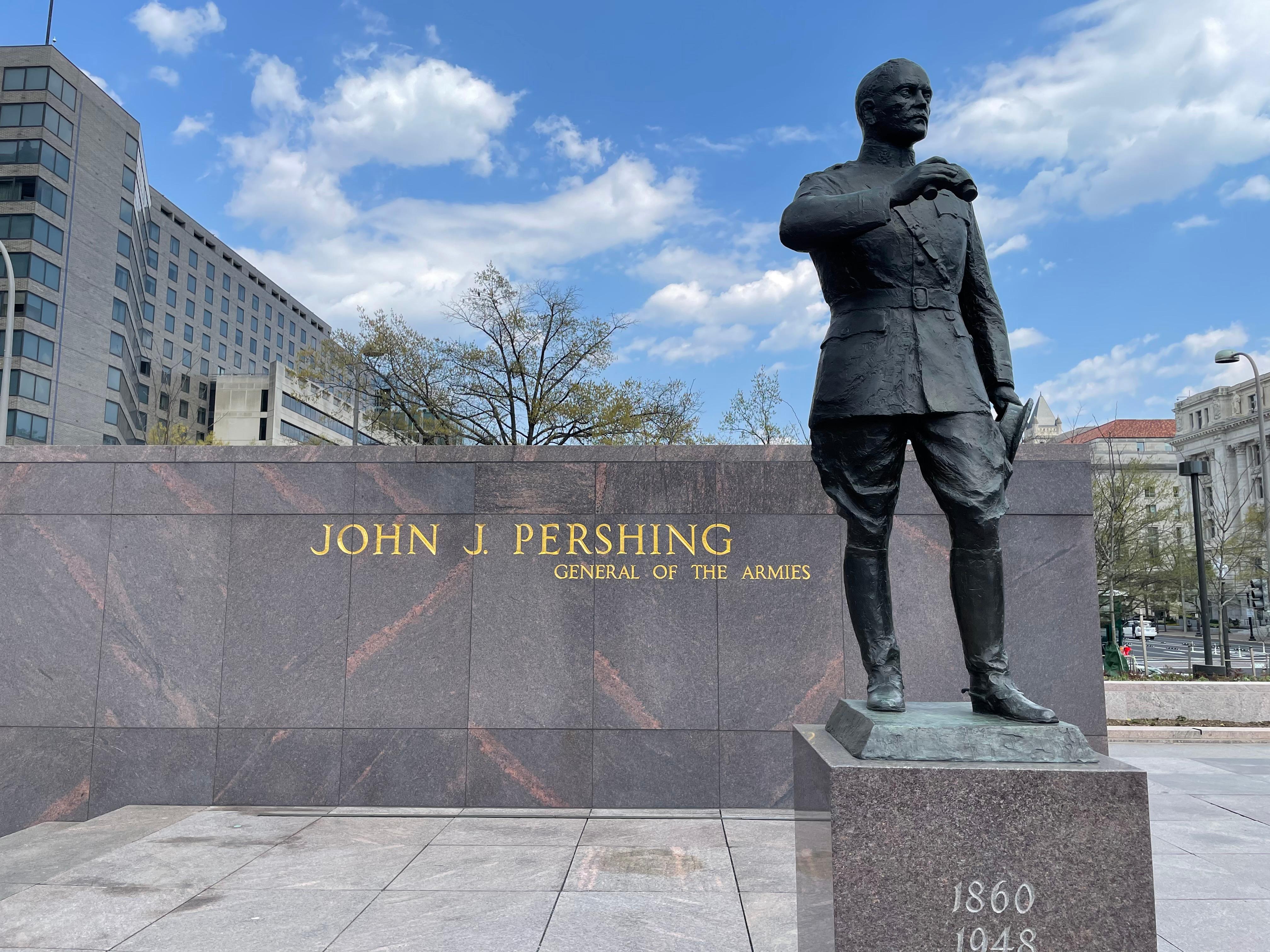
Officially established in 1965, National Mall and Memorial Parks actually protects some of the older parkland in the National Park System. Areas within this premier park provide visitors with ample opportunities to commemorate presidential legacies; honor the courage and sacrifice of war veterans; and celebrate the United States commitment to freedom and equality.
It was a journey of conquest filled with exploration, wonder - and cruelty. Inspired by tales of vast cities of gold, 339 European soldiers and over a thousand Aztec allies embarked on an epic journey through arid deserts and rugged mountains. They encountered rich traditions and brought new technologies. The resulting collision and combination of cultures reverberates today.
A pasturing area at the time of the battle, this Revolutionary War site commemorates the place where Daniel Morgan and his army turned the flanks of Banastre Tarleton's British army. This classic military tactic, known as a double envelopment, secured a patriot victory.
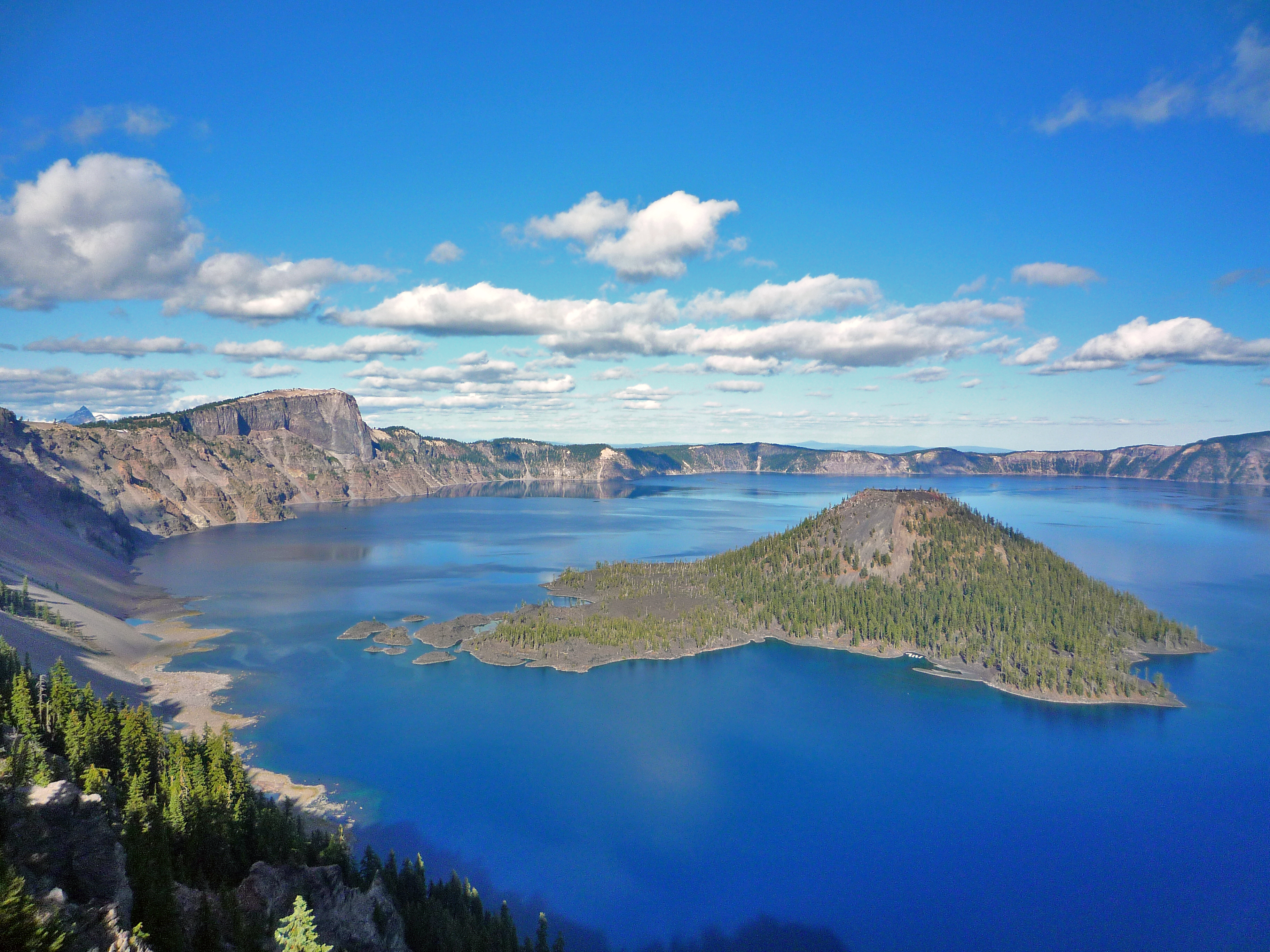
Crater Lake inspires awe. Native Americans witnessed its formation 7,700 years ago, when a violent eruption triggered the collapse of a tall peak. Scientists marvel at its purity—fed by rain and snow, it’s the deepest lake in the USA and one of the most pristine on Earth. Artists, photographers, and sightseers gaze in wonder at its blue water and stunning setting atop the Cascade Mountain Range.
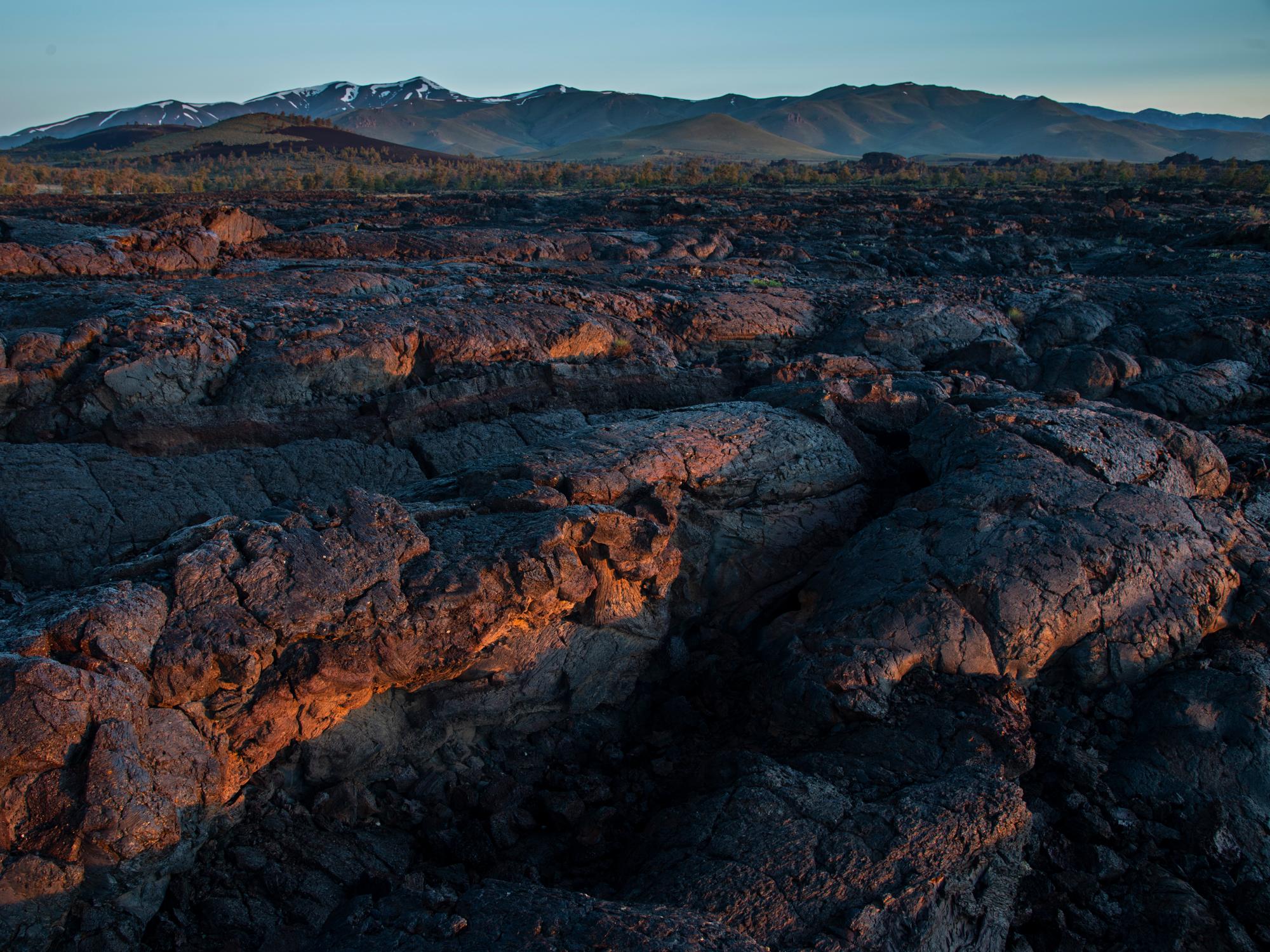
Craters of the Moon is a vast ocean of lava flows with scattered islands of cinder cones and sagebrush. We invite you to explore this "weird and scenic landscape" where yesterday's volcanic events are likely to continue tomorrow.
Cumberland Gap was the first great gateway to the west. Come follow the path of bison, Native Americans, longhunters, and pioneers. Walk where 300,000 people crossed the Appalachians to settle America. Explore 85 miles of trails and 14,000 acres of wilderness. Stand in 3 states at once. Explore a cave, see Hensley Settlement, or camp under the stars. Come find your connection to Cumberland Gap.
St Marys is the gateway to Cumberland Island, Georgia's largest and southernmost barrier island. Here pristine maritime forests, undeveloped beaches and wide marshes whisper the stories of both man and nature. Natives, missionaries, enslaved African Americans and Wealthy Industrialists all walked here. Cumberland Island is also home to over 9,800 acres of Congressionally designated Wilderness.
Three reservoirs and surrounding lands make up this recreation area in western Colorado. It is a landscape of tradeoffs; natural and human made features exist together. Geologic wonders are abundant from the sagebrush shrublands to forests. Visitors can experience the park year-round on both land and water.
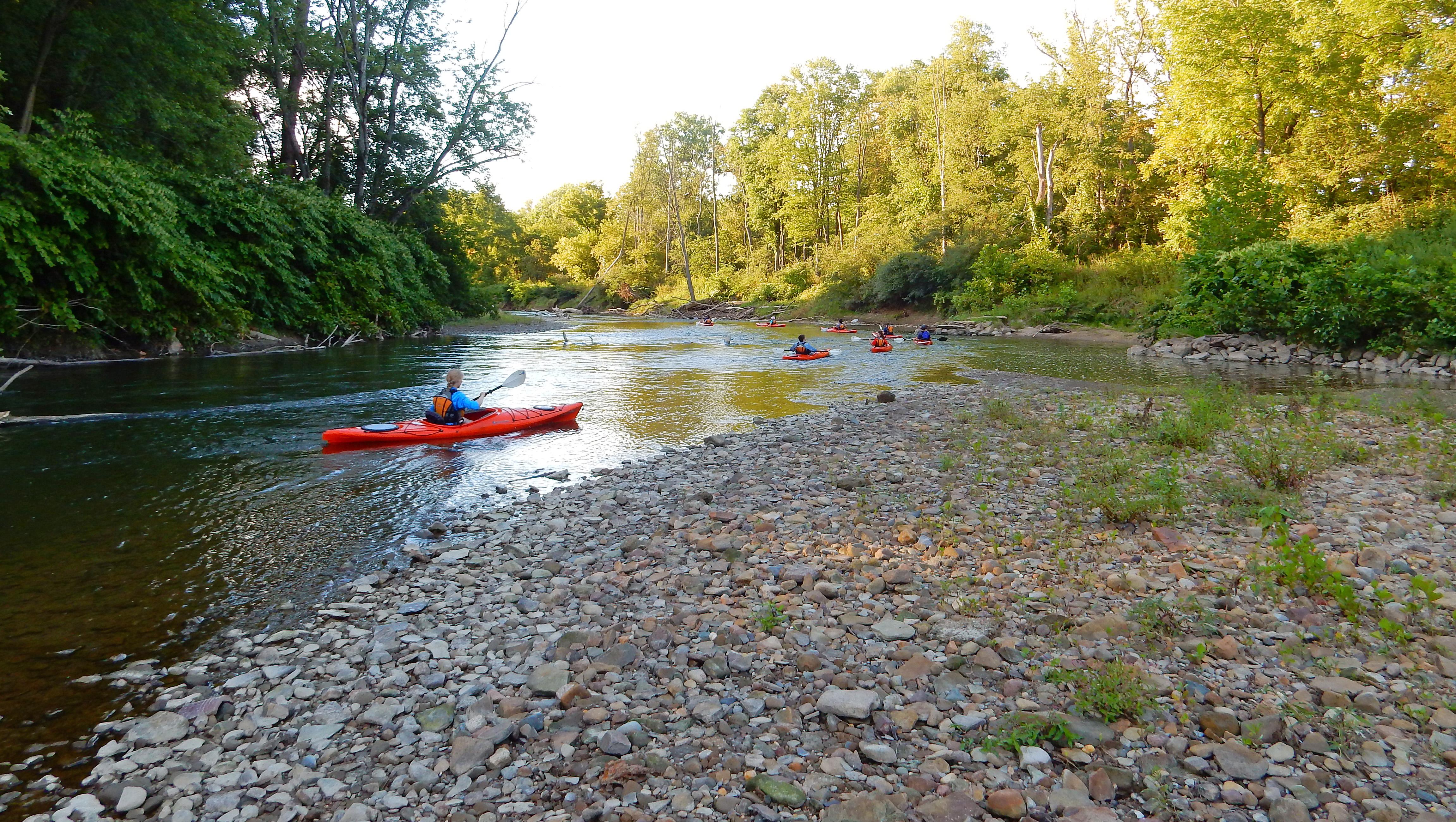
Though a short distance from the urban areas of Cleveland and Akron, Cuyahoga Valley National Park seems worlds away. The park is a refuge for native plants and wildlife, and provides routes of discovery for visitors. The winding Cuyahoga River gives way to deep forests, rolling hills, and open farmlands. Walk or ride the Towpath Trail to follow the historic route of the Ohio & Erie Canal.
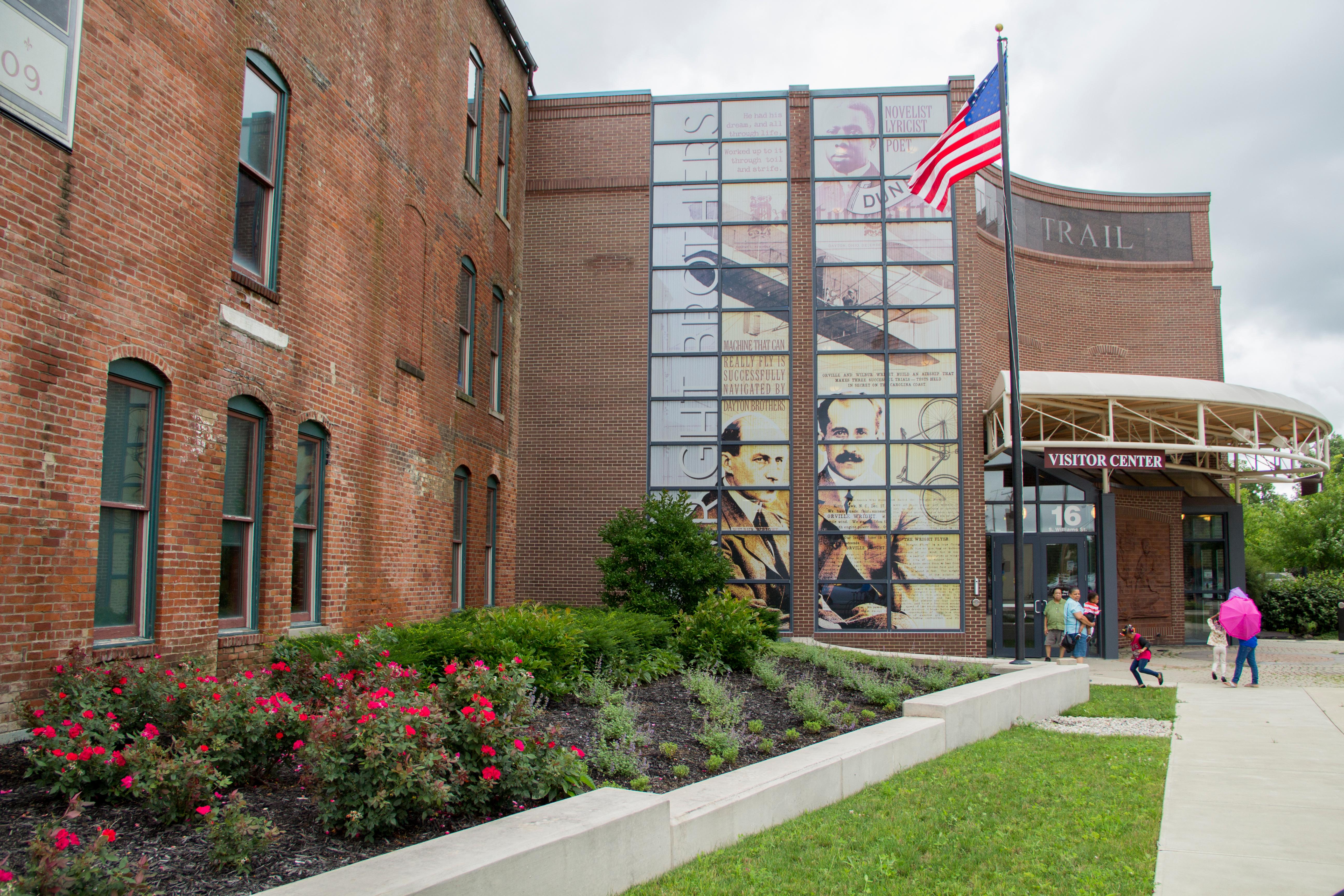
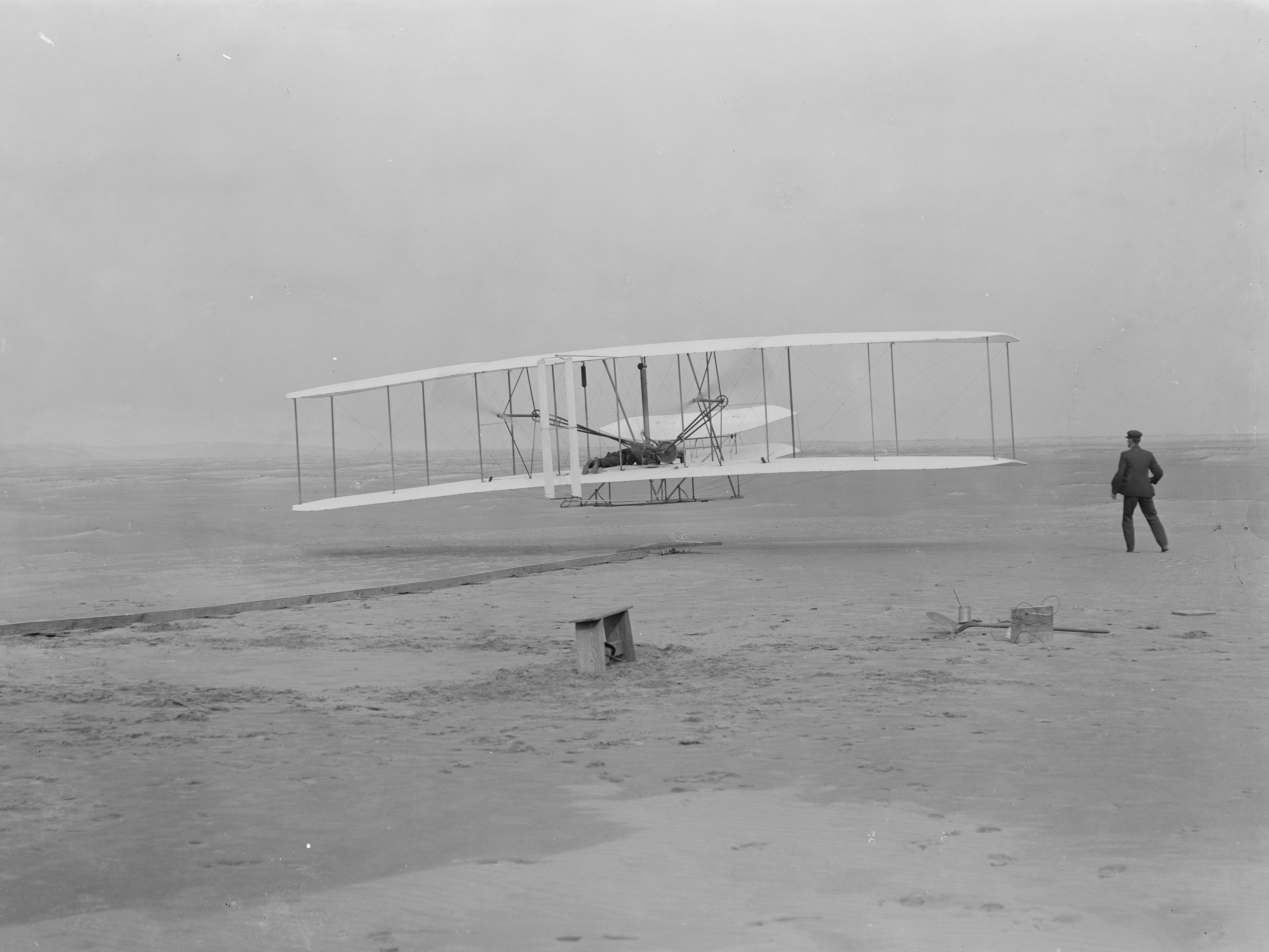
Dayton Aviation Heritage National Historical Park was established to honor the lives and achievements of poet and author Paul Laurence Dunbar and aviation pioneers Wilbur and Orville Wright. Through perseverance and dedication Orville, Wilbur and Paul were able to overcome obstacles in their lives and leave their respective marks on history. Start your visit at one of our locations today.
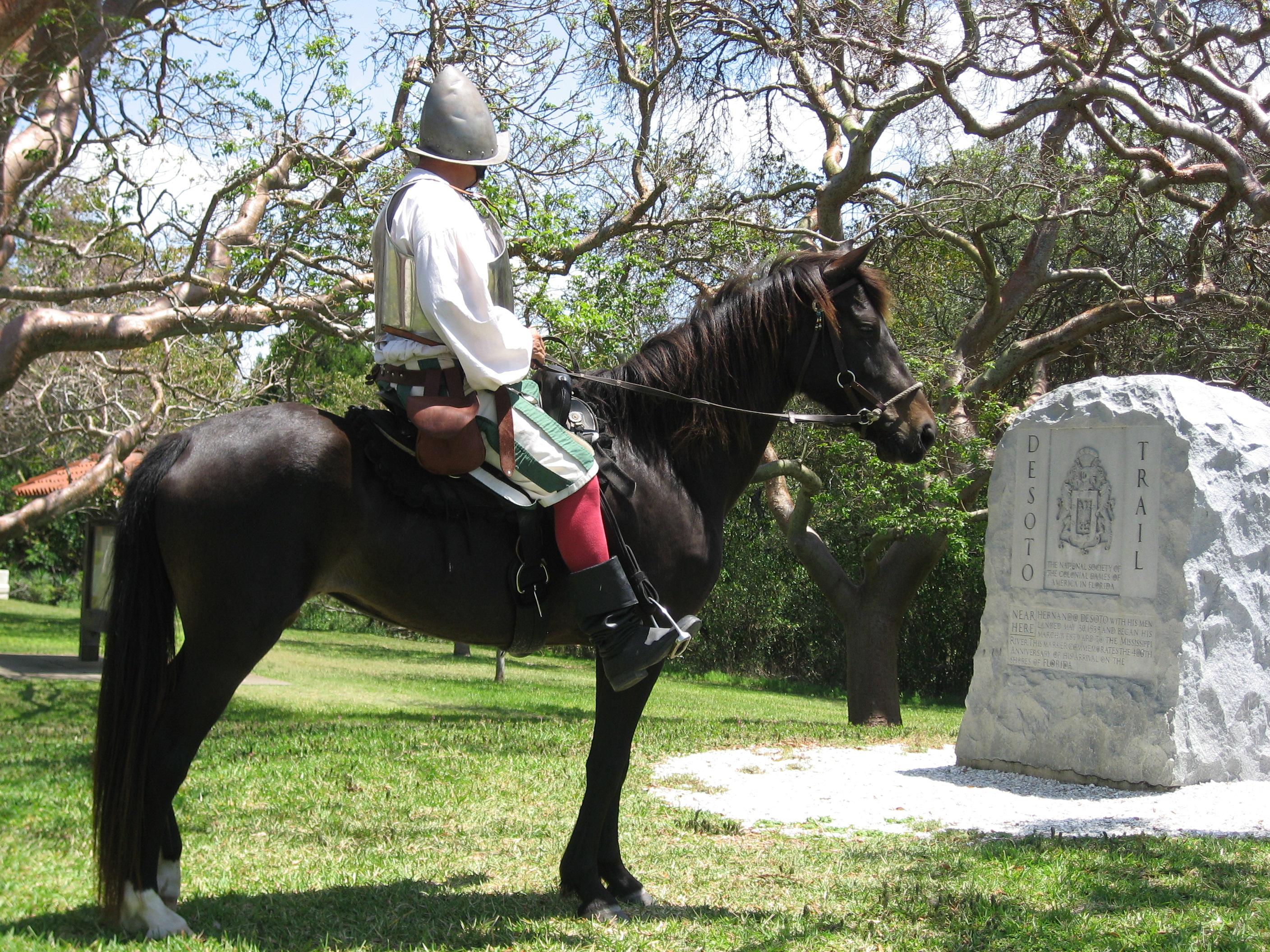
In May 1539, Conquistador Hernando de Soto’s army of soldiers, hired mercenaries, craftsmen, and clergy made landfall in Tampa Bay. They were met with fierce resistance of indigenous people protecting their homelands. De Soto’s quest for glory and gold would be a four year, four thousand mile odyssey of intrigue, warfare, disease, and discovery that would form the history of the United States.
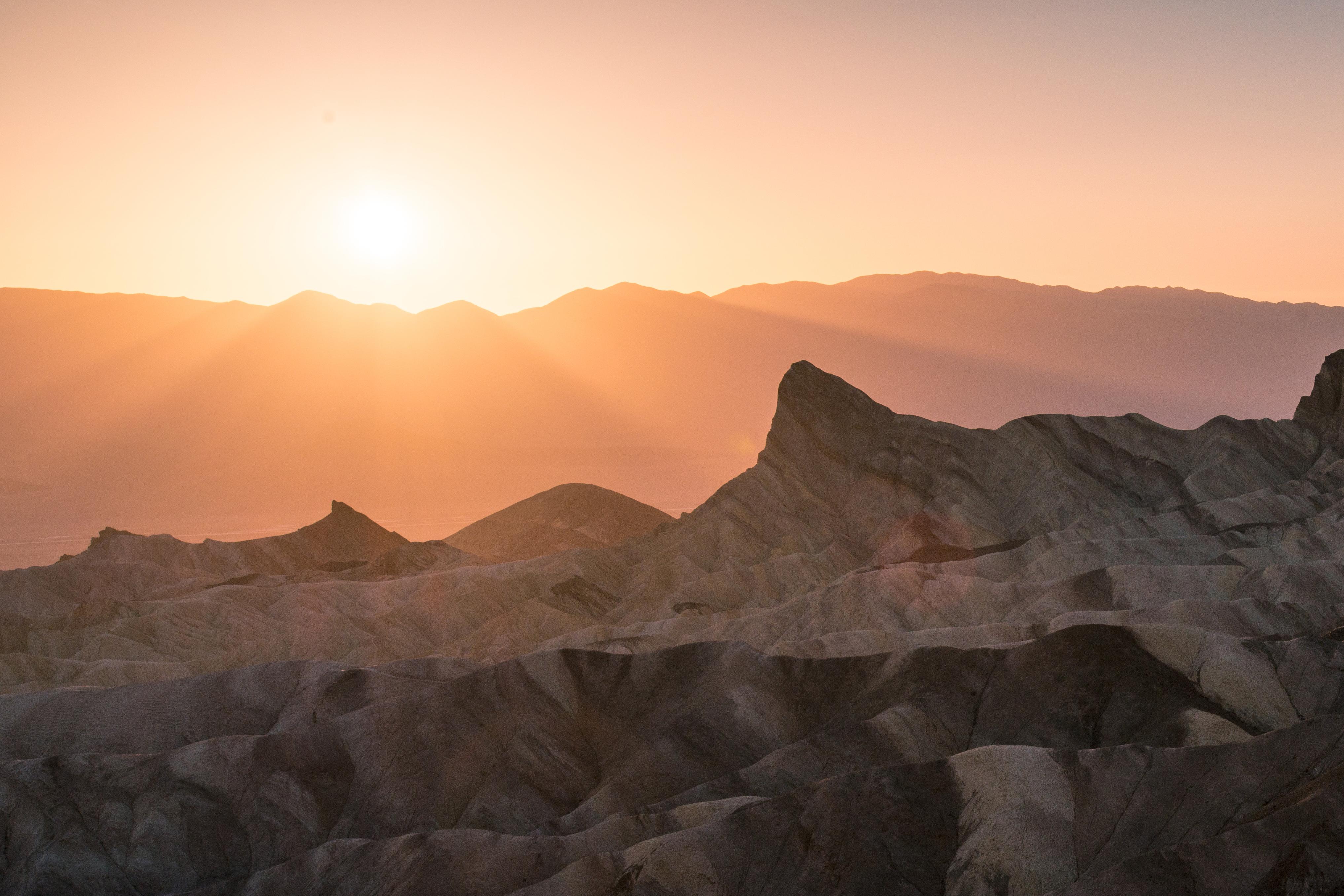
In this below-sea-level basin, steady drought and record summer heat make Death Valley a land of extremes. Yet, each extreme has a striking contrast. Towering peaks are frosted with winter snow. Rare rainstorms bring vast fields of wildflowers. Lush oases harbor tiny fish and refuge for wildlife and humans. Despite its morbid name, a great diversity of life thrives in Death Valley.
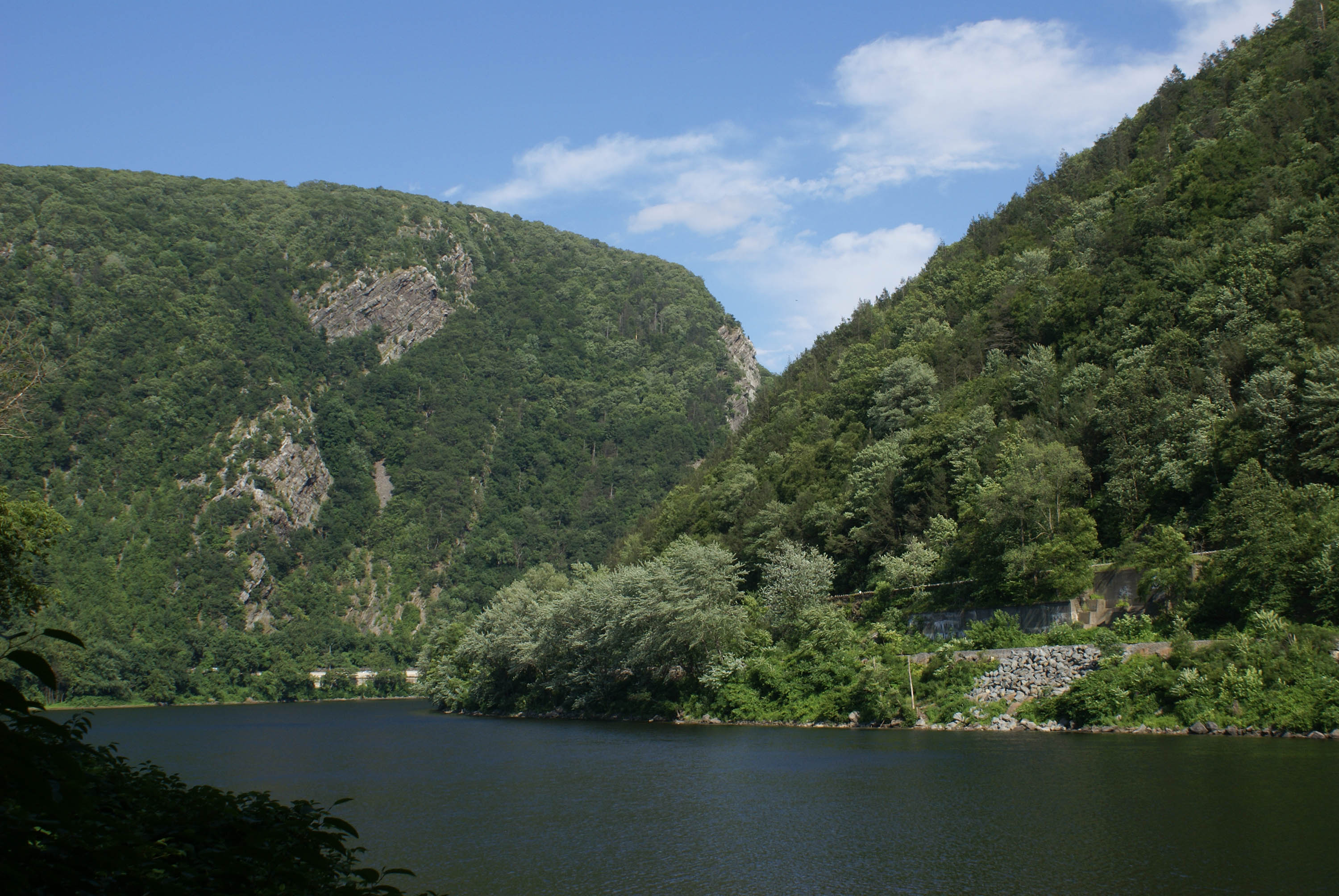
Situated within the most densely populated region of the United States, Delaware Water Gap National Recreation Area provides a unique opportunity to experience tranquil landscapes, rich human history, and striking scenery along 40 miles of the longest free-flowing river east of the Mississippi. The park offers year-round recreation including hiking, paddling, fishing, and hunting.
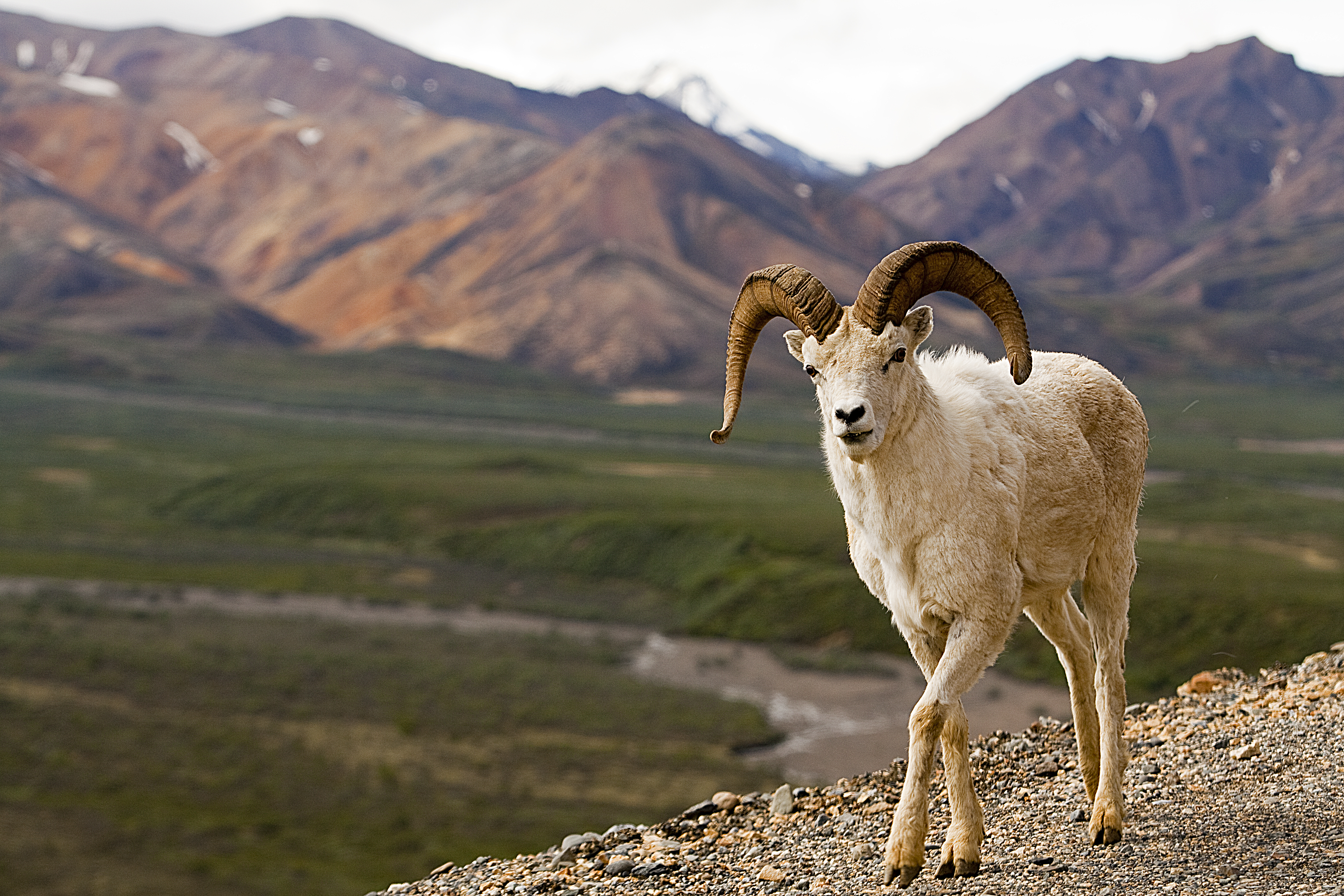
Denali is six million acres of wild land, bisected by one ribbon of road. Travelers along it see the relatively low-elevation taiga forest give way to high alpine tundra and snowy mountains, culminating in North America's tallest peak, 20,310' Mount McKinley. Wild animals large and small roam un-fenced lands, living as they have for ages. Solitude, tranquility and wilderness await.
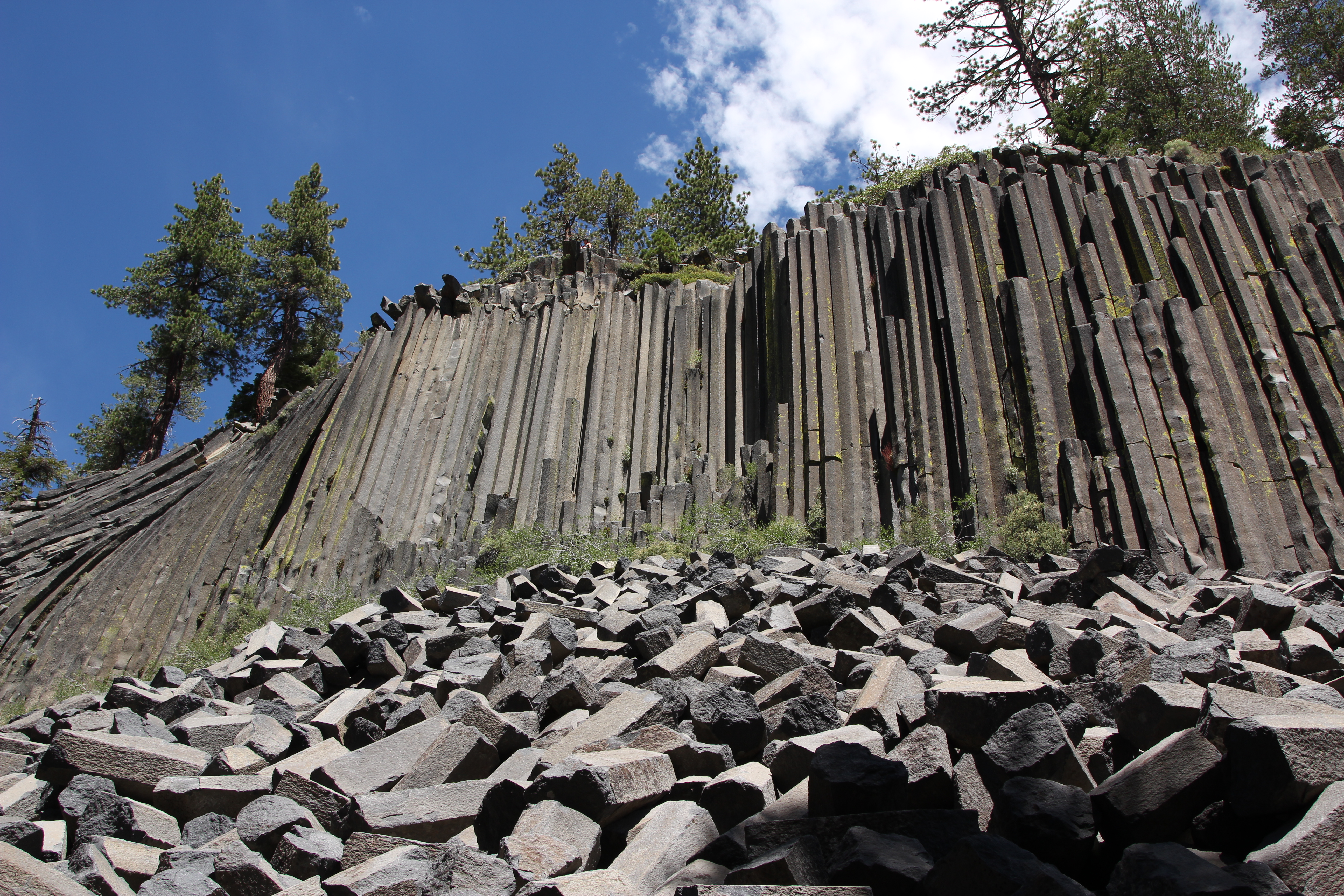
Established in 1911 by presidential proclamation, Devils Postpile National Monument protects and preserves the Devils Postpile formation, the 101-foot high Rainbow Falls, and pristine mountain scenery. The formation is a rare sight in the geologic world and ranks as one of the world's finest examples of columnar basalt. Its' columns tower up to 60 feet and display a striking symmetry.
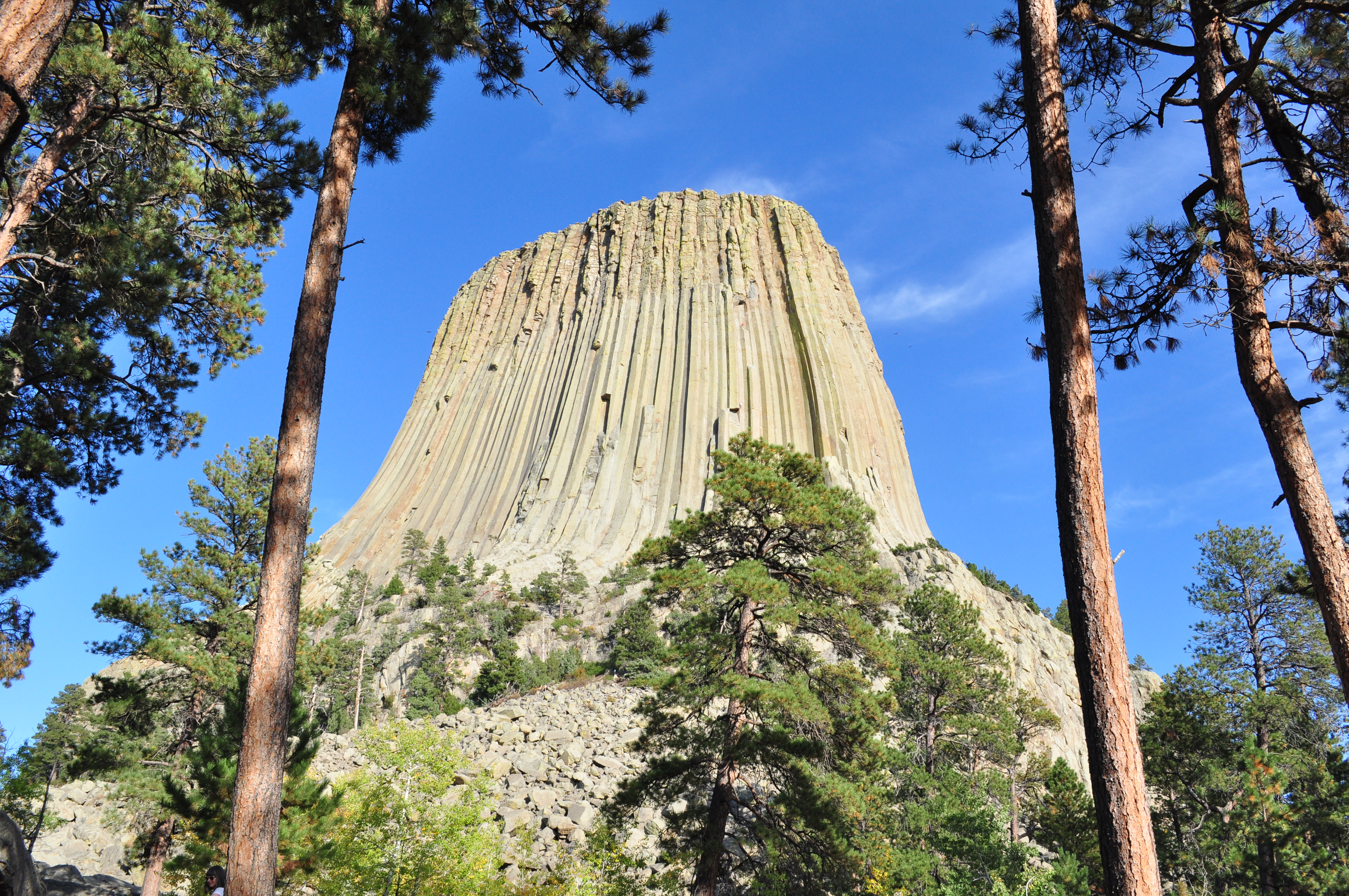
The Tower is an astounding geologic feature that protrudes out of the prairie surrounding the Black Hills. It is considered sacred by Northern Plains Indians and indigenous people. Hundreds of parallel cracks make it one of the finest crack climbing areas in North America. Devils Tower entices us to learn more, explore more and define our place in the natural and cultural world.
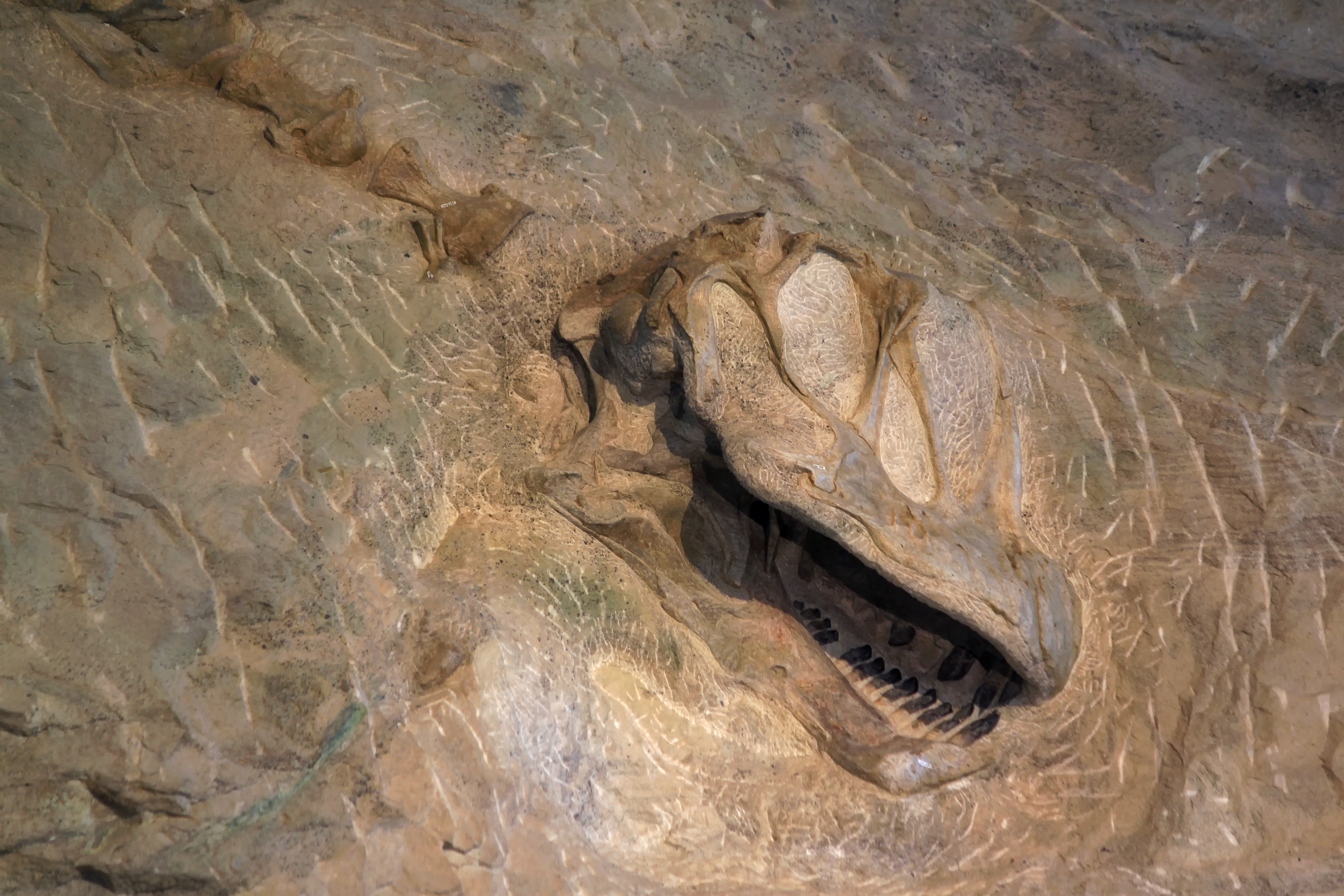
150 million years ago, dinosaurs roamed here. Their fossils are still embedded in the rocks. Today, mountains, desert, and rivers flowing in canyons support a variety of life. Petroglyphs reveal the lives and connections of Indigenous people to this land. Homesteaders and outlaws found refuge here. Whether your passion is science, adventure, history, or scenery, Dinosaur offers much to explore.
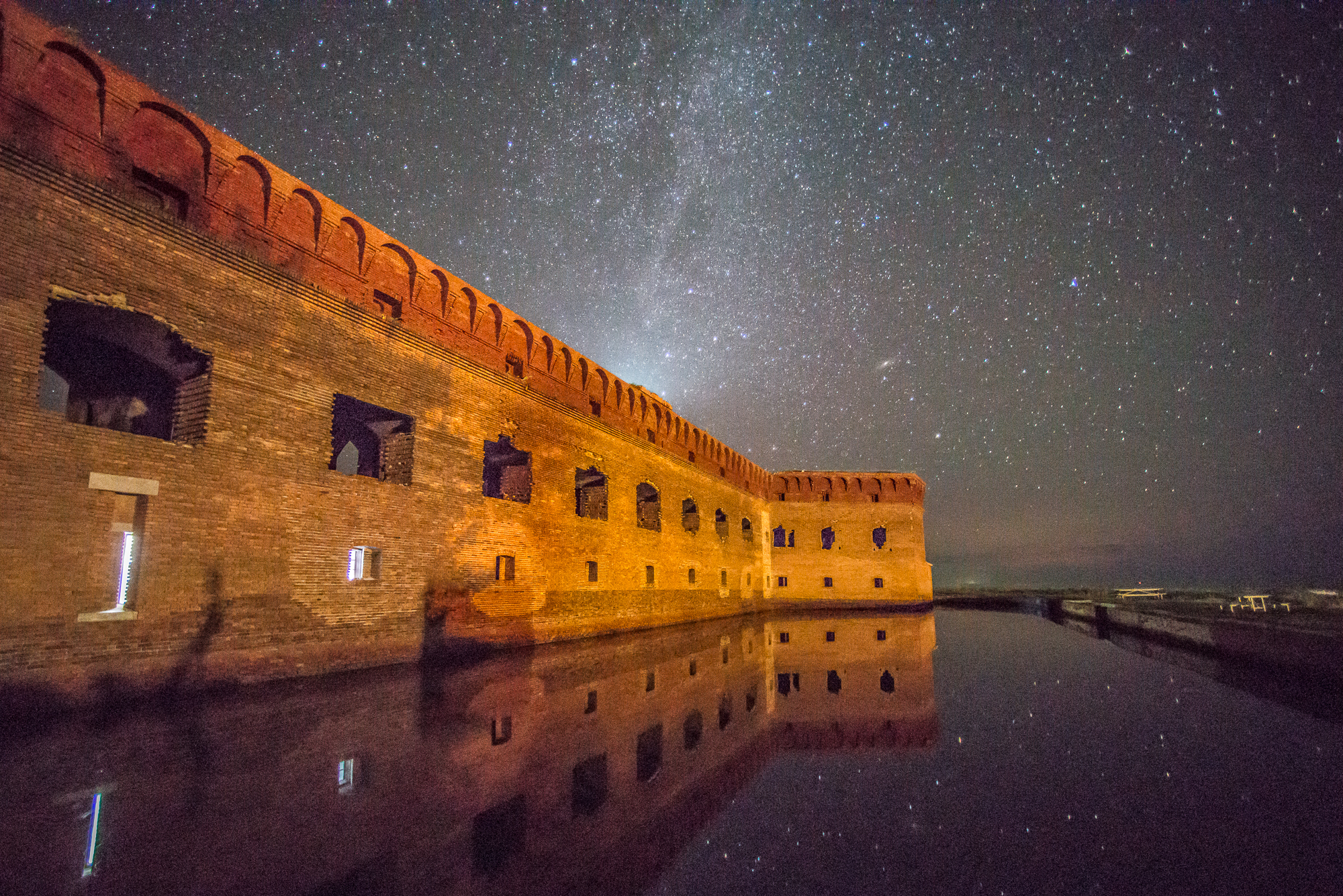
Almost 70 miles (113 km) west of Key West lies the remote Dry Tortugas National Park. This 100-square mile park is mostly open water with seven small islands. Accessible only by boat or seaplane, the park is known the world over as the home of magnificent Fort Jefferson, picturesque blue waters, superlative coral reefs and marine life, and the vast assortment of bird life that frequents the area.
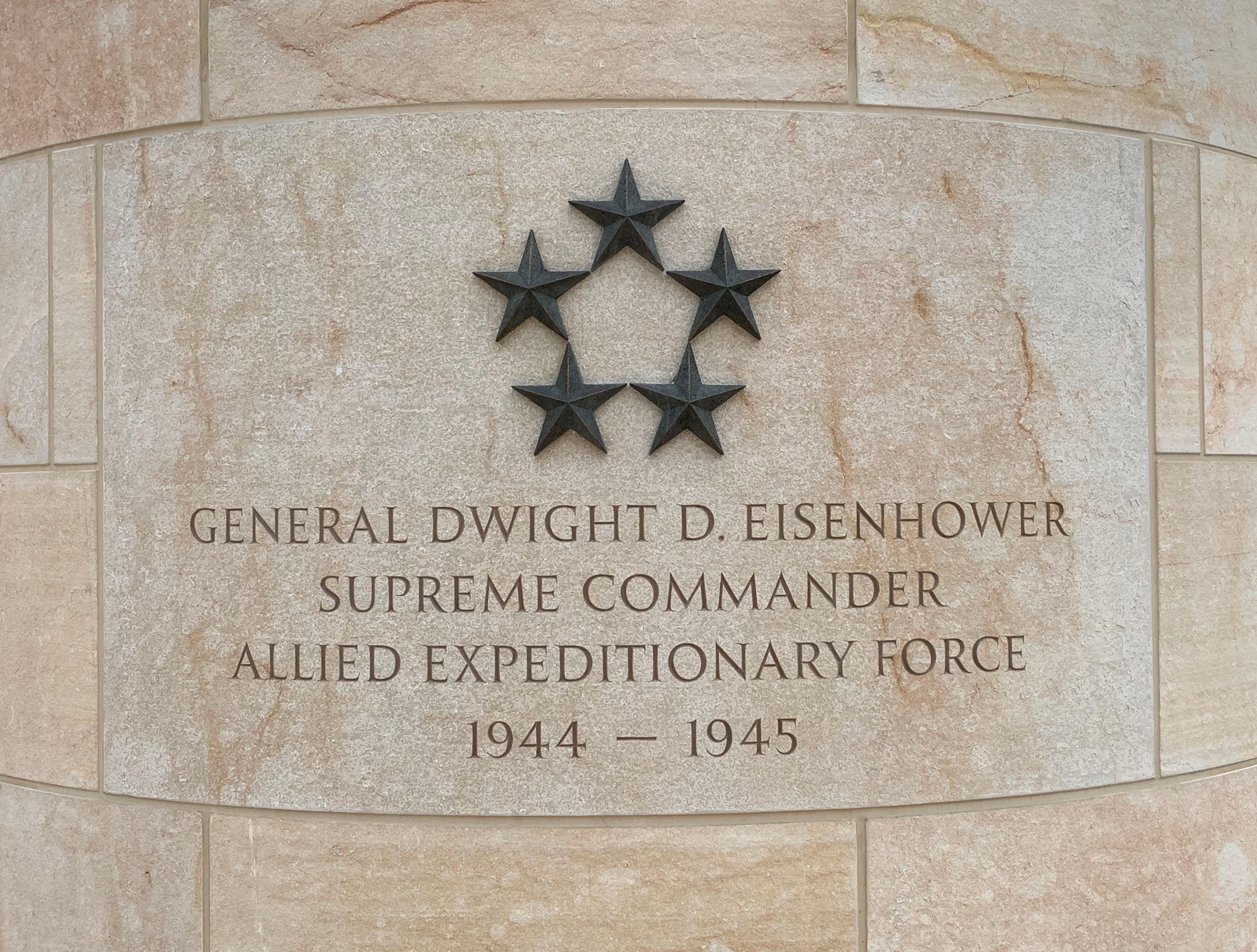
The Dwight D. Eisenhower Memorial tells the story of one of America's greatest leaders of the 20th century.
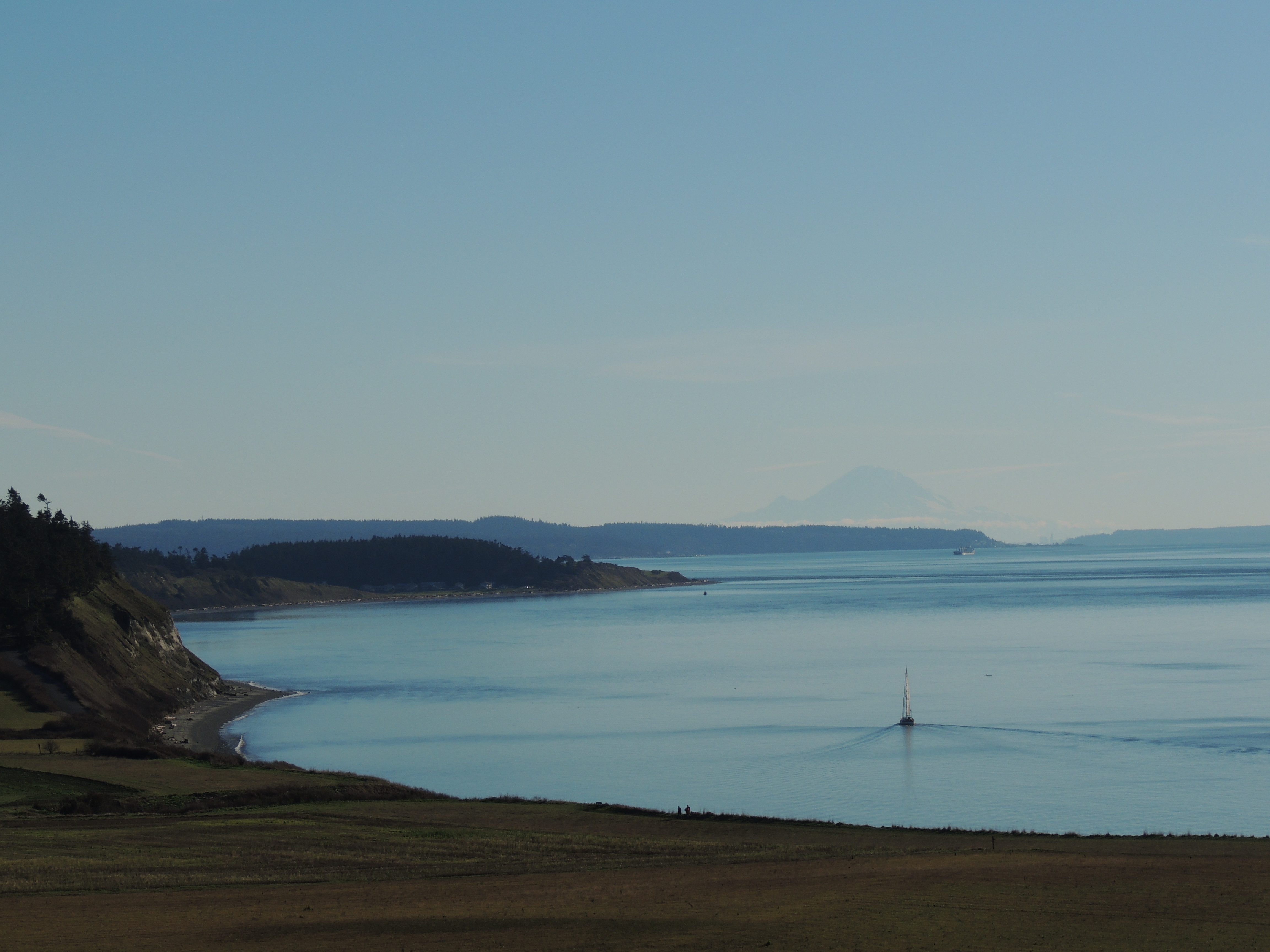
This stunning landscape on the Salish Sea, with its rich farmland and promising seaport, lured the earliest American pioneers north of the Columbia River to Ebey’s Landing. Today Ebey’s Landing National Historical Reserve preserves the historical, agricultural and cultural traditions of both Native and Euro-American – while offering spectacular opportunities for recreation.
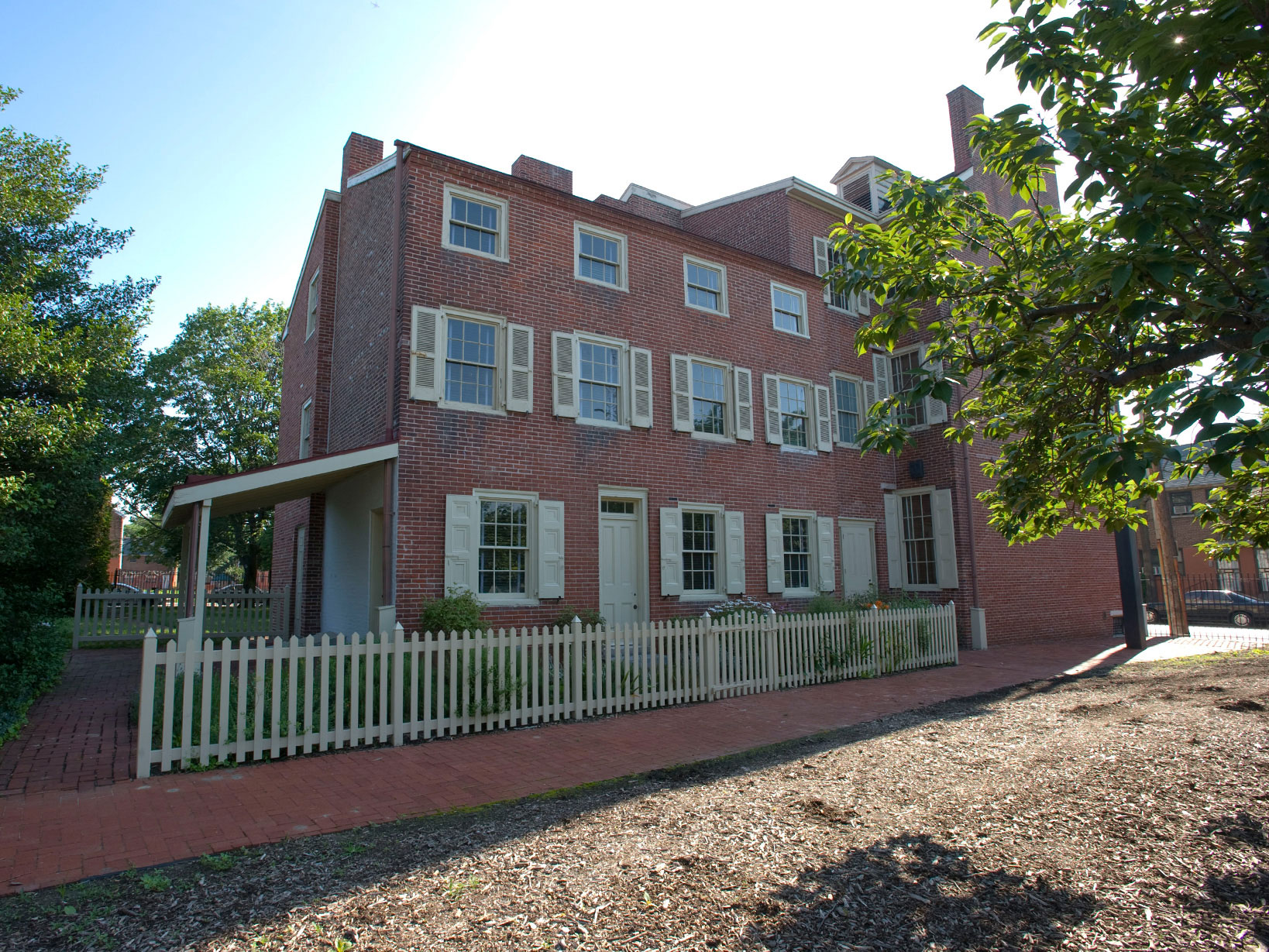
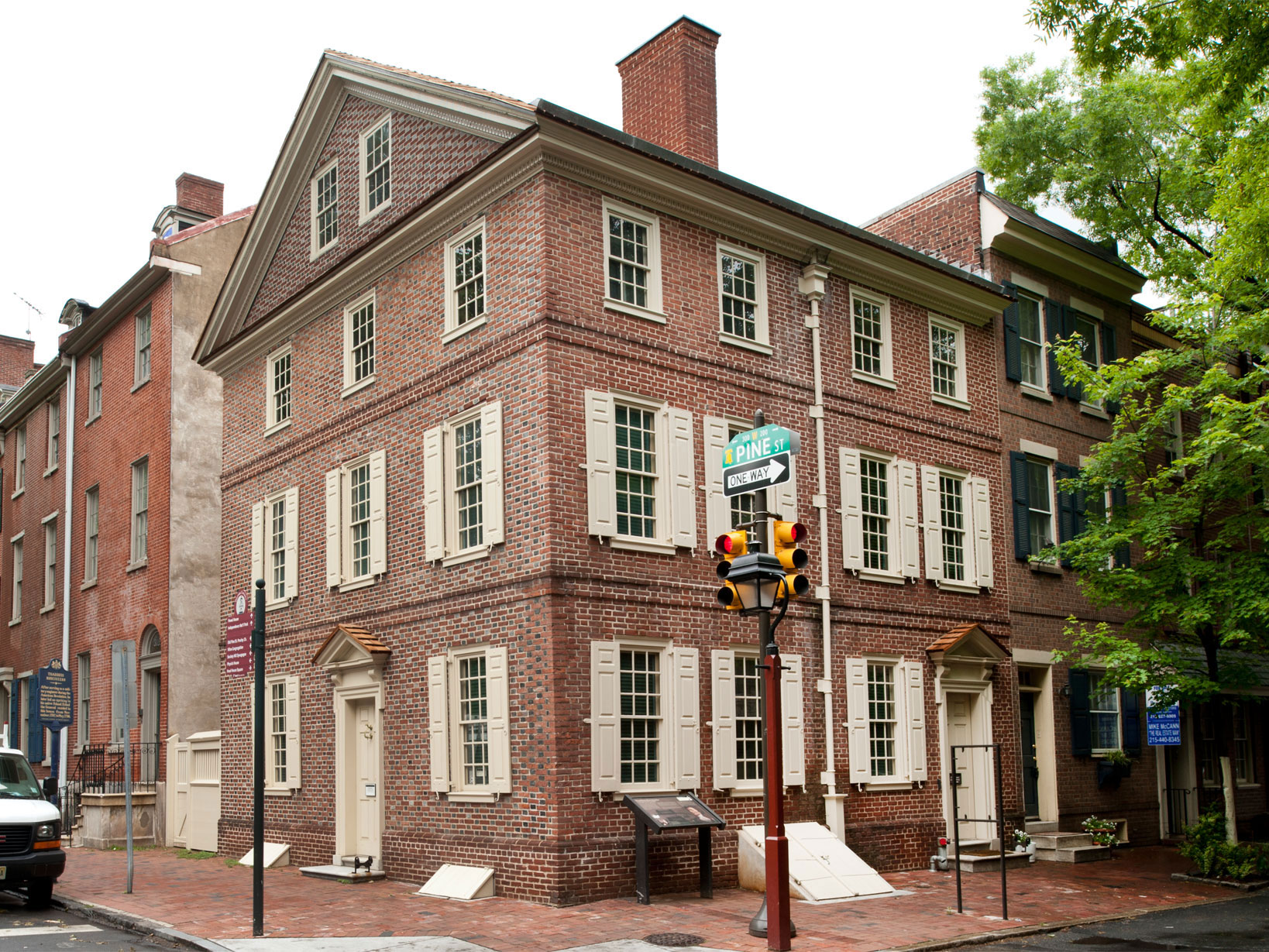
Described as horrifying, mystifying, and brilliant, Poe’s writing has engaged readers all over the world. The six years Edgar Allan Poe lived in Philadelphia were his happiest and most productive. Yet Poe also struggled with bad luck, personal demons and his wife’s illness. In Poe’s humble home, reflect on the human spirit surmounting crushing obstacles, and celebrate Poe’s astonishing creativity.
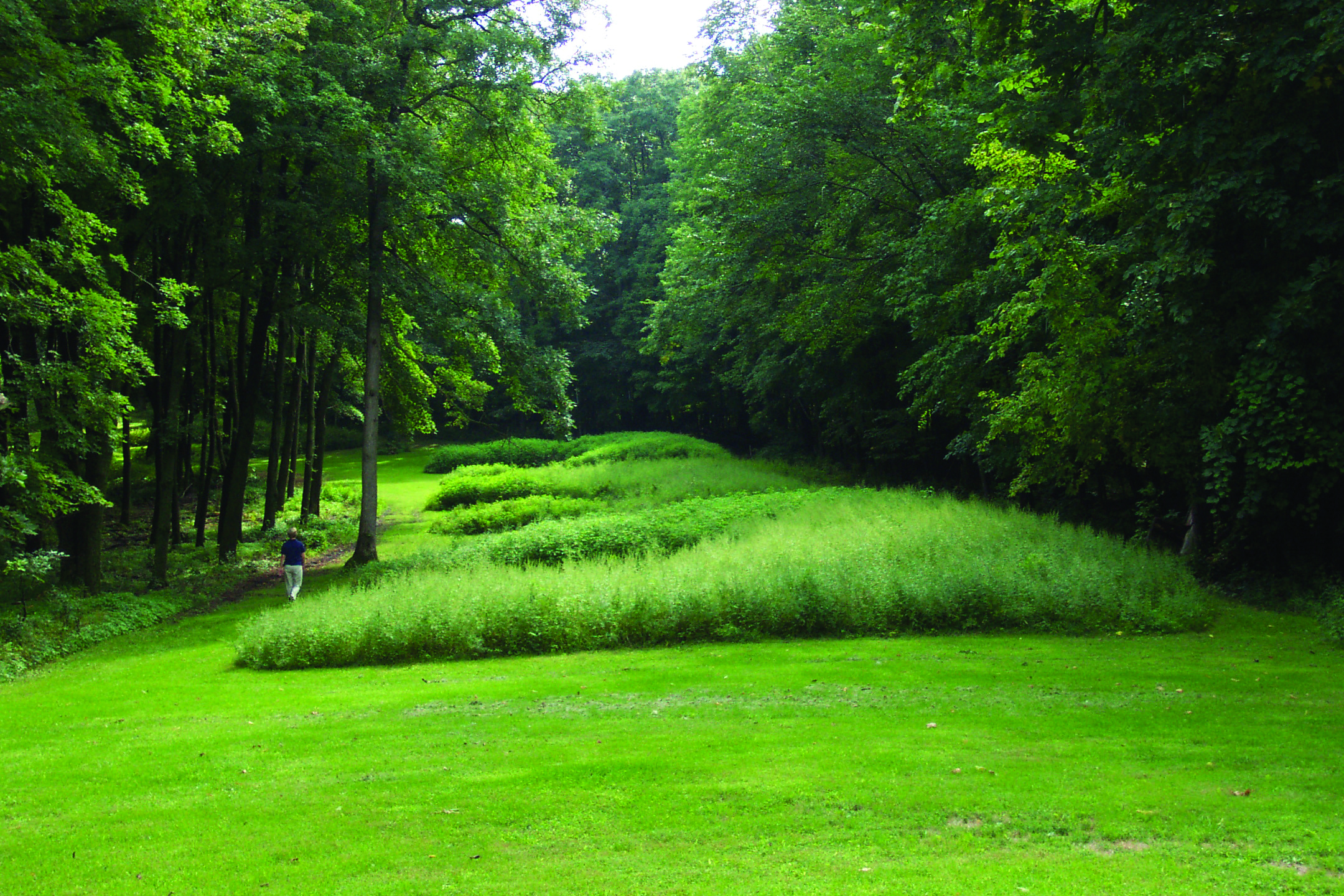
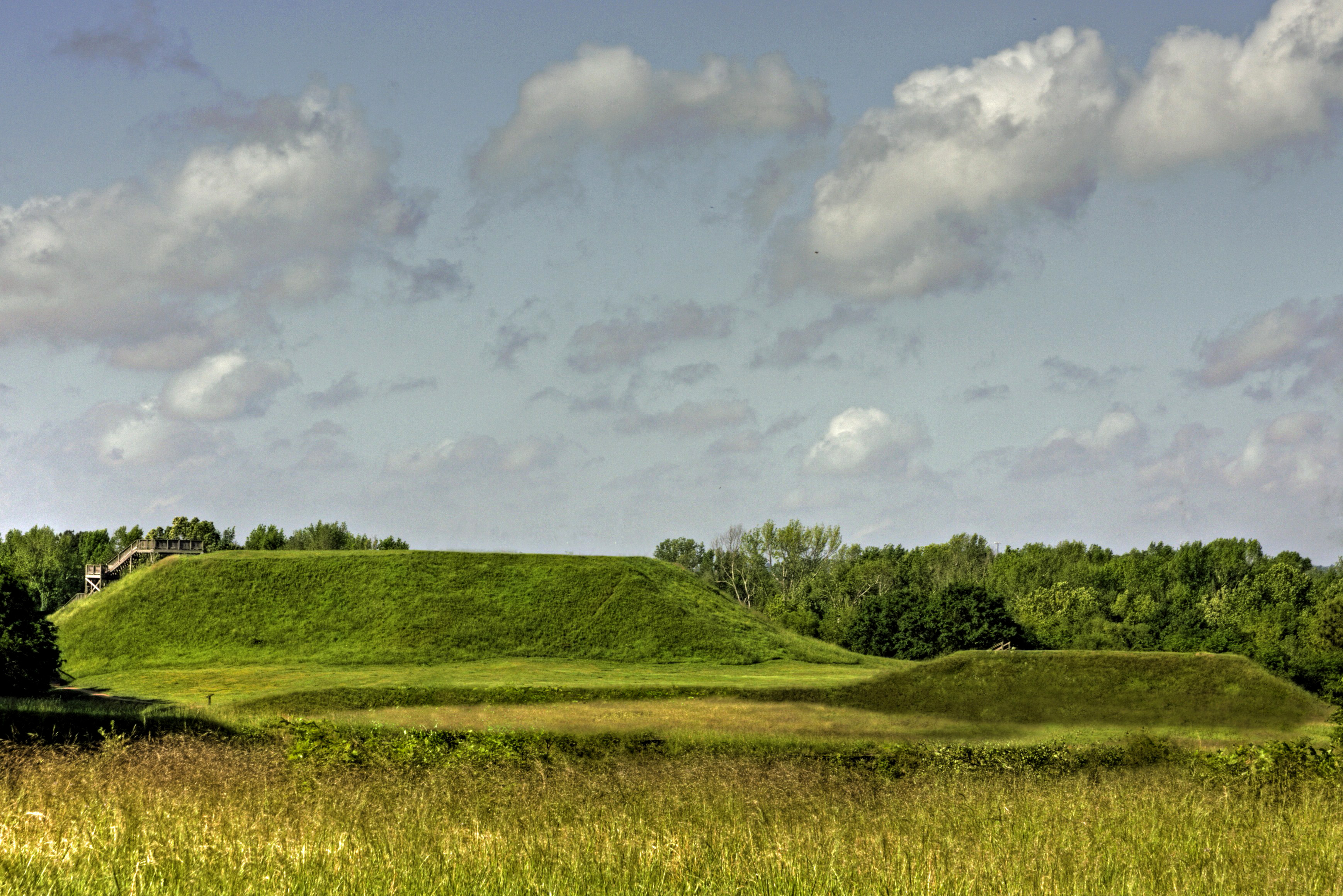
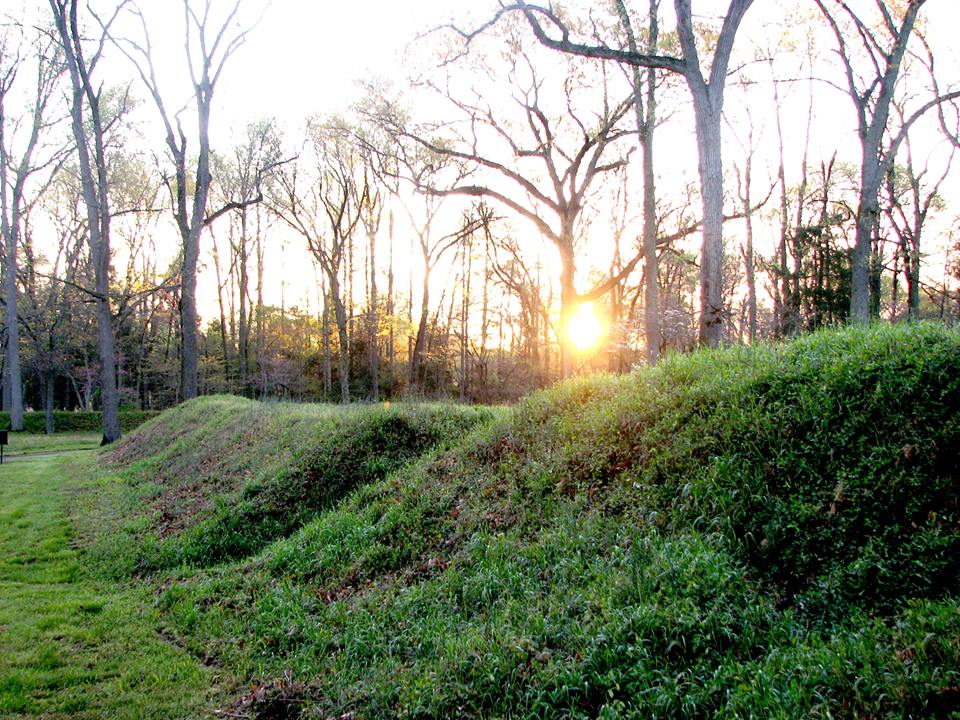
The mounds preserved here are considered sacred by many Americans, especially the Monument's 20 culturally associated American Indian tribes. A visit offers opportunities to contemplate the meanings of the mounds and the people who built them. The 200 plus American Indian mounds are located in one of the most picturesque sections of the Upper Mississippi River Valley.
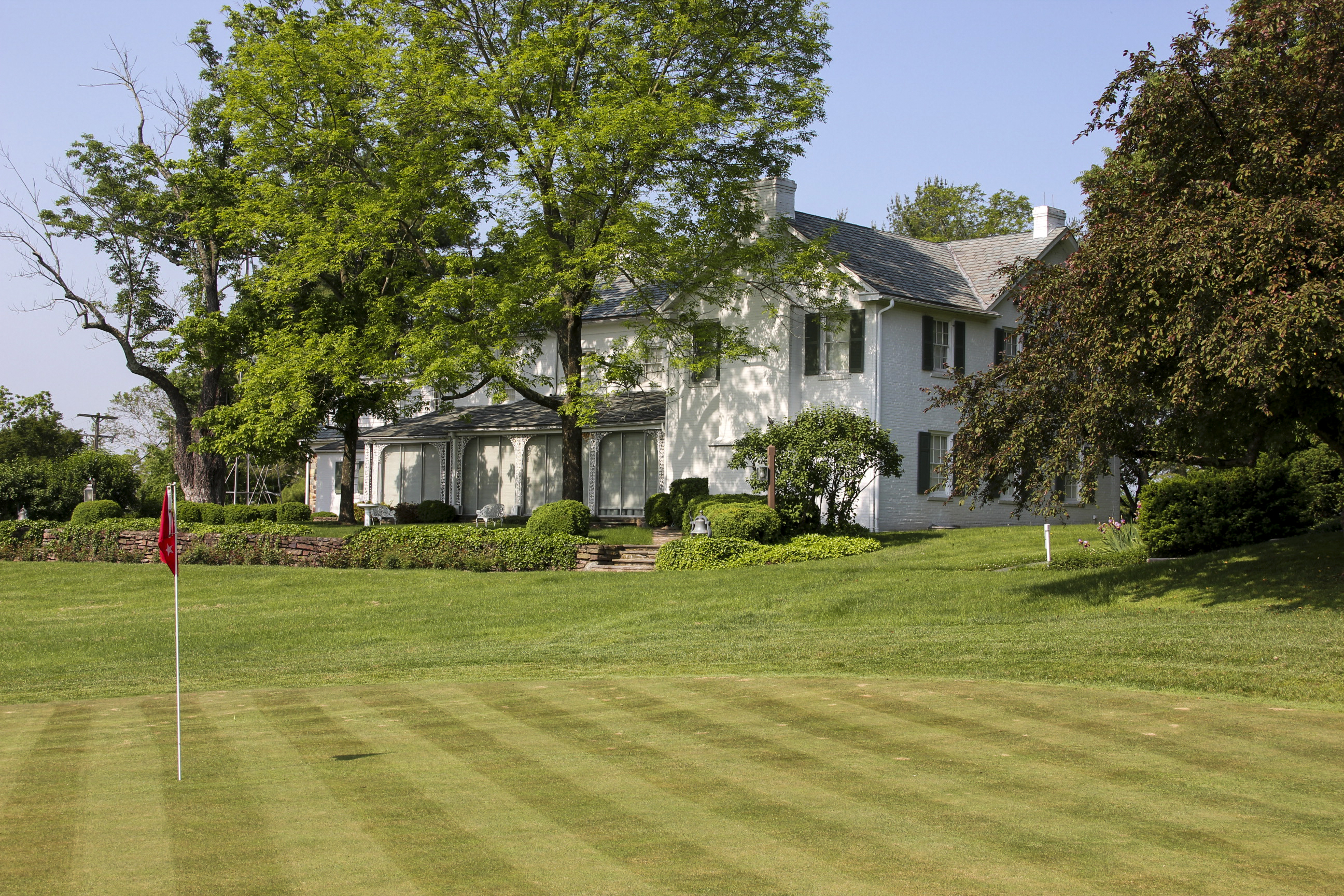
Eisenhower National Historic Site preserves the farm of General and 34th President Dwight D. Eisenhower. Adjacent to the Gettysburg battlefield, the farm served the president and first lady as a weekend retreat and as a meeting place for world leaders. With its peaceful setting and view of South Mountain, it was a respite from Washington, DC, and a backdrop for efforts to reduce Cold War tensions.
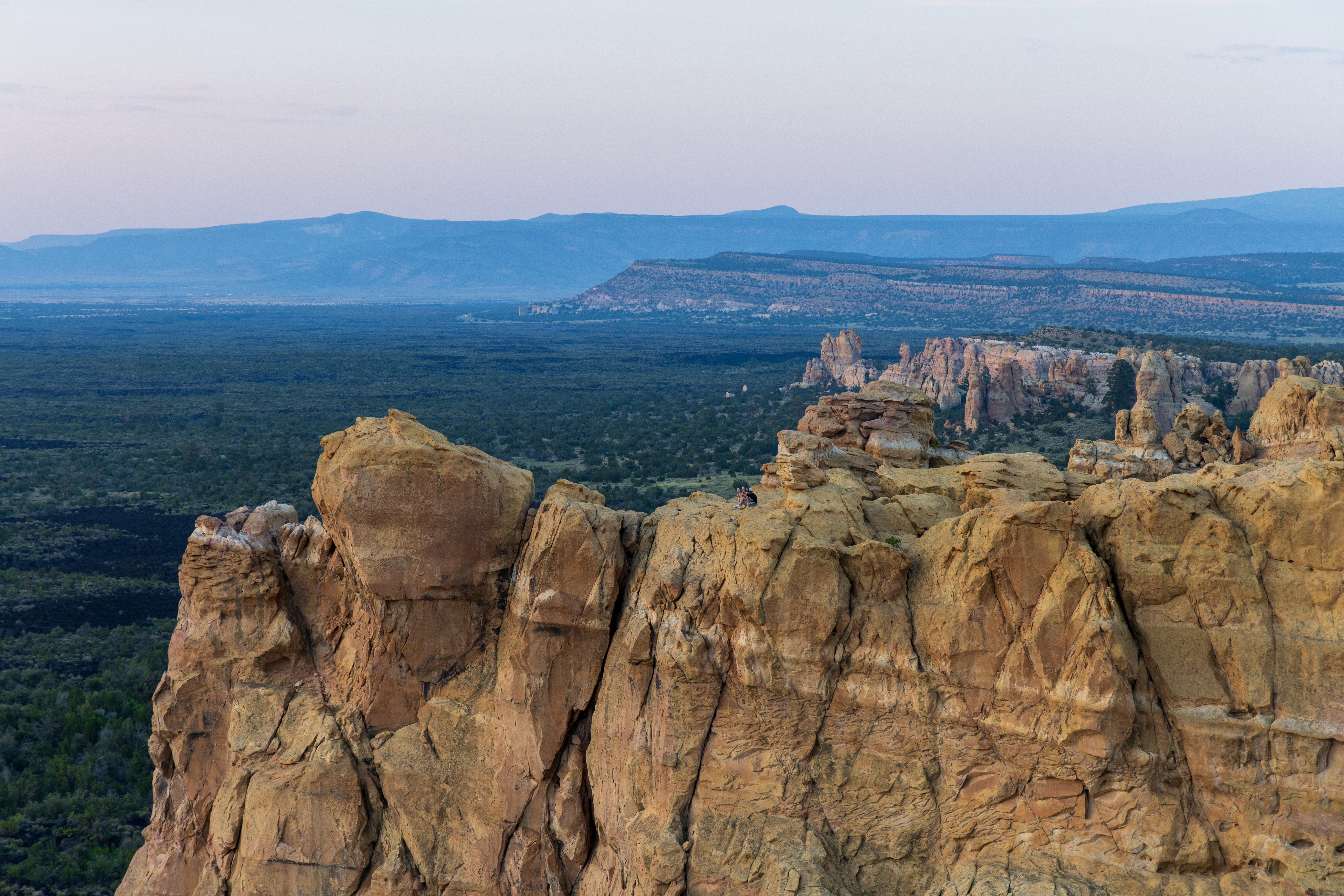
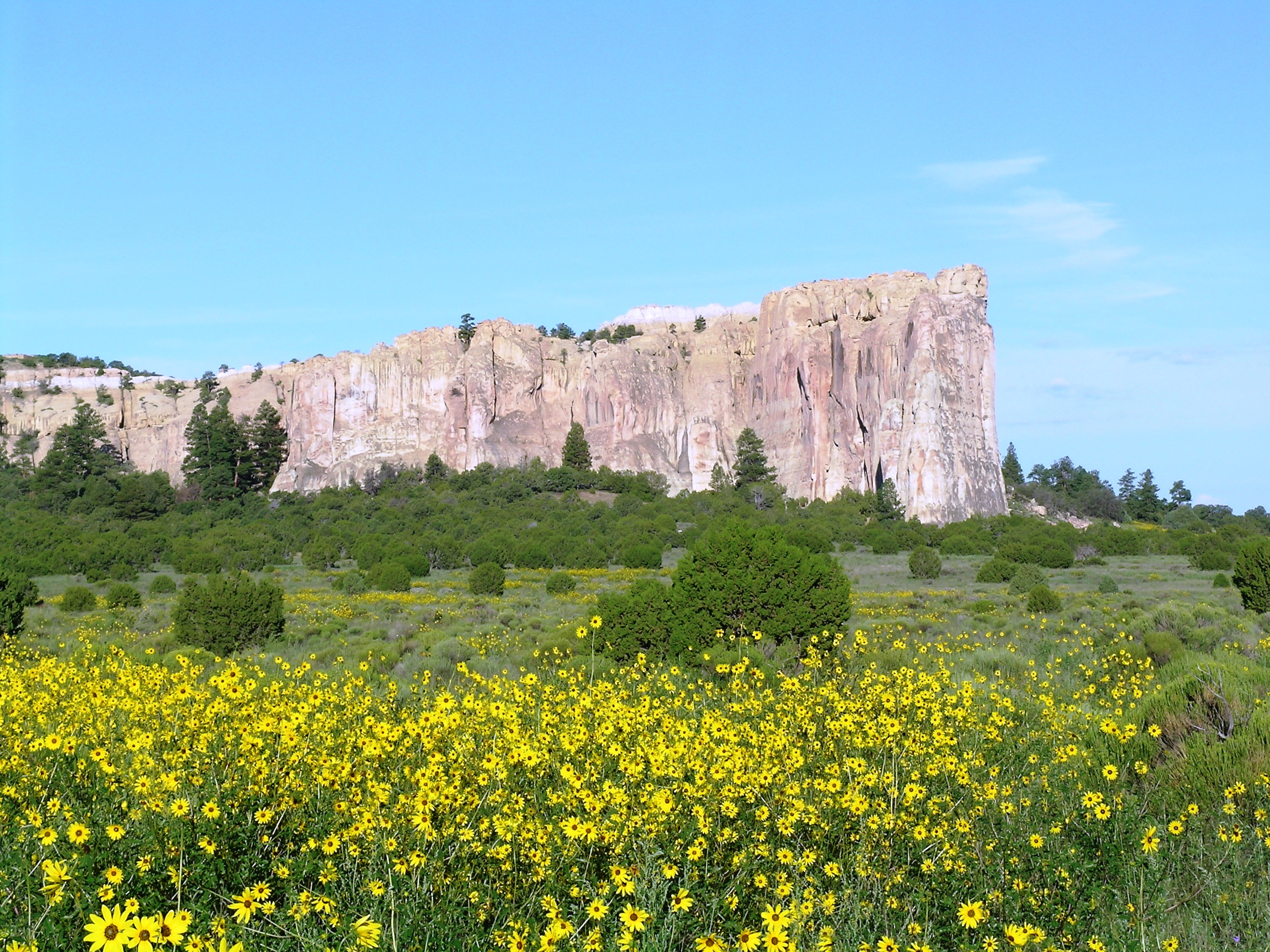
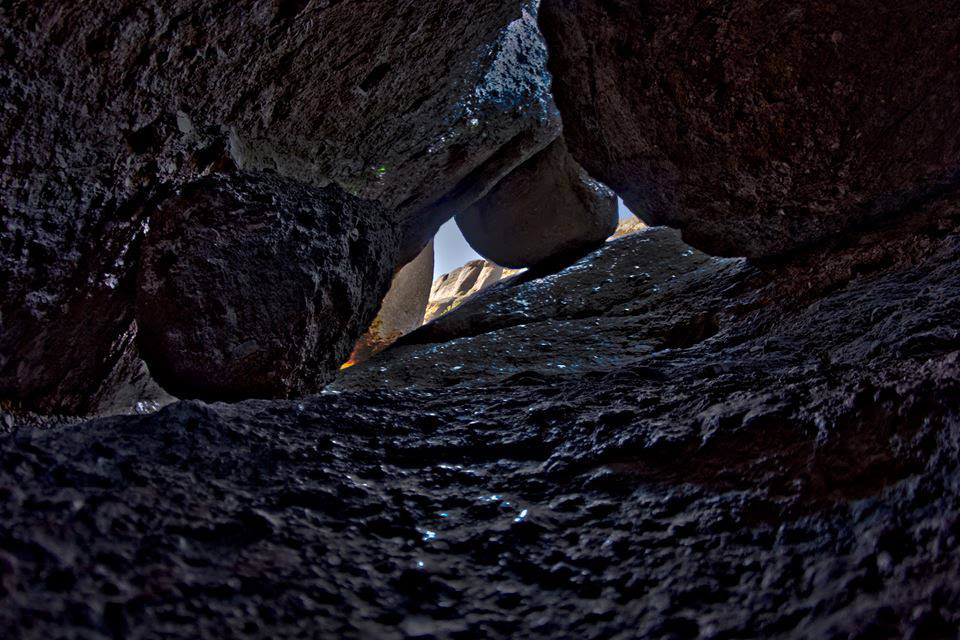
The richly diverse volcanic landscape of El Malpais (el-mal-pie-EES) offers solitude, recreation, and adventure. Explore incredible geologic features such as young lava flows, cinder cones, lava tubes, and sandstone bluffs. While some may see a desolate environment, people have been adapting to and living in this extraordinary terrain for generations. Come visit the land of frozen fire!
Imagine the refreshment of finding water after days of dusty travel. A reliable waterhole hidden at the base of a sandstone bluff made El Morro (the headland) a popular campsite for hundreds of years. Here, ancestral Puebloans, Spanish, and American travelers carved over 2,000 signatures, dates, messages, and petroglyphs. Make El Morro National Monument a stopping point on your travels.
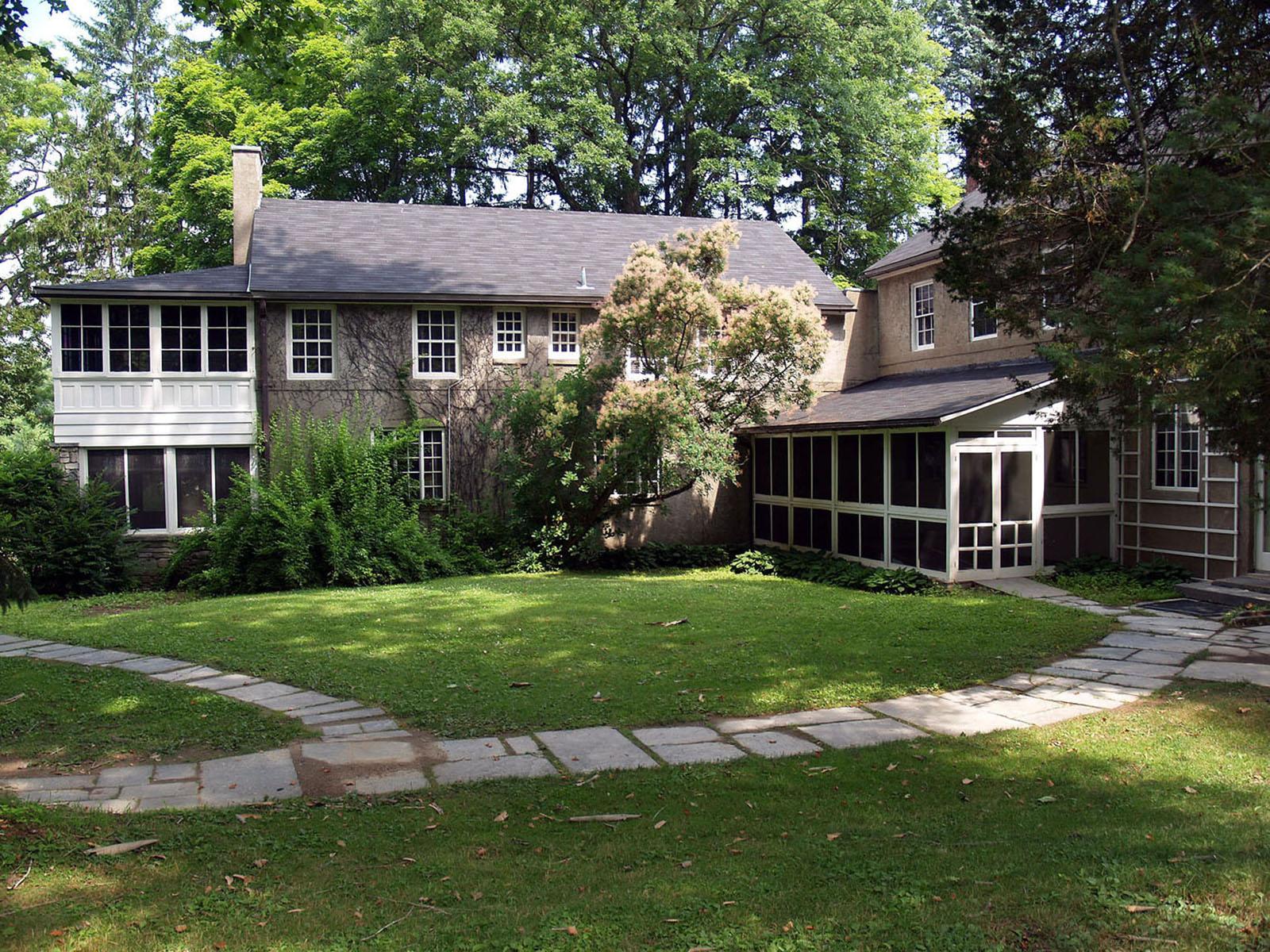
Visit the home of Eleanor Roosevelt. Here, Franklin and Eleanor entertained friends, the press, activists, and official state visitors in the relaxed atmosphere of Val-Kill. Explore the Roosevelt saga in the homes of Franklin and Eleanor Roosevelt, the exhibits at the nation’s first Presidential Library, and over a thousand acres of gardens and trails.
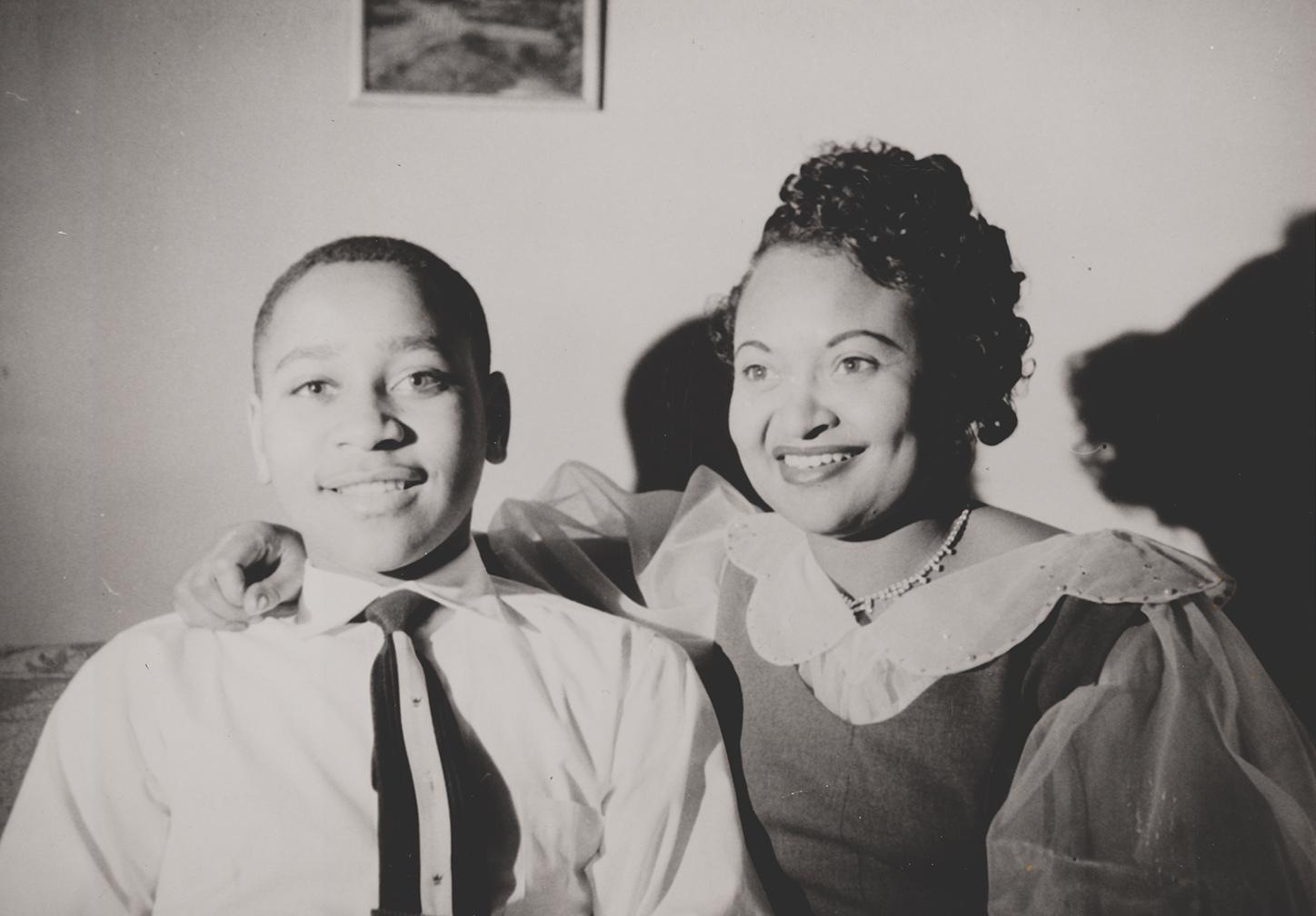
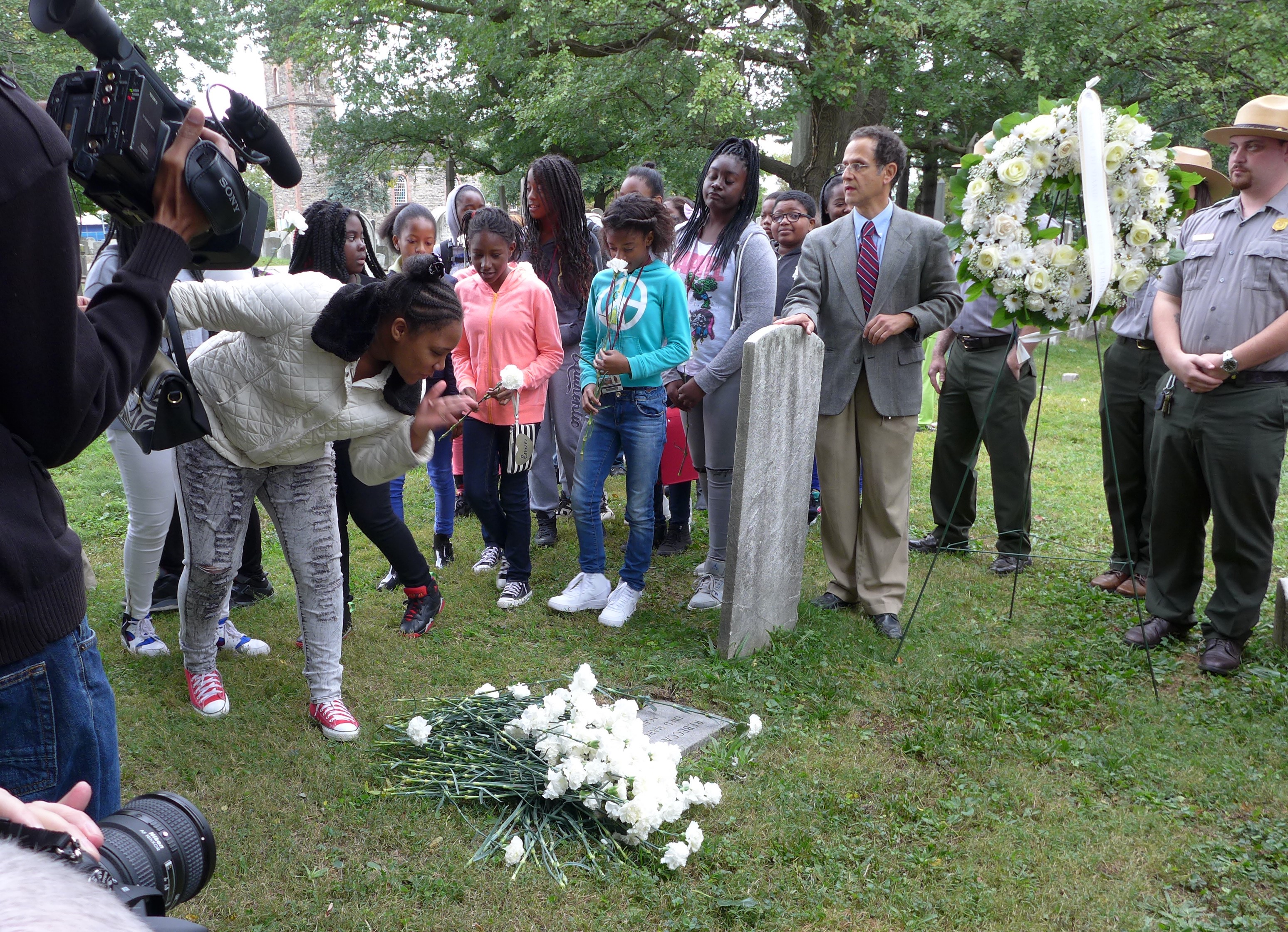
In 1955, 14-year-old Emmett Till traveled to Money, Mississippi, to visit relatives. He was kidnapped, tortured, and murdered after reportedly whistling at a white woman. His mother, Mamie Till-Mobley, insisted on an open-casket funeral near their hometown of Chicago. Her brave decision let the world see the racist violence inflicted upon her son and set the Civil Rights Movement into motion.
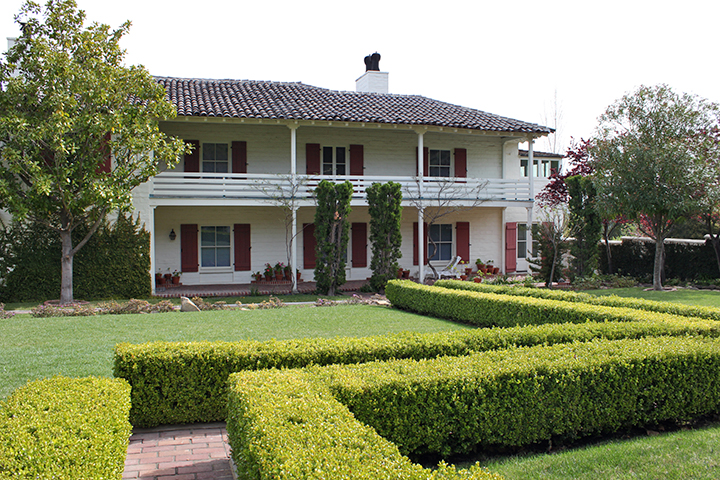
America's only Nobel Prize-winning playwright, Eugene O'Neill, chose Northern California as his sanctuary at the pinnacle of his writing career. Secluded from the outside world within the serene walls of his Tao House, O'Neill crafted his final and most memorable masterpieces: The Iceman Cometh, Long Day's Journey Into Night, and A Moon for the Misbegotten.
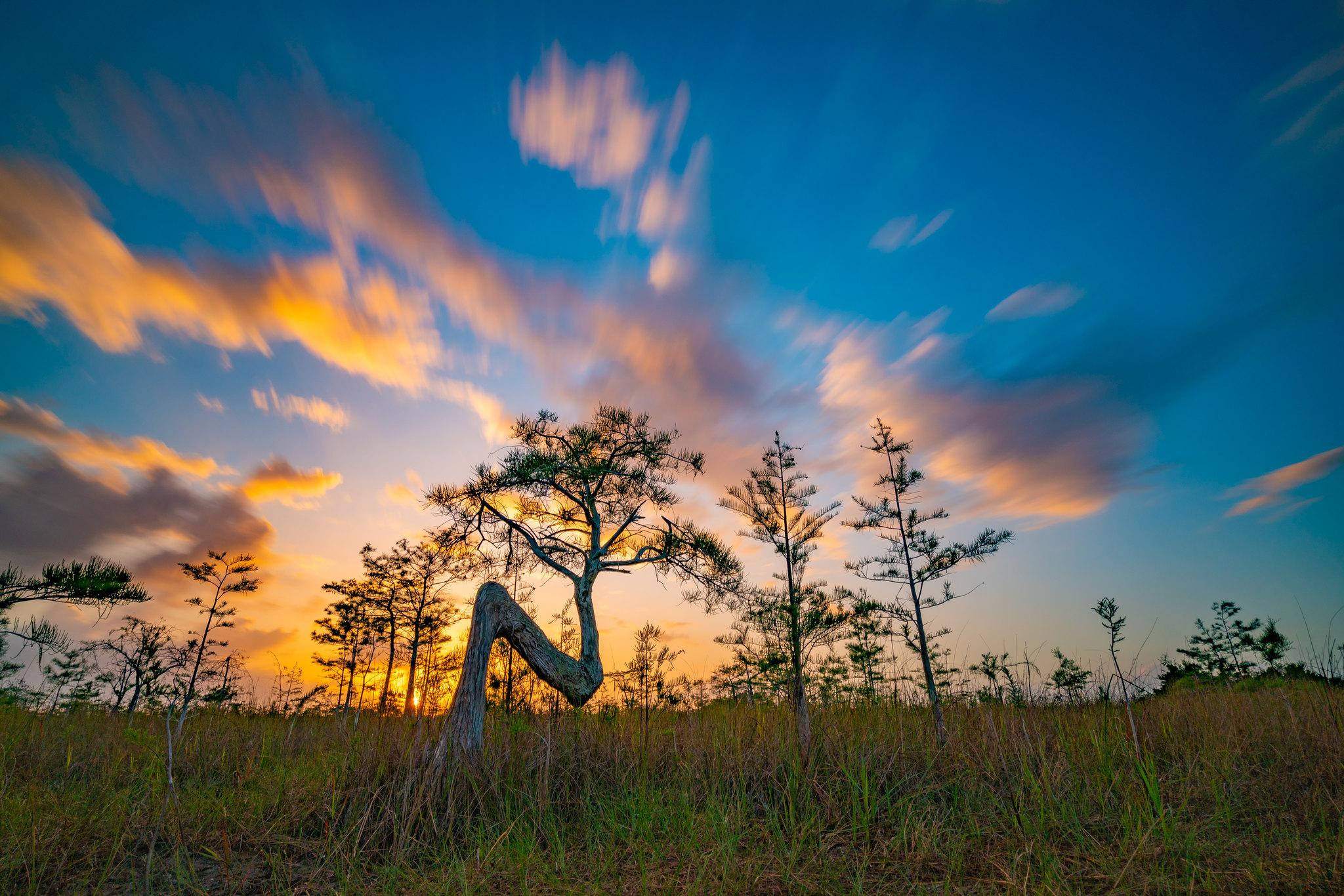
Established in 1947 as the first national park created for its biodiversity, Everglades National Park protects 1.5 million acres of wetland, forest, and marine habitats and the native plants and animals that call it home. With several international designations, the park provides a major source of drinking water for local residents of South Florida and recreational opportunities for all.
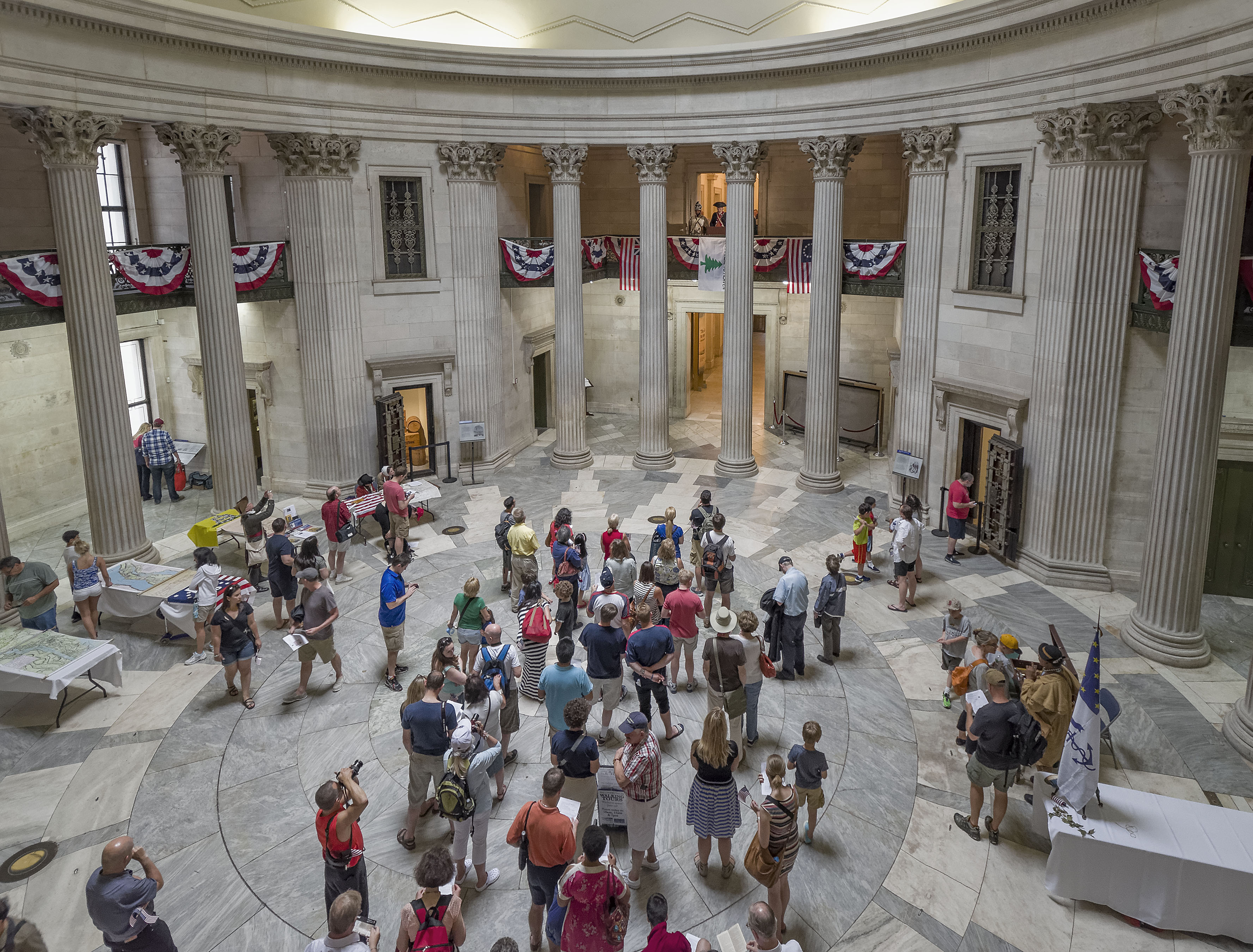
Here at Federal Hall, George Washington took the oath of office as the first President of the United States, marking the beginning of the American constitutional republic. This historic site served as the nation’s first capitol, home to the inaugural Congress, the first Supreme Court, and the earliest offices of the Executive Branch.
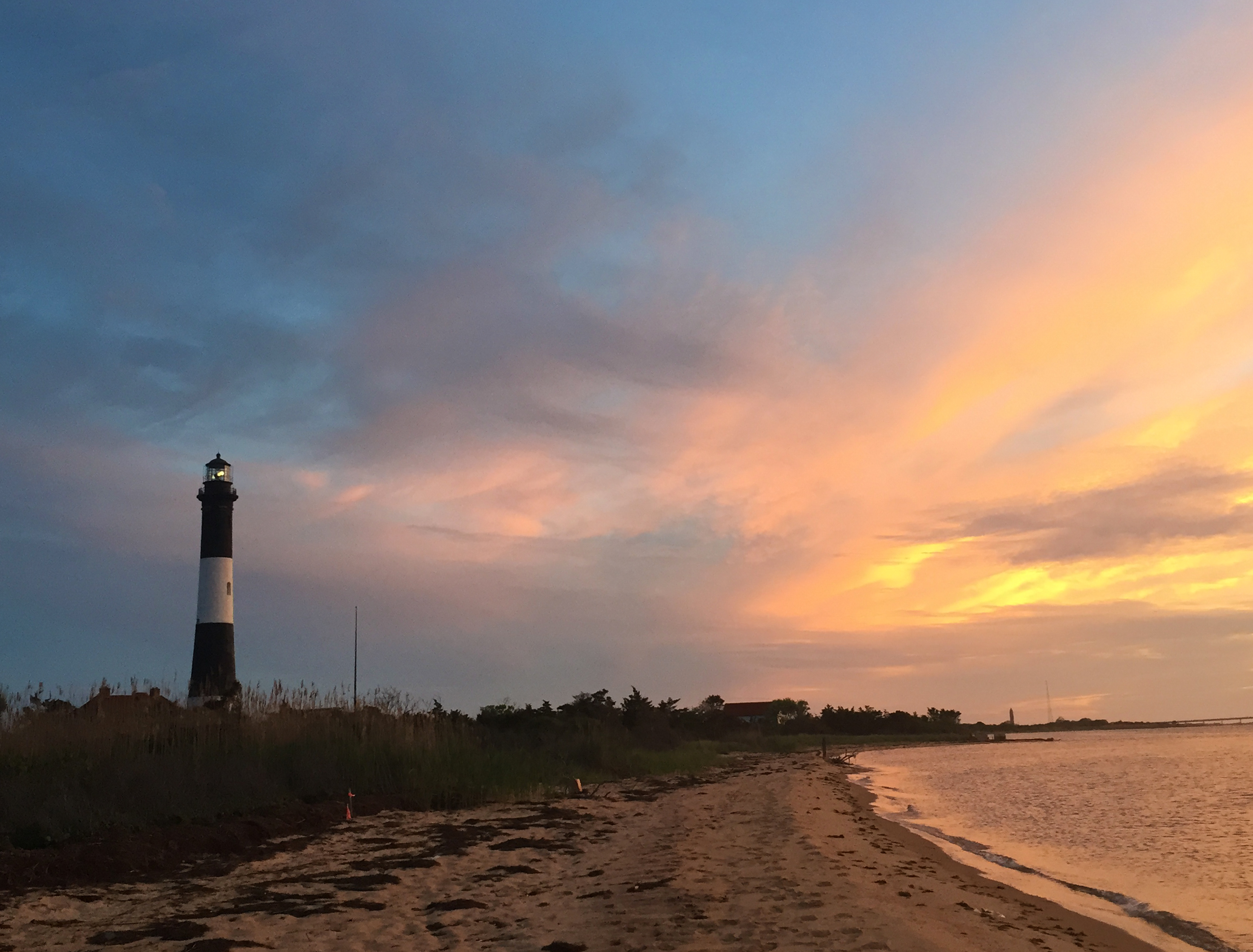
Immerse yourself in an enchanting collage of coastal life and history. Rhythmic waves, high dunes, ancient maritime forests, historic landmarks and glimpses of wildlife, Fire Island has been a special place for diverse plants, animals and people for centuries. Far from the pressure of nearby big-city life, dynamic barrier island beaches offer solitude, camaraderie, and spiritual renewal.
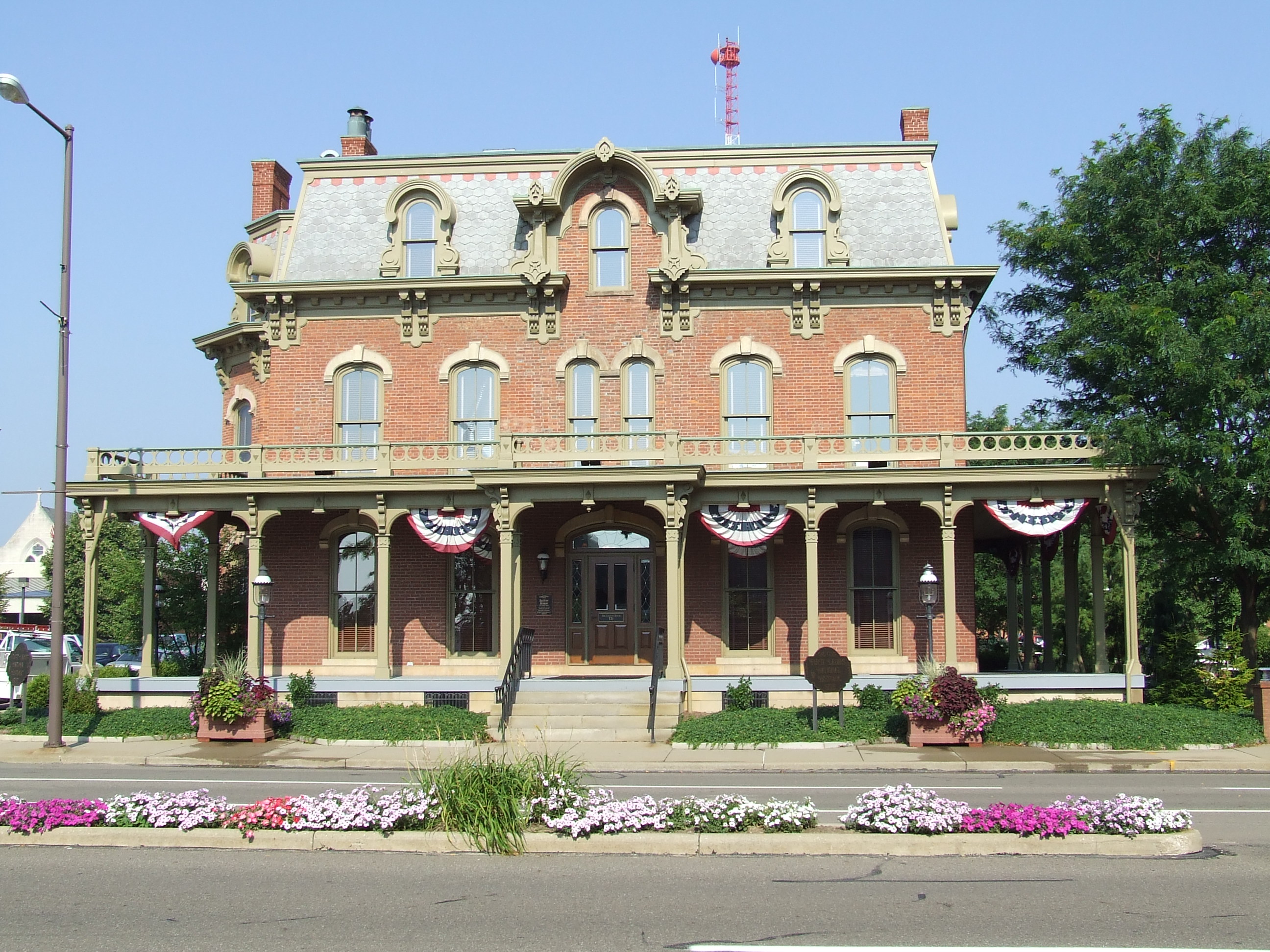
First Ladies National Historic Site consists of two properties in downtown Canton, Ohio - the home of First Lady Ida Saxton-McKinley and our Visitor Center. Come learn about how the position of First Lady has evolved over time to include a public role.
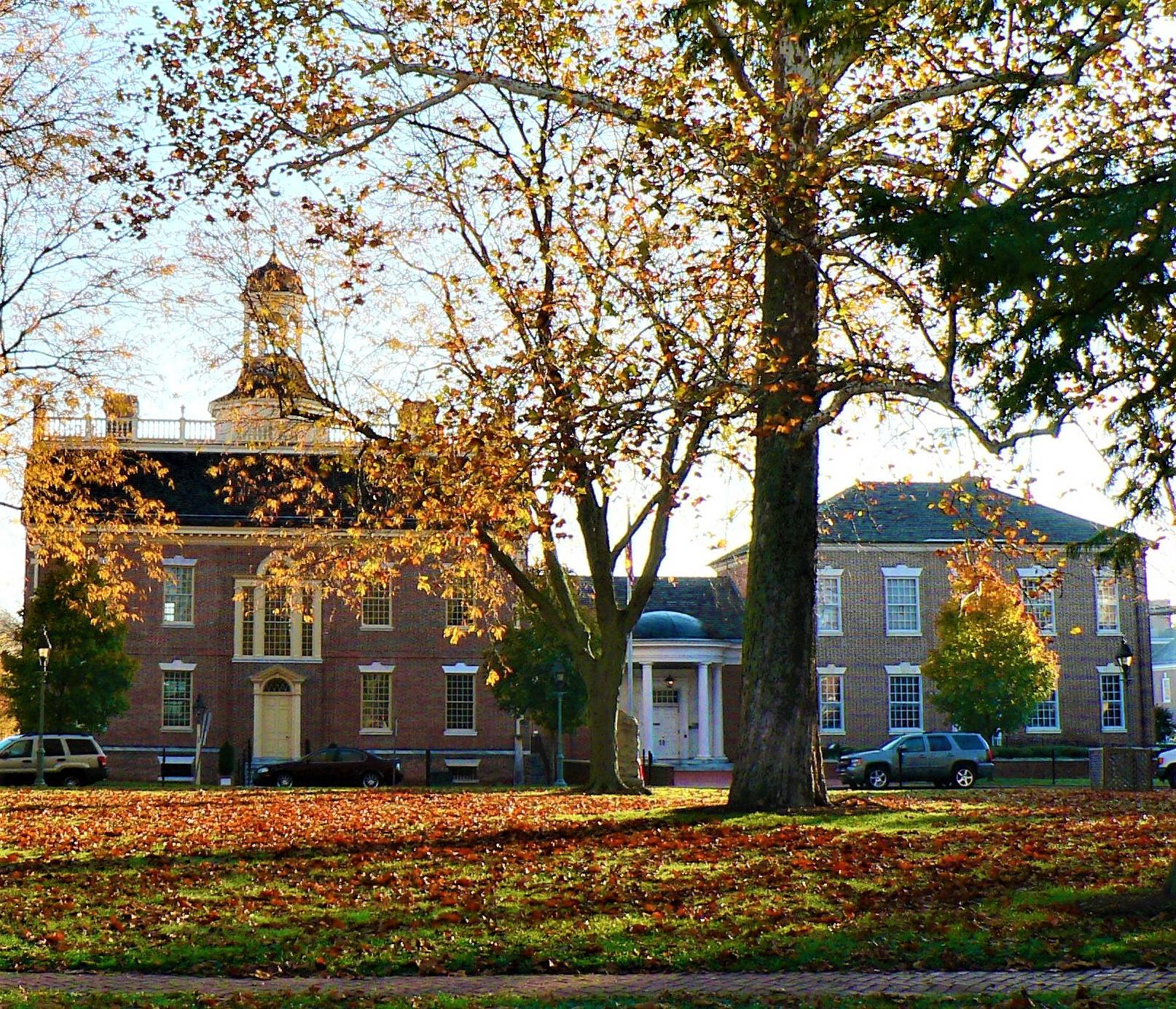
Famous as the First State to ratify the Constitution, Delaware was born out of a conflict among three world powers for dominance of the Delaware Valley. From this beginning, the region developed a distinct character that tolerated diversity in religion and national origin and valued independence.
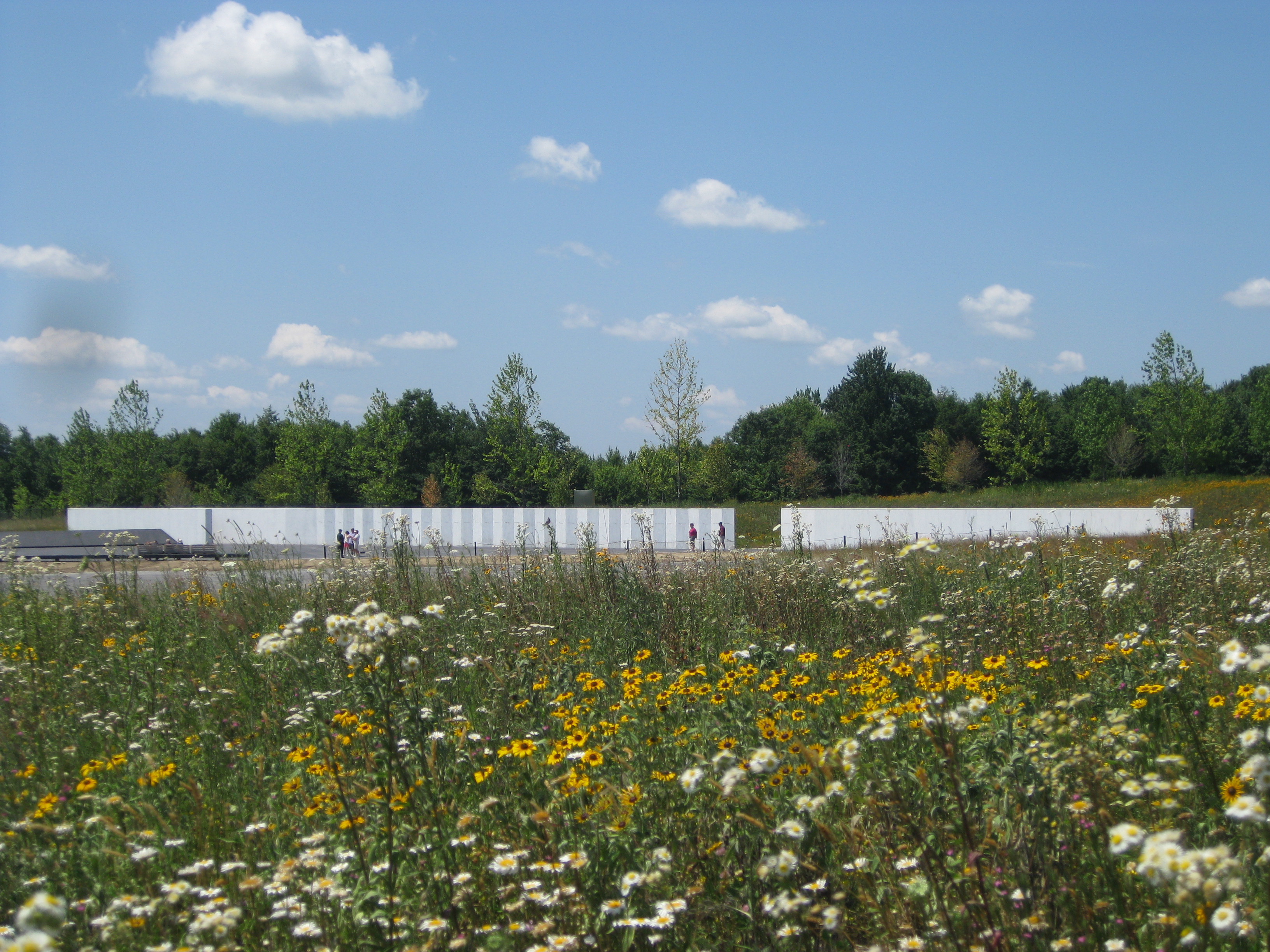
On Tuesday morning, September 11, 2001, the U.S. came under attack when four commercial airliners were hijacked and used to strike targets on the ground. Nearly 3,000 people tragically lost their lives. Because of the actions of the 40 passengers and crew aboard one of the planes, Flight 93, the attack on the U.S. Capitol was thwarted.
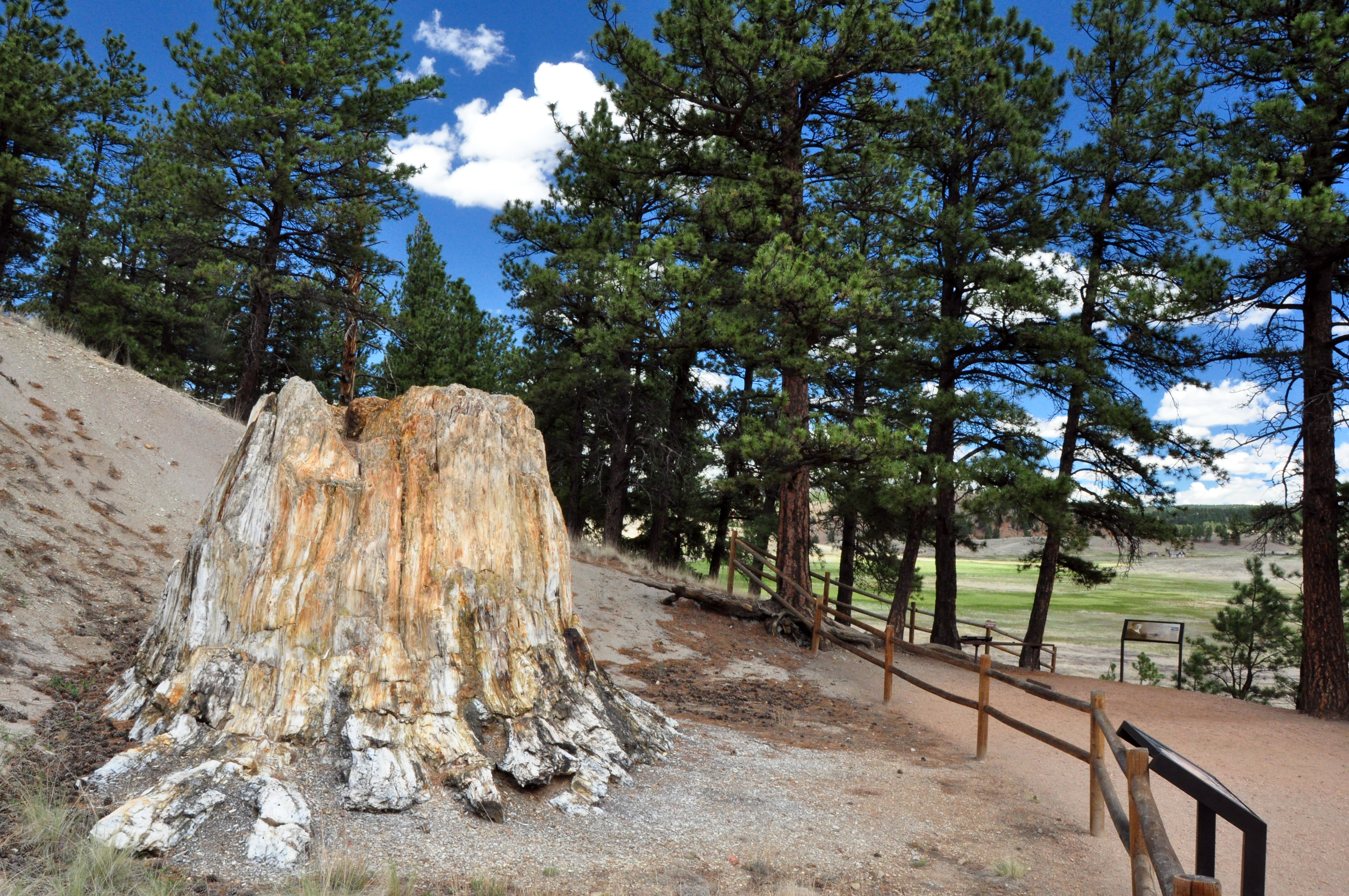
Beneath a grassy mountain valley in central Colorado lies one of the richest and most diverse fossil deposits in the world. Petrified redwood stumps up to 14 feet wide and thousands of detailed fossils of insects and plants reveal the story of a very different, prehistoric Colorado.
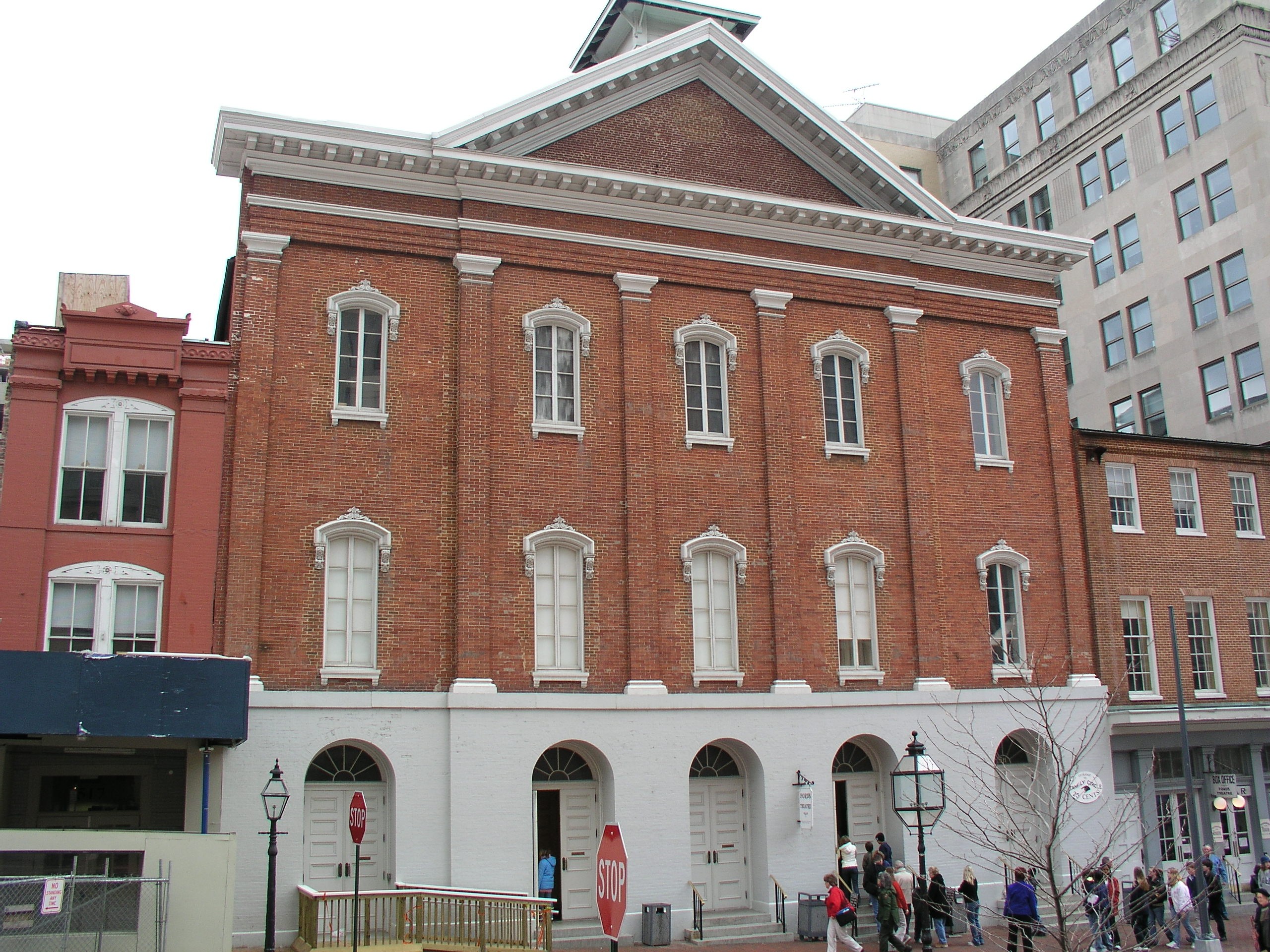
On April 14, 1865, President Abraham Lincoln was assassinated at Ford’s Theatre. Discover how everyday people experienced a national tragedy and how we have remembered a fallen leader. Today, in partnership with Ford’s Theatre Society, live dramatic productions highlight Lincoln’s love of the theatre and the power of stories to connect us to ourselves and our history.
For nearly 25 years, Fort Bowie stood at the crossroads of the Chiricahua Apache's fight to defend their ancestral homeland and the U.S. Army's westward expansion. Today, visitors embark on a 3-mile scenic loop trail traversing the ground where this profound cultural collision forever altered the course of both American and Indigenous history.
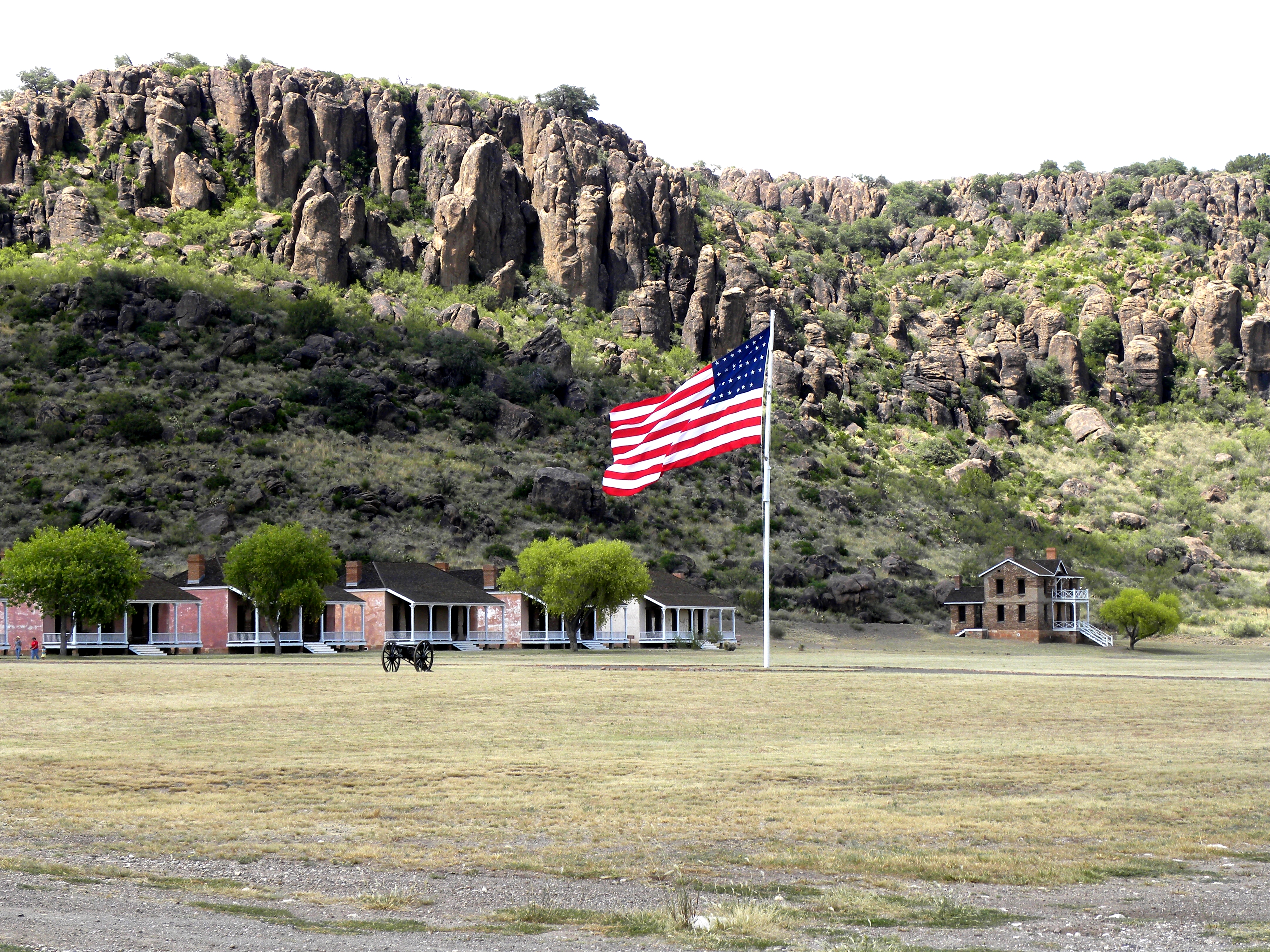
Fort Davis is one of the best surviving examples of an Indian Wars' frontier military post in the Southwest. From 1854 to 1891, Fort Davis was strategically located to protect emigrants, mail coaches, and freight wagons on the Trans-Pecos portion of the San Antonio-El Paso Road and on the Chihuahua Trail.
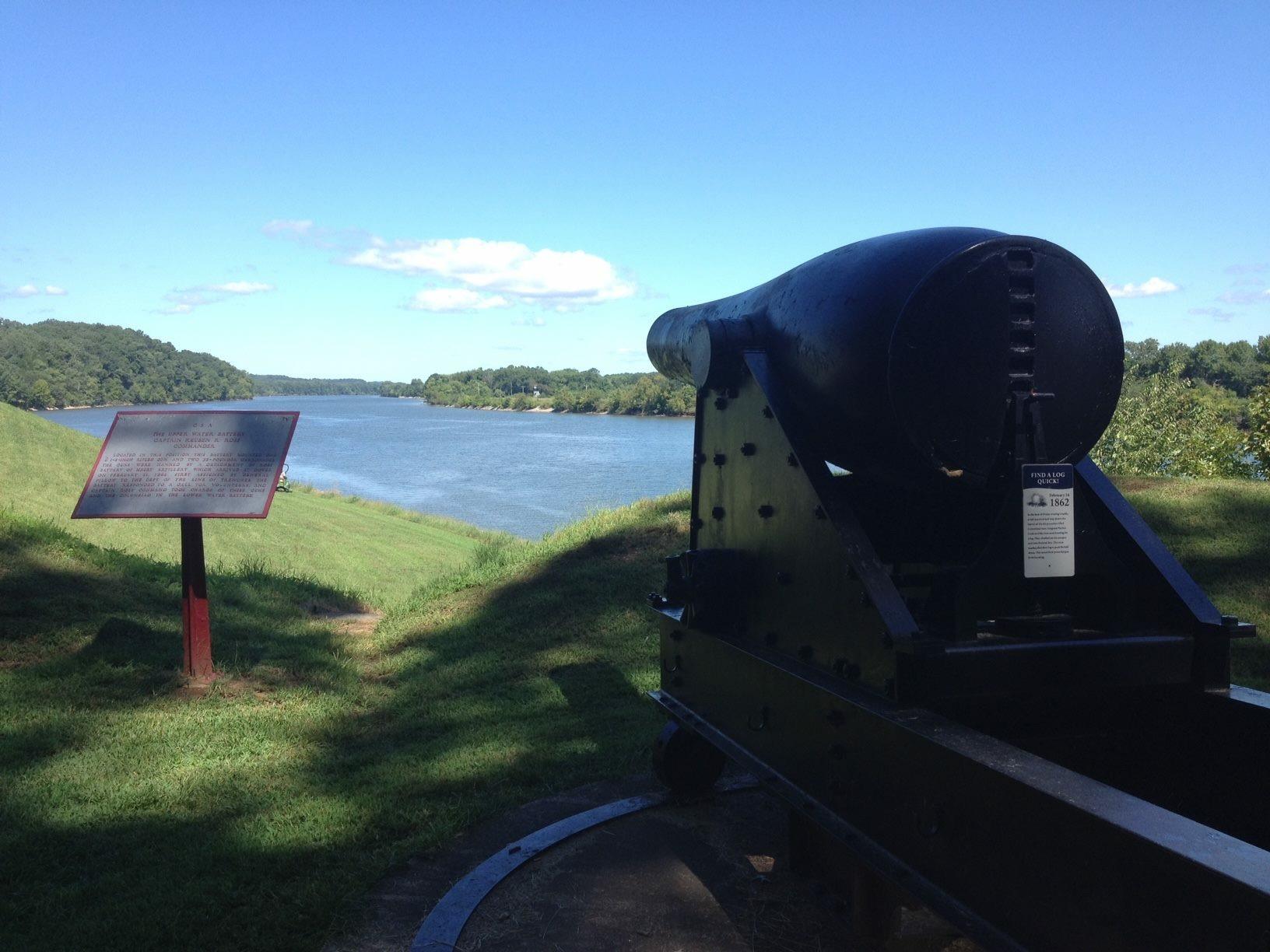
Brigadier General Ulysses S. Grant was becoming quite famous as he wrote these words following the surrender of Confederate Fort Donelson on Sunday, February 16, 1862. The Union victory at Fort Donelson elated the North, and stunned the South. Within days of the surrender, Clarksville and Nashville would fall into Union hands. Grant and his troops had created a pathway to victory for the Union.
This 361 acre wooded park was once home to an earthen fort built to protect Washington, DC, during the Civil War. Today, visitors can see the fort's earthworks and escape to the great outdoors. Activities include picnics, nature walks, biking, gardening, environmental education, music, and ranger-led programs.
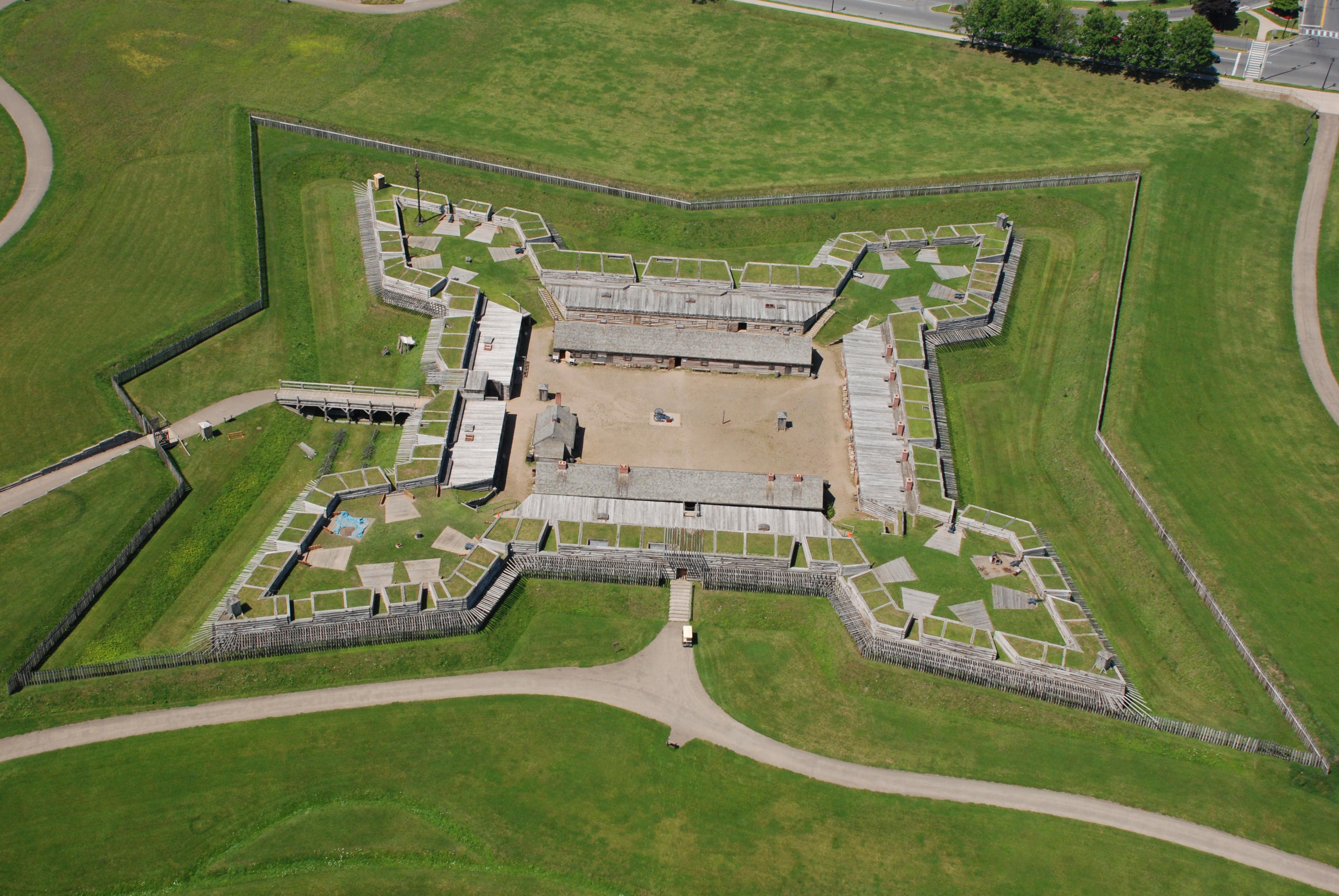
War was imminent as James Oglethorpe established Fort Frederica in 1736, to help protect the British colonies from the Spanish in Florida. Fort Frederica illustrates the story of the War of Jenkins Ear (1739-1748) and how its British defenders fought off the Spanish Army. Today, archeology has uncovered the story of the 1,000 people that once lived here.
Originally established as a private fur trading fort in 1834, Fort Laramie evolved into the largest and best-known military post on the Northern Plains before its abandonment in 1890. Nicknamed the “Grand Old Post,” Fort Laramie witnessed the entire sweeping saga of America’s western expansion and Indian resistance to encroachment on their territories.
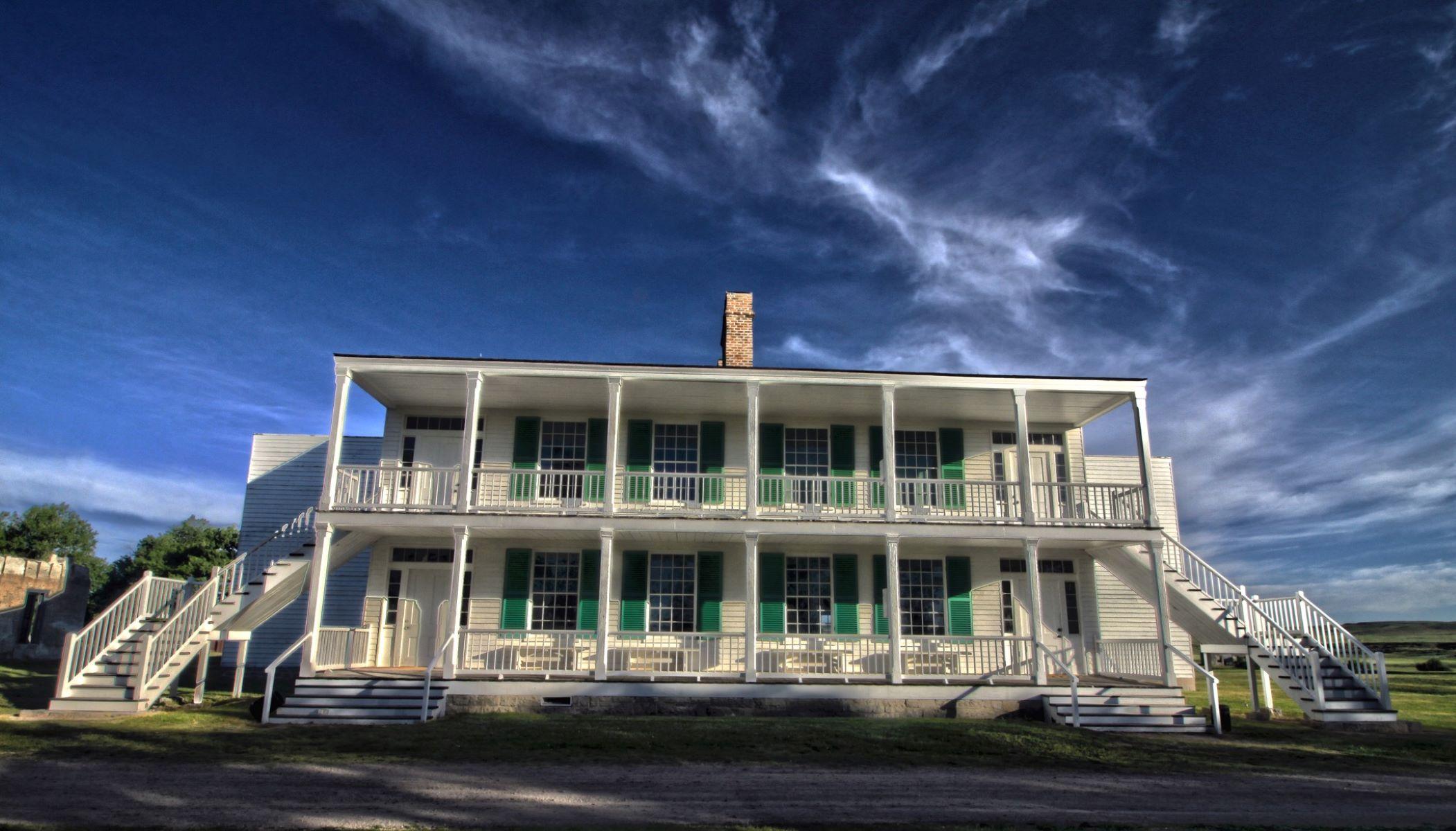
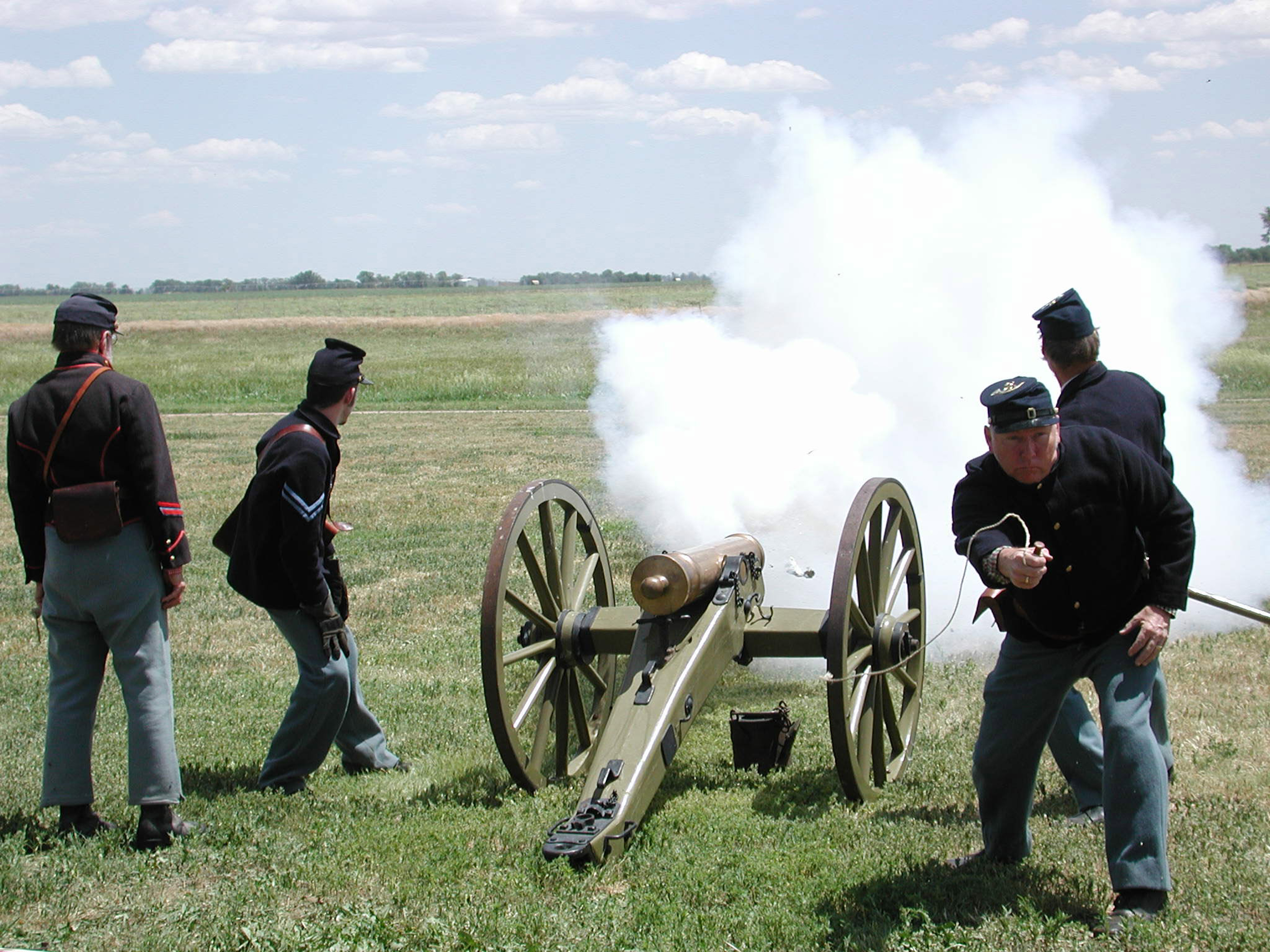
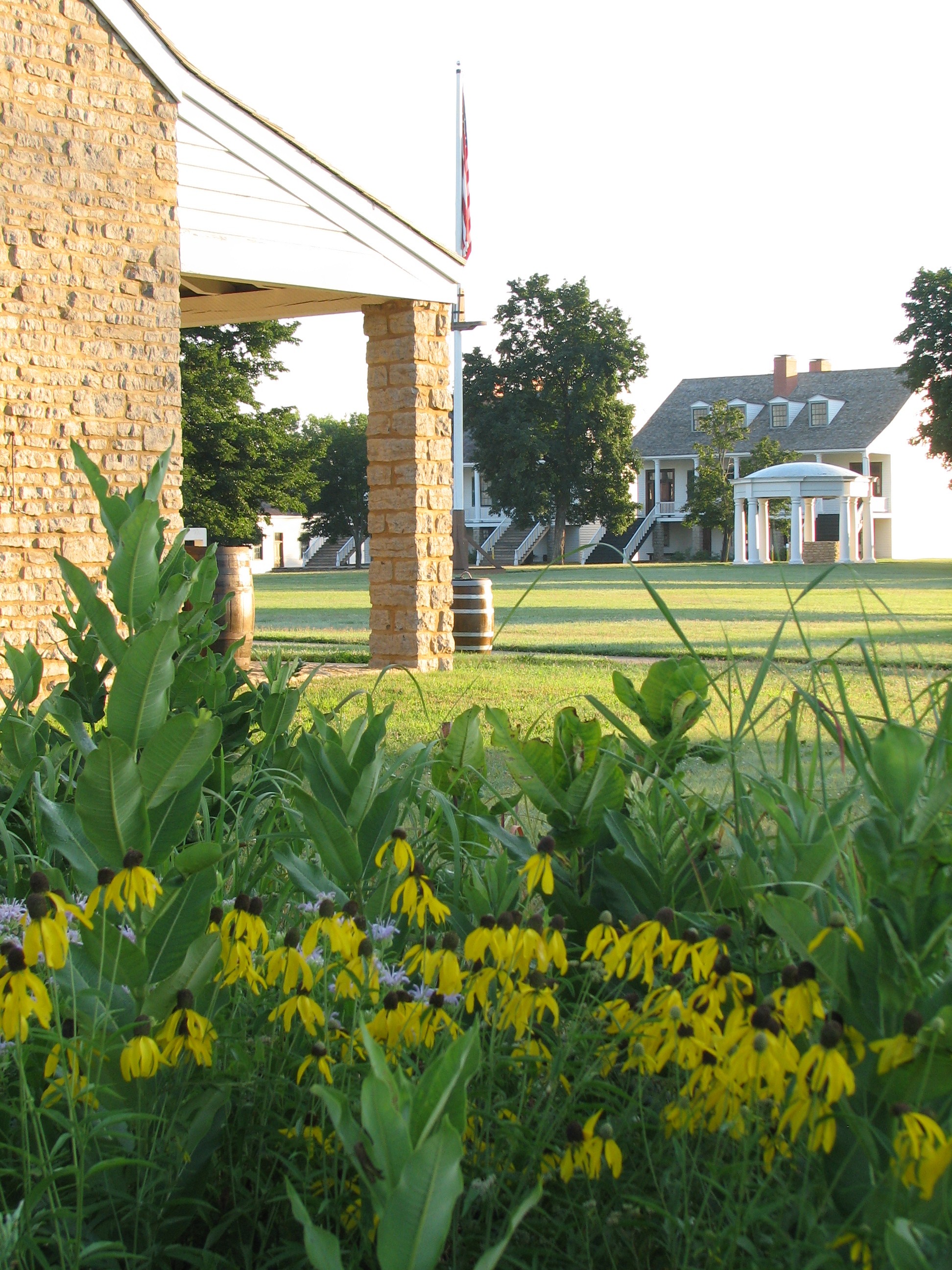
Discover a complete and authentic army post from the 1860s -1870s! This well-preserved fort on the Santa Fe Trail shares a tumultuous history of the Indian Wars era. The sandstone constructed buildings sheltered troops who were known as the Guardians of the Santa Fe Trail.
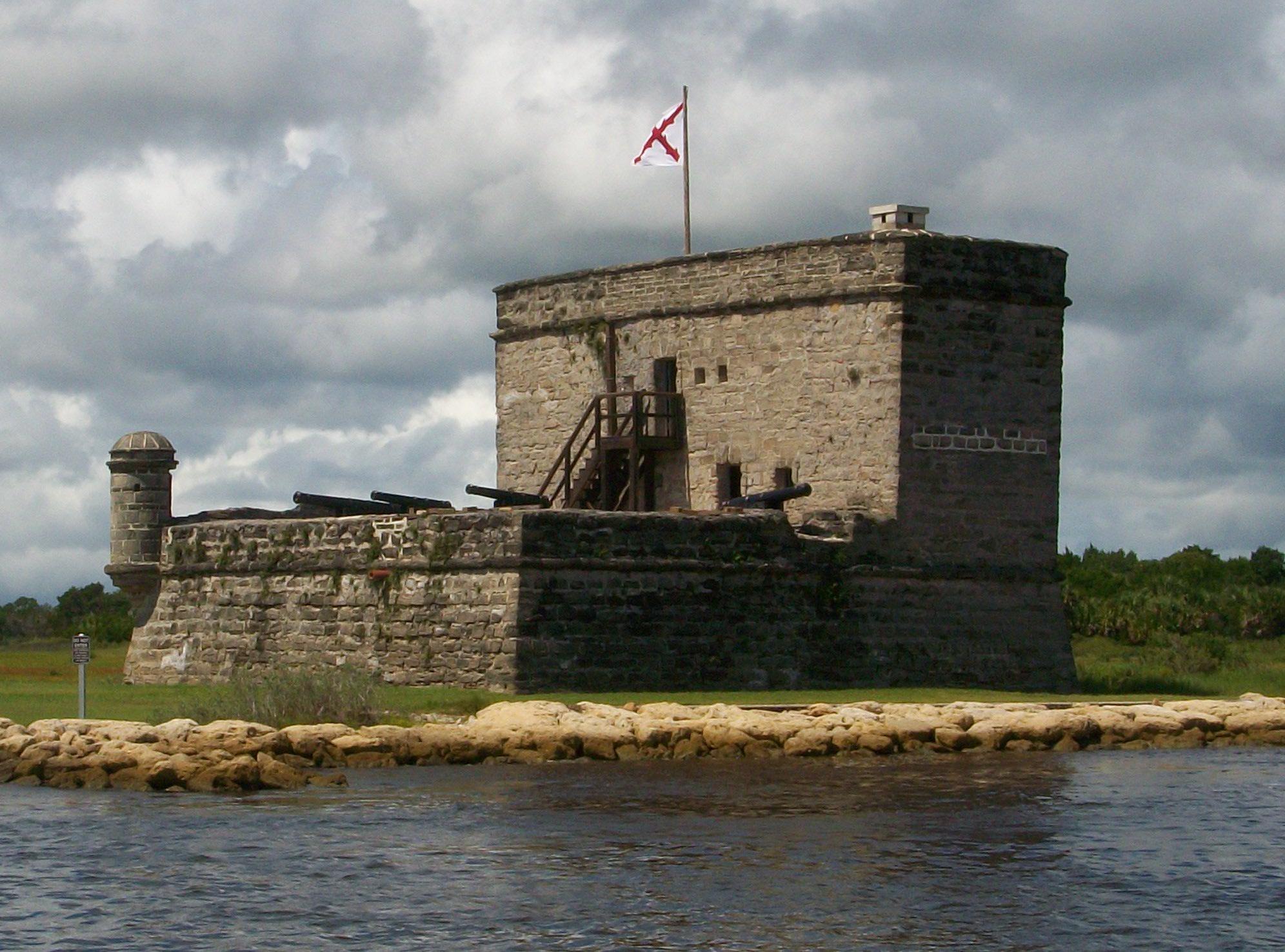
Fort Matanzas National Monument preserves the fortified coquina watchtower, completed in 1742, which defended the southern approach to the Spanish military settlement of St. Augustine. It also protects approximately 300 acres of Florida coastal environment containing dunes, marsh, maritime forest, and associated flora and fauna, including threatened and endangered species.
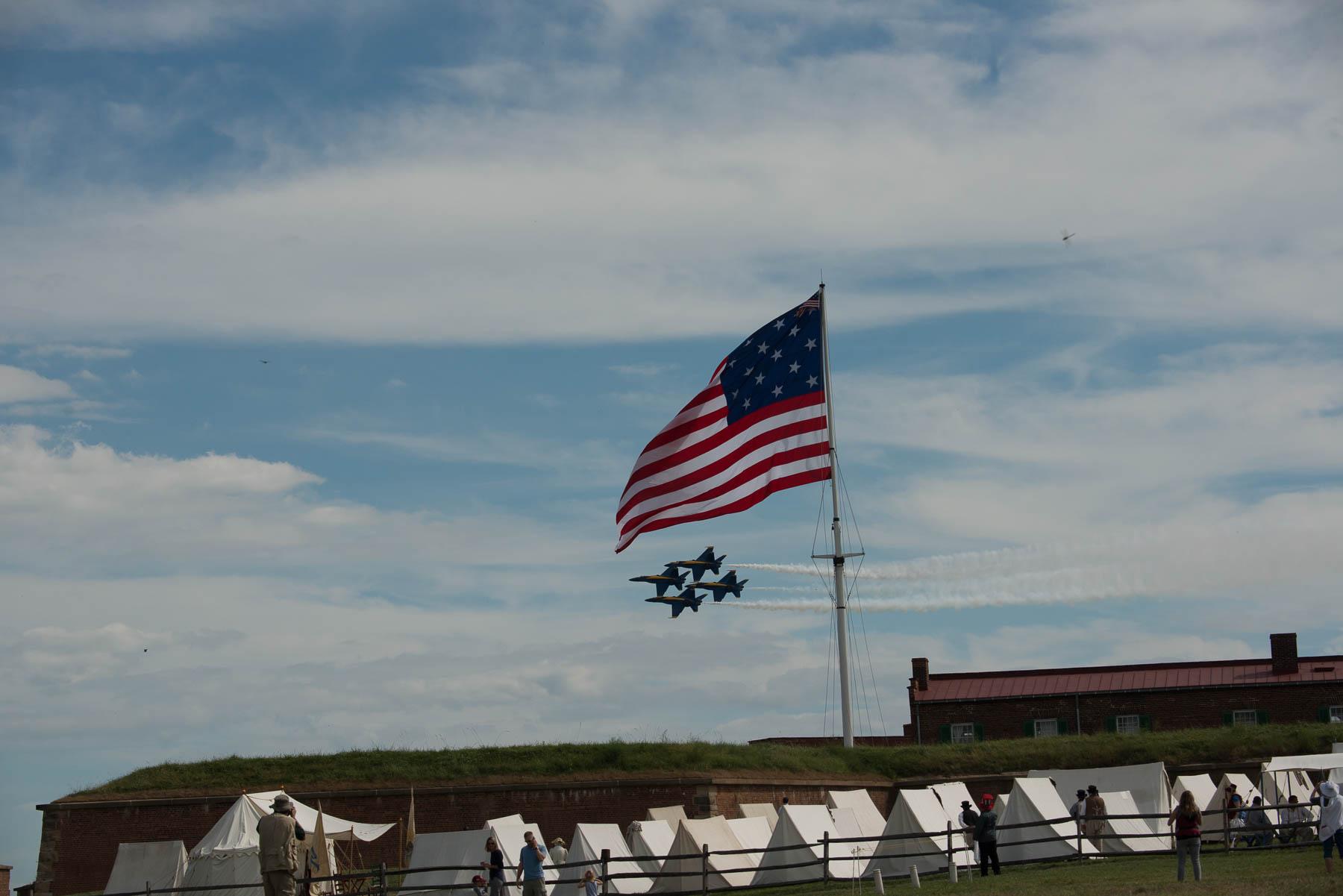
by the dawn's early light, a large red, white and blue banner? Whose broad stripes and bright stars... were so gallantly streaming...over Fort McHenry! The valiant defense of the fort during the Battle of Baltimore on September 13-14, 1814 inspired Francis Scott Key to write the words that became the U.S. national anthem. The fort's history holds many other stories too, from the Civil War to WWII.
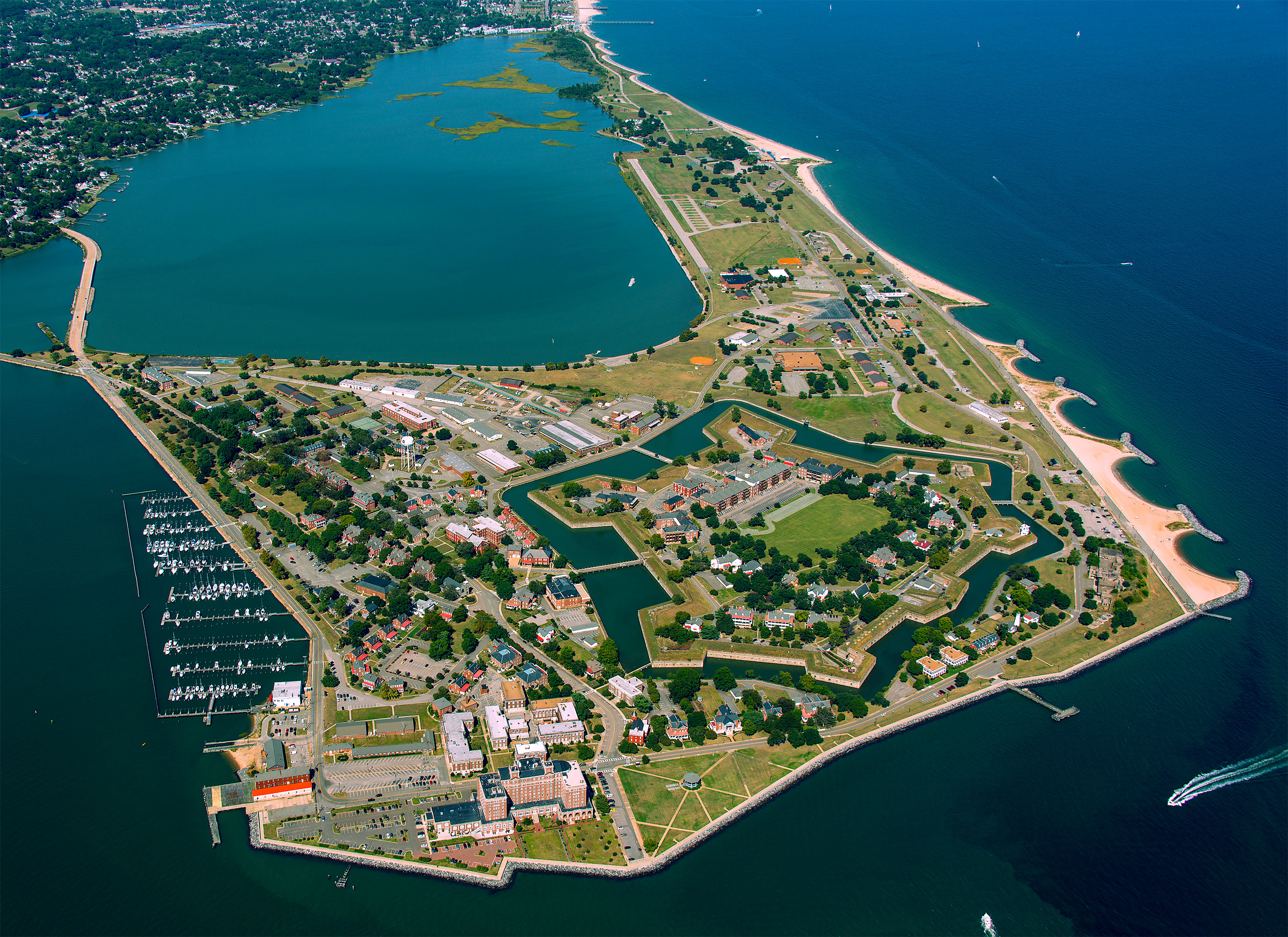
Fort Monroe's story spans from prehistory to the 2000s. Kecoughtan Indians occupied Old Point Comfort before the arrival of English colonists. The first enslaved Africans arrived in 1619. Those escaping slavery sought their freedom at the fort during the Civil War. The fort remained bastion of national defense until 2011, when it became a national park.
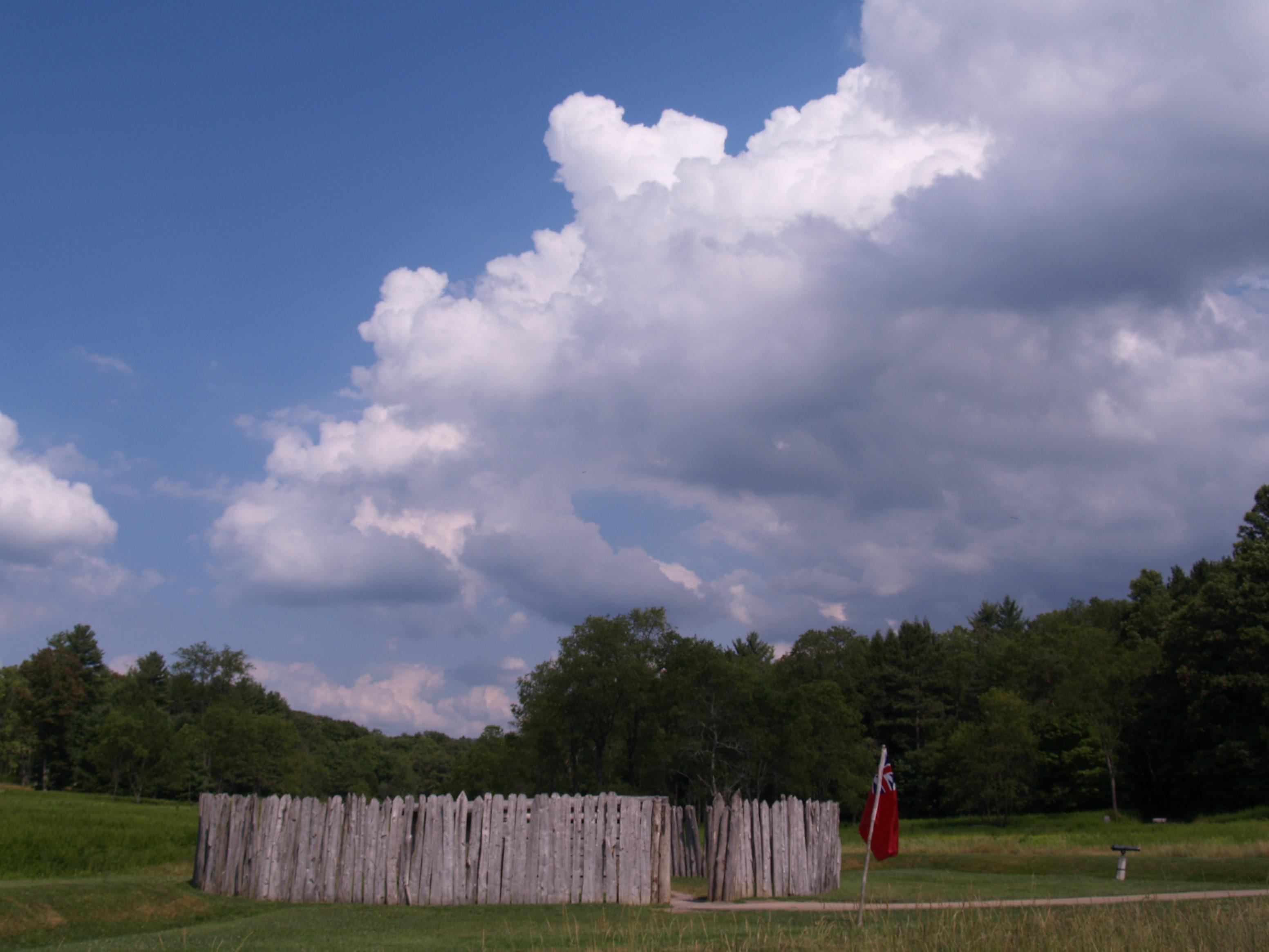
The battle at Fort Necessity in the summer of 1754 was the opening action of the French and Indian War. This war was a clash of British, French and American Indian cultures. It ended with the removal of French power from North America. The stage was set for the American Revolution.
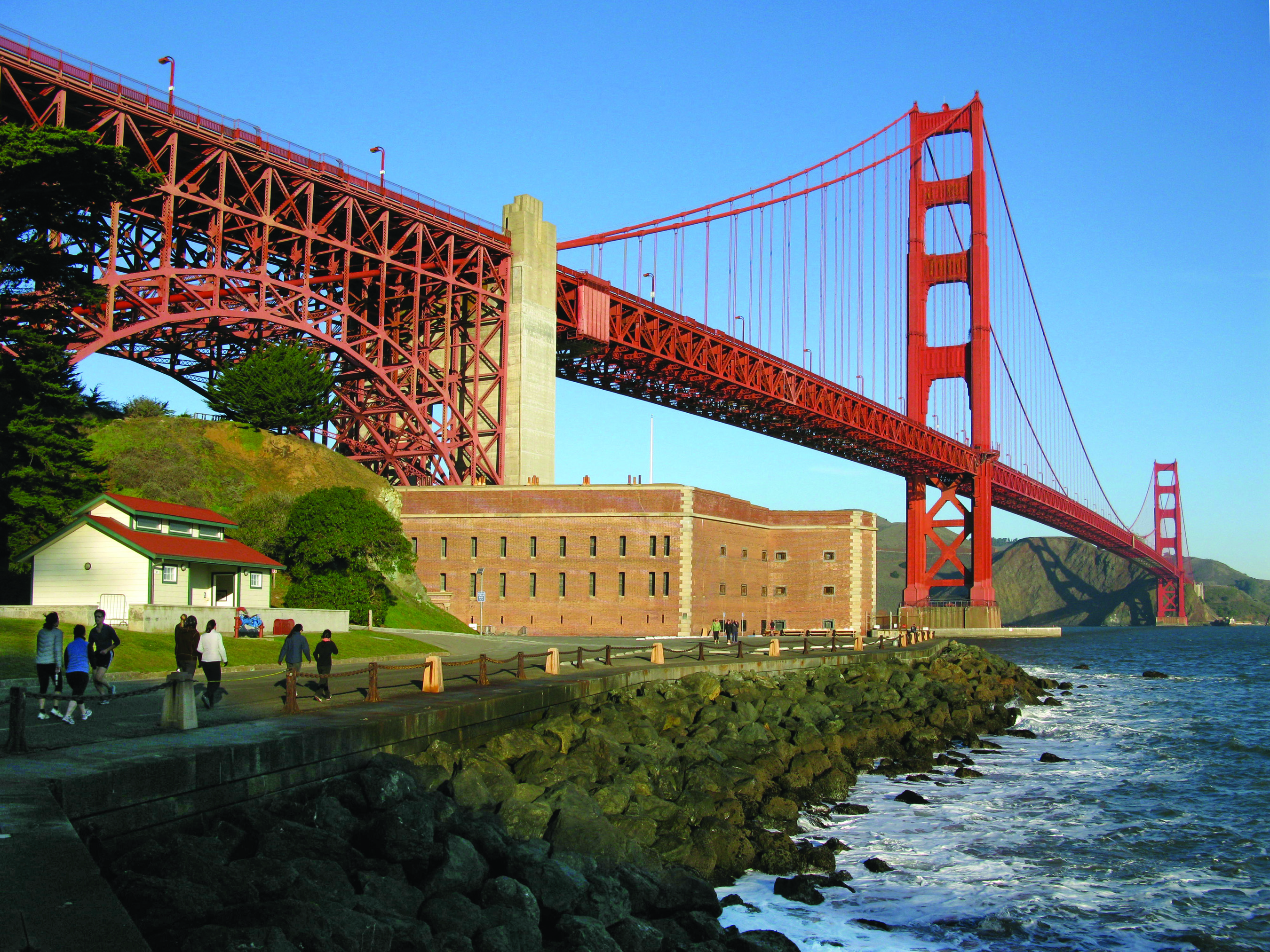
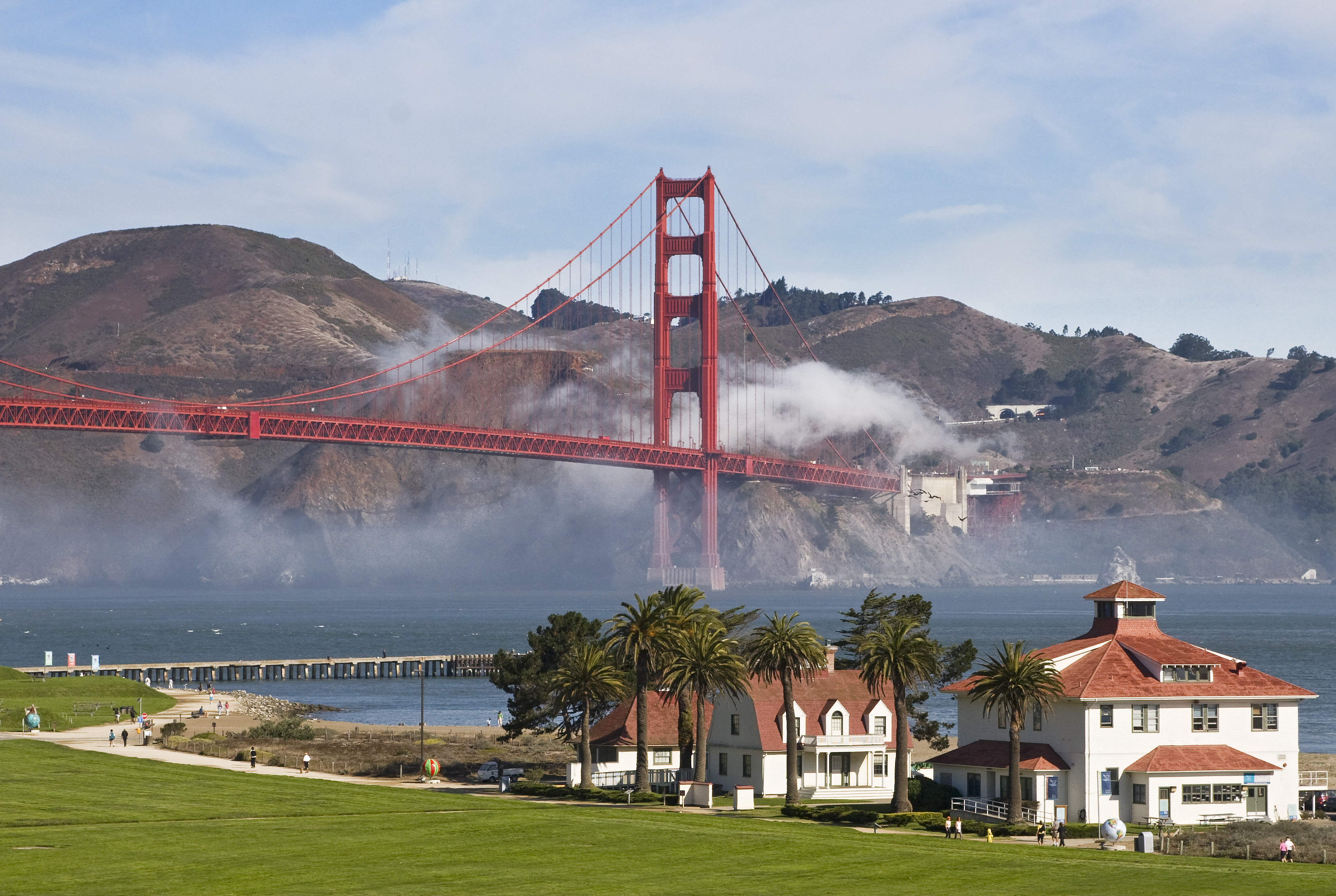
From its vantage point overlooking the spectacular Golden Gate, Fort Point defended the San Francisco Bay following California's Gold Rush through World War II. Its beautifully arched casemates display the art of 3rd system brick masonry and interacts gracefully with the Golden Gate Bridge.
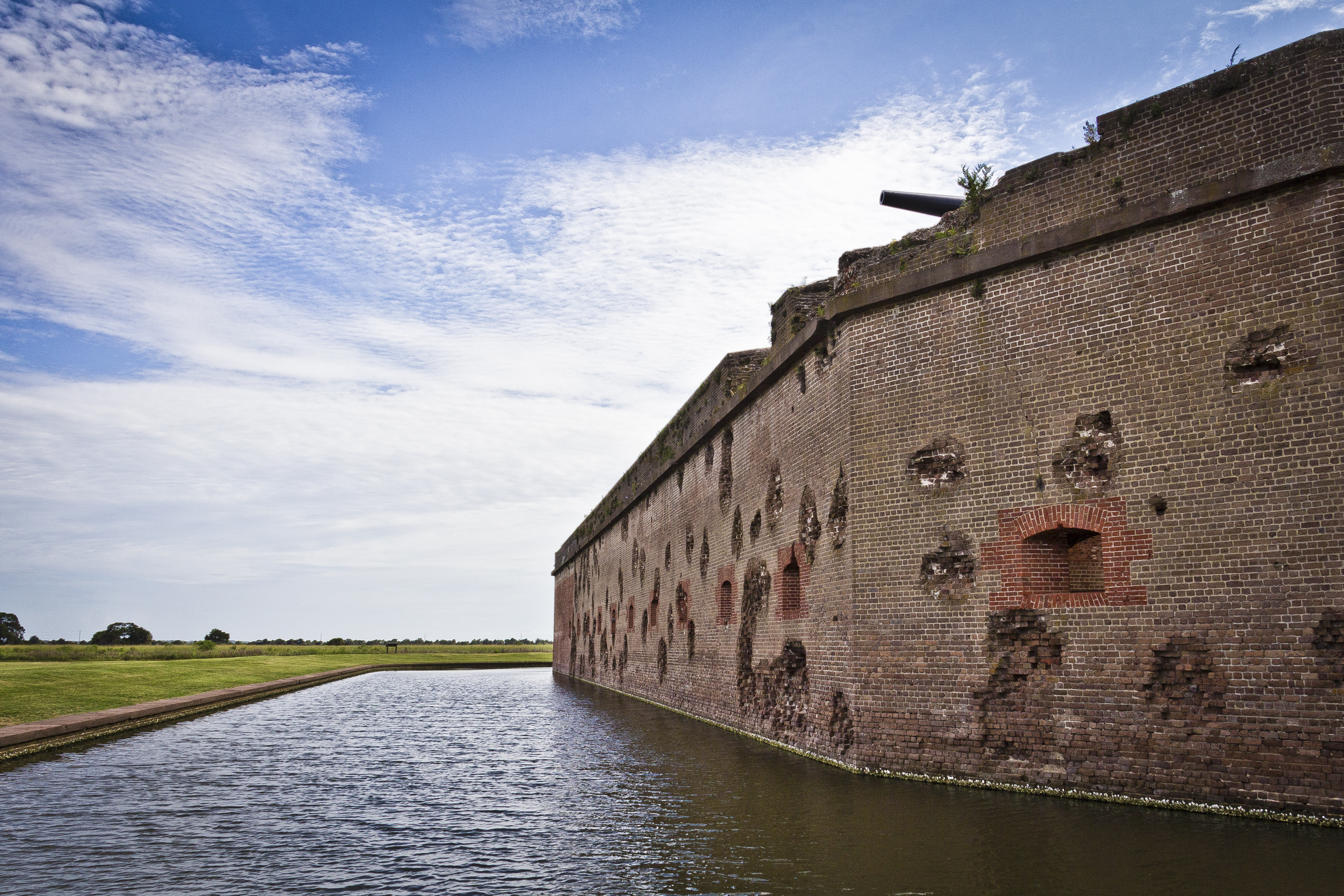
For much of the 19th century, masonry fortifications were the United States’ main defense against overseas enemies. However, during the Civil War, new technology proved its superiority over these forts. Using rifled cannons, the U.S. Army compelled the Confederate garrison inside Fort Pulaski to surrender. The siege was a landmark experiment in the history of military science and invention.
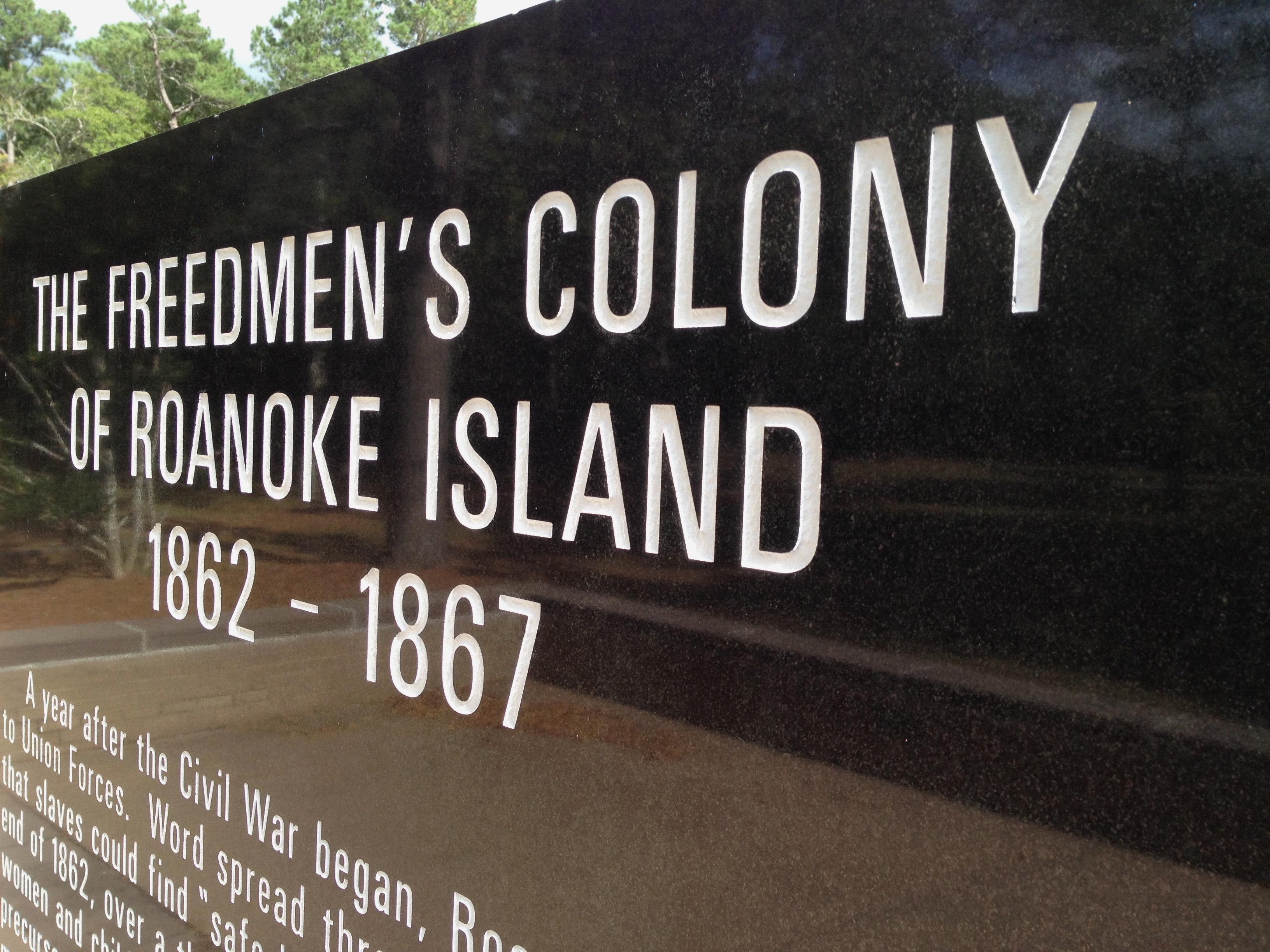
Amongst the shallow blue waters of the Outer Banks lies Fort Raleigh on Roanoke Island. Shaped by constant winds of change, Fort Raleigh has become a focal point of American history. From the first Algonquian-speaking people to the first English colonies, from formerly enslaved people starting anew to an inventor testing new radio technology, this island continues to be a place to forge new paths.
Promises made and broken! Who deserves to be free? The fight for freedom! Soldiers fighting settlers! Each of these stories is a link in the chain of events that encircled Fort Scott from 1842-1873. All of the site's structures, its parade ground, and its tallgrass prairie bear witness to this era when the country was forged from a young republic into a united transcontinental nation.
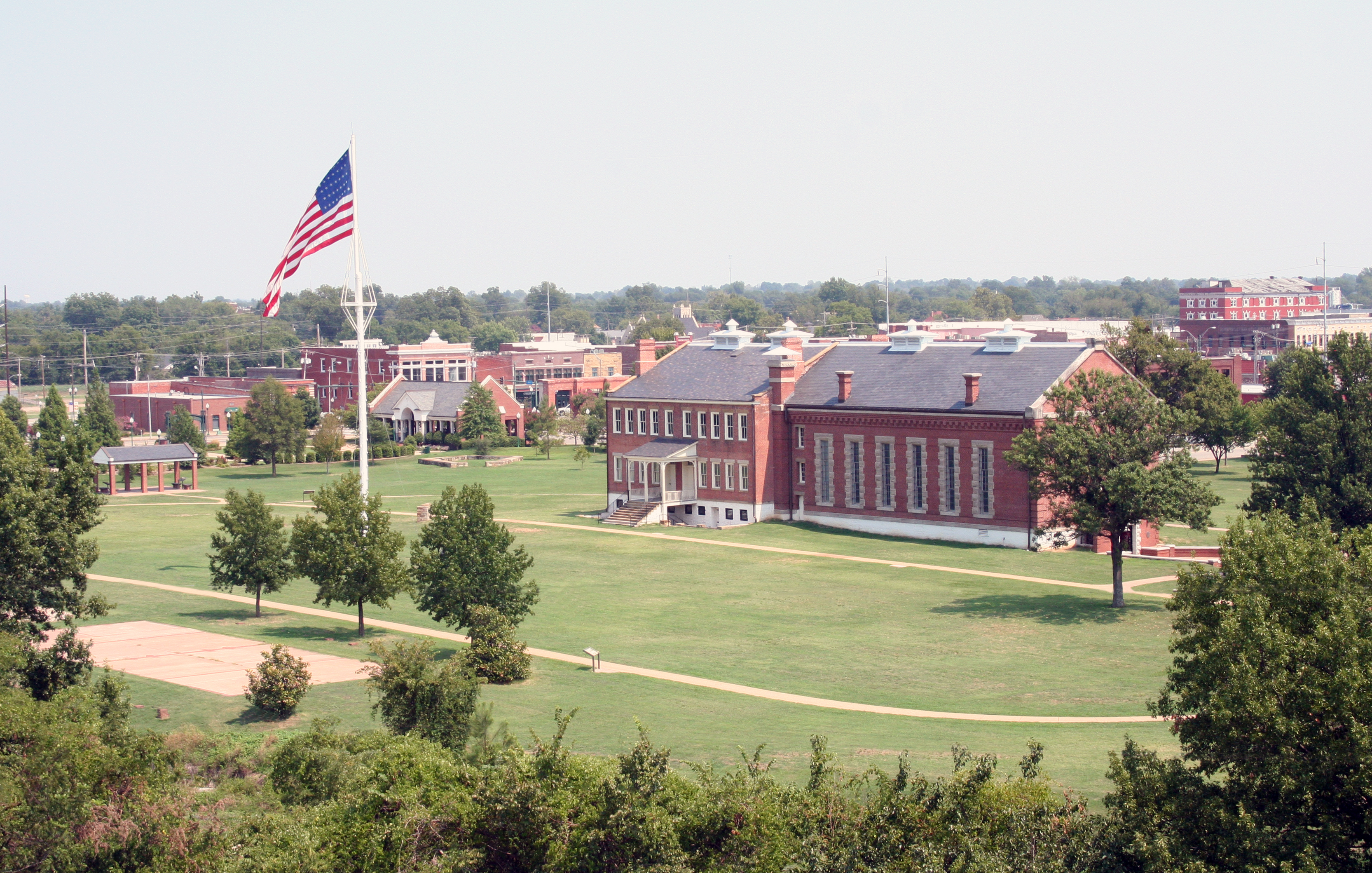
Explore life on the edge of frontier and Indian Territory through the stories of soldiers, the Trail of Tears, scandals, outlaws, and lawmen who pursued them. From the establishment of the first Fort Smith on December 25, 1817, to the final days of Judge Isaac C. Parker's jurisdiction over Indian Territory in 1896, Fort Smith National Historic Site preserves almost 80 years of history.
For centuries, the Oneida Carrying Place, a six-mile portage connecting the Mohawk River and Wood Creek, served as a vital link for those traveling by water from the ocean to the Great Lakes. When Europeans arrived, nations fought for control of the carry, the homelands of the Six Nations Confederacy, and the rich resources of North America. In this struggle, Fort Stanwix would play a vital role.
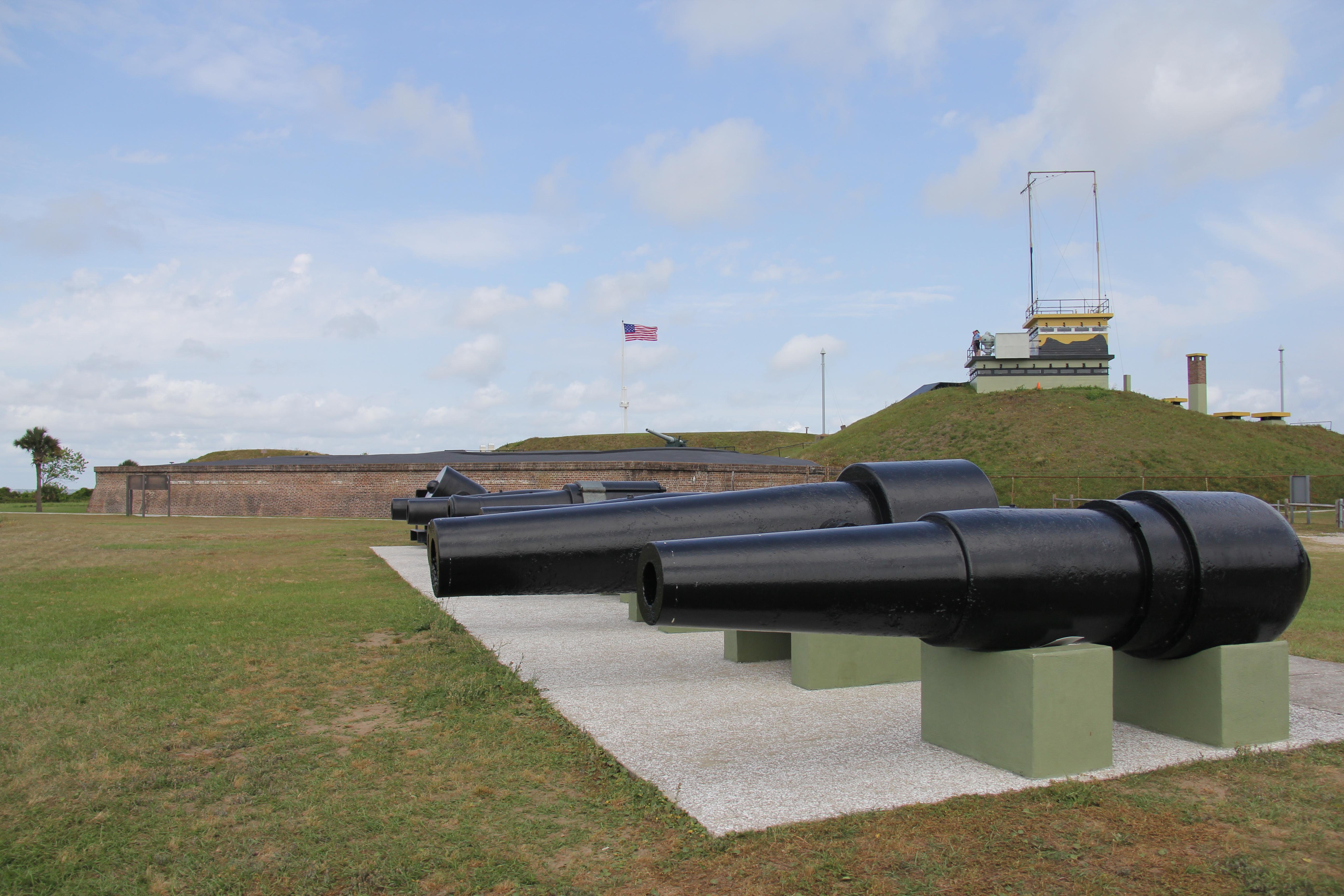
Two forts stand at the entrance of Charleston Harbor. Patriots inside a palmetto log fort, later named Fort Moultrie, defeated the Royal Navy in 1776. As Charleston blazed a path towards secession to preserve slavery, construction on a new fort, Fort Sumter, proceeded. The Confederacy fired on the US garrison of Fort Sumter on April 12, 1861 opening the Civil War, which redefined American freedom.
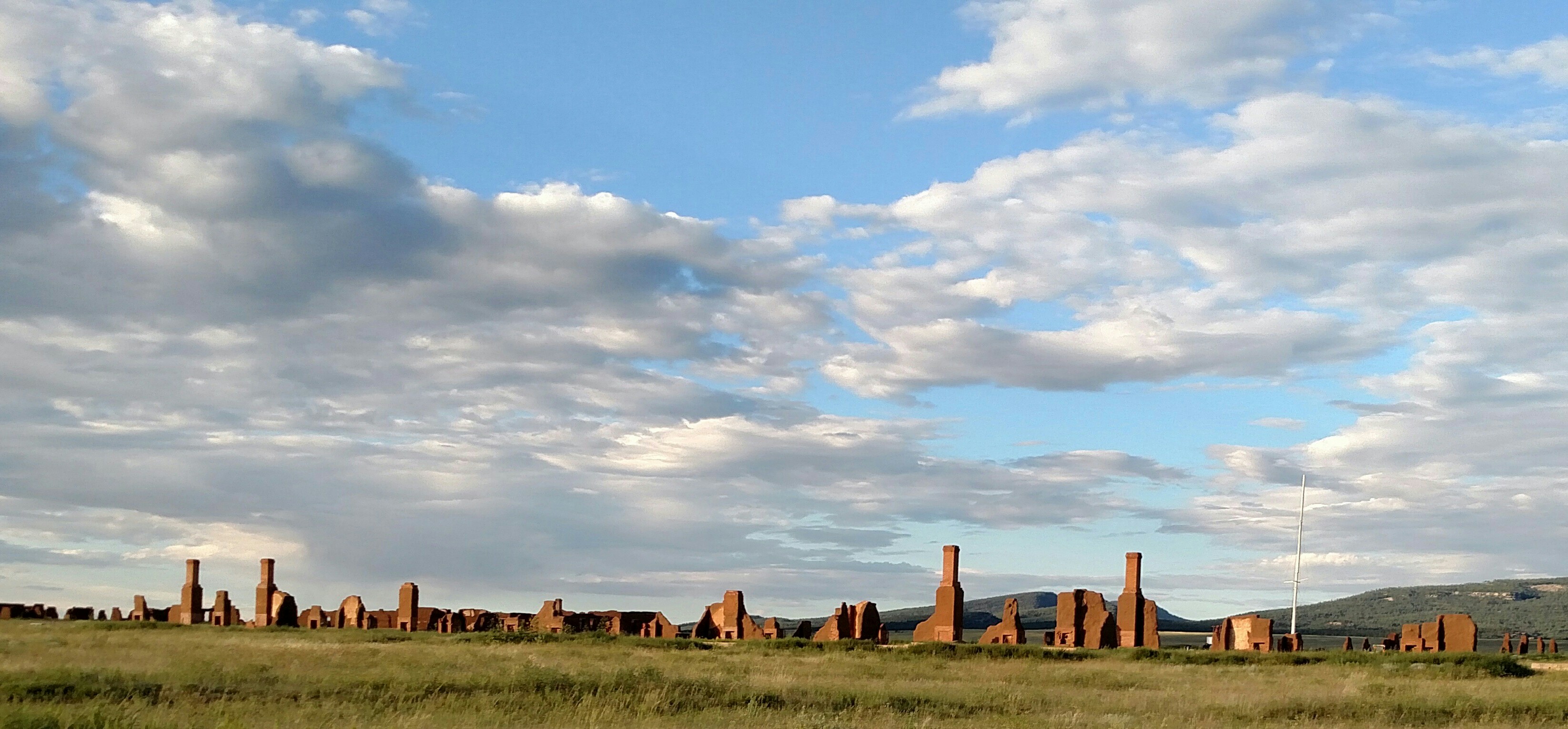
Exposed to the wind, within a sweeping valley of short grass prairie, and along the eroded Santa Fe Trail, lie the adobe walled ruins of the largest 19th century military fort in the region. From 1851 to 1891, Fort Union functioned as an agent of change, desired or not, in the New Mexico Territory and throughout the Southwest.
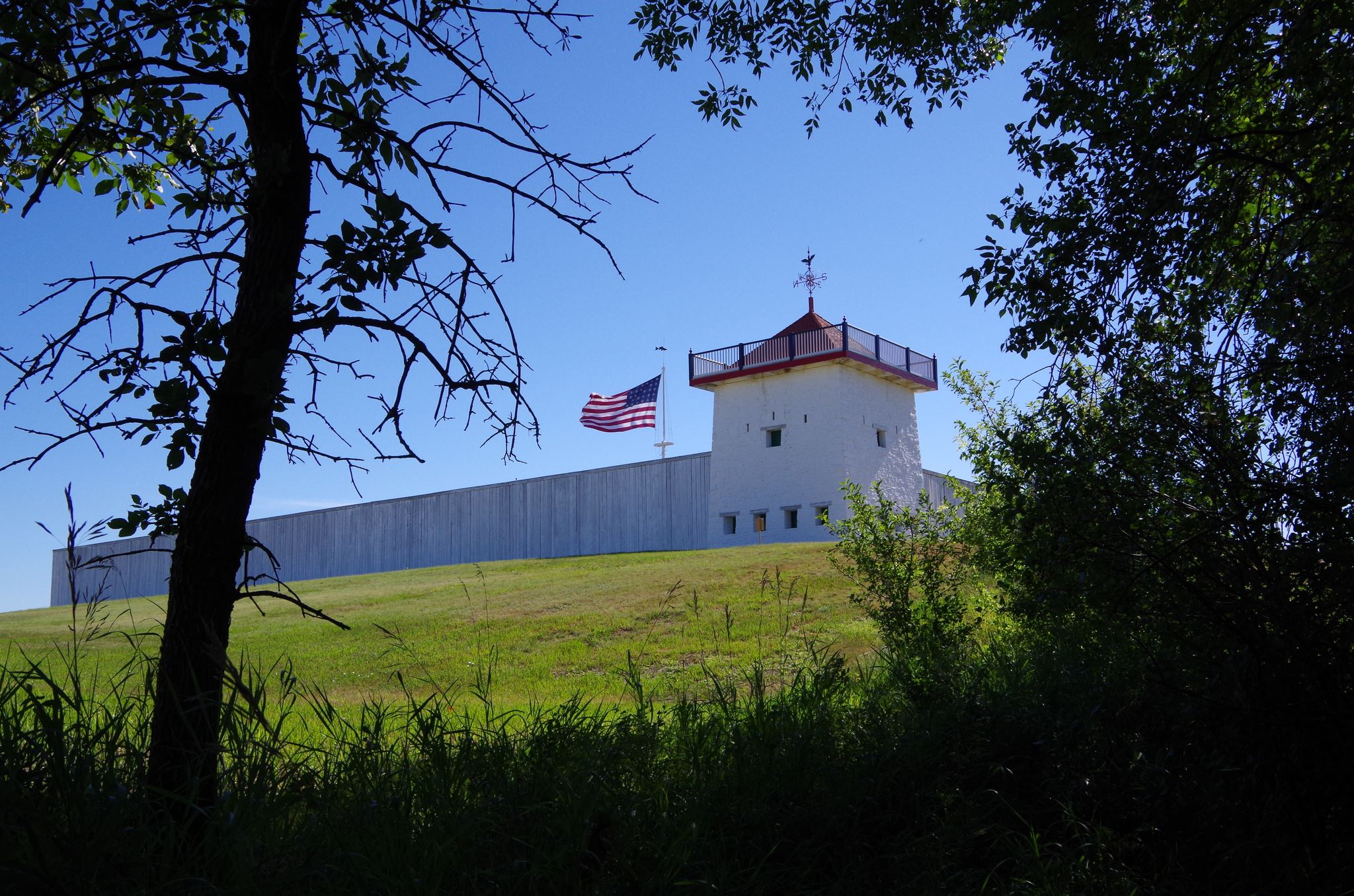
Between 1828 and 1867, Fort Union was the most important fur trade post on the Upper Missouri River. Here, the Assiniboine and six other Northern Plains Tribes exchanged buffalo robes and smaller furs for goods from around the world, including cloth, guns, blankets, and beads. A bastion of peaceful coexistence, the post annually traded over 25,000 buffalo robes and $100,000 in merchandise.
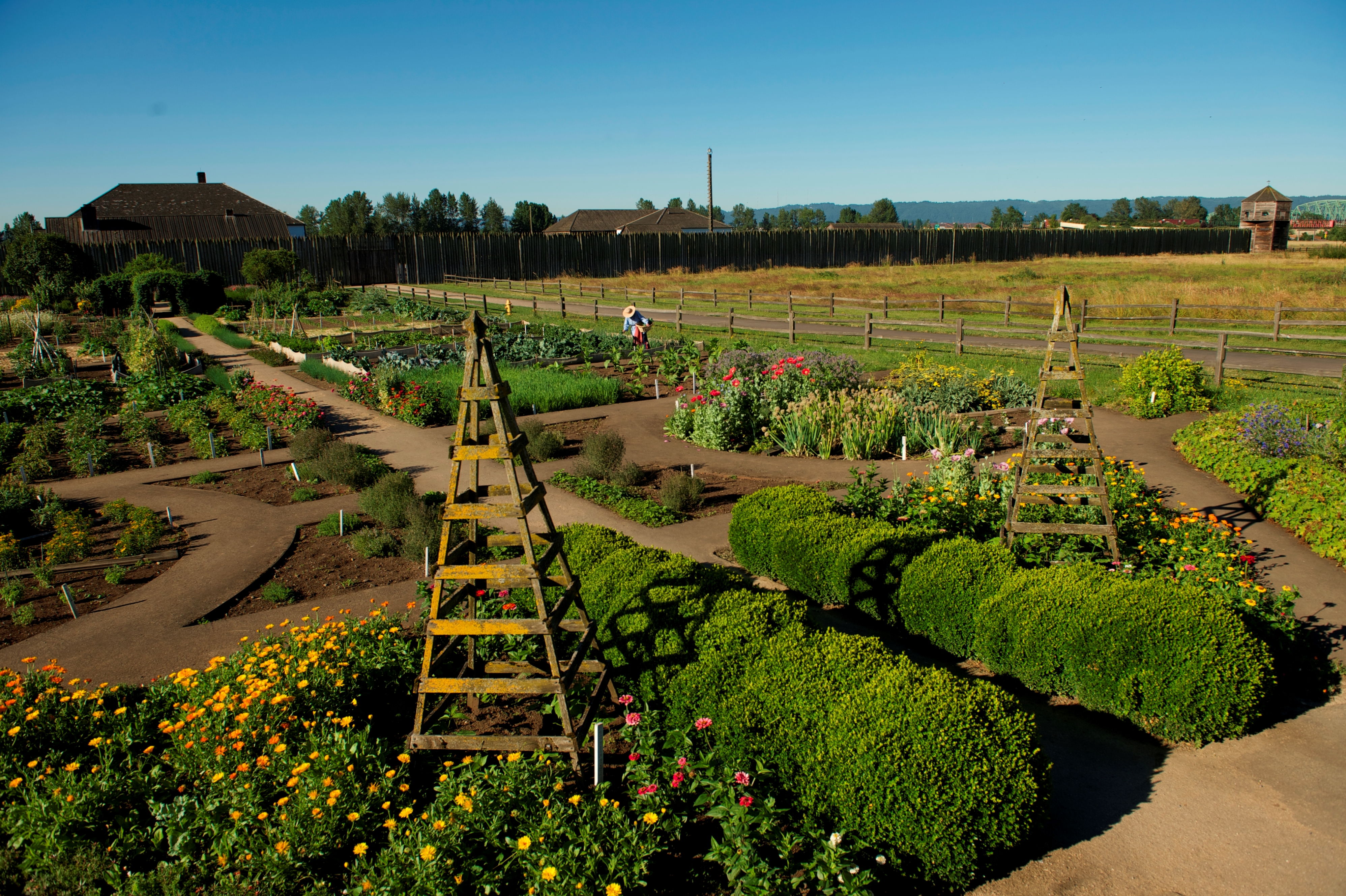
Located on the north bank of the Columbia River, in sight of snowy mountain peaks and a vibrant urban landscape, this park has a rich cultural past. From a frontier fur trading post, to a powerful military legacy, the magic of flight, and the origin of the American Pacific Northwest, history is shared at four unique sites. Discover stories of transition, settlement, conflict, and community.
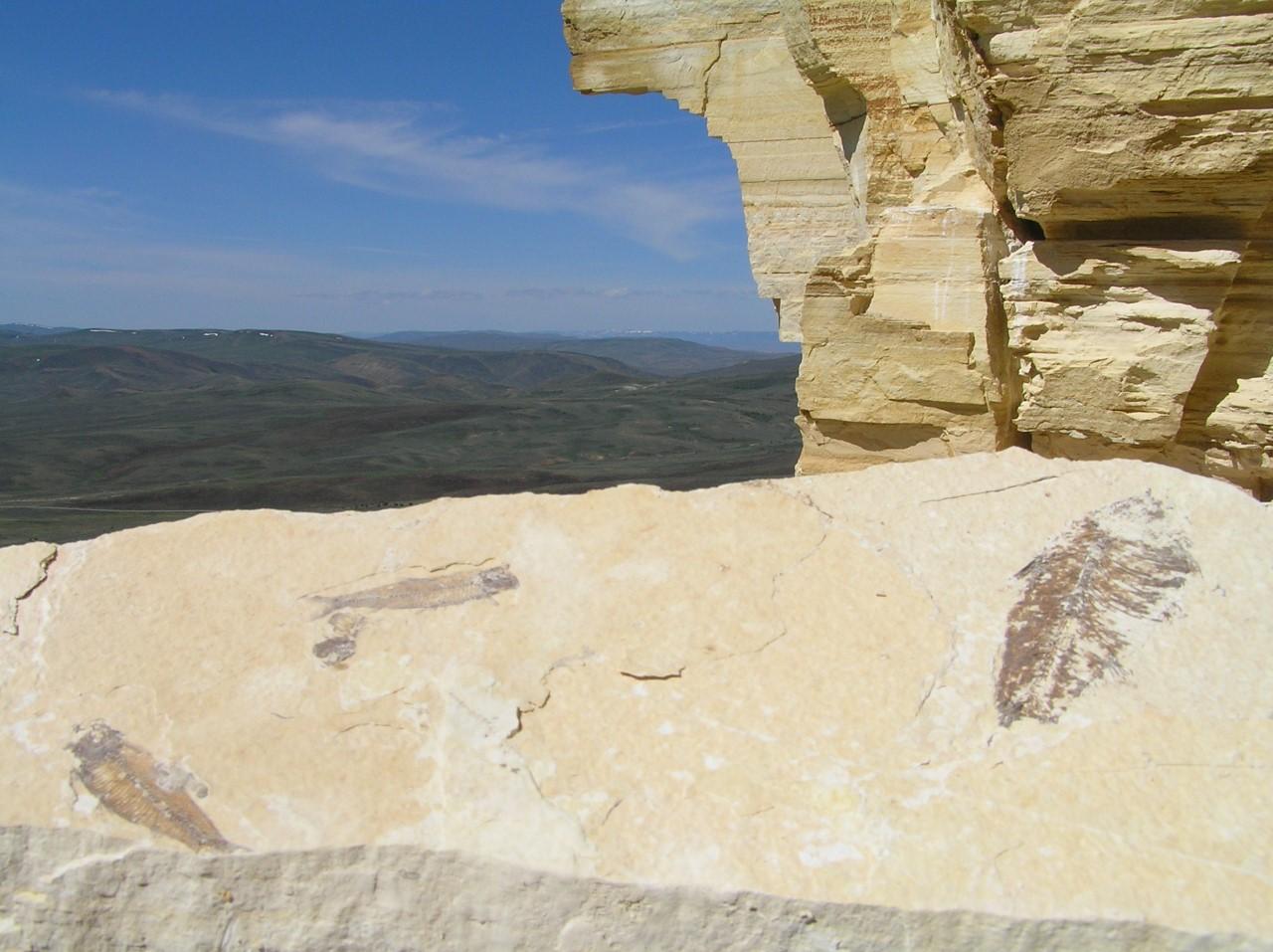
In the ridges of southwest Wyoming are some of the best-preserved fossils in the world. They tell the story of ancient life in a warm, wet environment in and around a freshwater lake. Stingrays swam in the lake. Turtles basked in the sun. Leaves rustled in the breeze while early horses darted between the trunks. We reveal more of the past with each fossil found.
Known as the first woman to hold a presidential cabinet position and the “Woman behind the New Deal,” Frances Perkins championed many labor rights that Americans enjoy today, including safety standards, Social Security, and shorter workweeks. Her impressive career and accomplishments, including as Secretary of Labor, opened the door for other women to hold high government positions.
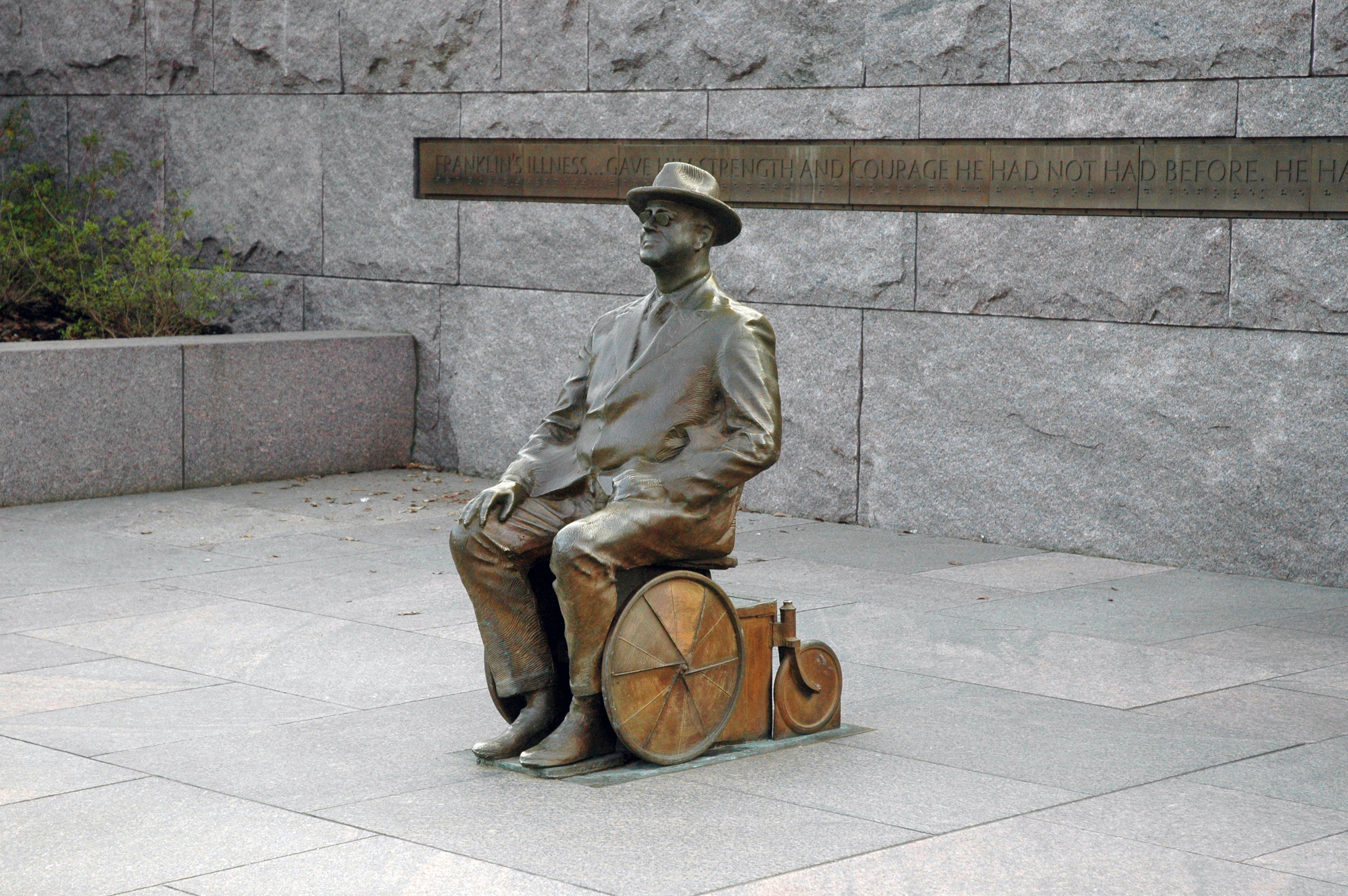
These words by President Franklin Delano Roosevelt ushered the United States into World War II and defined what it is to be an American. Stop by this secluded memorial and begin to understand the Roosevelt legacy.
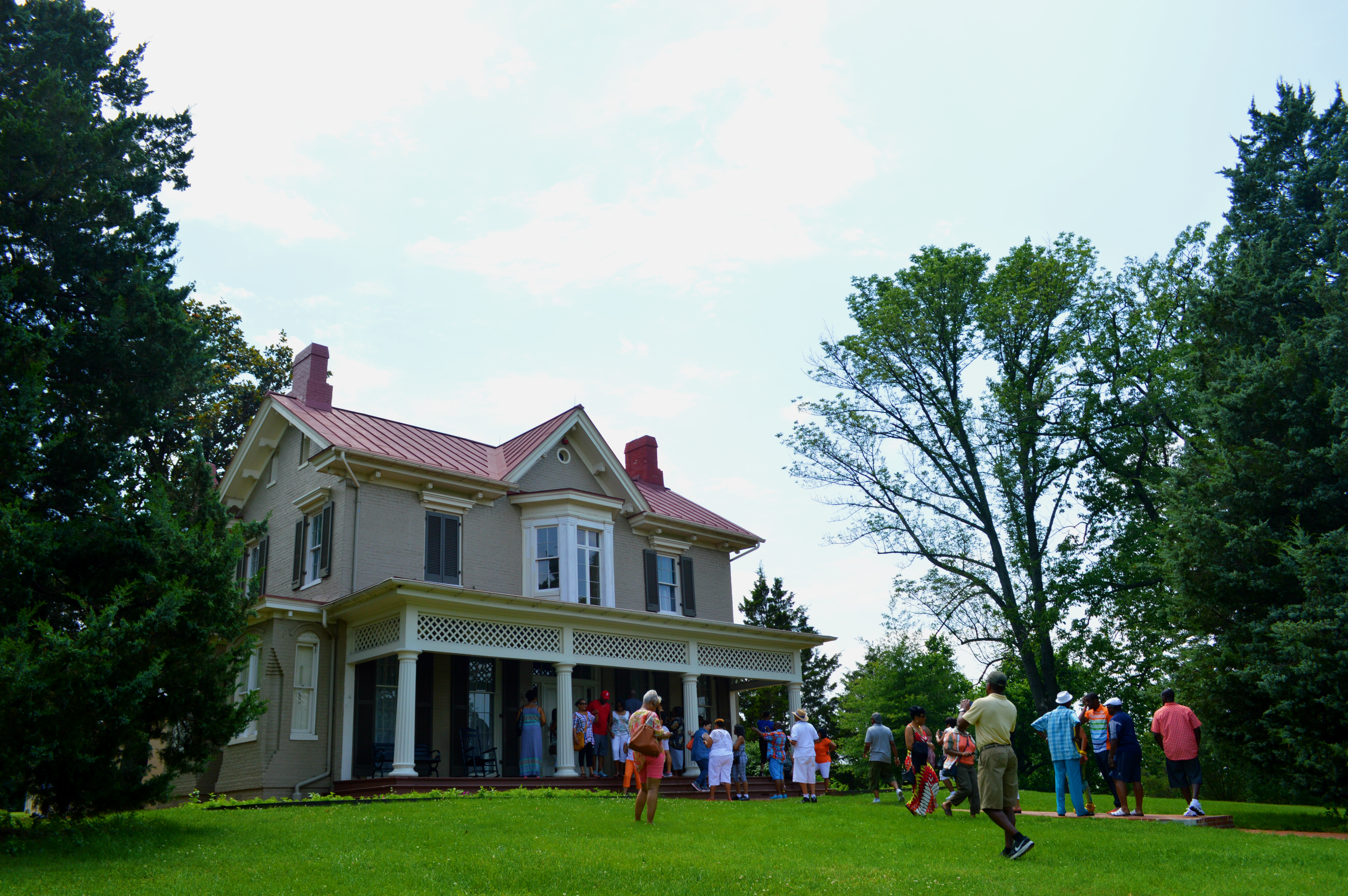
Frederick Douglass spent his life fighting for justice and equality. Born into slavery in 1818, he escaped as a young man and became a leading voice in the abolitionist movement. People everywhere still find inspiration today in his tireless struggle, brilliant words, and inclusive vision of humanity. Douglass's legacy is preserved here at Cedar Hill, where he lived his last 17 years.
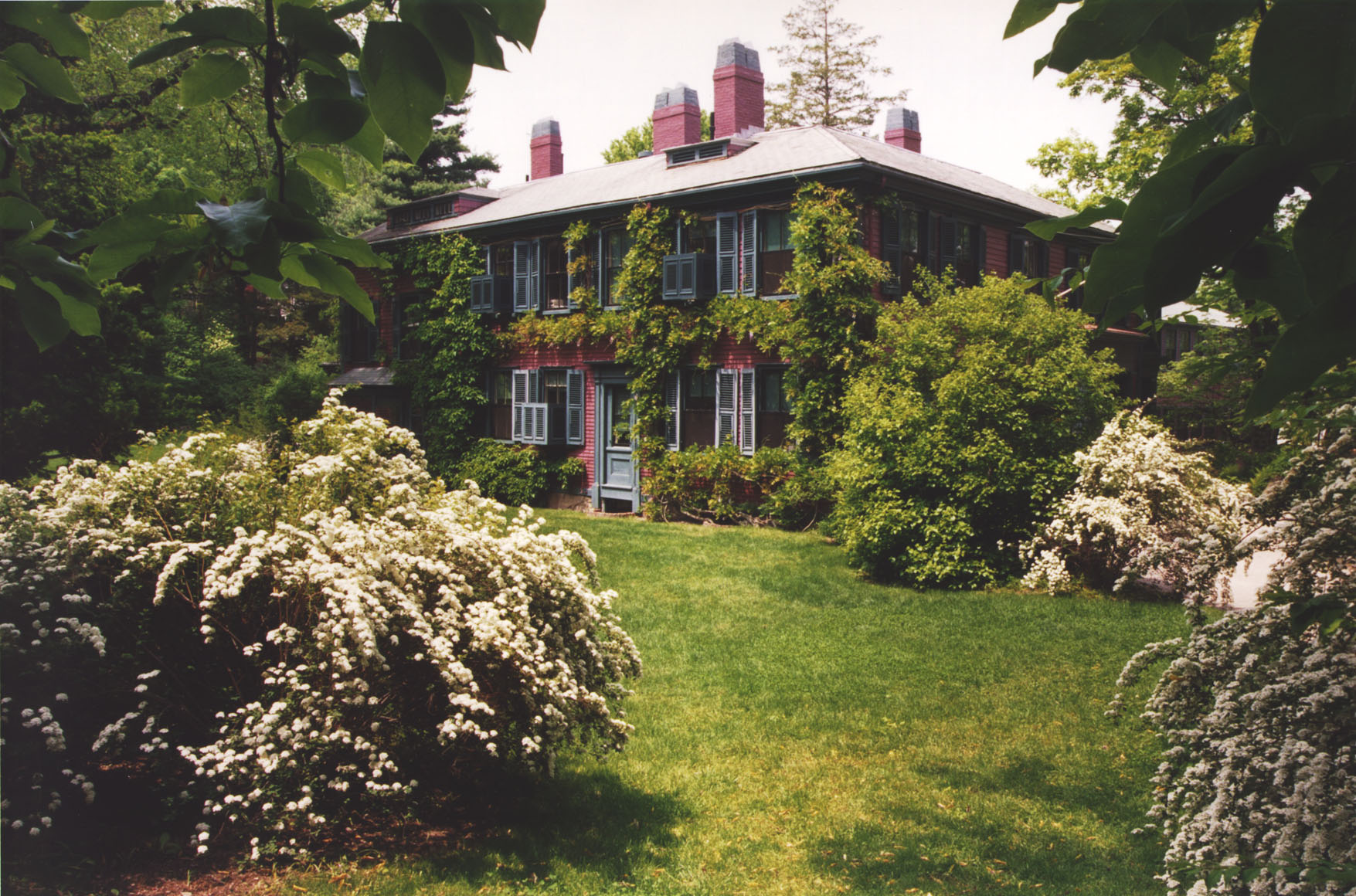
Frederick Law Olmsted (1822-1903) is recognized as the founder of American landscape architecture and the nation's foremost parkmaker. Olmsted moved his home to suburban Boston in 1883 and established the world's first full-scale professional office for the practice of landscape design. During the next century, his sons and successors perpetuated Olmsted's design ideals, philosophy, and influence.
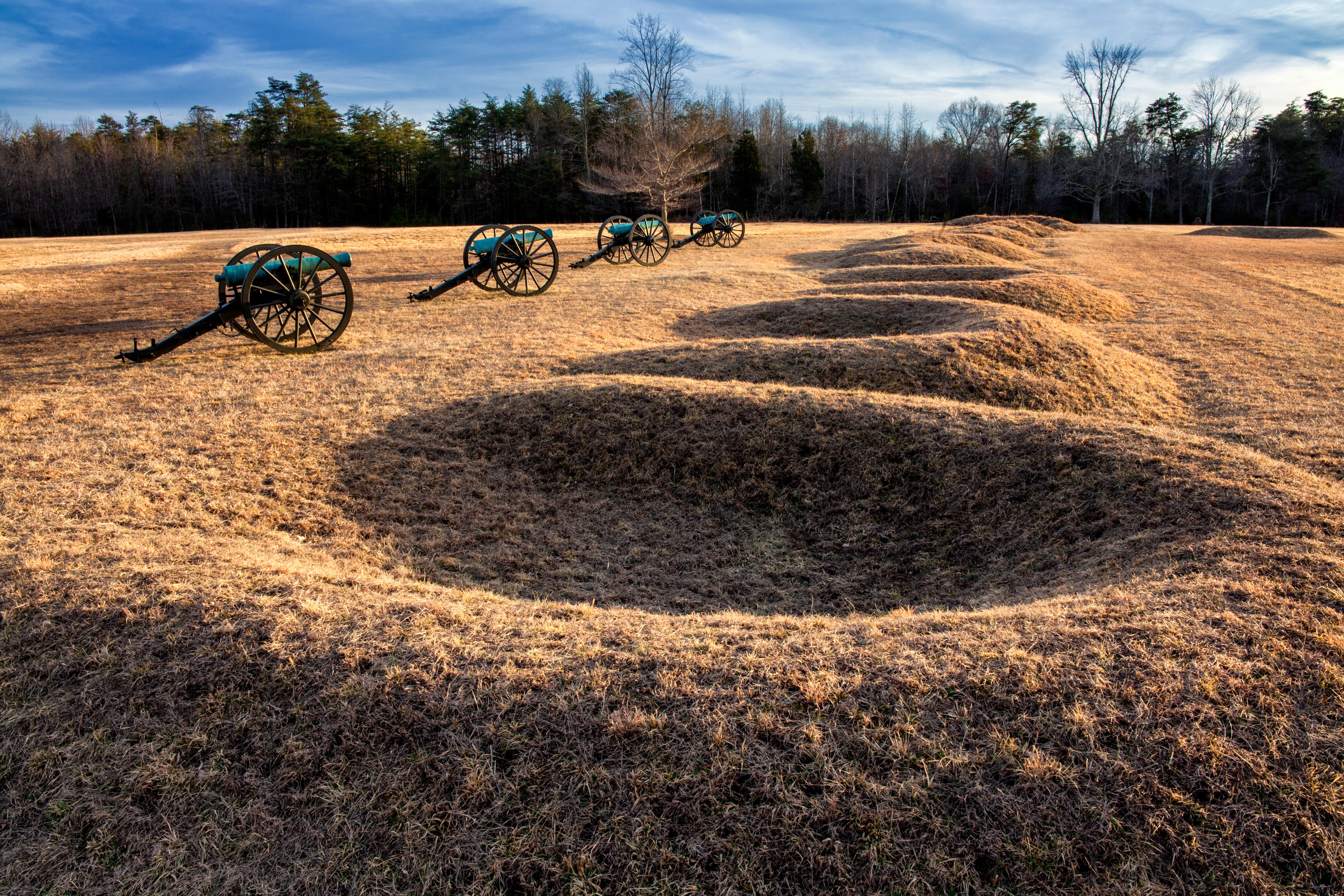
Fredericksburg, Chancellorsville, Wilderness, and Spotsylvania, this is America's battleground, where the Civil War roared to its bloody climax. No place more vividly reflects the War's tragic cost in all its forms. A town bombarded and looted. Farms large and small ruined. Refugees by the thousands forced into the countryside. More than 85,000 men wounded; 15,000 killed--most in graves unknown.
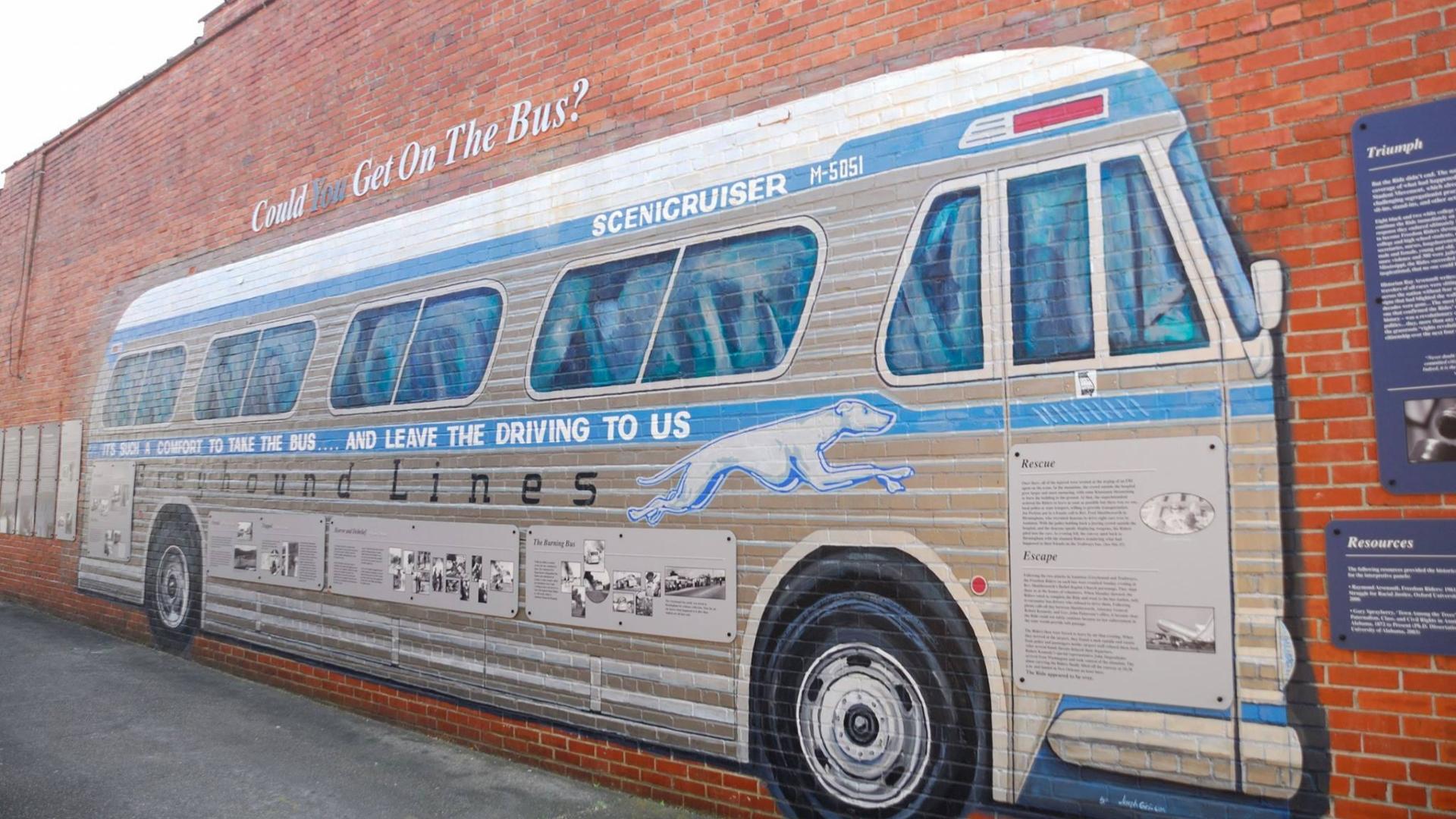
In 1961, a small interracial band of “Freedom Riders” challenged discriminatory laws requiring separation of the races in interstate travel. They were attacked by white segregationists, who firebombed the bus. Images of the attack appeared in hundreds of newspapers, shocking the American public and spurring the Federal Government to issue regulations banning segregation in interstate travel.
Albert Gallatin is best remembered for his thirteen year tenure as Secretary of the Treasury during the Jefferson and Madison administrations. In that time he reduced the national debt, purchased the Louisiana Territory and funded the Lewis & Clark exploration. Gallatin's accomplishments and contributions are highlighted at Friendship Hill, his restored country estate.
This vast landscape does not contain any roads or trails. Visitors discover intact ecosystems where people have lived with the land for over ten thousand years. Wild rivers meander through glacier-carved valleys, caribou migrate along age-old trails, endless summer light fades into aurora-lit night skies of winter. Virtually unchanged, except by the forces of nature.
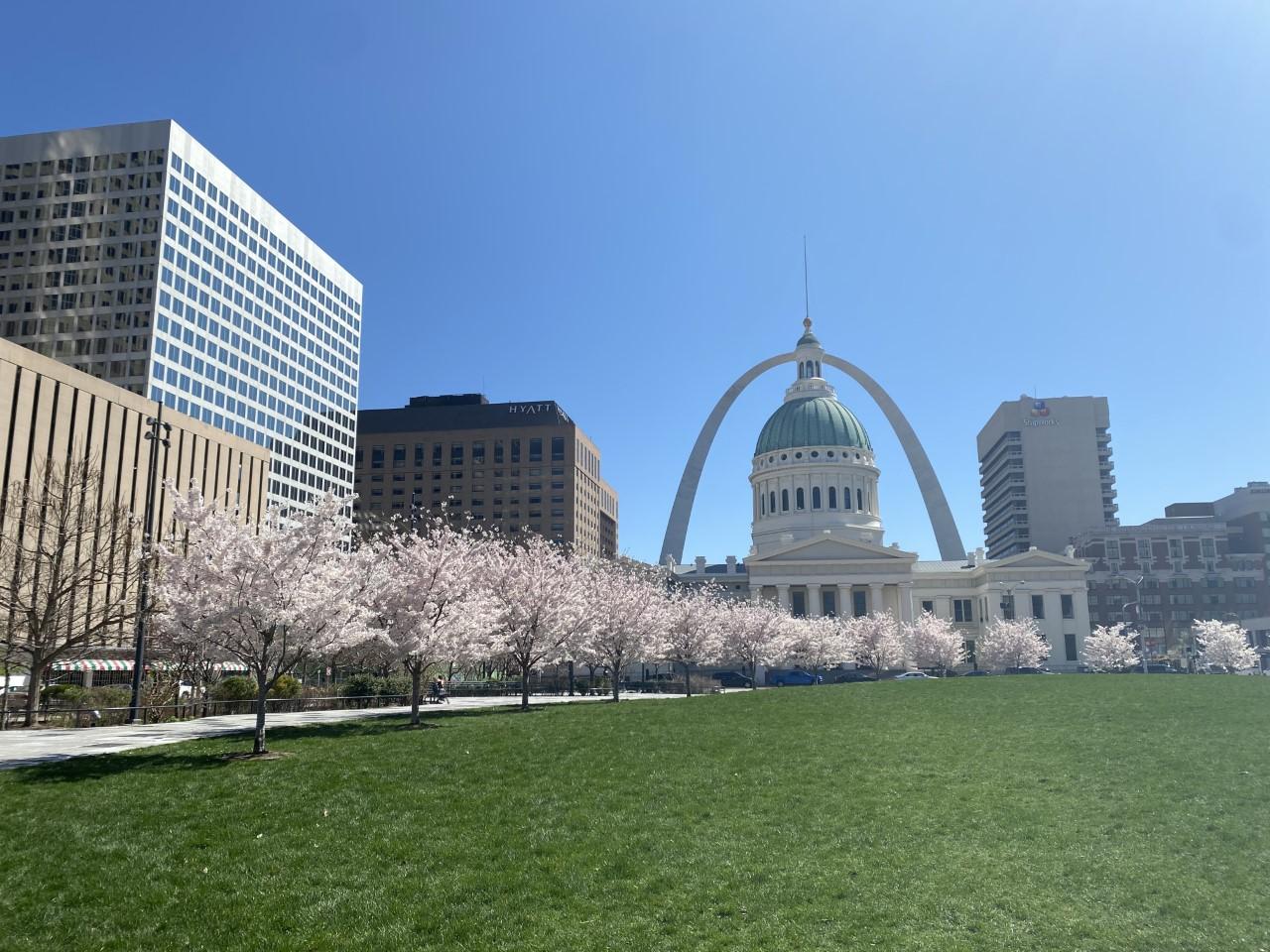
Gateway Arch National Park commemorates President Jefferson’s vision of a continental nation, the individuals and cultural groups who helped shape its history, St. Louis’ role in westward expansion, and Dred and Harriet Scott, who sued for their freedom in the Old Courthouse.
Spanning 27,000 acres from Sandy Hook in New Jersey to Breezy Point in New York City, the park is both the gateway from the ocean into New York Harbor, and the gateway to the National Park Service for millions of visitors every year. Gateway offers green spaces and beaches alongside historic structures and cultural landscapes. Every day, Gateway is open for you to explore, envision, and enjoy!
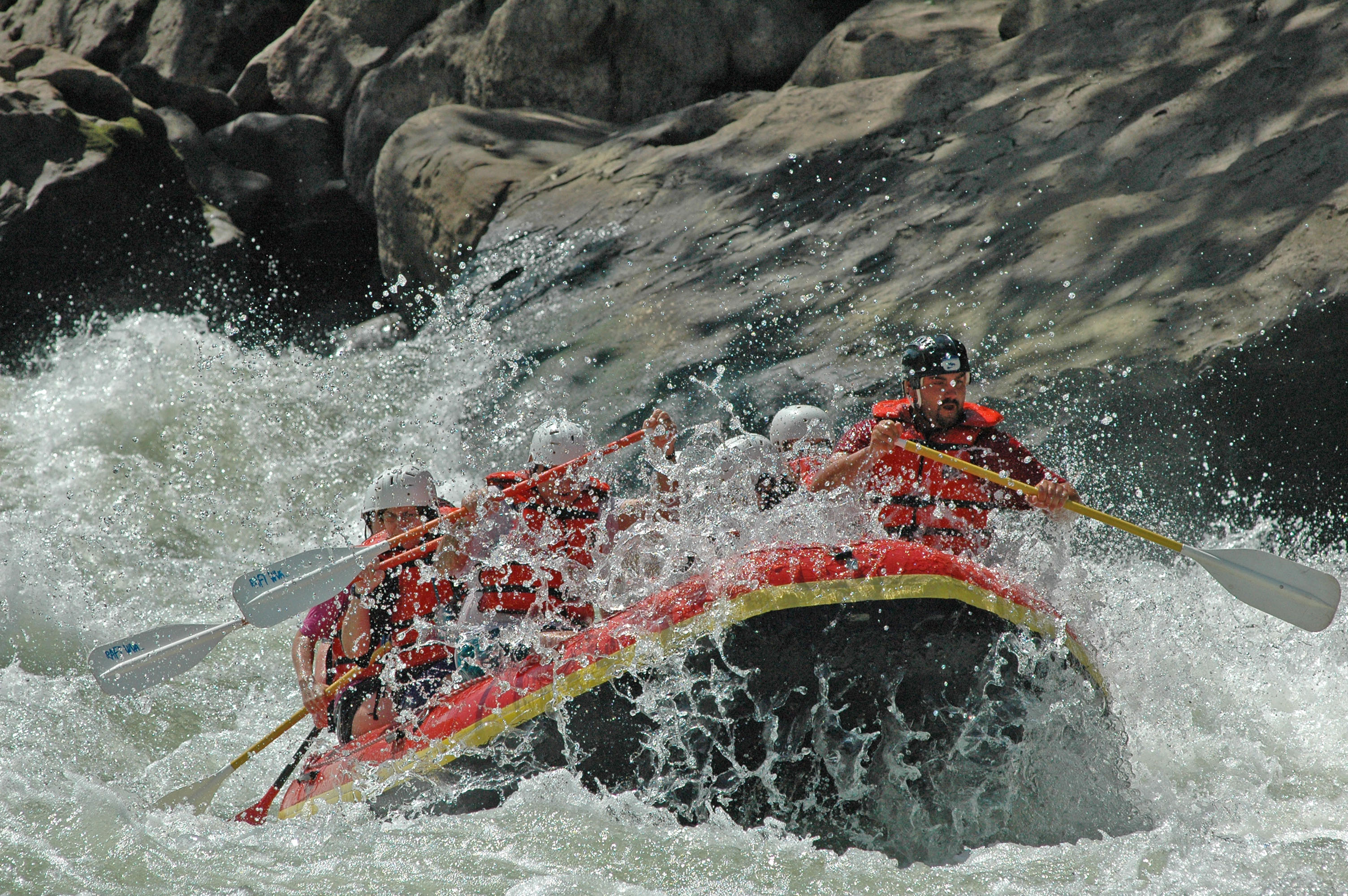
The 25 miles of free-flowing Gauley River and the six miles of the Meadow River pass through scenic gorges and valleys containing a wide variety of natural and cultural features. The Gauley River contains several class V+ rapids, making it one of the most adventurous white water boating rivers in the east.
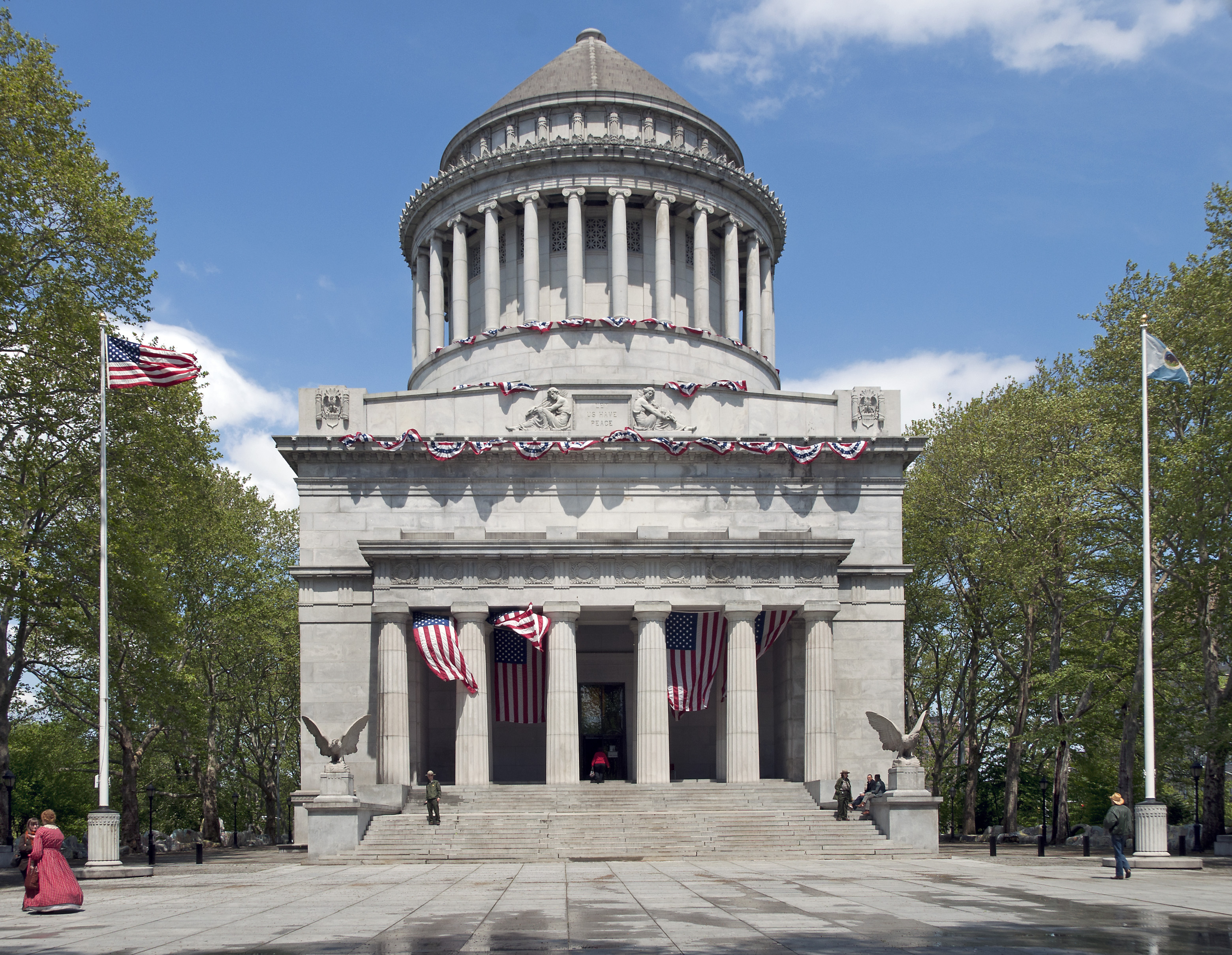
The final resting place of President Ulysses S. Grant and his wife, Julia, is the largest mausoleum in North America. It testifies to a people’s gratitude for the man who ended the bloodiest conflict in American history as Commanding General of the Union Army and then, as President of the United States, strove to heal a nation after a civil war and make rights for all citizens a reality.
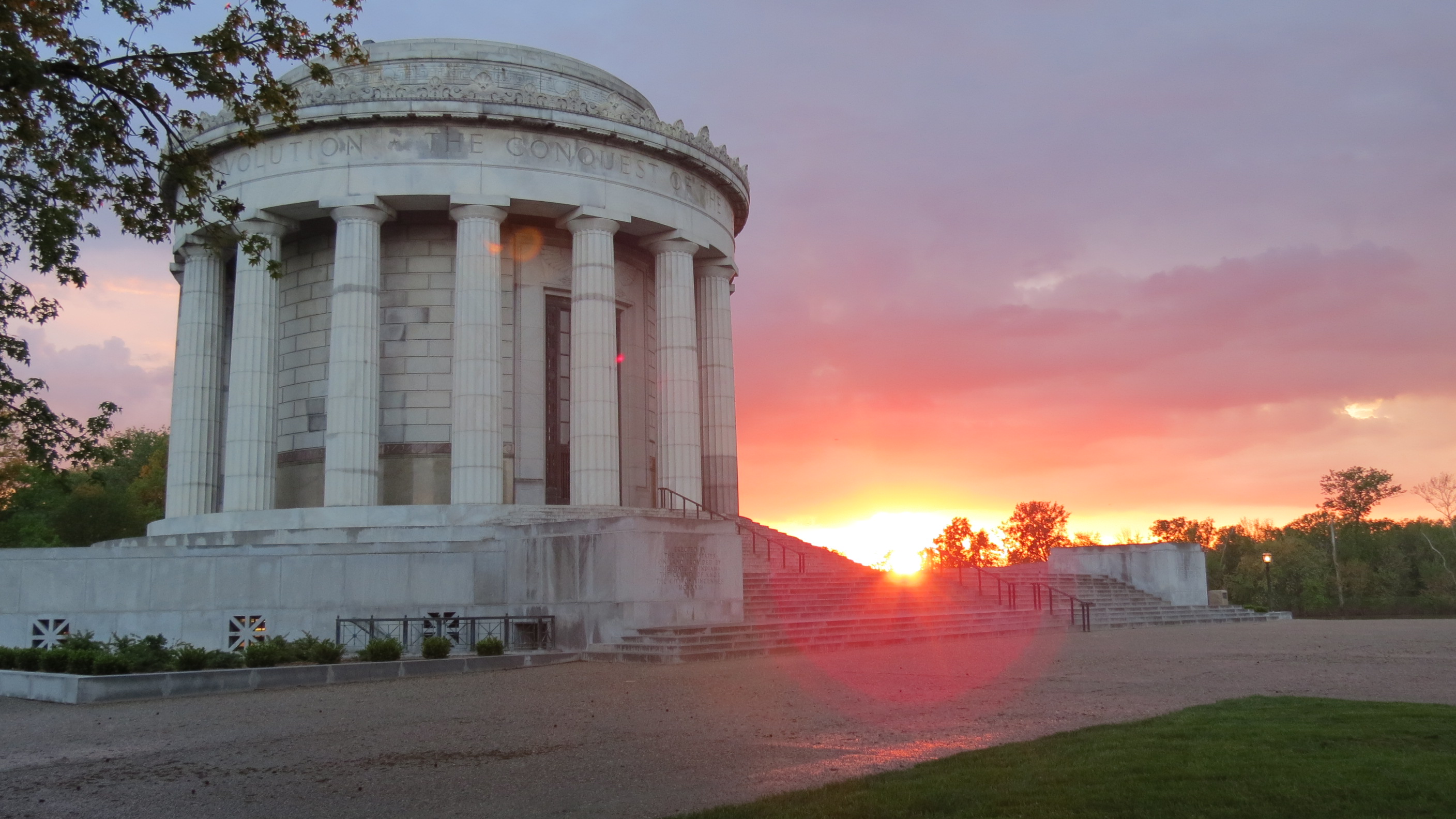
The British flag would not be raised above Fort Sackville Feb. 25, 1779. At 10 A.M., the garrison surrendered to American Colonel George Rogers Clark. His American army, aided by French residents of the Illinois country, had marched through freezing floodwaters to gain this victory. The fort’s capture assured United States claims to the frontier, an area nearly as large as the original 13 states.
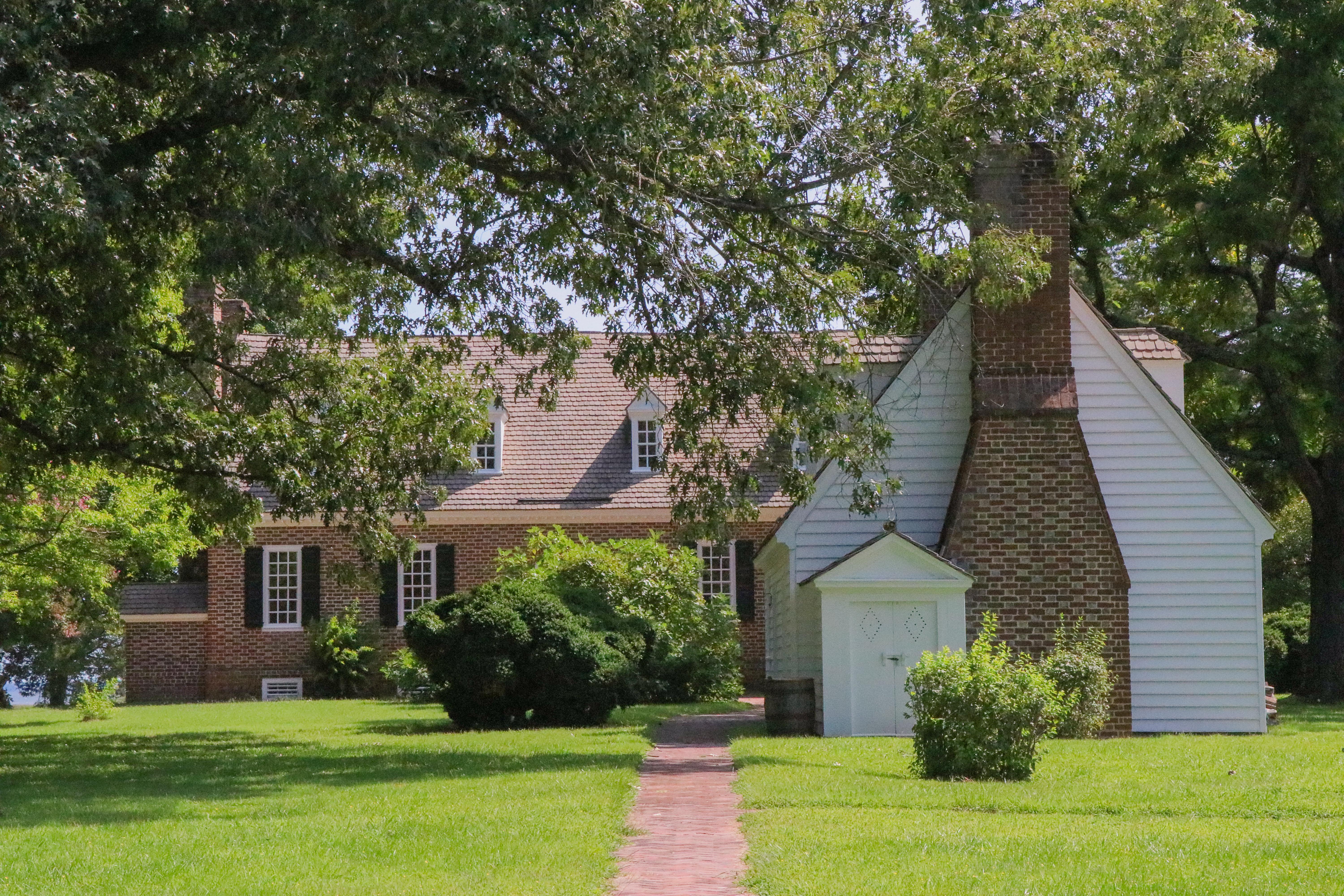
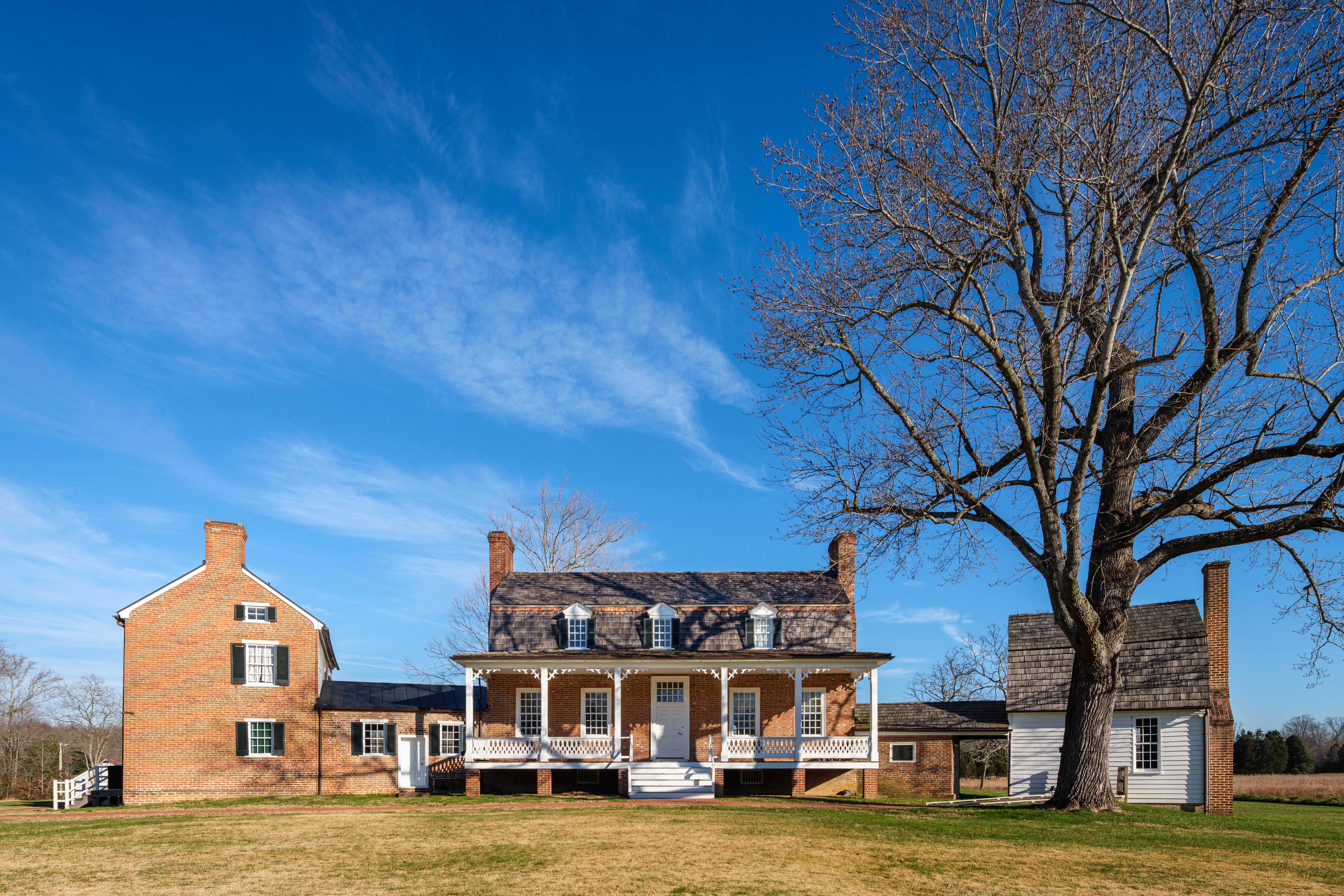
George Washington Birthplace National Monument is located in the Northern Neck of Virginia. It encompasses 551 acres of land where seven generations of the Washington family lived and where George Washington was born in 1732. The park was also central to one of the earliest efforts to memorialize George Washington during the celebration of his bicentennial birth anniversary in 1932.
The young child known as the "Plant Doctor" tended his secret garden while observing the day-to-day operations of a 19th century farm. Nature and nurture ultimately influenced George on his quest for education to becoming a renowned agricultural scientist, educator, and humanitarian.
The George Washington Memorial Parkway was designed for recreational driving. It links sites that commemorate important episodes in American history and preserve habitat for local wildlife. The parkway and its associated trails provide a scenic place to play and rest in the busy Washington, DC metropolitan area.
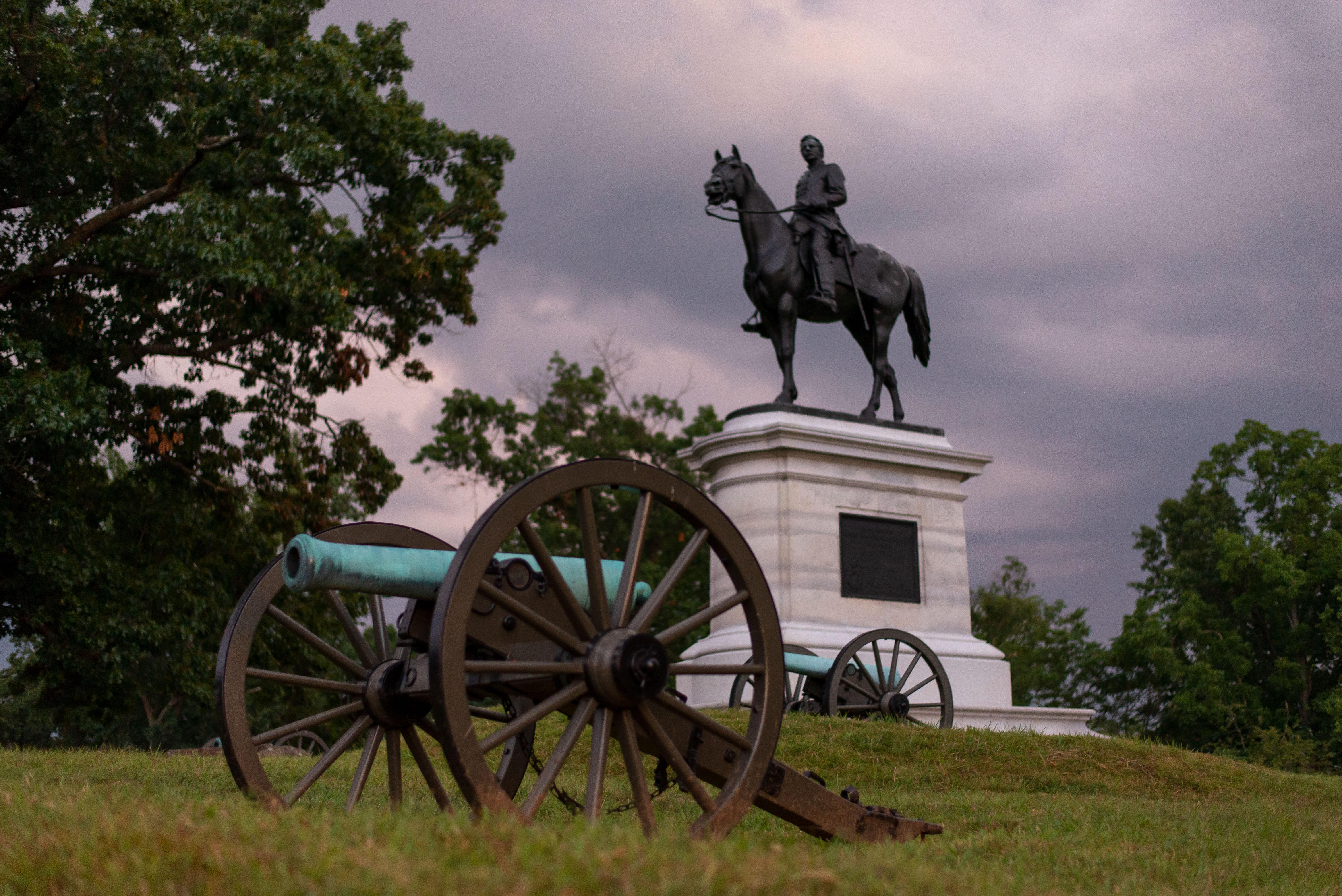
The Battle of Gettysburg was a turning point in the Civil War, the Union victory that ended General Robert E. Lee's second and most ambitious invasion of the North. Often referred to as the "High Water Mark of the Rebellion", Gettysburg was the Civil War's bloodiest battle and was also the inspiration for President Abraham Lincoln's immortal "Gettysburg Address".
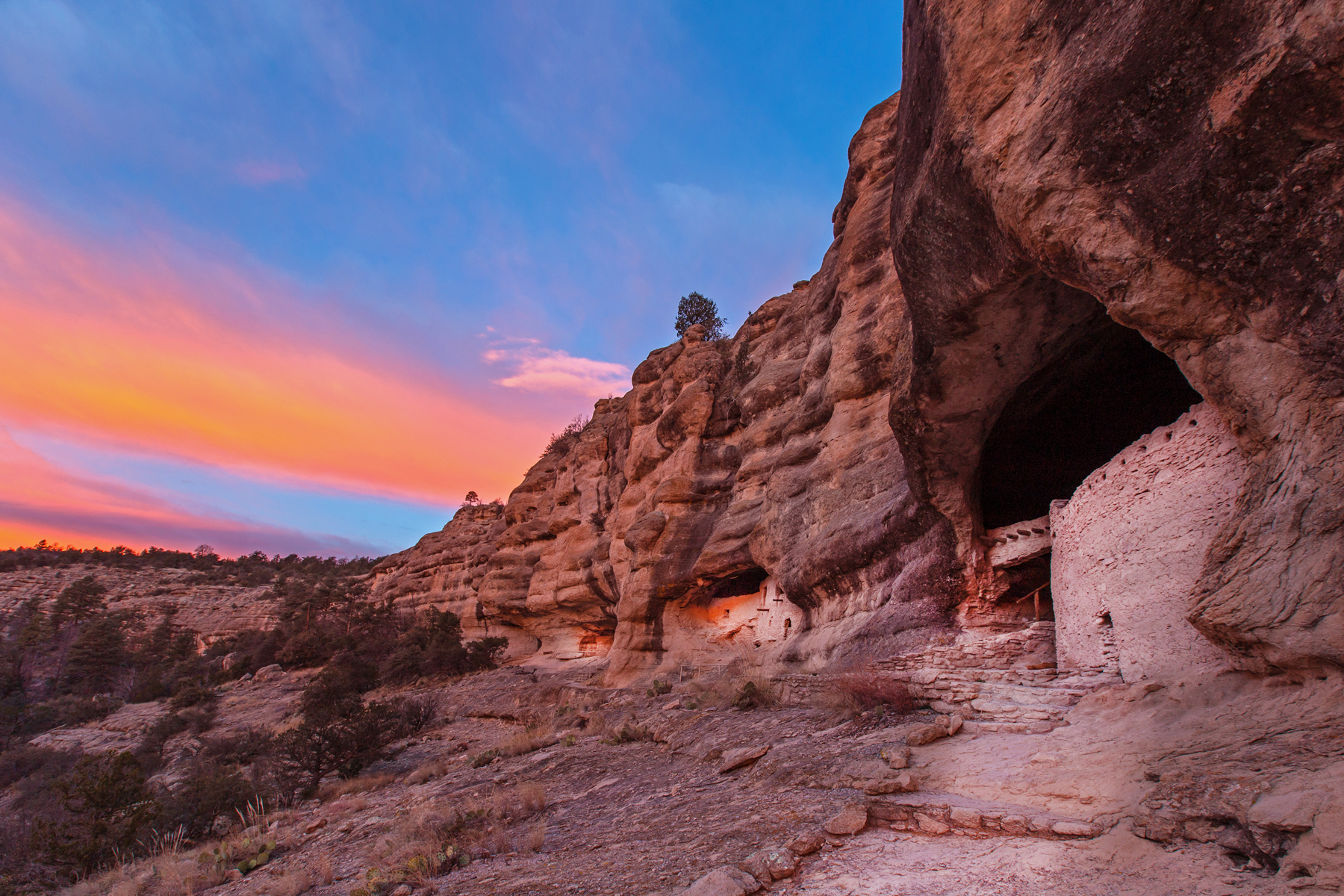
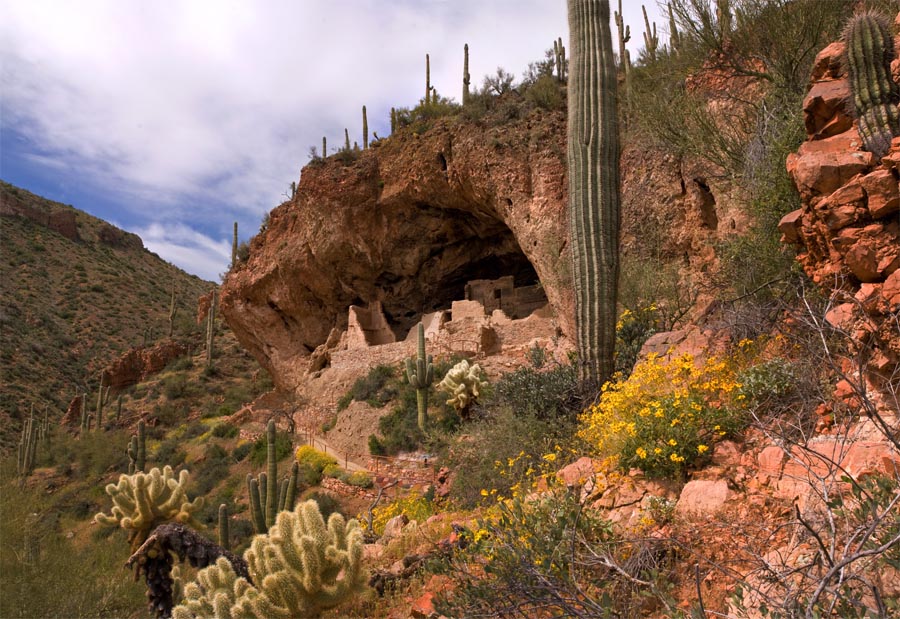
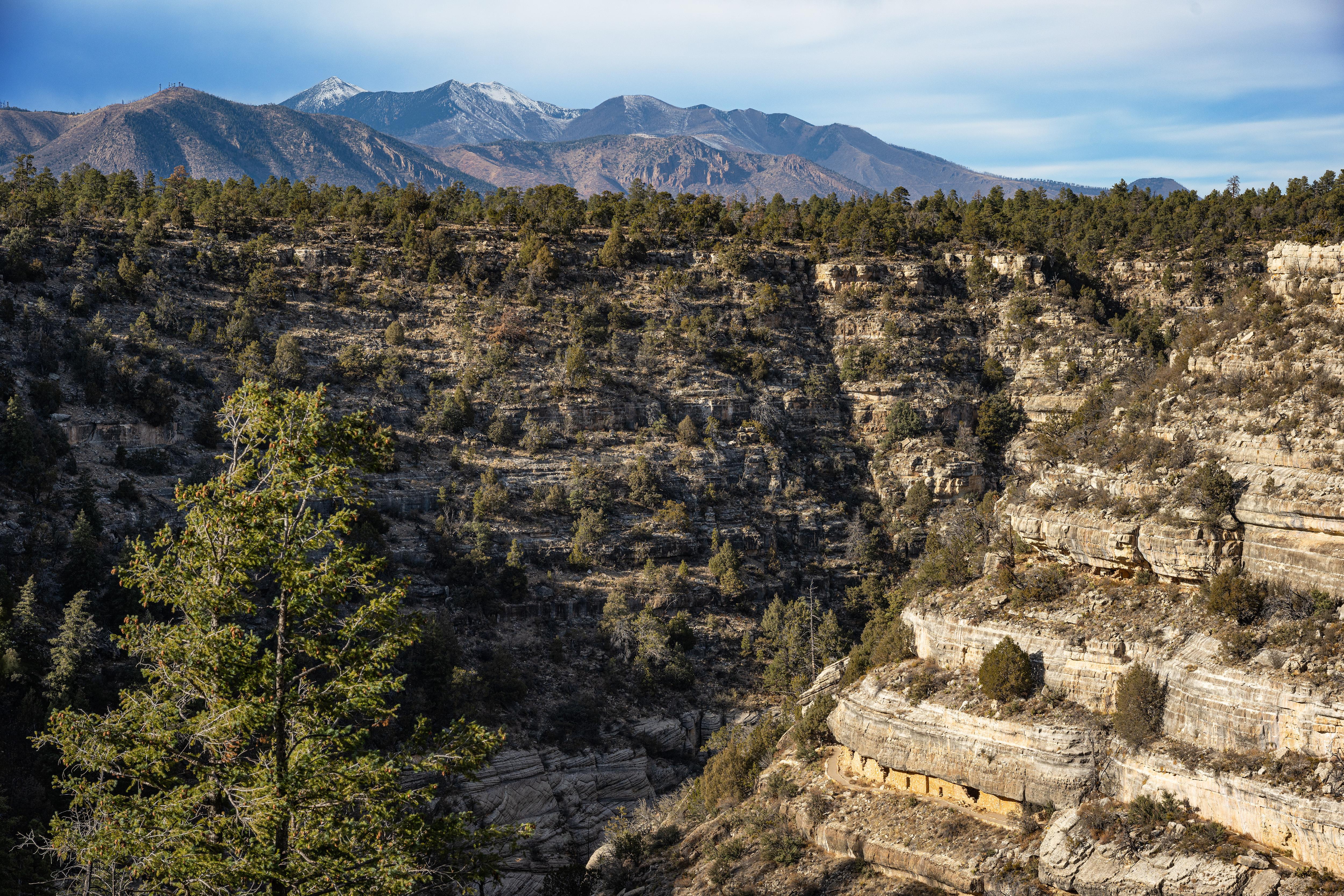
For thousands of years, groups of nomads used the caves above Cliff Dweller Creek as temporary shelter. In the late 1200s, people of the agricultural Mogollon (Southern Ancestral Pueblo) culture made it a home. They built rooms, crafted pottery and raised children in the cliff dwellings for one or two generations. By approximately 1300, the Mogollon had moved on, leaving the walls behind.
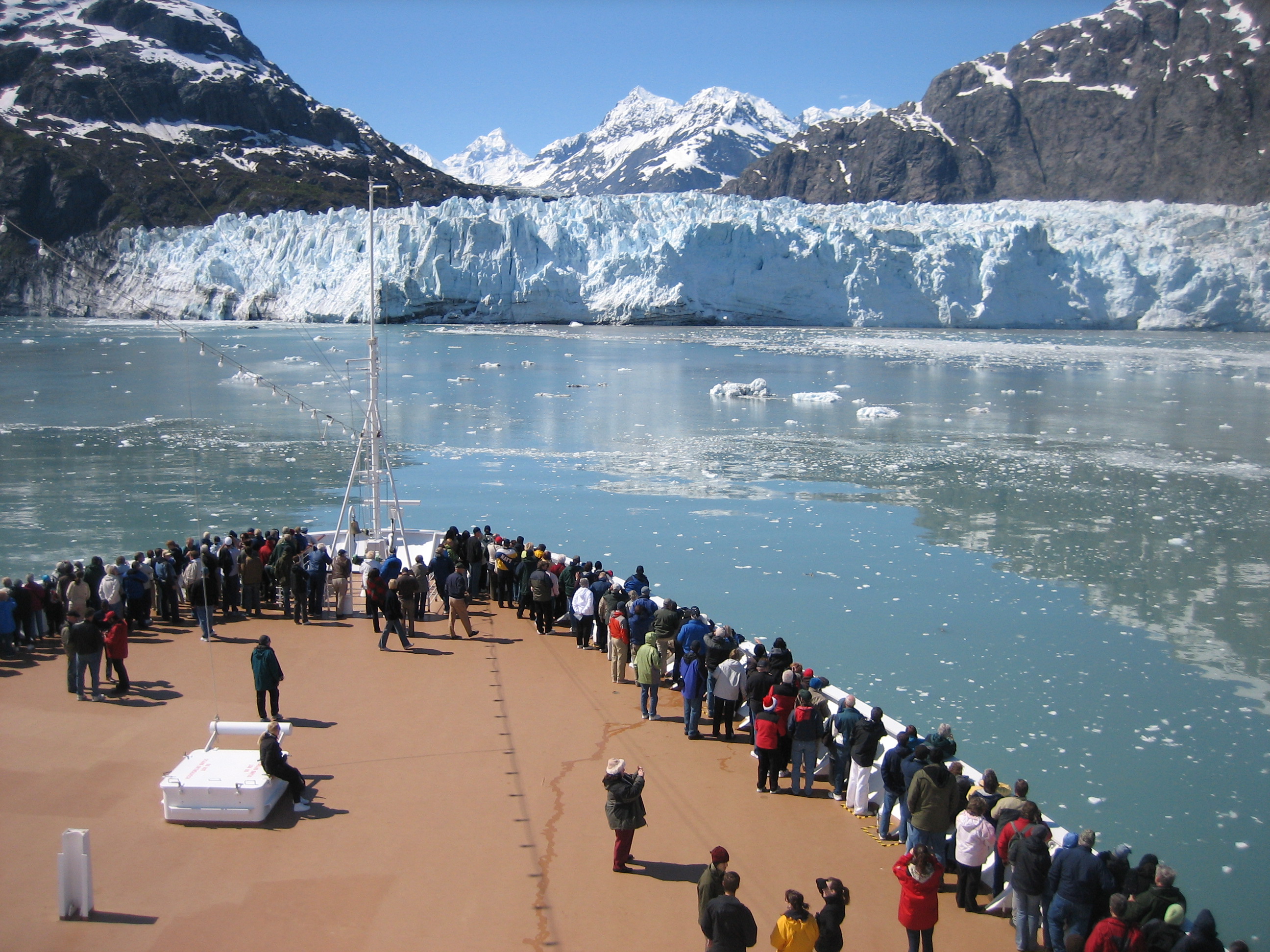
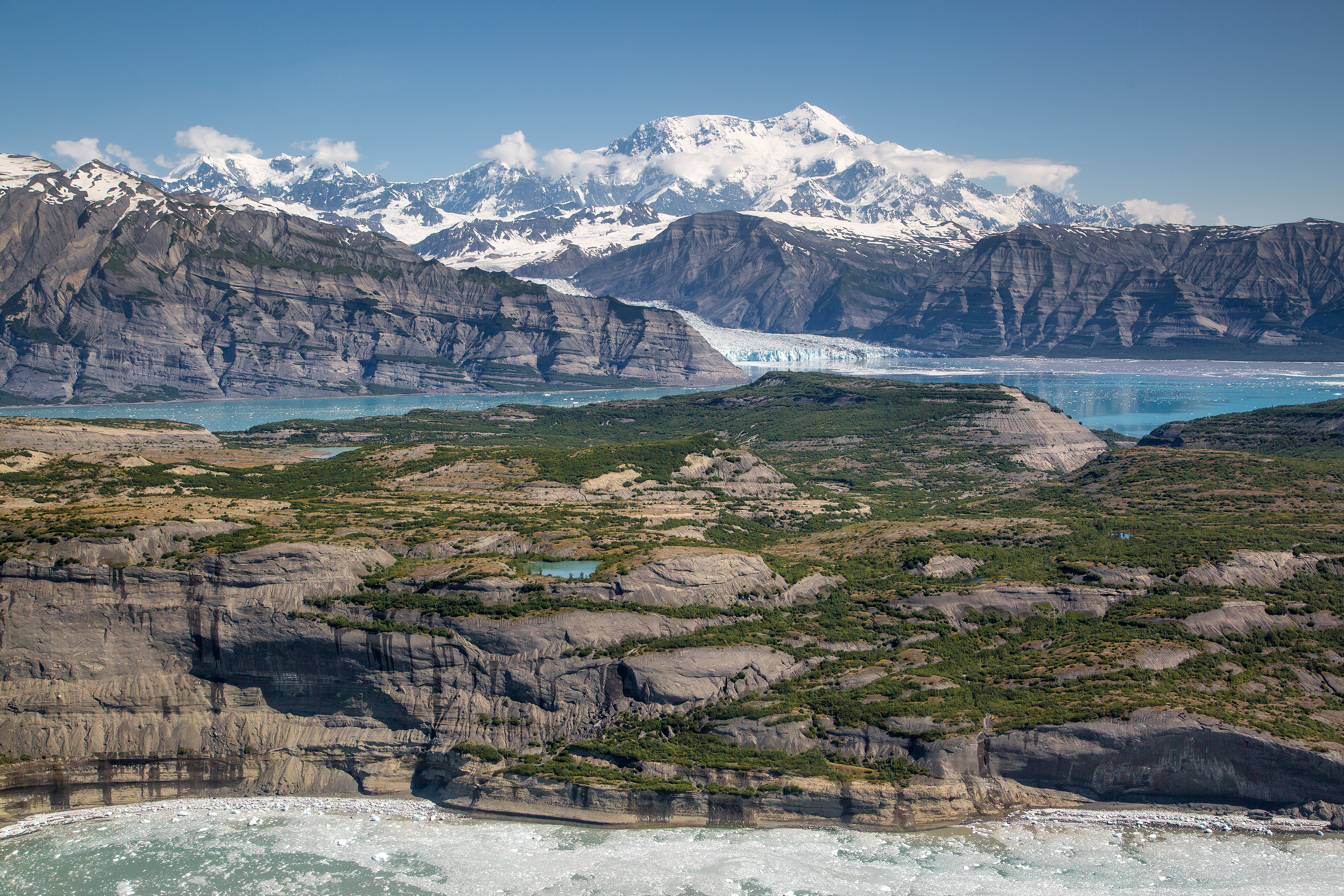
Covering 3.3 million acres of rugged mountains, dynamic glaciers, temperate rainforest, wild coastlines and deep sheltered fjords, Glacier Bay National Park and Preserve is known as Homeland to the Huna and Yakutat Lingít, and is a highlight of Alaska's Inside Passage. From sea to summit, Glacier Bay offers limitless opportunities for adventure and inspiration.
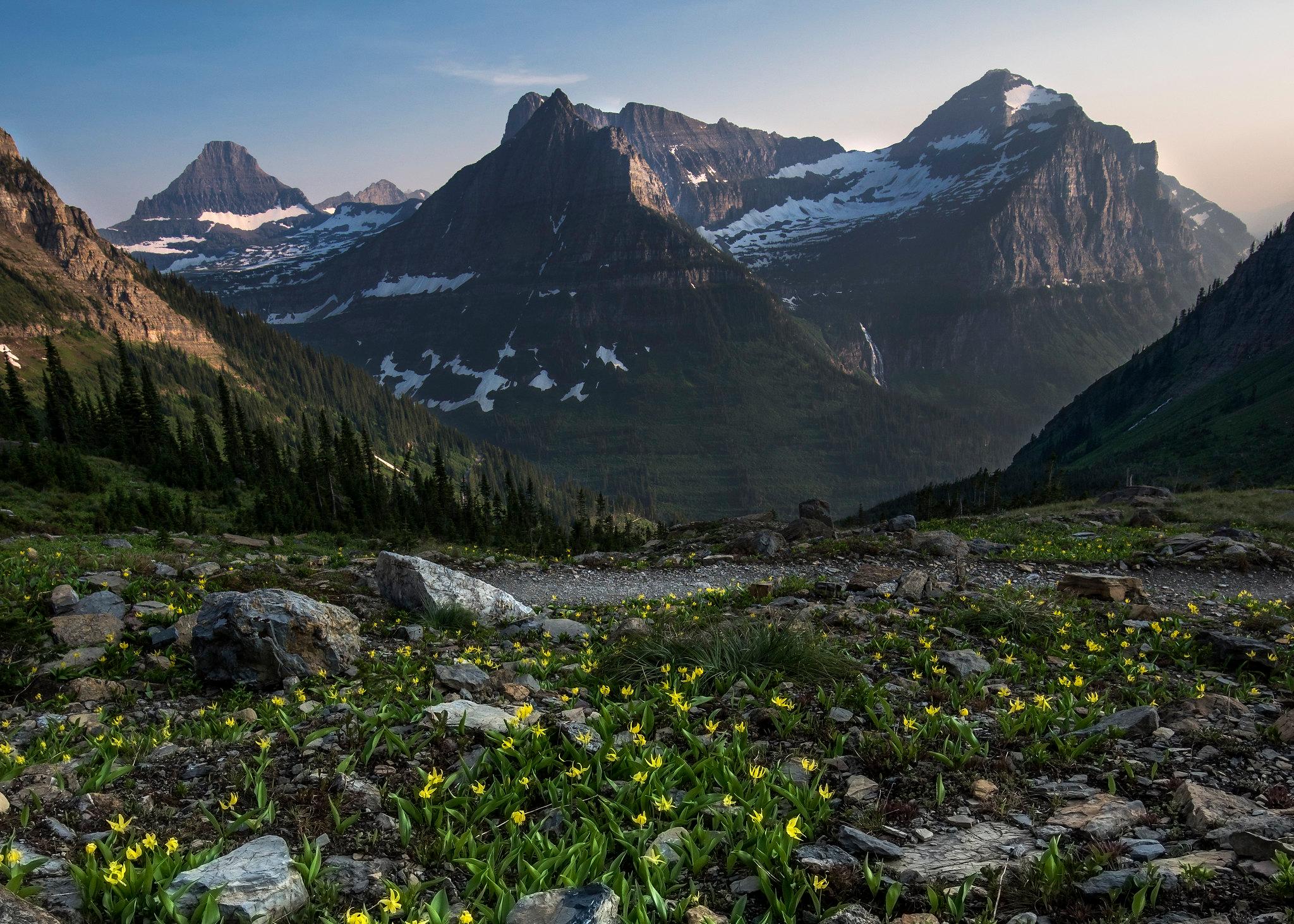
A showcase of melting glaciers, alpine meadows, carved valleys, and spectacular lakes. With over 700 miles of trails, Glacier is a paradise for adventurous visitors seeking a landscape steeped in human culture. Relive the days of old through historic chalets, lodges, and the famous Going-to-the-Sun Road.
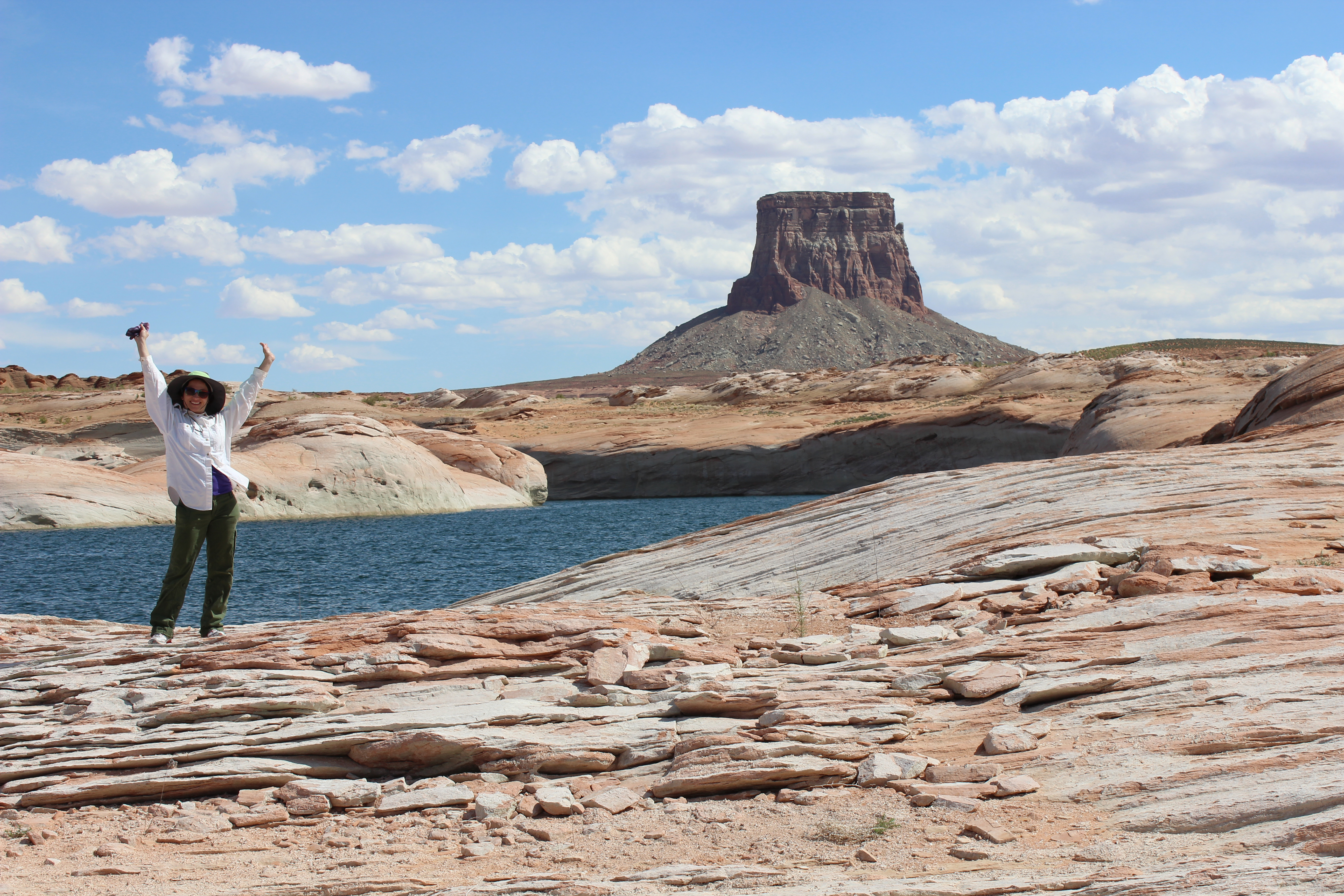
Encompassing over 1.25 million acres, Glen Canyon National Recreation Area offers unparalleled opportunities for water-based & backcountry recreation. The recreation area stretches for hundreds of miles from Lees Ferry in Arizona to the Orange Cliffs of southern Utah, encompassing scenic vistas, geologic wonders, and a vast panorama of human history.
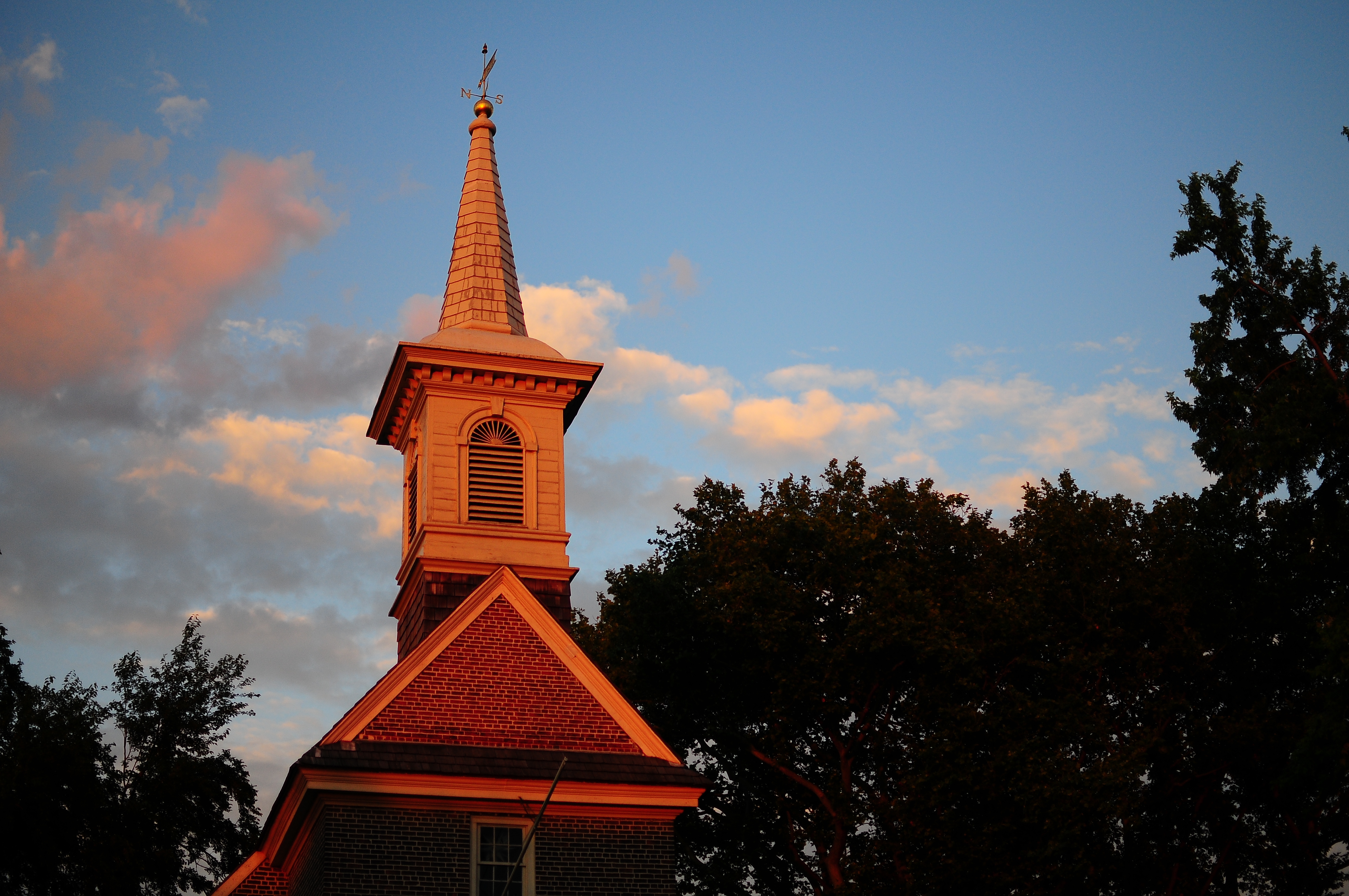
Before Pennsylvania there was New Sweden. Discover this last historic link to a forgotten past. Visit the church's pastoral surroundings and its burial ground of patriots and ordinary citizens alike.
Experience a park so rich it supports 19 distinct ecosystems with over 2,000 plant and animal species. Go for a hike, enjoy a vista, have a picnic or learn about the centuries of overlapping history from California’s indigenous cultures, Spanish colonialism, the Mexican Republic, US military expansion and the growth of San Francisco. All of this and more awaits you, so get out and find your park.
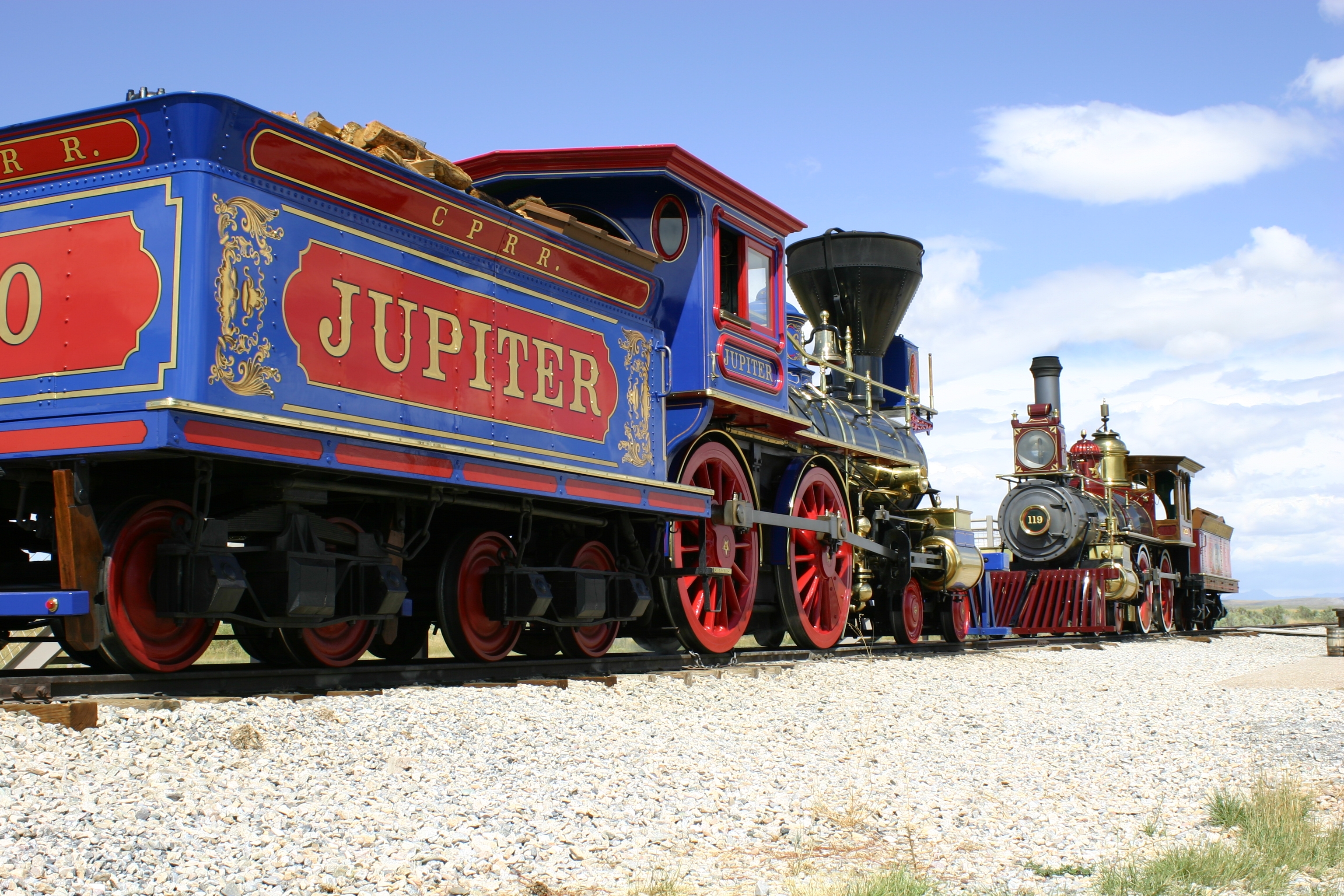
One of the greatest technological achievements of the 19th century is the completion of the first transcontinental railroad across the United States. Visitors to the park can see the location of the Last Spike Site, 1869 railroad construction features, walk or drive on the original railroad grade, and get an up close view of Victorian era replica locomotives.
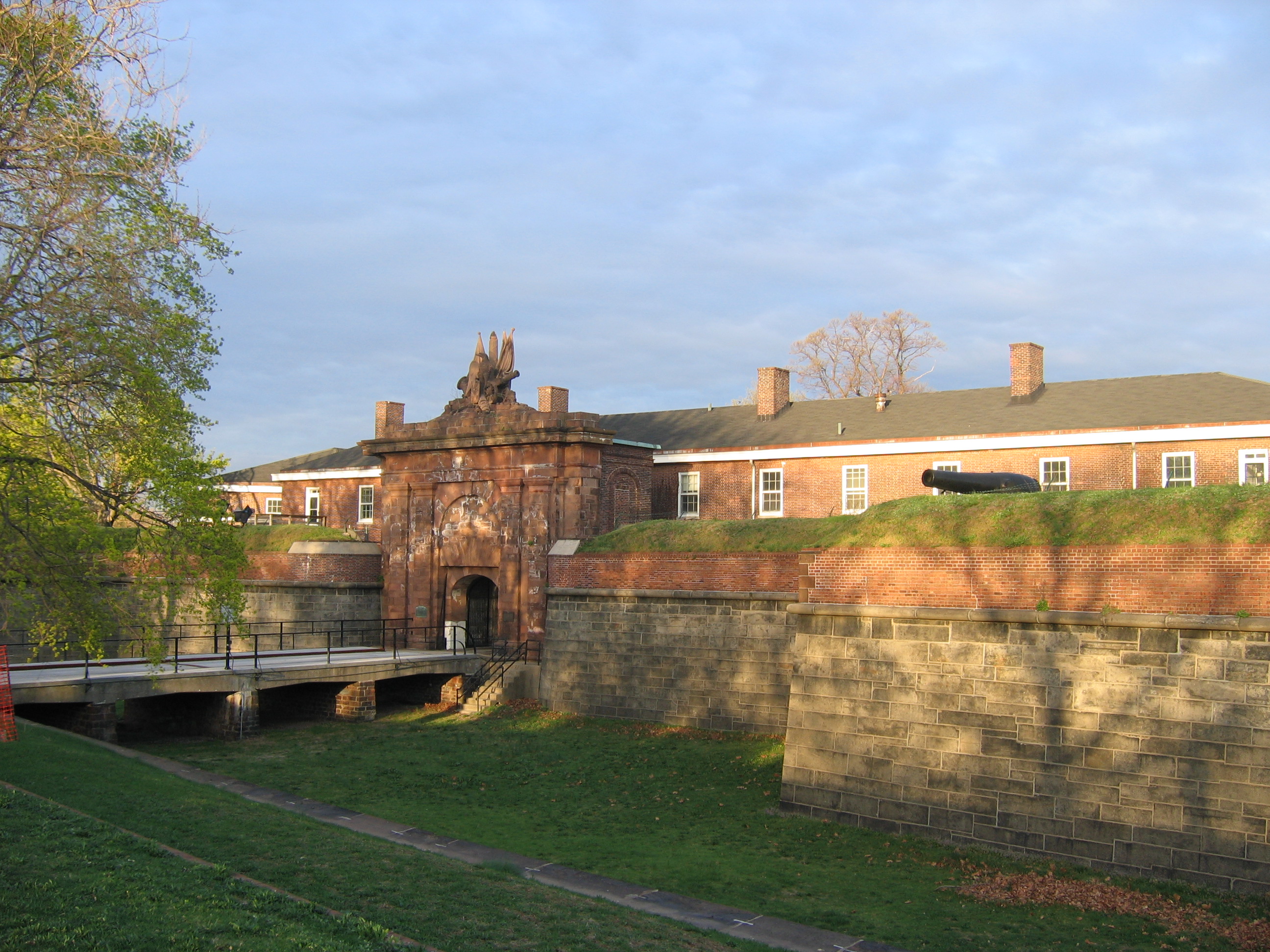
From 1794 to 1966, the U.S. Army presence on Governors Island played a vital role in the social, political, and economic life of New York City. The island then served as the headquarters of the U.S. Coast Guard from 1966 to 1996, continuing its legacy of national service. Today, Governors Island has transformed into a destination for art, culture, and public programs.
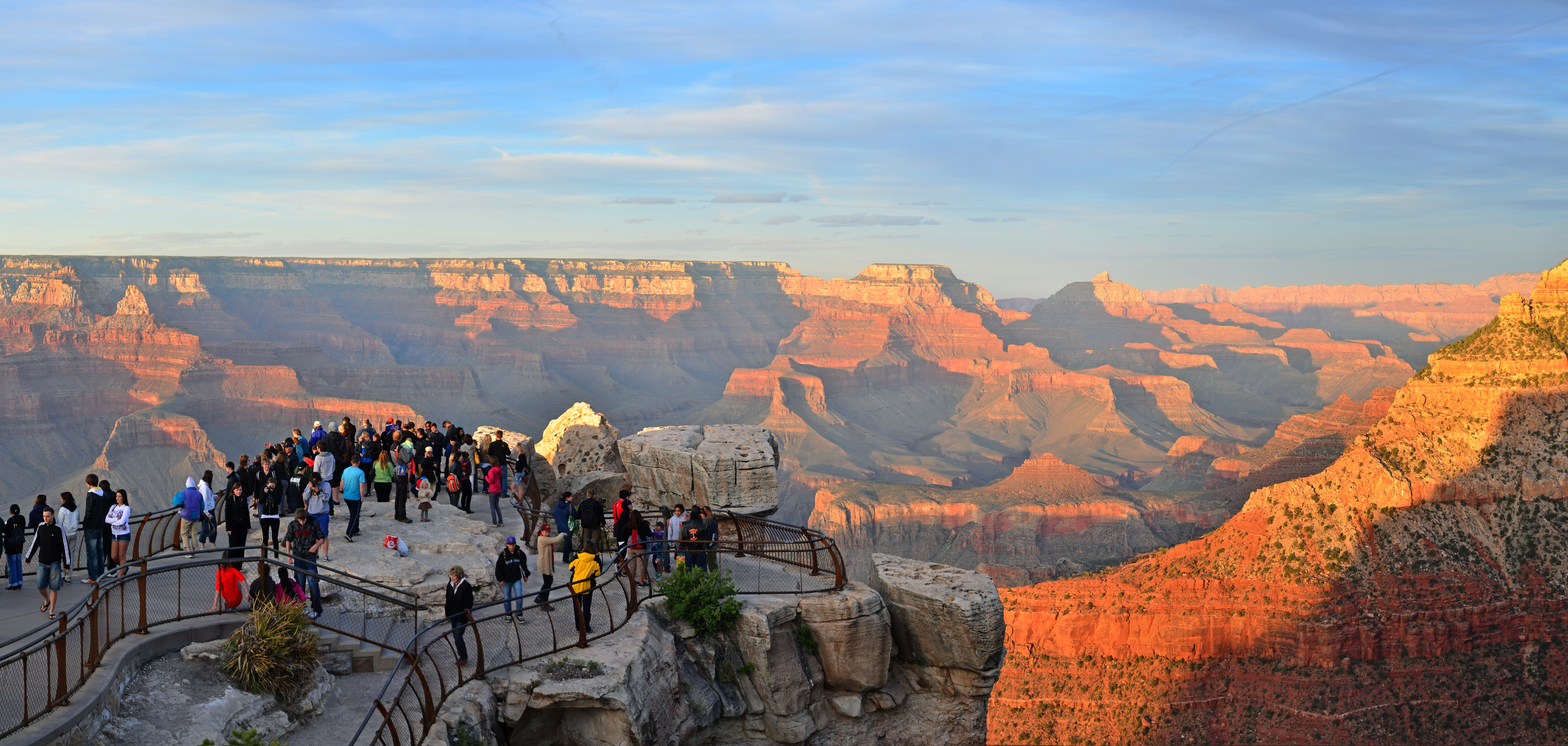
Entirely within the state of Arizona, the park encompasses 278 miles (447 km) of the Colorado River and adjacent uplands. Located on the ancestral homelands of 11 present day Tribal Communities, Grand Canyon is one of the most spectacular examples of erosion anywhere in the world—a mile deep canyon unmatched in the incomparable vistas it offers visitors from both north and south rims.
Despite the hardships created by rugged isolation and the lack of natural waters, Parashant has a long human history spanning more than 11,000 years, and an equally rich geologic history spanning almost two billion years. Full of natural splendor and a sense of solitude, this area remains remote and unspoiled, qualities that are essential to the protection of its scientific and historic resources.
Travel into the past to discover the present. Explore the partnership between the Grand Portage Anishinaabe and the North West Company during the North American fur trade. Experience the sights and smells of a bustling depot reconstructed in its historic location. See how it shaped co-management with the NPS today. Follow pathways to the past to imagine a drum echo over Gichigami - Lake Superior.
Soaring over a landscape rich with wildlife, pristine lakes, and majestic alpine vistas, the Teton Range stands as a testament to generations of stewards. For over 11,000 years, communities have thrived in the valley known as Jackson Hole, turning these mountains into more than just peaks—they embody imagination and enduring human connection.
Wide open spaces, the hard-working cowboy, his spirited cow pony, and vast herds of cattle are among the strongest symbols of the American West. Once the headquarters of a 10 million acre cattle empire, Grant-Kohrs Ranch National Historic Site preserves these symbols and commemorates the role of cattlemen in American history.
From the 13,063-foot summit of Wheeler Peak to the sagebrush-covered foothills, Great Basin National Park hosts a sample of the incredible diversity of the larger Great Basin region. Come and partake of the solitude of the wilderness, walk among ancient bristlecone pines, bask in the darkest of night skies, and explore mysterious subterranean passages. There's a lot more than just desert here.
Both the harbor and river were named for the shorebird and waterfowl eggs covering their meadows. During the American Revolution, privateers hid here. Established as a National Park Service site in 1992, Great Egg Harbor National Wild and Scenic River is one of nation's best birding spots. Local jurisdictions administer its lands. The 129-mile river system flows through Pinelands National Reserve.
The tallest dunes in North America are the centerpiece in a diverse landscape of grasslands, wetlands, forests, alpine lakes, and tundra. Stay on a moonless night to experience countless stars in this International Dark Sky Park! Open 24 hours a day, 7 days a week year-round. There are no timed entries or reservations to visit.
Ridge upon ridge of forest straddles the border between North Carolina and Tennessee in Great Smoky Mountains National Park. World renowned for its diversity of plant and animal life, the beauty of its ancient mountains, and the quality of its remnants of Southern Appalachian mountain culture, this is America's most visited national park. Plan your visit today!
Green Springs National Historic Landmark District in Virginia’s Piedmont encompasses over 14,000 acres. Its landscapes and structures, privately owned today but viewable from public roads, offer a continuum of rural vernacular architecture with minimal alteration. Many of the farmsteads, often dating to the 19th century and connecting to one another visually, are preserved through easements.
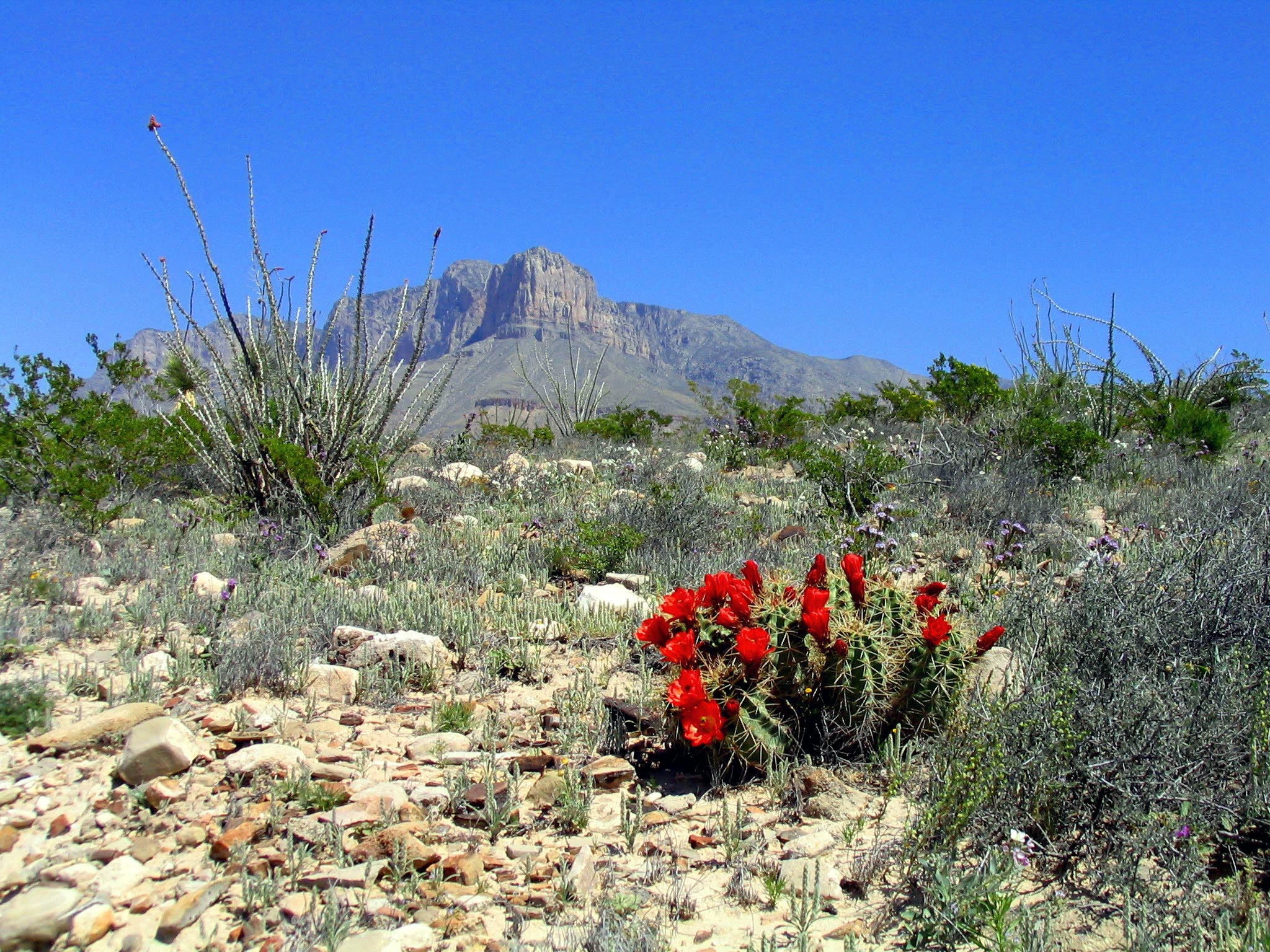
Come experience mountains and canyons, desert and dunes, night skies and spectacular vistas within a place unlike any other. Guadalupe Mountains National Park protects the world's most extensive Permian fossil reef, the four highest peaks in Texas, an environmentally diverse collection of flora and fauna, and the stories of lives shaped through conflict, cooperation and survival.
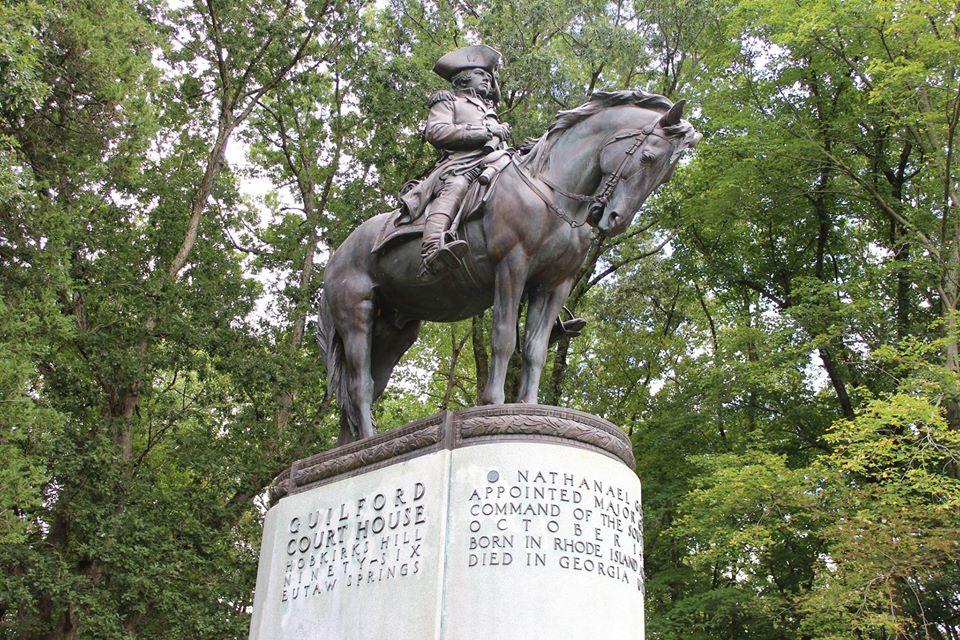
"I never saw such fighting since God made me. The Americans fought like demons." - Lt. General Charles, Earl Cornwallis On March 15, 1781, six years into the American Revolution, General Greene and Lord Cornwallis' troops faced off at a small courthouse community. The battle would change the course of the Southern Campaign of the American Revolution.
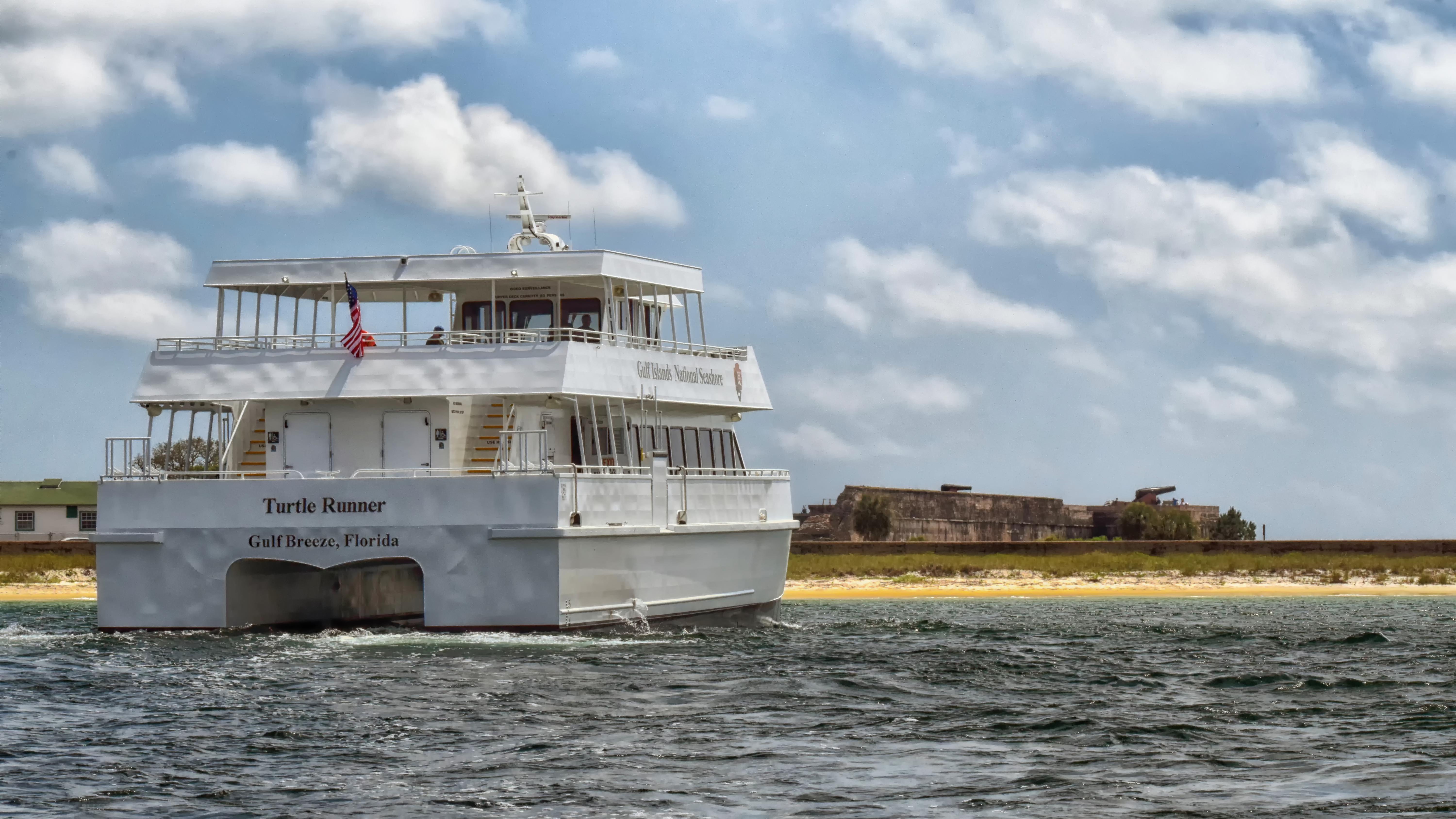
Millions of visitors are drawn to the Gulf of America for Gulf Islands National Seashore's emerald coast waters, magnificent white beaches, fertile marshes and historical landscapes. Come explore with us today!
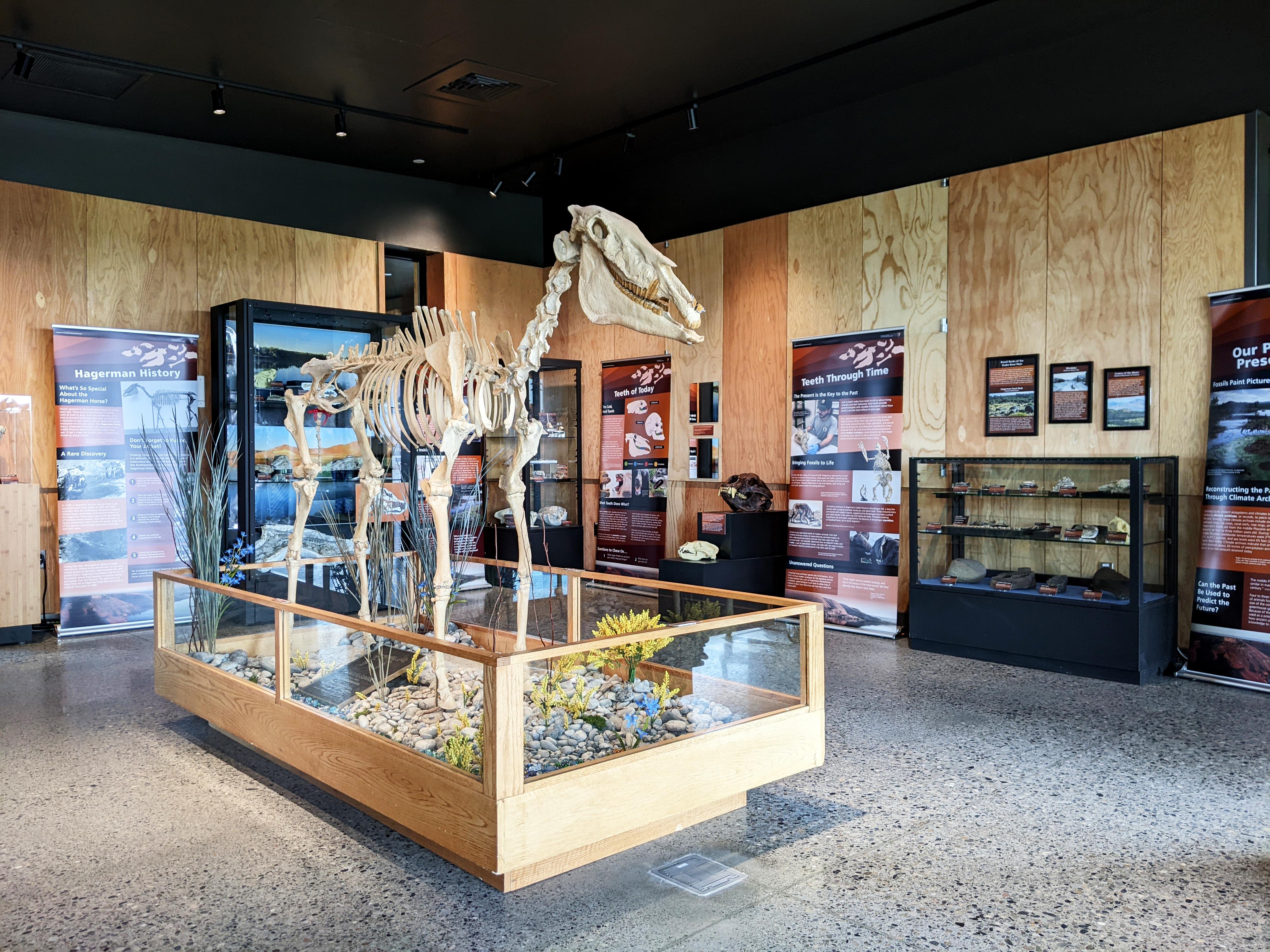
During the Pliocene, this place looked quite different. Lush wetlands, forests, and grasslands provided excellent habitat for a variety of animals. From fascinating, now-extinct creatures like the saber-toothed cat, mastodon, and ground sloth, to more familiar animals like horses, beavers, and birds, the scientific study of Pliocene fossils is the key to Hagerman.
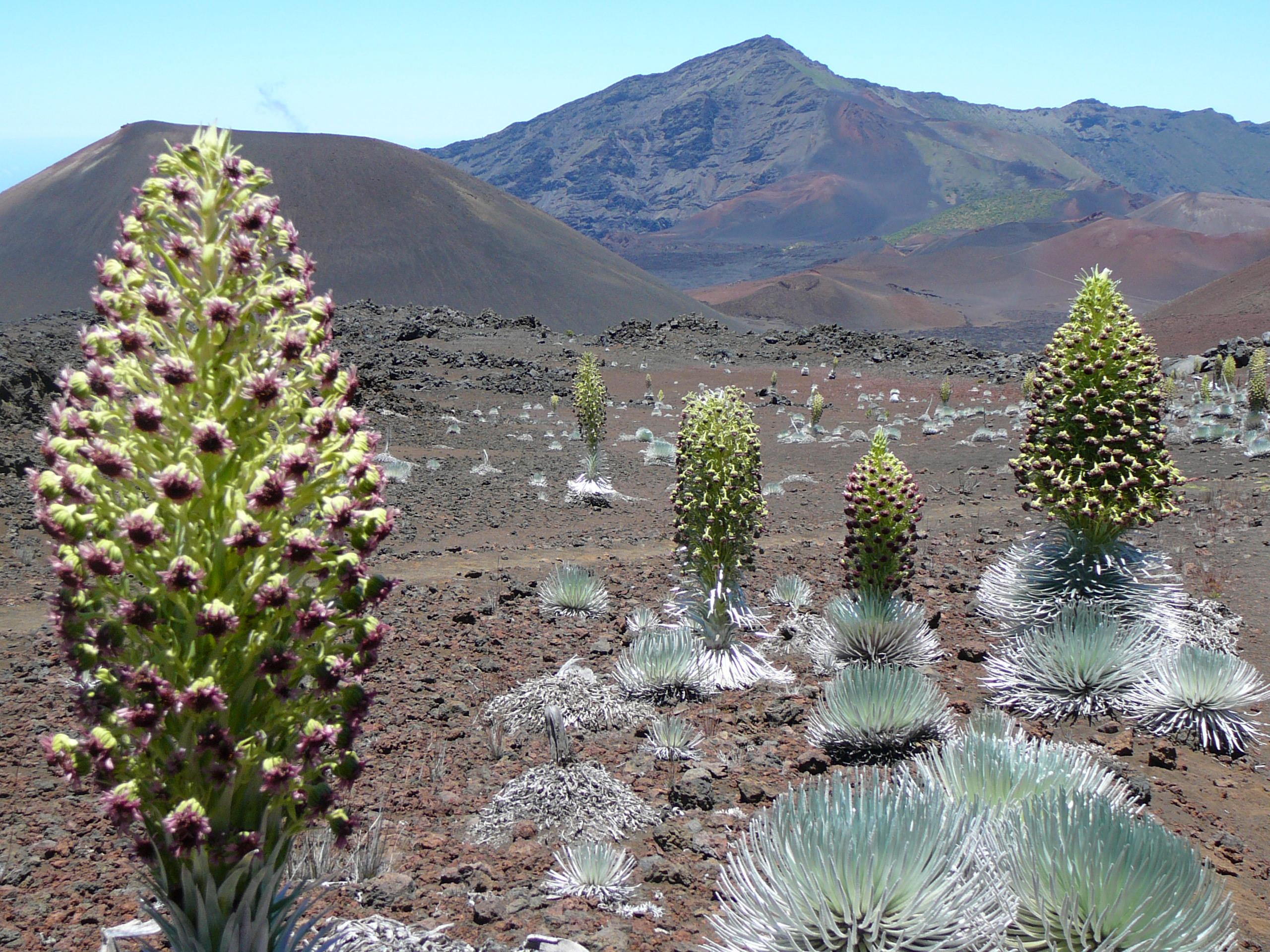
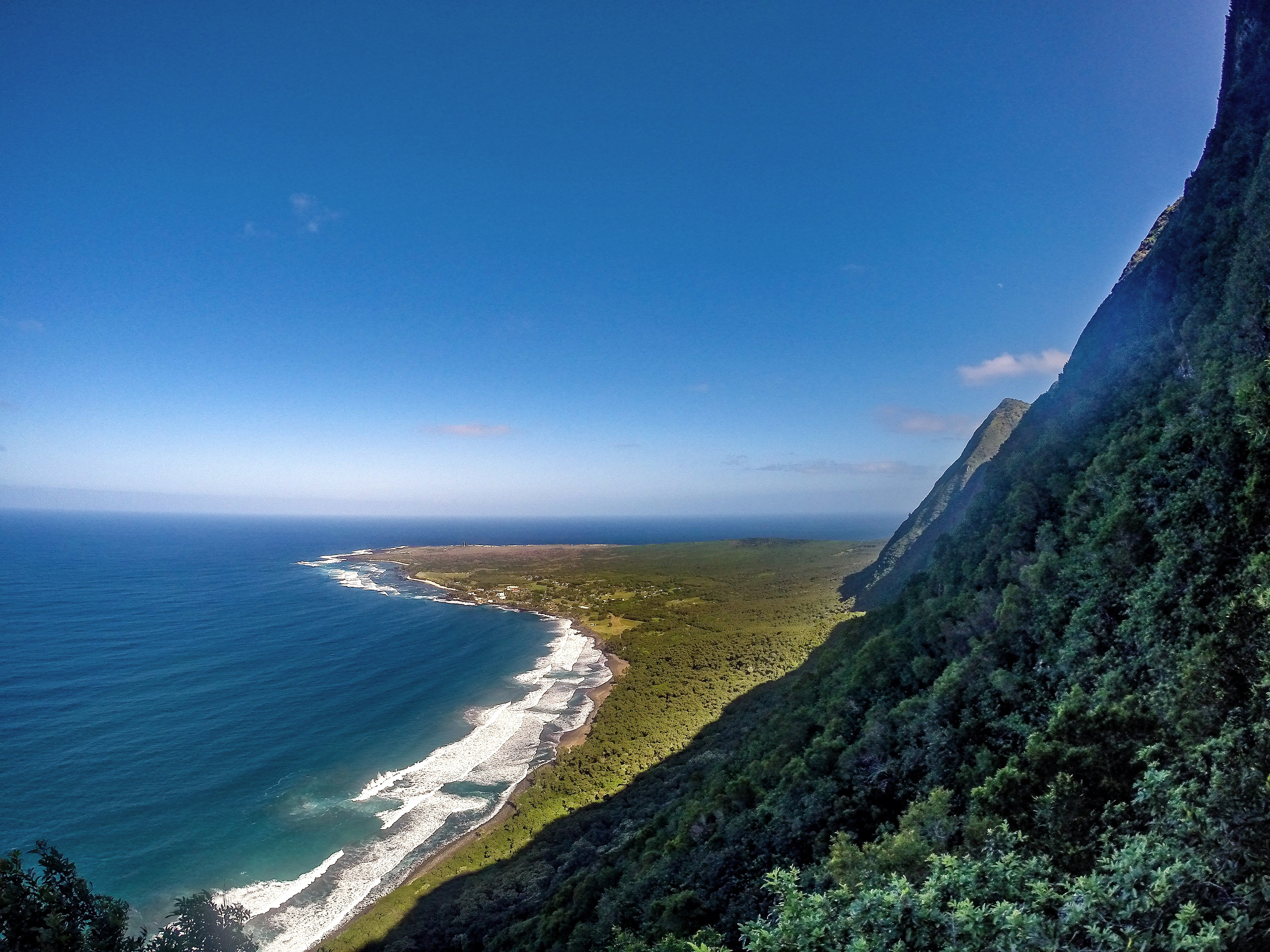
This special place vibrates with stories of ancient and modern Hawaiian culture and protects the bond between the land and its people. The park also cares for endangered species, some of which exist nowhere else. Come visit this special place - renew your spirit amid stark volcanic landscapes and sub-tropical rain forest with an unforgettable hike through the backcountry.
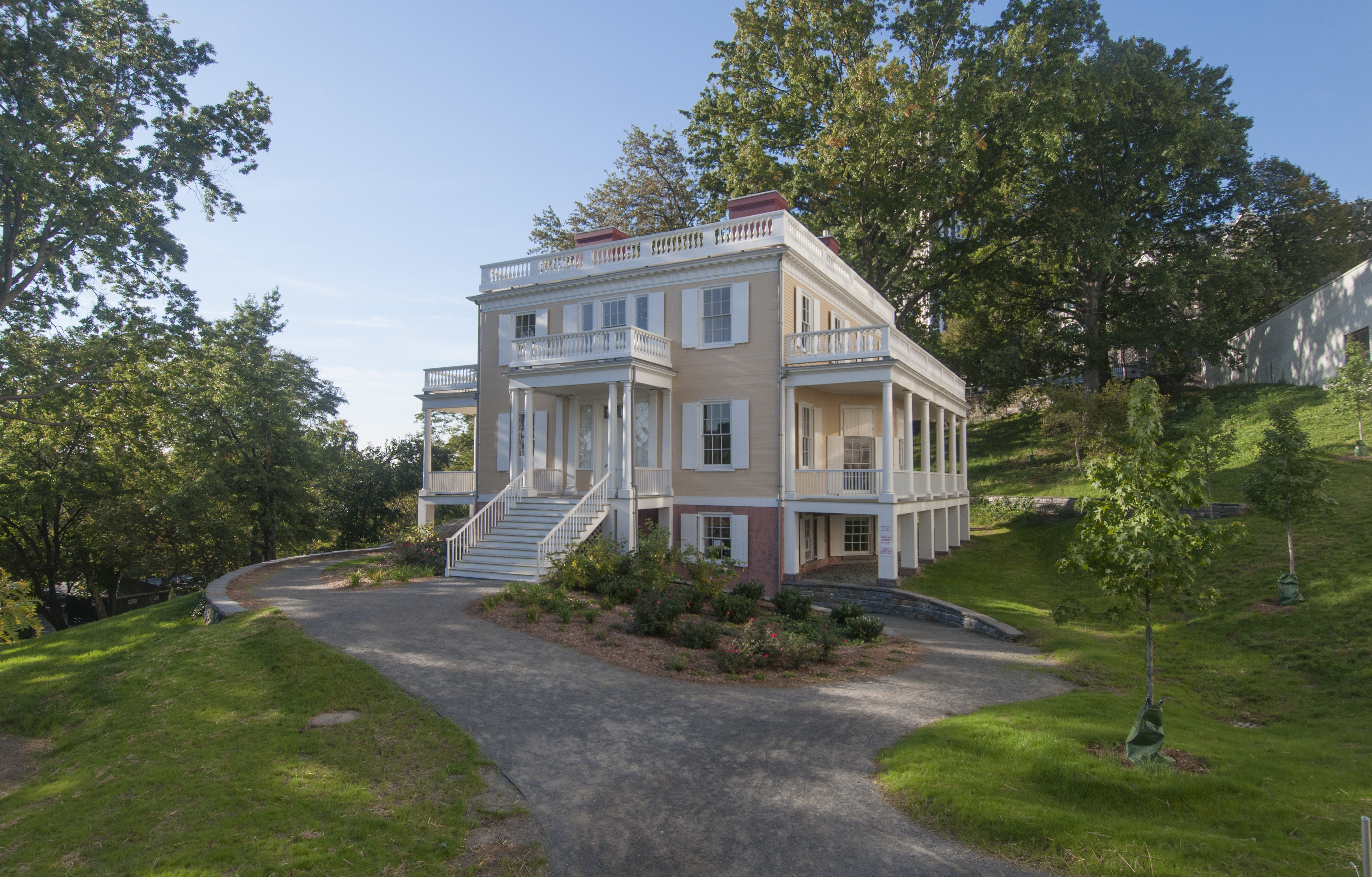
Merchant’s clerk, Revolutionary War soldier, first Secretary Treasury of the United States: Alexander Hamilton’s life is memorialized at The Grange, the home he built on a country estate in uptown Manhattan. A faithful testament to early American architecture, it stands today as a tribute to its first owner’s many accomplishments.
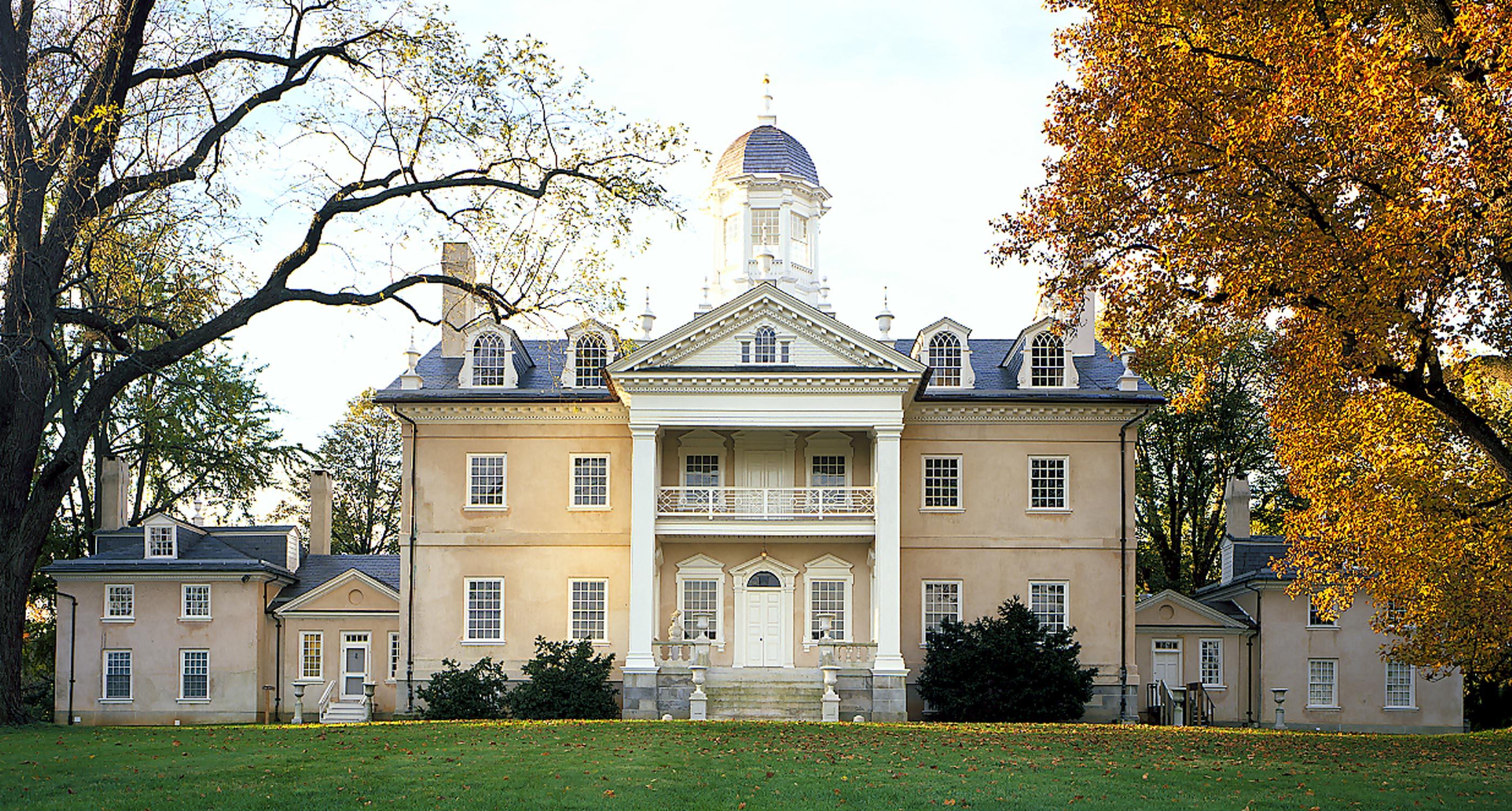
Hampton National Historic Site preserves what remains of a once 25,000-acre enslavement plantation. For hundreds of years, enslaved people, indentured servants, tenant farmers, paid laborers, and the Ridgely family all made their own contributions to Hampton, creating a space where cruelty and decadence collide to provide a complex history of the United States.
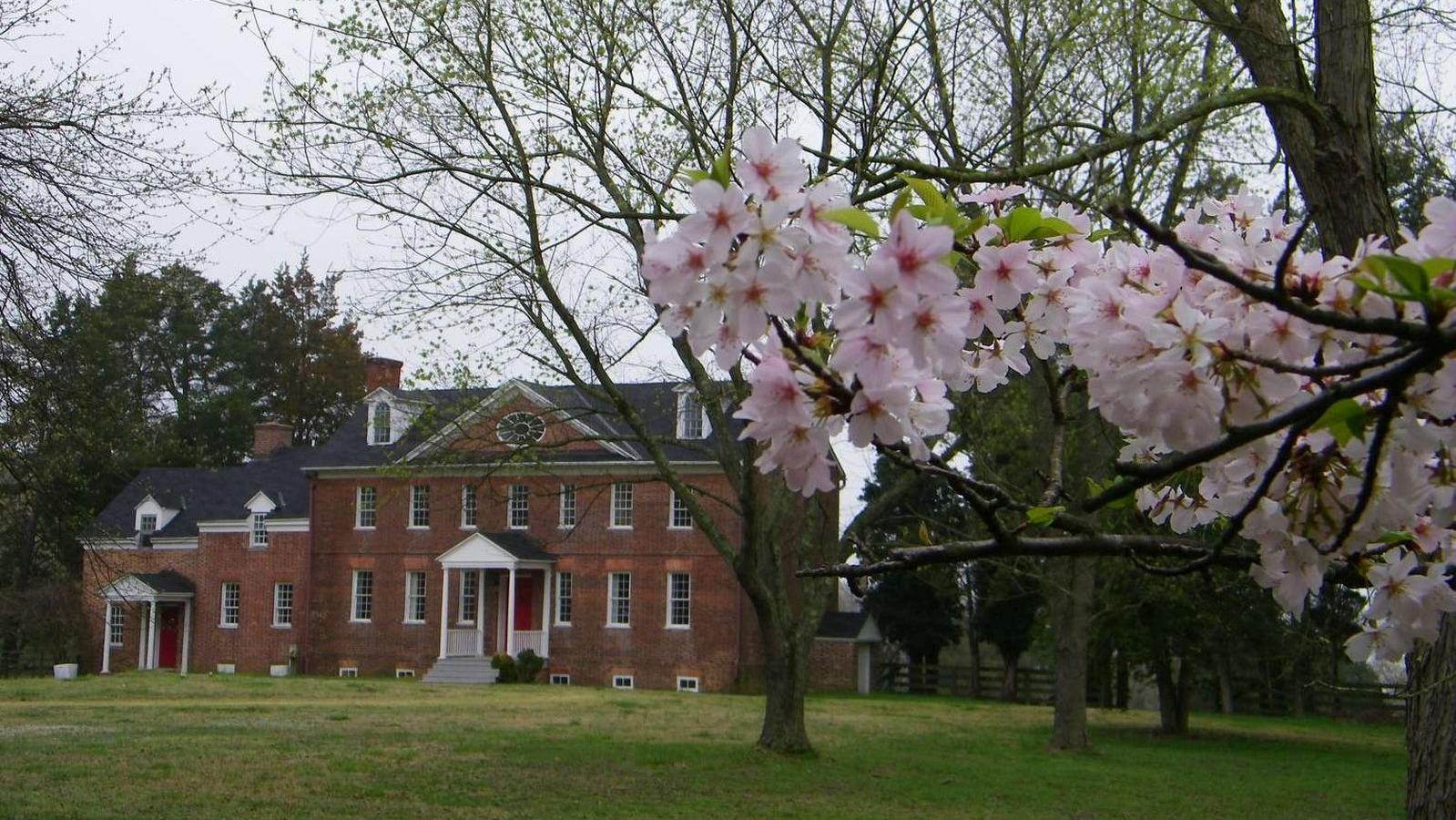
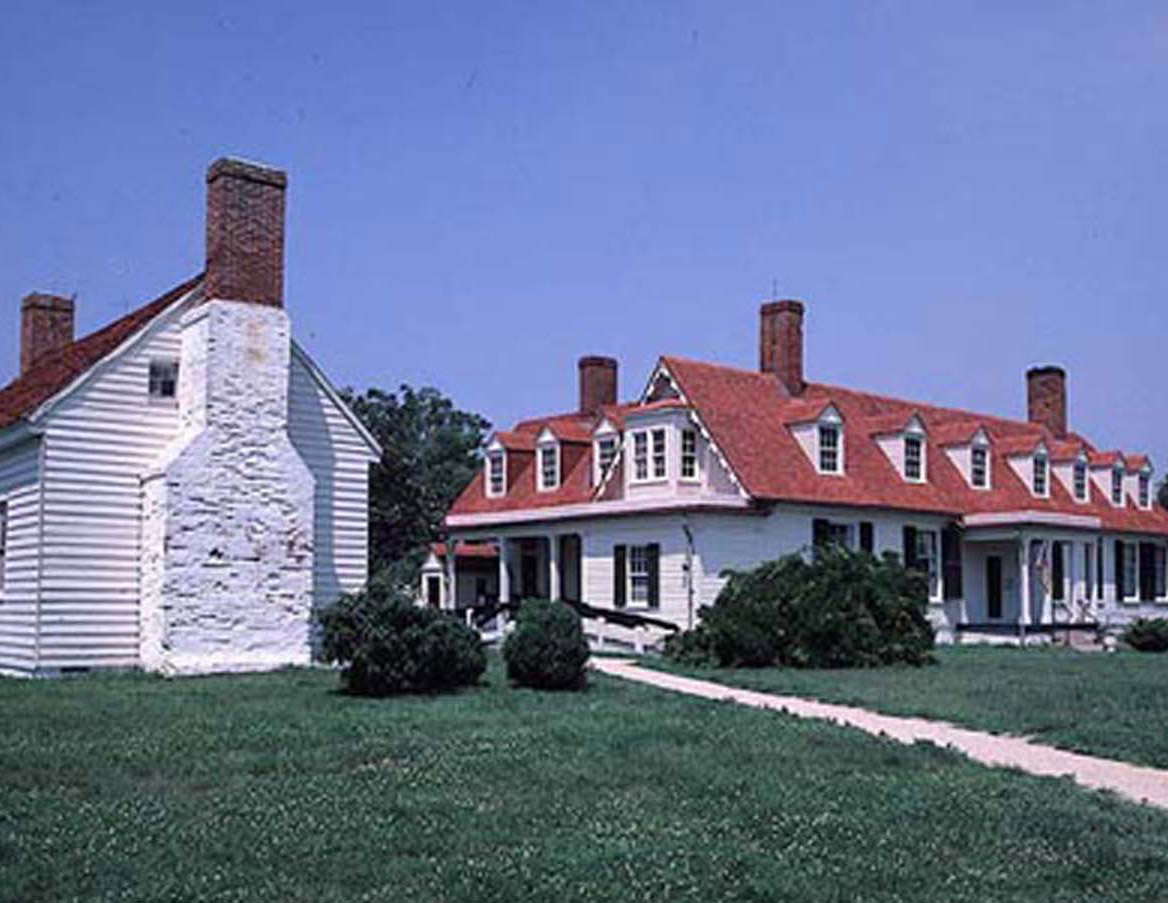
The 18th century Harmony Hall mansion is located on a 62.5-acre open pasture land estate along the Potomac River. This estate was purchased by the National Park Service in 1966, to preserve southern Maryland cultural heritage. Surrounded by a rich landscape, it offers visitors many chances to connect with Colonial History. The park also home to the remains of the Want Water House and canal.
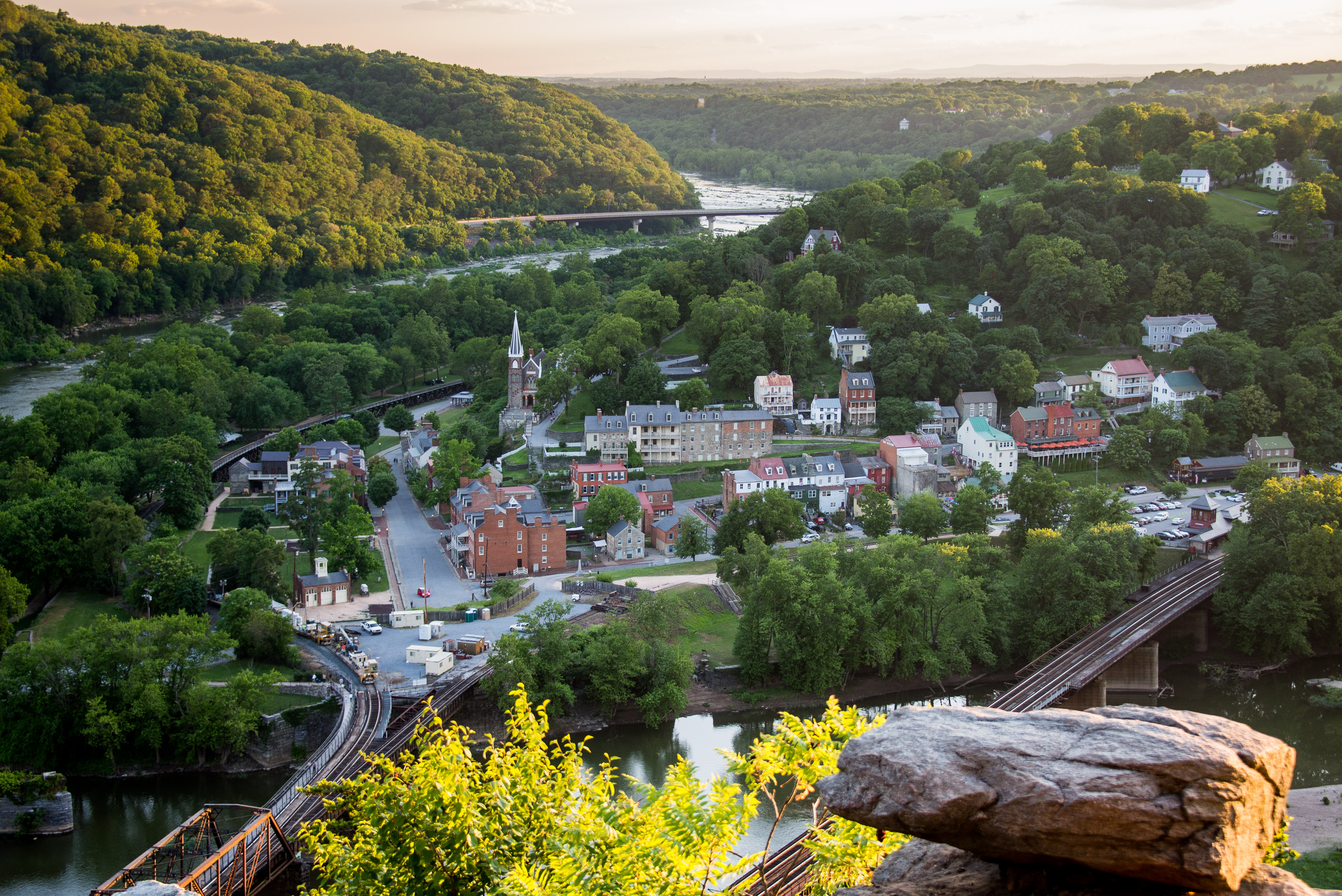
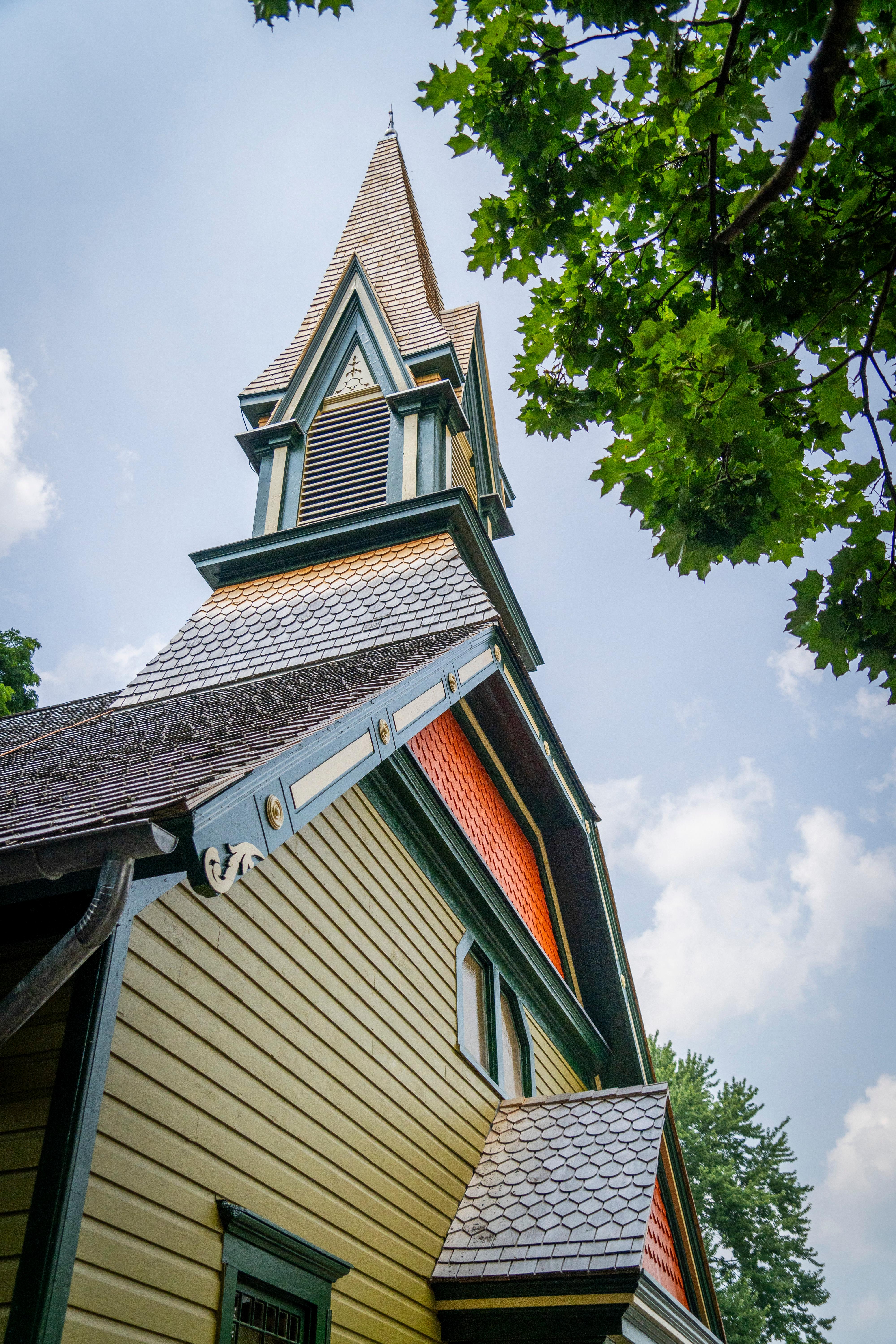
At the confluence of the Shenandoah and Potomac rivers, on the ancestral home of the Tuscarora and Shawnee people, lies Harpers Ferry. Here you can explore John Brown's Raid against slavery. Find your connection to the struggle for freedom, education, and civil rights at Storer College. Discover miles of trail in the Blue Ridge and along Civil War battlefields.
Harriet Tubman was guided by a deep faith and devotion to family, freedom, and community. After emancipating herself and members of her family, she moved them from Ontario, Canada to Fleming and Auburn, New York in 1859. Central New York was a center for progressive thought, abolition, and women’s suffrage where Tubman continued to fight for human rights and dignity until she died in 1913.
Harriet Tubman was a deeply spiritual woman who lived her ideals and dedicated her life to freedom. She is the Underground Railroad’s best known conductor and before the Civil War repeatedly risked her life to guide 70 enslaved people north to new lives of freedom. This new national historical park preserves the same landscapes that Tubman used to carry herself and others away from slavery.
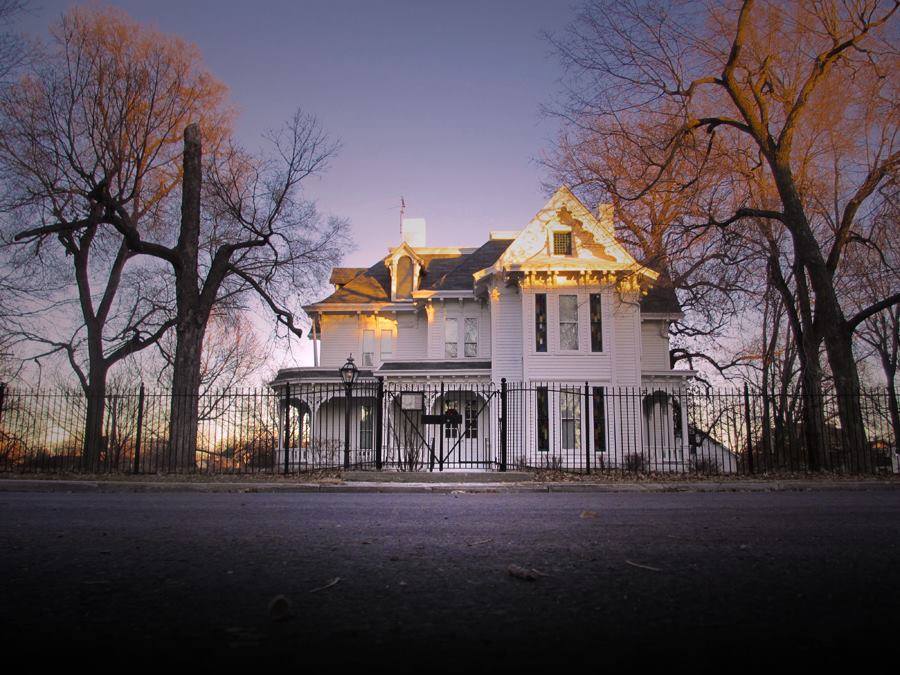
President Harry S Truman took America from its traditional isolationism into the age of international involvement. Despite his power, he never forgot where he came from. Today, visitors can experience the surroundings Truman knew as a young man of modest ambition through his political career and final years as a former president.
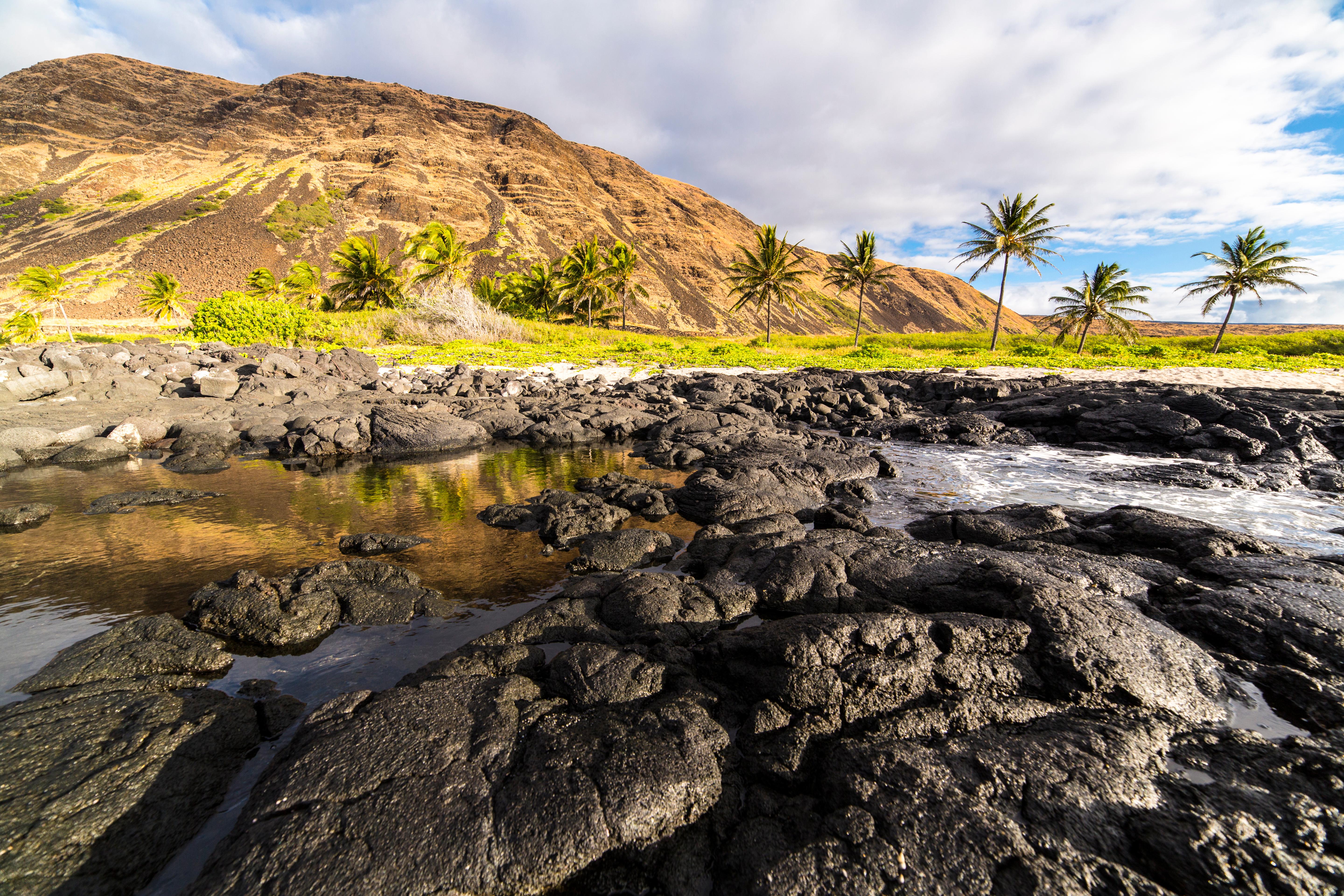
Hawai‘i Volcanoes National Park protects some of the most unique geological, biological, and cherished cultural landscapes in the world. Extending from sea level to 13,680 feet, the park encompasses the summits of two of the world's most active volcanoes - Kīlauea and Mauna Loa - and is a designated International Biosphere Reserve and UNESCO World Heritage Site.
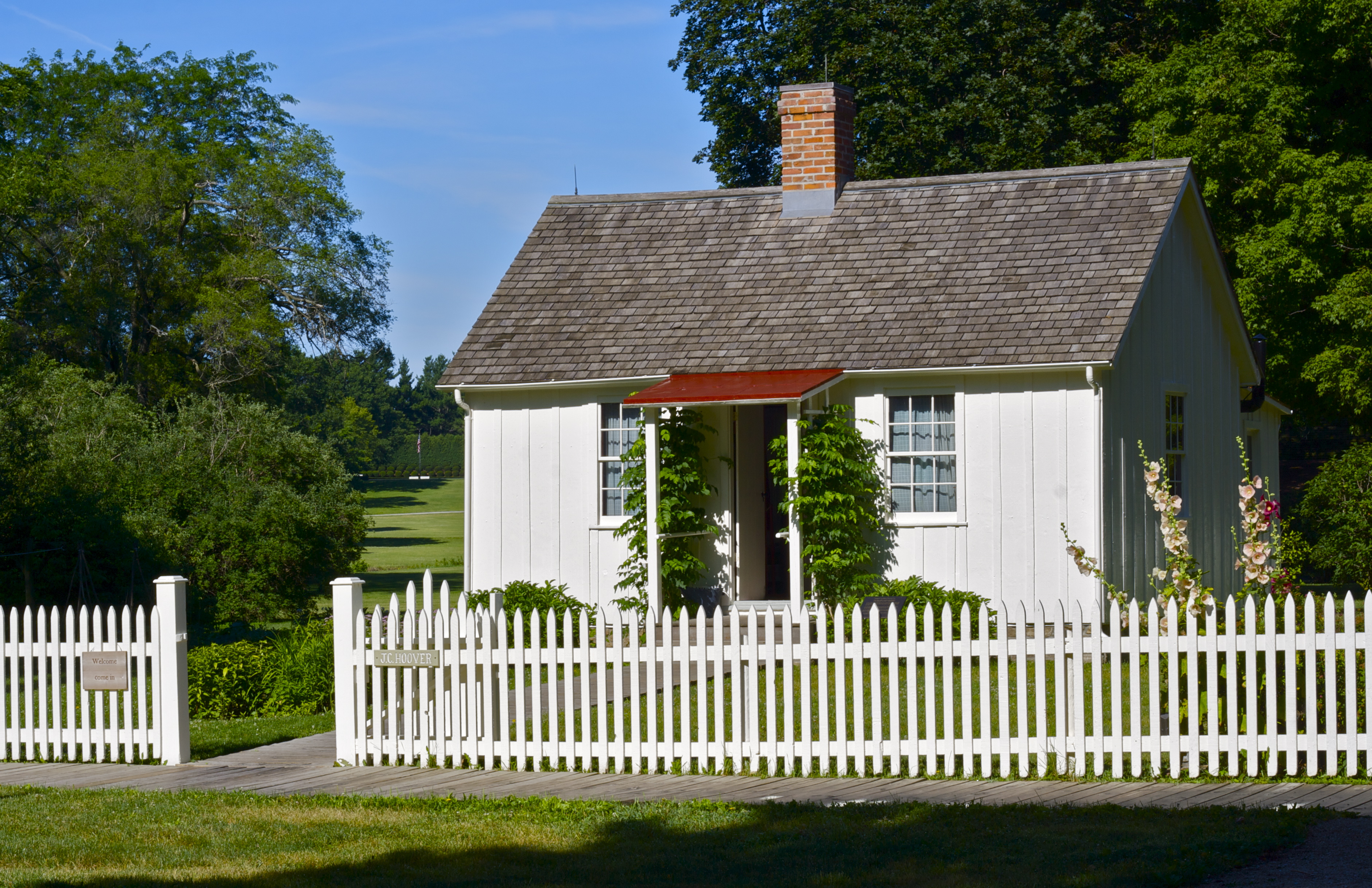
Orphaned at age nine, Herbert Hoover left West Branch never to live here again. In later years, he returned to his humble birthplace to celebrate his long career of public service. A memorial landscape remains to tell his story: how community, hard work, honesty, and usefulness to others opened a world of opportunity— and the presidency of the United States— to a child of simple beginnings.
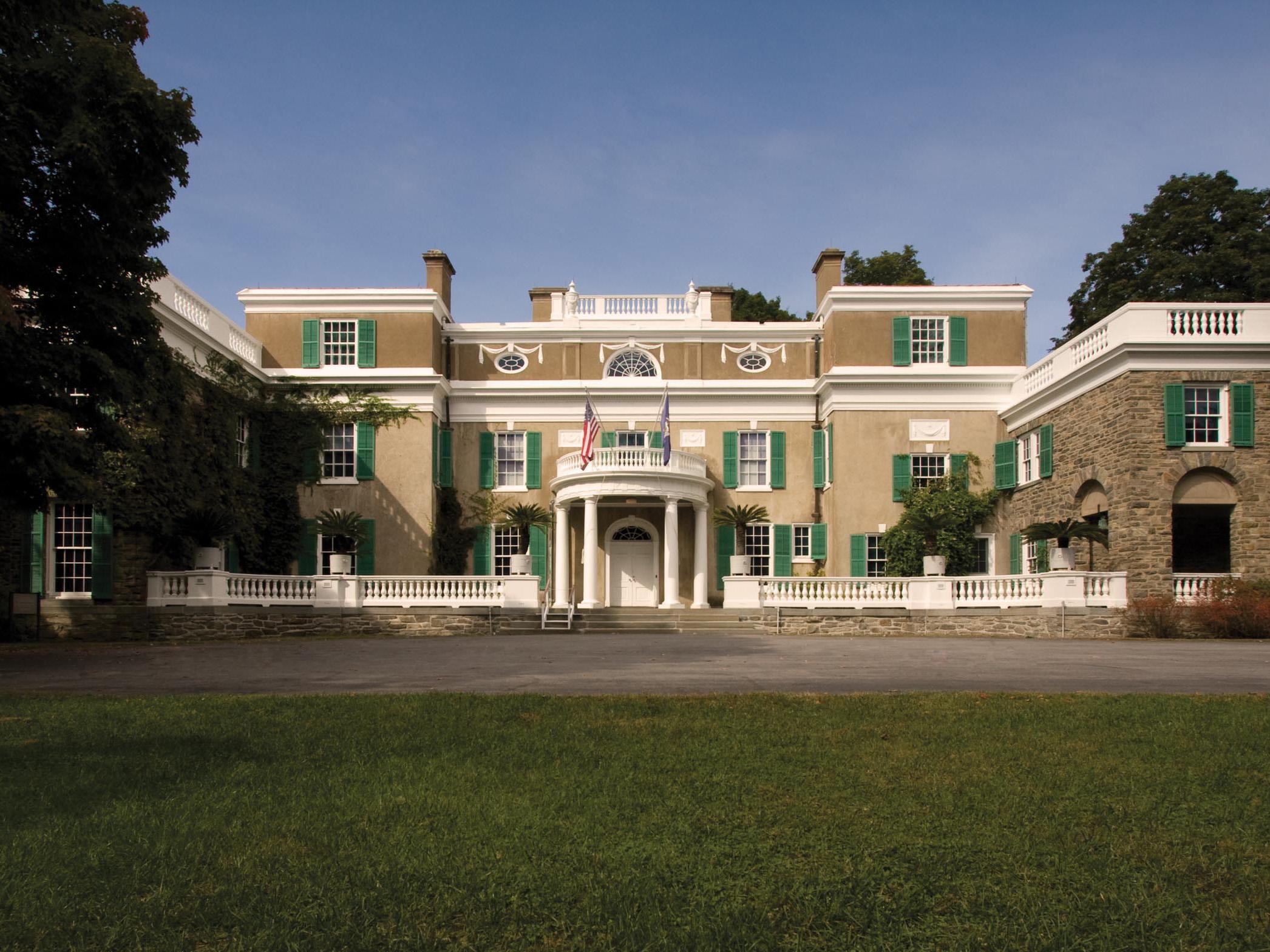
Home to the 32nd and longest-serving president of the United States, Franklin D. Roosevelt returned to Hyde Park often, drawing on this place to renew his spirit during times of personal and political crisis. Explore the Roosevelt saga in the homes of Franklin and Eleanor Roosevelt, the exhibits at the nation’s first Presidential Library, and over a thousand acres of gardens and trails.
The Homestead Act of 1862 transformed the world. Millions were invited to file claims including families, women, immigrants, and formerly enslaved people. Over 10 percent of the United States was homesteaded! The land, long inhabited by indigenous cultures, changed forever. Homesteaders created settlements and farms, drove industrial advancement, and built our nation chasing the American Dream.
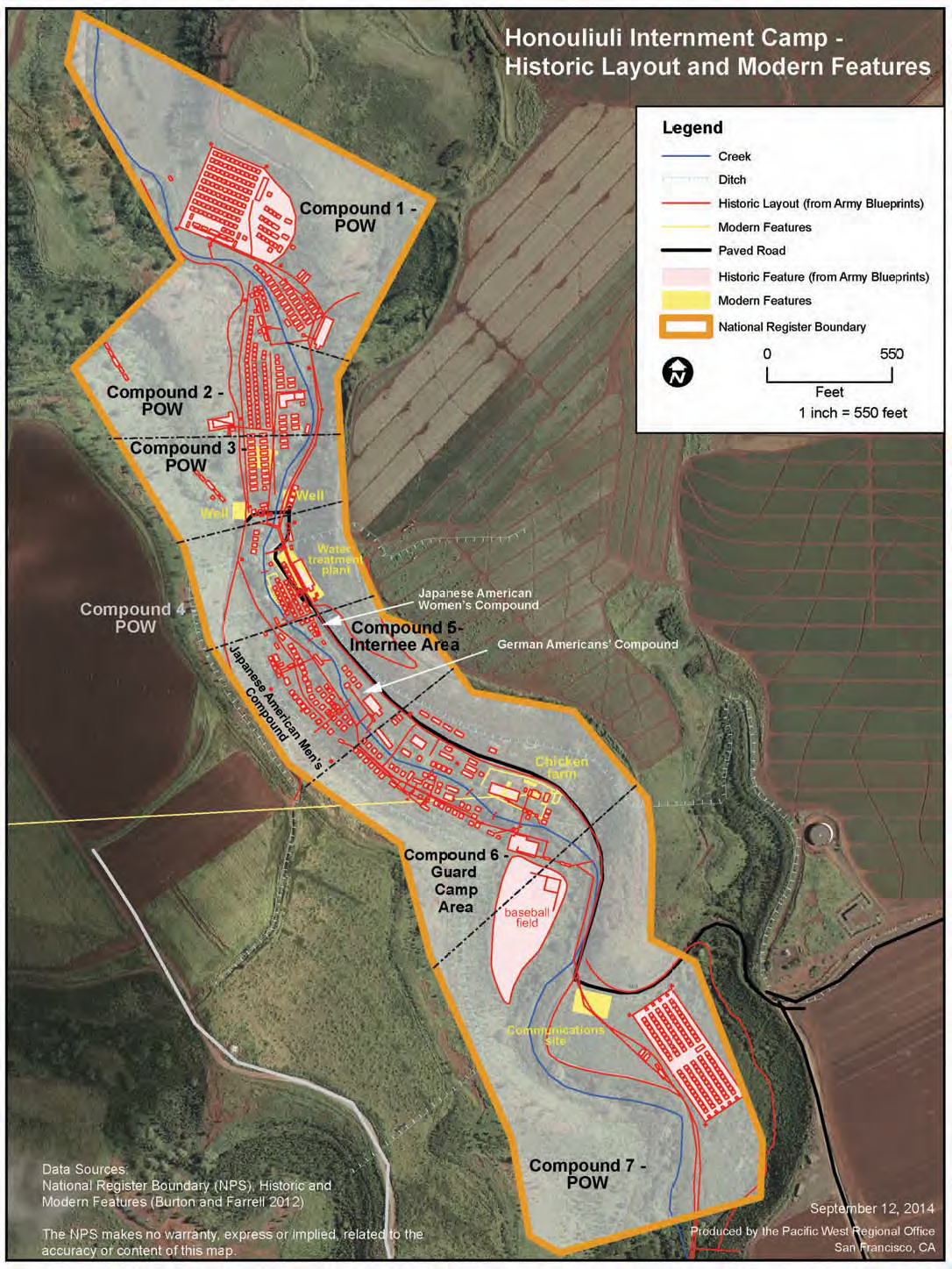
In 2026, Honouliuli National Historic Site is commemorating the 80th year since Honouliuli Internment Camp closed with community events that will take place throughout the year. Stay tuned on our website or social media to learn more and get involved.
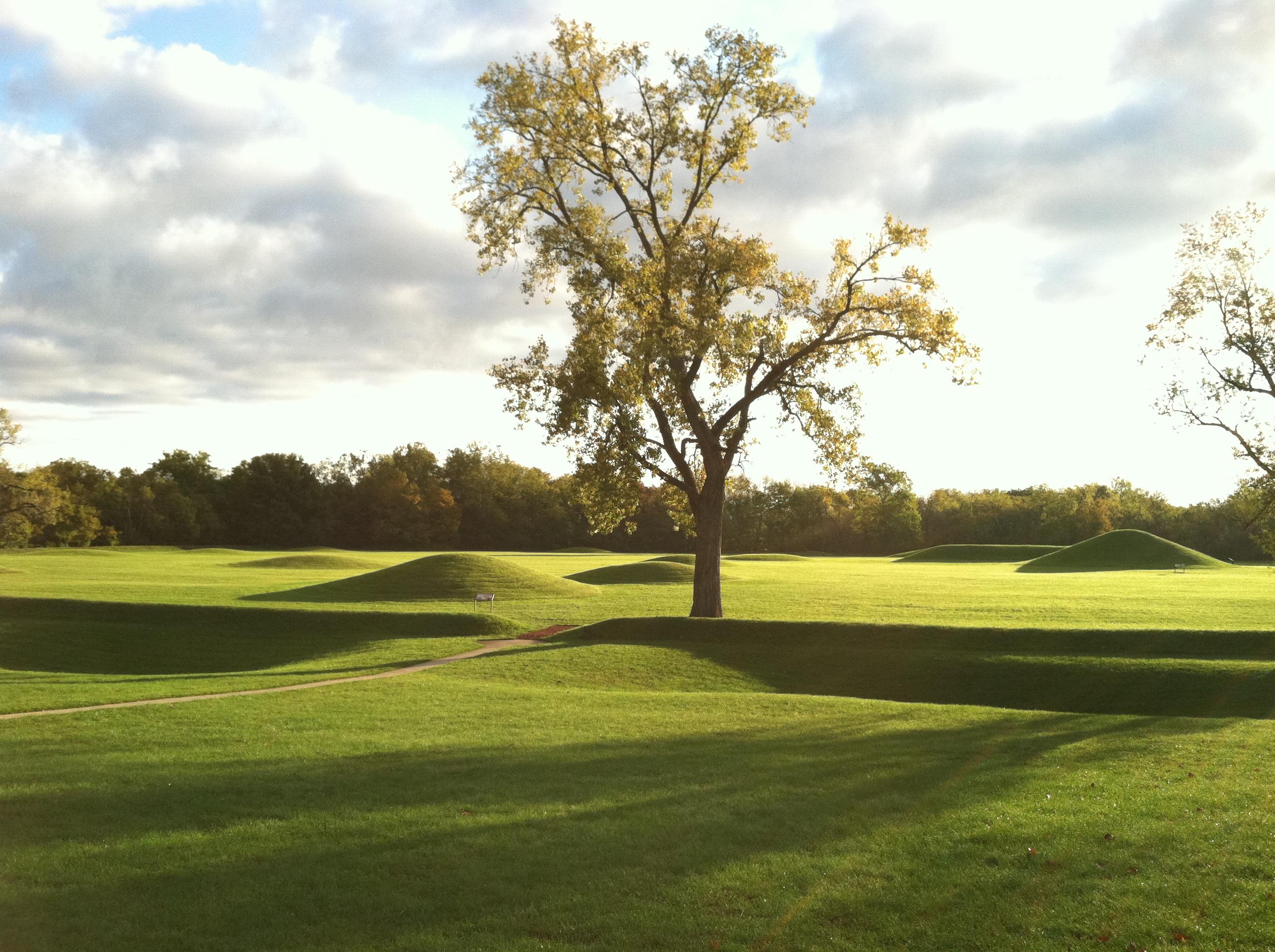
Nearly 2000 years ago, Native Americans built dozens of monumental mounds and earthen enclosures in southern Ohio. These earthwork complexes were ceremonial landscapes used for feasts, funerals, rituals, and rites of passage associated with a Native American religious movement that swept over half the continent for almost 400 years. Come walk among the earthworks and experience the past.
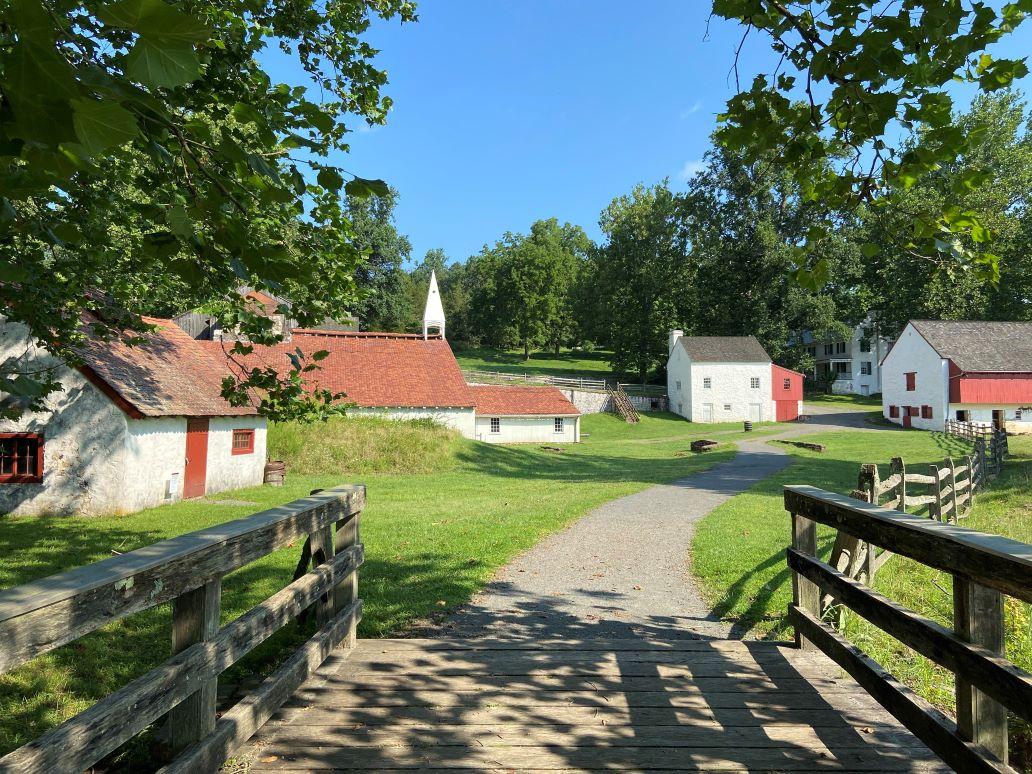
Hopewell Furnace showcases an early American landscape of industrial operations from 1771-1883, Hopewell and other iron plantations laid the foundation for the transformation of the United States into an industrial giant for the time. The park's 848 acres and historic structures illustrate the business, technology and lifestyle of our growing nation.
On March 27, 1814, Major General Andrew Jackson ‘s army of 3,300 men attacked Chief Menawa’s 1,000 Red Stick Creek warriors fortified in a horseshoe shaped bend of the Tallapoosa River. Over 800 Red Sticks died that day. This battle ended the Creek War, resulted in a land cession of 23,000,000 acres to the United States and created a national hero of Andrew Jackson.
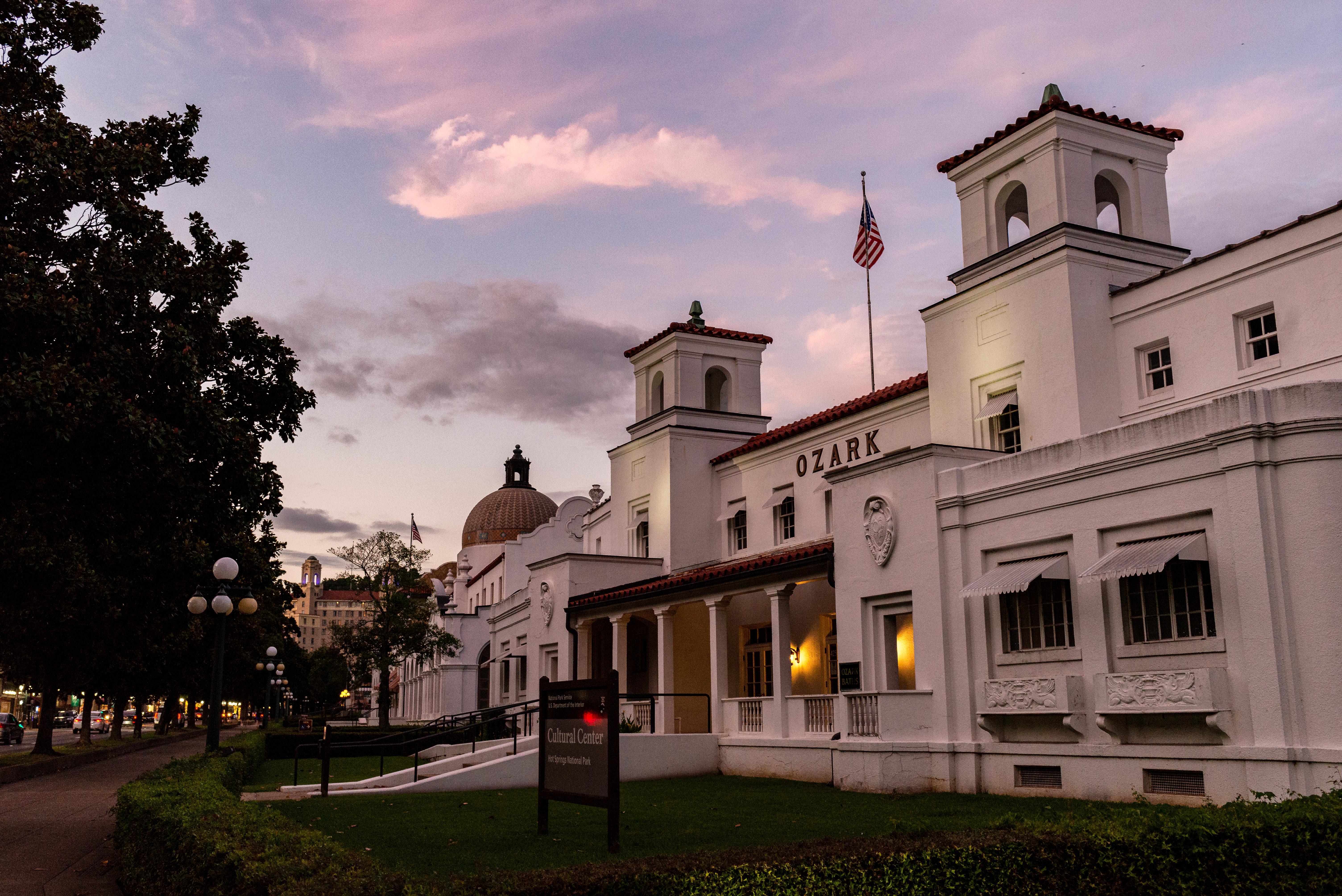
Hot Springs National Park has a rich cultural past. The grand architecture of our historic bathhouses is equally matched by the natural curiosities that have been drawing people here for hundreds of years. Ancient thermal springs, mountain views, incredible geology, forested hikes, and abundant creeks – all in the middle of town – make Hot Springs National Park a unique and beautiful destination.
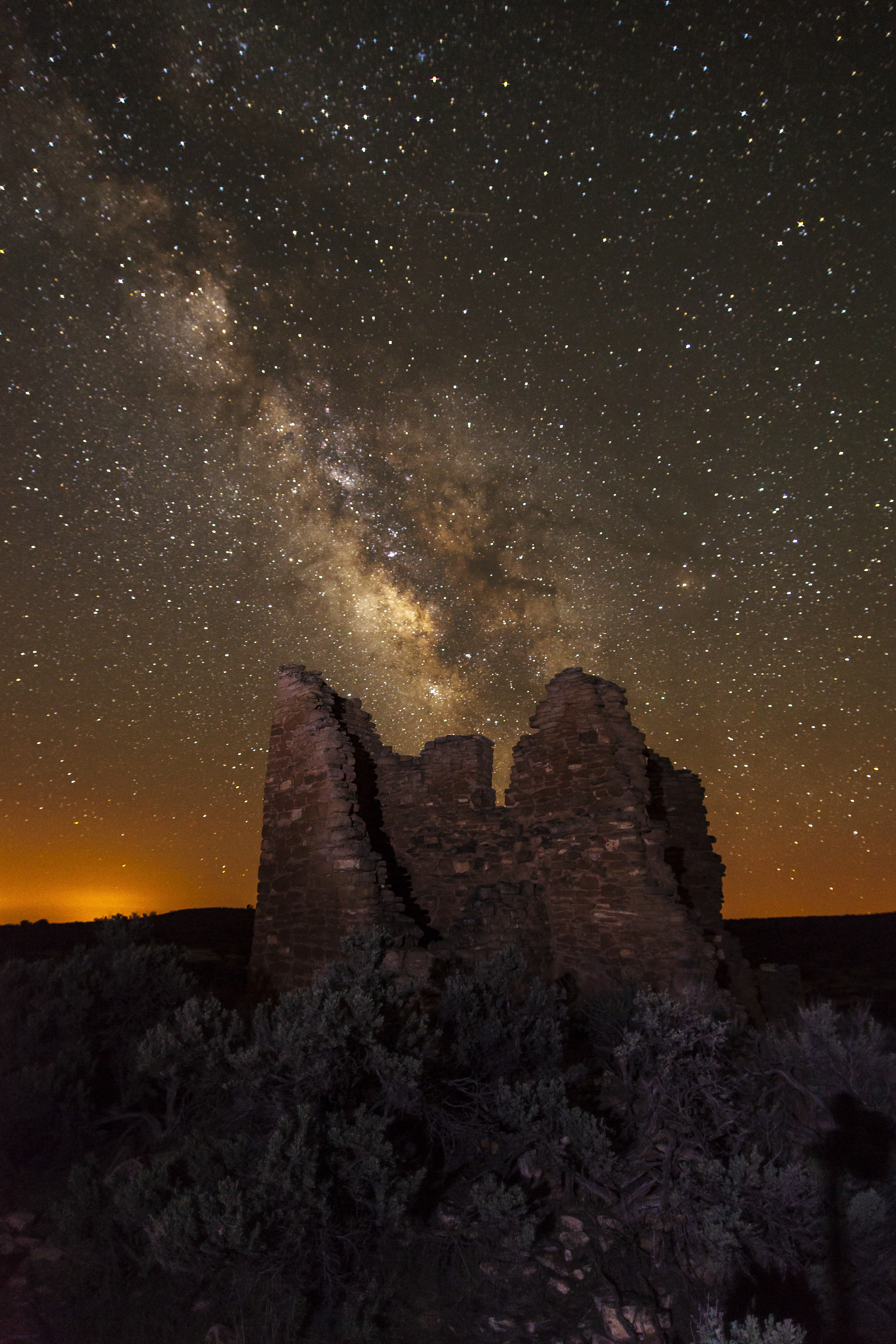
Hovenweep preserves six prehistoric sites built between A.D. 1200 and 1300 which may have served as ceremonial centers. Explore a variety of structures, including multistory towers perched on canyon rims and balanced on boulders. The construction and attention to detail will leave you marveling at the skill and motivation of the builders.
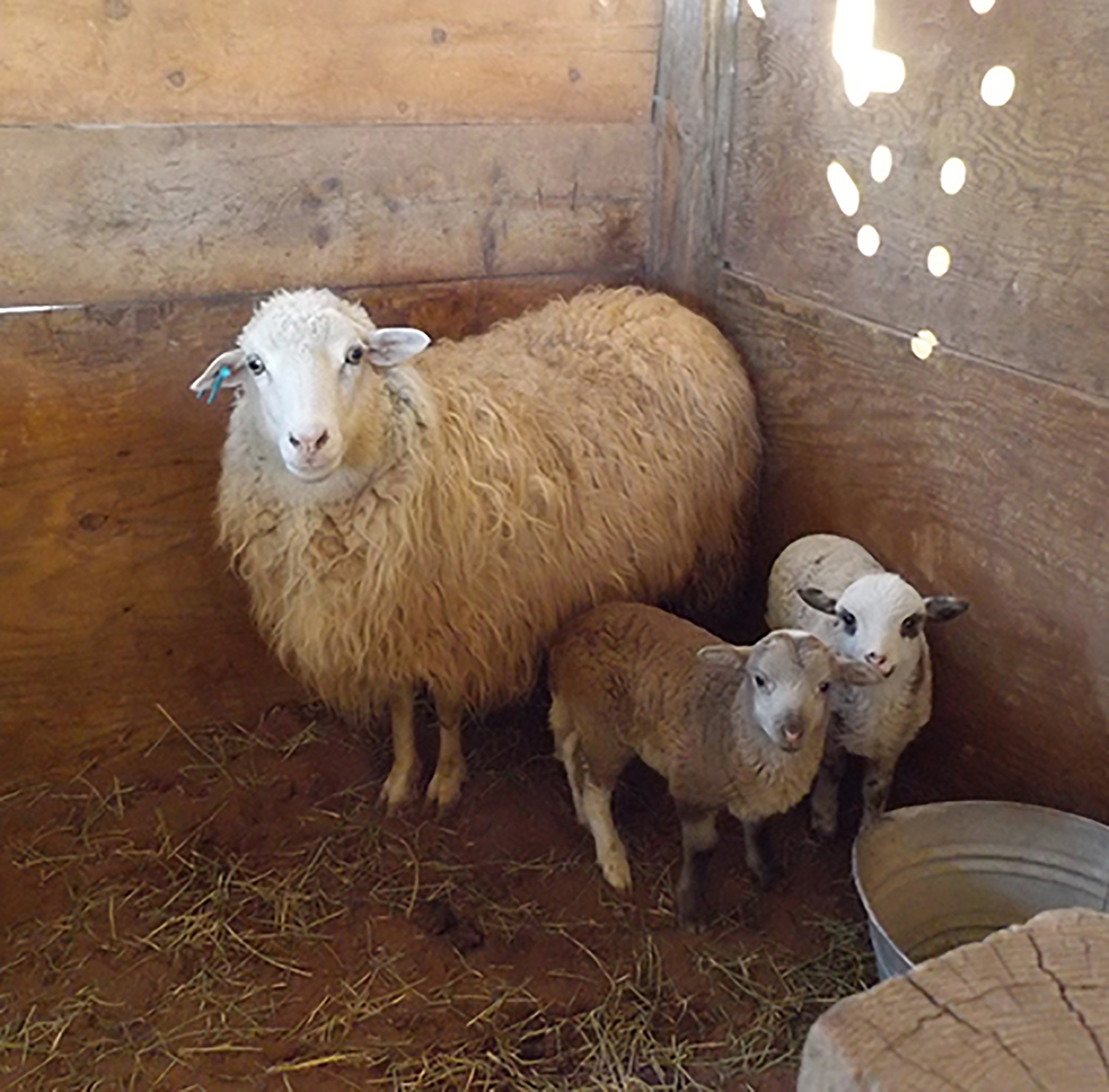
Wóshdę́ę́, please come in where the squeaky wooden floors greet your entry into the oldest operating Trading Post on the Navajo Nation. As your eyes adjust to the dim light in the "bullpen", you'll find you've just entered a mercantile. Hubbell's in Ganado has been selling goods and trading Native American Art since 1878. Discover Hubbell Trading Post NHS, sheep, rugs, jewelry and so much more...
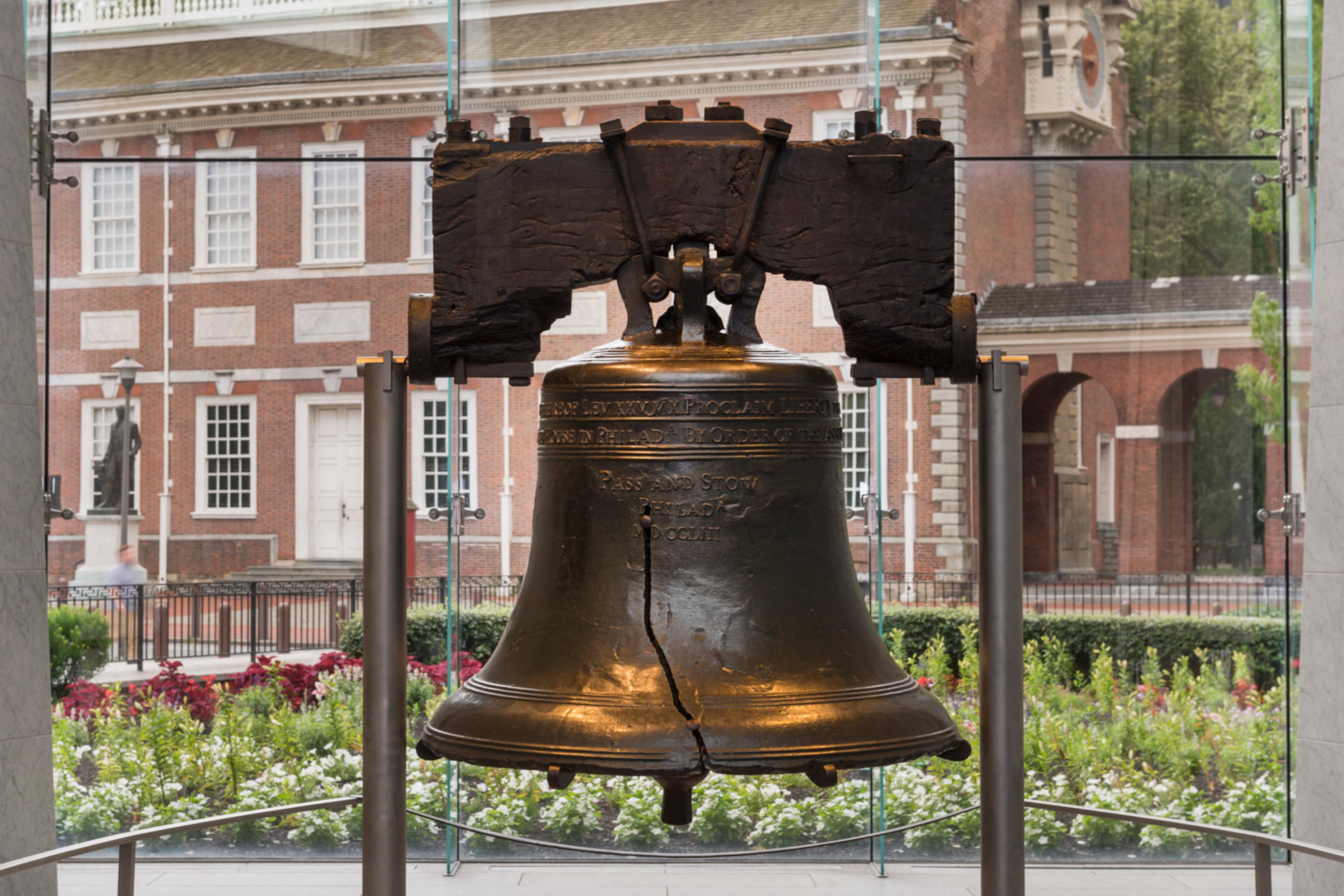
The park represents the founding ideals of the nation, and preserves national and international symbols of freedom and democracy, including Independence Hall and the Liberty Bell. The Declaration of Independence and US Constitution were both debated and signed inside Independence Hall, a UNESCO World Heritage Site.
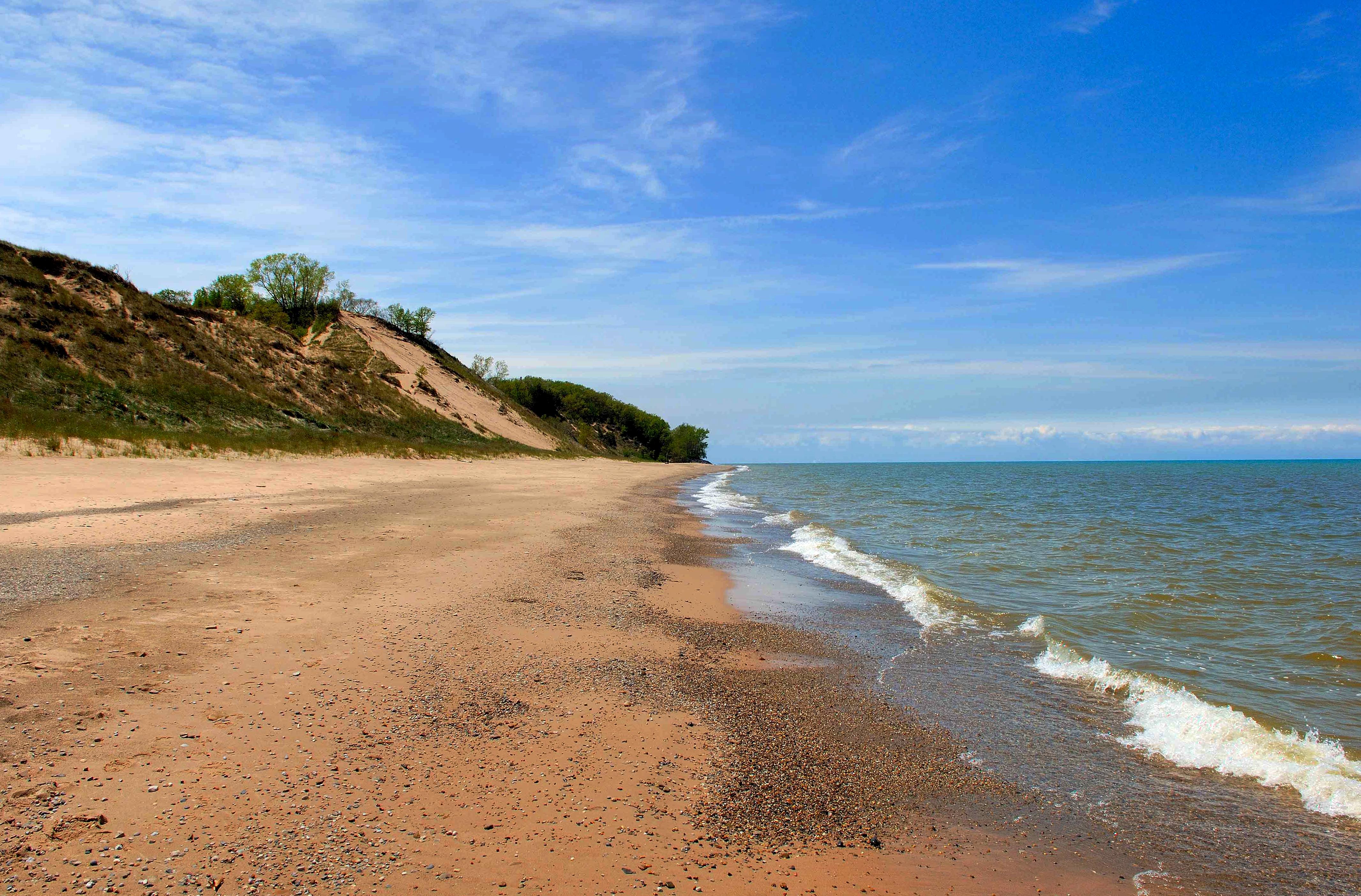
Lake Michigan's might has influenced Indiana Dunes for millennia. Wind and waves have shaped the land, leaving a rich mosaic of habitats along these 15 miles of Indiana coast. Over 50 miles of trails lead through shifting sand dunes, quiet woodlands, sunny prairies and lush wetlands. Known for its striking plant and bird diversity, it's easy to find inspiration throughout the park’s 16,000 acres.
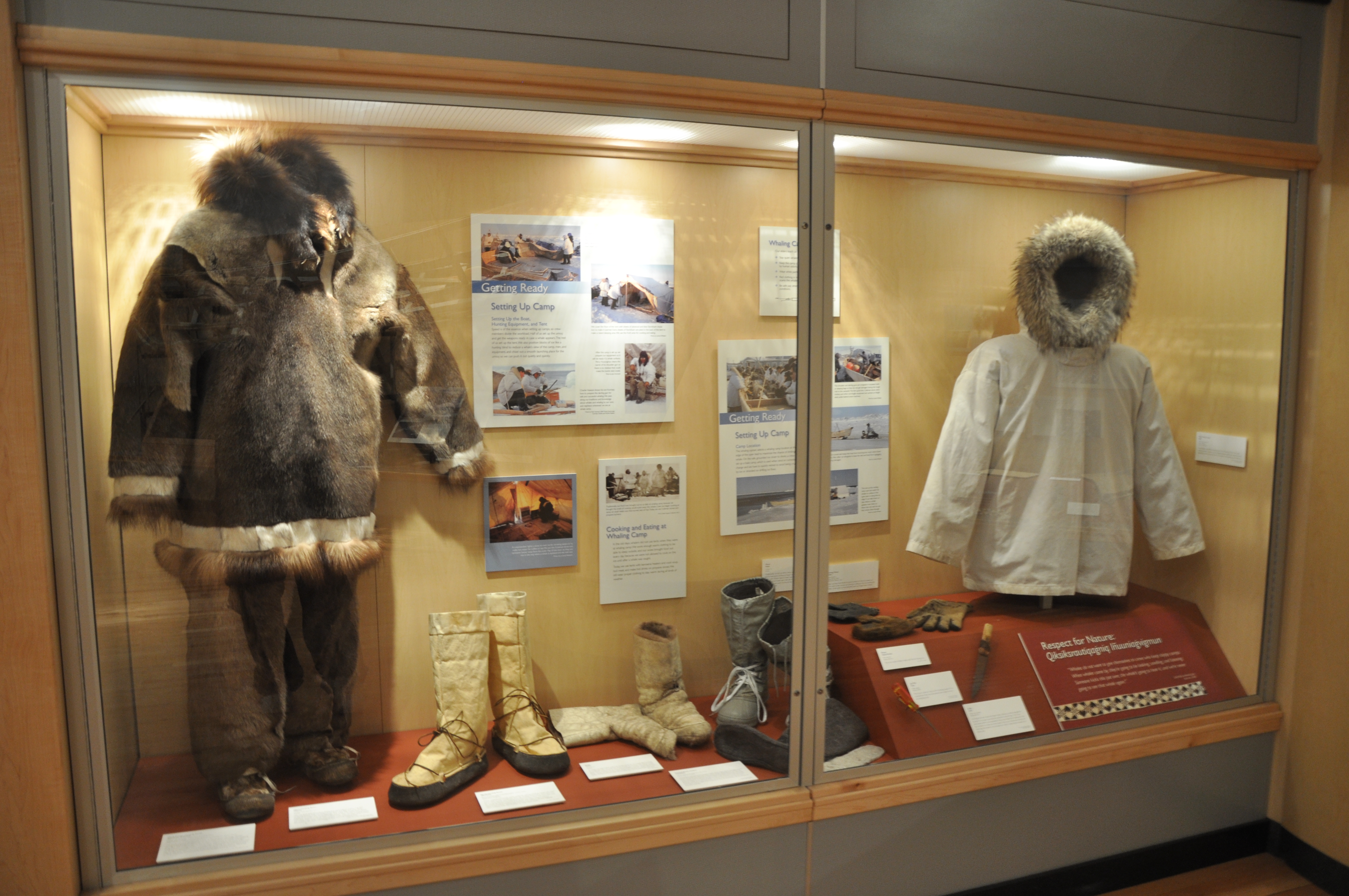
On the rooftop of the world, the Iñupiat Heritage Center in Barrow, Alaska, tells the story of the Iñupiat people. They have thrived for thousands of years in one of the most extreme climates on Earth, hunting the bowhead, or "Agviq." In the 19th century, the quiet northern seas swarmed with commercial whalemen from New England, who also sought the bowhead for its valuable baleen and blubber.
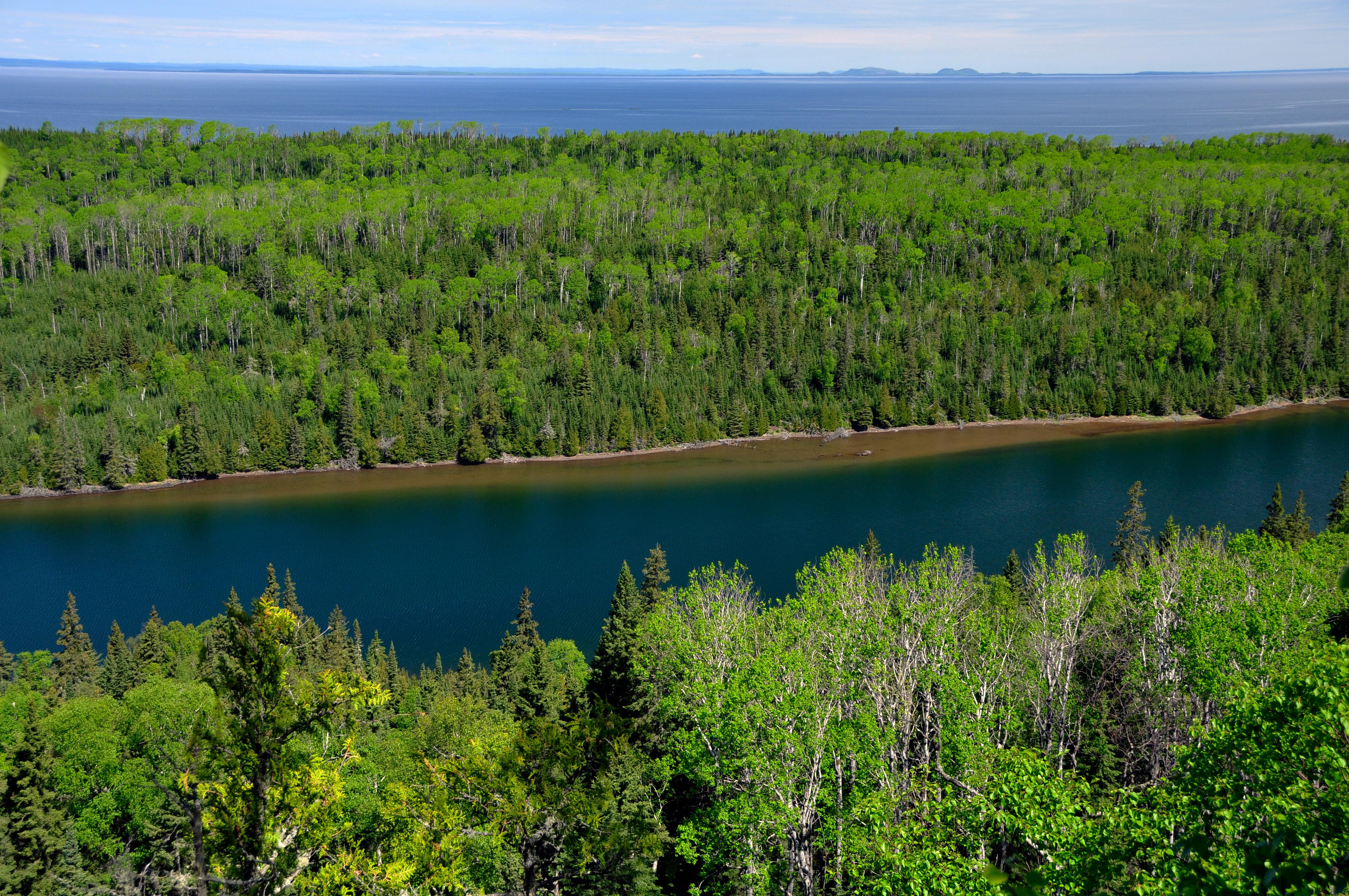
Explore a rugged, isolated island far from our connected communities. Isle Royale offers adventures for backpackers, hikers, boaters, paddlers, and divers. Cross Lake Superior and make a commitment: Become a part of this island, and let it become a part of you. Find peace and refuge in island wilderness – because Isle Royale, in turn, finds refuge in us. Help Isle Royale stay wild.
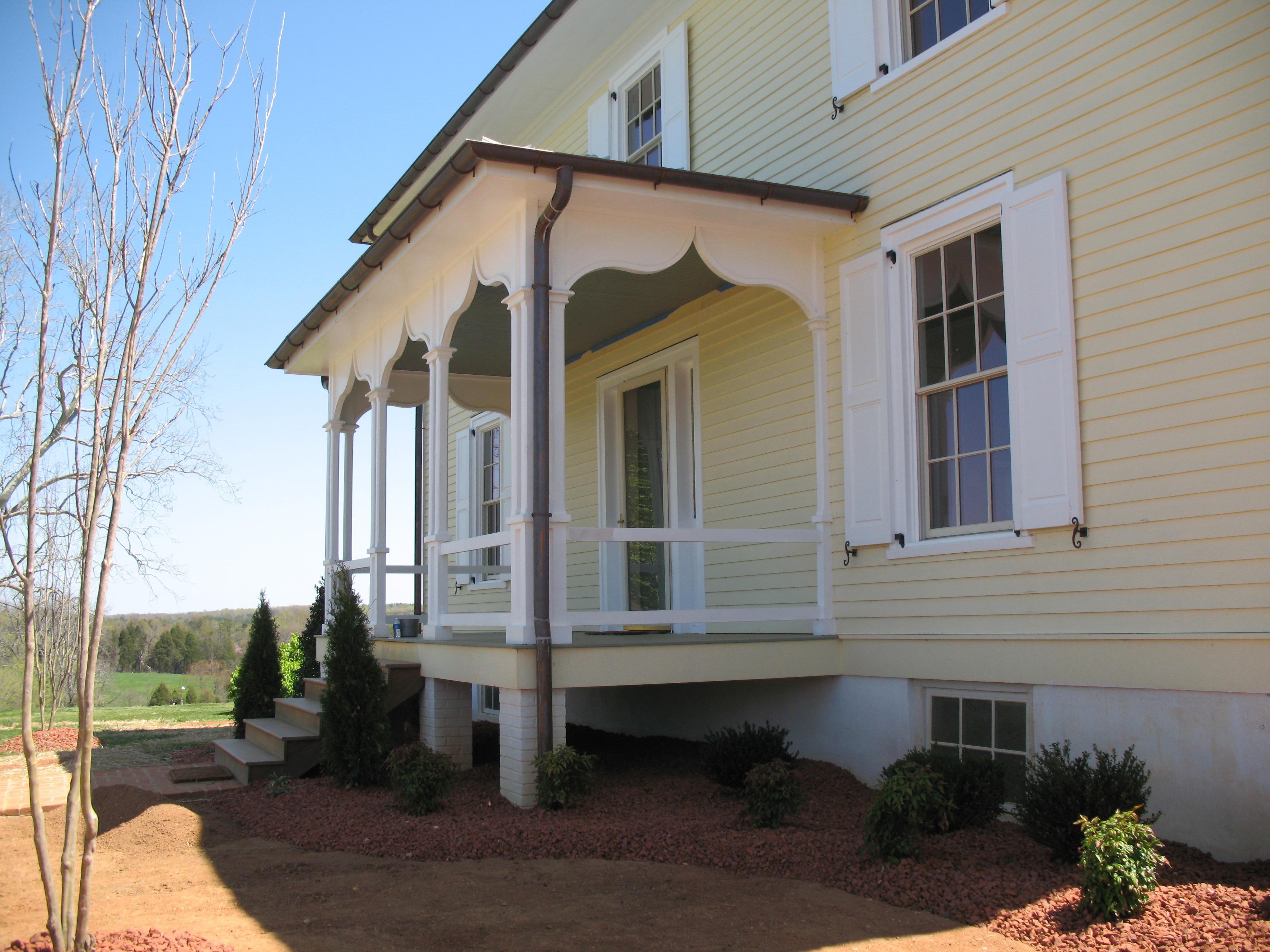
A front porch can serve many purposes. For some, it is a place to enjoy the breeze on a warm summer night. For others, a perch from which to keep eyes on what's happening in their neighborhood. In 1880, James Garfield used his front porch as a platform to greet thousands of well-wishers during his presidential campaign. Today, the porch serves as a gateway to the story of the Garfield family.
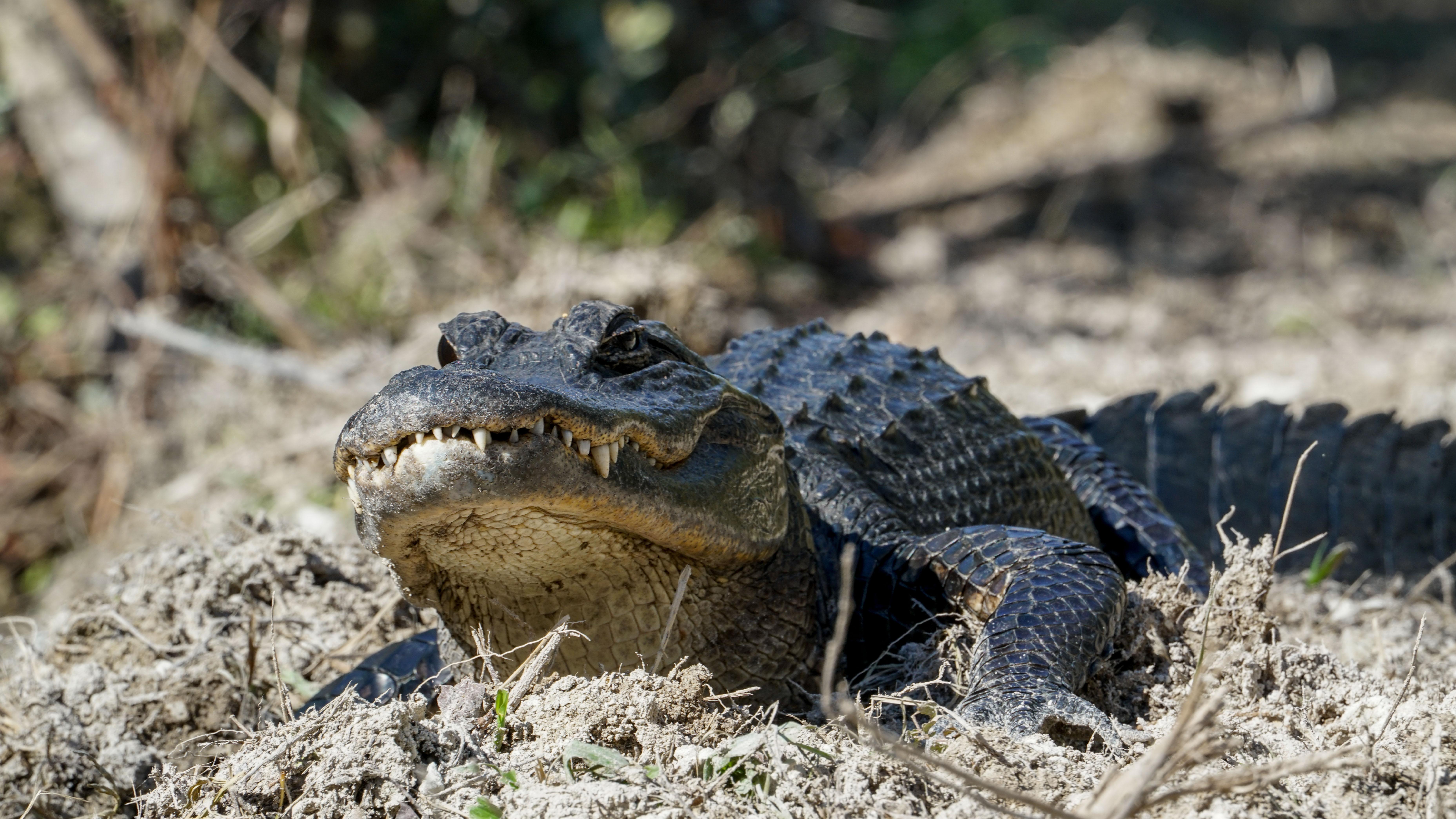
In Jean Lafitte's day, silver and gold filled a pirate's treasure chest, but today's treasures are people, places, and memories. Discover New Orleans’ rich cultural mix. Learn Cajun traditions from people who live them. Watch an alligator bask on a bayou’s bank. Walk in the footsteps of the men who fought at 1815’s Battle of New Orleans. Follow the link to discover the treasure of Jean Lafitte.
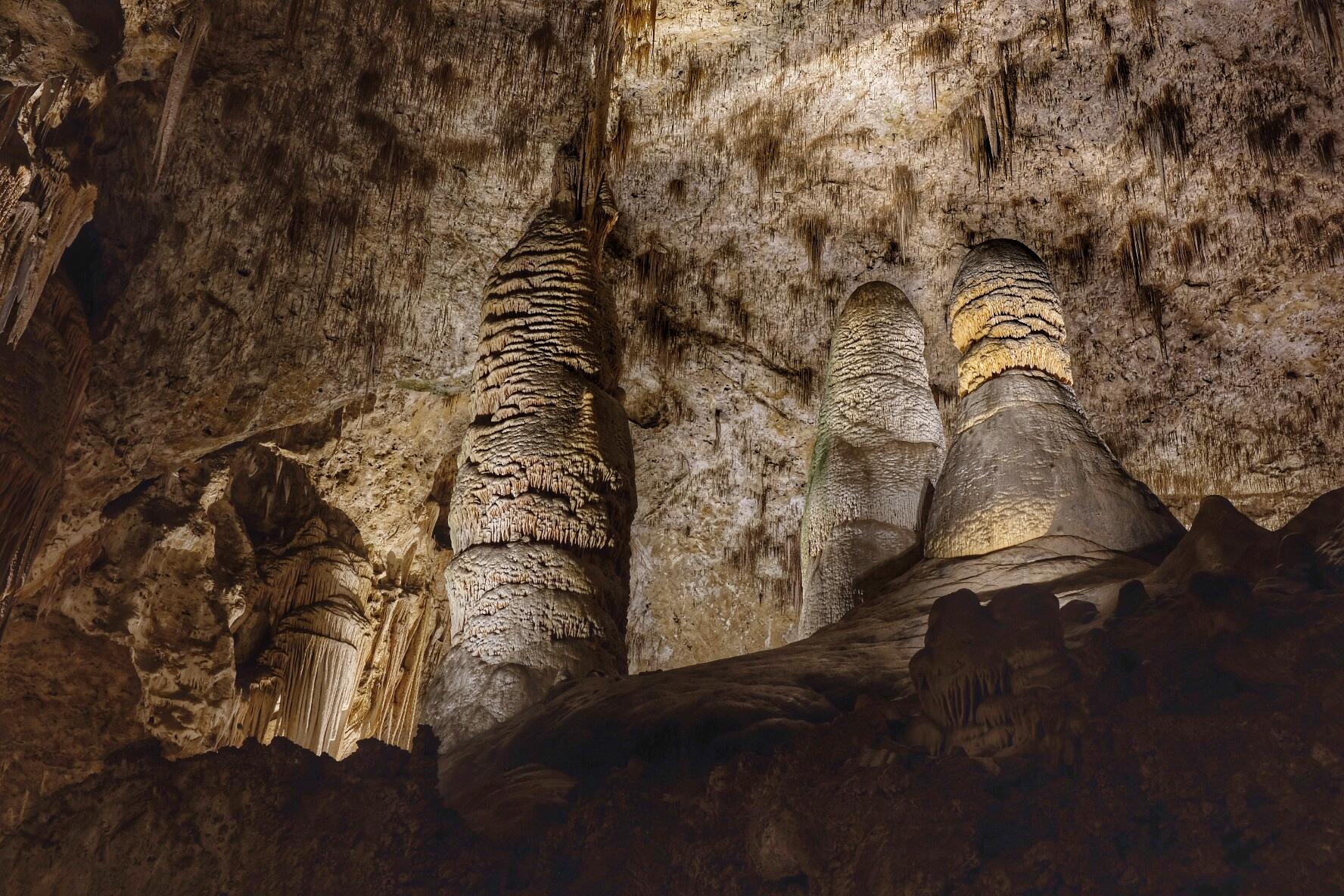
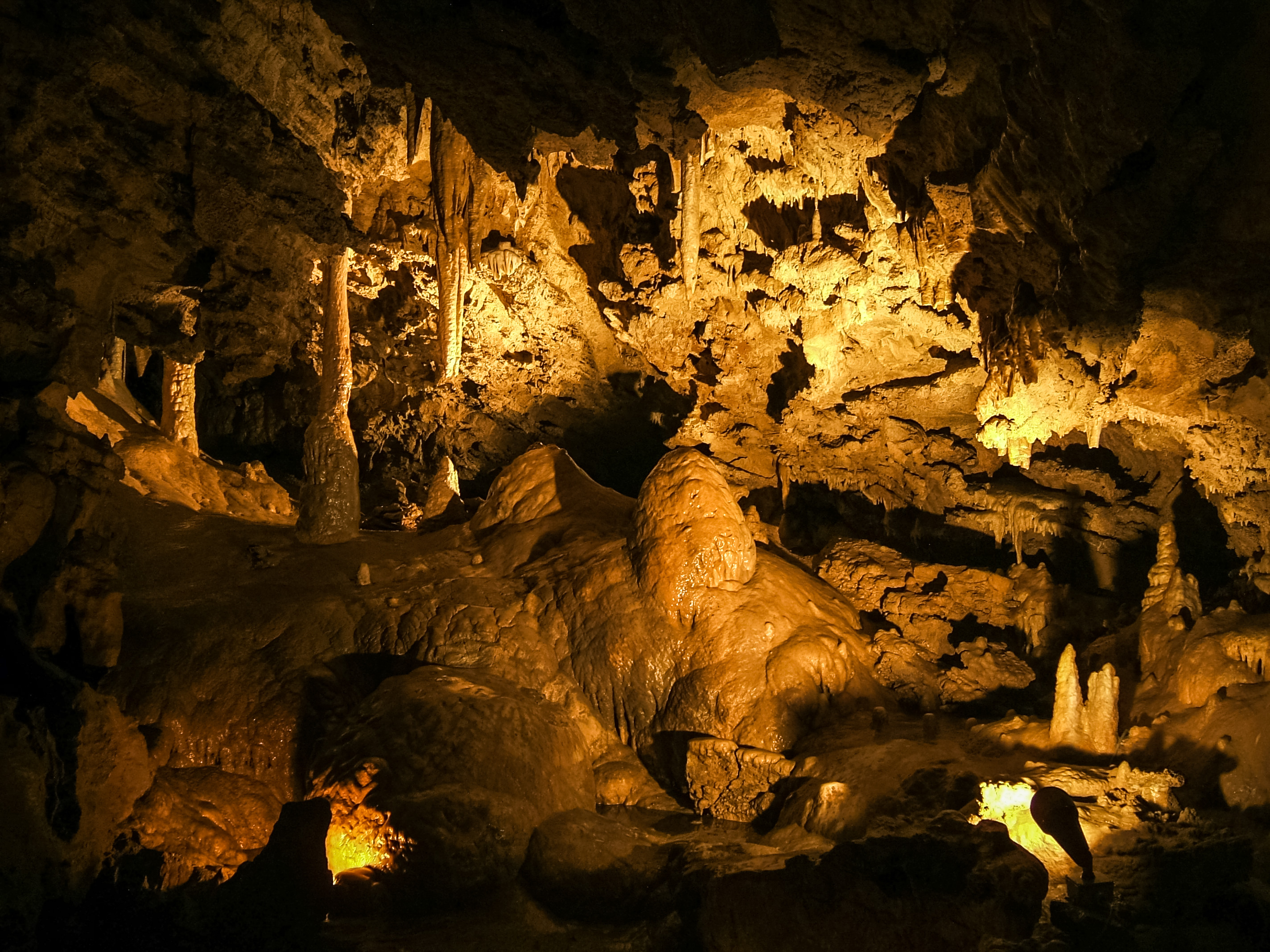
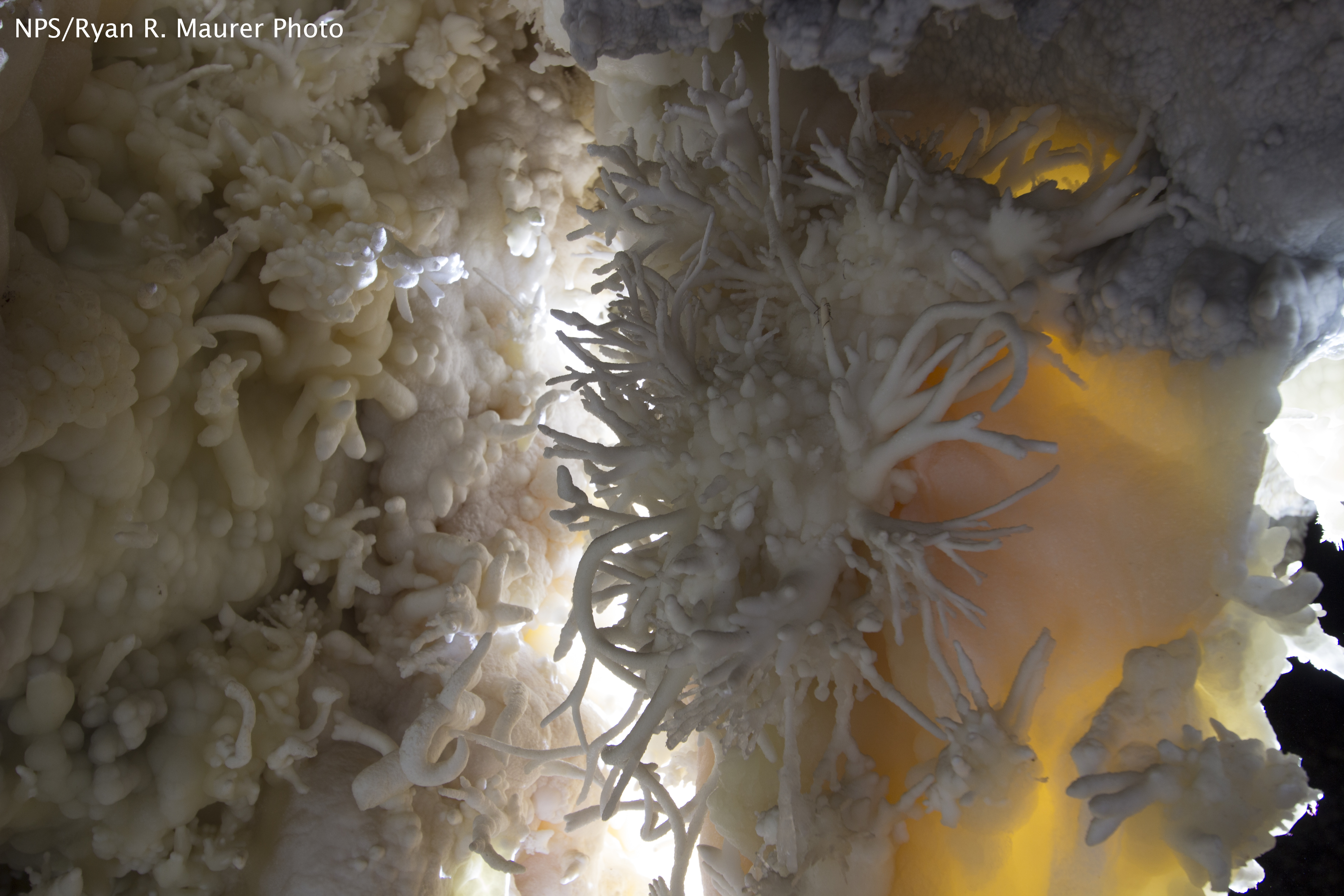
Immerse yourself in one of the longest caves in the world. With over 220 miles of mapped and surveyed passages, this underground wilderness appeals to human curiosity. Its splendor is revealed through fragile formations and glimpses of brilliant color. Its maze of passages lures explorers, and its scientific wealth remains a mystery. This resource is truly a jewel in the National Park Service.
Few U.S. Presidents have had such close ties with where they were born and raised. The rural southern culture of Plains, Georgia revolves around farming, church, and school, which had a large influence in molding the character and shaping the political policies of the 39th President of the United States.
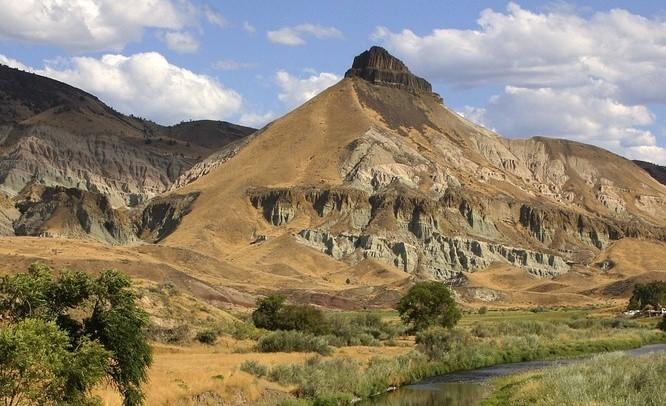
Large rhino-like brontotheres roam a semitropical forest. Dog-sized, three-toed horses dart between the trees. The cat-like nimravid and bear dogs stalk their prey. The climate cools and forests alter to dryer grasslands. Saber tooth cats and camels get replaced by mountain lions and deer. Paleontologists learn more about the ancient animals and environment with every new fossil they discover.
JFK’s parents never expected that their second son would grow up to be president. Yet in his birthplace home he learned values that inspired a life in public service. His mother, Rose Kennedy, recreated her family’s first home to share her memories of those early years with visitors. We commemorate not only his early life, but the ideas and principles he left behind.
John Muir’s life was a tapestry of roles—fruit rancher, family man, writer—each interwoven with his deep love for nature. As one of America’s most influential naturalists, Muir was more than just an observer of the wilderness; he was its fiercest advocate. His passion for the land drove him to protect the places he held dear, ensuring that future generations could experience their beauty.
The South Fork Dam failed on Friday, May 31, 1889, and unleashed 20,000,000 tons of water that devastated Johnstown, PA. The flood killed 2,209 people but it brought the nation and the world together to aid the "Johnstown sufferers." The story of the Johnstown Flood reminds us all, "...that we must leave nothing undone for the preservation and protection of our brother men."
Two distinct desert ecosystems, the Mojave and the Colorado, come together in Joshua Tree National Park. A fascinating variety of plants and animals make their homes in a land sculpted by strong winds and occasional torrents of rain. Dark night skies, a rich cultural history, and surreal geologic features add to the wonder of this vast wilderness in southern California. Come explore for yourself!
When Hansen's disease (leprosy) was introduced to the Hawaiian Islands, King Kamehameha V banished all afflicted to the isolated Kalaupapa Peninsula on the north shore of Molokai. Since 1866, more than 8,000 people, mostly Hawaiians, have died at Kalaupapa. Once a prison, Kalaupapa is now a refuge for the few remaining residents who are cured but were forced to live their lives in isolation.
Along the western coastline of the Island of Hawaiʻi lies the hot, rugged lava of Kaloko-Honokōhau. This seemingly barren and harsh landscape does not appear to be suitable for human existence, and yet, long before written history, the Hawaiian people built a thriving settlement upon this ʻaʻā lava.
Spread across a wild landscape offering spectacular views of Katahdin, Katahdin Woods and Waters invites discovery of its rivers, streams, woods, flora, fauna, geology, and the night skies that have attracted humans for millennia.
A landscape is alive underneath our feet, filled with creatures that remind us what it is to be wild. Katmai was established in 1918 to protect the volcanically devastated region surrounding Novarupta and the Valley of Ten Thousand Smokes. Today, Katmai National Park and Preserve also protects 9,000 years of human history and important habitat for salmon and thousands of brown bears.
At the edge of the Kenai Peninsula lies a land where the ice age lingers. Nearly 40 glaciers flow from the Harding Icefield, Kenai Fjords' crowning feature. Wildlife thrives in icy waters and lush forests along the fjords once carved by the vast expanse of ice. Today, shrinking glaciers bear witness to the effects of our changing climate.
Deep within Kenilworth lies an oasis, hidden behind trees and cattails. It's a place where beavers build their homes and turtles sleep on logs. Lotus blooms rise from the muck and lilies sit on the water. The wind dances with the dragonflies, rustling through the trees, carrying the song of the birds until it brushes across your face, fading to a whisper, saying "come join."
Kennesaw Mountain National Battlefield Park is a 2,965 acre National Battlefield that preserves a Civil War battleground of the Atlanta Campaign. Opposing forces maneuvered and fought here from June 19, 1864 until July 2, 1864. Although most famous as a Civil War battlefield, Kennesaw Mountain has a much richer story.
The stories of people and copper in the Keweenaw Peninsula have been intertwined for more than 7,000 years. Indigenous peoples made copper into tools and trade items. Investors and immigrants arrived in the 1800s in a great mineral rush, developing thriving industries and cosmopolitan communities. Though the mines have since closed, their mark is still visible on the land and people.
Thomas Jefferson called it "The turn of the tide of success." The battle of Kings Mountain, fought October 7th, 1780, was an important American victory during the Revolutionary War. The battle was the first major patriot victory to occur after the British invasion of Charleston, SC in May 1780. The park preserves the site of this important battle.
Seattle flourished during and after the Klondike Gold Rush. Merchants supplied people from around the world passing through this port city on their way to a remarkable adventure in the Yukon Territory of Canada. Today, the park is your gateway to learn about the Klondike Gold Rush, explore the area's public lands, and engage with the local community.
Headlines screamed "Gold!" The dream of a better life catapulted thousands of people to Alaska and the Yukon Territory. Their journey shaped them, and changed the people they encountered and the north forever. Today, the park remembers the trails, boomtowns, and stories of the Klondike Gold Rush.
Earthlodge people hunted bison and other game, but were in essence farmers living in villages along the Missouri and its tributaries. The site was a major Native American trade center for hundreds of years prior to becoming an important market place for fur traders after 1750.
Caribou, sand dunes, the Kobuk River, Onion Portage - just some of the facets of Kobuk Valley National Park. Thousands of caribou migrate through, their tracks crisscrossing sculpted dunes. The Kobuk River is an ancient and current corridor for people and wildlife. For 9000 years, people came to Onion Portage to harvest caribou as they swam the river. Even today, that rich tradition continues.
At the Korean War Veterans Memorial, "Our nation honors her sons and daughters who answered the call to defend a country they never knew and a people they never met."
Lake Clark National Park and Preserve is a land of stunning beauty. Volcanoes steam, salmon run, bears forage, and craggy mountains reflect in shimmering turquoise lakes. Here, too, local people and culture still depend on the land and water. Venture into the park to become part of the wilderness.
Experience outdoor thrills, striking landscapes, and brilliant blue waters. This year-round recreation area spreads across 1.5 million acres of mountains, canyons, valleys and two vast reservoirs. Visitors come here for scenic drives, biking, hiking, boating, fishing, camping, and much more.
Set within the wide‑open Texas Plains, Lake Meredith National Recreation Area offers a peaceful retreat in the heart of rugged grasslands. Over thousands of years, the Canadian River carved dramatic 200‑foot canyons—known as breaks—that now frame the lake in striking layers of color and texture. These quiet coves sustain an unexpectedly rich array of life, providing seven distinct habitats.
The ancient geologic landscape of the upper Columbia River cradles Lake Roosevelt in walls of stone carved by massive ice age floods. Come explore the shorelines and learn the stories of American Indians, traders and trappers, settlers and dam builders who called this place home. Swim, boat, hike, camp, and fish at this hidden gem in Northeast Washington, created by the Grand Coulee Dam.
Lassen Volcanic National Park is home to steaming fumaroles, meadows freckled with wildflowers, clear mountain lakes, and numerous volcanoes. Jagged peaks tell the story of its eruptive past while hot water continues to shape the land.
Lava Beds National Monument is a land of turmoil, both geological and historical. Over the last half-million years, volcanic eruptions on the Medicine Lake shield volcano have created a rugged landscape dotted with diverse volcanic features. More than 800 caves, Native American rock art sites, historic battlefields and campsites, and a high desert wilderness experience await you!
From this distance the seat of national power appears pristine across the river, so President Johnson came here often when he needed to escape from the stresses of building a Great Society. After he died, his wife chose this place for his memorial. A landscape of serpentine paths, white pines, a granite monolith, and an open meadow honors his legacy of social justice and conservation legislation.
Explore the timeless rainforests and majestic coastal vistas. Discover the rich heritage of the native people. Unfold the dramatic stories of America's most famous explorers. The park encompasses sites along the Columbia River and the Pacific Coast. Follow in the footsteps of the explorers and have an adventure in history.
Abraham Lincoln grew from youth to manhood on this southern Indiana soil. Many character and moral traits of one of the world's most respected leaders was formed and nurtured here. Explore Lincoln's boyhood and learn about the boy who would one day become the leader of our nation.
Abraham Lincoln believed in the ideal that everyone in America should have the opportunity to improve their economic and social condition. Lincoln’s life was the embodiment of that idea. We know him as the sixteenth president but he was also a spouse, parent, and neighbor who experienced the same hopes, dreams, and challenges of life that are still experienced by many people today.
"...as in the hearts of the people for whom he saved the Union, the memory of Abraham Lincoln is enshrined forever." Beneath these words, the 16th president of the United States sits immortalized in marble as an enduring symbol of unity, strength, and wisdom.
This land is a place to honor and reflect on the sacrifices made here on June 25 and 26, 1876, when Lakota, Cheyenne, and Arapaho warriors fought against a deliberate attack by the U.S. Army's 7th Cavalry, led by Lt. Col. George Custer, who sought to enforce policies that threatened their traditional way of life. How are the results of the battle felt in the West and Indigenous communities today?
Little River is unique because it flows for most of its length atop Lookout Mountain in northeast Alabama. Forested uplands, waterfalls, canyon rims and bluffs, pools, boulders, and sandstone cliffs offer settings for a variety of recreational activities. Natural resources and cultural heritage come together to tell the story of the Preserve, a special place in the Southern Appalachians.
In 1957, Little Rock Central High School was the epicenter of confrontation and a catalyst for change as the fundamental test for the United States to enforce African American civil rights following Brown v. Board of Education. Learn how the sacrifice and struggle endured by the Little Rock Nine have provided opportunities and opened doors for those seeking education around the world.
Longfellow House-Washington's Headquarters National Historic Site preserves a remarkable Georgian house whose occupants shaped our nation. It was a site of colonial enslavement and community activism, George Washington’s first long-term headquarters of the American Revolution, and the place where Henry Wadsworth Longfellow wrote his canon of 19th-century American literature.
Lowell’s water-powered textile mills catapulted the nation – including immigrant families and early female factory workers – into an uncertain new industrial era. Nearly 200 years later, the changes that began here still reverberate in our shifting global economy. Explore Lowell, a living testament to the dynamic human story of the industrial revolution.
The Delaware River, the largest free-flowing river in the eastern United States, runs past forests, farmlands and villages. It also links some of the most densely populated regions in America. In 2000, the National Wild and Scenic River System incorporated key segments of the lower Delaware River to form this unit of the National Park System.
The Tenement Museum tells the stories of working-class tenement residents, who moved to New York City from other countries and other parts of the country. Their work helped build the city and nation, and their stories help us understand our history. The museum shares these stories through guided tours of recreated tenement apartments, neighborhood walking tours, and virtual tours and programs.
Lyndon B. Johnson National Historical Park tells the story of our 36th president beginning with his ancestors until his final resting place on his beloved LBJ Ranch. This entire "circle of life" gives the visitor a unique perspective into one of America's most noteworthy citizens by providing the most complete picture of any American president.
Maggie Lena Walker devoted her life to civil rights advancement, economic empowerment, and educational opportunities for Jim Crow-era African Americans and women. As a bank president, newspaper editor, and fraternal leader, Walker served as an inspiration of pride and progress. Today, Walker’s home is preserved as a tribute to her enduring legacy of vision, courage, and determination.
Maine Acadians share beliefs and experiences tying them to a common religion, languages, and history. The St. John River, land, and family are essential to their culture. The National Park Service supports the Maine Acadian Heritage Council, an association of historical societies, cultural clubs, towns, and museums that work together to support Maine Acadian culture in the St. John Valley.
Rolling hills, deep river valleys, and the world's longest known cave system. Mammoth Cave National Park is home to thousands of years of human history and a rich diversity of plant and animal life, earning it the title of UNESCO World Heritage Site and International Biosphere Region.
On July 21, 1861, two armies clashed for the first time on the fields overlooking Bull Run. Heavy fighting swept away any notion of a quick war. In August 1862, Union and Confederate armies converged for a second time on the plains of Manassas. The Confederates won a solid victory bringing them to the height of their power.
The Manhattan Project is one of the most transformative events of the 20th century. It ushered in the nuclear age with the development of the world’s first atomic bombs. Most of this development took place in three secret communities located in Hanford, WA, Los Alamos, NM and Oak Ridge, TN. Today, you can visit these three sites that make up Manhattan Project National Historical Park.
In 1942, the United States government ordered more than 110,000 men, women, and children to leave their homes and detained them in remote, military-style camps. Manzanar War Relocation Center was one of ten camps where the US government incarcerated Japanese immigrants ineligible for citizenship and Japanese American citizens during World War II.
Walk through one of Vermont's most beautiful landscapes under the shade of the Mount Tom Forest, the oldest continuously managed scientific forest in the United States. This is a landscape of loss, recovery, and conservation. This is a story of stewardship, of people taking care of places - sharing an enduring connection to land and a sense of hope for the future.
Located in downtown Washington, DC, the memorial honors Martin Luther King, Jr.'s legacy and the struggle for freedom, equality, and justice. A prominent leader in the modern civil rights movement, Dr. King was a tireless advocate for racial equality, working class, and the oppressed around the world.
Welcome to Martin Luther King, Jr. National Historical Park & Preservation District where a young boy grows up in a time of segregation. He was moved by destiny to lead the modern civil rights movement. This was Martin Luther King, Jr. Explore his roots, walk in his footsteps, visit the home of his birth, and where he played as a child. Hear his voice in the church where he changed the world.
Born in Kinderhook, New York, in 1782, Martin Van Buren was the first president born a US citizen. His life spanned the American Revolution to the Civil War and was shaped by the most important issues of the era: US expansionism and the removal of Indigenous people, states’ rights, and slavery. This historic landscape invites reflection on the many lives and legacies woven into its past.
Mary McLeod Bethune achieved her greatest recognition at the Washington, DC townhouse that is now this National Historic Site. The Council House was the first headquarters of the National Council of Negro Women (NCNW) and was Bethune’s last home in Washington, DC. From here, Bethune and the NCNW spearheaded strategies and developed programs that advanced the interests of African American women.
Medgar and Myrlie Evers were partners in the civil rights struggle. The assassination of Medgar Evers in the carport of their home on June 12, 1963, was the first murder of a nationally significant leader of the American Civil Rights Movement, and it became a catalyst for passage of the Civil Rights Act of 1964. Myrlie Evers continues to promote issues of racial equality and social justice.
For over 700 years, the Ancestral Pueblo people built thriving communities on the mesas and in the cliffs of Mesa Verde. Today, the park protects the rich cultural heritage of 27 Pueblos and Tribes and offers visitors a spectacular window into the past. This World Heritage Site and International Dark Sky Park is home to over a thousand species, including several that live nowhere else on earth.
The US won a significant victory early in the Civil War at the Battle of Mill Springs. Explore the rolling fields of Kentucky where the battle took place and learn about that state's strategic importance to both sides of the fight.
During World War II, over 120,000 people of Japanese ancestry were forcibly removed from their homes and incarcerated without due process of law. Although little remains of the barbed-wire fences and tar-papered barracks, the Minidoka concentration camp once held over 13,000 Japanese Americans in the Idaho desert. Minidoka preserves their legacy and teaches the importance of civil liberties.
At Minute Man National Historical Park the opening battle of the Revolution is brought to life as visitors explore the battlefields and structures associated with April 19, 1775, and witness the American revolutionary spirit through the writings of the Concord authors.
During the Cold War, a vast arsenal of nuclear missiles were placed in the Great Plains. Hidden in plain sight, for thirty years 1,000 missiles were kept on constant alert; hundreds remain today. The Minuteman Missile remains an iconic weapon in the American nuclear arsenal. It holds the power to destroy civilization, but is meant as a nuclear deterrent to maintain peace and prevent war.
In the middle of a bustling urban setting, this 72 mile river park offers quiet stretches for fishing, boating and canoeing, birdwatching, bicycling, and hiking. And there are plenty of visitor centers and trails that highlight the fascinating human history of the Mississippi River. This a great place to start your exploration of this important river.
Imagine a 100-mile stretch of North America's longest river, a vestige of the untamed American West. The Missouri National Recreational River is where imagination meets reality. Two free flowing stretches of the Missouri make up the National Park. Relive the past by exploring the wild, untamed and mighty river that continues to flow as nature intended.
Mojave preserves a diverse mosaic of ecological habitats and a 10,000 year history of human connection with the desert. Offering extensive opportunities to experience desert landscapes, the preserve promotes understanding and appreciation for the increasingly threatened resources of the Mojave Desert. This remote preserve encourages a sense of discovery and a connection to wild places.
During the summer of 1864, the Confederacy carried out a bold plan to turn the tide of the Civil War in their favor. They planned to capture Washington, DC and influence the election of 1864. On July 9, however, Federal soldiers outnumbered three to one, fought gallantly along the banks of the Monocacy River in an effort to buy time for Union reinforcement to arrive in Washington, DC.
Established December 8, 1906, Montezuma Castle is the third National Monument dedicated to preserving Native American culture. This 20 room high-rise apartment, nestled into a towering limestone cliff, tells a story of ingenuity, survival and ultimately, prosperity in an unforgiving desert landscape.
In the early morning hours of February 27, 1776, Loyalist forces charged across a partially dismantled Moores Creek Bridge. Beyond the bridge, nearly 1,000 North Carolina Patriots waited quietly with cannons and muskets poised to fire. This battle marked the last broadsword charge by Scottish Highlanders and the first significant victory for the Patriots in the American Revolution.
Morristown National Historical Park commemorates the sites of General Washington and the Continental Army’s winter encampment from December 1779 to June 1780, where soldiers survived the coldest winter on record. The park also maintains a museum and library collection related to the encampments and to George Washington, as well as items from both pre- and post-Revolutionary America.
Ascending to 14,410 feet above sea level, Mount Rainier stands as an icon in the Washington landscape. An active volcano, Mount Rainier is the most glaciated peak in the contiguous U.S.A., spawning five major rivers. Subalpine wildflower meadows ring the icy volcano while ancient forest cloaks Mount Rainier’s lower slopes. Wildlife abounds in the park’s ecosystems. A lifetime of discovery awaits.
Majestic figures of George Washington, Thomas Jefferson, Theodore Roosevelt and Abraham Lincoln, surrounded by the beauty of the Black Hills of South Dakota, tell the story of the birth, growth, development and preservation of this country. From the history of the first inhabitants to the diversity of America today, Mount Rushmore brings visitors face to face with the rich heritage we all share.
Walk among old growth coast redwoods, cooling their roots in the fresh water of Redwood Creek and lifting their crowns to reach the sun and fog. Federally protected as a National Monument since 1908, this primeval forest is both refuge and laboratory, revealing our relationship with the living landscape. What will you discover in Muir Woods?
Discover the history of all the peoples of Natchez, Mississippi, from European settlement, African enslavement, the American cotton economy, to the Civil Rights struggle on the lower Mississippi River.
The Natchez Trace Parkway is a 444-mile recreational road and scenic drive through three states. It roughly follows the "Old Natchez Trace," a historic travel corridor used by American Indians, "Kaintucks," European settlers, slave traders, soldiers, and future presidents. Today, people can enjoy a scenic drive as well as hiking, biking, horseback riding, and camping along the Parkway.
National Capital Parks — East invites you to explore more than 8,000 acres of scenic parkland, historic landmarks, and vibrant community spaces across Washington, D.C. and Maryland. From the riverside trails of Anacostia Park to the homes of American leaders like Frederick Douglass and Carter G. Woodson, each of our 17 nationally significant parks offers a distinct experience.
This is where the nation comes to remember and where history is made. As “America’s Front Yard,” the National Mall and Memorial Parks is home to many of our country’s most iconic memorials telling the story of people and events that shaped us as a nation. Each year, millions of people come to recreate, commemorate presidential legacies, honor our veterans, and make their voices heard.
The National Park of American Samoa invites you to discover the vibrant culture and stunning landscapes of the South Pacific. Experience a world unlike any other, where natural beauty and cultural heritage are protected for future generations. Join us in exploring these islands of sacred earth!
These 12 sites preserve more than 400 years of American history! We invite you to explore the past and investigate its relevance in our lives today. From the birth of American democracy to the evolution of commerce, harbor defense, ecology and immigration, the breadth of themes commemorated through the National Parks of New York Harbor reflect the richness and diversity of our heritage.
Three majestic natural bridges invite you to ponder the power of water in a landscape usually defined by its absence. View them from an overlook, or hit the trails and experience their grandeur from below. Declared a National Monument in 1908, the bridges are named "Kachina," "Owachomo" and "Sipapu" in honor of the Ancestral Puebloans who once made this place their home.
For centuries, the Hopi, San Juan Southern Paiute, Zuni, and Navajo people have lived in the canyons. Springs fed farmlands on the canyon floor and homes were built in the natural sandstone alcoves. The cliff dwellings of Betatakin, Keet Seel, and Inscription House were last physically occupied around 1300 AD but the villages have a spiritual presence that can still be felt today.
"The town itself is perhaps the dearest place to live in, in all New England..nowhere in all America will you find more patrician-like houses, parks and gardens more opulent, than in New Bedford…all these brave houses and flowery gardens came from the Atlantic, Pacific, and Indian oceans. One and all, they were harpooned and dragged up hither from the bottom of the sea." H. Melville, "Moby-Dick"
This is truly a special place. It's classified as a United States Biosphere Reserve and in 1978 was established by Congress as the country’s first National Reserve. It includes portions of seven southern New Jersey counties, and encompasses over one-million acres of farms, forests and wetlands. It contains 56 communities, from hamlets to suburbs, with over 700,000 permanent residents.
Discover the roots of jazz at the New Orleans Jazz National Historical Park. Located in the heart of the French Quarter, our park offers live performances, exhibits, and programs that celebrate the legacy of America's unique musical art form. Immerse yourself in the vibrant history and culture of jazz, a sound that continues to inspire the world. Join us in preserving and celebrating the music!
To a casual observer, New Philadelphia looked like a typical Illinois pioneer town. But a closer look revealed a unique and racially diverse community. New Philadelphia was the first US town platted and registered by an African American. A formerly enslaved man, Free Frank McWorter, founded New Philadelphia in 1836 and purchased freedom for himself and 15 family members.
A rugged, whitewater river flowing northward through deep canyons, the New River is among the oldest rivers on the continent. The park encompasses over 70,000 acres of land along the New River, is rich in cultural and natural history, and offers an abundance of scenic and recreational opportunities.
Since time immemorial, the valleys, prairies, mountains, and plateaus of the inland northwest have been home to the nimíipuu (Nez Perce) people. Extremely resilient, they survived the settling of the United States and adapted to a changed world. Nez Perce National Historical Park consists of 38 places important to the history and culture of the nimíipuu. Explore these places. Learn their stories.
Formerly enslaved African Americans left Kentucky at the end of the post-Civil War Reconstruction period to experience freedom in the "Promised Land" of Kansas. Nicodemus represents the involvement of African Americans in the homesteading movement across the Great Plains. It is the oldest remaining Black settlement west of the Mississippi River.
Settlers struggled against the harsh backcountry to survive. Cherokee Indians hunted and fought to keep their land. Two towns and a trading post were formed then abandoned to the elements. And two Revolutionary War battles claimed over 100 lives. Come discover the 18th century history of South Carolina.
With a little something for everyone, the Niobrara National Scenic River is a destination for crossing adventures off your bucket list. Most popular for river recreation, you can float the Niobrara River on a canoe, tube, or kayak as a beginner and have a blast. Hiking, biking, and wildlife watching keep our visitors busy. Oh! And we haven't even told you about the waterfalls yet.
As one of North America's largest mountain-ringed river basins with an intact ecosystem, the Noatak River environs feature some of the Arctic's finest arrays of plants and animals. The river is classified as a National Wild and Scenic River. It offers stunning wilderness float-trip opportunities - from deep in the Brooks Range to the tidewater of the Chukchi Sea.
Less than three hours from Seattle, an alpine landscape beckons. Discover communities of life adapted to moisture in the west and recurring fire in the east. Explore jagged peaks crowned by more than 300 glaciers. Listen to cascading waters in forested valleys. Witness a landscape sensitive to the Earth's changing climate. Help steward the ecological heart of the Cascades.
The Obed Wild and Scenic River looks much the same today as it did when the first white settlers strolled its banks in the late 1700s. While meagerly populated due to poor farming soil, the river was a hospitable fishing and hunting area for trappers and pioneers. Today, the Obed stretches along the Cumberland Plateau and offers visitors a variety of outdoor recreational opportunities.
Welcome to Ocmulgee Mounds National Historical Park. This park is a prehistoric American Indian site, where many different American Indian cultures occupied this land for thousands of years. American Indians first came here during the Paleo-Indian Period hunting Ice Age mammals. Around 900 CE, the Mississippian Period began, and people constructed mounds for their elite, which remain here today.
The outdoor symbolic memorial is a place of quiet reflection, honoring victims, survivors, rescuers, and all who were changed forever on April 19, 1995. It encompasses the now sacred soil where the Alfred P. Murrah Federal Building once stood, capturing and preserving forever the place and events that changed the world.
With its incredible range of precipitation and elevation, diversity is the hallmark of Olympic National Park. Encompassing nearly a million acres, the park protects a vast wilderness, thousands of years of human history, and several distinctly different ecosystems, including glacier-capped mountains, old-growth temperate rain forests, and over 70 miles of wild coastline. Come explore!
Deep within the Siskiyou Mountains are dark, twisting passages that await your discovery. Eons of acidic water seeping into marble rock created and decorated the wondrous “Marble Halls of Oregon.” Join a tour, get a taste of what caving is all about, and explore a mountain from the inside and out!
Look closely. Look again. The sights and sounds of Organ Pipe Cactus National Monument, an International Biosphere Reserve, reveal a thriving community of plants and animals. Human stories echo throughout the Sonoran Desert, chronicling thousands of years of desert living. A wilderness hike, a scenic drive, or a night of camping will expose you to a living desert abounding with hidden life.
The diverse history of Maryland and our national heritage can be experienced at Oxon Cove Park. Through hands-on programs and other activities, you can experience farm life and how its changed over time. Explore how the park evolved from a plantation home during the War of 1812, to a hospital farm, to the park you can visit today.
Ozark National Scenic Riverways is the first national park area to protect a river system. The Current and Jacks Fork rivers are two of the finest floating rivers found anywhere. Spring-fed, cold and clear: they are a delight to canoe, swim, boat, or fish. Besides these two famous rivers, the park is home to hundreds of freshwater springs, caves, trails, and historic sites such as Alley Mill.
Protecting sixty-six miles of wild coastline along the Gulf of America, the narrow barrier island is home to one of the last intact coastal prairie habitats in the United States. Along the hypersaline Laguna Madre, tidal mud flats teem with life. Native Americans, Spanish explorers and cattle ranchers have walked along its shores. Padre Island National Seashore is waiting to be rediscovered.
On May 8, 1846, U.S. and Mexican troops clashed on the prairie of Palo Alto. The battle was the first in a two-year long war that changed the map of North America. Although the two countries have developed strong bonds and friendly ties since the war ended in 1848, these neighbors continue to contend with the legacy of the war.
Silk cloth and steam locomotives; textiles and continuous paper rolls; firearms and aircraft engines. What do these things have in common? All were manufactured in the same place - Paterson, NJ. In 1792, Paterson was established as America's first planned industrial city, centered around the Great Falls of the Passaic River. From humble mills rose industries that changed the face of the nation.
On March 7-8, 1862, over 23,000 soldiers fought here to decide the fate of Missouri which was a turning point of the war in the Trans-Mississippi. This 4,400-acre battlefield honors those who fought and died on these hallowed grounds. Pea Ridge was the most pivotal Civil War battle west of the Mississippi River.
At Pearl Harbor National Memorial, we honor the lives affected by the December 7, 1941, attack. This pivotal moment in global history marked the United States' entry into World War II, impacting nations and communities worldwide. Join us in reflecting on this shared history and its lasting significance in the pursuit of peace.
Pecos is a natural and cultural crossroads through which hunters, gatherers, traders, missionaries, immigrants, soldiers, ranchers, and other travelers passed and lived. Follow in their footsteps and imagine Pecos through the centuries. Visit sites where cultural demonstrations and traditional practices continue today - a living legacy of the people who passed this way. At Pecos, past is present.
A street unlike any other. It is known the world over as the heart of the Nation's Capital. America's history has marched, paraded, promenaded, and protested its way along the Avenue.
Perry's Victory and International Peace Memorial was established to honor those who fought in the Battle of Lake Erie, during the War of 1812, and to celebrate the long-lasting peace among Great Britain, Canada and the U.S. The Memorial, a Doric column, rising 352 feet over Lake Erie is situated 5 miles from the longest undefended border in the world.
Two hundred ninety-two days, eight offensives, over 70,000 casualties, U. S. Colored Troops, and the decline of Gen. Lee's Army of Northern Virginia all describe the Siege of Petersburg. U.S. forces cut off supplies to both Petersburg and the Confederate capital, Richmond. Today, the park preserves the sites of this pivotal campaign.
Park Hours: 8am to 5pm, MST. Don't forget that Arizona does not observe Daylight Savings. Petrified Forest is best known for its Triassic fossils. It's like having two parks in one, an ecosystem over 200 million years old with plants and animals now represented in the surreal landscape of the Painted Desert. There is also a living park with its own denizens adapted to a demanding environment.
Petroglyph National Monument protects one of the largest petroglyph sites in North America, featuring designs and symbols carved onto volcanic rocks by Native Americans and Spanish settlers 400 to 700 years ago. These images are a valuable record of cultural expression and hold profound spiritual significance for contemporary Native Americans and for the descendants of the early Spanish settlers.
Sandstone cliffs, beaches, waterfalls, sand dunes, inland lakes, deep forest, and wild shoreline beckon you to visit Pictured Rocks National Lakeshore. The power of Lake Superior shapes the park's coastal features and affects every ecosystem, creating a unique landscape to explore. Hiking, camping, sightseeing, and four-season outdoor opportunities abound.
Around 23 million years ago, a series of volcanic eruptions shaped the landscape that is now Pinnacles National Park. The remnants of these ancient eruptions have formed a striking terrain of rocky spires and deep canyons. Visitors can explore diverse environments, from chaparral and oak woodlands to the cool, shaded depths of canyon floors.
The rich history of Pipe Spring and its flowing water comes alive as you explore the traditions of the Kaibab Paiute and the Mormon settlers through the museum, historic fort, cabins, and garden. Hike the Ridge Trail to enjoy geologic wonders, plants, and wildlife. Attend living history demonstrations and talks and be sure to visit with our amazing ranch animals!
For over 3,000 years, Indigenous people have quarried the red stone at this site to make pipes used in prayer and ceremony - a tradition that continues to this day and makes this site sacred to many people.
From its thunderous ocean breakers crashing against rocky headlands and expansive sand beaches to its open grasslands, brushy hillsides, and forested ridges, Point Reyes offers visitors over 1500 species of plants and animals to discover. Home to several cultures over thousands of years, the Seashore preserves a tapestry of stories and interactions of people. Point Reyes awaits your exploration.
On July 17, 1944, a massive explosion jolted the San Francisco East Bay area, shattering windows and lighting up the night sky. At Port Chicago Naval Magazine, 320 men were killed instantly when two ships loading ammunition for Pacific troops exploded, resulting in the worst home front disaster of WWII. The aftermath illuminated the issues of segregation and racial inequality in the military.
Now a nearly forgotten culture, Poverty Point at its peak 3,000 years ago was part of an enormous trading network that stretched for hundreds of miles across the continent. It was - and is - also an engineering marvel, the product of five million hours of labor. Explore the culture of a highly sophisticated people who left behind one of North America’s most important archeological sites.
Named for the father who died shortly before his birth, William Jefferson Blythe III later became the 42nd President of the United States. In Hope, the experiences shared with his mother and grandparents in rural Arkansas developed the broad views on race relations, social justice, and public service that defined his presidency and life after the White House. For Bill Clinton, "Hope was home."
For 218 years, the Presidio served as an army post for three nations. World and local events, from military campaigns to World Fairs and earthquakes, left their mark. Come enjoy the history and the natural beauty of the Presidio. Explore centuries of architecture. Reflect in a national cemetery. Walk along an historic airfield, through forests or to beaches, and admire spectacular vistas.
Imagine you had just broken the sacred laws, the kapu, and the only punishment was death. Your only chance of survival is to elude your pursuers and reach the Puʻuhonua, a place of refuge. The Puʻuhonua protected the kapu breaker, defeated warriors, as well as civilians during the time of battle. No physical harm could come to those who reached the boundaries of the Puʻuhonua.
How many places in America can you walk in the footsteps of a king? Where else has a stranded sailor risen up to become a great chief over an entire island? Where else can you experience the culminating event of a people, foretold from centuries past? Where else can you stand on a beach and watch as sharks pass over a submerged temple? Experience all this and much more – only at Pu'ukoholā Heiau!
In a growing Chicago neighborhood, diverse people and stories intertwined. All were seeking opportunity. Some succeeded. Others were limited—by race, gender, or economic status. Their stories came together in Pullman, a planned industrial community famed for its urban design and architecture.
Rainbow Bridge is one of the world's largest known natural bridges. The span has undoubtedly inspired people throughout time--from the neighboring Native American tribes who consider Rainbow Bridge sacred, to the thousands of visitors from around the world who visit it each year. Please visit Rainbow Bridge in a spirit that honors and respects the cultures to whom it is sacred.
The Reconstruction era,1861-1900 the historic period in which the United States grappled with the question of how to integrate millions of newly freed African Americans into social, political, economic, and labor systems, was a time of significant transformation. The people, places, and events in Beaufort County, South Carolina, reflect on the most important issues of this tumultuous time period.
Renowned for the world’s tallest trees, Redwood’s landscapes span from open prairies and oak woodlands to pristine rivers and untamed coastline. This ancient home has supported people for thousands of years. The National Park Service and California State Parks now work to safeguard and rejuvenate these lands for everyone’s enjoyment, learning, and inspiration.
The center of Confederate manufacturing fueled a modern war, one of the South’s largest hospitals gave care to the sick and wounded, and armies battled on open fields and in miles of defensive earthworks. From 1861 to 1865, Richmond’s fate would determine America’s future.
For 196 miles, this free-flowing stretch of the Rio Grande winds its way through desert expanses and stunning canyons of stratified rock. For the well prepared, an extended float trip provides opportunities to explore the most remote corner of Texas and experience the ultimate in solitude, self-reliance, and immersion in natural soundscapes.
River Raisin NBP preserves, commemorates, and interprets the January 1813 battles of the War of 1812 and their aftermath. Battles that resulted in the greatest victory for Tecumseh’s Confederation and the British and the greatest defeat for the U.S. The aftermath led to U.S. Indian laws that forced the removal, relocation, and assimilation of native nations, an aftermath that continues today.
Rocky Mountain National Park's 415 square miles (265,807 acres) encompasses a spectacular range of mountain environments. From meadows found in the montane life zone to glistening alpine lakes and up to the towering mountain peaks, there is something for everyone to discover. Along the way explore over 300 miles of hiking trails and incredible wildlife viewing.
"I acknowledge that to molest any person, Jew or Gentile, for either professing doctrine, or practicing worship meerly religious or spiritual, is to persecute him, and such a person (whether his doctrine or practice be true or false) suffers persecution for conscience." -Roger Williams, 1644 Banished by the English and saved by the First Peoples, Roger Williams founded Providence here in 1636.
For many years, Franklin D. Roosevelt summered on Campobello Island. As an adult, he shared with his family the same active pursuits he enjoyed on the island as child. Although he visited less frequently after contracting polio, Campobello remained important to FDR. Today Roosevelt Campobello International Park serves as a memorial to FDR and a symbol of cooperation between the U.S. and Canada.
Celebrate and honor the contributions and sacrifices of American civilians on the WWII home front. Discover how diverse communities lived, worked, and interacted. Many faces, many stories, many truths, weave a rich tapestry of experiences from this era of opportunity and loss.
Russell Cave National Monument is an archeological site with one of the most complete records of prehistoric cultures in the Southeast. In the 1950s, archeologists uncovered a large quantity of artifacts representing 12,000 years of use in a single place. Although you cannot go in the cave, the discovered artifacts help bring to light many cultural developments of phenomenal human journeys.
Sagamore Hill was the home of Theodore Roosevelt, 26th President of the United States, from 1885 until his death in 1919. During Roosevelt's time in office, his "Summer White House" was the focus of international attention. Explore 83 acres of natural surroundings, historic buildings and trails to become inspired by the legacy of one of America's most popular presidents.
Tucson, Arizona is home to the nation's largest cacti. The giant saguaro is the universal symbol of the American west. These majestic plants, found only in a small portion of the United States, are protected by Saguaro National Park, to the east and west of the modern city of Tucson. Here you have a chance to see these enormous cacti, silhouetted by the beauty of a magnificent desert sunset.
The winter of 1604-1605 on Saint Croix Island was a cruel one for Pierre Dugua's French expedition. Iced in by freezing temperatures and cut off from fresh water and game, 35 of 79 men died. As spring arrived and native people traded game for bread, the health of those remaining improved. Although the expedition moved on by summer, the beginning of French presence in North America had begun.
Grab your paddle and your longing for adventure and head to the St. Croix and Namekagon rivers! Together they form the St. Croix National Scenic Riverway, offering over 200 miles of clean water that glides and rushes through a forested landscape. Paddle, boat, fish, and camp among this wild and scenic beauty. Hiking and historic towns also beckon.
Since 1665, Saint Paul's Church played a vital role in the colonial life of Eastchester, 20 miles north of New York City. Townspeople voted at the nearby Village Green; local militia drilled outside its doors. But the American Revolution changed everything. American, British and Hessian troops tore down the old wooden meetinghouse for firewood and used the unfinished stone chapel as a hospital.
Your National Park for the Arts preserves the home and studio of sculptor Augustus Saint-Gaudens (1848-1907). Here stories flow through a landscape of inspiration. Discover the history behind the captivating bronze sculptures and enjoy the beauty of art and nature. The park and its partners continue the tradition of the Cornish Colony of artists. Unleash your creativity today.
Originally established in 1938 as the first National Historic Site in the United States, Salem Maritime National Historical Park consists of nine acres of land and twelve historic structures along the Salem waterfront, as well as a downtown visitor center. Located in the urban setting of Salem, the park preserves and interprets over 600 years of New England's maritime history and global stories.
Tucked away in the middle of New Mexico you’ll find Salinas Pueblo Missions National Monument. Its three distinct sites offer a glimpse into a unique time in history—a time entrenched with cultural borrowing, conflict and struggles. These sites continue to stand as reminders of the Spanish and Pueblo peoples’ early encounters and prompt exploration of today’s interactions among different people.
Salt River Bay National Historical Park and Ecological Preserve uniquely documents the human and natural Caribbean world from the earliest indigenous settlements in the central Caribbean to their clash with seven different colonial European powers to the present day.
Welcome to San Antonio Missions, a National Park Service site and the only UNESCO World Heritage Site in Texas. Each mission in the park is a center of community and has been since the early 1700s. They changed life in this region, introducing new technologies while enforcing new cultural guidelines. As you visit, reflect on change, culture, power, and how people have used the land.
Established in 1988, San Francisco Maritime National Historical Park celebrates America’s maritime heritage on the Pacific Coast. Our 50-acre park has grown around Aquatic Park Cove, a protected area in the stunning San Francisco Bay. As you explore the cove and the historic landmarks around it, you will experience the sights, sounds, and stories of the city’s seafaring past.
San Juan Island is well known for its splendid vistas, saltwater shores, quiet woodlands, orca whales and one of the last remaining native prairies in the Puget Sound/Northern Straits region. But it was also here in 1859 that the United States and Great Britain nearly went to war over possession of the island, the crisis ignited by the death of a pig.
San Juan National Historic Site preserves stories of great ambition and aspirations. Countries fought for control of this tiny yet strategic island for centuries. Generations of soldiers have lived and worked within the forts. Visitors today are as inspired by these stories as they are by the beauty of the architecture and the ingenuity of design and engineering of this World Heritage Site.
On November 29th, 1864, Chiefs Black Kettle, White Antelope, Left Hand and others were encamped with around 750 Arapaho and Cheyenne people in a valley by the Big Sandy Creek. A hope for peace, brought forth by Black Kettle was in the balance. It was a tragic day where the blood of the Cheyenne and Arapaho was shed, and a painful memory for generations of Native Americans was made.
The Santa Monica Mountains offer easy access to surprisingly wild places. Experience the famous beaches of Malibu or explore more than 500 miles of trails. The park abounds with historical and cultural sites, from old movie ranches to Native American centers. What will you and your family discover?
In 1777, a large British invasion force met an equally large American army here at Saratoga. After two intense battles, an eight-mile retreat, and a three-day siege, British General John Burgoyne surrendered his entire force. This first ever surrender of a British Army is one of the pivotal moments in determining the outcome of the Revolutionary War, forever changing the future of the world.
In the 1600's, on the banks of the Saugus River, something extraordinary happened! Explore the place where European iron makers brought their special skills to a young Massachusetts colony. Saugus Iron Works is a twelve-acre National Historic Site that includes working waterwheels, forges, mills, a historic 17th century home, and a lush river basin.
Towering 800 feet above the North Platte River, Scotts Bluff has served as a landmark for peoples from Native Americans to emigrants on the Oregon, California and Mormon Trails to modern travelers. Rich with geological and paleontological history as well as human history, there is much to discover while exploring the 3,000 acres of Scotts Bluff National Monument.
Huge mountains, rugged foothills, deep canyons, vast caverns, and the world’s largest trees exemplify the diversity of landscapes, life, and beauty here. Explore these pages to plan your visit or to learn about the plants and animals here and the threats they face. Ancient giant sequoias may seem invincible, but they, too are vulnerable.
Just 75 miles from the bustle of Washington, D.C., Shenandoah National Park is a land bursting with cascading waterfalls, spectacular vistas, fields of wildflowers, and quiet wooded hollows. With over 200,000 acres of protected lands that are haven to deer, songbirds, and black bear, there's so much to explore...and your journey begins right here!
Visit the sites of the most epic struggle in the Western Theater of the Civil War. Nearly 110,000 American troops clashed in a bloody contest that resulted in 23,746 casualties; more casualties than in all of America's previous wars combined. Explore both the Shiloh and Corinth battlefields to discover the impact of this struggle on the soldiers and on the nation.
On an island amid towering spruce and hemlock, Sitka National Historical Park preserves the site of a battle between invading Russian traders and Indigenous Kiks.ádi Tlingit. Totem poles from Tlingit and Haida areas line the park’s scenic coastal trail, and the restored Russian Bishop’s House is a rare reminder of Russia’s colonial legacy in North America.
Miles of sand beach, bluffs that tower 450’ above Lake Michigan, lush forests, clear inland lakes, unique flora and fauna make up the natural world of Sleeping Bear Dunes. High dunes afford spectacular views across the lake. An island lighthouse, US Life-Saving Service stations, coastal villages, and picturesque farmsteads reflect the park’s rich maritime, agricultural, and recreational history.
In August 1908, a large White mob attacked the Black community in Springfield, Illinois. Rioters destroyed homes and businesses and lynched two men. The event led to the founding of the National Association for the Advancement of Colored People (NAACP). Today, archeological evidence gives a rare glimpse into a community devastated by the race riots of the early 20th century.
For nearly two centuries, the U.S. Armed Forces and American industry looked to Springfield Armory for innovative engineering and superior firearms. Springfield Armory National Historic Site commemorates the critical role of the nation’s first armory by preserving and interpreting the world's largest historic US military small arms collection, along with historic archives, buildings and landscape.
A gift of friendship from the people of France to the United States "The Statue of Liberty Enlightening the World" is recognized as a universal symbol of freedom and democracy. It was dedicated by President Grover Cleveland on October 28, 1886. Designated as a National Monument in 1924, employees of the National Park Service have been caring for the Statue of Liberty since 1933.
Established by 1750, Ste. Geneviève was the first permanent European settlement in Missouri. Early French Canadian settlers were drawn here by the rich agricultural land known as Le Grand Champ (the Big Field). After the flood of 1785, the town relocated to its present location on higher ground approximately three miles to the northwest of its original site.
Feel the heat from the firebox, smell hot steam and oil; hear the whistle and the "chuff-chuff" from the smokestack, feel the ground vibrate, and watch as one-ton drive rods turn steel wheels. Discover how steam railroading helped shaped our nation's history and culture. Learn about the stories of the people who built, repaired and rode, and about the ongoing work to preserve railroading history.
The Battle of Stones River began on the last day of 1862 and became one of the bloodiest conflicts of the Civil War. The battle produced important military and political gains for the Union, and it changed forever the people who lived and fought here.
Before the 1960s, almost everything about living authentically as a lesbian, a bisexual person or a gay man was illegal. The Stonewall Uprising on June 28, 1969 is a milestone in the quest for civil rights and provided momentum for a movement.
The lava flow lies on the land like a dream, a wonderland of rock. A thousand years ago the ground was torn open and lava erupted into the sky, forever changing the landscape and the lives of the people who lived here. A thousand years later, trees and flowers grow among the rocks, and people visit the lava flow to see and remember the most recent volcanic eruption in Arizona.
Tallgrass prairie once covered 170 million acres of North America, but within a generation most of it had been transformed into farms, cities, and towns. Today less than 4% remains intact, mostly in the Kansas Flint Hills. Established on November 12, 1996, the preserve protects a nationally significant remnant of the once vast tallgrass prairie ecosystem. Here the tallgrass makes its last stand.
Visit the house where wounded Polish freedom fighter Thaddeus Kosciuszko lived and hear how this brilliant military engineer designed successful fortifications during the American Revolution. See the room where he received notable visitors such as Chief Little Turtle and Thomas Jefferson.
The White House is owned by the American people and stewarded by the National Park Service. It is more than the President's residence; it is a site for protests and national discourse about what it means to be American. As one of the most iconic sites in the country, the White House and President's Park seeks to tell the stories of all people who have lived, worked, and visited.
This is the boyhood home of the first U.S. president to be born in New York City. Raised in a townhouse at 28 E. 20th St., Theodore Roosevelt would grow up to be our 26th President and become immortalized on Mount Rushmore. However, he started life as a sickly yet bright boy who exercised to improve his health and began a lifelong passion for the "strenuous life."
As president, Theodore Roosevelt created protections for ordinary citizens, began regulation of big business, and made the US a major force in international affairs. Yet one of the most important presidencies in America's history nearly didn't happen. See the place where a brief, emotional, and improvised ceremony in Buffalo, NY brought TR into office, and forever altered the nation.
In the 1930s, landscape architects transformed Mason’s Island from neglected, overgrown farmland into Theodore Roosevelt Island, a memorial to America’s 26th president. They conceived a “real forest” designed to mimic the natural forest that once covered the island. Today miles of trails through wooded uplands and swampy bottomlands honor the legacy of a great outdoorsman and conservationist.
When Theodore Roosevelt came to Dakota Territory to hunt bison in 1883, he was a skinny, young, spectacled dude from New York. He could not have imagined how his adventure in this remote and unfamiliar place would forever alter the course of the nation. The rugged landscape and strenuous life that TR experienced here would help shape a conservation policy that we still benefit from today.
In 1825, America was still a new nation, just forming its own unique identity and traditions. Thomas Cole invented a new style of art, one that Americans could call their own. His landscape paintings launched the art movement known as the Hudson River School. His groundbreaking achievements took place here in Catskill, New York -- in the "peaceful shades" of his beloved home, Cedar Grove.
Today, the brick buildings on Main Street in West Orange, NJ seem quiet, betraying little evidence of the research, development, and innovation of their heyday. Visitors can step back in time to Thomas Edison’s home and laboratory, when machines were run by belts and pulleys and music was played on phonographs. Discover where America’s greatest inventor changed our world forever.
Author of the Declaration of Independence, statesman and visionary for the founding of a nation.
In 1776, Thomas Stone and 55 others signed the Declaration of Independence. In doing so, Stone risked his home, his family's security, and even his life to support the Declaration of Independence's promise of freedom.
The visitor center, caves, and cave tours have not yet opened for the 2026 season. Hike your way past stunning vistas to explore a hidden underground world. Taste the thrill of caving as you twist and bend to enter beautifully decorated rooms. Learn the science behind formations and hear stories of cave exploration and preservation. Experience and discover as you go – geologic mysteries await
Visit one of the last unspoiled coastal wetlands on the Atlantic Coast. Discover 6,000 years of human history and experience the beauty of salt marshes, coastal dunes, and hardwood hammocks. The Timucuan Preserve includes Fort Caroline and Kingsley Plantation.
Located within the northern range of the Sonoran Desert lie two cliff dwellings that were occupied from 1300-1450 CE (common era). They represent a vibrant culture consisting of local and immigrant groups that lived in the Tonto Basin. Together they formed a new ideology, which archeologists refer to as Salado. Today, descendants of the cliff dwellers continue to call Arizona home.
Touro Synagogue, a building of exquisite beauty and design, steeped in history and ideals, and one of the most historically significant Jewish buildings in America, was designated a National Historic Site in 1946. Dedicated in 1763, it still serves an active congregation and each year greets over 30,000 visitors who come to see the magnificent interior and hear its remarkable story.
Tule Lake National Monument includes both Tule Lake Segregation Center, the largest and most controversial of the sites where Japanese Americans were incarcerated during World War II, and Camp Tulelake, which was first a Civilian Conservation Corps camp, then an additional facility to detain Japanese Americans, and finally a prisoner of war camp.
Over the last ~570,000 years, water has transformed the Upper Las Vegas Valley. Tule Springs Fossil Beds National Monument is an urban park that preserves the unique story of this ever-changing environment.
Tumacácori sits at a cultural crossroads in the Santa Cruz River valley. Here O’odham, Yaqui, and Apache people met and mingled with European Jesuit and Franciscan missionaries, settlers, and soldiers, sometimes in conflict and sometimes in cooperation. Follow the timeworn paths and discover stories that connect us to enduring relationships, vibrant cultures, and traditions of long ago.
In July, 1864, federal forces, including men from the United States Colored Troops, marched into Tupelo, Mississippi. Disorganized Confederate soldiers fought fiercely but could not overpower the federal troops. Neither side could claim a clear victory, but Union troops had succeeded in their main goal: keeping the Confederates away from Union railroads in Tennessee.
Before the first African American military pilots became known as the "Red Tails" they wore striped tails as they began their flight training in the Army's PT-17 Stearman bi-plane. Their flying adventure started at Moton Field, in Tuskegee, Alabama, where the Army Air Corps conducted a military test to determine if African Americans could be trained to fly combat aircraft.
In 1881, Booker T. Washington arrived in Alabama and started building Tuskegee Institute both in reputation and literally brick by brick. He recruited the best and the brightest to come and teach here including George Washington Carver who arrived in 1896. Carver’s innovations in agriculture, especially with peanuts, expanded Tuskegee’s standing throughout the country. The story continues….
Water flows under and through this landscape, feeding the growth of people and towns. The Verde Valley is watered by snowmelt, summer monsoons, and springs that well up from the ancient sedimentary rocks. In the heart of the valley, a thousand years ago, people began to build a little hilltop pueblo that would grow into one of the largest villages in the area.
Ulysses S. Grant is known as the victorious Civil War general who saved the Union and the 18th President of the United States. He first met Julia Dent, his future wife, at her family home, named White Haven. From 1854 to 1859 the Dents, Grants and an enslaved African-American workforce lived on the property.
Canoe through rapids and quiet pools as the Delaware River winds its way through a valley of swiftly changing scenery or fish amid rolling hills and riverfront villages in one of the finest fishing rivers in the northeastern United States. The clean water of the Delaware, the last major undammed river in the eastern United States, supports a healthy ecosystem and offers tranquility and excitement.
About 1.2 million years ago, a spectacular volcanic eruption created a 14-mile-wide circular depression in the earth now known as Valles Caldera. The preserve is known for its huge mountain meadows, abundant wildlife, and meandering streams. The area also preserves the homeland of ancestral native peoples and embraces a rich ranching history.
Valley Forge is the place where George Washington and the Continental Army took refuge during the winter of 1777-1778. Today the park protects 3,500 acres of meadows, woodlands, historic landscapes, and monuments commemorating the resolve of the Revolutionary War generation and honoring the power of people to pull together, overcome adversity, and find renewal through transformation.
Built by of one of the first families of wealth in America. Designed by one of the nation's preeminent architects. The Vanderbilt Mansion is a home built expressly for the aristocratic lifestyle.
To Confederate President Jefferson Davis, Vicksburg was the "nailhead that holds the South's two halves together." President Abraham Lincoln remarked "Vicksburg is the key" to victory, and could be the north's lifeline into the south. As the federals closed in on the Fortress City, they were met by a ring of forts with over 170 cannon. The resulting battle would determine the war's outcome.
Honoring the men and women who served in the controversial Vietnam War, the Vietnam Veterans Memorial chronologically lists the names of 58,318 Americans who gave their lives in service to their country.
Virgin Islands Coral Reef National Monument includes federal submerged lands within the 3-mile belt off the island of St. John. These waters support a diverse and complex system of coral reefs and other ecosystems such as shoreline mangrove forests and seagrass beds.
Go beyond Virgin Islands National Park's stunning white-sand beaches. Hike to historic plantation sites to learn about a challenging past when sugar and enslaved labor dominated life on the island. Visit the Indigenous Taino's ancient petroglyphs. Snorkel coral reefs to discover hidden marine life. Two-thirds of the island of St. John is national park, making it a unique destination for visitors.
Voyageurs National Park spans 218,000 acres of lakes, forests, and streams in northern Minnesota. Established in 1975, the park is named after the French-Canadian Voyageurs who once navigated these abundant waters. Voyageurs National Park provides exceptional opportunities for recreation and exploration amidst landscapes rich in natural beauty, history, and cultural heritage.
Standing as tall as 14 feet and weighing 20,000 pounds, Columbian mammoths roamed across what is present-day Texas thousands of years ago. Today, the fossil specimens represent the nation's first and only recorded evidence of a nursery herd of ice age Columbian mammoths.
Since time immemorial, Indigenous Peoples have lived and traveled throughout Walnut Canyon’s dynamic landscape. Vibrant communities built their homes in the cliffs and farmed along the canyon’s rim. Today the park preserves this landscape, and the ancestral homes in and around the canyon.
War in the Pacific National Historical Park was established to commemorate the bravery and sacrifice of those participating in the campaigns of the Pacific Theater of World War II and to conserve and interpret outstanding natural, scenic, and historic values and objects of the island of Guam.
Built to honor George Washington, the United States' first president, the 555-foot marble obelisk towers over Washington, D.C.
On November 27, 1868, Lt. Colonel George Armstrong Custer led the 7th US Cavalry on a surprise dawn attack on a Cheyenne village led by Peace Chief Black Kettle. The event was an example of the tragic clash of cultures that occurred during the Great Plains Wars. It is also a place of remembrance and reflection for those who died here. Read More
Visit the home and studio of America's most beloved Impressionist, J. Alden Weir, and walk in the footsteps of generations of world-class artists. Set amidst more than 60 acres of painterly woods, fields, and waterways, you’ll soon see why Weir described his home as the "Great Good Place." Weir’s farm is a national legacy to American Impressionism, the creative spirit, and historic preservation.
Whiskeytown Lake’s crystal-clear waters are iconic, but this 42,000-acre National Recreation Area offers much more. Explore waterfalls, hike rugged trails, uncover Gold Rush history, and witness the resilience of nature in its post-fire recovery. Adventure awaits at every turn—Whiskeytown is calling!
Rising from the heart of the Tularosa Basin is one of the world's great natural wonders - the glistening white sands of New Mexico. Great wave-like dunes of gypsum sand have engulfed 275 square miles of desert, creating the world's largest gypsum dunefield. White Sands National Park preserves a major portion of this unique dunefield, along with the plants and animals that live here.
One moment can change the fate of many nations. After thousands of years of habitation by the Cayuse Nation, life in the Columbia River Plateau begins to change rapidly with the influx of missionaries, newcomers from the Oregon Trail, and diseases. A single violent act of desperation to protect a community ignites a series of events that will reshape the United States forever.
High atop one of Cincinnati's most prominent hilltops stands the two-story Greek Revival house where William Howard Taft was born and grew up. Hard work, a good education, and an interest in civic duty are attributes that made the Taft family outstanding leaders over the years. The environment that shaped Taft's character and philosophy is highlighted on a visit to the site.
Wilson's Creek was the first major Civil War battle fought west of the Mississippi River, and where the first Union general was killed in action. The costly Southern victory on August 10, 1861, focused national attention on the war in Missouri. Wilson’s Creek National Battlefield commemorates and interprets the battle within the context of the war in the Trans-Mississippi West.
Wind Cave National Park protects two very different worlds - one deep within the earth, the other a sunlit world of many resources. Bison, elk, and other wildlife roam the rolling prairie grasslands and forested hillsides of one of America's oldest national parks. Below the remnant island of intact prairie sits Wind Cave, one of the longest and most complex caves in the world.
No matter what your age or taste in shows, you'll find something you like onstage at Wolf Trap National Park for the Performing Arts. From May through September, multiple amphitheaters in the park present performances such as musicals, dance, opera, jazz, and popular and country music. A good time to explore the beauty and history of the park without the crowds is October - April.
Women’s Rights National Historical Park tells the story of the first Women’s Rights Convention, held in Seneca Falls, New York on July 19-20, 1848. It is a story of struggles for civil rights, human rights, and equality, global struggles that continue today. The efforts of women’s rights leaders, abolitionists, and other 19th century reformers remind us that all people must be accepted as equals.
A grateful nation honors the service, valor, courage and sacrifice of the 4.7 million American sons and daughters who served in the Great War.
Through stone architecture and bronze sculptures, the World War II Memorial recognizes the ways Americans served, honors those who fell, and recognizes the victory they achieved to restore freedom and end tyranny around the globe.
Wrangell-St. Elias is a vast national park that rises from the ocean all the way up to 18,008 ft. At 13.2 million acres, the park is the same size as Yellowstone National Park, Yosemite National Park, and Switzerland combined! Within this wild landscape, people continue to live off the land as they have done for centuries. This rugged, beautiful land is filled with opportunities for adventure.
Wind, sand, and a dream of flight brought Wilbur and Orville Wright to Kitty Hawk, North Carolina where, after four years of scientific experimentation, they achieved the first successful airplane flights on December 17, 1903. With courage and perseverance, these self-taught engineers relied on teamwork and application of the scientific process. What they achieved changed our world forever.
Nestled between the Painted Desert and ponderosa highlands of northern Arizona, Wupatki National Monument is an unlikely landscape for a thriving community. The early 1100's marked a time of cooler and wetter weather, when the ancestors of contemporary Pueblo communities created a bustling center of trade and culture. For indigenous peoples, these sites represent the footprints of their ancestors.
On March 1, 1872, Yellowstone became the first national park for all to enjoy the unique hydrothermal wonders. Today, millions of people come here each year to camp, hike, and enjoy the majesty of the park.
Not just a great valley, but a shrine to human foresight, the strength of granite, the power of glaciers, the persistence of life, and the tranquility of the High Sierra. First protected in 1864, Yosemite National Park is best known for its waterfalls, but within its nearly 1,200 square miles, you can find deep valleys, grand meadows, ancient giant sequoias, a vast wilderness area, and much more.
Yucca House National Monument preserves a large unexcavated pueblo with a stunning setting in Montezuma Valley, nestled between Mesa Verde and Ute Mountain. Since Yucca House was protected as a national monument in 1919, it has remained largely untouched, offering intrepid visitors a sense of discovery and preserving the pueblo's beauty and integrity for future generations.
Located in Interior Alaska, Yukon-Charley Rivers offers exploration in a largely untouched landscape. Whether you float the mighty Yukon River or paddle the Charley River's whitewater, your memories will last a lifetime. Geology, cultural history, gold rush remnants, wildlife, and vast scenery will be a part of your experience. But, the strongest element will be solitude. Your adventure awaits.
Follow the paths where people have walked for thousands of years. Gaze up at massive sandstone cliffs of cream, pink, and red that soar into a brilliant blue sky. Experience the tall, stretching walls of a narrow slot canyon. Zion’s unique array of plants and animals will enchant you as you absorb the rich history of the past and enjoy the excitement of present-day adventures.