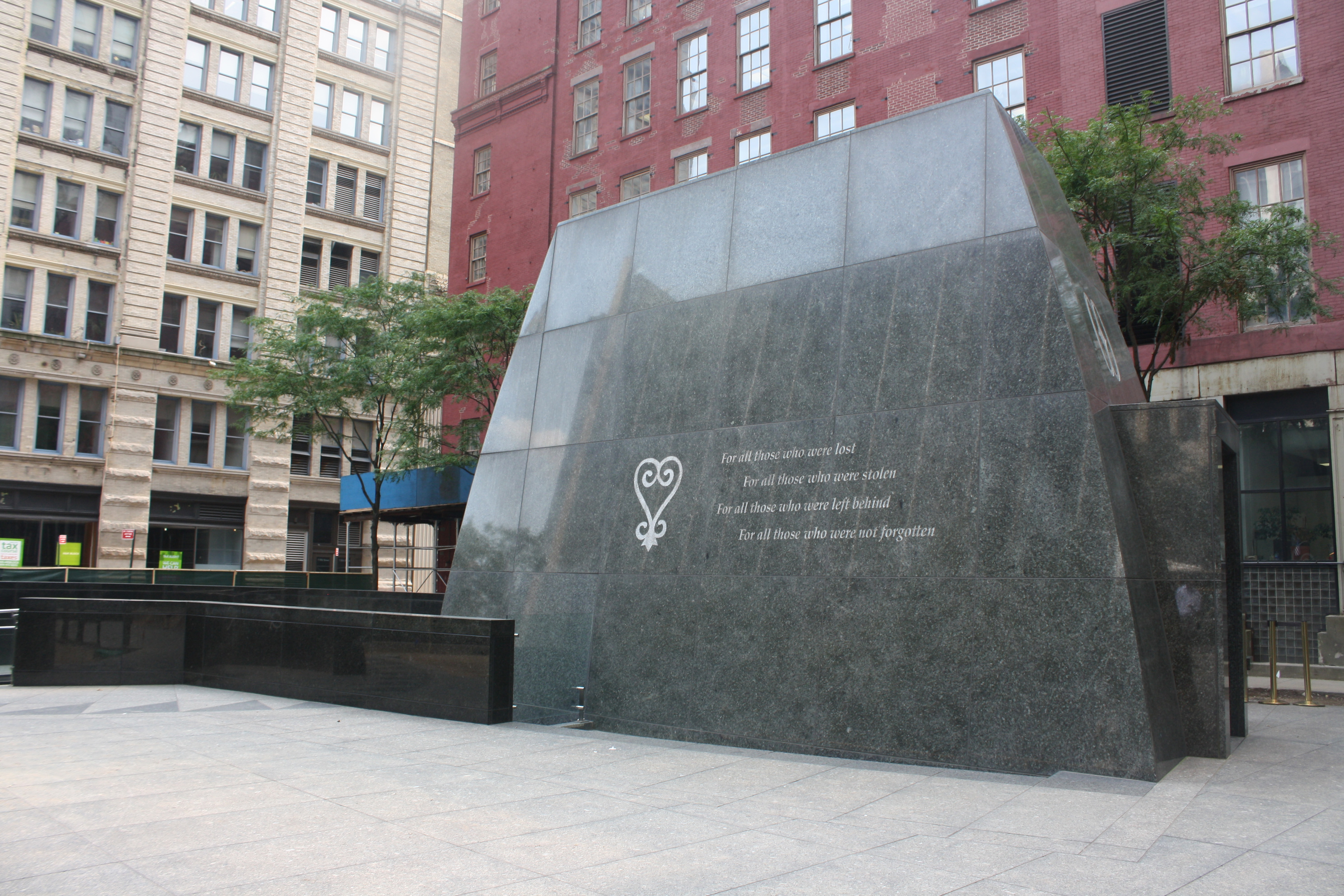
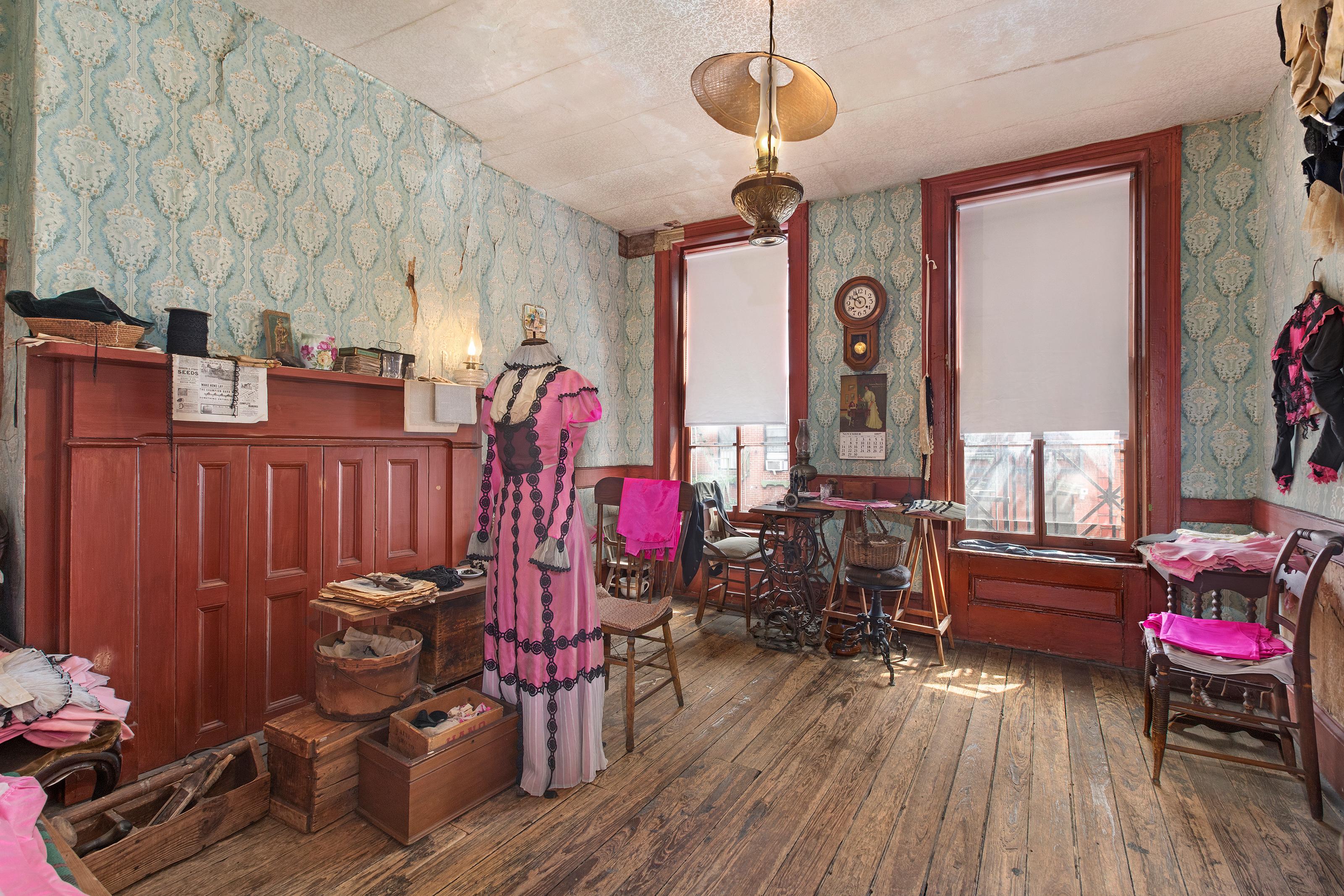
The African Burial Ground stands as the oldest and largest known excavated burial site in North America for both free and enslaved Africans. It offers a profound testament to the enduring legacy of African communities whose labor, resilience, and cultural contributions were fundamental in shaping the development of New York.

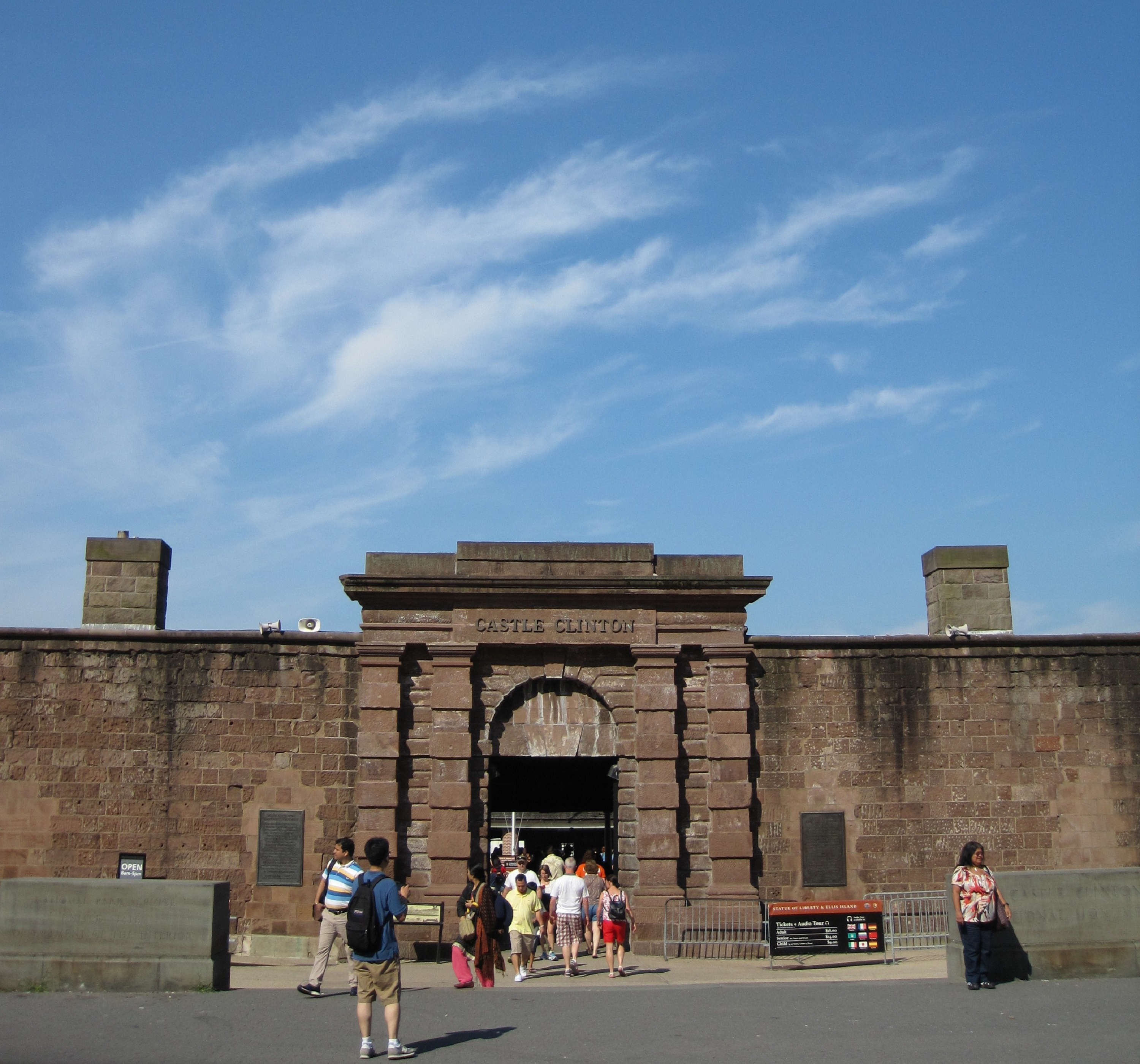
Located at the southern tip of Manhattan, Castle Clinton marks the place where New York City began and reflects the growth of both the city and the nation. Built to defend the harbor during the War of 1812, it has since welcomed theatergoers, immigrants, and sightseers—and today continues to greet millions of visitors to New York Harbor.

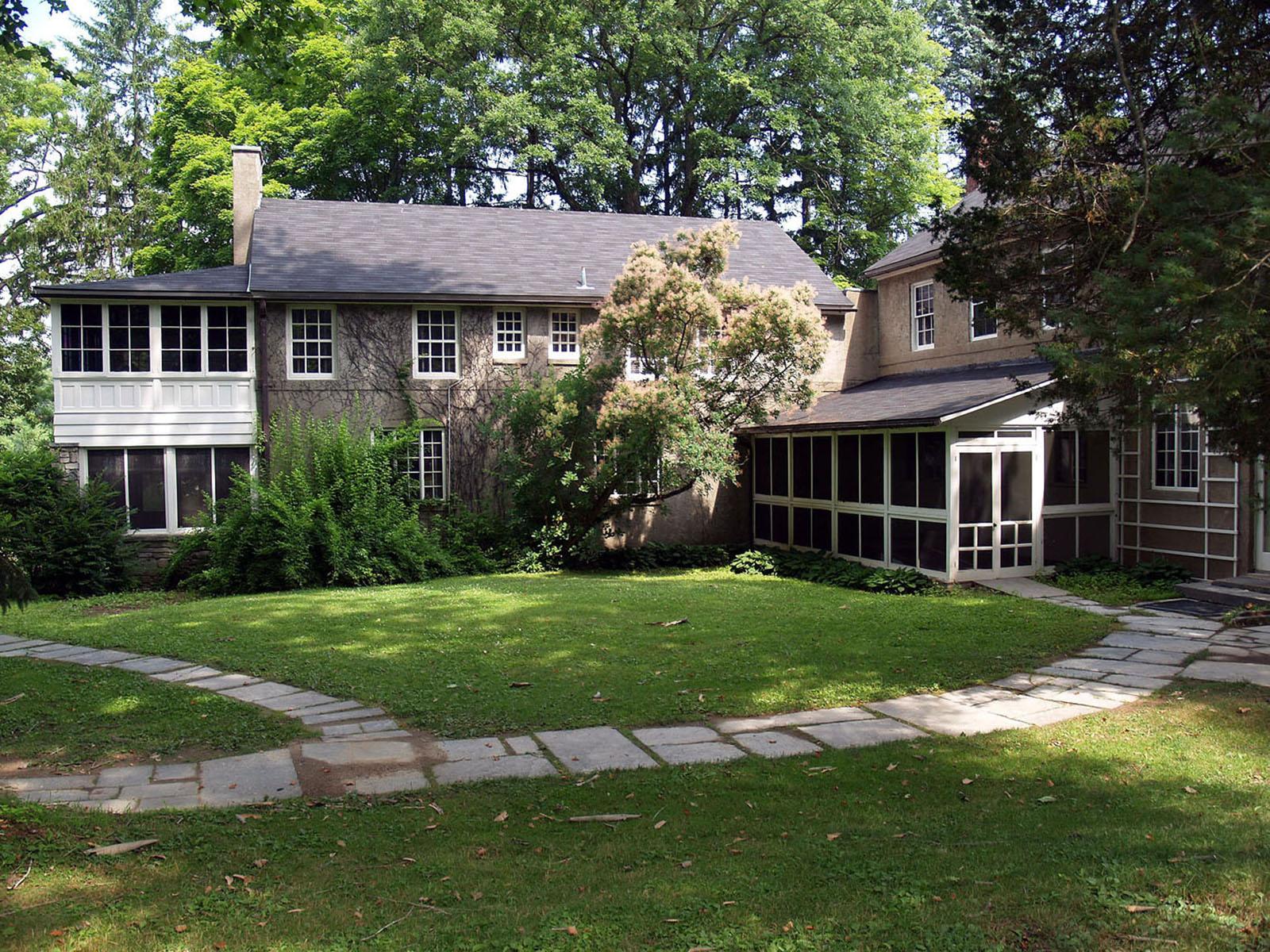
Visit the home of Eleanor Roosevelt. Here, Franklin and Eleanor entertained friends, the press, activists, and official state visitors in the relaxed atmosphere of Val-Kill. Explore the Roosevelt saga in the homes of Franklin and Eleanor Roosevelt, the exhibits at the nation’s first Presidential Library, and over a thousand acres of gardens and trails.

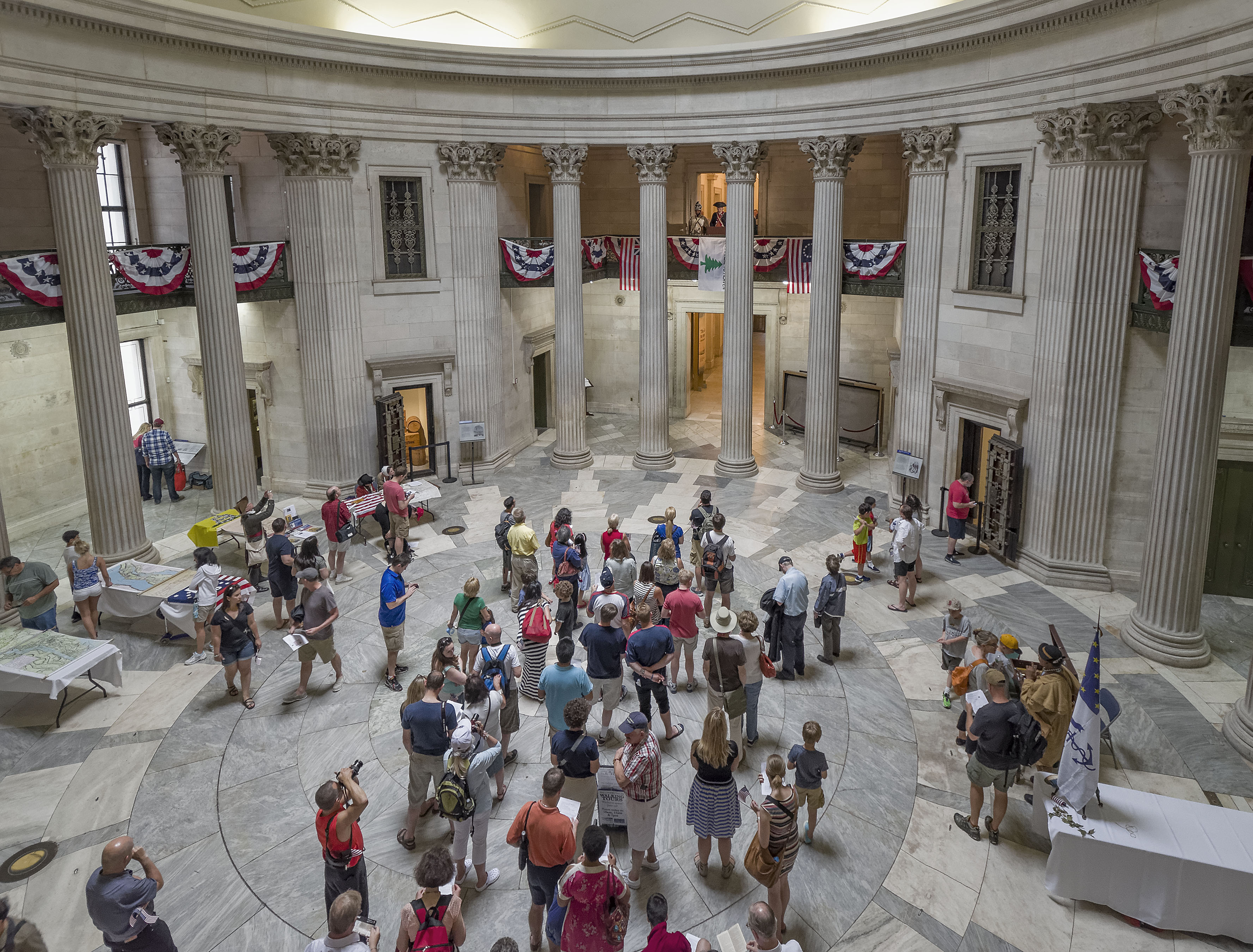
Here at Federal Hall, George Washington took the oath of office as the first President of the United States, marking the beginning of the American constitutional republic. This historic site served as the nation’s first capitol, home to the inaugural Congress, the first Supreme Court, and the earliest offices of the Executive Branch.

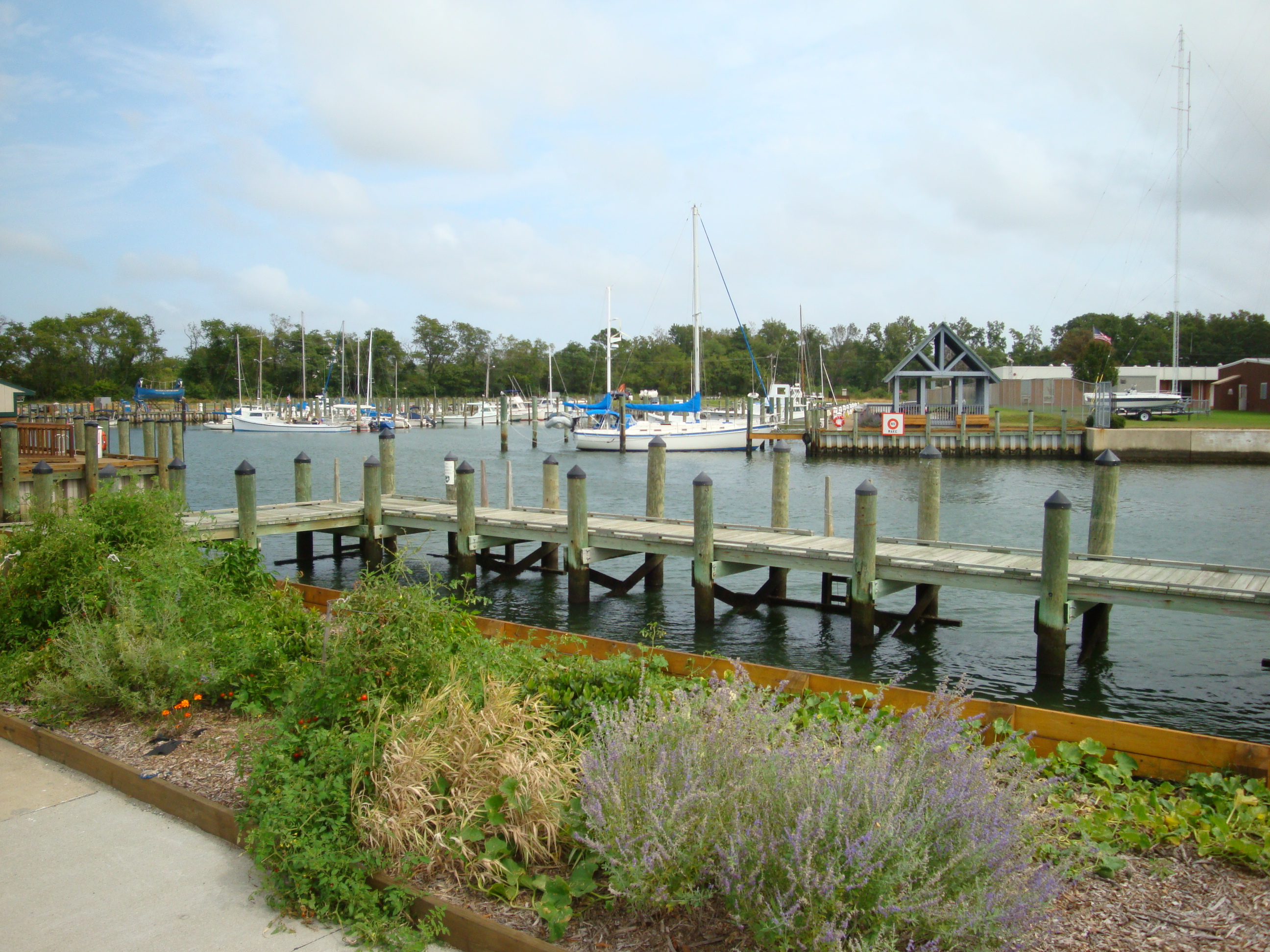
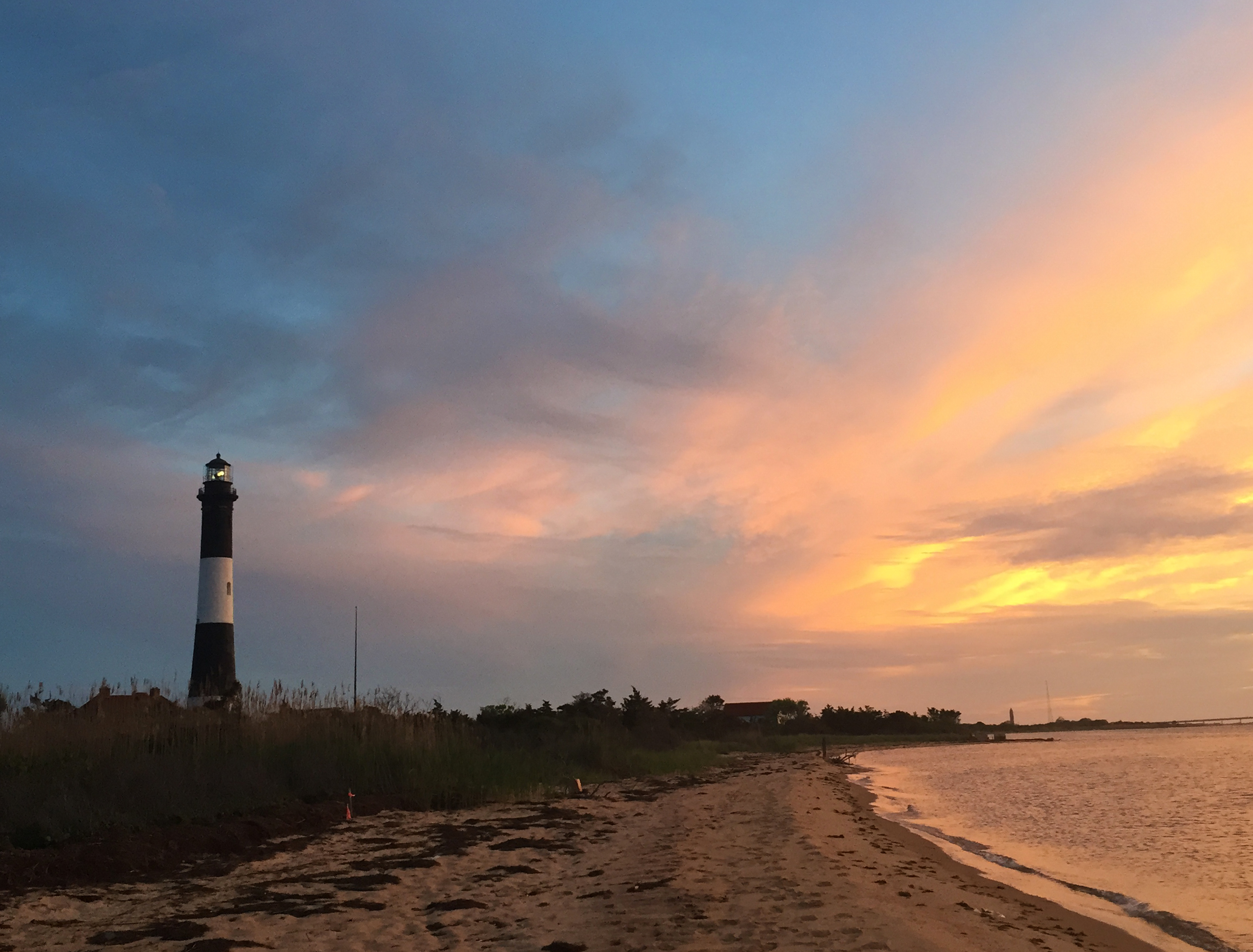
Immerse yourself in an enchanting collage of coastal life and history. Rhythmic waves, high dunes, ancient maritime forests, historic landmarks and glimpses of wildlife, Fire Island has been a special place for diverse plants, animals and people for centuries. Far from the pressure of nearby big-city life, dynamic barrier island beaches offer solitude, camaraderie, and spiritual renewal.

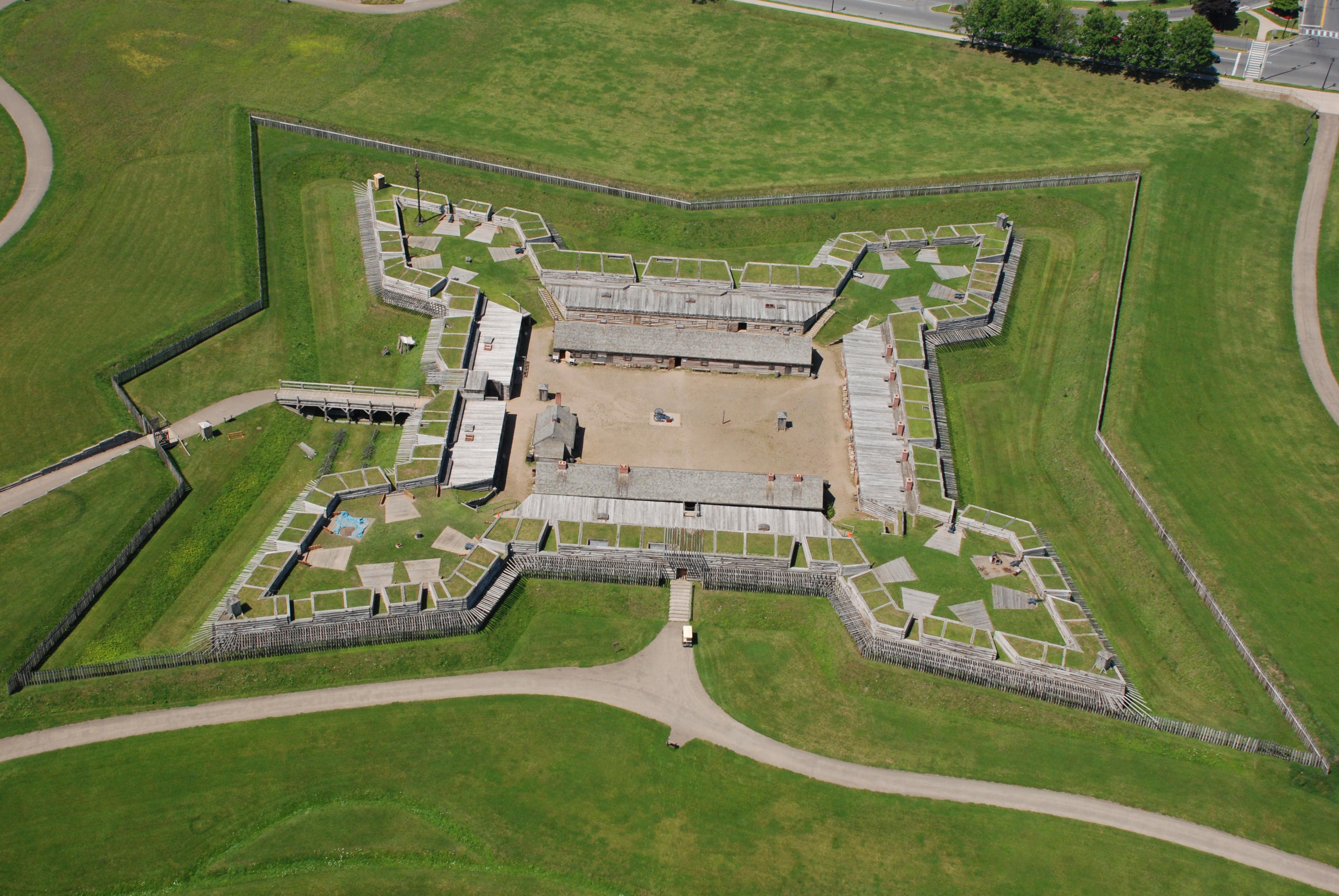
Spanning 27,000 acres from Sandy Hook in New Jersey to Breezy Point in New York City, the park is both the gateway from the ocean into New York Harbor, and the gateway to the National Park Service for millions of visitors every year. Gateway offers green spaces and beaches alongside historic structures and cultural landscapes. Every day, Gateway is open for you to explore, envision, and enjoy!

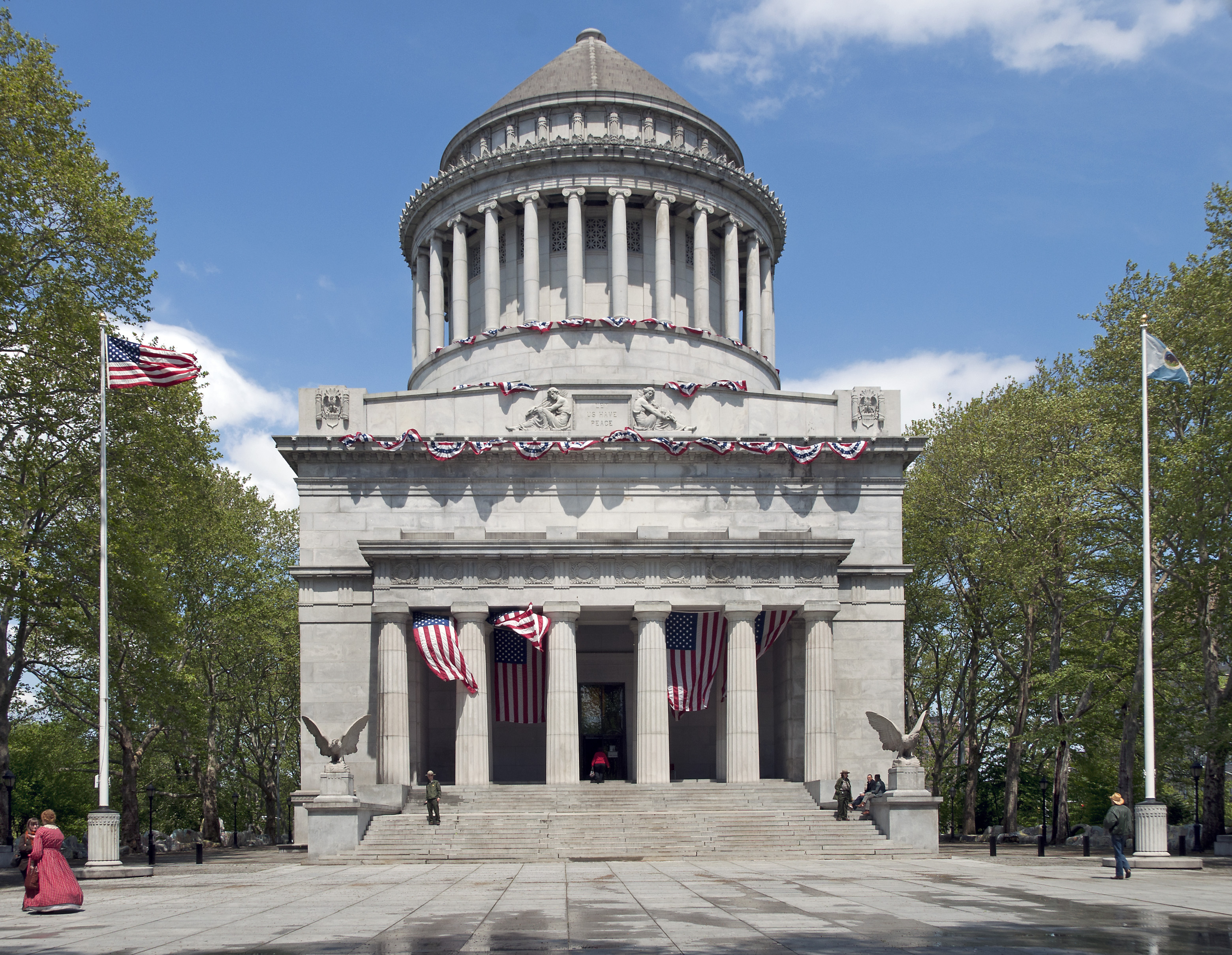
The final resting place of President Ulysses S. Grant and his wife, Julia, is the largest mausoleum in North America. It testifies to a people’s gratitude for the man who ended the bloodiest conflict in American history as Commanding General of the Union Army and then, as President of the United States, strove to heal a nation after a civil war and make rights for all citizens a reality.

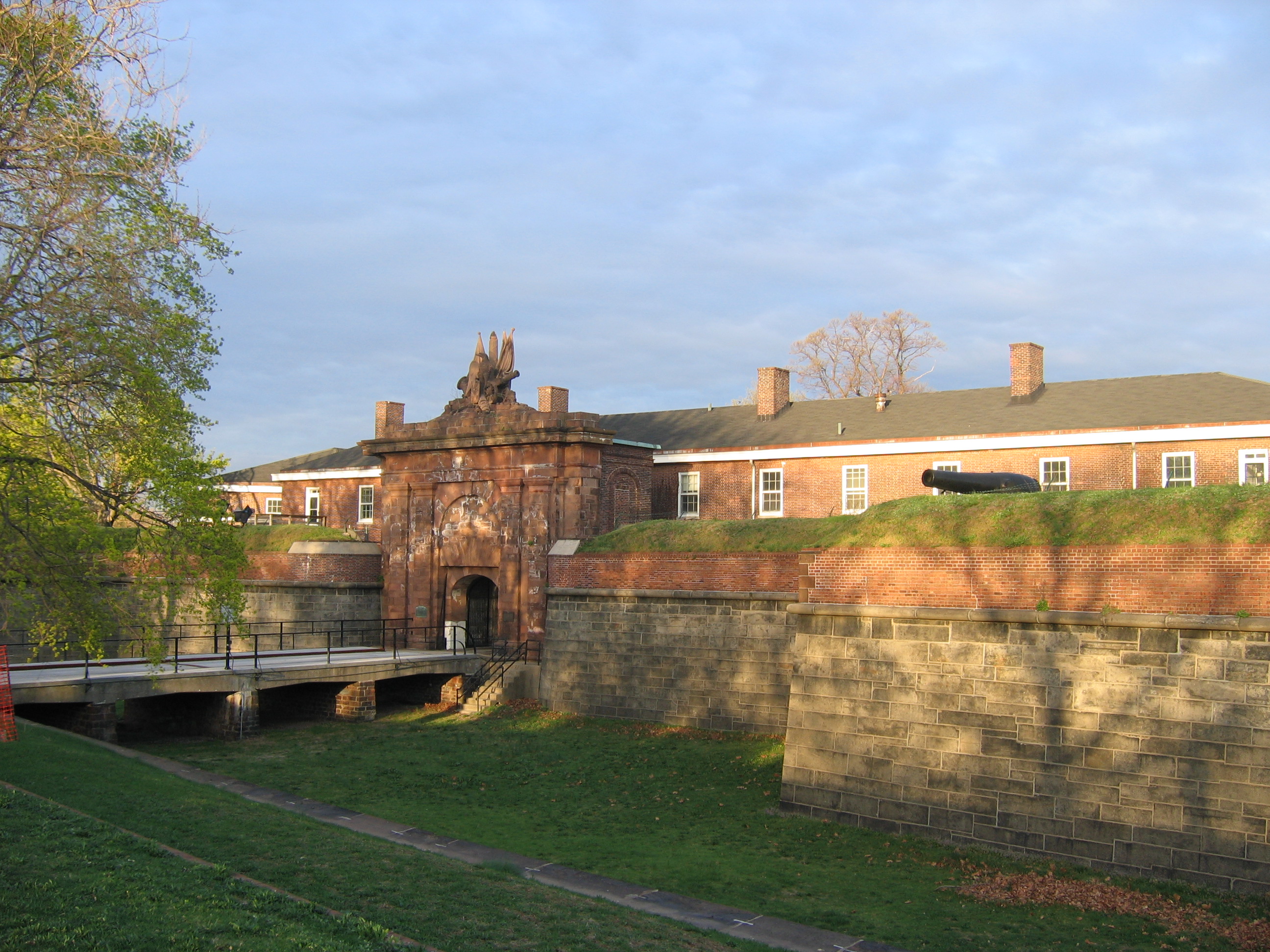
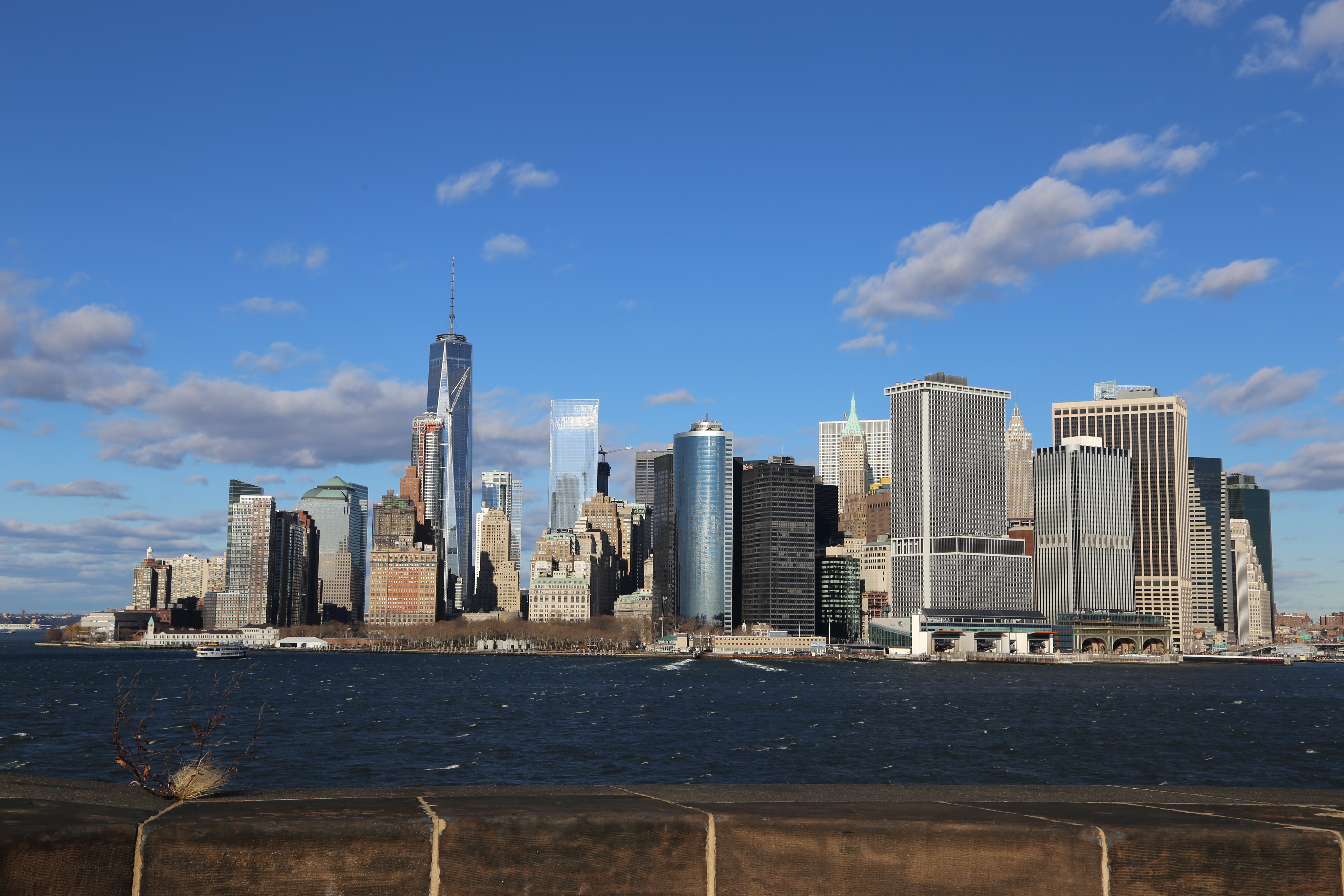
From 1794 to 1966, the U.S. Army presence on Governors Island played a vital role in the social, political, and economic life of New York City. The island then served as the headquarters of the U.S. Coast Guard from 1966 to 1996, continuing its legacy of national service. Today, Governors Island has transformed into a destination for art, culture, and public programs.

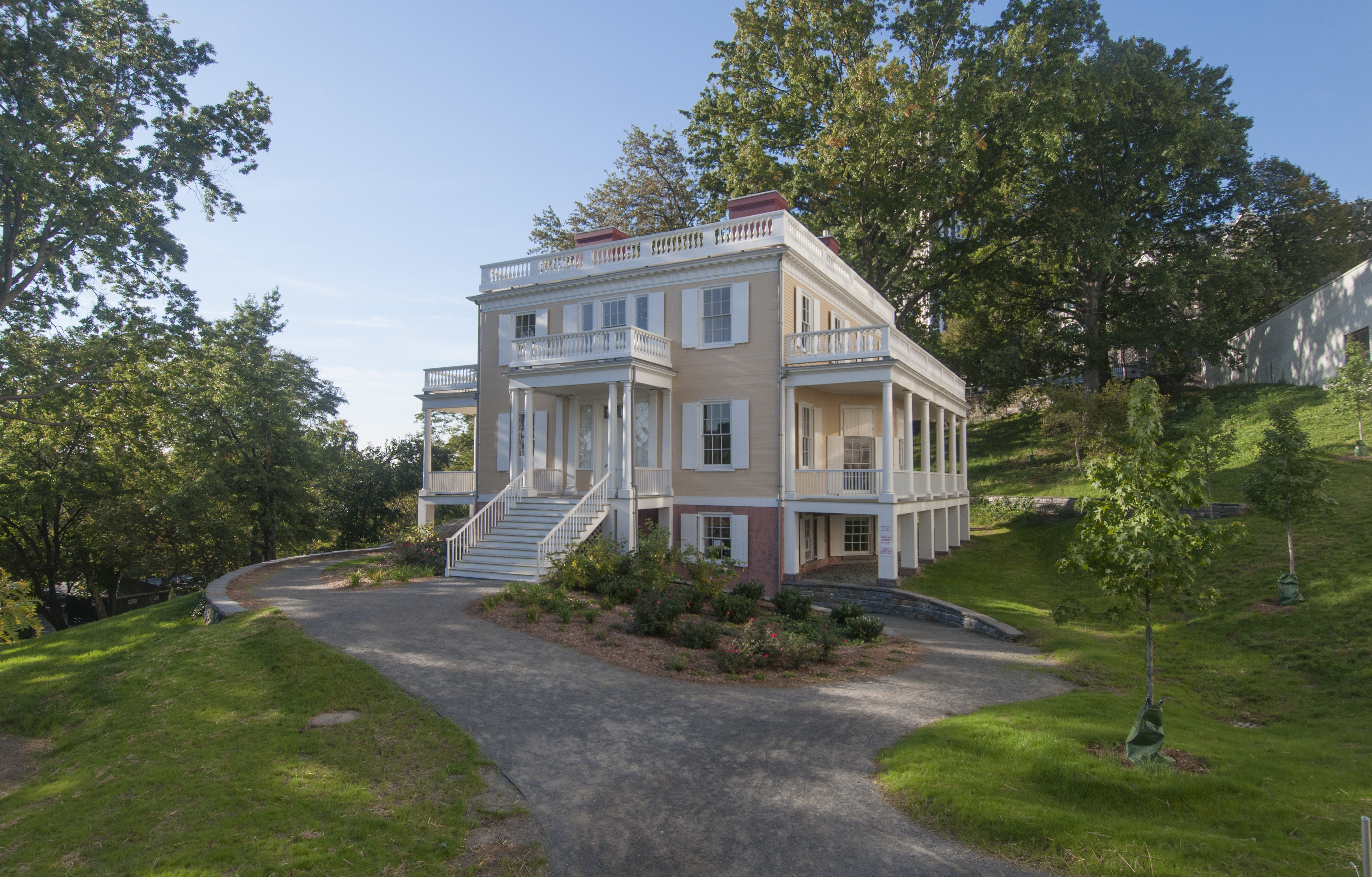
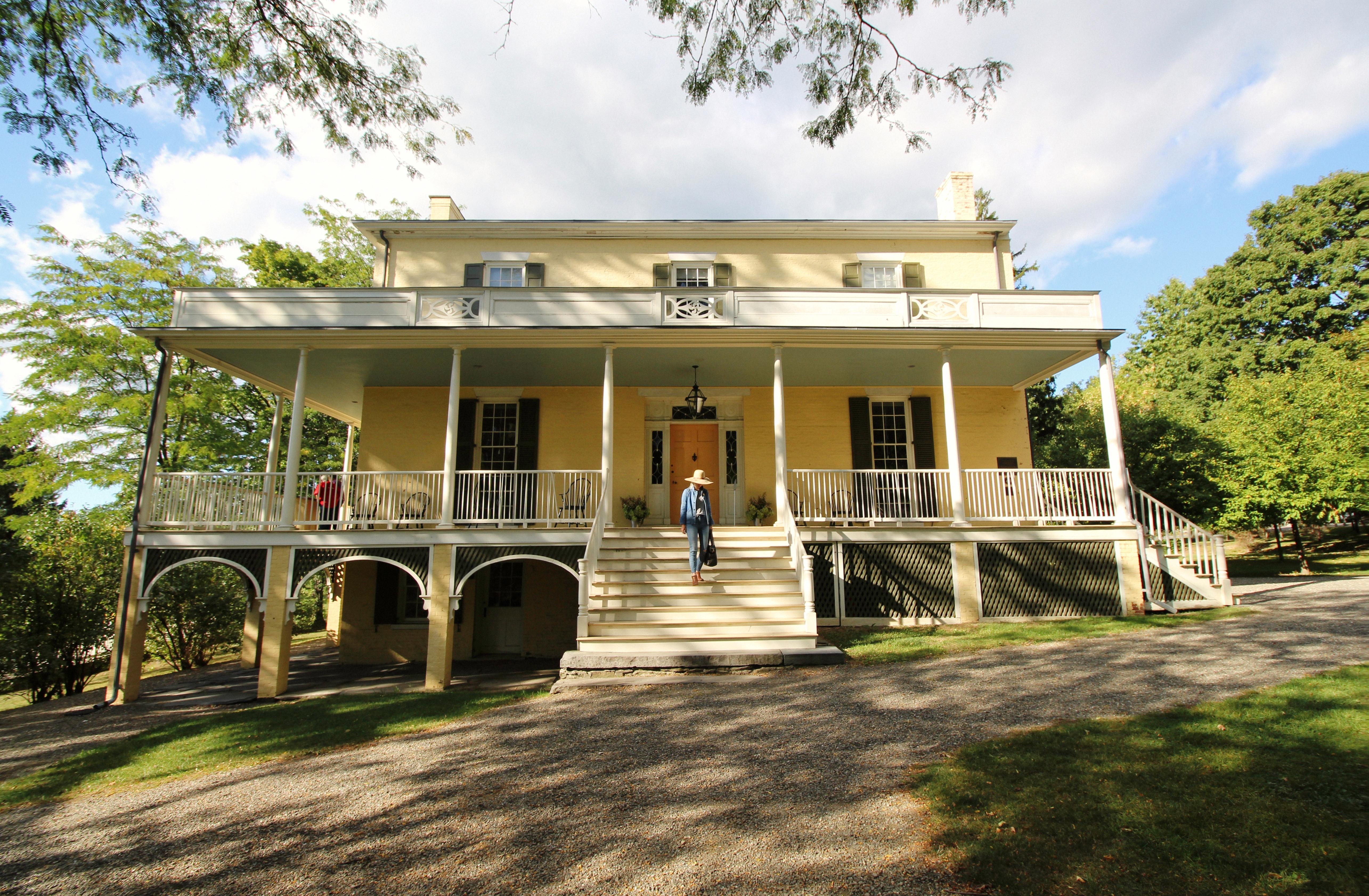
Merchant’s clerk, Revolutionary War soldier, first Secretary Treasury of the United States: Alexander Hamilton’s life is memorialized at The Grange, the home he built on a country estate in uptown Manhattan. A faithful testament to early American architecture, it stands today as a tribute to its first owner’s many accomplishments.

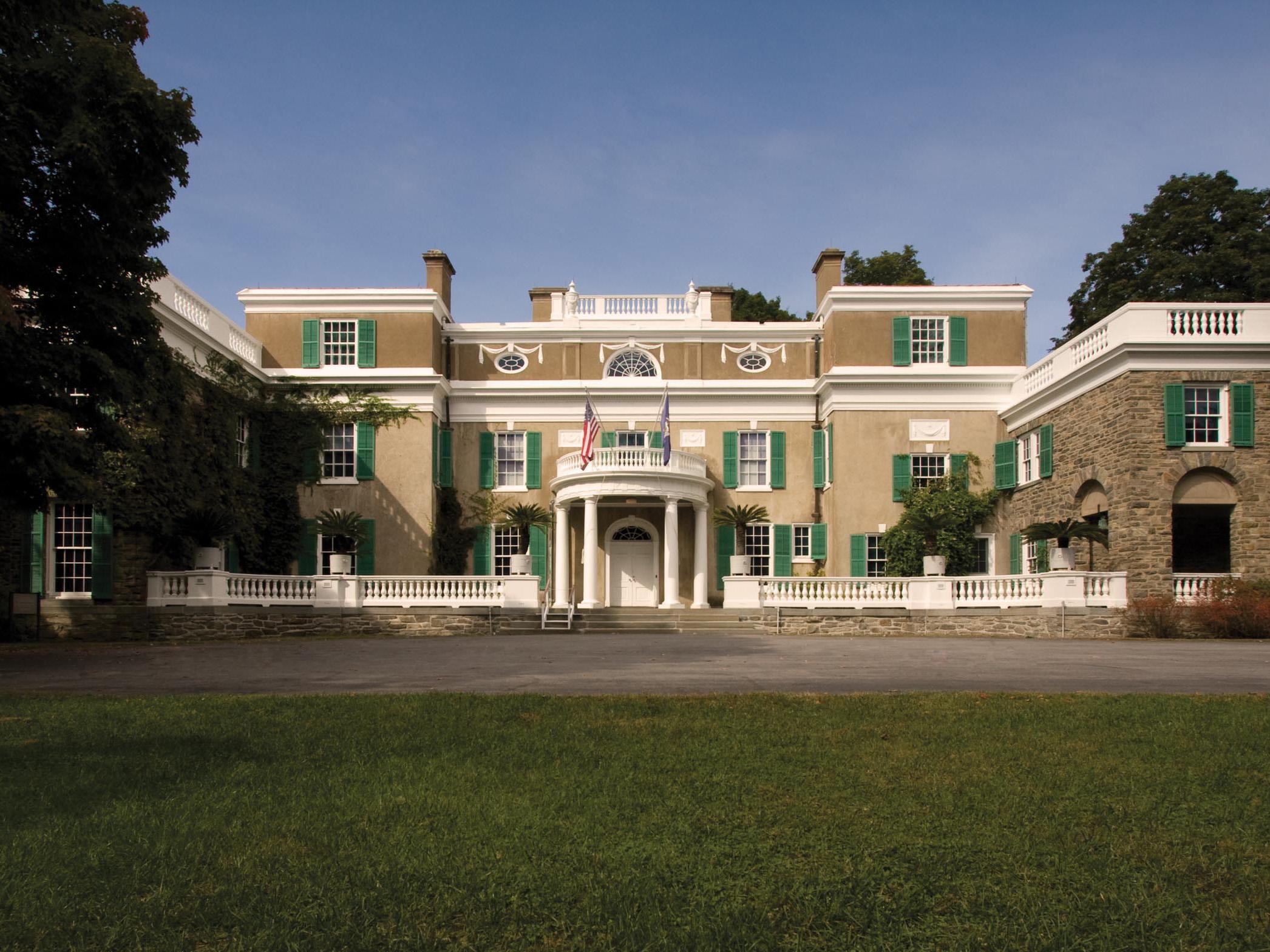
Home to the 32nd and longest-serving president of the United States, Franklin D. Roosevelt returned to Hyde Park often, drawing on this place to renew his spirit during times of personal and political crisis. Explore the Roosevelt saga in the homes of Franklin and Eleanor Roosevelt, the exhibits at the nation’s first Presidential Library, and over a thousand acres of gardens and trails.

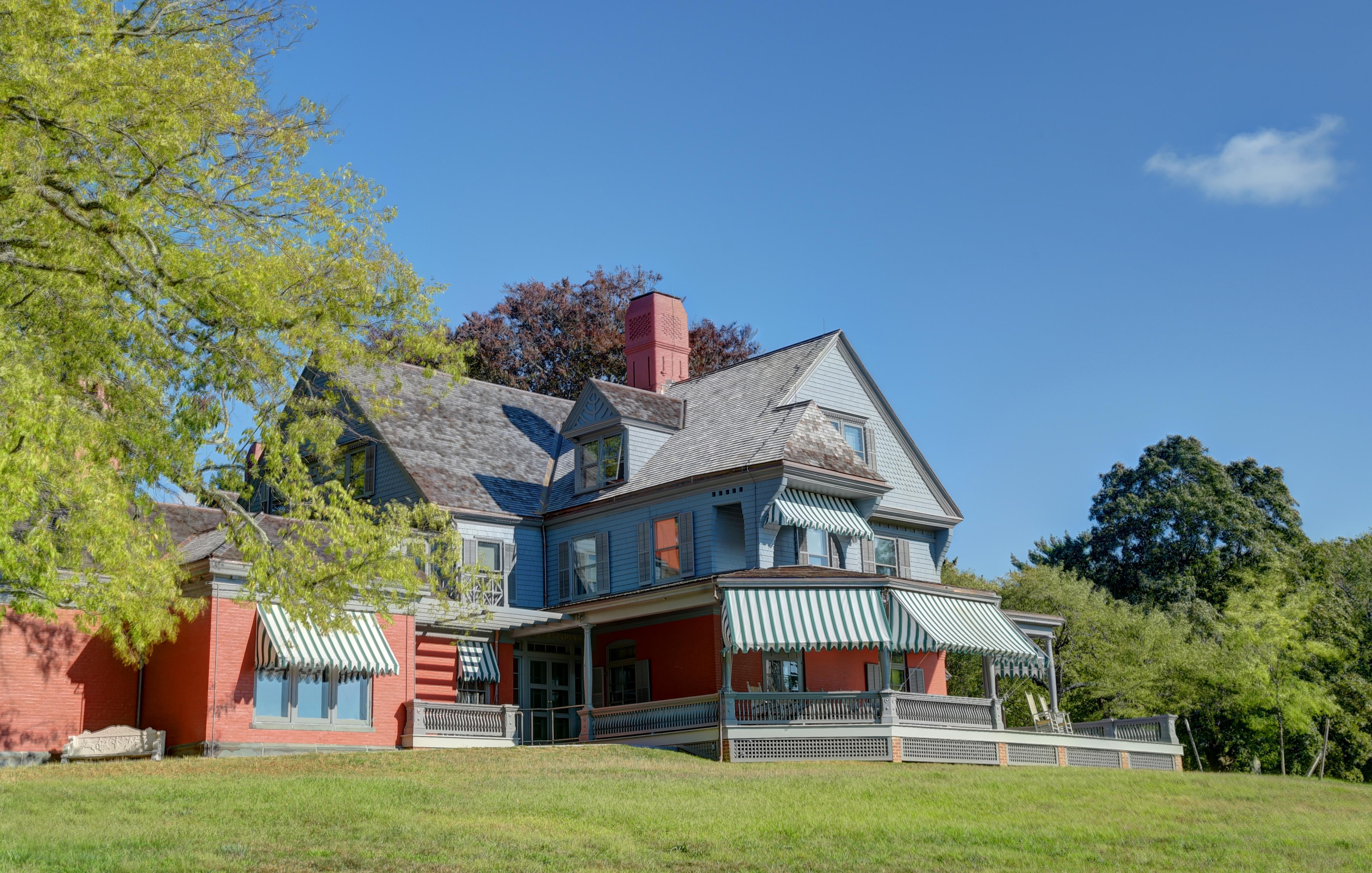
Sagamore Hill was the home of Theodore Roosevelt, 26th President of the United States, from 1885 until his death in 1919. During Roosevelt's time in office, his "Summer White House" was the focus of international attention. Explore 83 acres of natural surroundings, historic buildings and trails to become inspired by the legacy of one of America's most popular presidents.

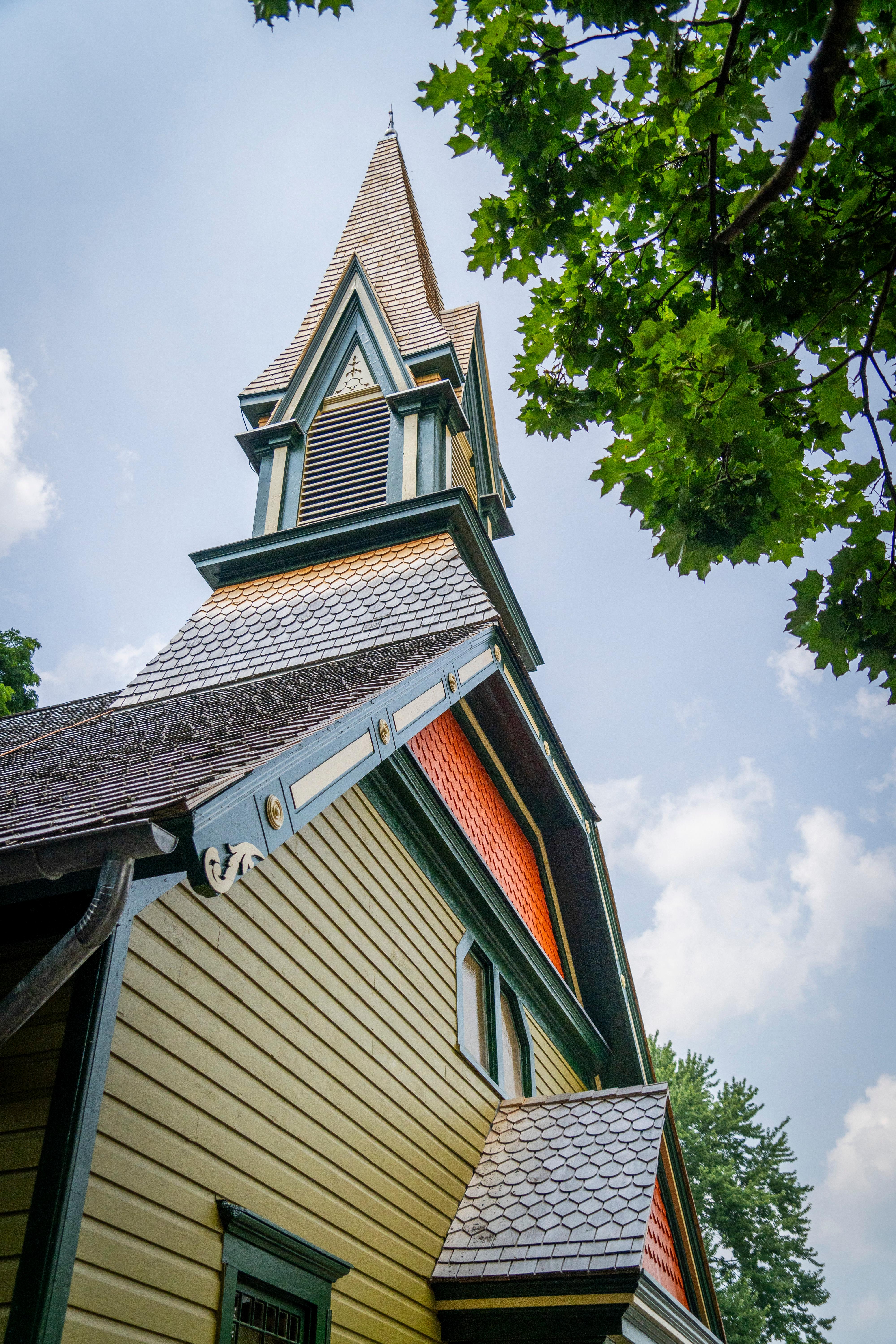
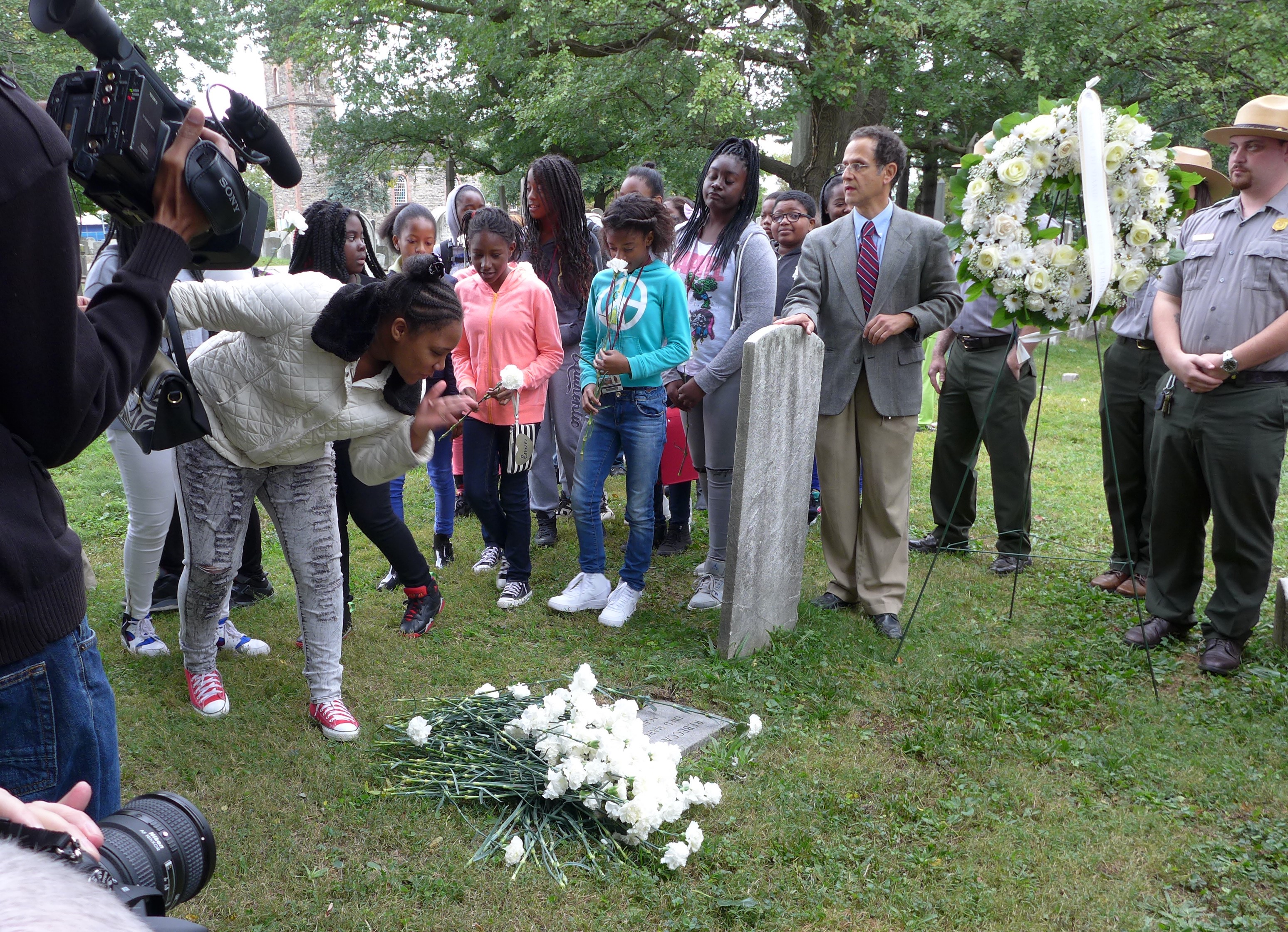
Since 1665, Saint Paul's Church played a vital role in the colonial life of Eastchester, 20 miles north of New York City. Townspeople voted at the nearby Village Green; local militia drilled outside its doors. But the American Revolution changed everything. American, British and Hessian troops tore down the old wooden meetinghouse for firewood and used the unfinished stone chapel as a hospital.

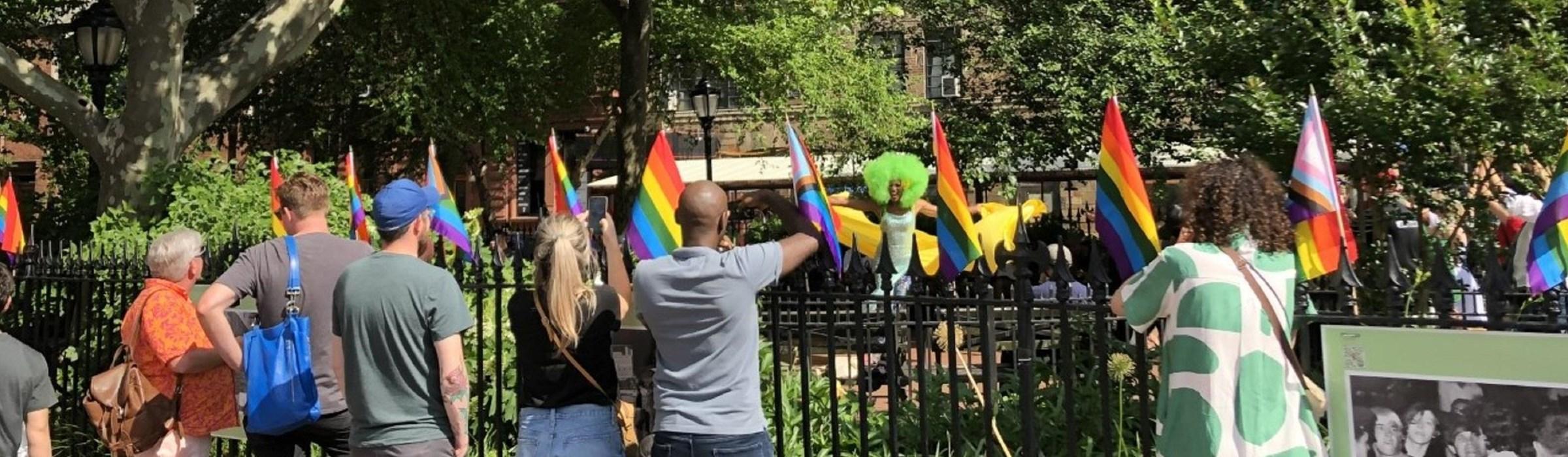
Before the 1960s, almost everything about living authentically as a lesbian, a bisexual person or a gay man was illegal. The Stonewall Uprising on June 28, 1969 is a milestone in the quest for civil rights and provided momentum for a movement.

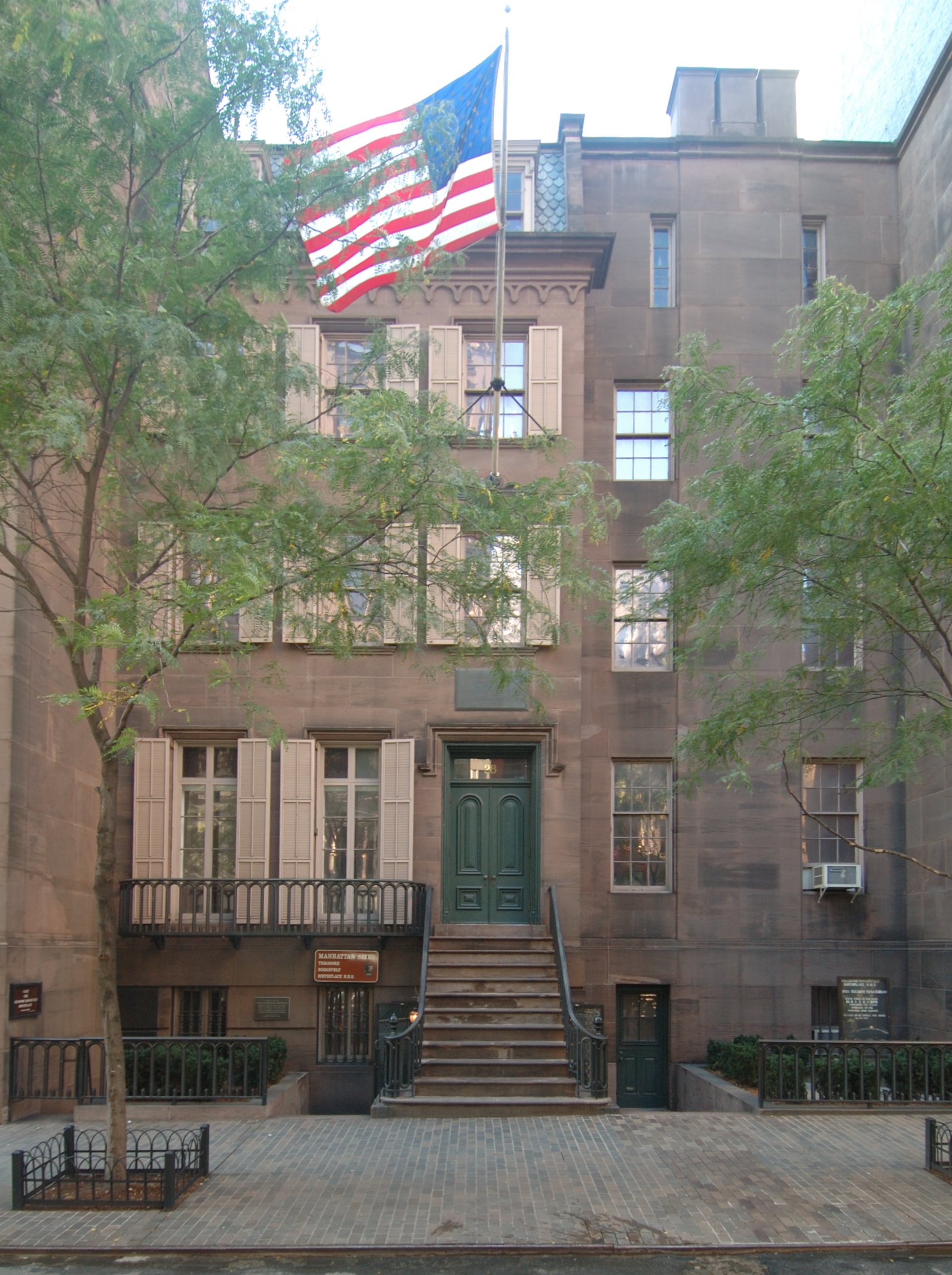
This is the boyhood home of the first U.S. president to be born in New York City. Raised in a townhouse at 28 E. 20th St., Theodore Roosevelt would grow up to be our 26th President and become immortalized on Mount Rushmore. However, he started life as a sickly yet bright boy who exercised to improve his health and began a lifelong passion for the "strenuous life."

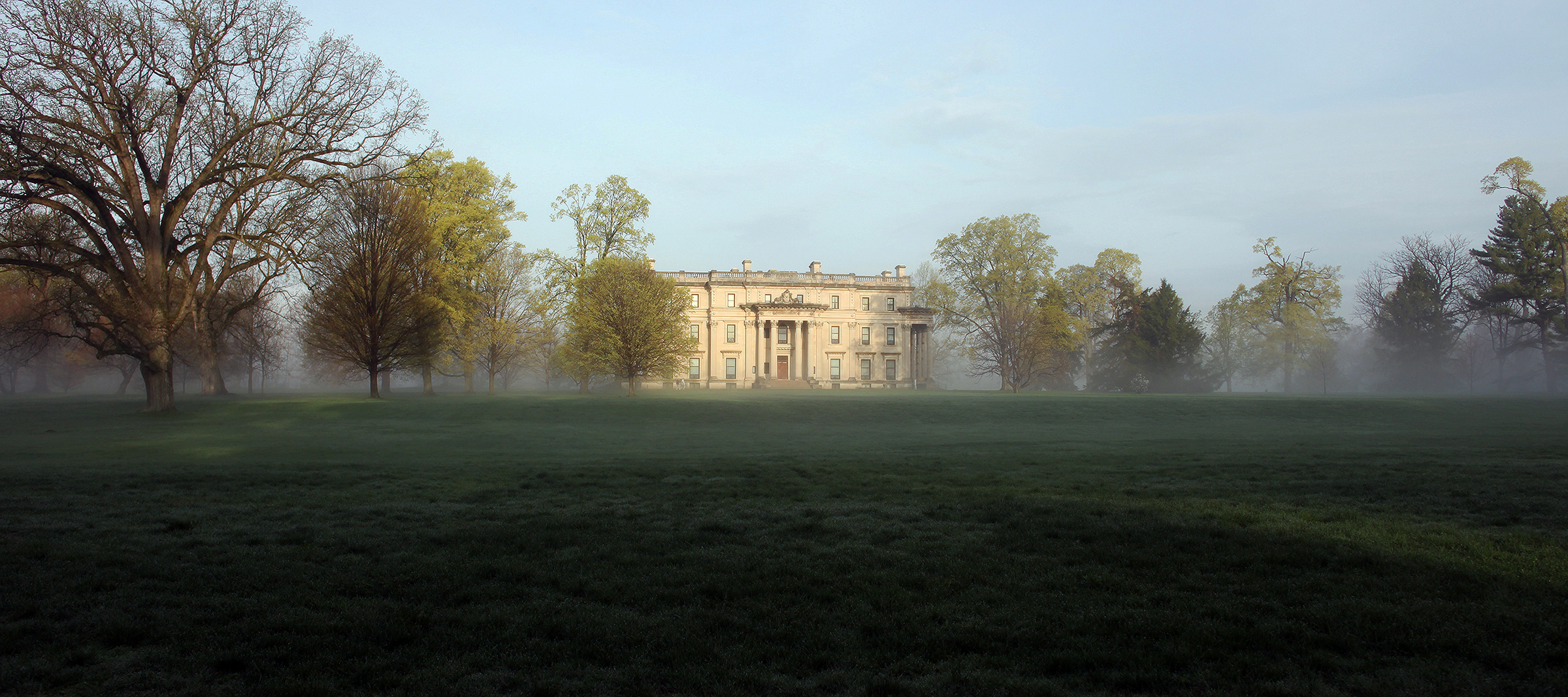
Built by of one of the first families of wealth in America. Designed by one of the nation's preeminent architects. The Vanderbilt Mansion is a home built expressly for the aristocratic lifestyle.