Explore Parks
All ParksPark MapActivitiesAlertsNewsroom
This site was made with love by Ben Myatt|API

Montana

8 parks

InformationFeb 10Phone Outage
Big Hole National Battlefield
National Battlefield

Big Hole National Battlefield

On August 9, 1877, gunshots shattered a chilly dawn on a sleeping camp of nımí·pu· (Nez Perce). By the time the smoke cleared on August 10, almost 90 nımí·pu· were dead, along with 31 soldiers and volunteers. Big Hole National Battlefield was created to honor all who were there.

Bighorn Canyon National Recreation Area
National Recreation Area

Bighorn Canyon National Recreation Area

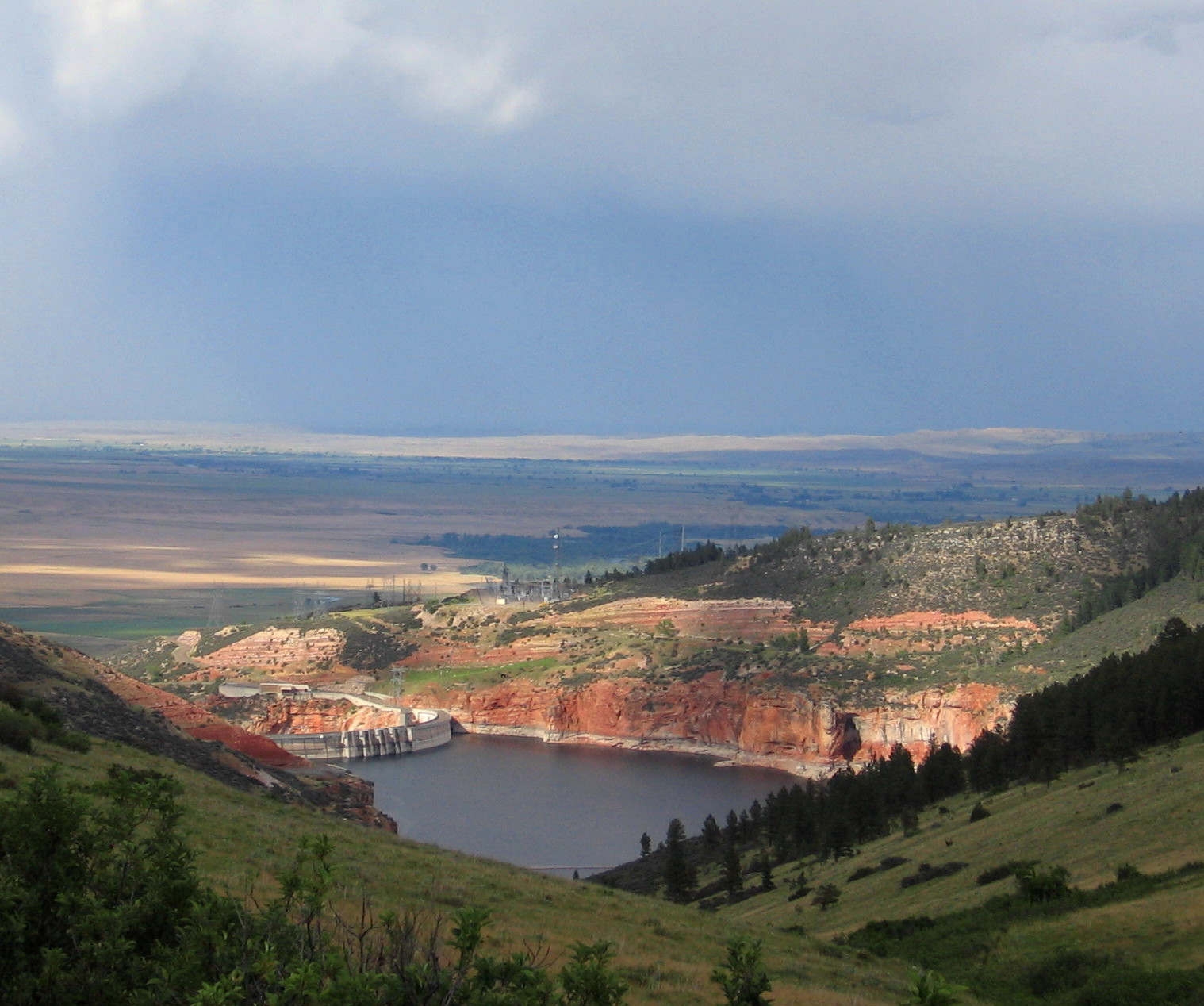
The vast, wild landscape of Bighorn Canyon National Recreation Area offers visitors unparalleled opportunities to immerse themselves in the natural world, and experience the wonders of this extraordinary place. With over 120,000 acres, one can find an astounding diversity in ecosystems, wildlife, and more than 10,000 years of human history to explore.

Fort Union Trading Post National Historic Site
National Historic Site

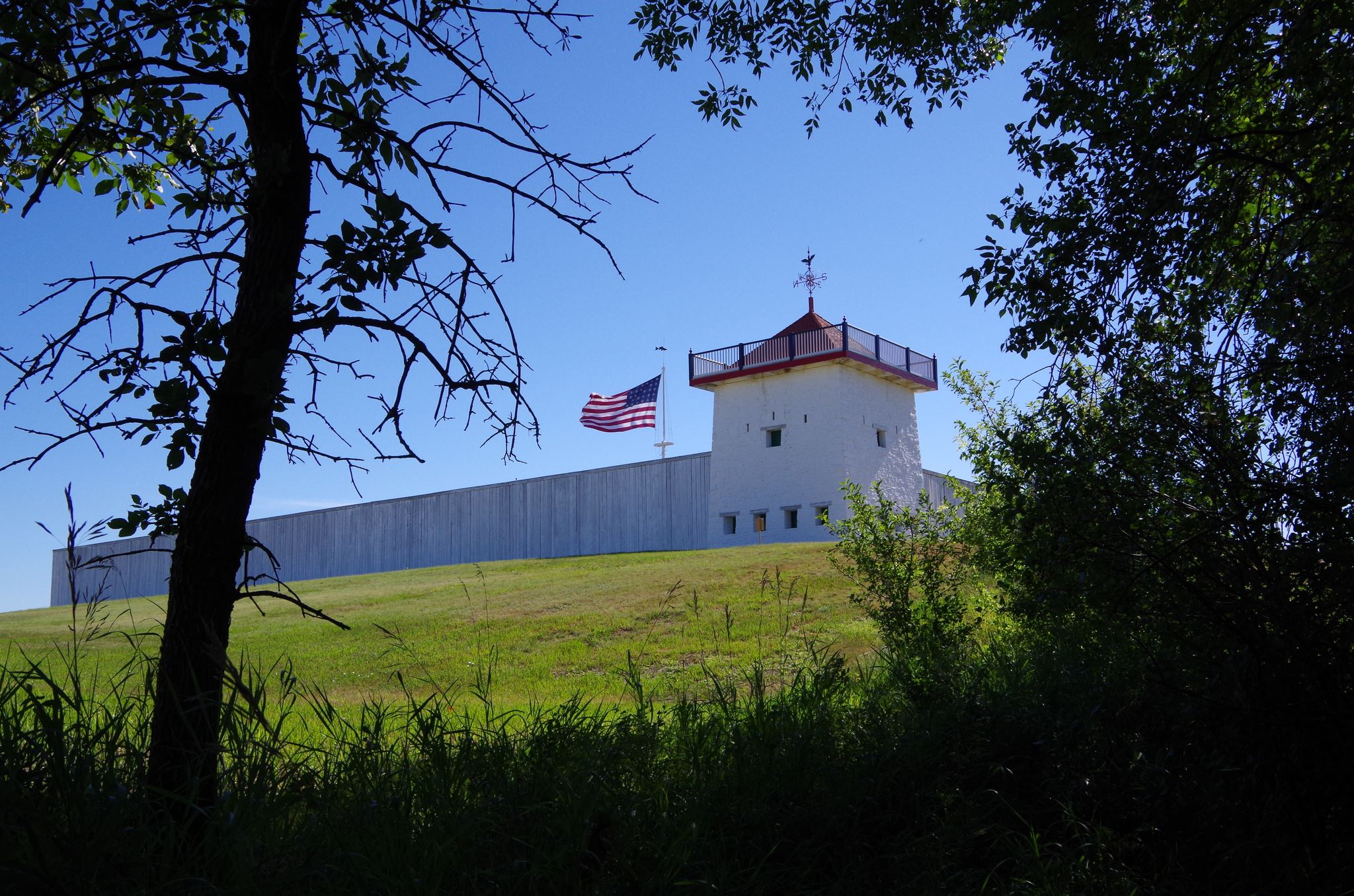
Fort Union Trading Post National Historic Site

Between 1828 and 1867, Fort Union was the most important fur trade post on the Upper Missouri River. Here, the Assiniboine and six other Northern Plains Tribes exchanged buffalo robes and smaller furs for goods from around the world, including cloth, guns, blankets, and beads. A bastion of peaceful coexistence, the post annually traded over 25,000 buffalo robes and $100,000 in merchandise.

Park ClosureJan 5Going-to-the-Sun Road Seasonal Closure
Glacier National Park
National Park

Glacier National Park

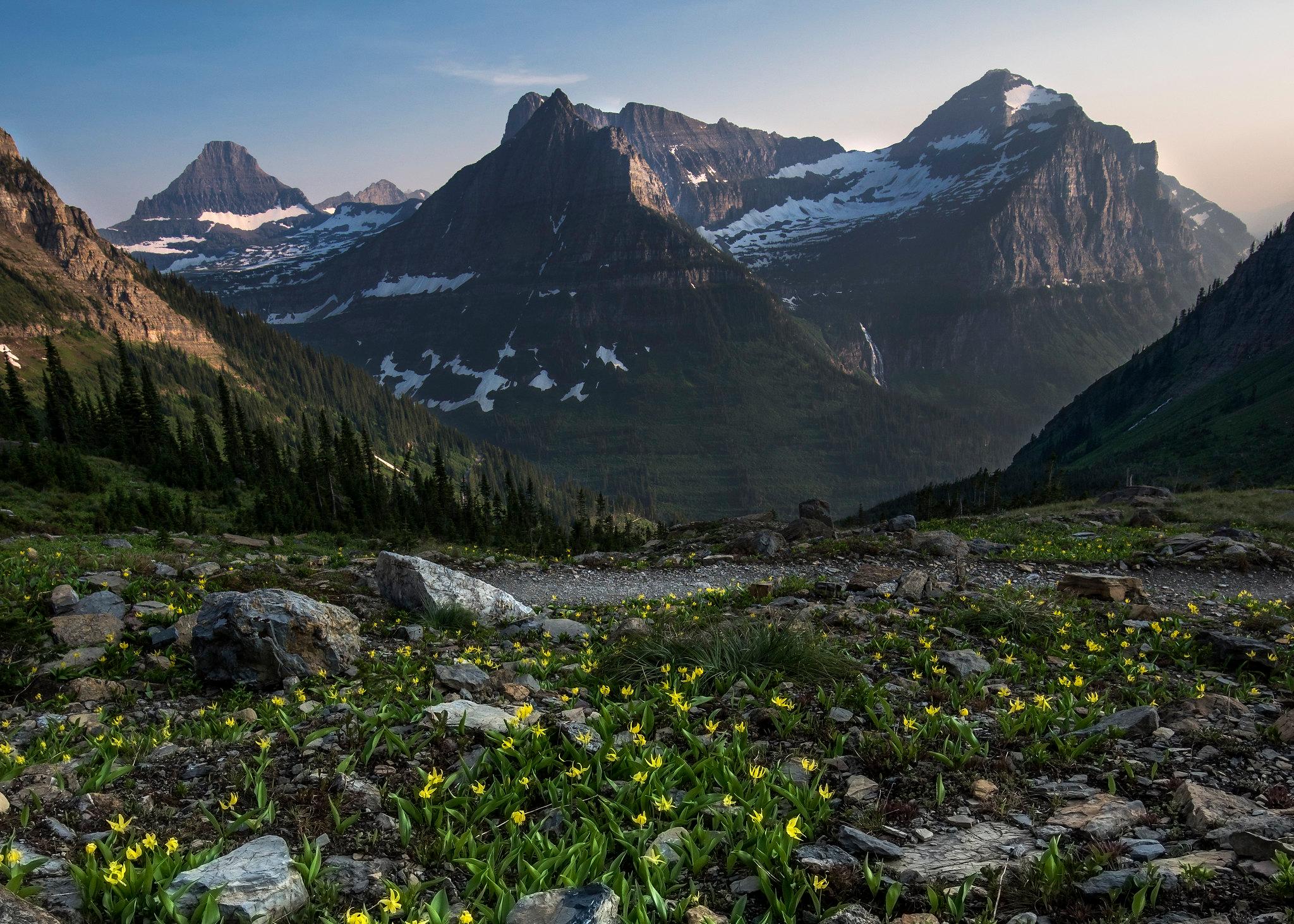
A showcase of melting glaciers, alpine meadows, carved valleys, and spectacular lakes. With over 700 miles of trails, Glacier is a paradise for adventurous visitors seeking a landscape steeped in human culture. Relive the days of old through historic chalets, lodges, and the famous Going-to-the-Sun Road.
Grant-Kohrs Ranch National Historic Site
National Historic Site

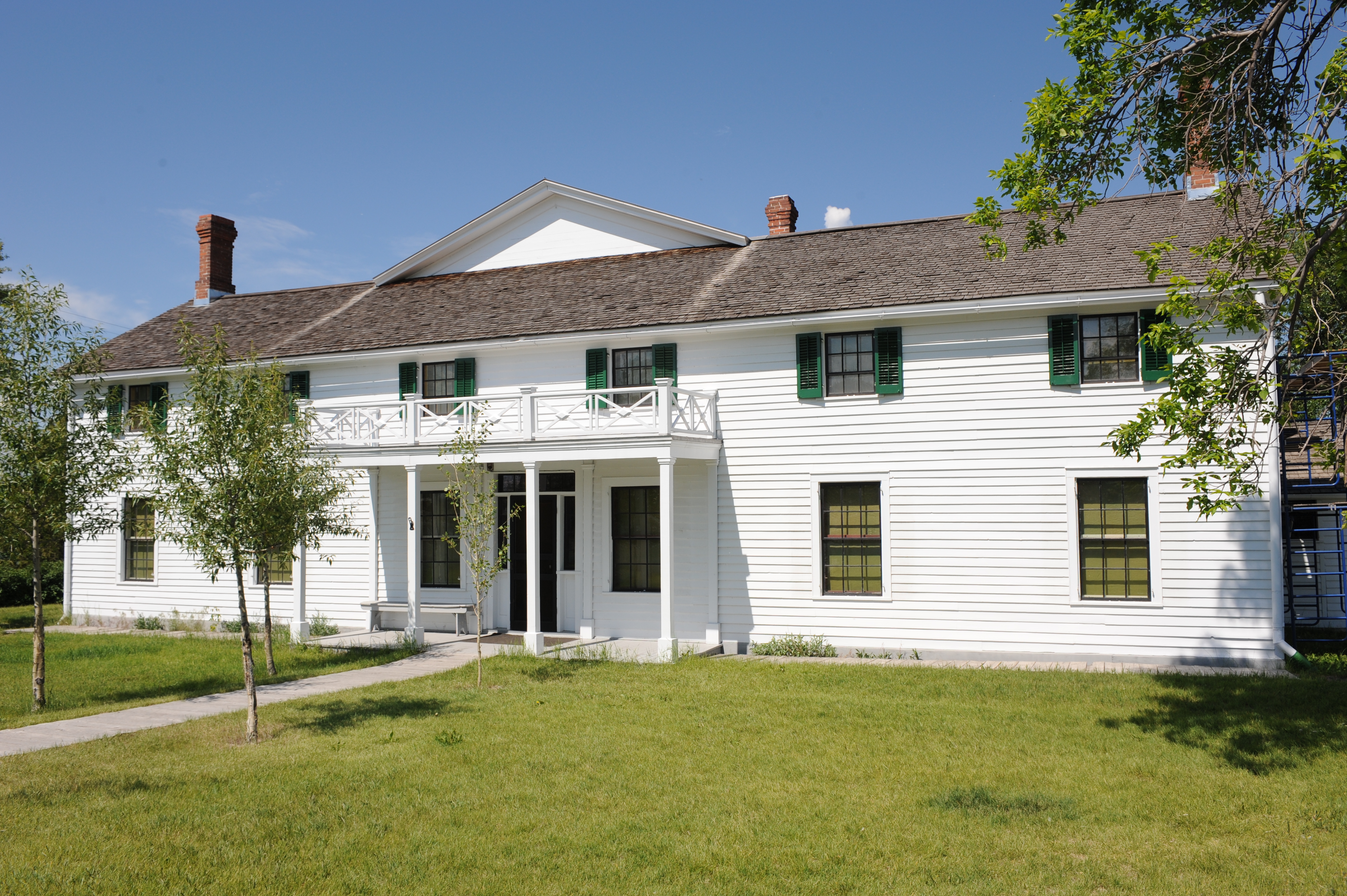
Grant-Kohrs Ranch National Historic Site

Wide open spaces, the hard-working cowboy, his spirited cow pony, and vast herds of cattle are among the strongest symbols of the American West. Once the headquarters of a 10 million acre cattle empire, Grant-Kohrs Ranch National Historic Site preserves these symbols and commemorates the role of cattlemen in American history.

InformationNov 13Winter Hours Begin on October 1, 2025: 8:00 AM to 4:00 PM
Little Bighorn Battlefield National Monument
National Monument

Little Bighorn Battlefield National Monument

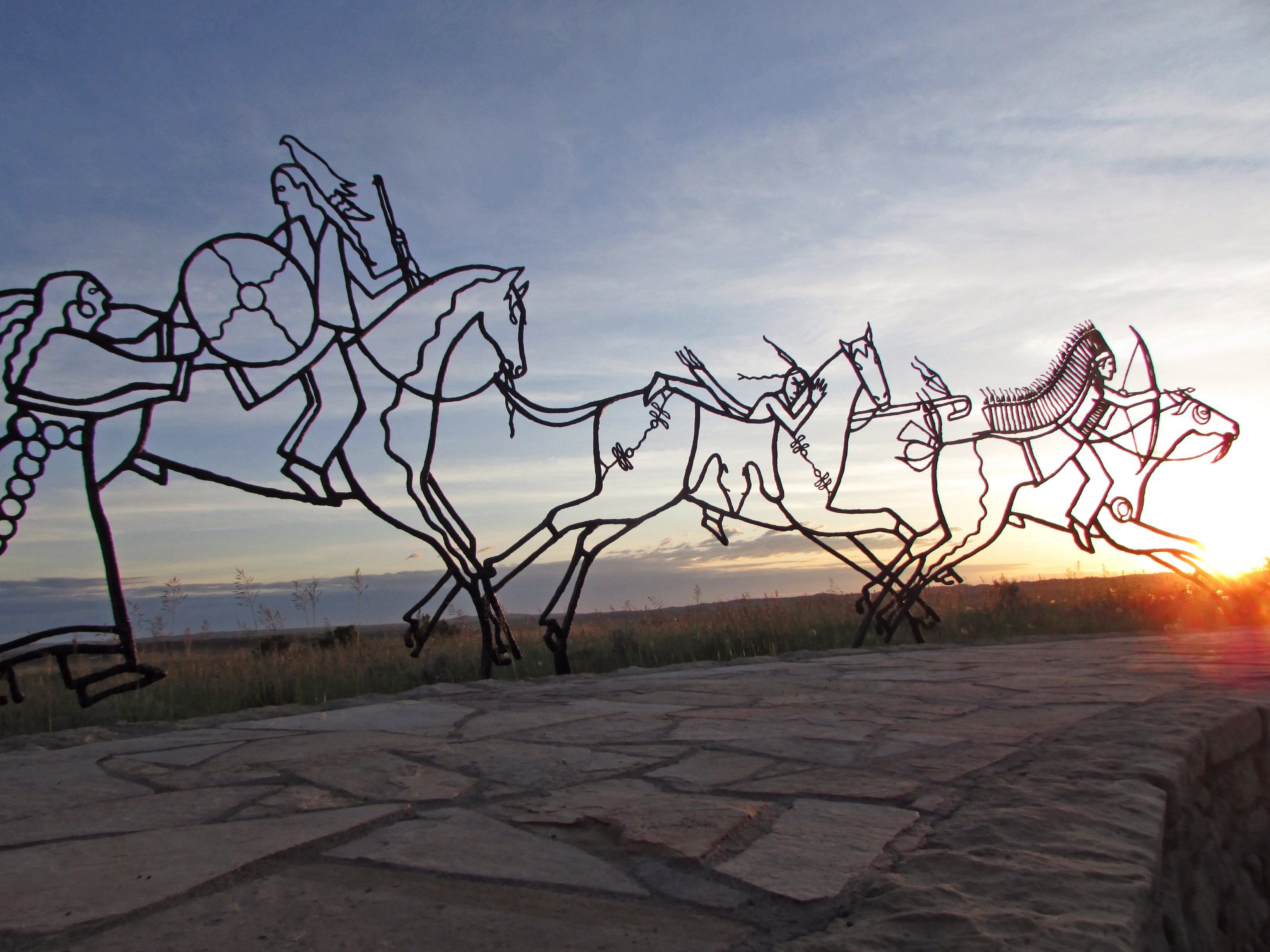
This land is a place to honor and reflect on the sacrifices made here on June 25 and 26, 1876, when Lakota, Cheyenne, and Arapaho warriors fought against a deliberate attack by the U.S. Army's 7th Cavalry, led by Lt. Col. George Custer, who sought to enforce policies that threatened their traditional way of life. How are the results of the battle felt in the West and Indigenous communities today?
Nez Perce National Historical Park
National Historical Park

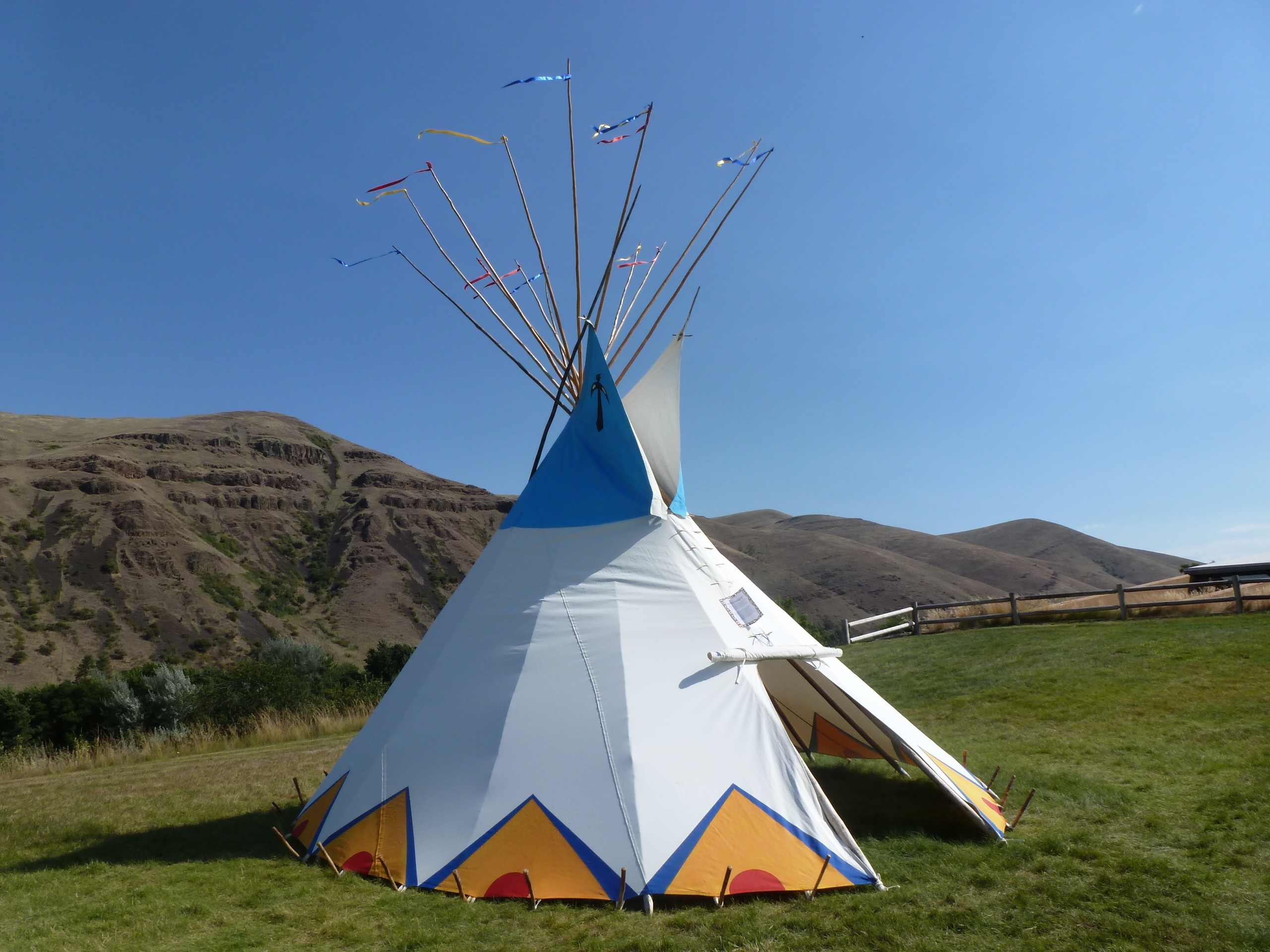
Nez Perce National Historical Park

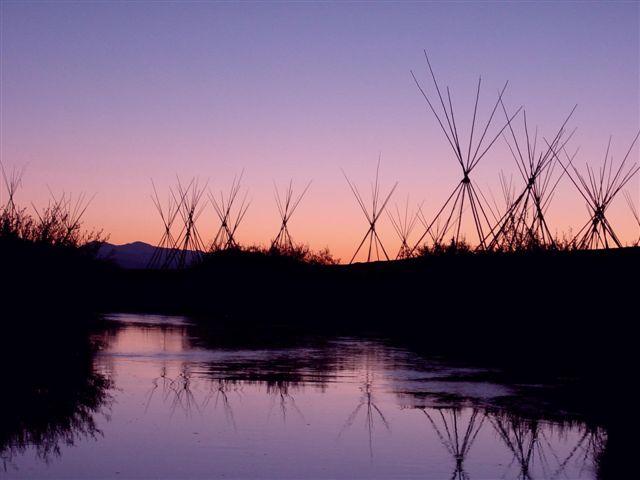
Since time immemorial, the valleys, prairies, mountains, and plateaus of the inland northwest have been home to the nimíipuu (Nez Perce) people. Extremely resilient, they survived the settling of the United States and adapted to a changed world. Nez Perce National Historical Park consists of 38 places important to the history and culture of the nimíipuu. Explore these places. Learn their stories.

Park ClosureNov 1Most Park Roads Closed to All Vehicles
Yellowstone National Park
National Park

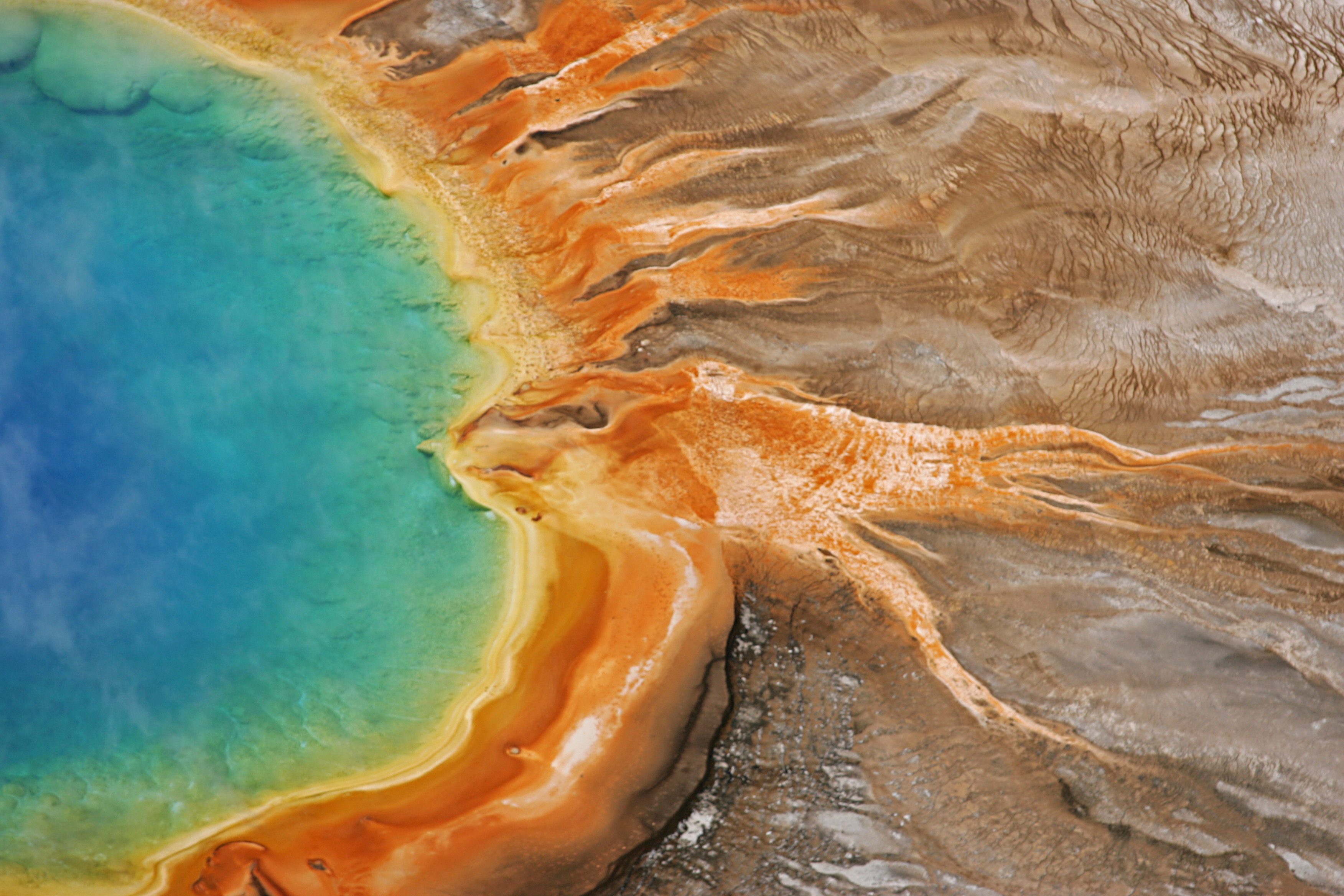
Yellowstone National Park

On March 1, 1872, Yellowstone became the first national park for all to enjoy the unique hydrothermal wonders. Today, millions of people come here each year to camp, hike, and enjoy the majesty of the park.