6 parks
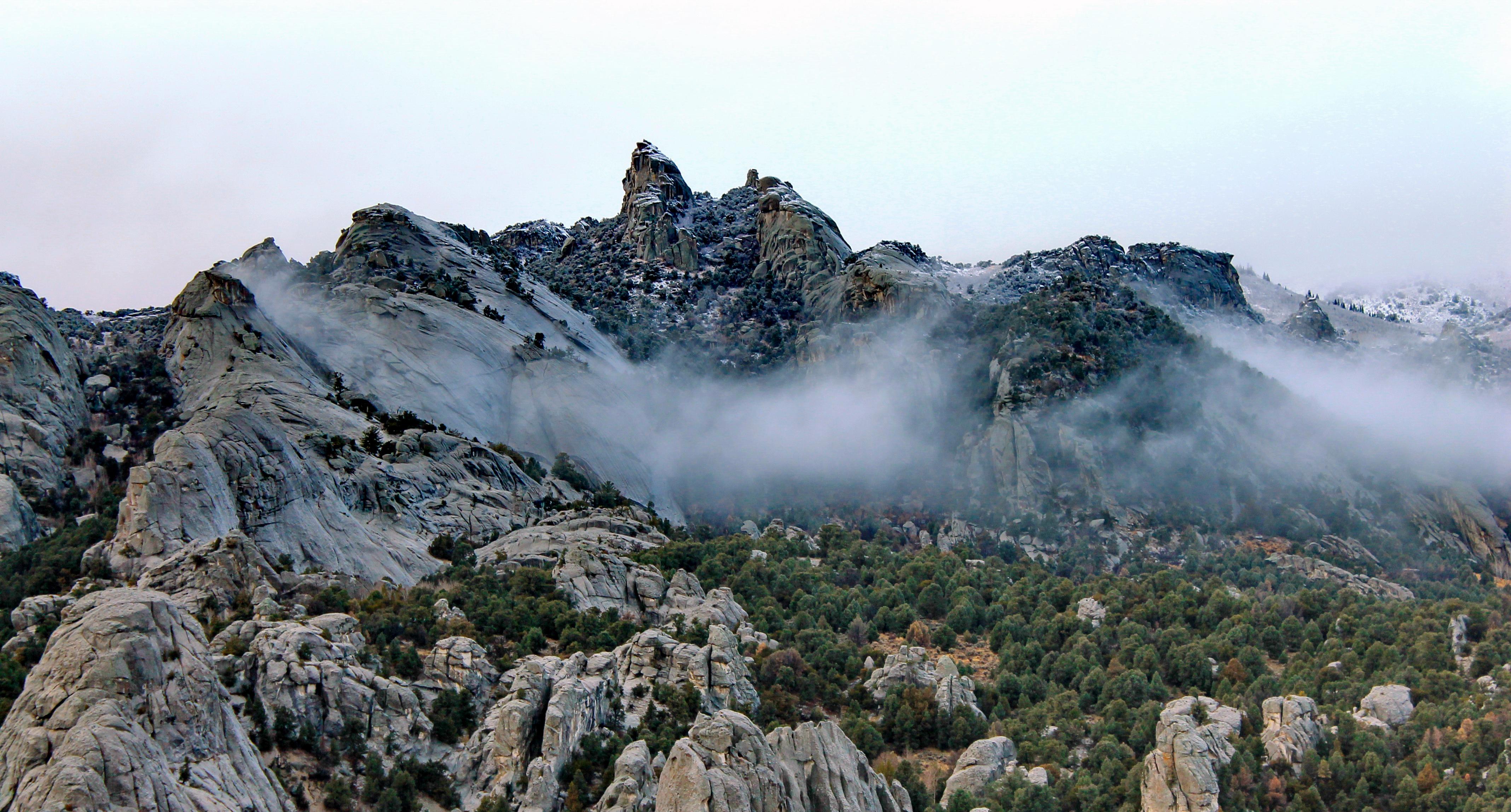
Described by California Trail emigrants as “a city of tall spires,” “steeple rocks,” and “the silent city,” this awe-inspiring landscape continues to captivate. Today, it beckons rock climbers, hikers, campers, hunters, and adventurers with its dramatic scenery, fascinating geology, and echoes of the Old West. The Silent City is ready for you to explore.
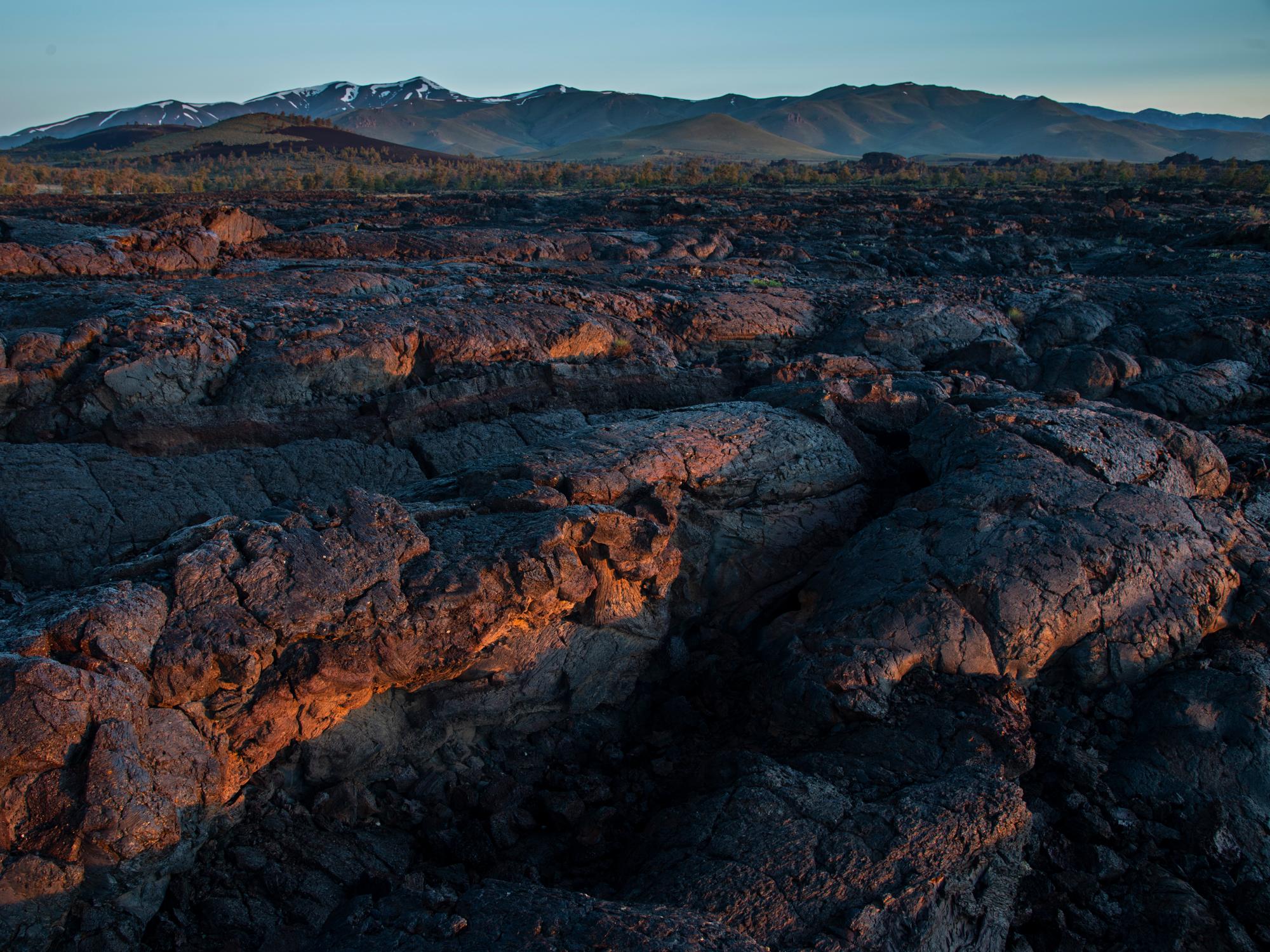
Craters of the Moon is a vast ocean of lava flows with scattered islands of cinder cones and sagebrush. We invite you to explore this "weird and scenic landscape" where yesterday's volcanic events are likely to continue tomorrow.
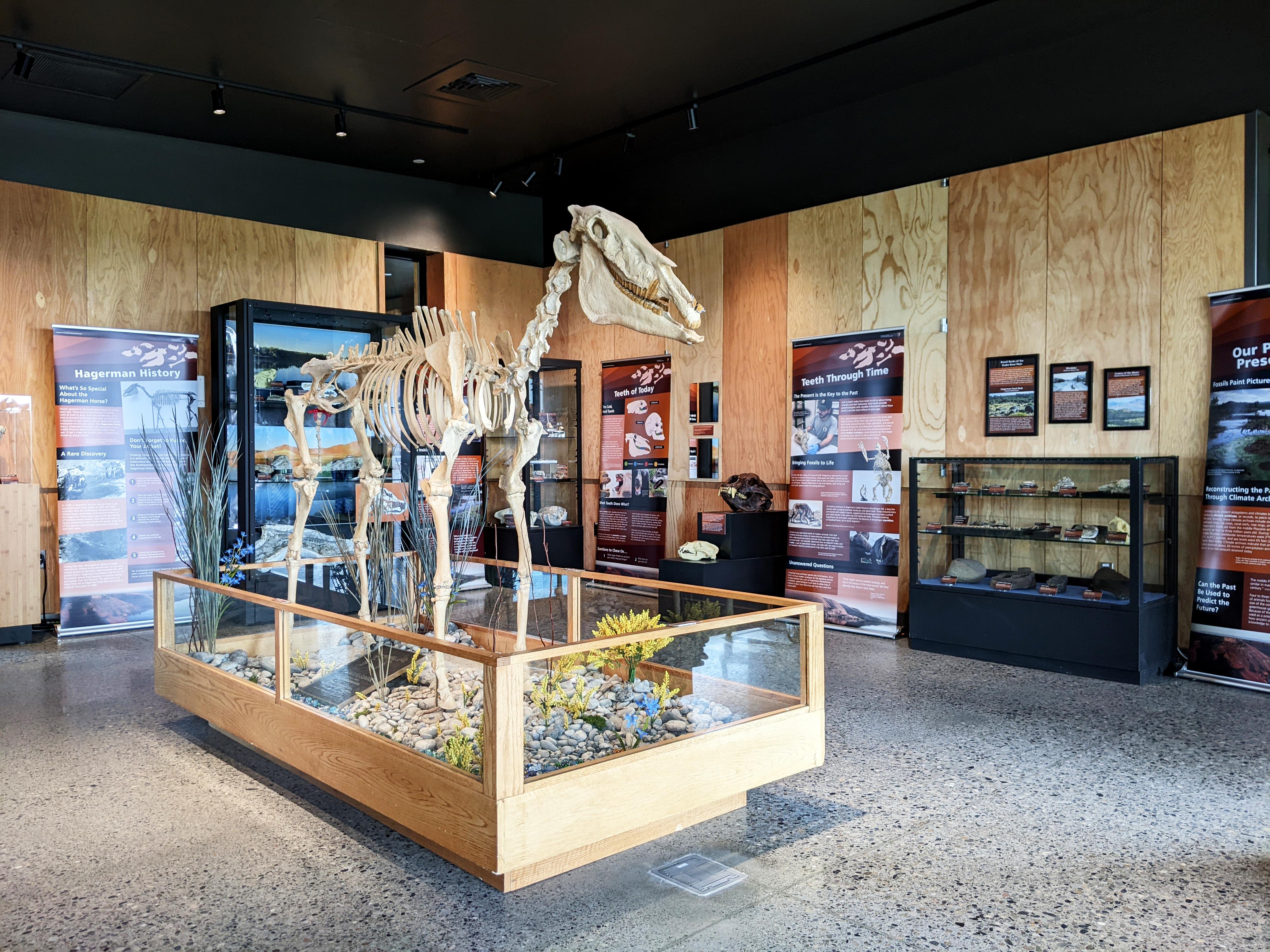
During the Pliocene, this place looked quite different. Lush wetlands, forests, and grasslands provided excellent habitat for a variety of animals. From fascinating, now-extinct creatures like the saber-toothed cat, mastodon, and ground sloth, to more familiar animals like horses, beavers, and birds, the scientific study of Pliocene fossils is the key to Hagerman.
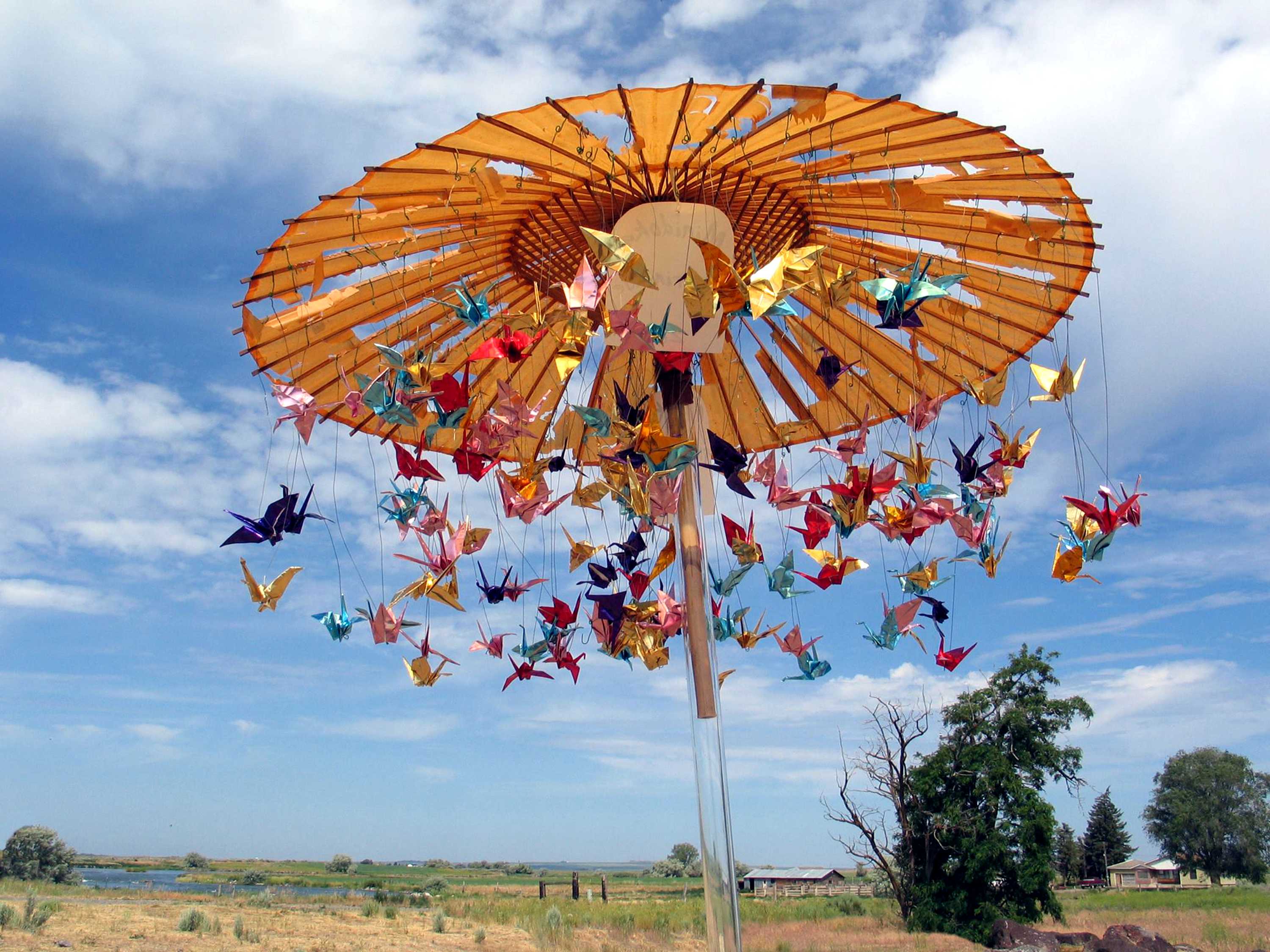
During World War II, over 120,000 people of Japanese ancestry were forcibly removed from their homes and incarcerated without due process of law. Although little remains of the barbed-wire fences and tar-papered barracks, the Minidoka concentration camp once held over 13,000 Japanese Americans in the Idaho desert. Minidoka preserves their legacy and teaches the importance of civil liberties.
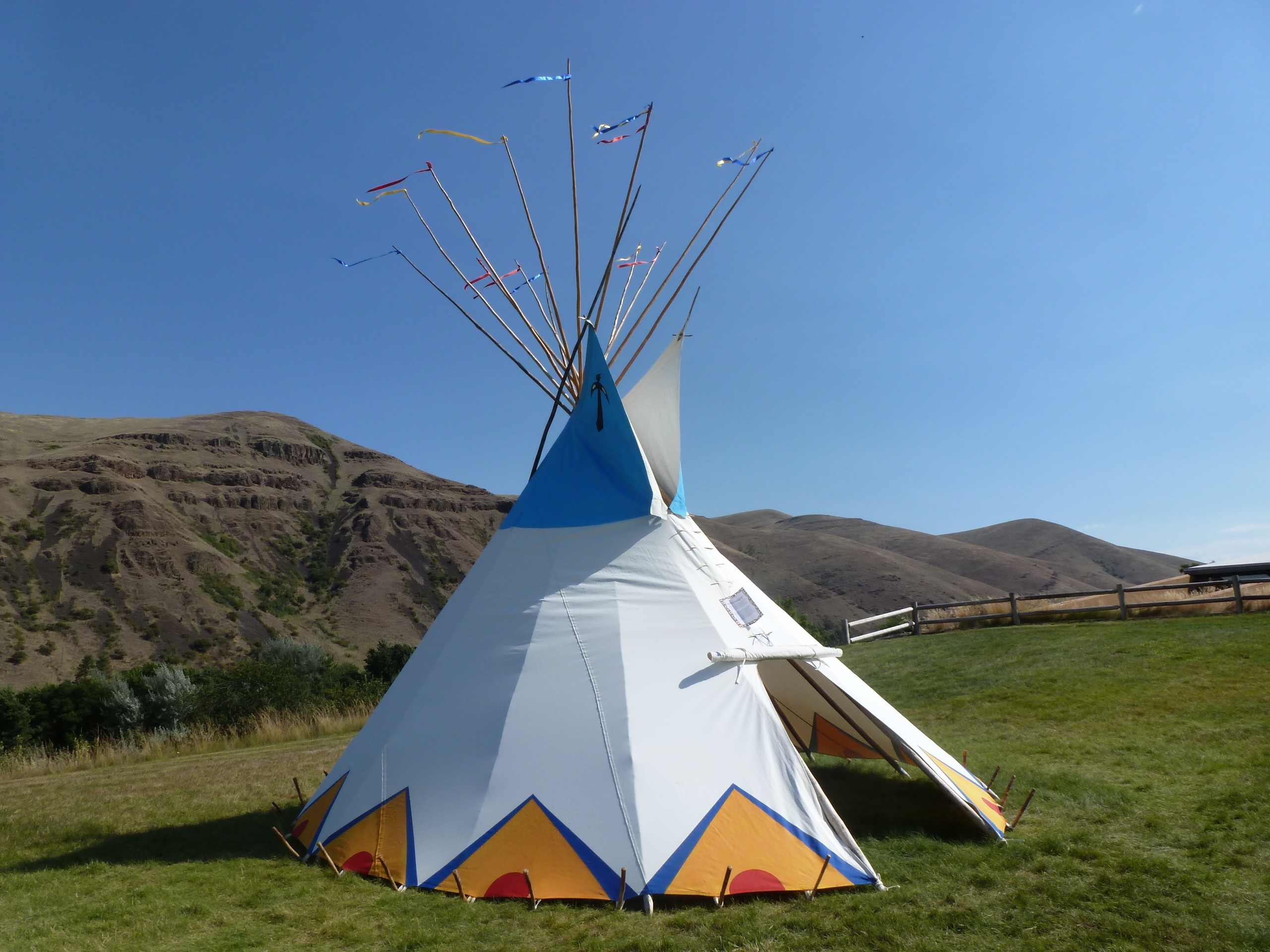
Since time immemorial, the valleys, prairies, mountains, and plateaus of the inland northwest have been home to the nimíipuu (Nez Perce) people. Extremely resilient, they survived the settling of the United States and adapted to a changed world. Nez Perce National Historical Park consists of 38 places important to the history and culture of the nimíipuu. Explore these places. Learn their stories.
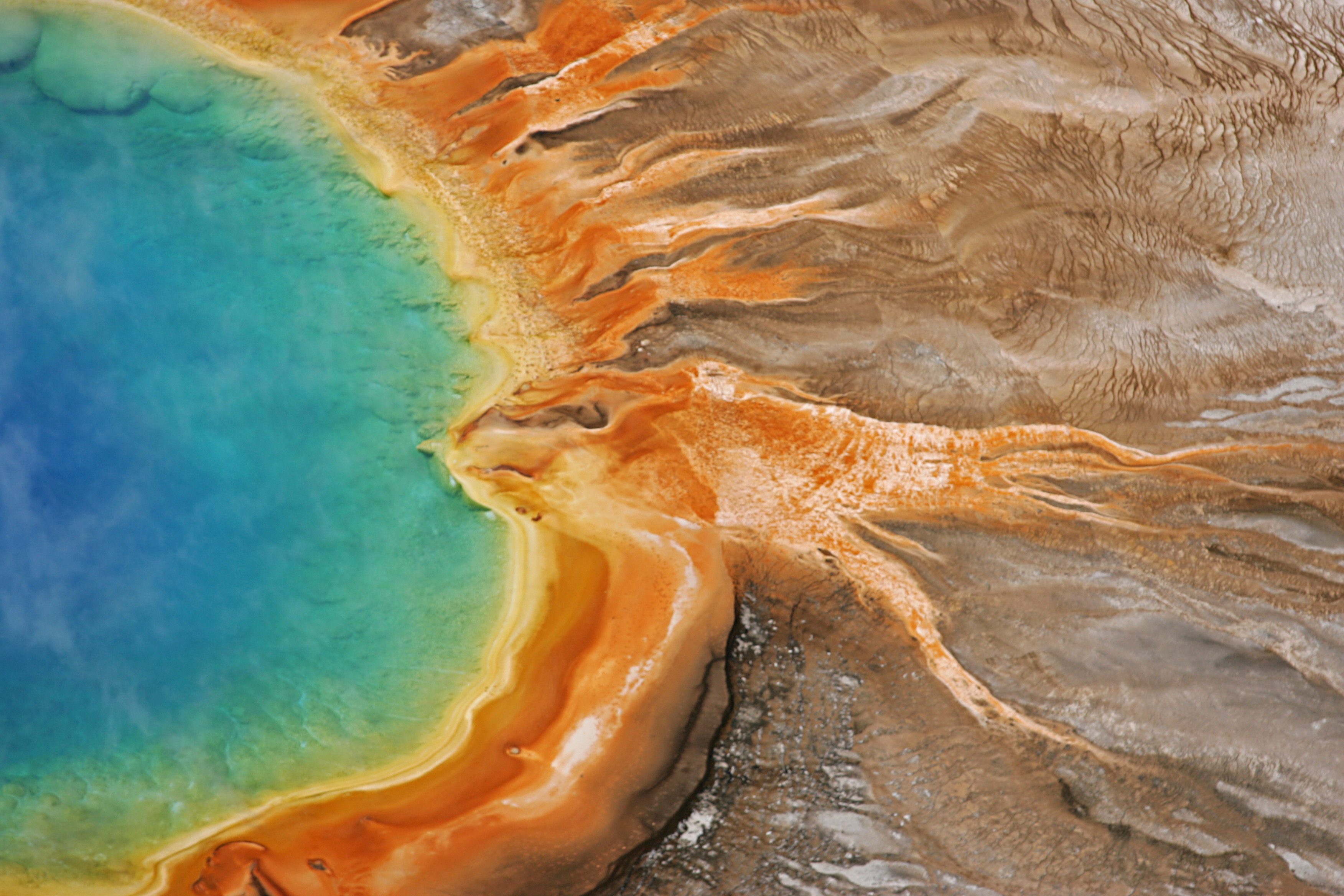
On March 1, 1872, Yellowstone became the first national park for all to enjoy the unique hydrothermal wonders. Today, millions of people come here each year to camp, hike, and enjoy the majesty of the park.