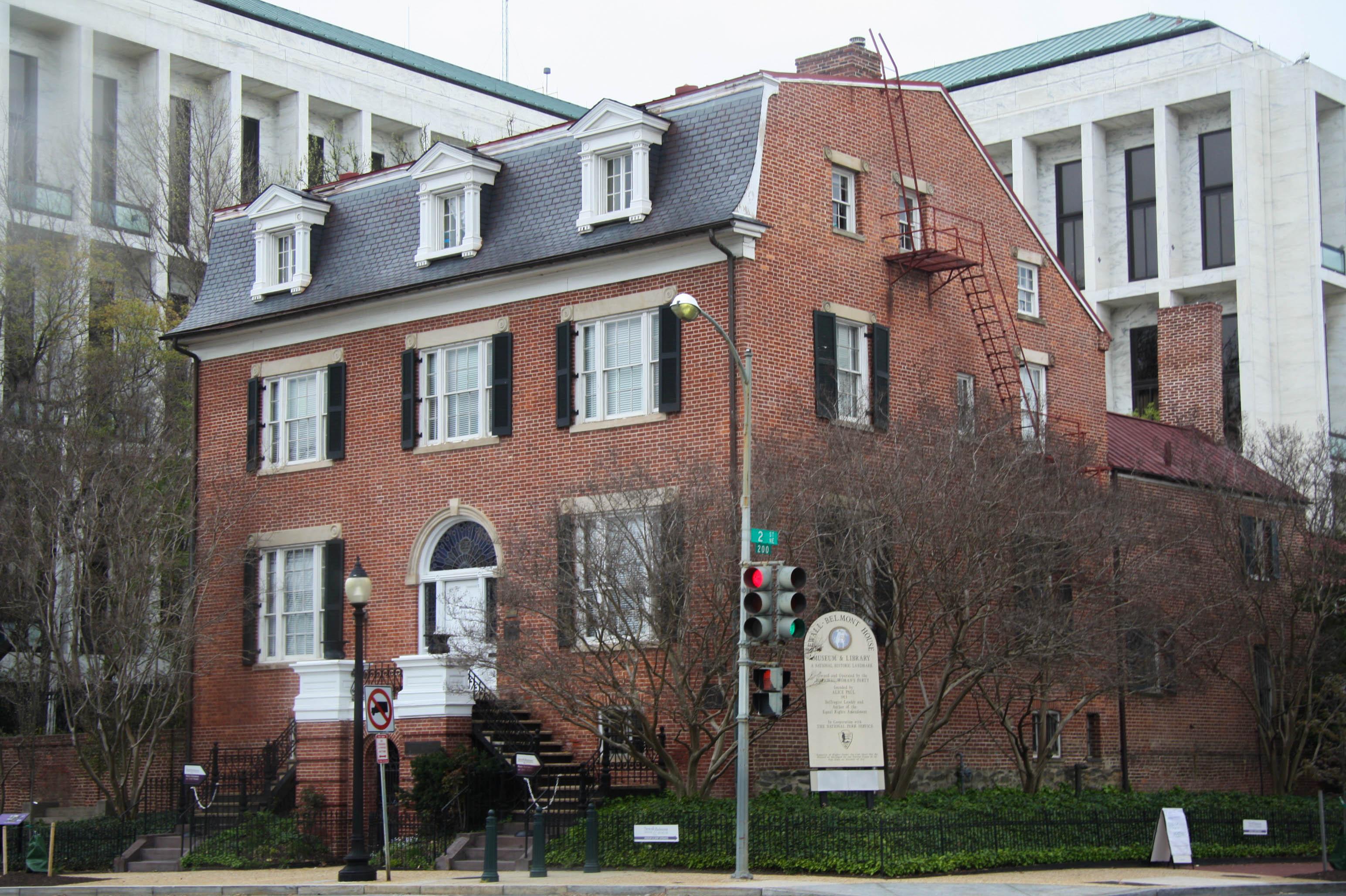
Home to the National Woman's Party for more than 90 years, this was the epicenter of the struggle for women's rights. From this house in the shadow of the U.S. Capitol and Supreme Court, Alice Paul and the NWP developed innovative strategies and tactics to advocate for the Equal Rights Amendment and equality for women. President Barack Obama designated the national monument on April 12, 2016.
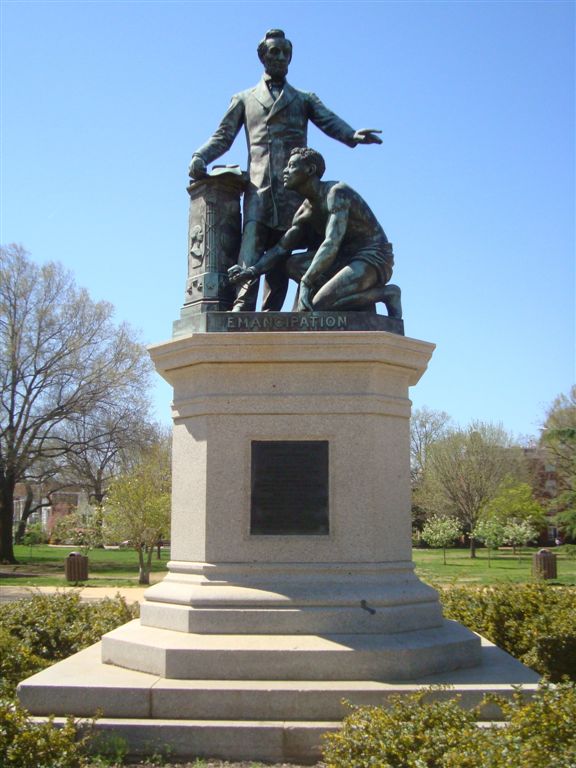
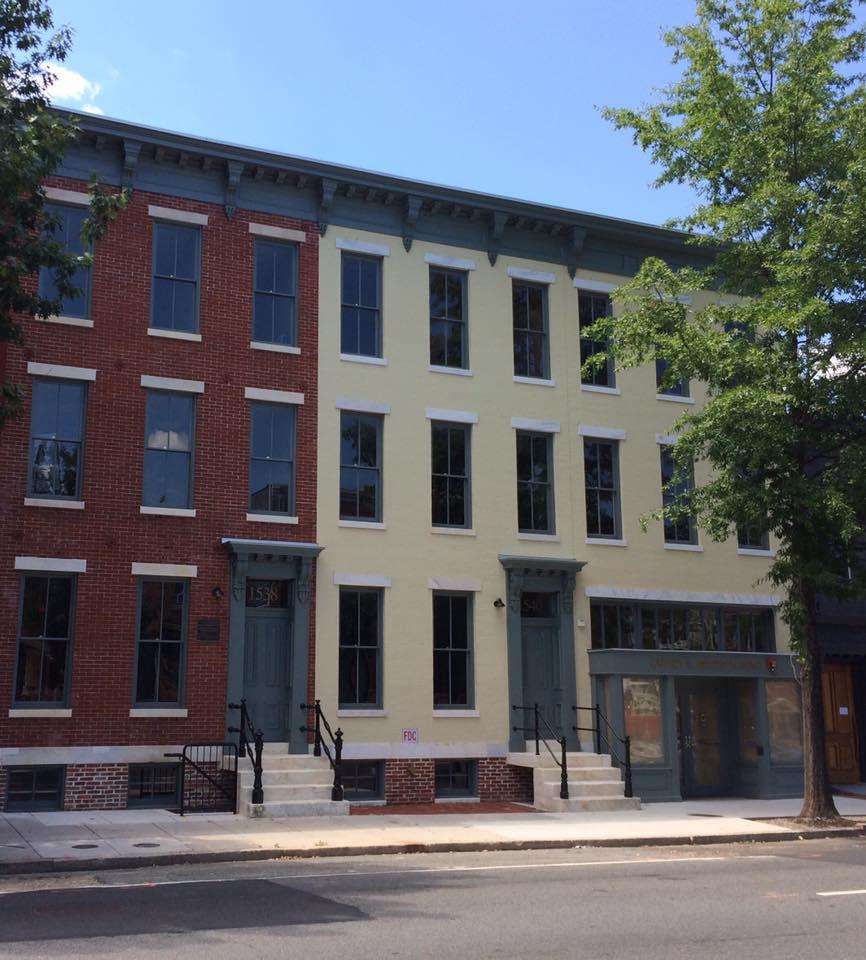
The Capitol Hill Parks include several park areas east of the U.S. Capitol. Included in this group are Folger, Lincoln, Stanton, and Marion Parks, the Eastern Market and Potomac Avenue Metro stations, and several smaller land parcels such as Seward Square, Twining Square, the Maryland Avenue Triangles, the Pennsylvania Avenue Medians, and 59 inner-city triangles and squares.

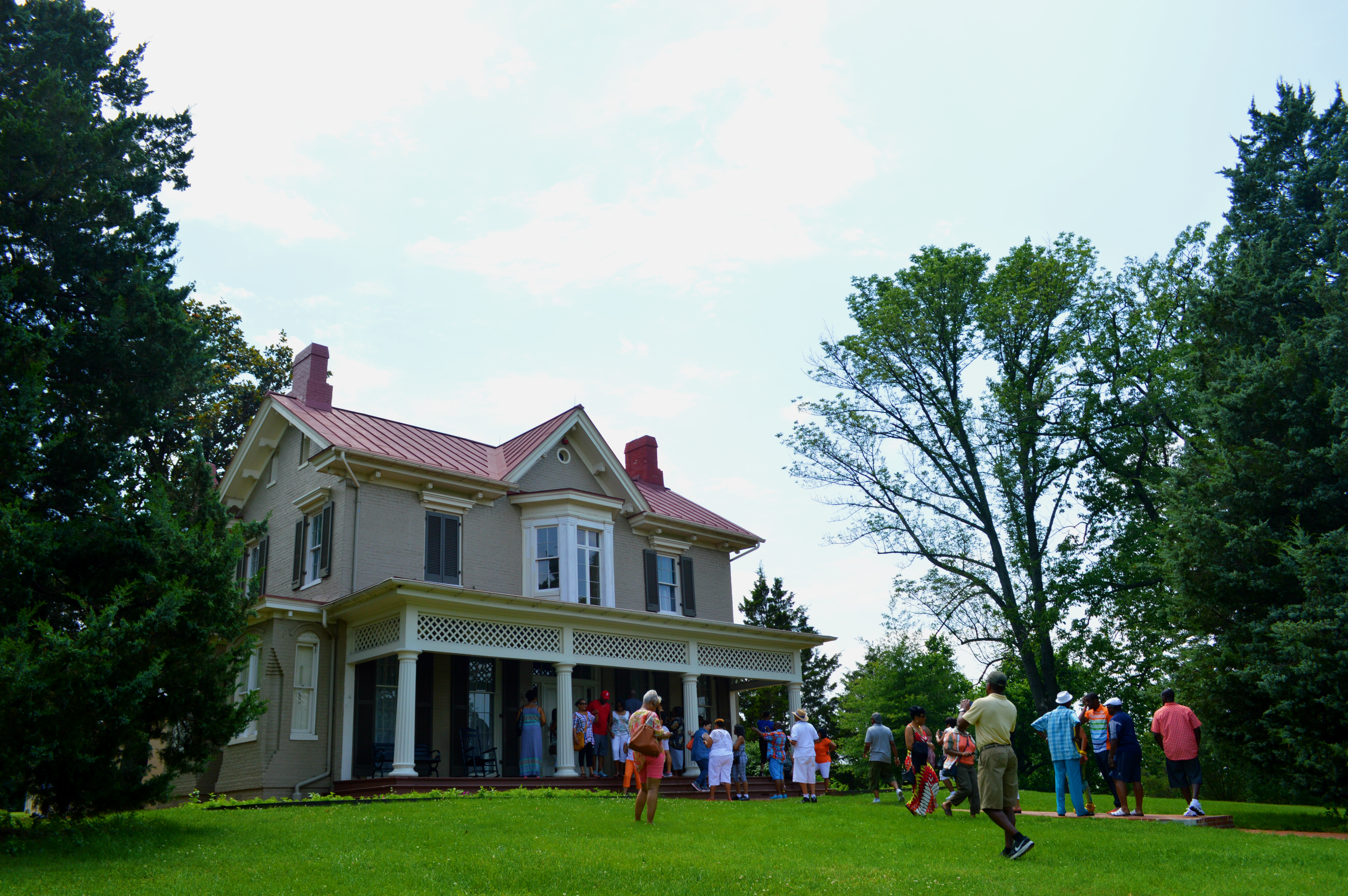
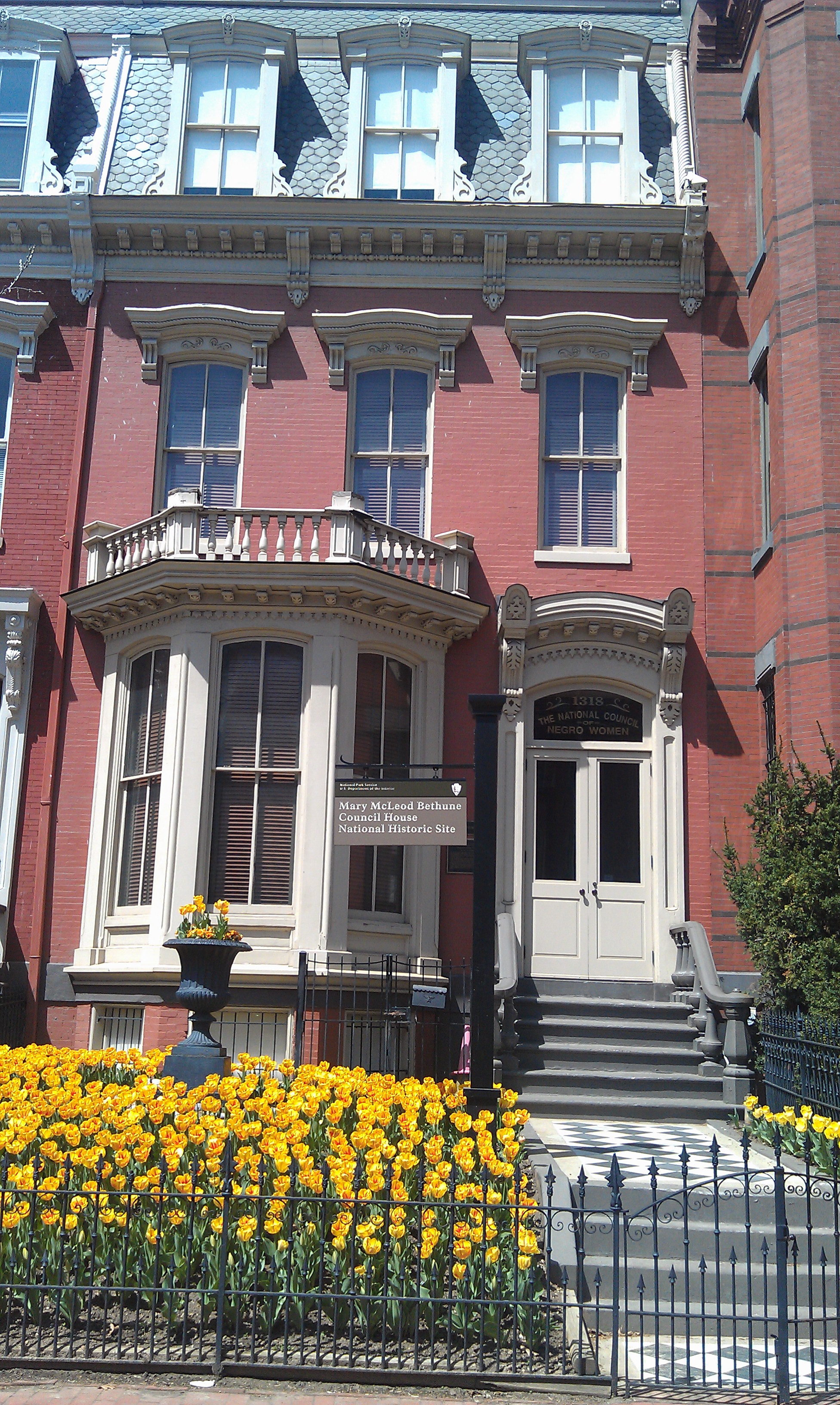
Before Dr. Carter G. Woodson, there was very little accurate written history about the lives and experiences of Americans of African descent. Today a National Historic Site, Dr. Woodson’s home served as the headquarters for the Association for the Study of African American Life and History. Dr. Woodson established Negro History Week here in 1926, which we celebrate today as Black History Month.

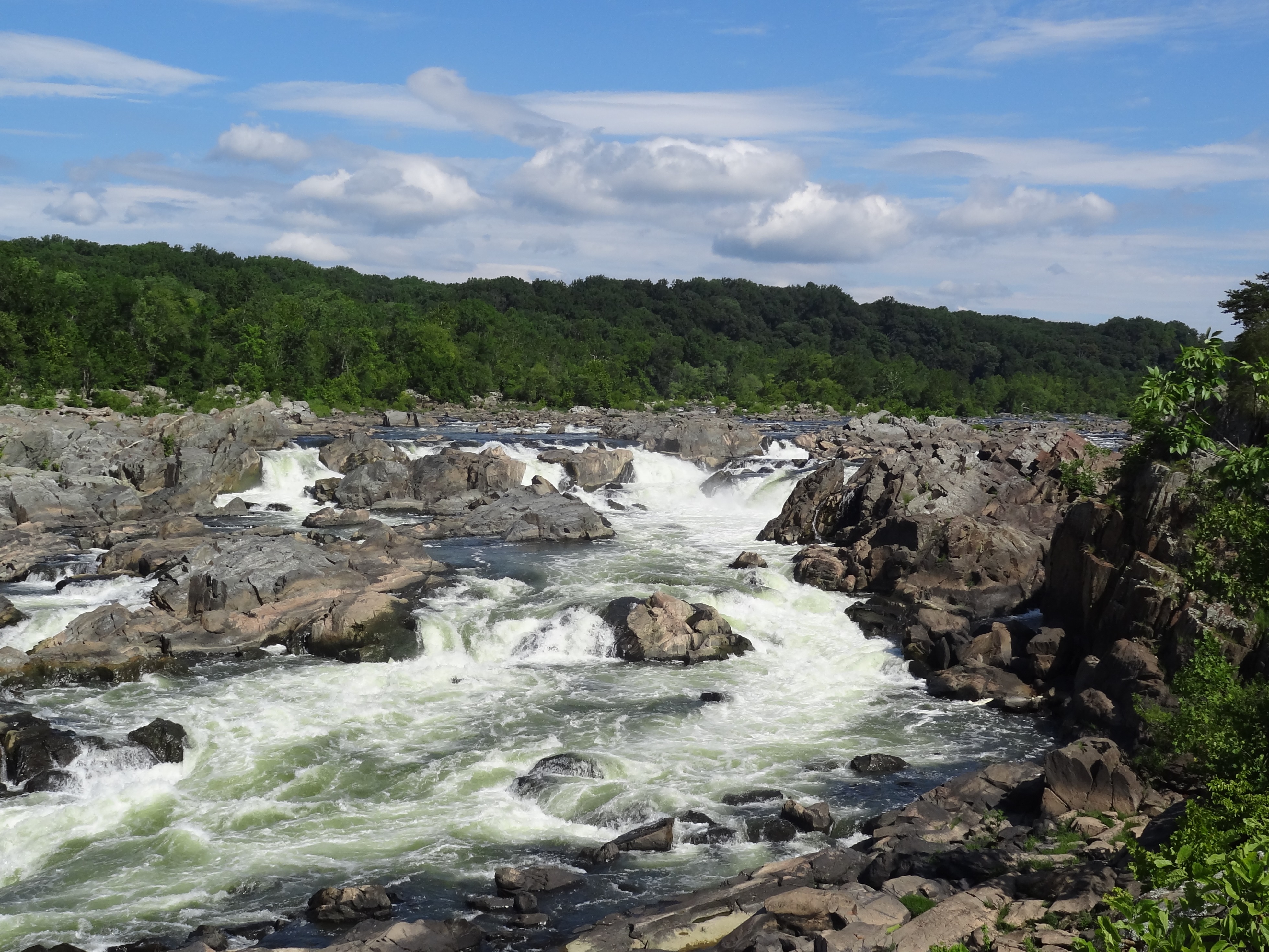
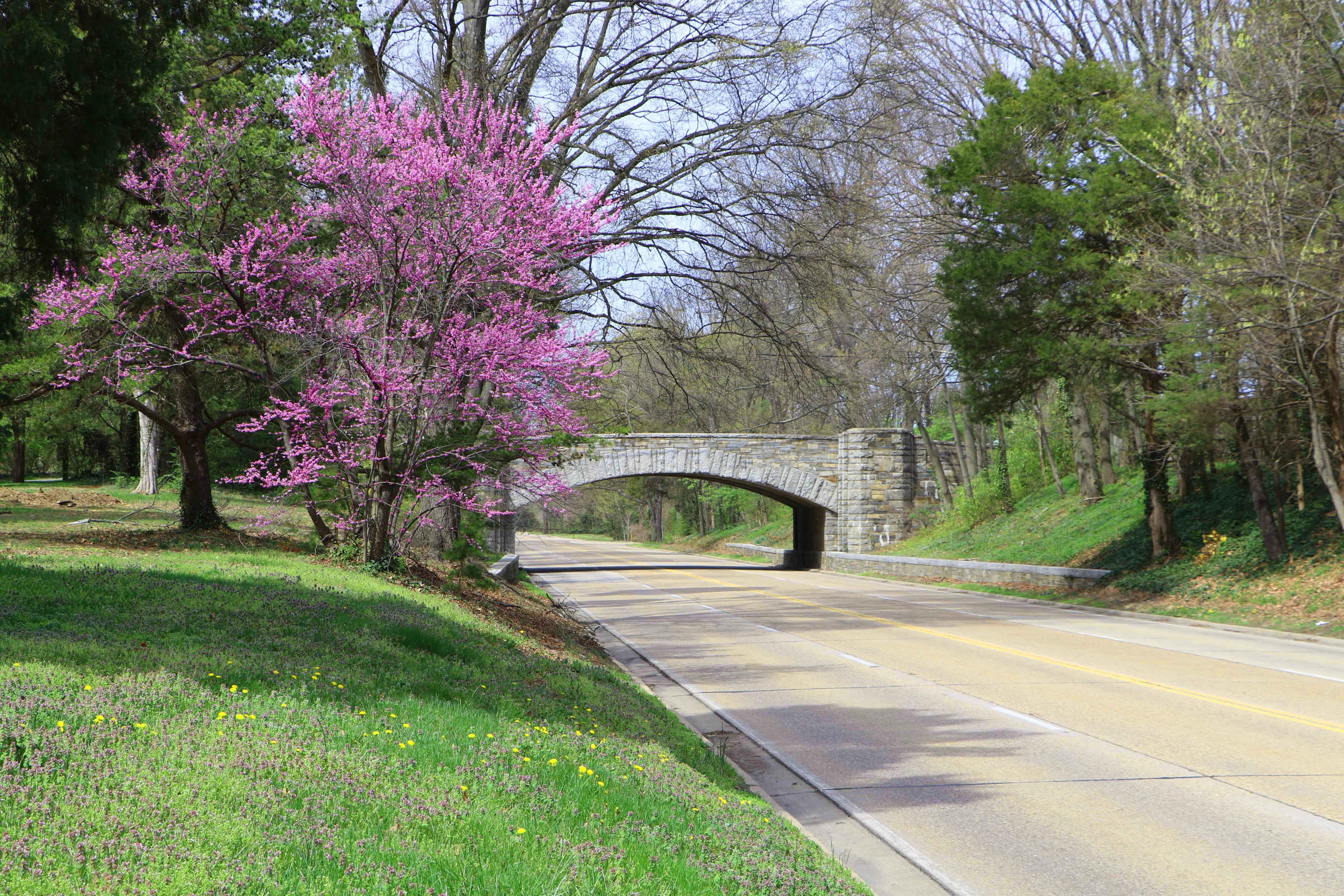
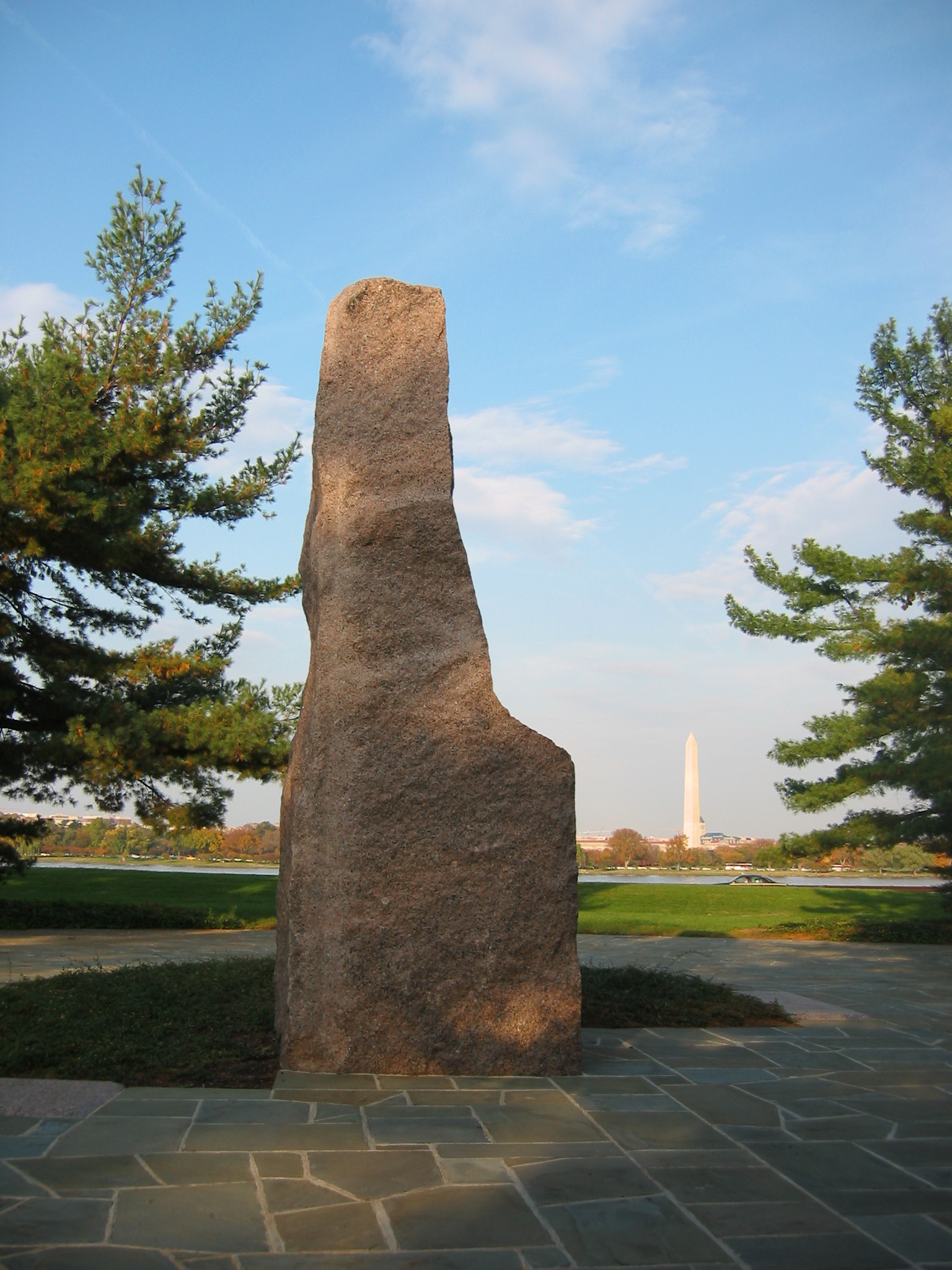
The George Washington Memorial Parkway was designed for recreational driving. It links sites that commemorate important episodes in American history and preserve habitat for local wildlife. The parkway and its associated trails provide a scenic place to play and rest in the busy Washington, DC metropolitan area.

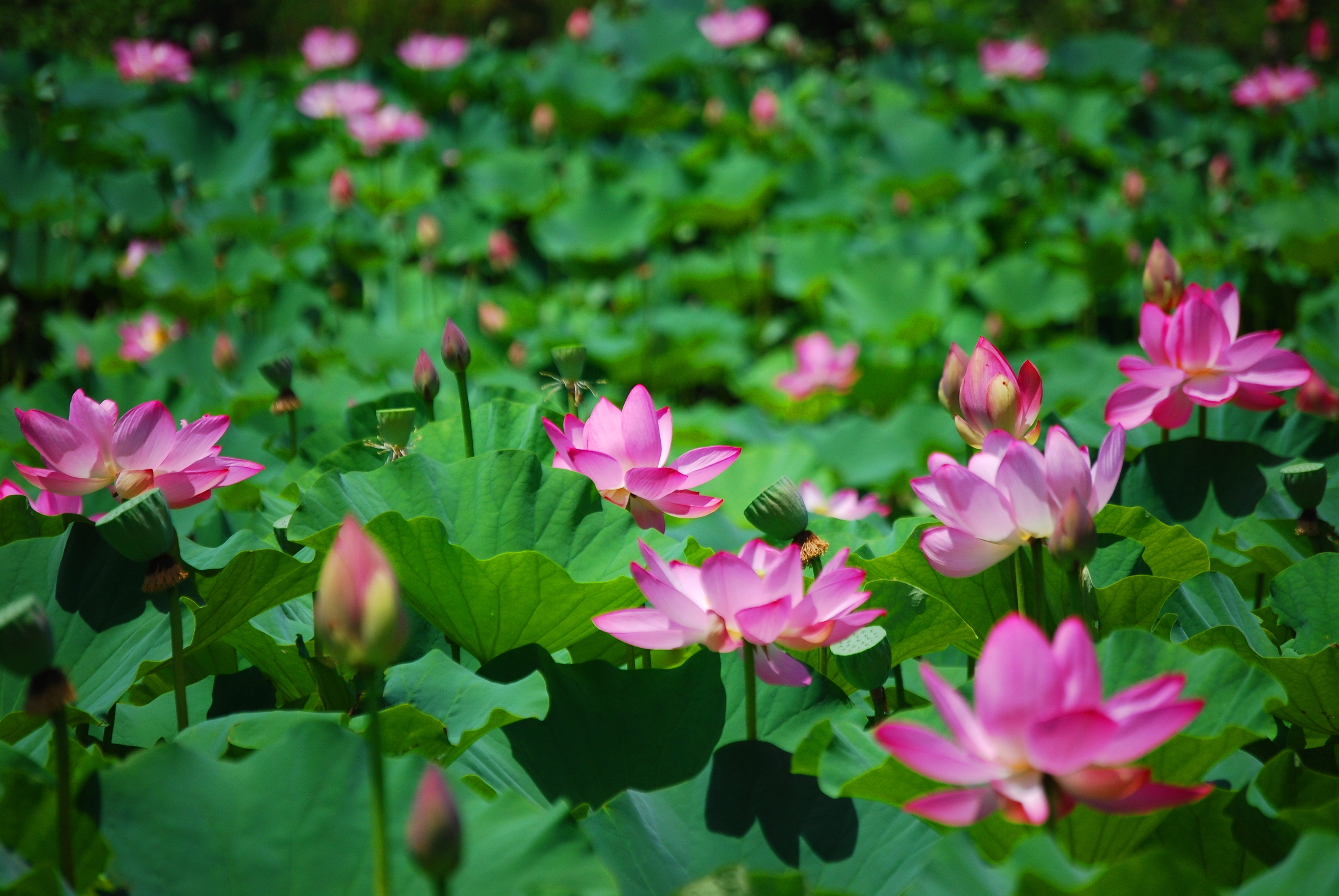
Deep within Kenilworth lies an oasis, hidden behind trees and cattails. It's a place where beavers build their homes and turtles sleep on logs. Lotus blooms rise from the muck and lilies sit on the water. The wind dances with the dragonflies, rustling through the trees, carrying the song of the birds until it brushes across your face, fading to a whisper, saying "come join."

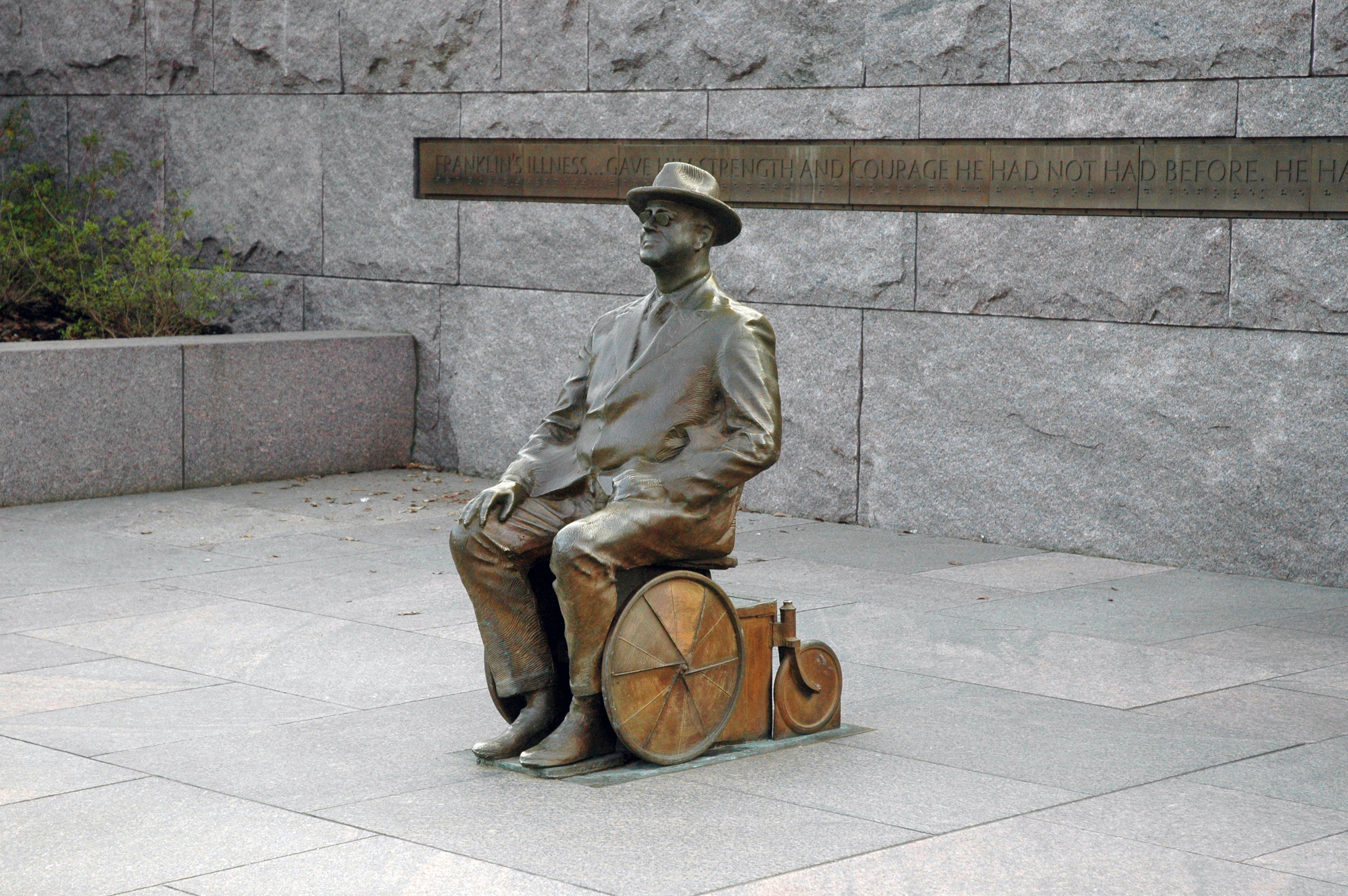
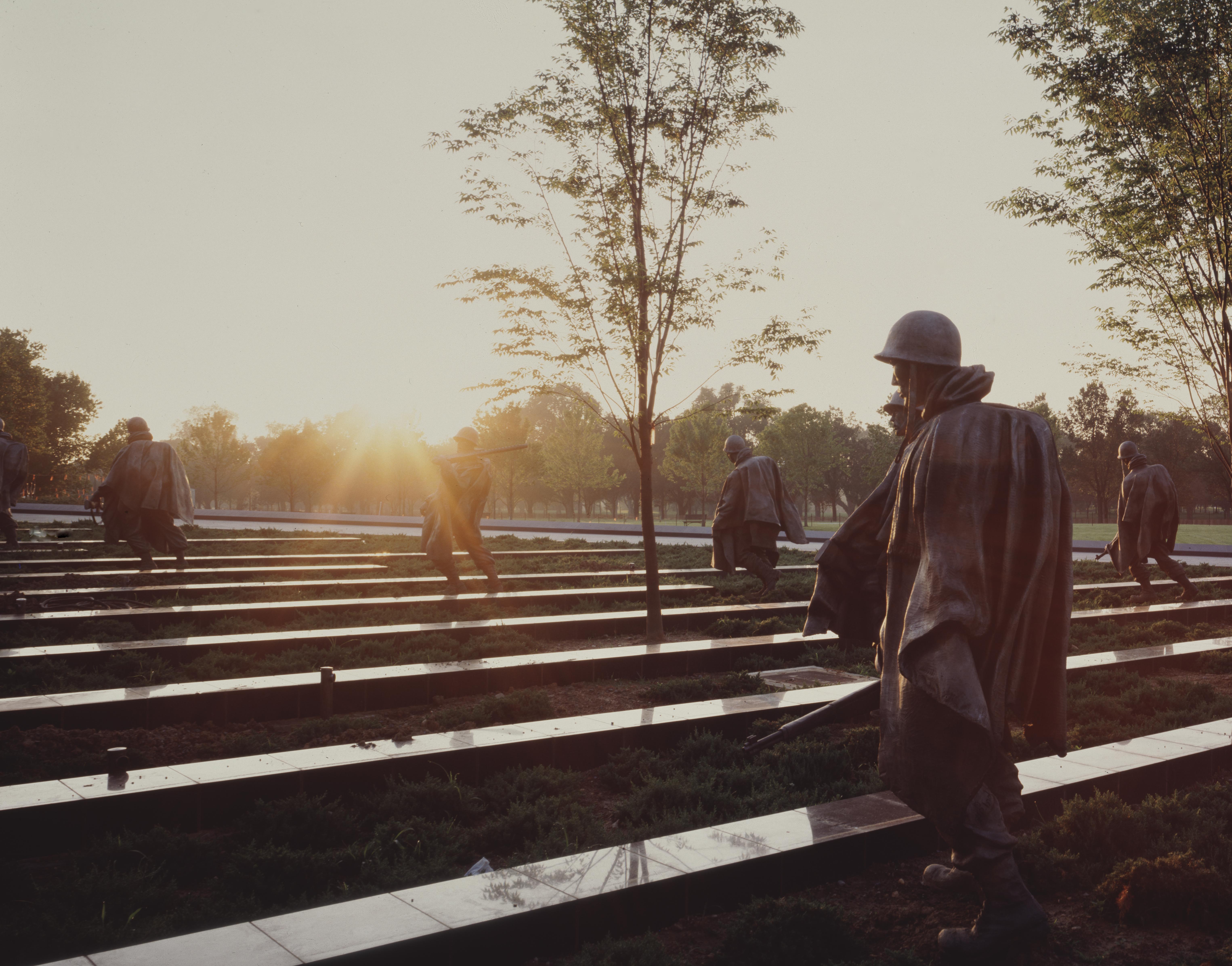
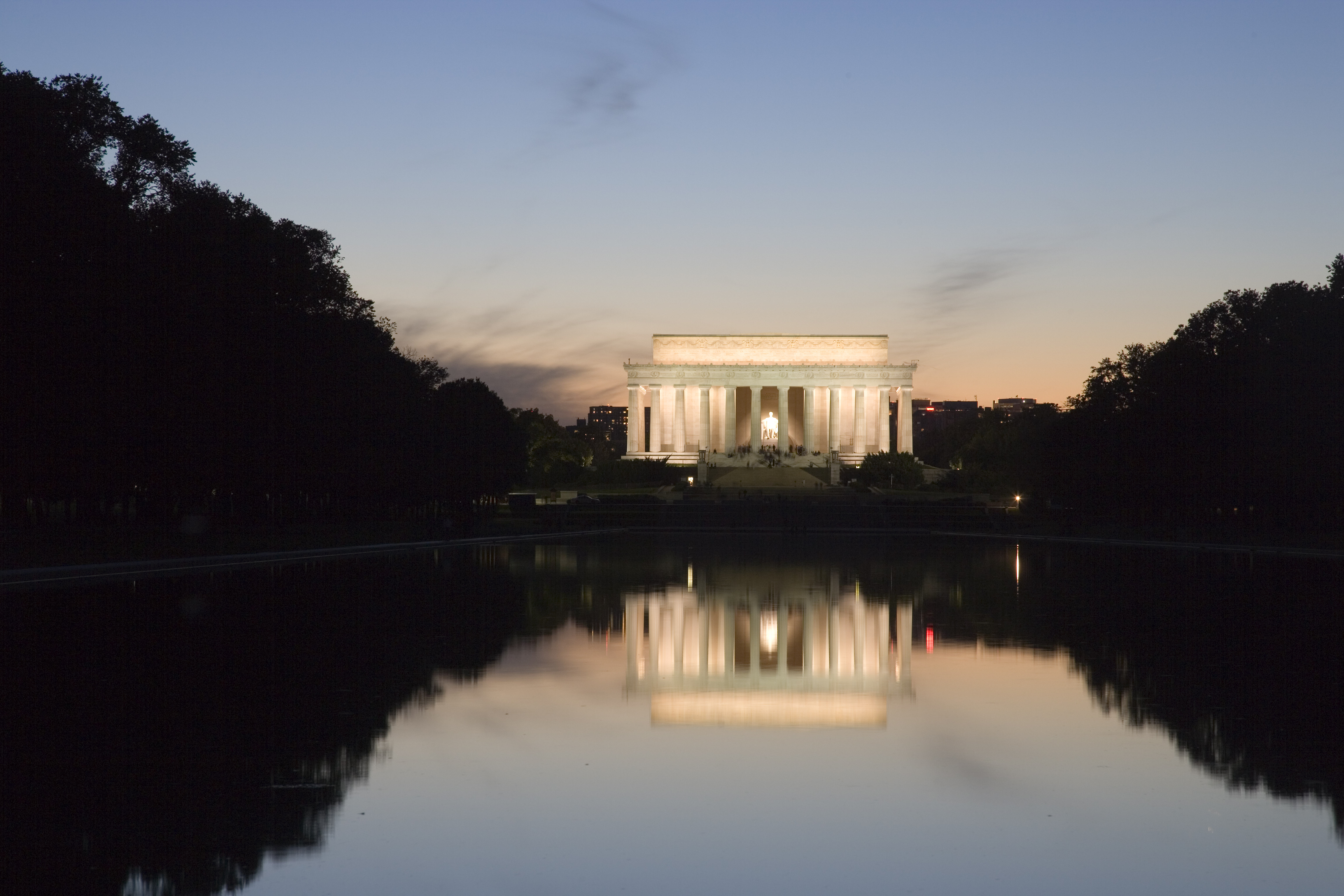
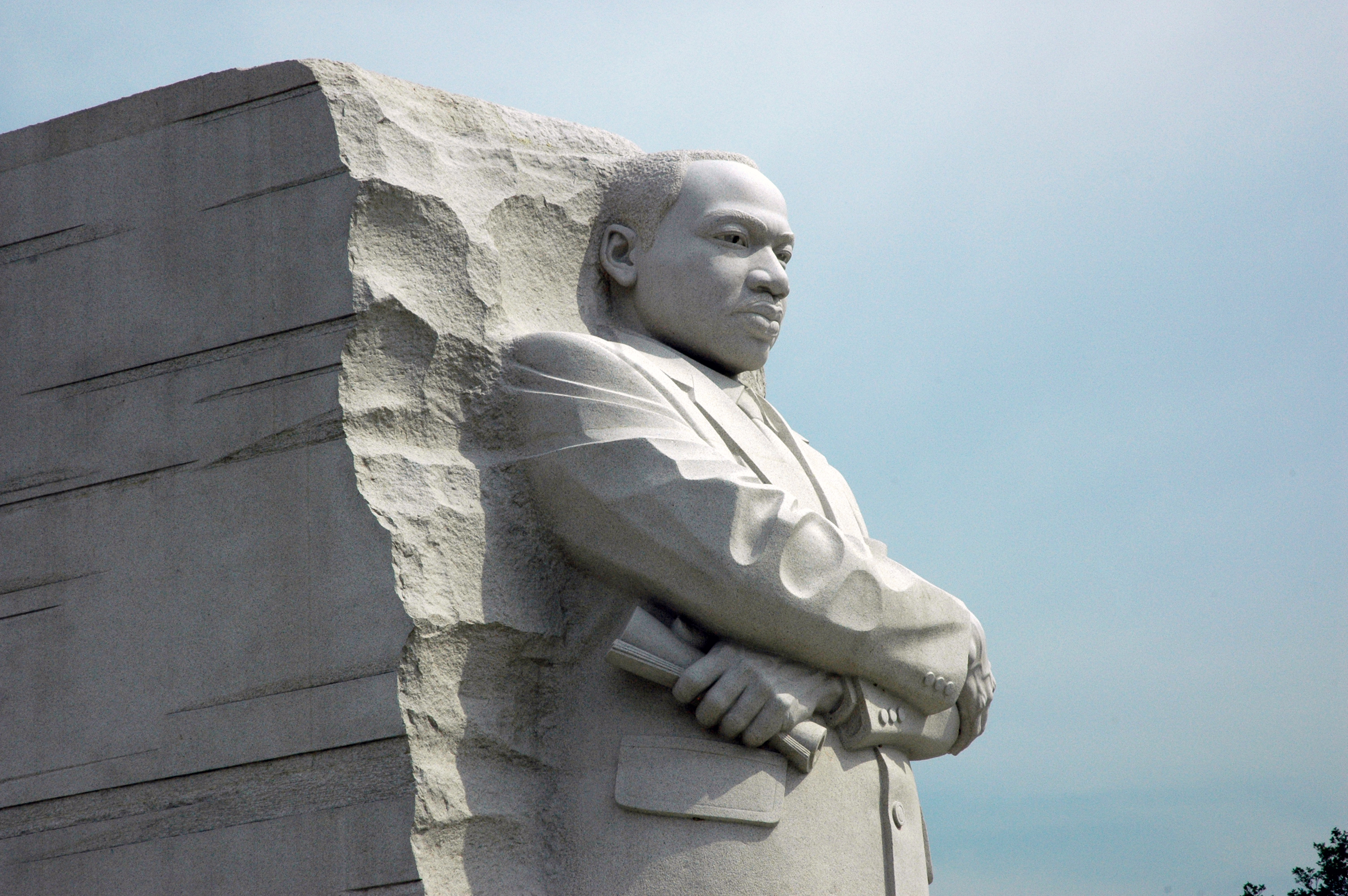
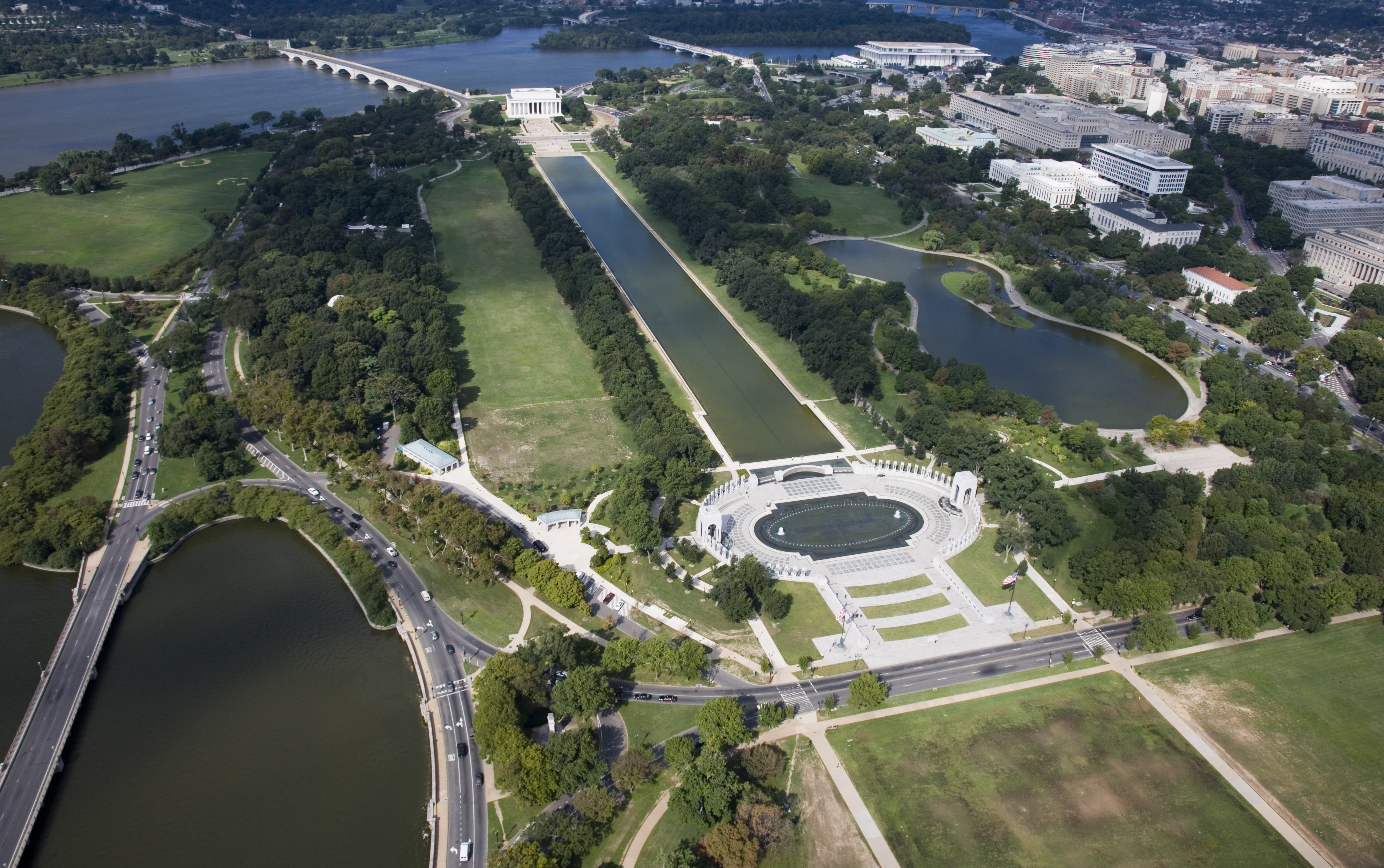
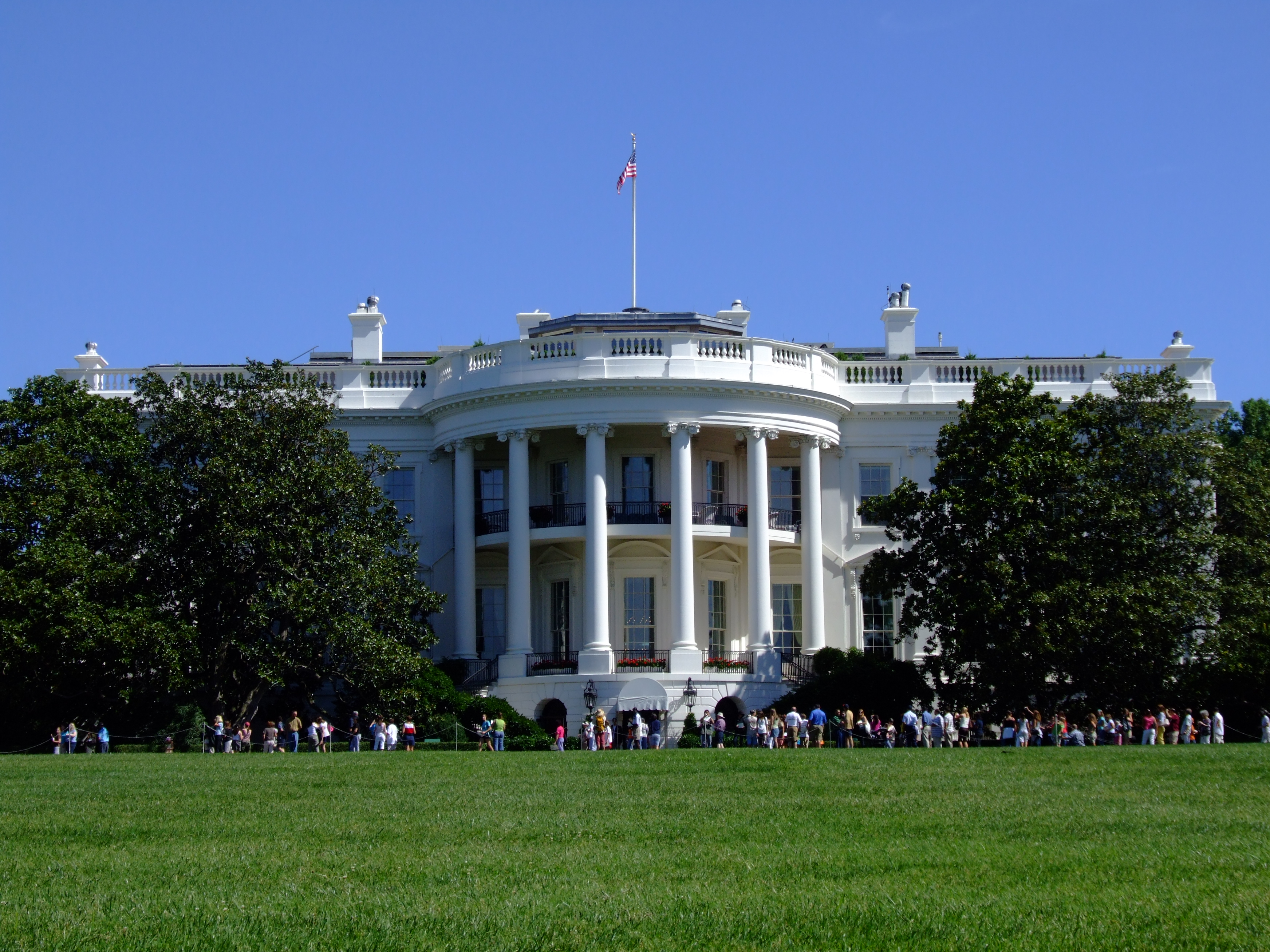
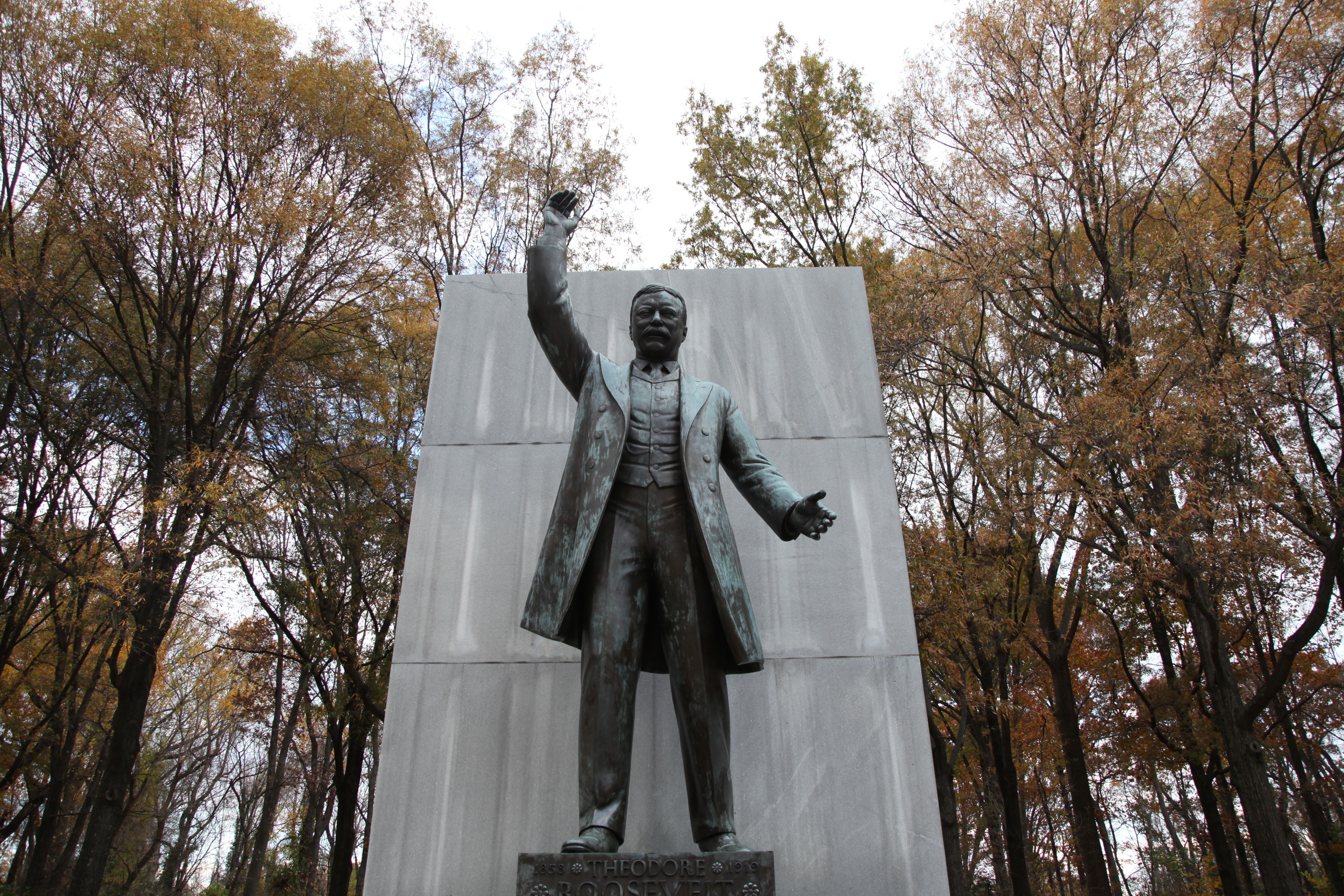
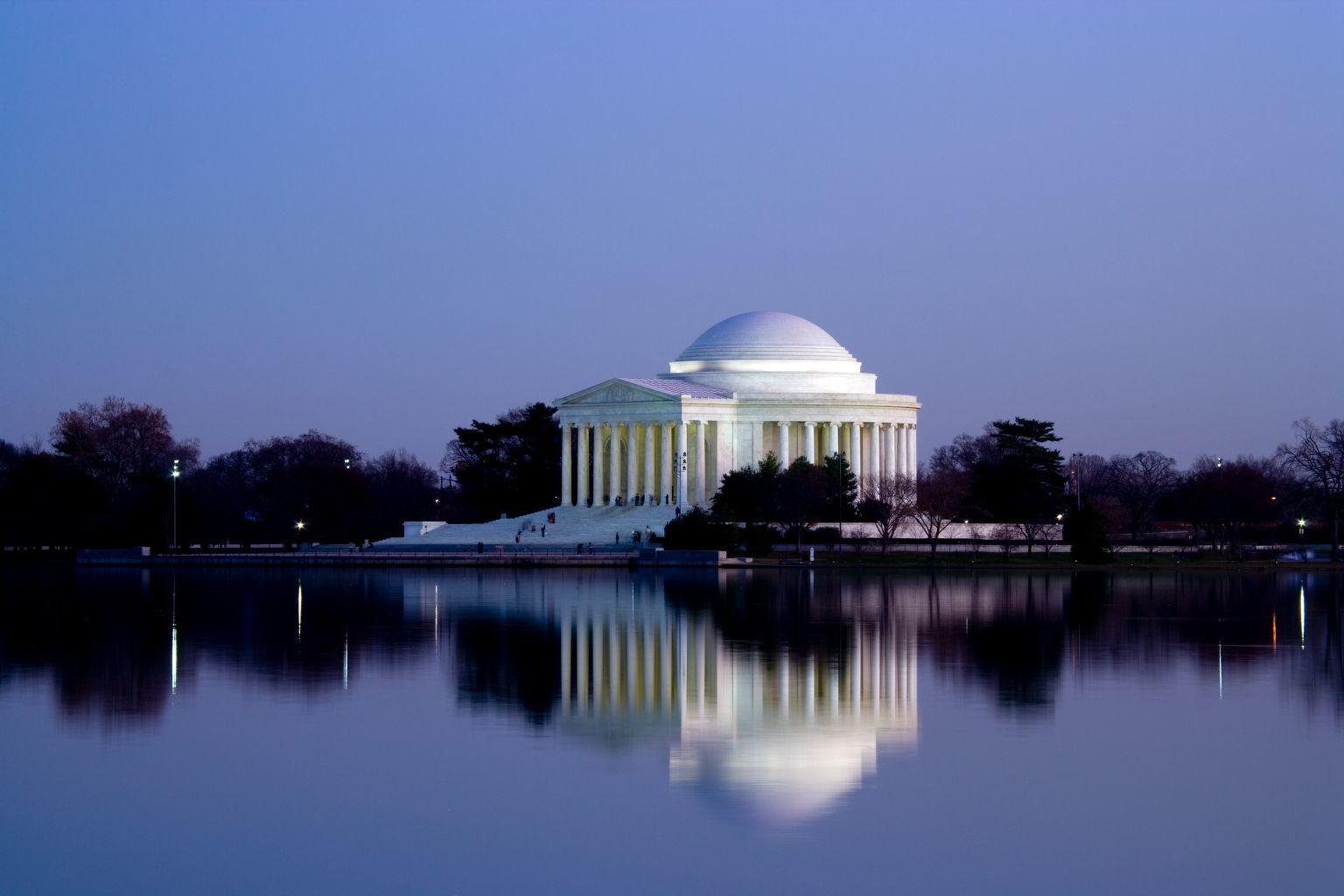
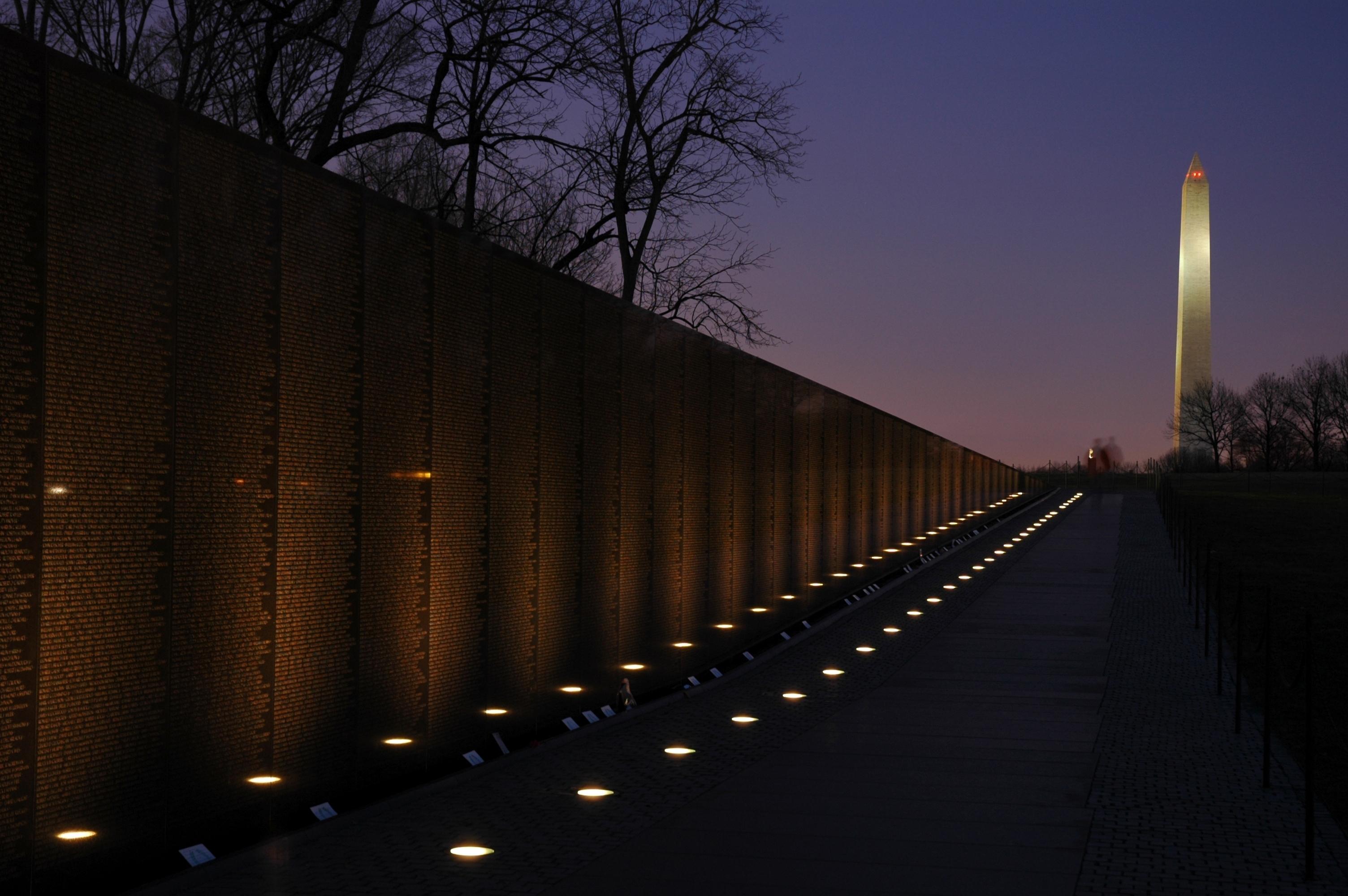
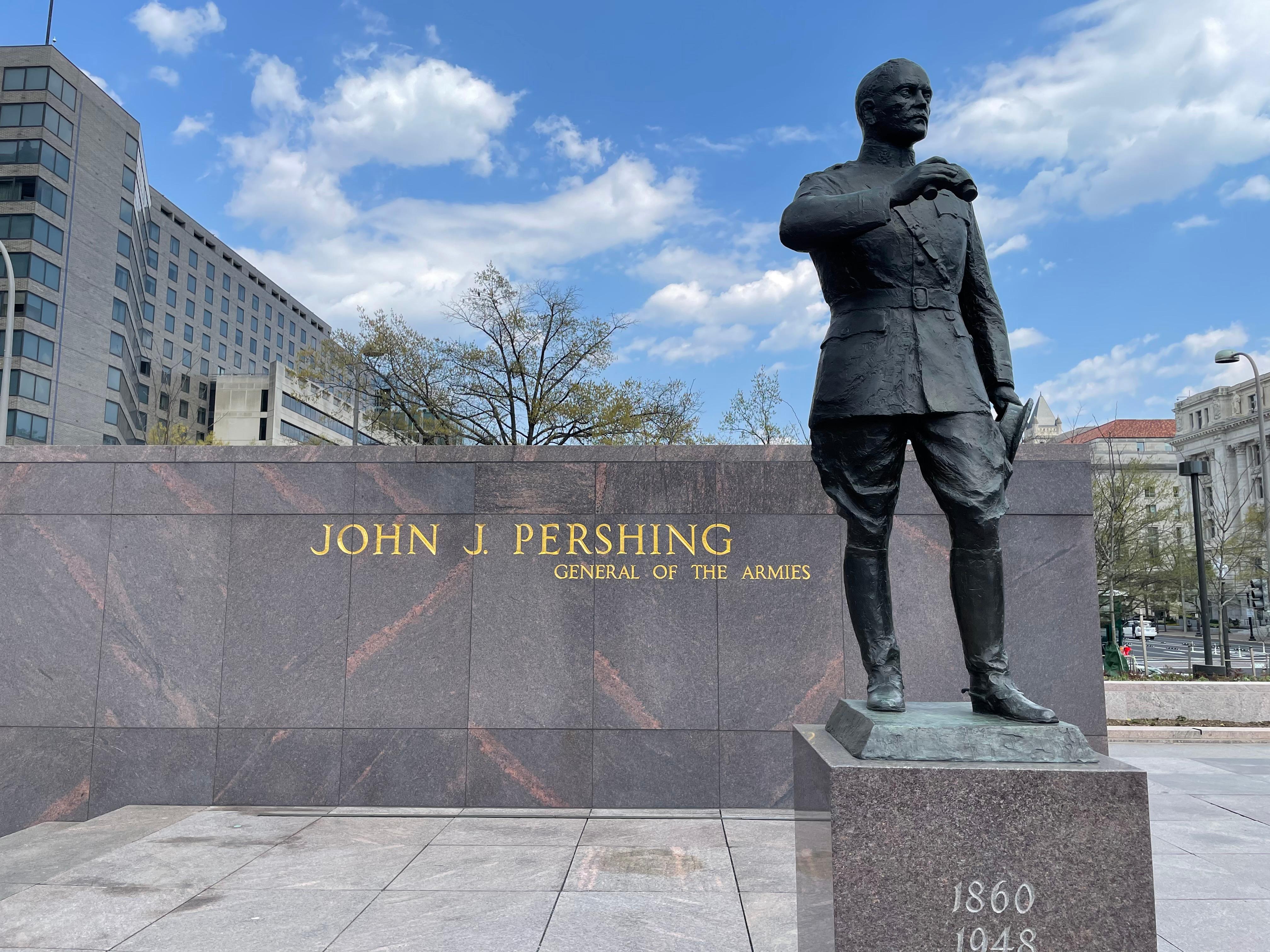
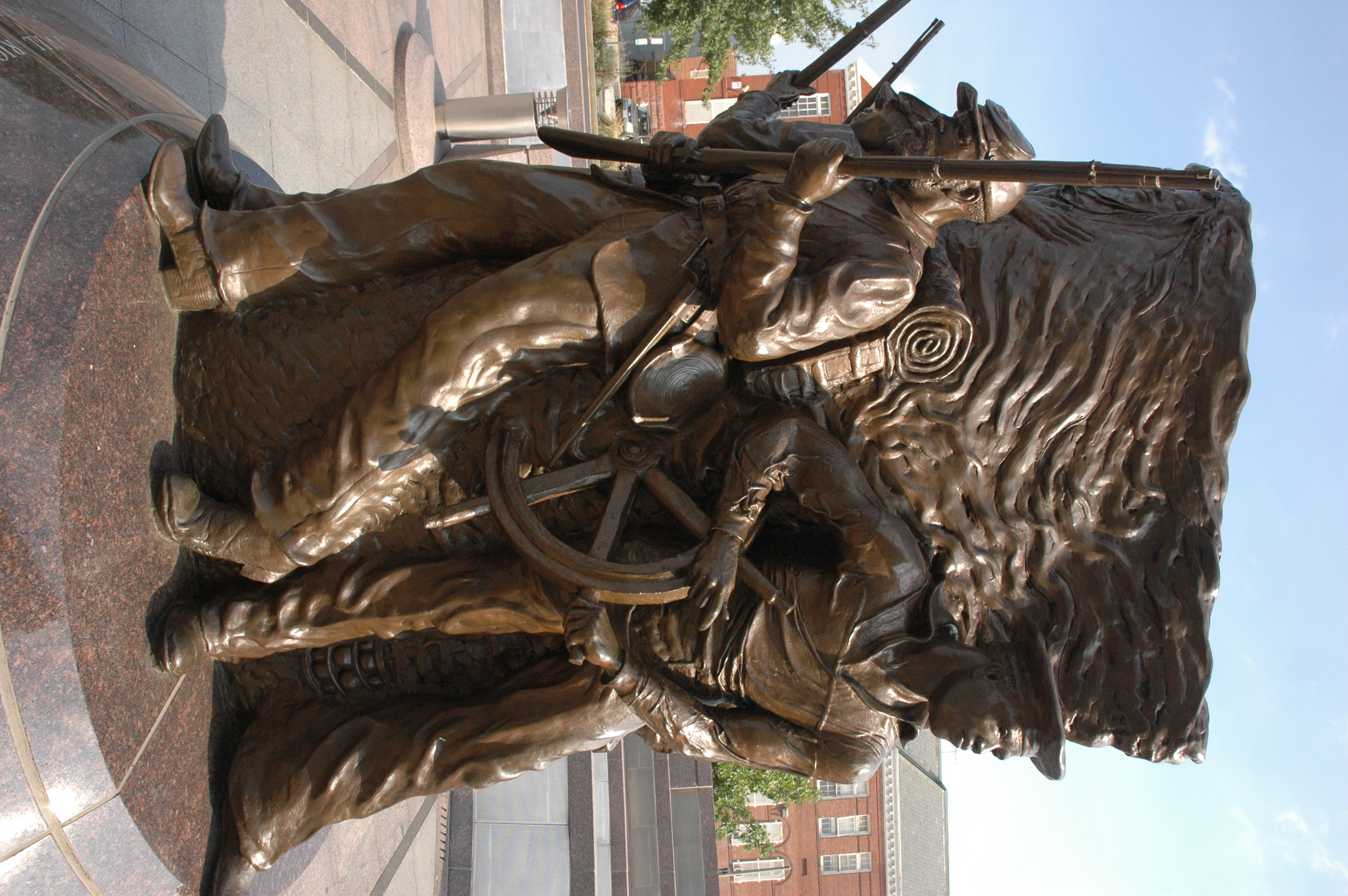
This is where the nation comes to remember and where history is made. As “America’s Front Yard,” the National Mall and Memorial Parks is home to many of our country’s most iconic memorials telling the story of people and events that shaped us as a nation. Each year, millions of people come to recreate, commemorate presidential legacies, honor our veterans, and make their voices heard.

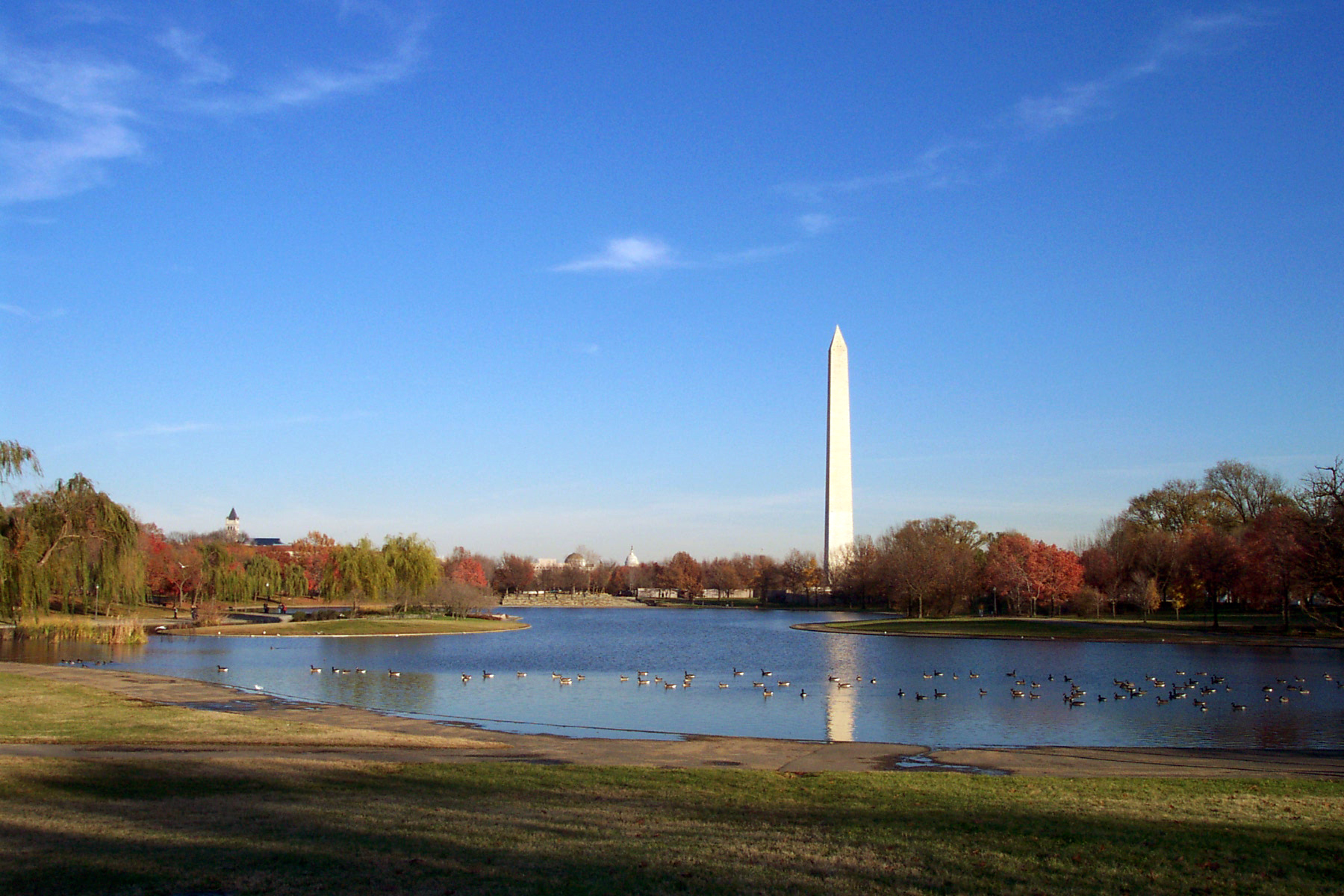
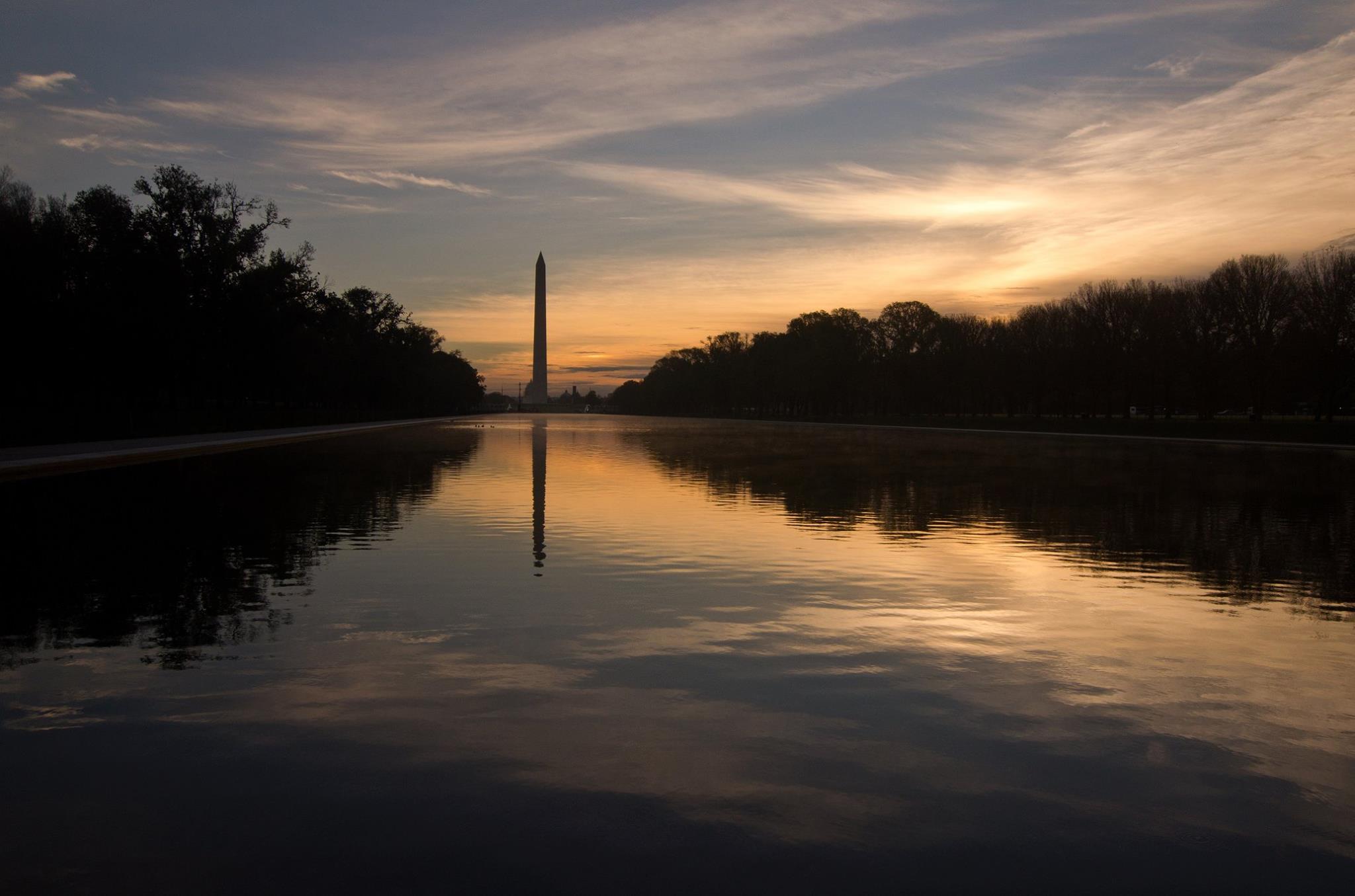
Built to honor George Washington, the United States' first president, the 555-foot marble obelisk towers over Washington, D.C.

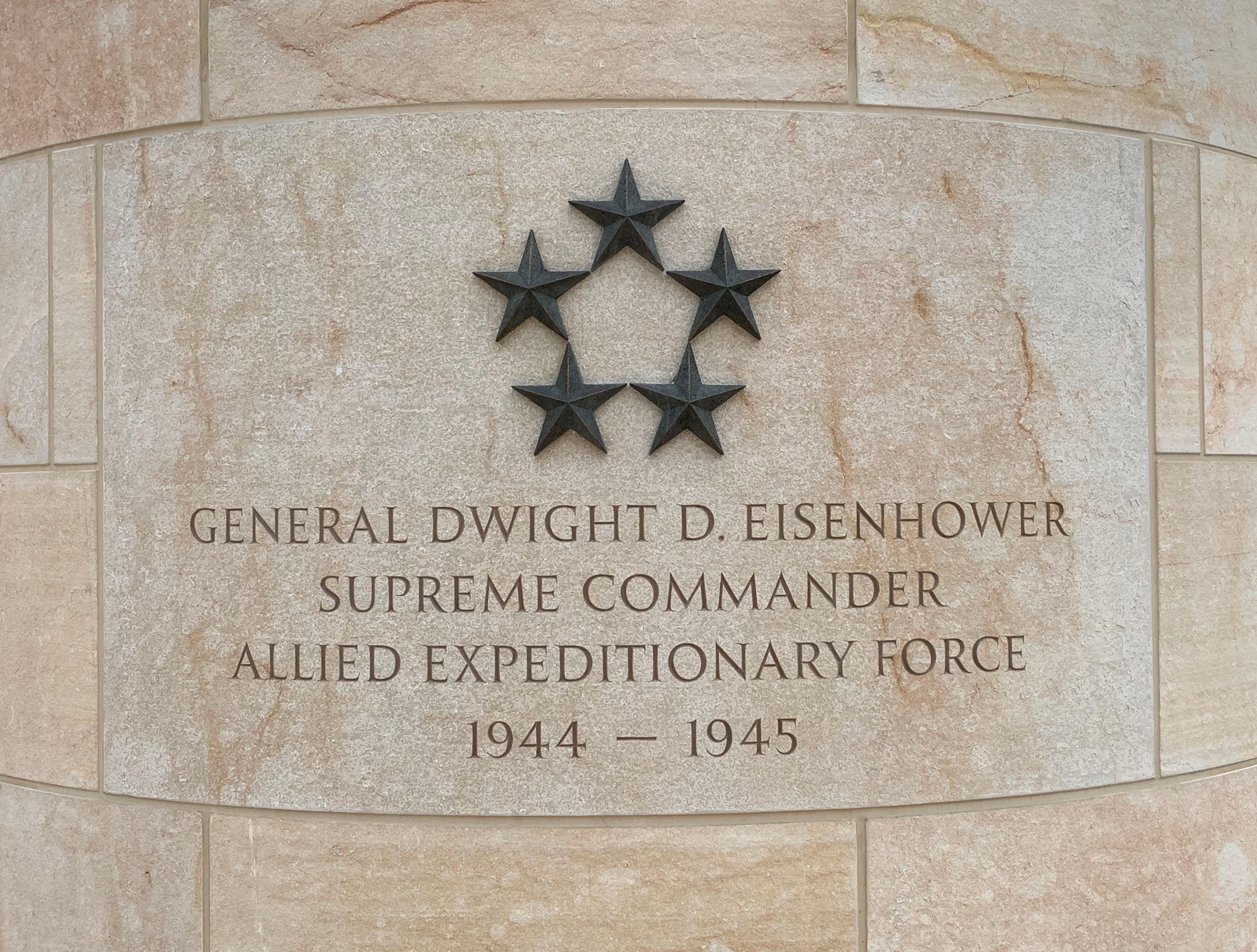
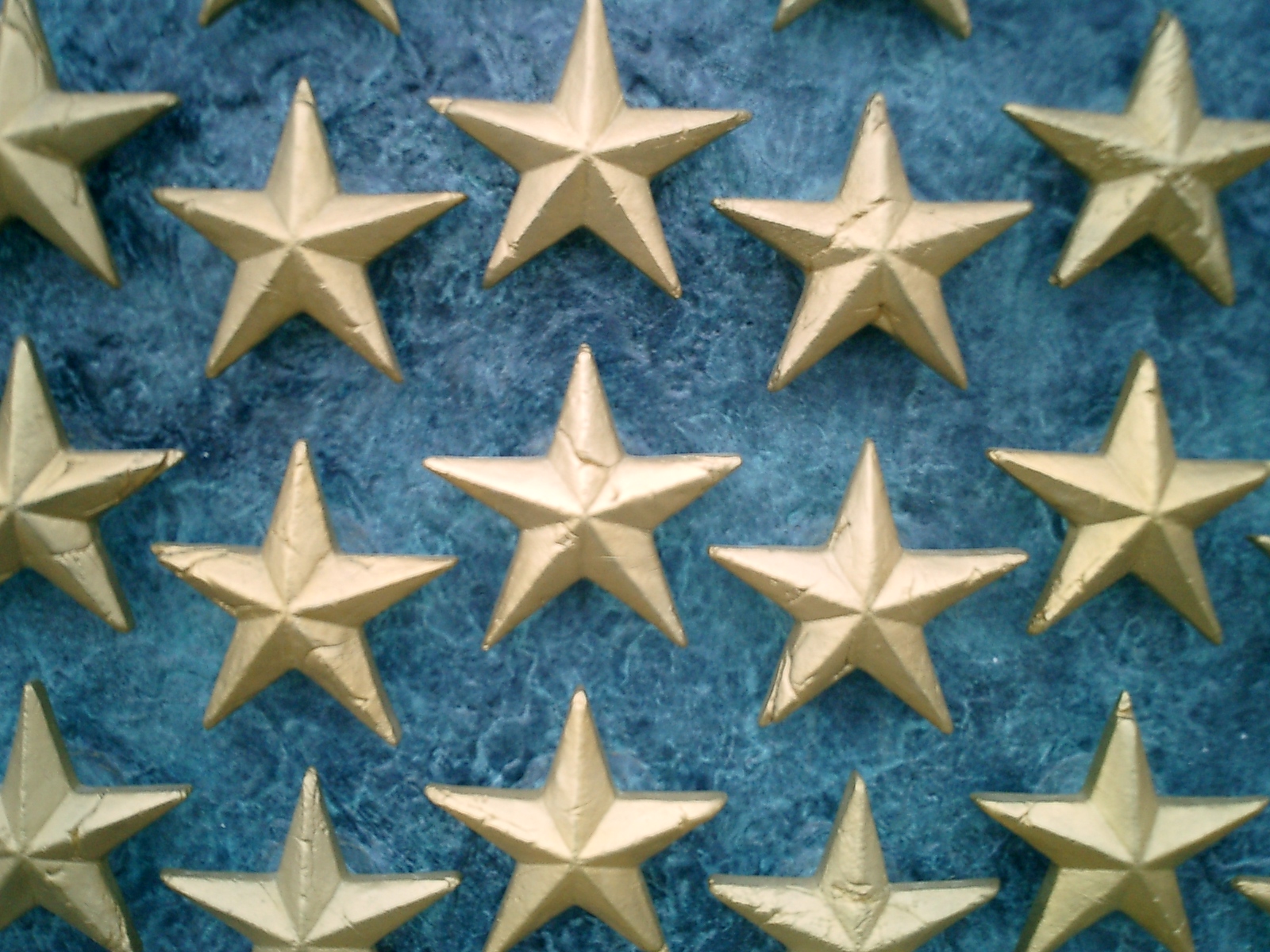
Through stone architecture and bronze sculptures, the World War II Memorial recognizes the ways Americans served, honors those who fell, and recognizes the victory they achieved to restore freedom and end tyranny around the globe.