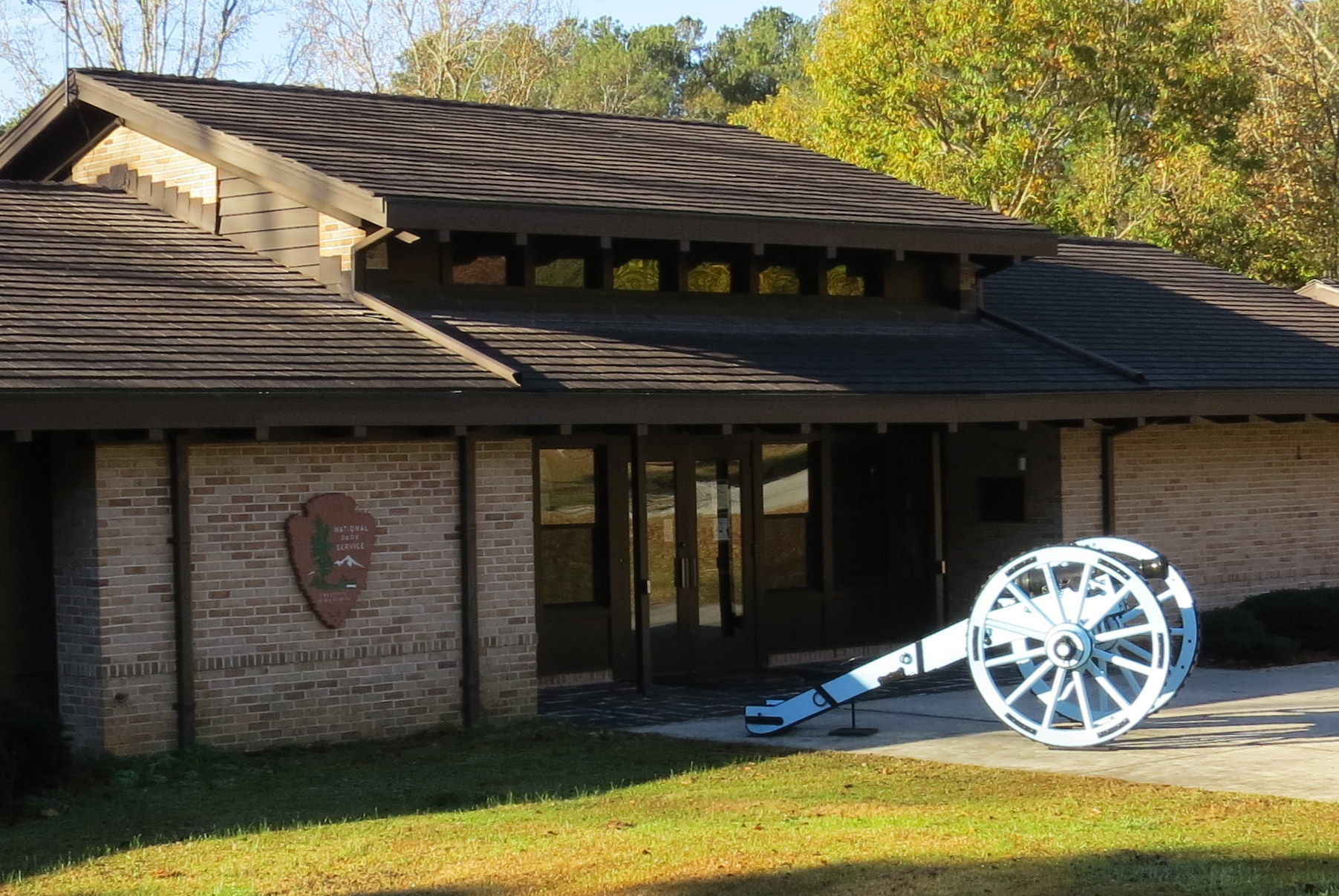
On March 27, 1814, Major General Andrew Jackson ‘s army of 3,300 men attacked Chief Menawa’s 1,000 Red Stick Creek warriors fortified in a horseshoe shaped bend of the Tallapoosa River. Over 800 Red Sticks died that day. This battle ended the Creek War, resulted in a land cession of 23,000,000 acres to the United States and created a national hero of Andrew Jackson.
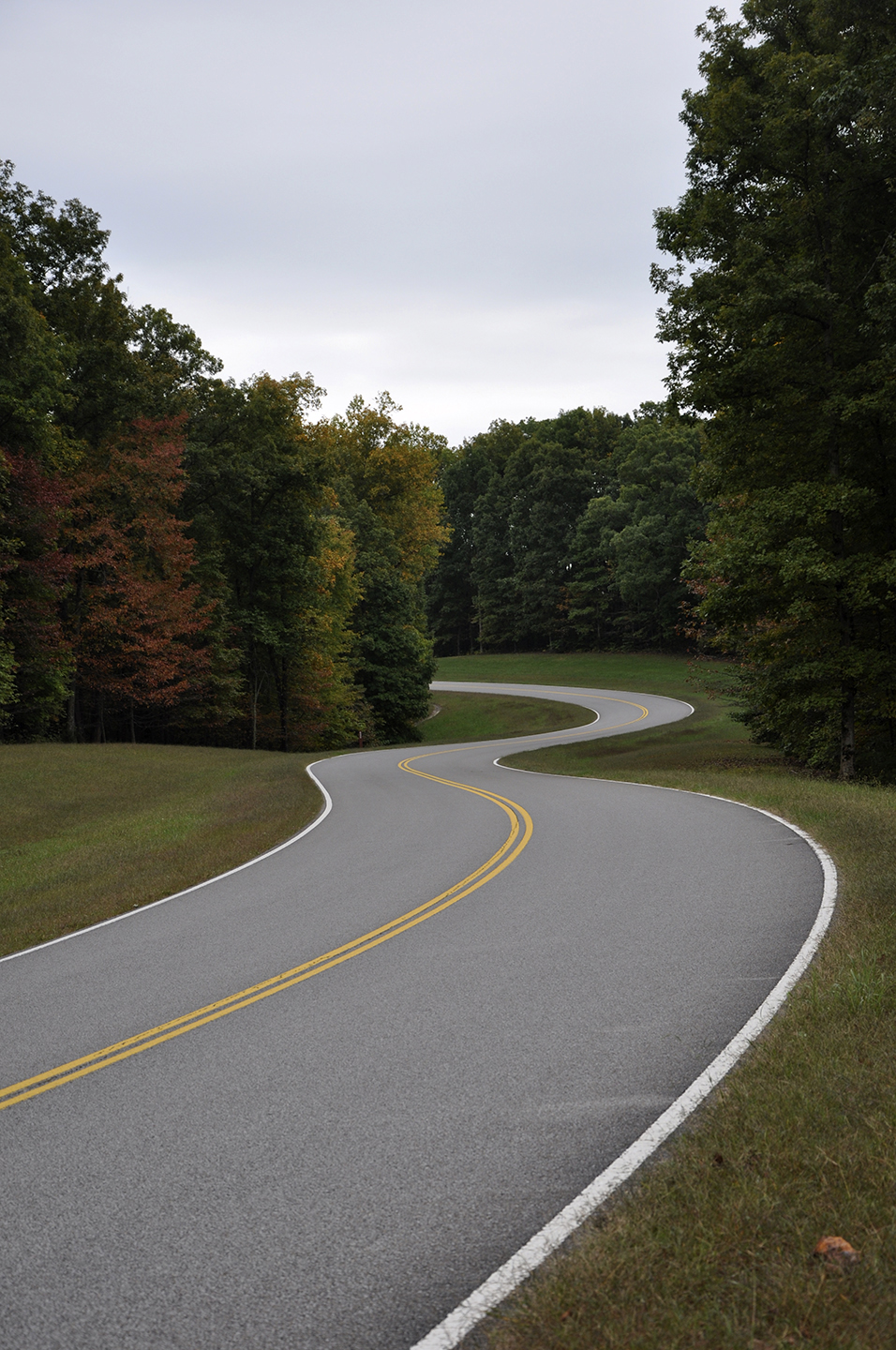
The Natchez Trace Parkway is a 444-mile recreational road and scenic drive through three states. It roughly follows the "Old Natchez Trace," a historic travel corridor used by American Indians, "Kaintucks," European settlers, slave traders, soldiers, and future presidents. Today, people can enjoy a scenic drive as well as hiking, biking, horseback riding, and camping along the Parkway.
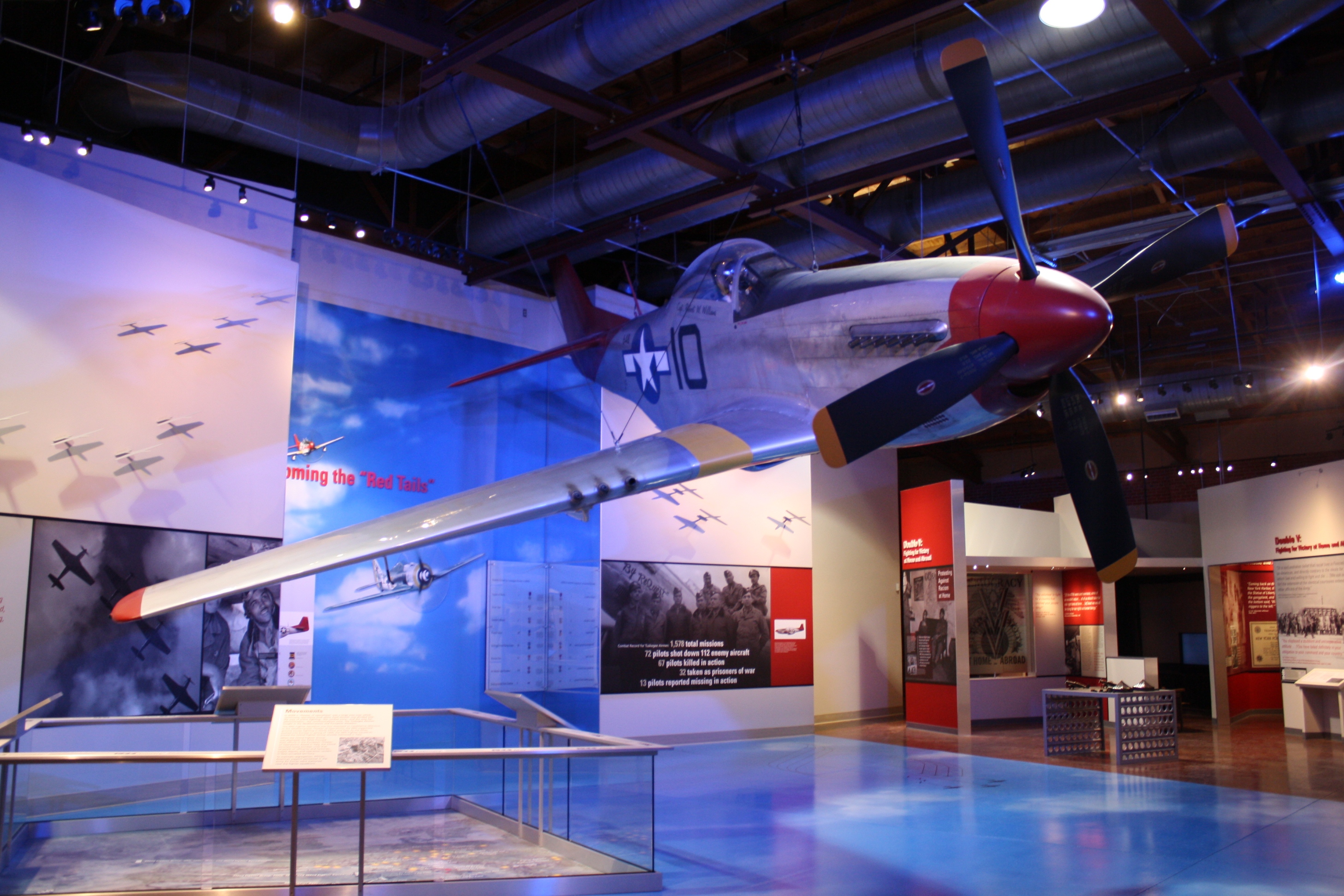
Before the first African American military pilots became known as the "Red Tails" they wore striped tails as they began their flight training in the Army's PT-17 Stearman bi-plane. Their flying adventure started at Moton Field, in Tuskegee, Alabama, where the Army Air Corps conducted a military test to determine if African Americans could be trained to fly combat aircraft.
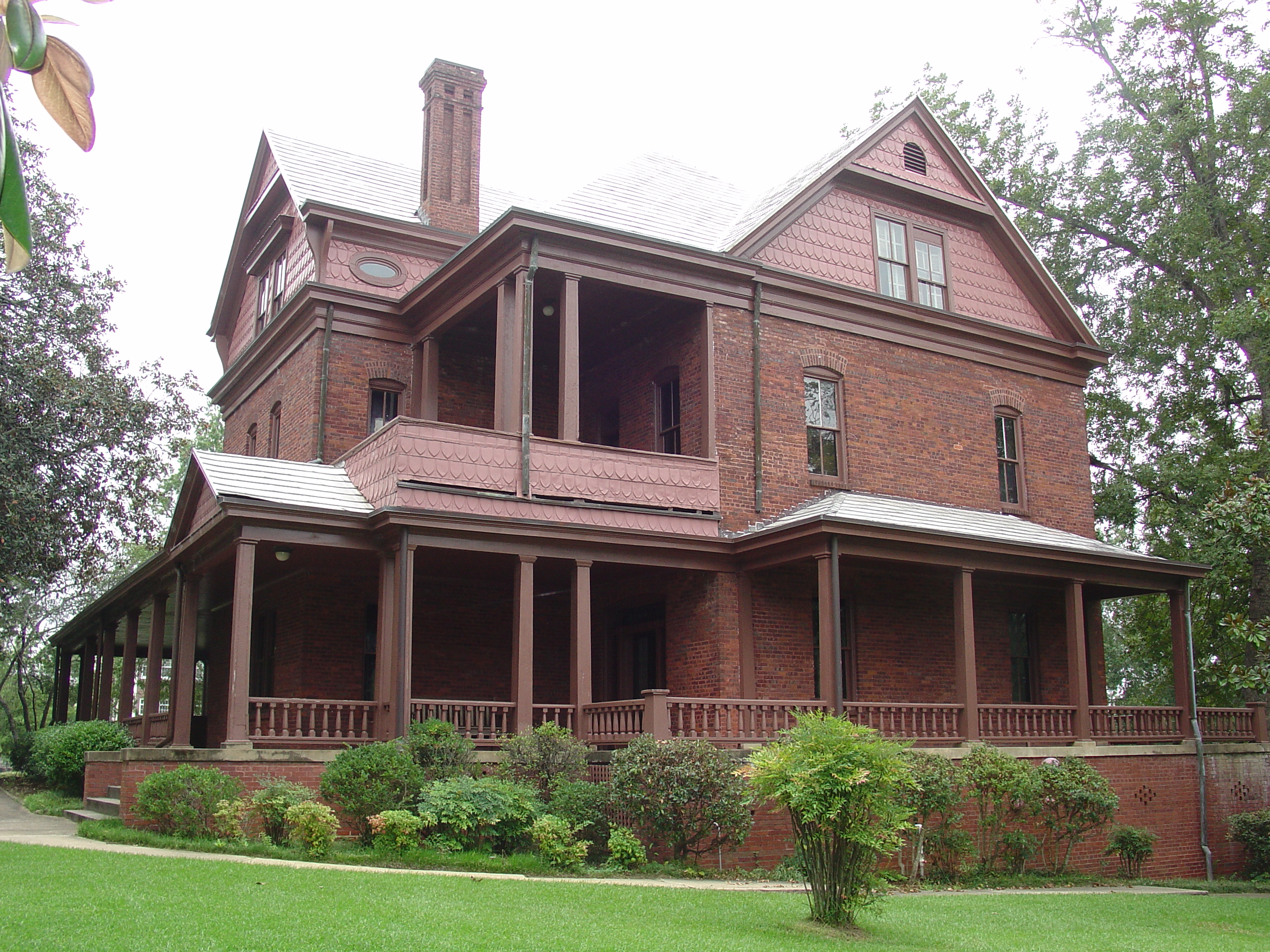
In 1881, Booker T. Washington arrived in Alabama and started building Tuskegee Institute both in reputation and literally brick by brick. He recruited the best and the brightest to come and teach here including George Washington Carver who arrived in 1896. Carver’s innovations in agriculture, especially with peanuts, expanded Tuskegee’s standing throughout the country. The story continues….